Jul 25, 2023
Iran’s Sistan and Baluchistan Province: Fire Under the Ashes
The July 25 edition of the Iran Media Review highlights reactions to unrest in Iran’s economically deprived Sistan and Baluchistan province.

Living in one of Iran’s least economically developed provinces, the people of Sistan and Baluchistan province suffer not only from unemployment and poverty but also from a lack of access to things as basic as drinking water. As elsewhere in Iran, public anger against the government frequently turns violent and often involves firearms due to the constant smuggling of weapons into Iran from the porous Afghan border. Javan Newspaper, a mouthpiece of the Islamic Revolutionary Guard Corps, recently accused local Sunni religious leaders of inciting the public against the regime. In doing so, Javan neglected the fire under the ashes constantly nurtured by economic underdevelopment.
- July 24: Centrist Iranian Students’ News Agency reported on the funeral services for four members of the Law Enforcement Forces killed in a “terrorist attack” in the Khash-Taftan area.
- July 24: According to IUS News, Sunni militant group Jaish ul-Adl, or the Army of Justice, which the news agency nicknamed Jaish al-Zolm, or the Army of Injustice, was behind the attack against the Law Enforcement Forces.
- July 24: Javan Newspaper accused Abdolhamid Ismaeelzahi, a Sunni cleric and the imam of the Makki Mosque in Zahedan, of inspiring recent killings of security personnel in Sistan and Baluchistan province: “In the course of the opposition’s cowardly terrorist attack, four honorable members of the police in the Khash-Taftan region reached the elevated dignity of martyrdom yesterday.” The article added that 15 security personnel have been killed in the Sistan and Baluchistan region since March 21. Explaining “the roots of terrorism,” the article argued: “The footprint of the proponents of violence leads to certain tribunes … In the course of last year’s sedition, Molavi Abdolhamid, the Friday prayer imam of the Makki Mosque in Zahedan, used the pretext of a sexual assault against a citizen, the circumstances of which had not yet been clarified, to radicalize the atmosphere in Zahedan city and in the province in its entirety. It was in that atmosphere that his hysterical audience attacked the 16th Police Station of Zahedan, which led to bitter and bloody incidents. These bitter incidents did not make Abdolhamid change course, and he has since used his Friday prayer sermon to propagate violence. Instead of being grateful for the nobility of the regime, he interprets the regime’s restraint as weakness.” Javan’s article concluded: “Molavi Abdolhamid must know that the time for issuing vague and indirectly accusatory statements is over and that he must clarify his position concerning the small terrorist groups that are targeting the security and calm of the people of Sistan and Baluchistan.”
The views represented herein are the author's or speaker's own and do not necessarily reflect the views of AGSI, its staff, or its board of directors.
Related
Iran Media Review
Sep 15, 2026
Despite Tactical Victories, Iran Struggles to Restore Deterrence
The September 15 edition of the Iran Media Review examines Iranian statements on a possible nuclear bomb, Iran’s relationship with the UAE, and developments in Yemen.
Iran Media Review
Sep 11, 2026
Diminishing Importance of the Straits?
The September 11 edition of the Iran Media Review contrasts hard-liners’ celebration of oil prices rising with a technocratic Iranian newspaper’s warning that the regime’s ability to take the world economy hostage is diminishing.
Iran Media Review
Sep 8, 2026
Mohsen Rezaei Explains Tehran’s Strategy
The September 8 edition of the Iran Media Review outlines the Iranian Supreme National Security Council secretary’s remarks on Iran’s strategic response to the U.S. naval blockade.
Sep 15, 2026
Despite Tactical Victories, Iran Struggles to Restore Deterrence
The September 15 edition of the Iran Media Review examines Iranian statements on a possible nuclear bomb, Iran’s relationship with the UAE, and developments in Yemen.
Sep 11, 2026
Diminishing Importance of the Straits?
The September 11 edition of the Iran Media Review contrasts hard-liners’ celebration of oil prices rising with a technocratic Iranian newspaper’s warning that the regime’s ability to take the world economy hostage is diminishing.
Sep 8, 2026
Mohsen Rezaei Explains Tehran’s Strategy
The September 8 edition of the Iran Media Review outlines the Iranian Supreme National Security Council secretary’s remarks on Iran’s strategic response to the U.S. naval blockade.
Analysis
The Islamic Republic Returns to Offense
After U.S.-Israeli strikes killed Supreme Leader Ayatollah Ali Khamenei on February 28, Iran’s collective leadership has concluded that the best defense is a good offense.
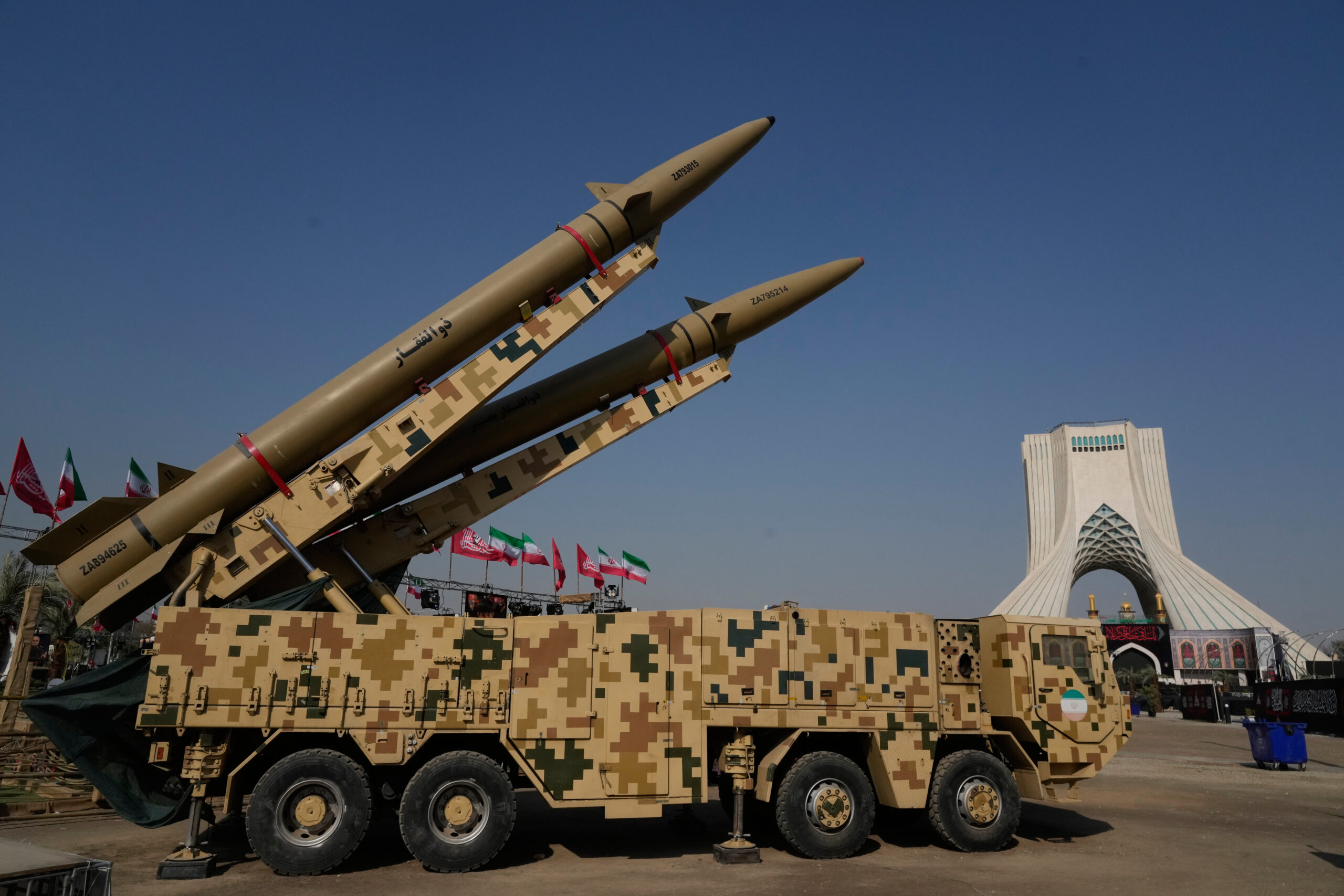
Iran’s Collective Strategic Decision Making
Wartime pressure has temporarily aligned the leadership’s overriding interest in regime survival, even as its members continue to differ over the costs, methods, and ultimate objectives of the war.
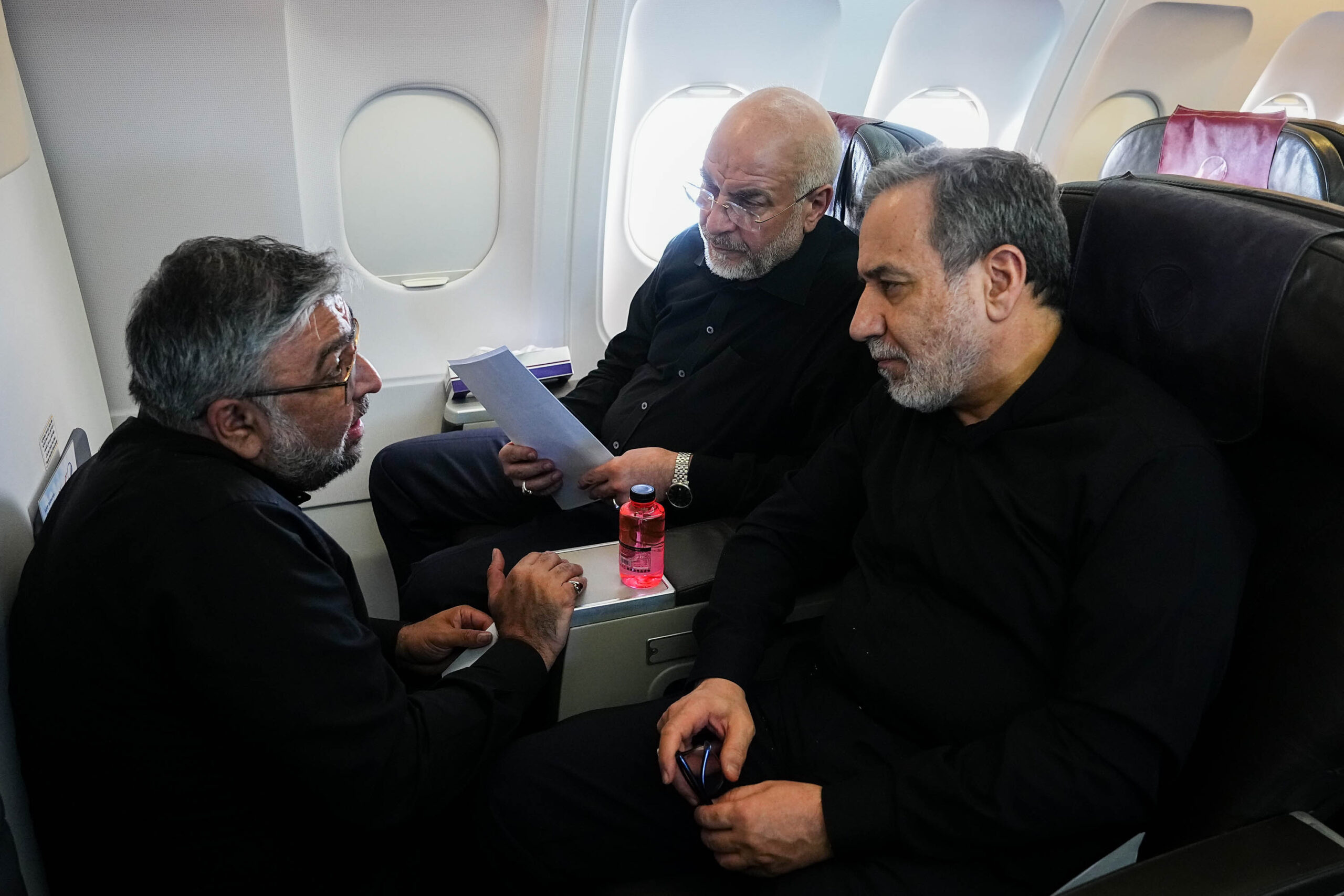
The Islamic Republic’s Collective Leadership
While there is historical precedent for collective leadership in Iran, today’s leadership includes representatives of the IRGC and regular military – a reflection of the IRGC’s expanding role and the necessities of governing under wartime conditions.
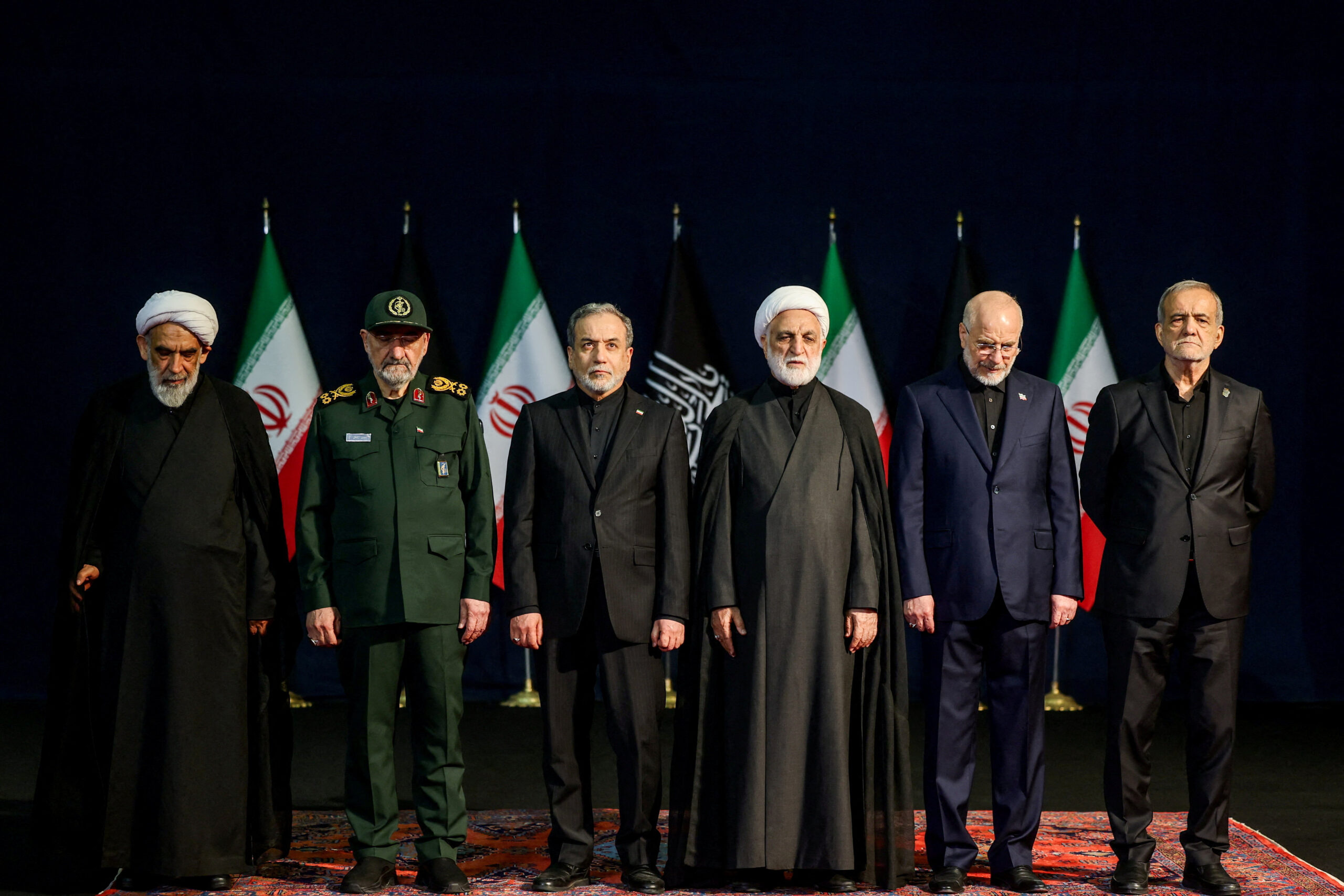
How Did the IRGC Seize Power in Iran?
The IRGC did not seize power in a single stroke. It accumulated it – patiently, methodically – until no counterweight remained.
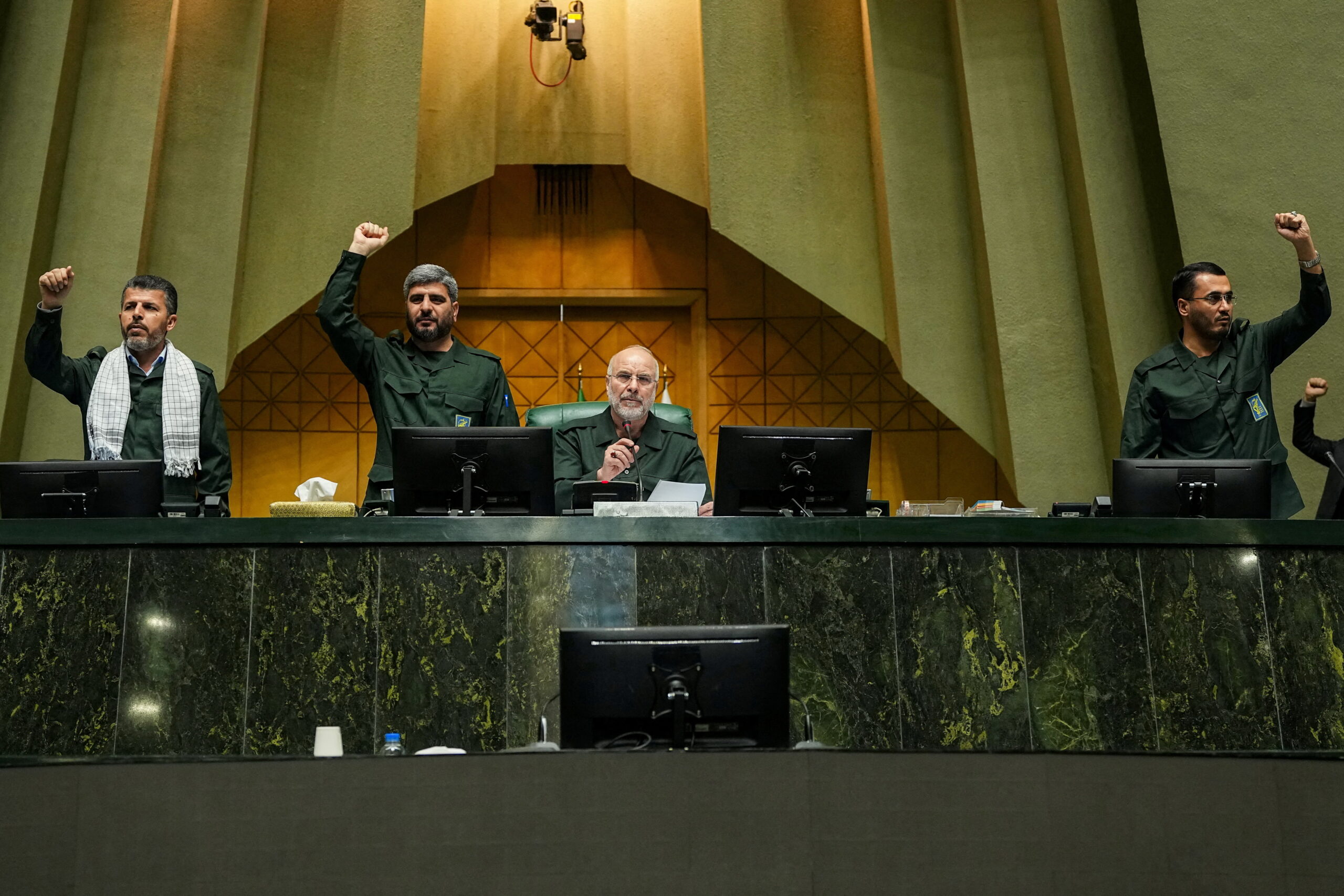
Events
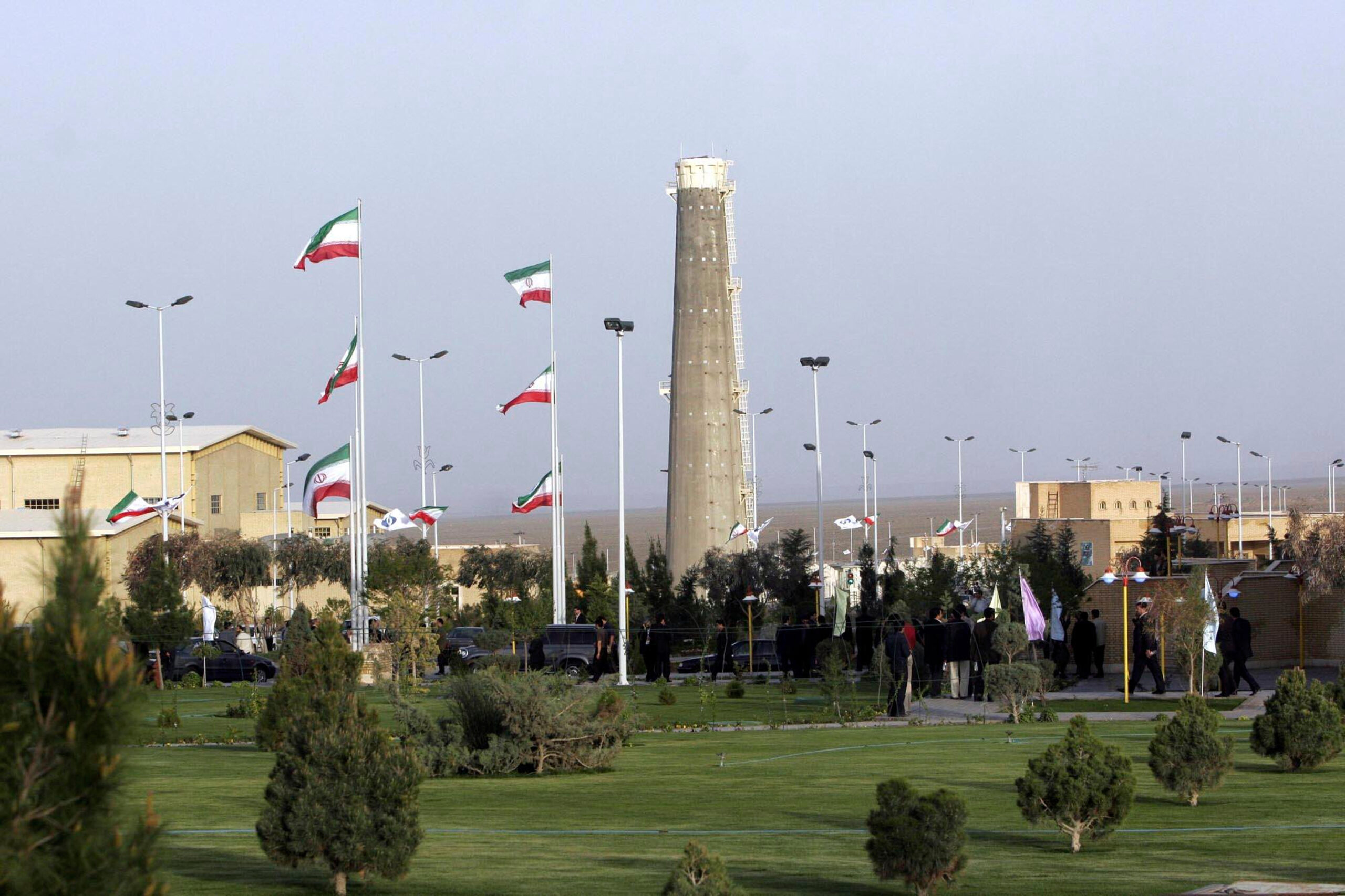
Book Talk: Iran and the Bomb: The United States, Iran and the Nuclear Question
On June 16, AGSI hosted a discussion on the evolution of Iran's nuclear program.
Speakers

Apr 21, 2026
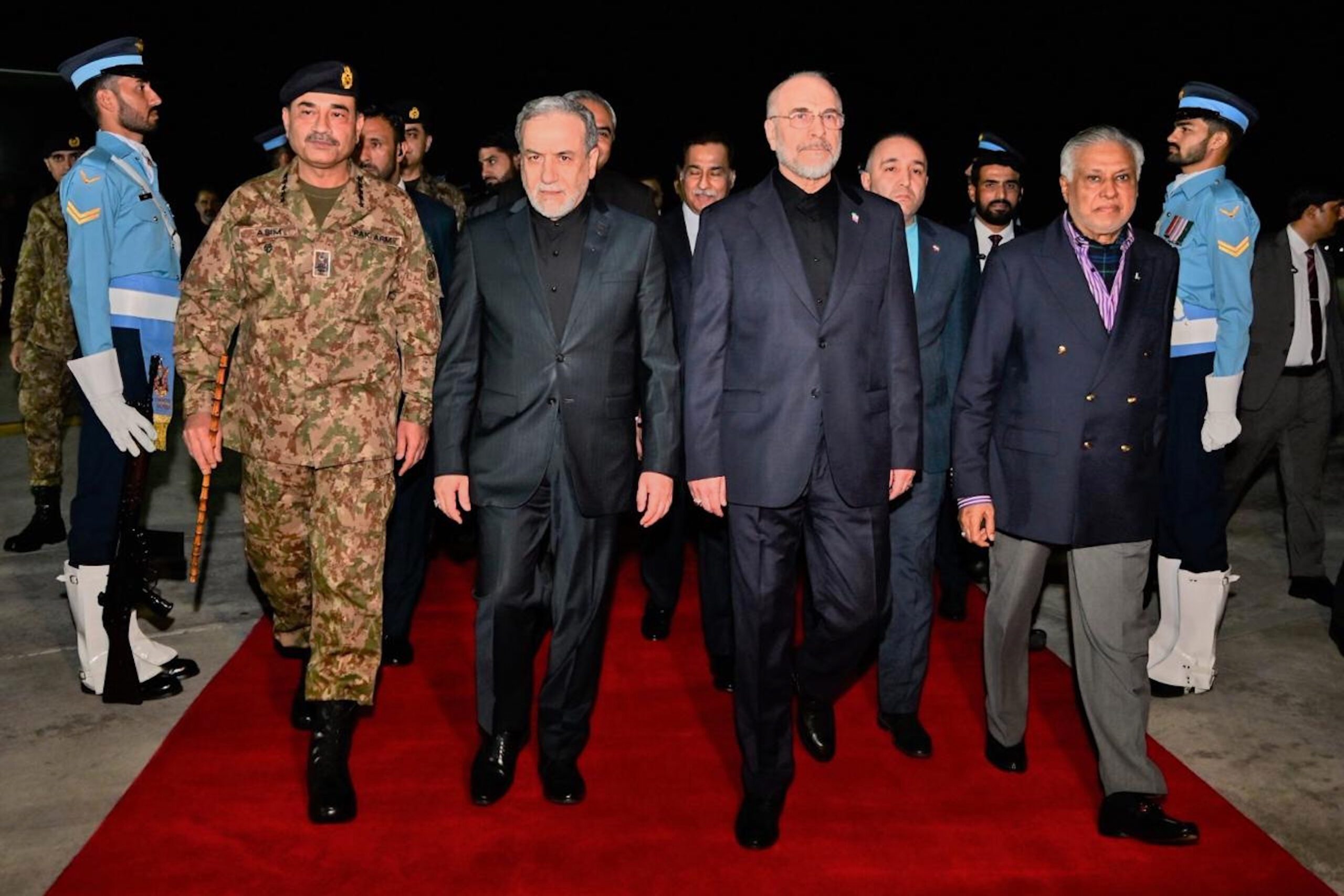
Inside Iran’s Wartime Leadership: Power, Succession, and Regime Stability
On April 21, AGSI hosted a discussion on the evolution of Iran's leadership during the war.
Speakers

Mar 18, 2026
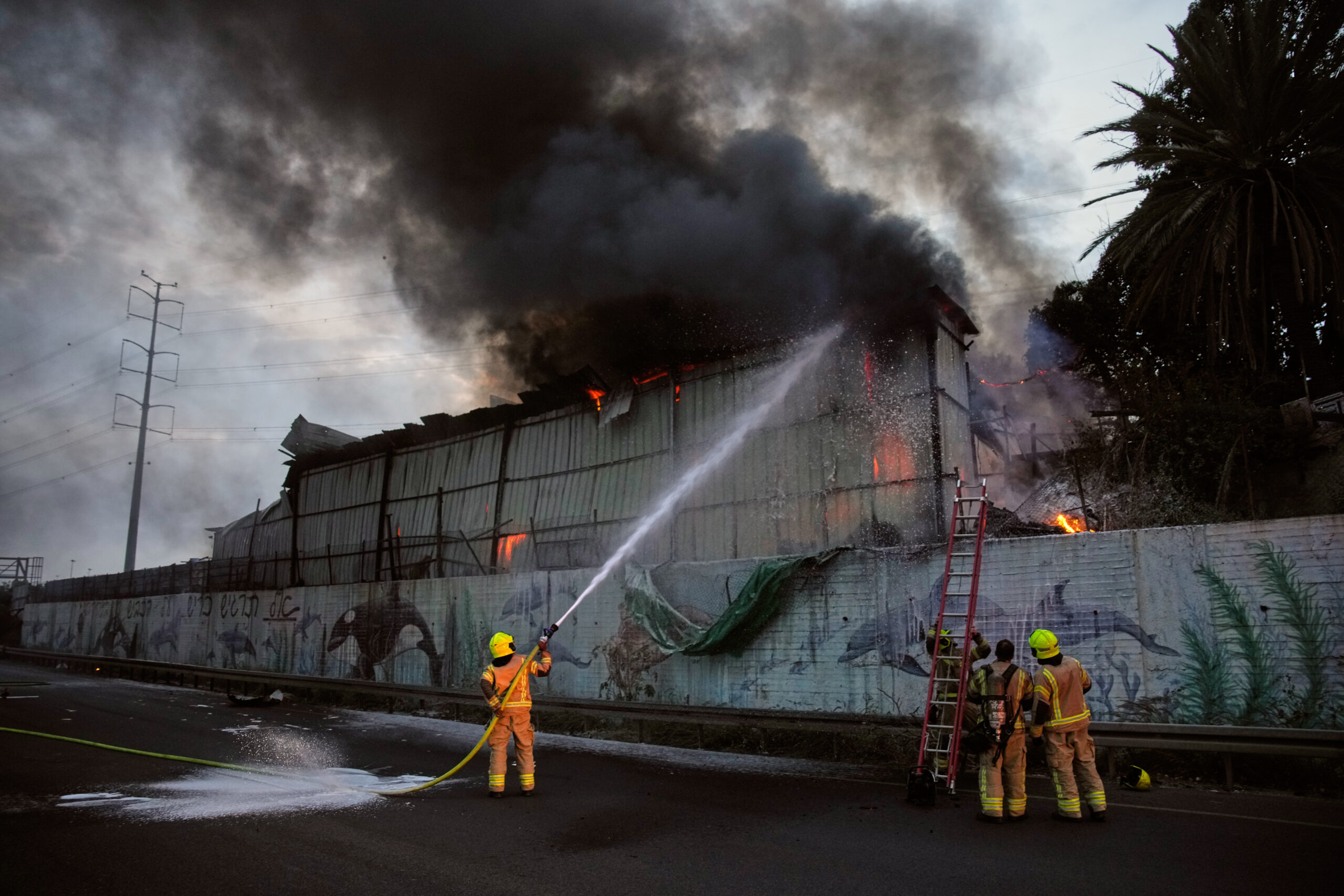
In Its Conflict With the United States and Israel, Does Escalation Favor Iran?
On March 18, AGSI hosted a discussion on the escalation of the Iran war.
Speakers


Mar 2, 2026
After the Shock: Implications of the U.S.–Israeli Strikes and Iran’s Leadership Transition
On March 2, AGSI hosted a discussion on the U.S.-Israeli strikes on Iran.
Speakers