Apr 7, 2023
Frozen Conflict: Two IRGC Officers Killed in Israeli Strike on Damascus Suburbs
The April 7 edition of the Iran Media Review highlights the killing of two Islamic Revolutionary Guard Corps officers in an Israeli airstrike in Syria.

As Iran and Syria move toward diplomatic normalization with a number of Gulf Arab states, Israel’s bombardment of Iranian military positions in Syria continues unabated. According to Haaretz, in March alone, Israel conducted no fewer than six attacks against targets in Syria, including Iranian convoys transporting weapons to Lebanese Hezbollah and warehouses in the Damascus suburbs. Israel’s March 31 attack on a position in the suburbs of Damascus, which, according to Iran’s state-censored press, killed two Islamic Revolutionary Guard Corps officers, comes amid a decadelong Israeli campaign against Iranian and allied military positions in Syria. As in the past, Iran did not retaliate against Israel, choosing strategic patience rather than risking an inopportune war.
- March 31: Nasser Kanani, the Iranian Foreign Ministry spokesperson, said, as quoted by Khabarban: “We strongly condemn the aggressor Zionist regime’s attacks against locations in Damascus and its suburbs … It is deeply saddening that the international community has not reacted to the systematic, aggressive attacks of the Zionist regime against Syria, including against civilian airports and even residential neighborhoods.”
- April 1: Fars News Agency covered the funeral service of IRGC Captain Milad Heydari in Qarchak county. According to the news agency, Heydari was allegedly killed in an Israeli air raid against a position in the Damascus suburbs.
- April 2: According to the Islamic Republic of Iran Broadcasting, IRGC Captain Meqdad Mahqani, who was injured during the March 31 attack, died.
The views represented herein are the author's or speaker's own and do not necessarily reflect the views of AGSI, its staff, or its board of directors.
Related
Iran Media Review
Oct 16, 2026
Qalibaf’s New Equation: War, Negotiation, and Deterrence
The October 16 edition of the Iran Media Review highlights the call by Iran’s parliamentary speaker for a combination of war and negotiation to establish deterrence against further attacks on Iran.
Iran Media Review
Oct 13, 2026
From Neighbor to Target: Iranian Analysts on the UAE
The October 13 edition of the Iran Media Review explores calls by senior Iranian strategists for Iran to target the United Arab Emirates and Dubai’s airport.
Iran Media Review
Oct 9, 2026
Food Baskets for the Faithful Servants
The October 9 edition of the Iran Media Review considers Iranian media questions regarding aid distribution to government employees and the resentment building among Iranians left outside the circle.
Oct 16, 2026
Qalibaf’s New Equation: War, Negotiation, and Deterrence
The October 16 edition of the Iran Media Review highlights the call by Iran’s parliamentary speaker for a combination of war and negotiation to establish deterrence against further attacks on Iran.
Oct 13, 2026
From Neighbor to Target: Iranian Analysts on the UAE
The October 13 edition of the Iran Media Review explores calls by senior Iranian strategists for Iran to target the United Arab Emirates and Dubai’s airport.
Oct 9, 2026
Food Baskets for the Faithful Servants
The October 9 edition of the Iran Media Review considers Iranian media questions regarding aid distribution to government employees and the resentment building among Iranians left outside the circle.
Analysis
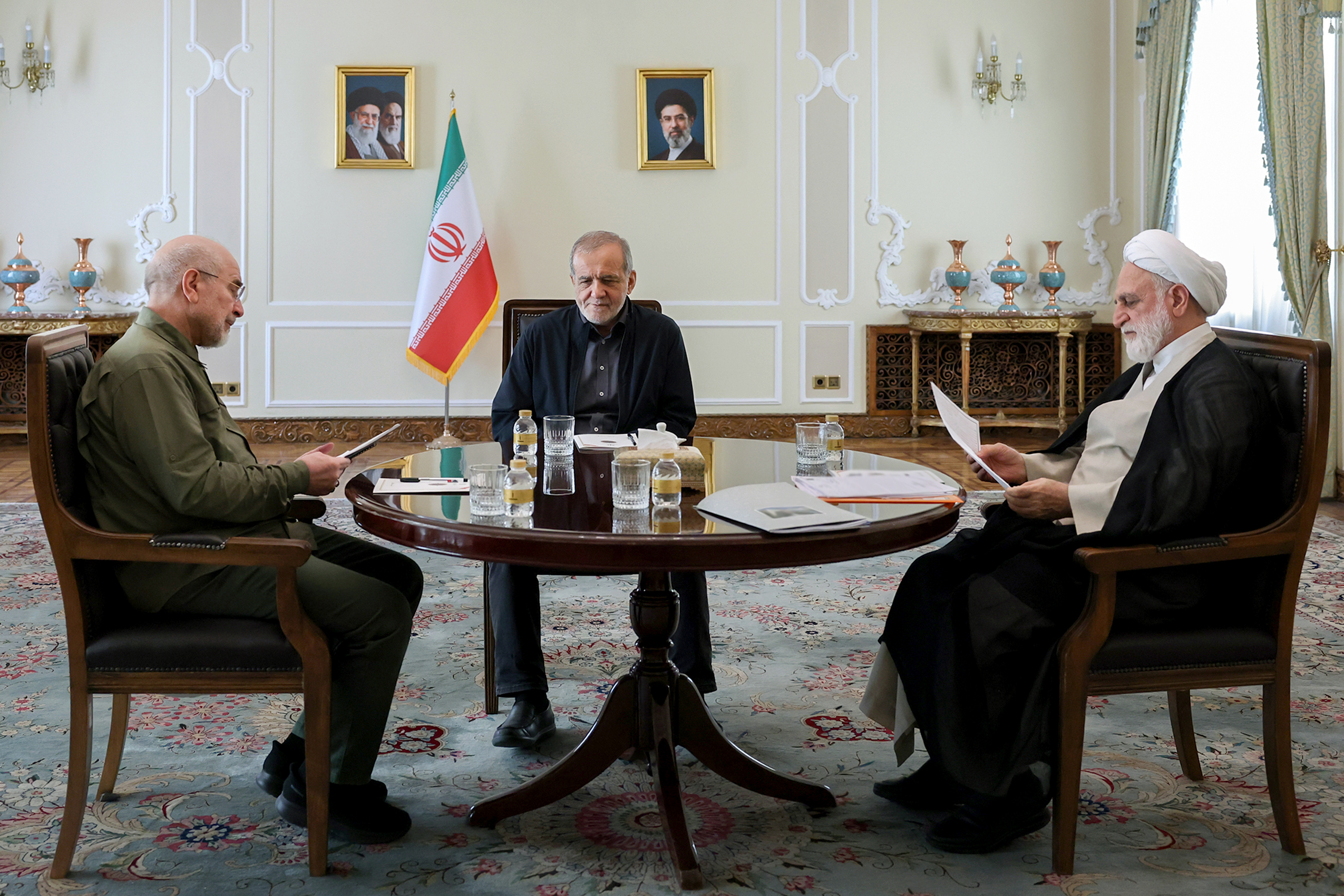
The Committee of Six and Strategic Decision Making in Iran
Remarks by Iran’s president offer a rare glimpse of how the Islamic Republic has adapted its decision making to the absence of its supreme leader.
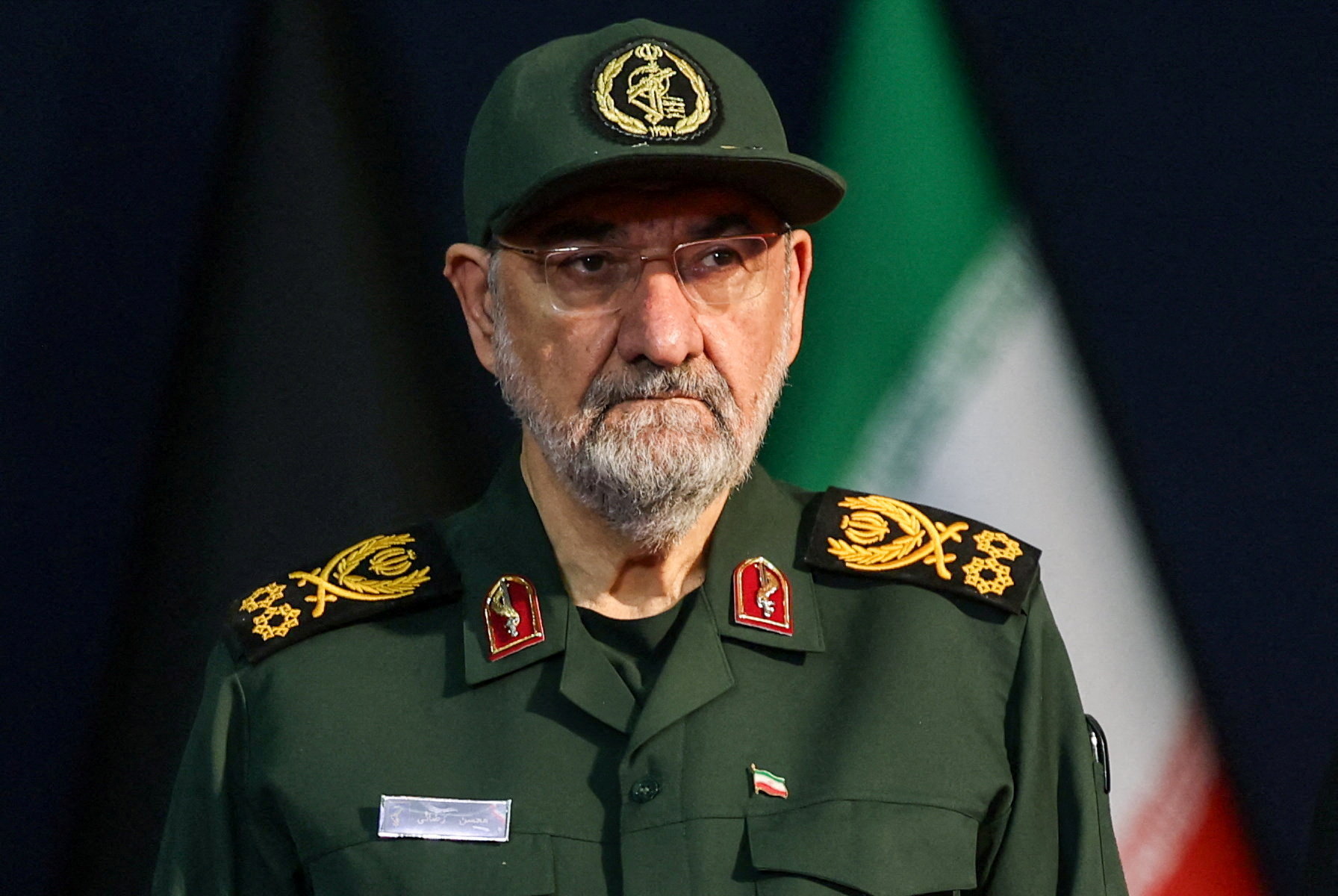
Mohsen Rezaei at the Helm of Iran’s Supreme National Security Council
Under Rezaei, the SNSC could prove constructive or paralyze strategic decision making.
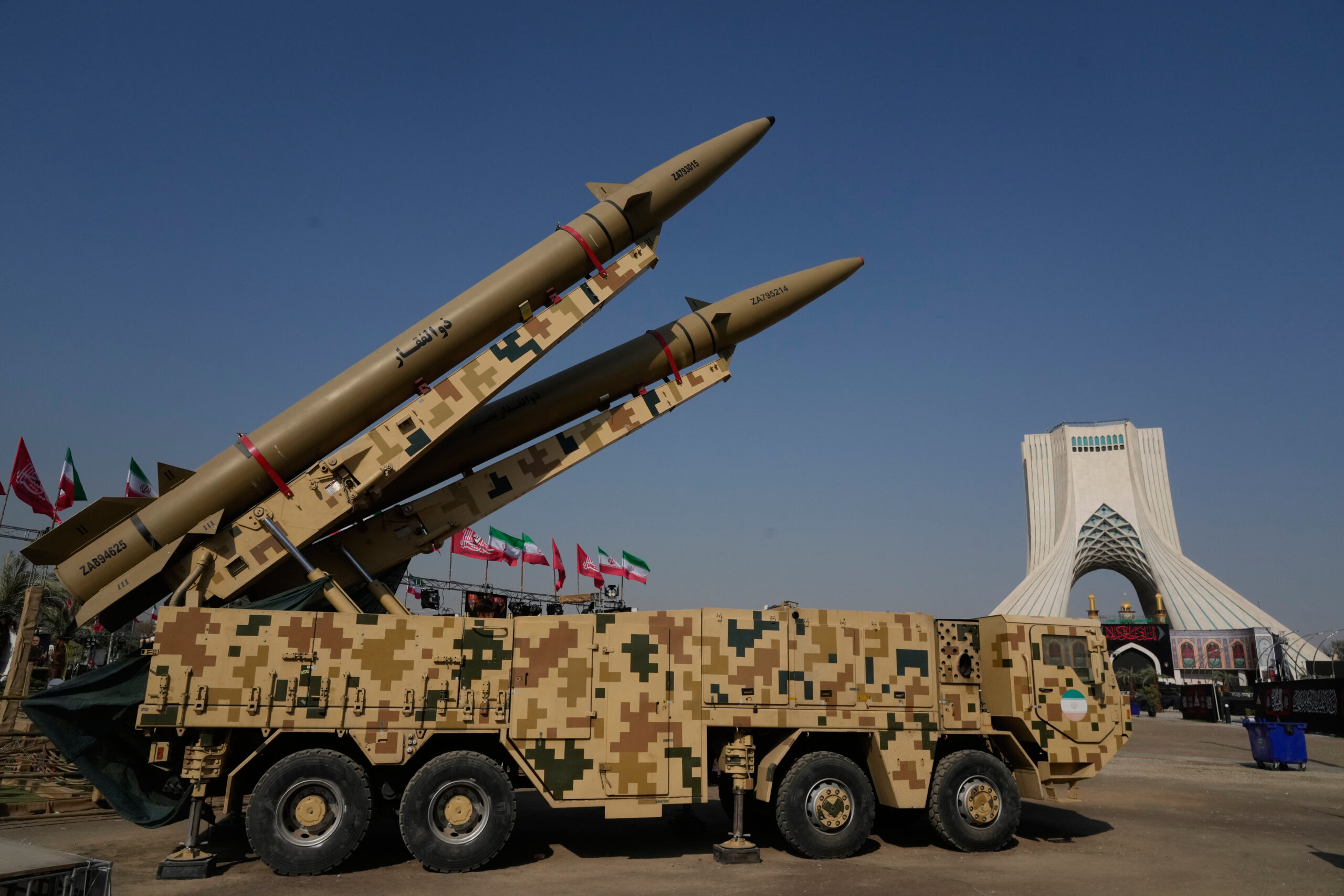
The Islamic Republic Returns to Offense
After U.S.-Israeli strikes killed Supreme Leader Ayatollah Ali Khamenei on February 28, Iran’s collective leadership has concluded that the best defense is a good offense.
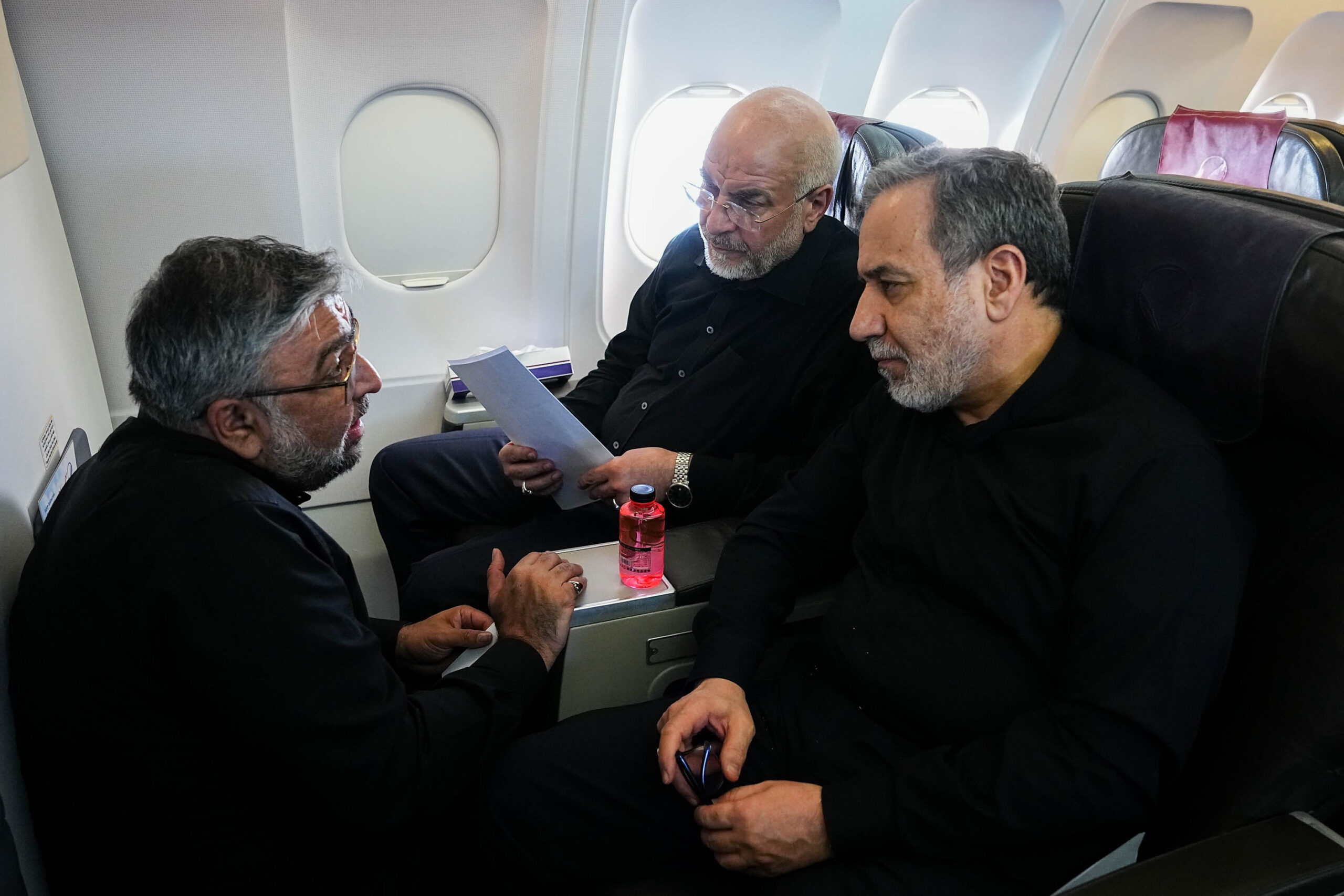
Iran’s Collective Strategic Decision Making
Wartime pressure has temporarily aligned the leadership’s overriding interest in regime survival, even as its members continue to differ over the costs, methods, and ultimate objectives of the war.
Events
Oct 6, 2026
Is the U.S.-Iran Stalemate a “New Normal” or the Prelude to Another Explosion?
On October 6, AGSI hosted a discussion on the U.S.-Iran stalemate and the prospects for a cease-fire.
Speakers



Book Talk: Iran and the Bomb: The United States, Iran and the Nuclear Question
On June 16, AGSI hosted a discussion on the evolution of Iran's nuclear program.
Speakers
Apr 21, 2026
Inside Iran’s Wartime Leadership: Power, Succession, and Regime Stability
On April 21, AGSI hosted a discussion on the evolution of Iran's leadership during the war.
Speakers

Mar 18, 2026
In Its Conflict With the United States and Israel, Does Escalation Favor Iran?
On March 18, AGSI hosted a discussion on the escalation of the Iran war.
Speakers