Oct 25, 2022
IRGC War University Professor: “Pursue Nuclear Deterrence Instead of a Nuclear Deal”
The October 25 edition of the Iran Media Review considers calls from an assistant professor at Imam Hossein University for Iran to abandon nuclear negotiations with the United States and pursue nuclear deterrence.

Aspiring nuclear powers seldom trumpet their intentions, but in Iran, whose government systematically dismisses all accusations of harboring nuclear ambitions, certain quarters openly call for development of a nuclear deterrence. Rouh-Allah Qaderi, an assistant professor at the Islamic Revolutionary Guard Corps’ Imam Hossein University, interviewed by IRGC mouthpiece Javan, is the latest public figure urging the regime to abandon nuclear negotiations with the United States and pursue nuclear deterrence. The interview may or may not reflect the dominant thinking within the IRGC, but it reveals deeply flawed assumptions concerning utility of nuclear weapons and the ability of Iran to simultaneously dash for the bomb and improve the economic lot of the Iranian people.
As proved during the Cold War and its aftermath, nuclear deterrence and the threat of mutually assured destruction prevented wars between nuclear powers but intensified psychological and propaganda warfare, which also included use of ethnic, religious, and sectarian divides. Separately, Qaderi’s recommendations for Iran to simultaneously pursue a nuclear deterrence and improve the economic lot of the Iranian public are mutually exclusive under the sanctions regime. Is the regime ready to make Iranians “eat grass” until Iran gets the bomb, as President Zulfikar Ali Bhutto famously said about Pakistan’s effort to build the bomb in the 1970s?
- October 22: In an interview with Javan, Qaderi argued:
- On foreign intervention in domestic protests: “In practice, American and European officials are urging the people to remain in the streets and violate the life, property, and honor” of fellow Iranian citizens.
- On Iran’s ethnic and sectarian diversity and the risk of Balkanization: “We see ethnonationalism in Iraq, Lebanon, Bosnia, and other places, which opens the legal path for eternal foreign intervention and the spread of religious, ethnic, and political radicalism. This is what we call Balkanization, meaning portioning nations and positioning them against each other … This is the Western plot for independent states … Activating sectarian fault lines, instigating ethnic conflict, and deepening sectarian strife is the engine of Balkanization of Iran … They want Iran to be a small government subjected to their command. Unfortunately, some unfriendly neighboring states pursue a similar policy. The truth is that all Iran’s neighbors, with the exception of Russia, have no independent culture and civilization. Their identity is a borrowed Iranian identity!”
- On pursuing a nuclear deterrence instead of a nuclear deal: “Under such circumstances, my recommendation is, and I have announced it again and again, first and foremost to end the futile nuclear negotiations with the Western party, and fast develop a nuclear deterrence. Next, to engage in an around-the-clock effort to improve our performance to increase the approval level of the patient and grateful Iranian nation … Deterrence guarantees our security in the anarchic system … and the public approval level is the core of national security. Therefore, preserving a nuclear deterrence and solving the economic hardships of the people (in particular concerning employment, marriage, and housing), and giving a credible answer to the legitimate political and cultural demands of the people, is the key to resolve the current crisis and neutralize the grand conspiracy to break up our dear Iran through Balkanization.”
The views represented herein are the author's or speaker's own and do not necessarily reflect the views of AGSI, its staff, or its board of directors.
Related
Iran Media Review
Oct 21, 2022
Iran: Reconquest in the Caucasus, Bombing Iraqi Kurdistan and Saudi Arabia, or Reopening Embassies?
The October 21 edition of the Iran Media Review explores the discordance of Iranian messages of threats and diplomacy.
Iran Media Review
Oct 18, 2022
IRGC Chief Warns Saudi Arabia to Restrain Media Broadcasts to Iran
The October 18 edition of the Iran Media Review considers warnings to foreign media broadcasts to Iran.
Oct 21, 2022
Iran: Reconquest in the Caucasus, Bombing Iraqi Kurdistan and Saudi Arabia, or Reopening Embassies?
The October 21 edition of the Iran Media Review explores the discordance of Iranian messages of threats and diplomacy.
Oct 18, 2022
IRGC Chief Warns Saudi Arabia to Restrain Media Broadcasts to Iran
The October 18 edition of the Iran Media Review considers warnings to foreign media broadcasts to Iran.
Analysis
Mohsen Rezaei at the Helm of Iran’s Supreme National Security Council
Under Rezaei, the SNSC could prove constructive or paralyze strategic decision making.
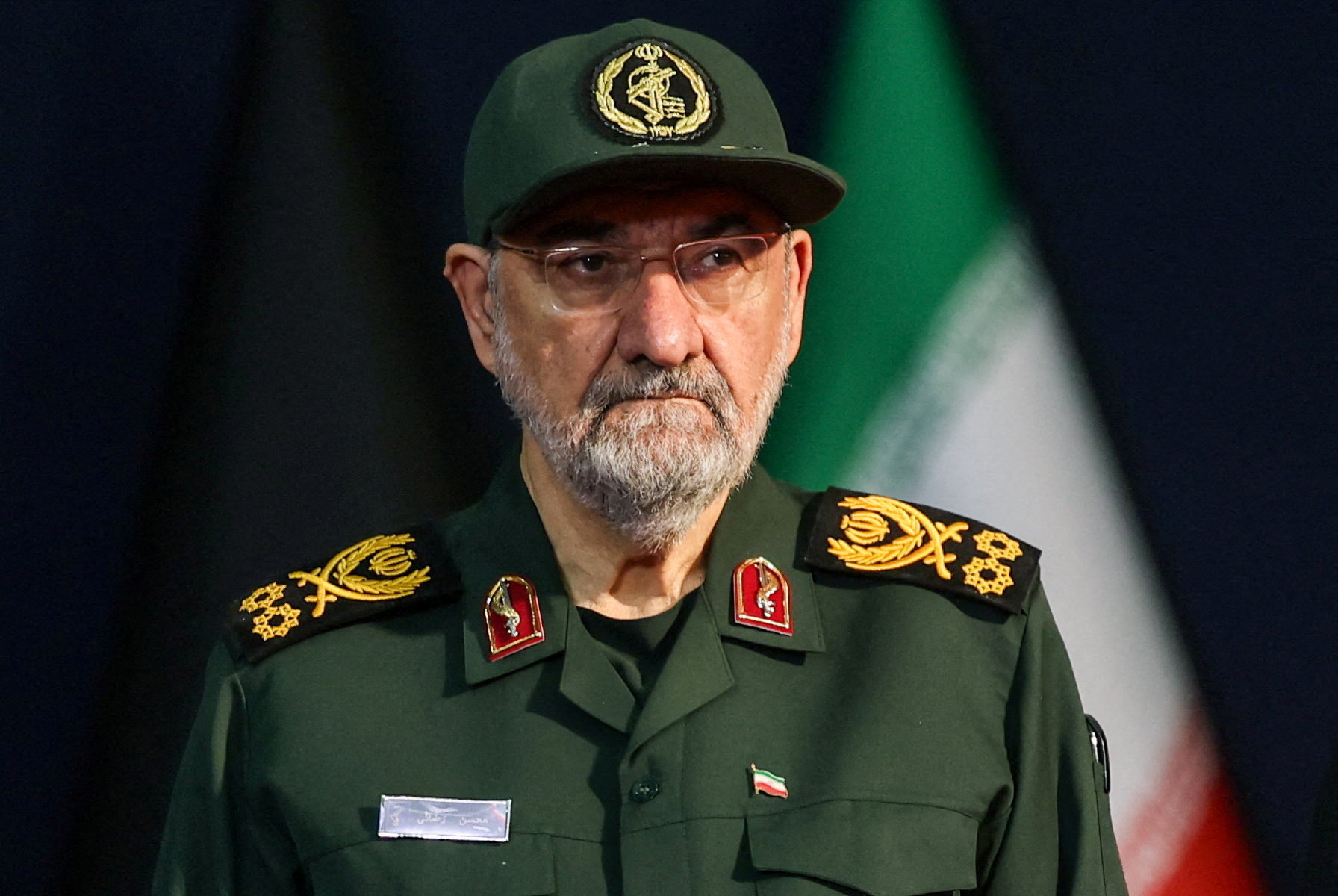
The Islamic Republic Returns to Offense
After U.S.-Israeli strikes killed Supreme Leader Ayatollah Ali Khamenei on February 28, Iran’s collective leadership has concluded that the best defense is a good offense.
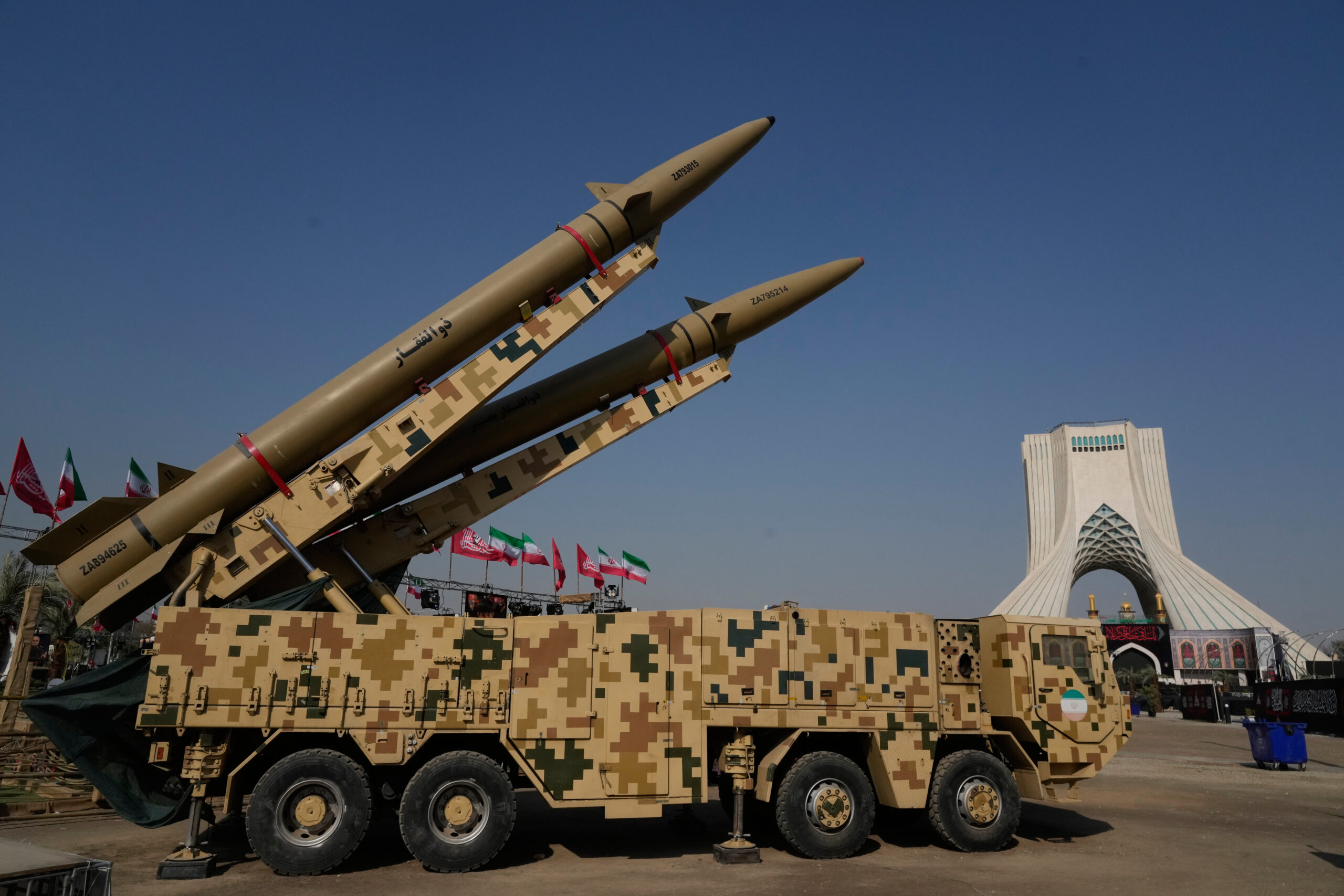
Iran’s Collective Strategic Decision Making
Wartime pressure has temporarily aligned the leadership’s overriding interest in regime survival, even as its members continue to differ over the costs, methods, and ultimate objectives of the war.
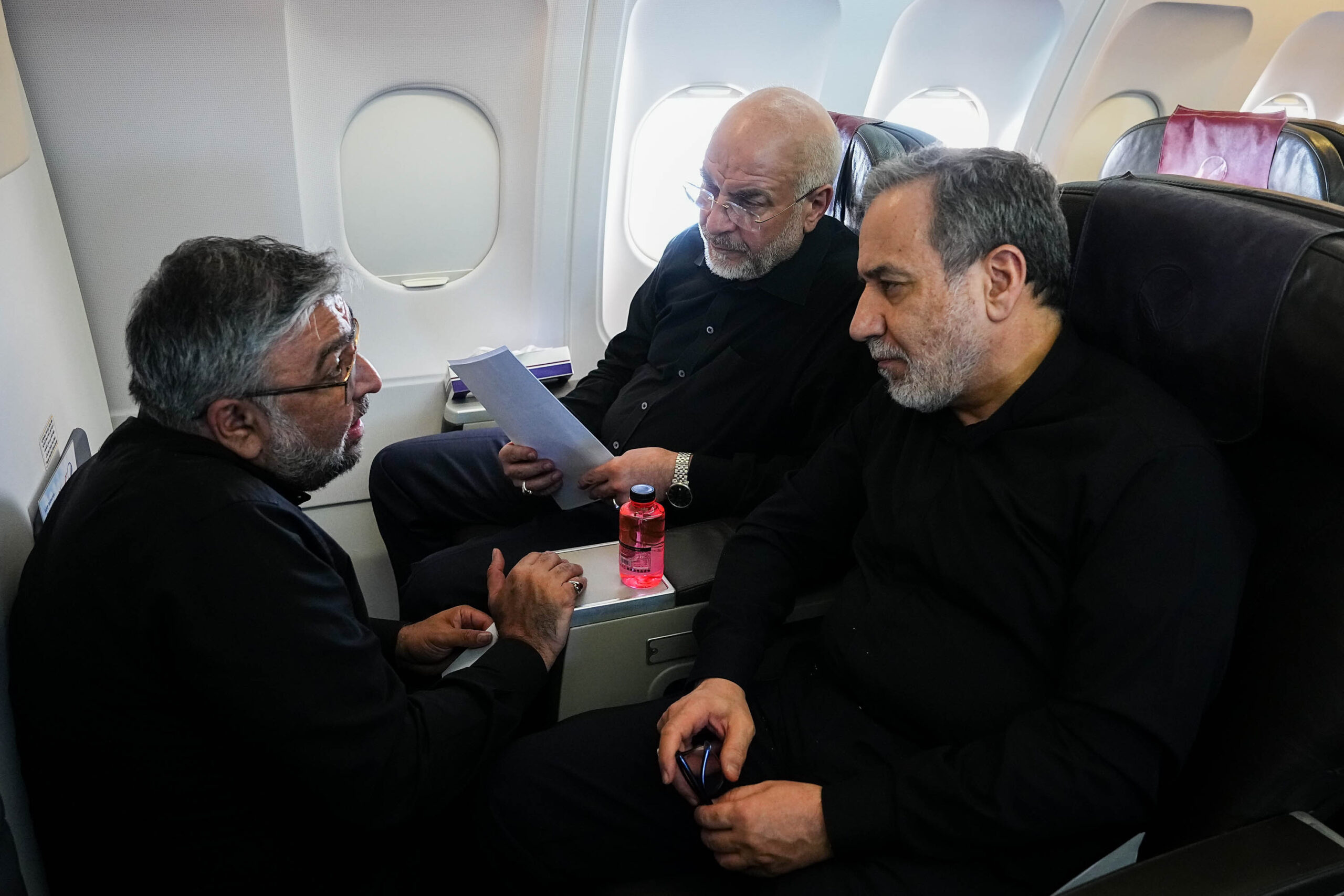
The Islamic Republic’s Collective Leadership
While there is historical precedent for collective leadership in Iran, today’s leadership includes representatives of the IRGC and regular military – a reflection of the IRGC’s expanding role and the necessities of governing under wartime conditions.
Events
Oct 6, 2026
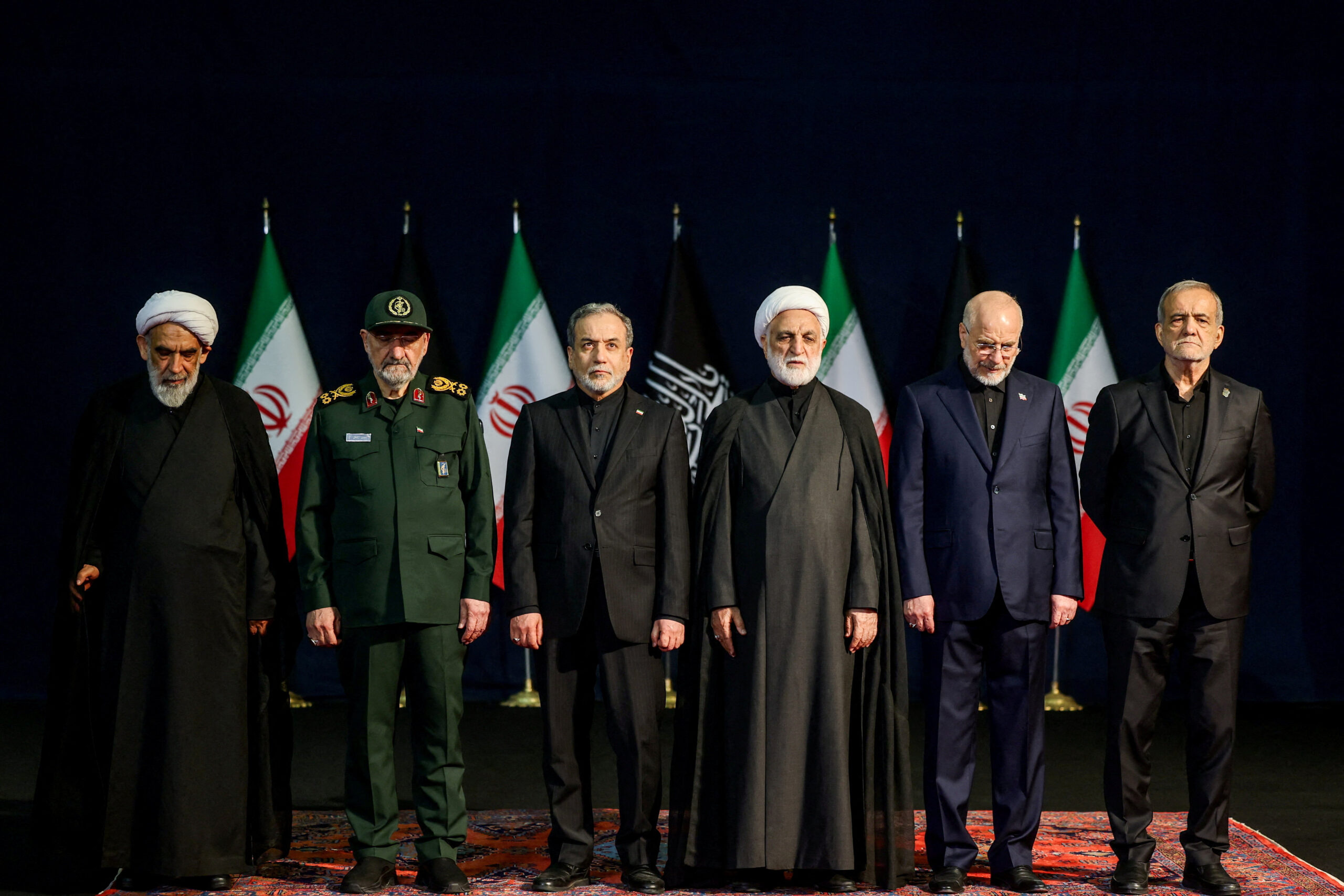
Is the U.S.-Iran Stalemate a “New Normal” or the Prelude to Another Explosion?
On October 6, AGSI hosted a discussion on the U.S.-Iran stalemate and the prospects for a cease-fire.
Speakers



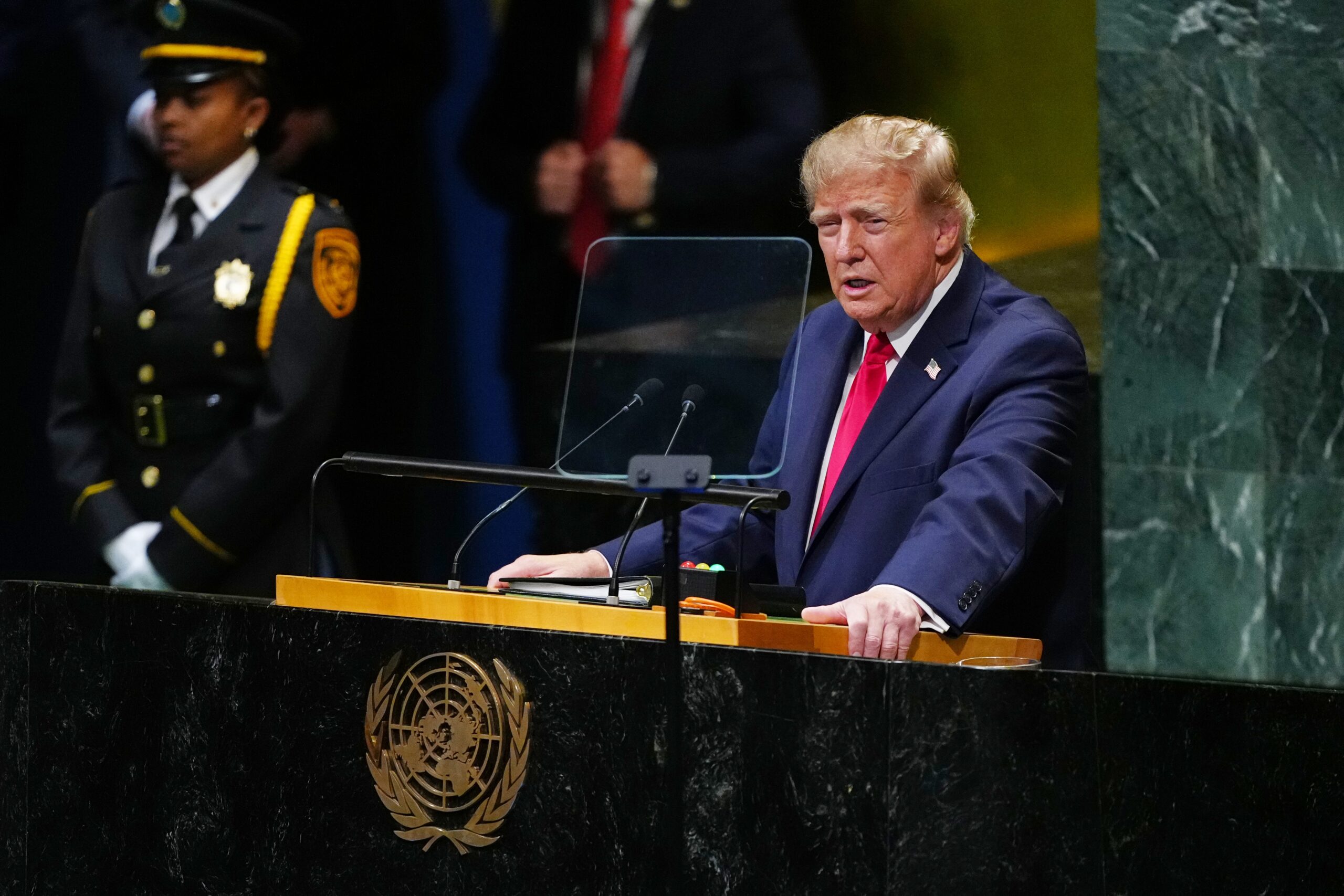
Book Talk: Iran and the Bomb: The United States, Iran and the Nuclear Question
On June 16, AGSI hosted a discussion on the evolution of Iran's nuclear program.
Speakers

Apr 21, 2026
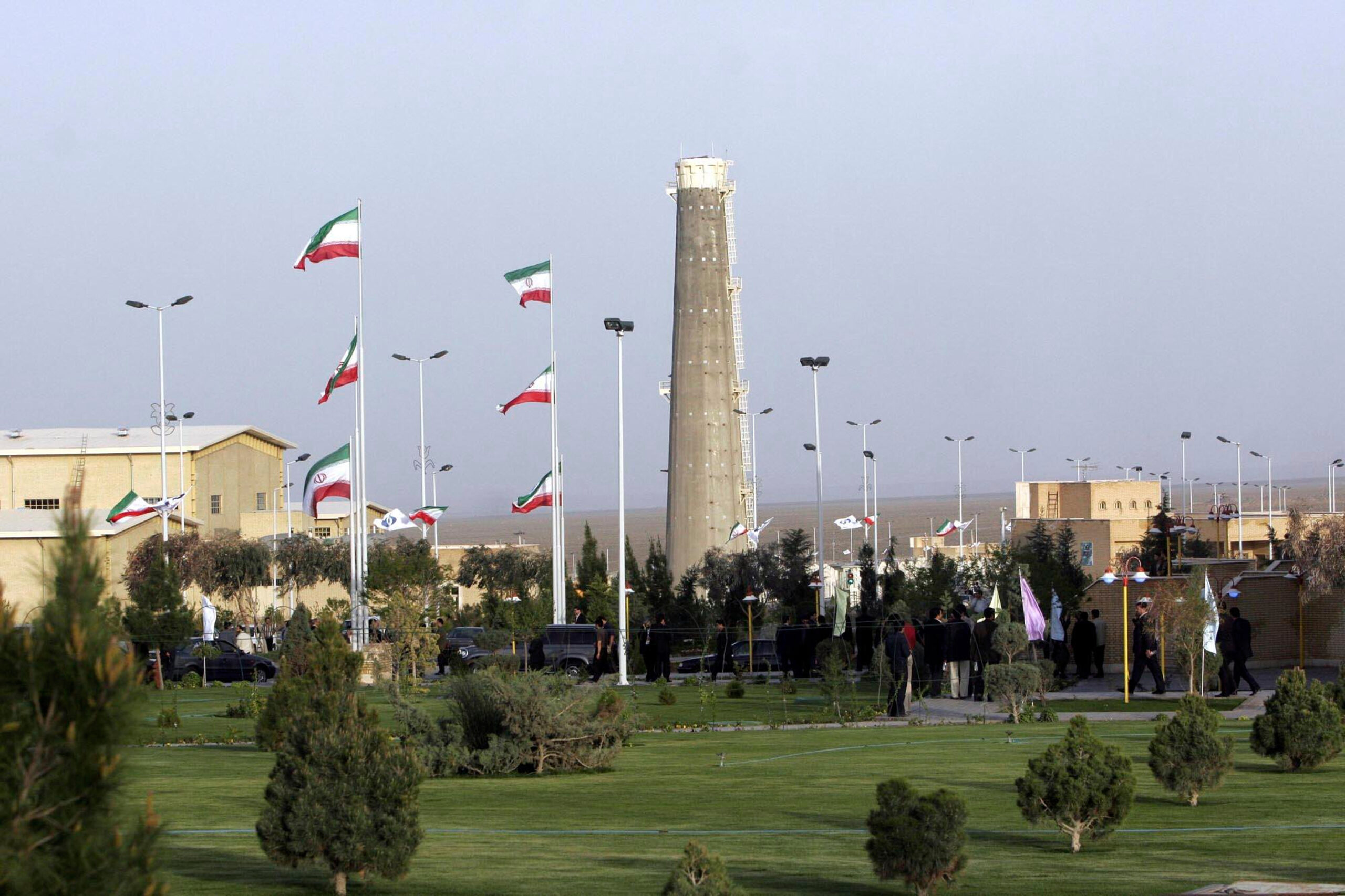
Inside Iran’s Wartime Leadership: Power, Succession, and Regime Stability
On April 21, AGSI hosted a discussion on the evolution of Iran's leadership during the war.
Speakers

Mar 18, 2026
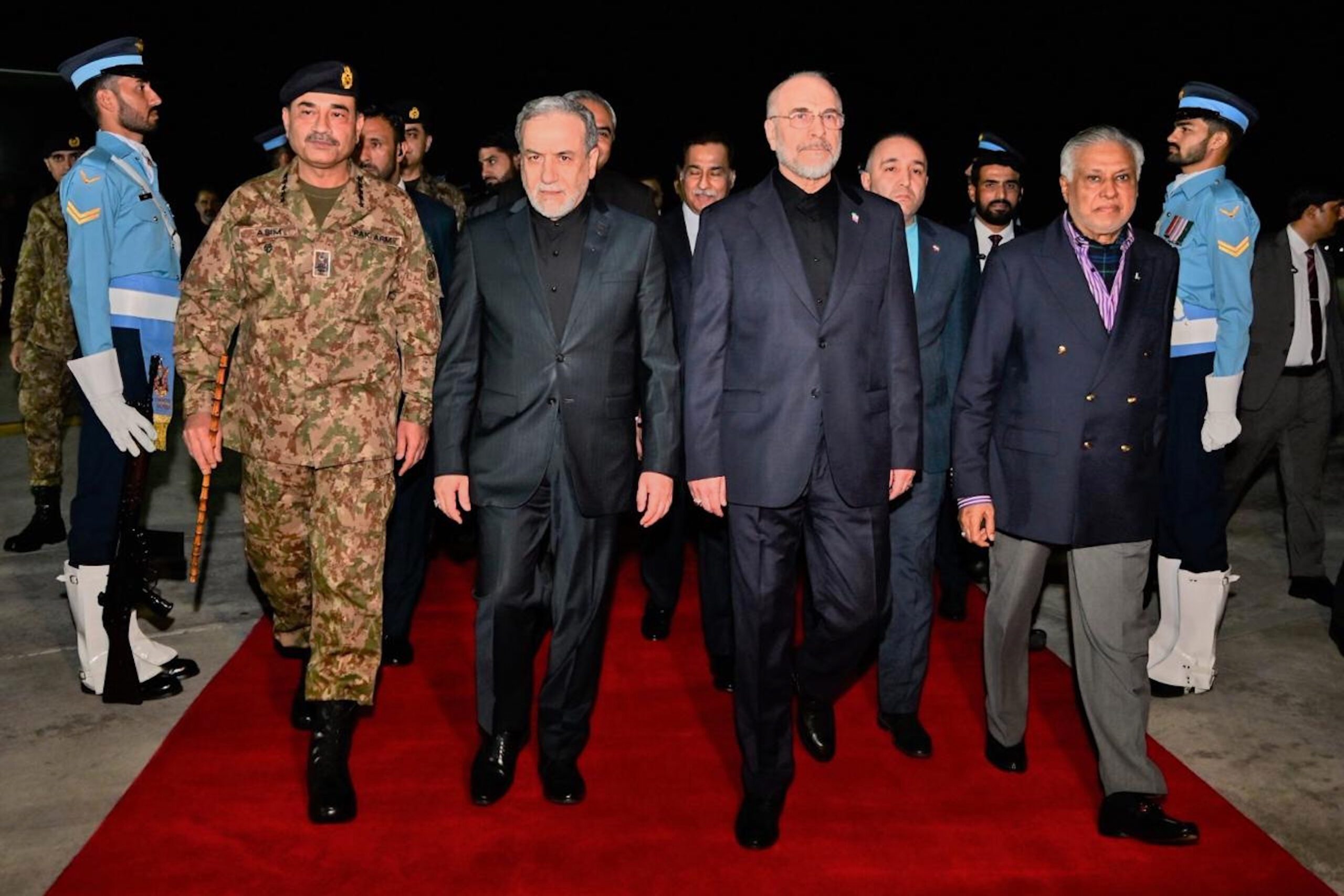
In Its Conflict With the United States and Israel, Does Escalation Favor Iran?
On March 18, AGSI hosted a discussion on the escalation of the Iran war.
Speakers