Gulf Countries on the Front Line of Energy Security
The conflict in Ukraine has brought about a change in the psychology and geography of the oil and gas markets, and the ramifications will be felt across the energy complex for years.
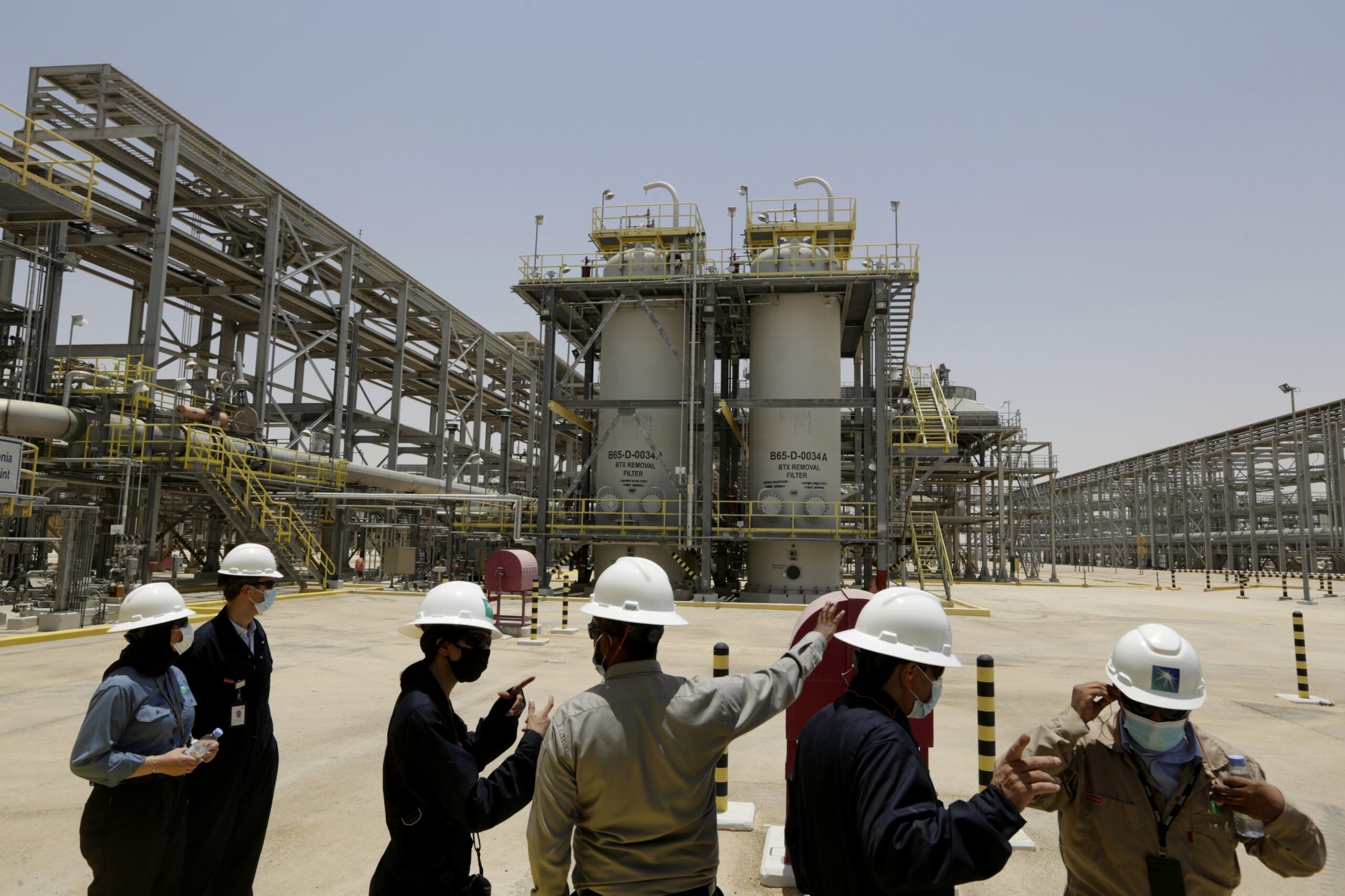
Saudi Aramco engineers and journalists look at the Hawiyah Natural Gas Liquids Recovery Plant in Hawiyah, in the Eastern Province of Saudi Arabia on June 28, 2021. (AP Photo/Amr Nabil)
Executive Summary
The energy crisis triggered by the Ukraine crisis is unprecedented in scale and severity. Oil and gas prices soared to near records shortly after the February 24 Russian invasion of Ukraine as a slew of sanctions imposed on Russia wreaked havoc on the global economy. What followed was economic slowdown in the world’s largest economies, while high energy and food prices stoked inflation and prompted fears of a global recession. International Monetary Fund Managing Director Kristalina Georgieva warned in late September that the world’s economic outlook was “gloomy” and could get worse in 2023 if inflation is not brought under control.
The elevated prices of oil and refined products, like gasoline and diesel, in the first half of the year generated buffer revenue for the Arab oil producers and revived the fortunes of the international energy companies. But they inflicted pain and hardship on import-dependent economies around the world. It was a matter of time before a demand response knocked down prices to their lowest levels since January. This price volatility makes it difficult to predict the market’s direction as the year draws to a close amid mounting uncertainty over both supply and demand balances in the months ahead.
This paper is the scene setter for the 2022 Petro Diplomacy conference. Now in its eighth year, AGSIW’s Petro Diplomacy conference is a signature annual event that brings together stakeholders in the energy sector of the Gulf Arab states, global supply competitors in North America, analysts, and policymakers to discuss how changes in technology, fiscal priorities, and opportunities for growth continue to alter the relationship between politics and energy for both the region and the world.
The views represented herein are the author's or speaker's own and do not necessarily reflect the views of AGSI, its staff, or its board of directors.
Petro Diplomacy is a signature annual event in Washington, DC bringing together private and
public sector stakeholders from the United States and the Gulf Arab countries to discuss emerging
trends in energy markets and regional politics.
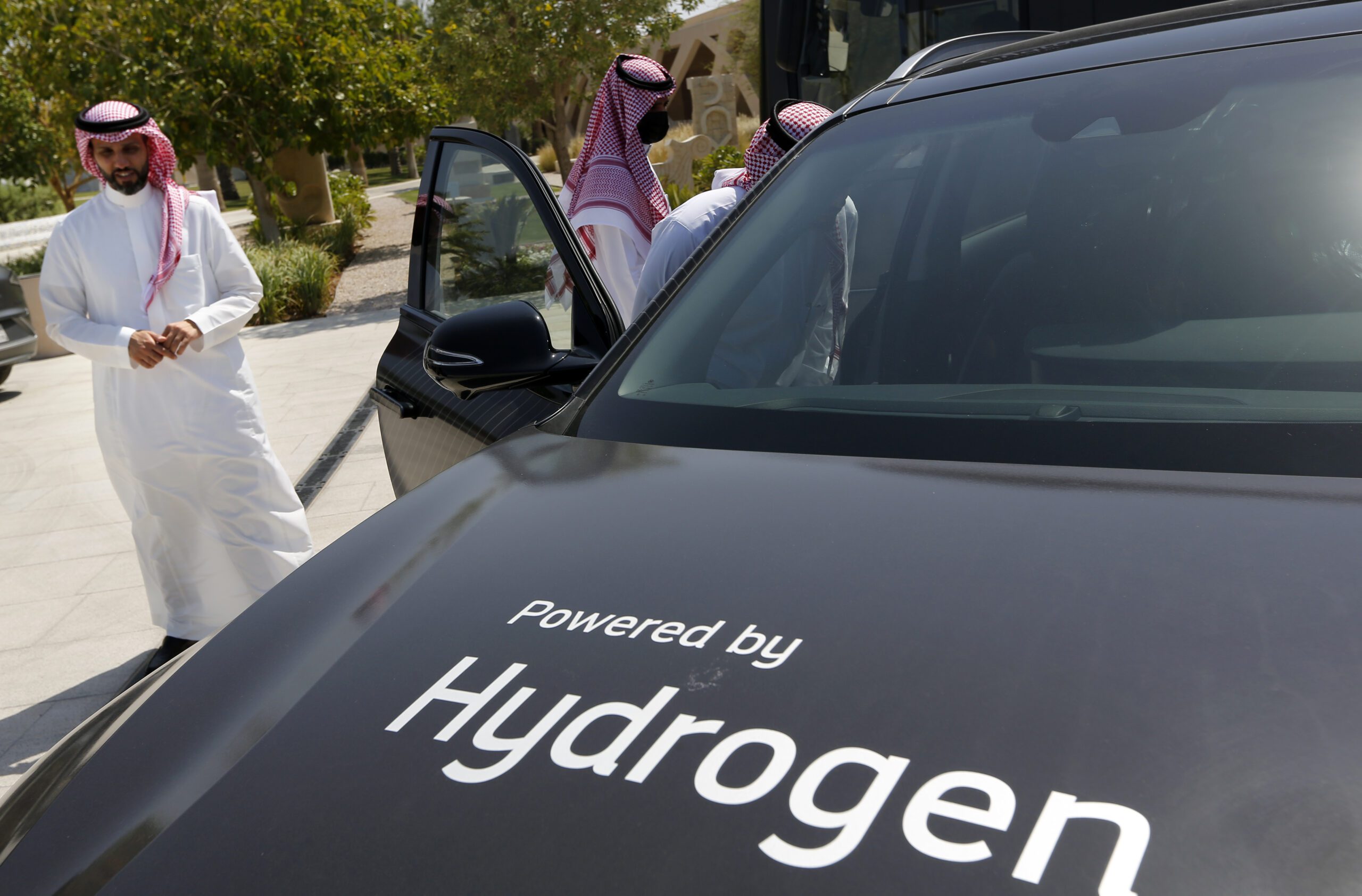
Gulf Arab states are well positioned to join global forces to accelerate the development of clean hydrogen, but first they will have to cautiously address institutional, technical, cultural, and market barriers.
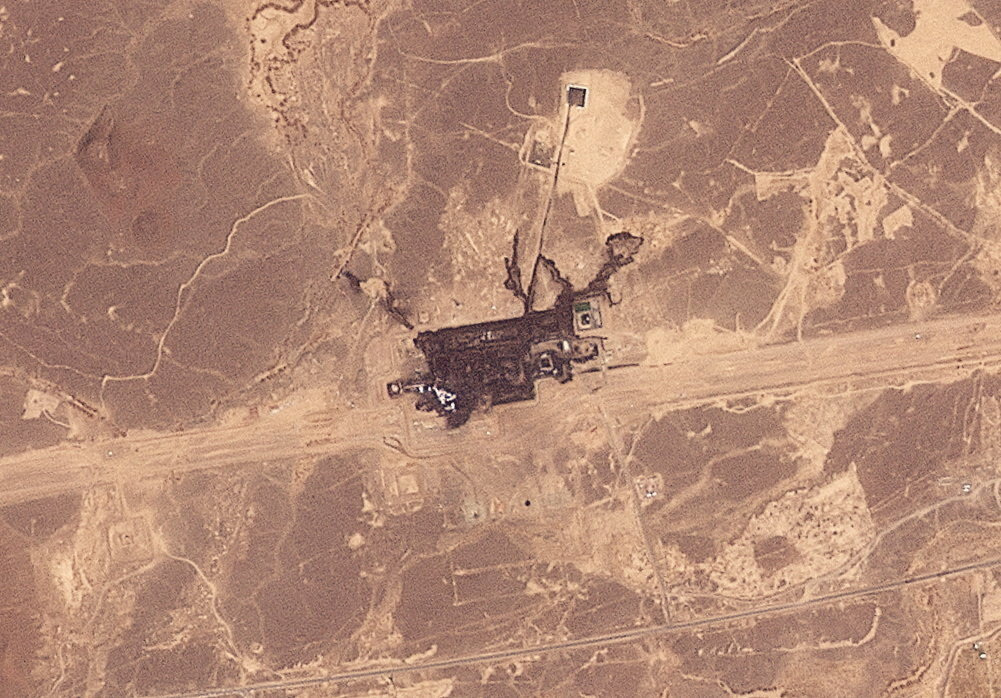
Saudi Arabia’s ability to maintain its reputation as a reliable supplier in the months ahead will depend on how quickly it can repair damaged assets and keep several imperfect routes operating at the same time.
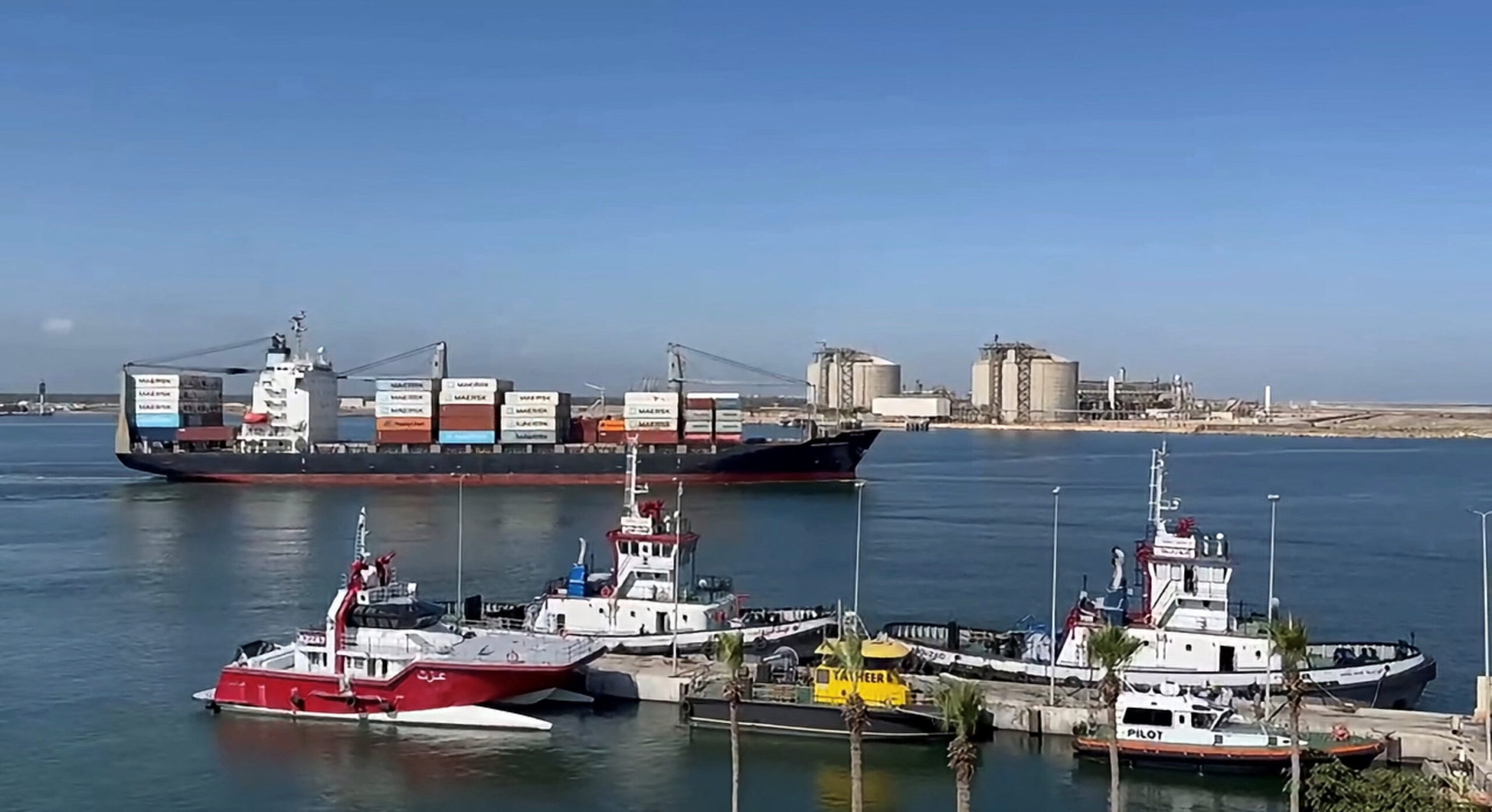
Egypt has become the indispensable transit state linking Saudi Arabia's Red Sea infrastructure with global markets. But that strategic importance may also have exposed it to the same risks facing Gulf producers.
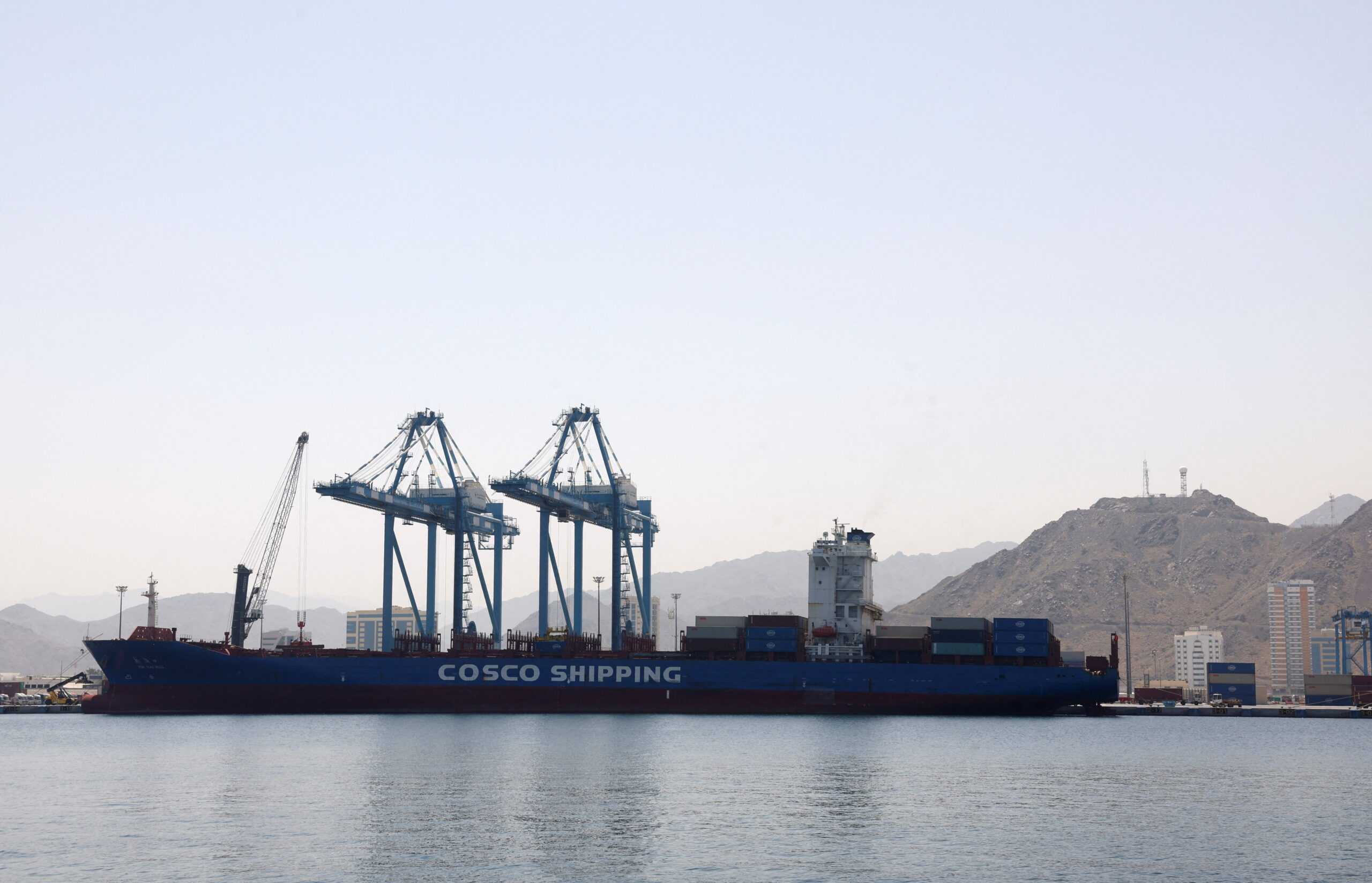
The vulnerability of the world's most important energy chokepoint has been laid bare, setting in motion changes that are likely to outlast the conflict.