Nov 29, 2022
The Philosopher’s Council to Iran’s Philosopher King
The November 29 edition of the Iran Media Review examines interviews with academics who call for the regime to “recognize other political forces” to avoid “violent change.”

Comparing the ongoing protests with previous protests in the Islamic Republic, Bijan Abdolkarimi, a philosopher, warned against increased radicalism and urged the regime to “recognize other political forces” to avoid “violent change,” in an interview with Etemad newspaper. It remains to be seen if Supreme Leader Ayatollah Ali Khamenei listens to the council of philosophers.
- November 16: “The protests have changed. They are more radical. In 2009, the protests were expressed within the structure of the Islamic Republic with people asking: ‘Where is the vote I cast within the structure of the regime?’ Today, the protests and demands have turned against the regime structure, yet the rulers appear ignorant, or incapable of comprehending the logic behind the change … If the voice of the people is heard too late, just as the case was with the previous regime, I fear something similar” a veiled reference to revolution and regime collapse, “may happen to the revolution.” Turning to social classes and political protests, Abdolkarimi said: “Unprivileged classes were heavily involved in recent affairs, as demonstrated in Karaj, Naziabad, the suburbs of Tehran, and unprivileged provinces. These events transcend social class, but the social class does not appear to have entered the arena with its full force. The middle class provides logistical support to teenage and young protesters yet still has doubts when it comes to great and fundamental change … The middle class remains spectators because they care for the country. They fear collapse of Iran and degeneration of the country into ‘Iranestan,’” a reference to Muslim territories previously under Russian and Soviet control. Abdolkarim also emphasized demand for change has become “a national consensus,” but the majority demands “nonviolent change,” and urged the regime to “recognize other political forces” to avoid violent change.
The views represented herein are the author's or speaker's own and do not necessarily reflect the views of AGSI, its staff, or its board of directors.
Related
Iran Media Review
Nov 25, 2022
Blaming “Separatists” for Protests at Home, Iran Continues Shelling Iraqi Kurdistan
The November 25 edition of the Iran Media Review considers IRGC statements regarding Kurdish “separatists” and its attacks on these groups based in the Iraqi Kurdistan region.
Iran Media Review
Nov 22, 2022
Kayhan Newspaper Slams Elections in Bahrain, but in Reality Describes Elections in Iran
The November 22 edition of the Iran Media Review considers commentary by Iranian media outlets on Bahrain’s parliamentary elections.
Nov 25, 2022
Blaming “Separatists” for Protests at Home, Iran Continues Shelling Iraqi Kurdistan
The November 25 edition of the Iran Media Review considers IRGC statements regarding Kurdish “separatists” and its attacks on these groups based in the Iraqi Kurdistan region.
Nov 22, 2022
Kayhan Newspaper Slams Elections in Bahrain, but in Reality Describes Elections in Iran
The November 22 edition of the Iran Media Review considers commentary by Iranian media outlets on Bahrain’s parliamentary elections.
Analysis
The Islamic Republic Returns to Offense
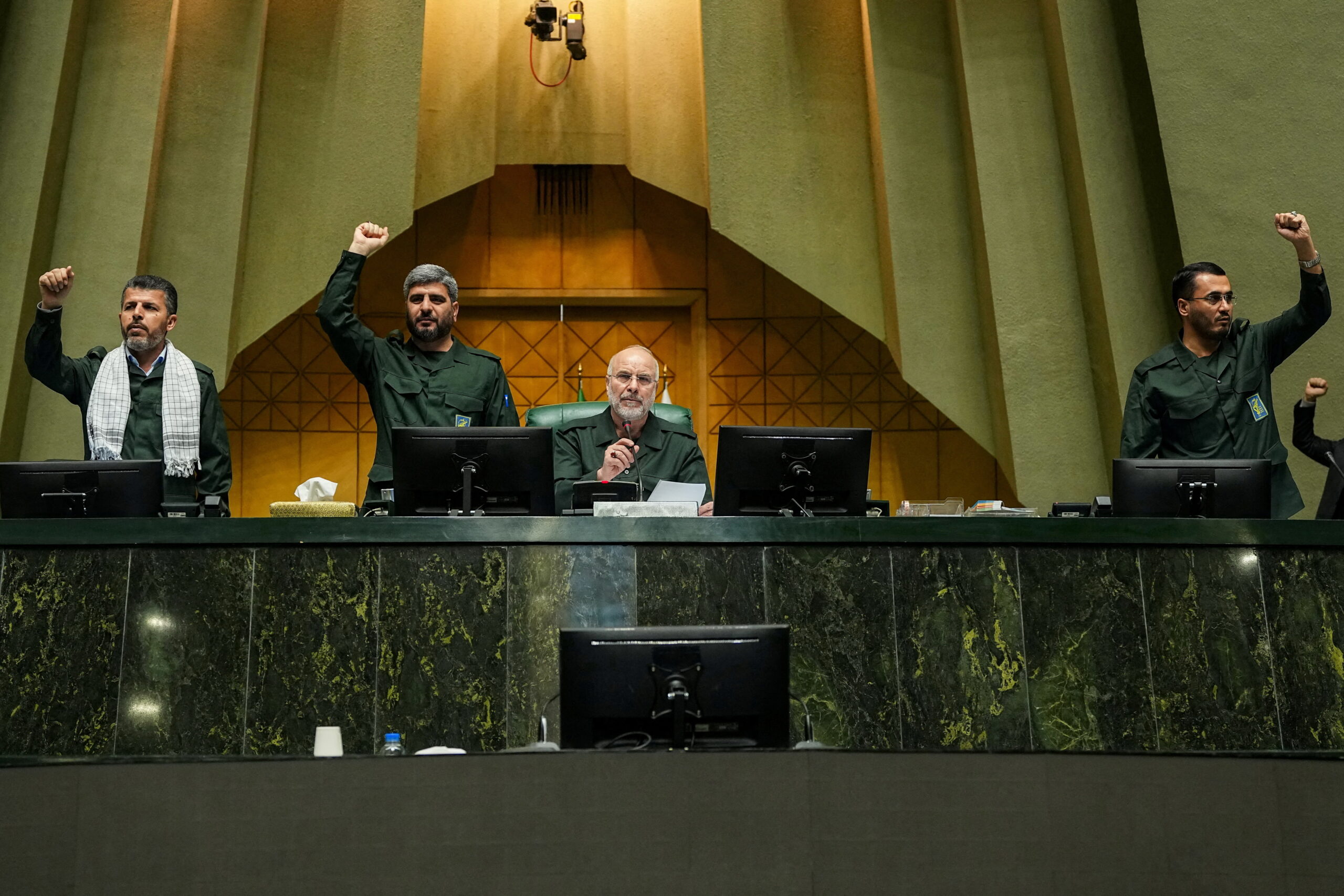
After U.S.-Israeli strikes killed Supreme Leader Ayatollah Ali Khamenei on February 28, Iran’s collective leadership has concluded that the best defense is a good offense.
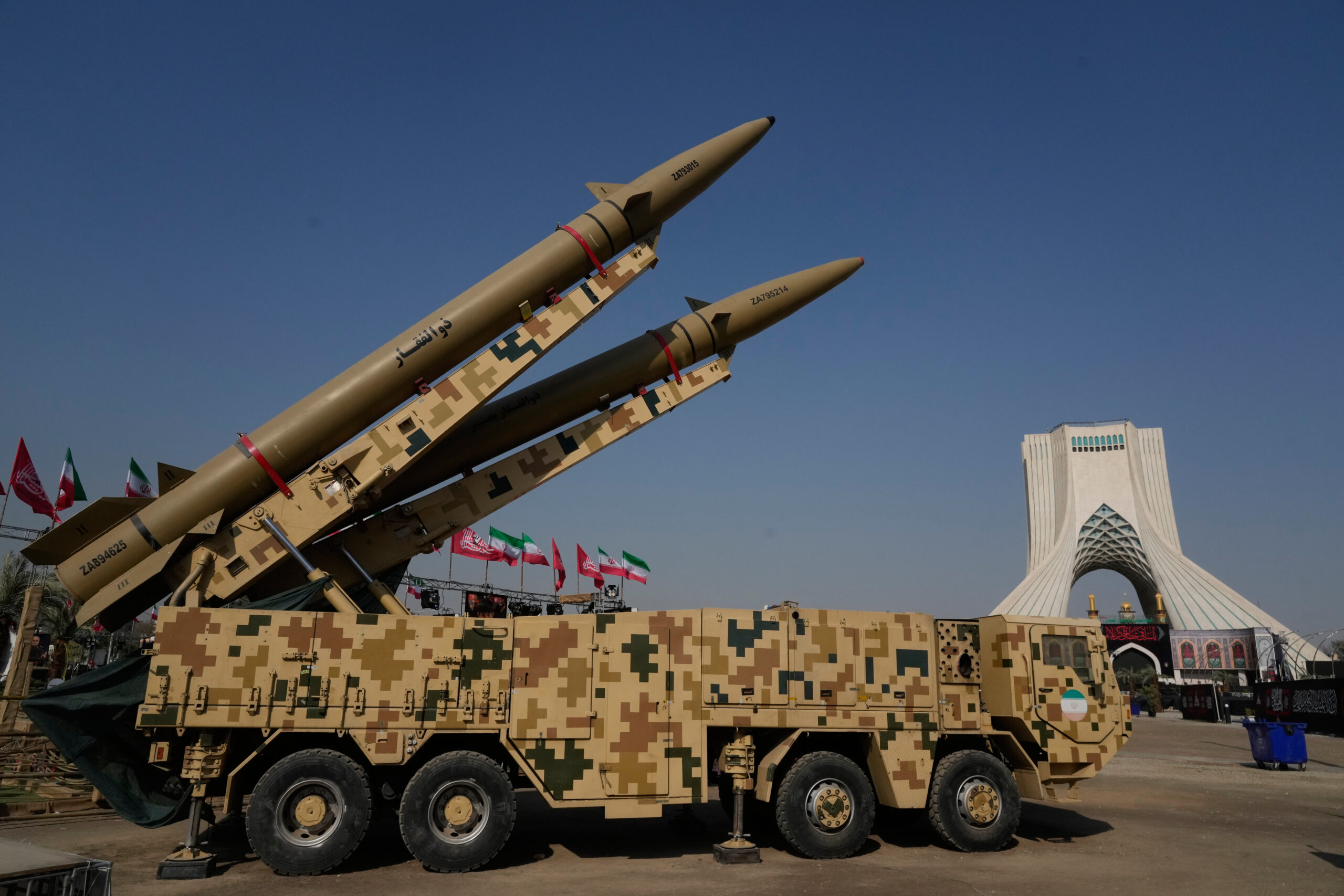
Iran’s Collective Strategic Decision Making
Wartime pressure has temporarily aligned the leadership’s overriding interest in regime survival, even as its members continue to differ over the costs, methods, and ultimate objectives of the war.
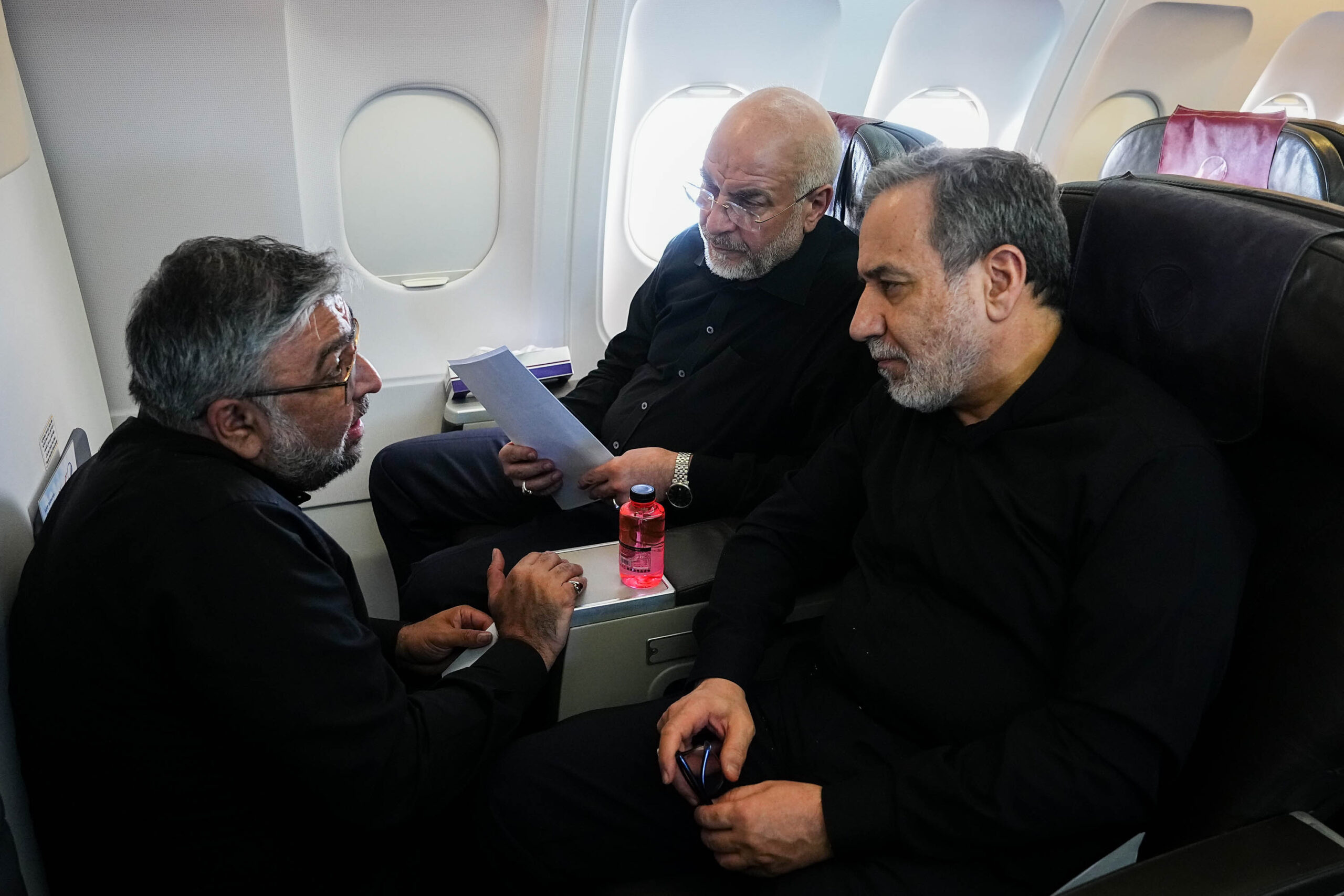
The Islamic Republic’s Collective Leadership
While there is historical precedent for collective leadership in Iran, today’s leadership includes representatives of the IRGC and regular military – a reflection of the IRGC’s expanding role and the necessities of governing under wartime conditions.
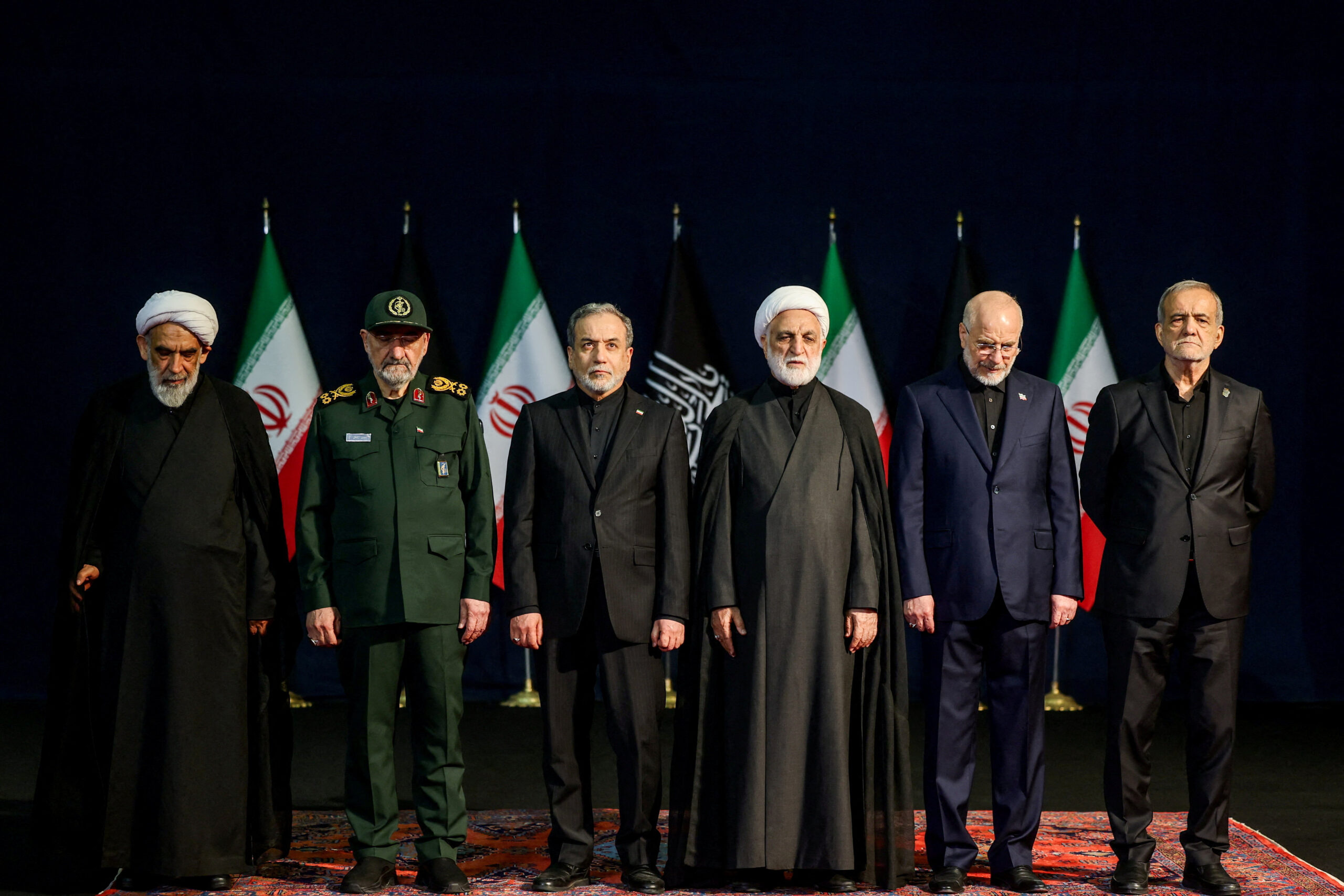
How Did the IRGC Seize Power in Iran?
The IRGC did not seize power in a single stroke. It accumulated it – patiently, methodically – until no counterweight remained.
Events
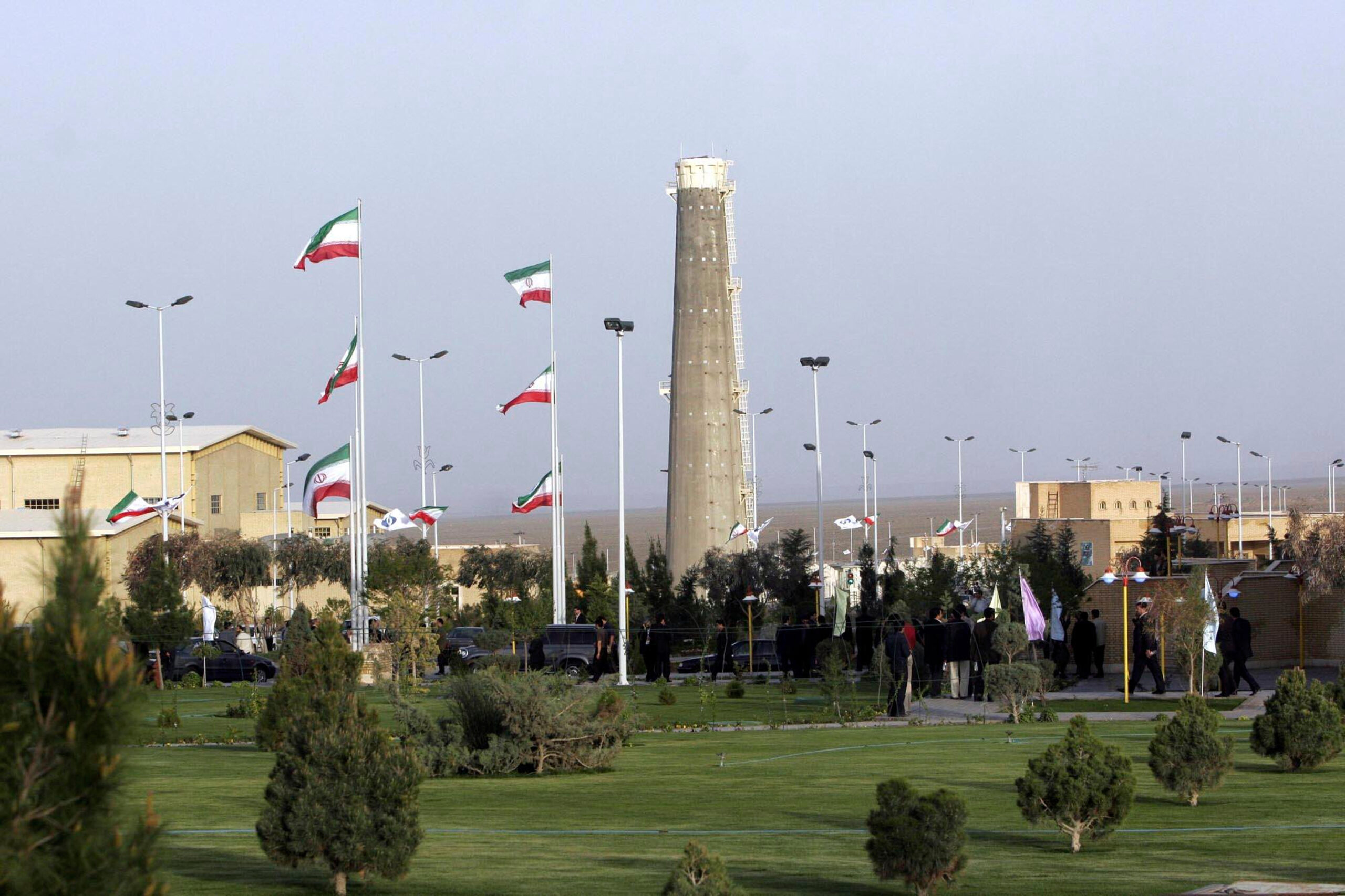
Book Talk: Iran and the Bomb: The United States, Iran and the Nuclear Question
On June 16, AGSI hosted a discussion on the evolution of Iran's nuclear program.
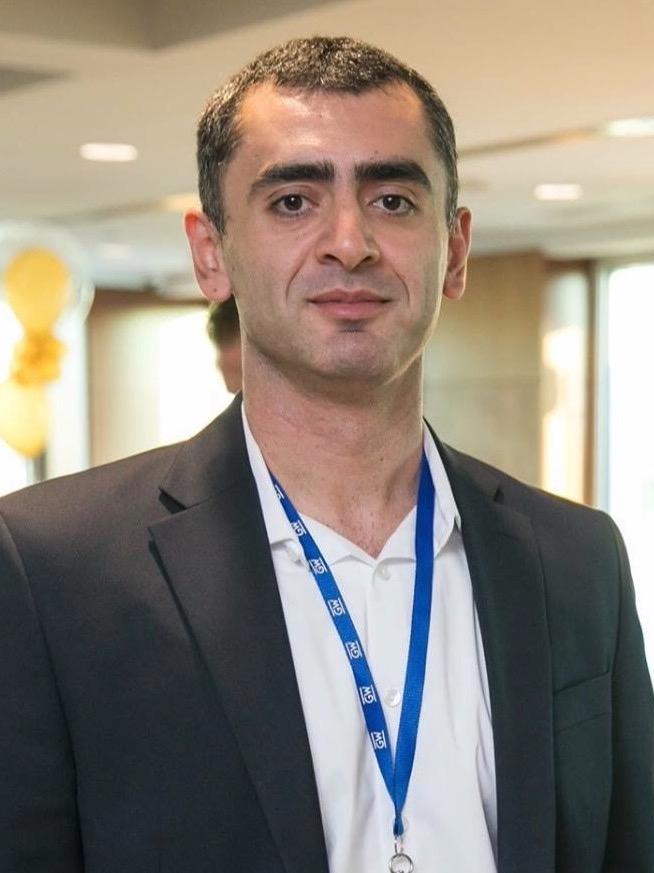
Speakers

Apr 21, 2026
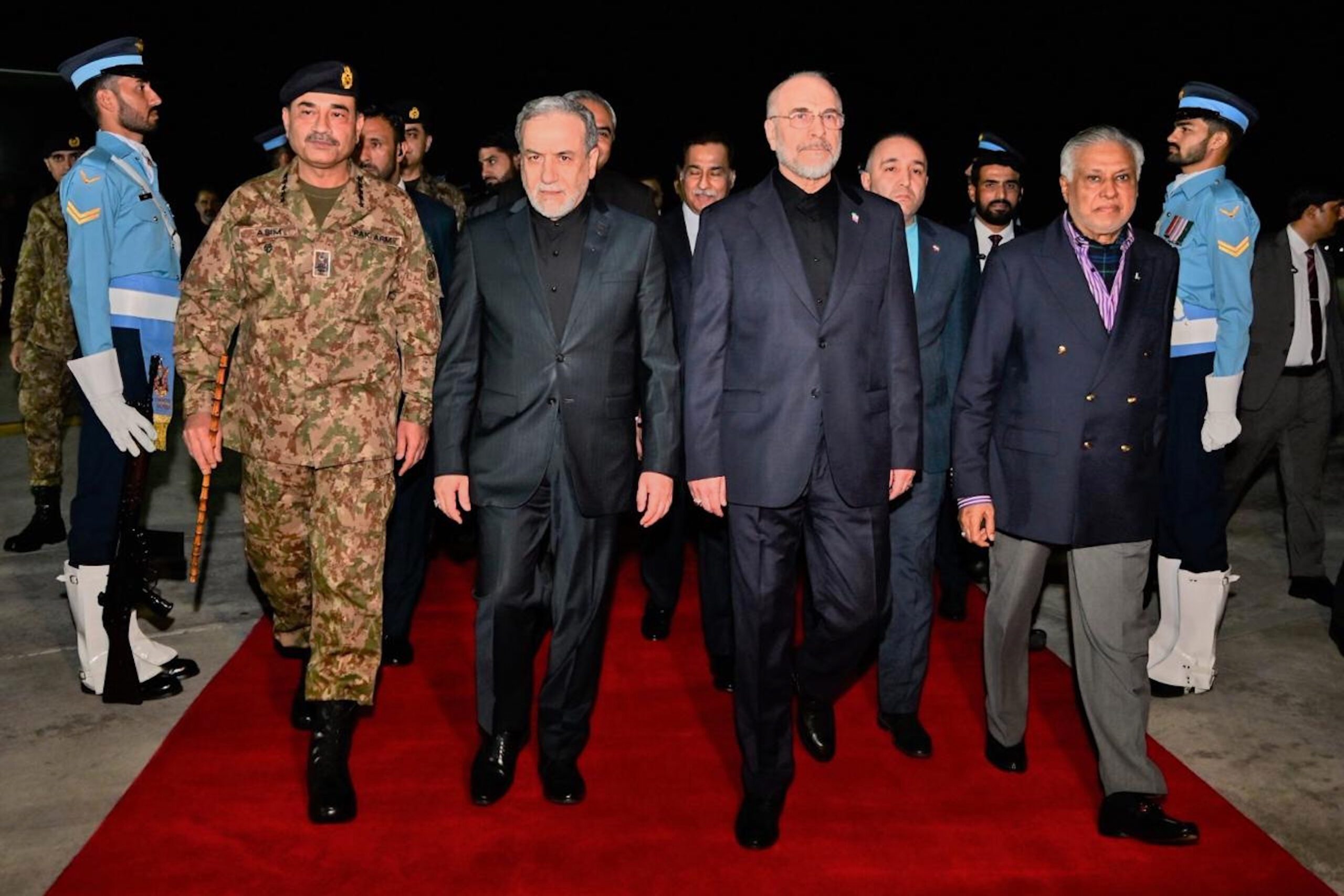
Inside Iran’s Wartime Leadership: Power, Succession, and Regime Stability
On April 21, AGSI hosted a discussion on the evolution of Iran's leadership during the war.
Speakers

Mar 18, 2026
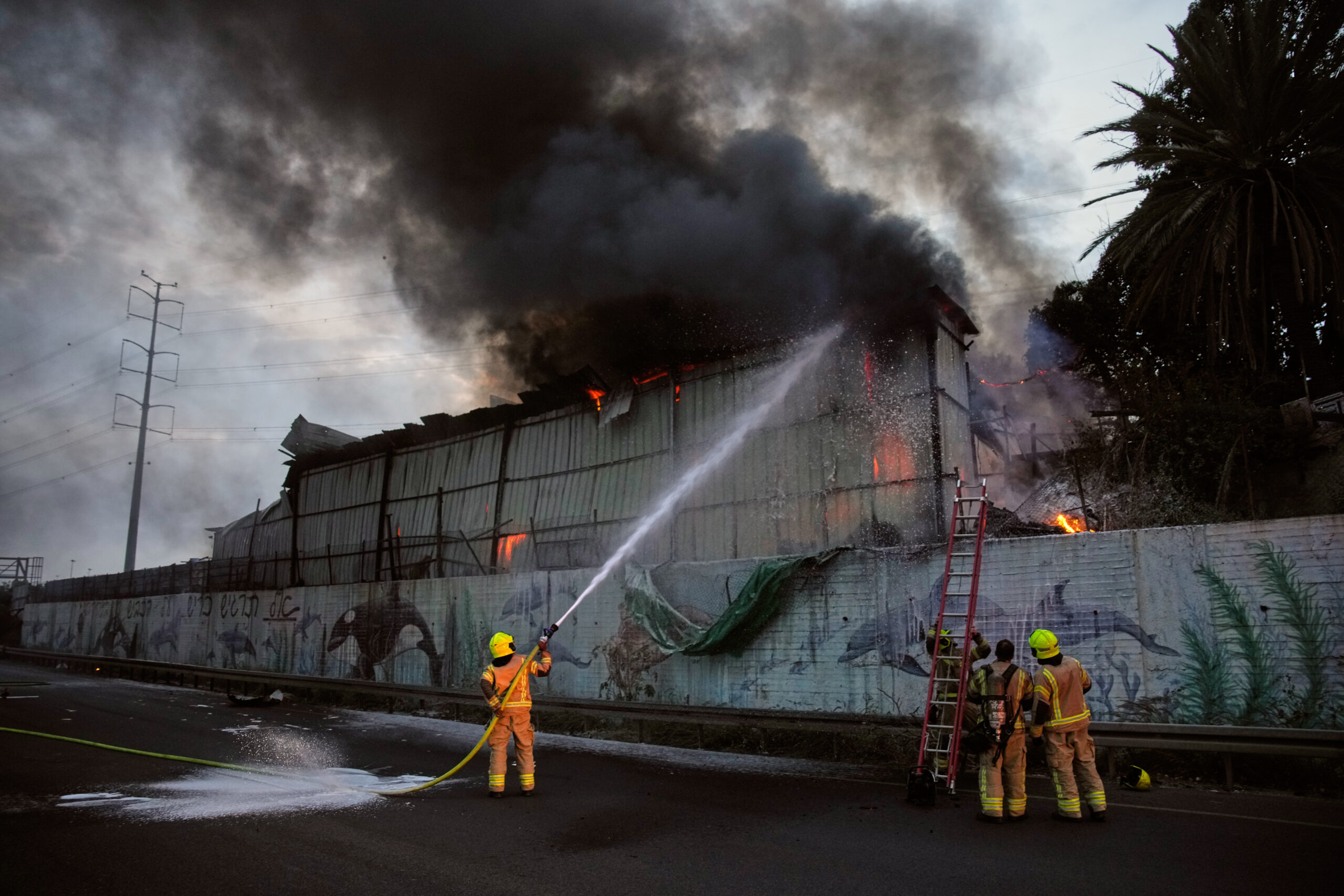
In Its Conflict With the United States and Israel, Does Escalation Favor Iran?
On March 18, AGSI hosted a discussion on the escalation of the Iran war.
Speakers


Mar 2, 2026
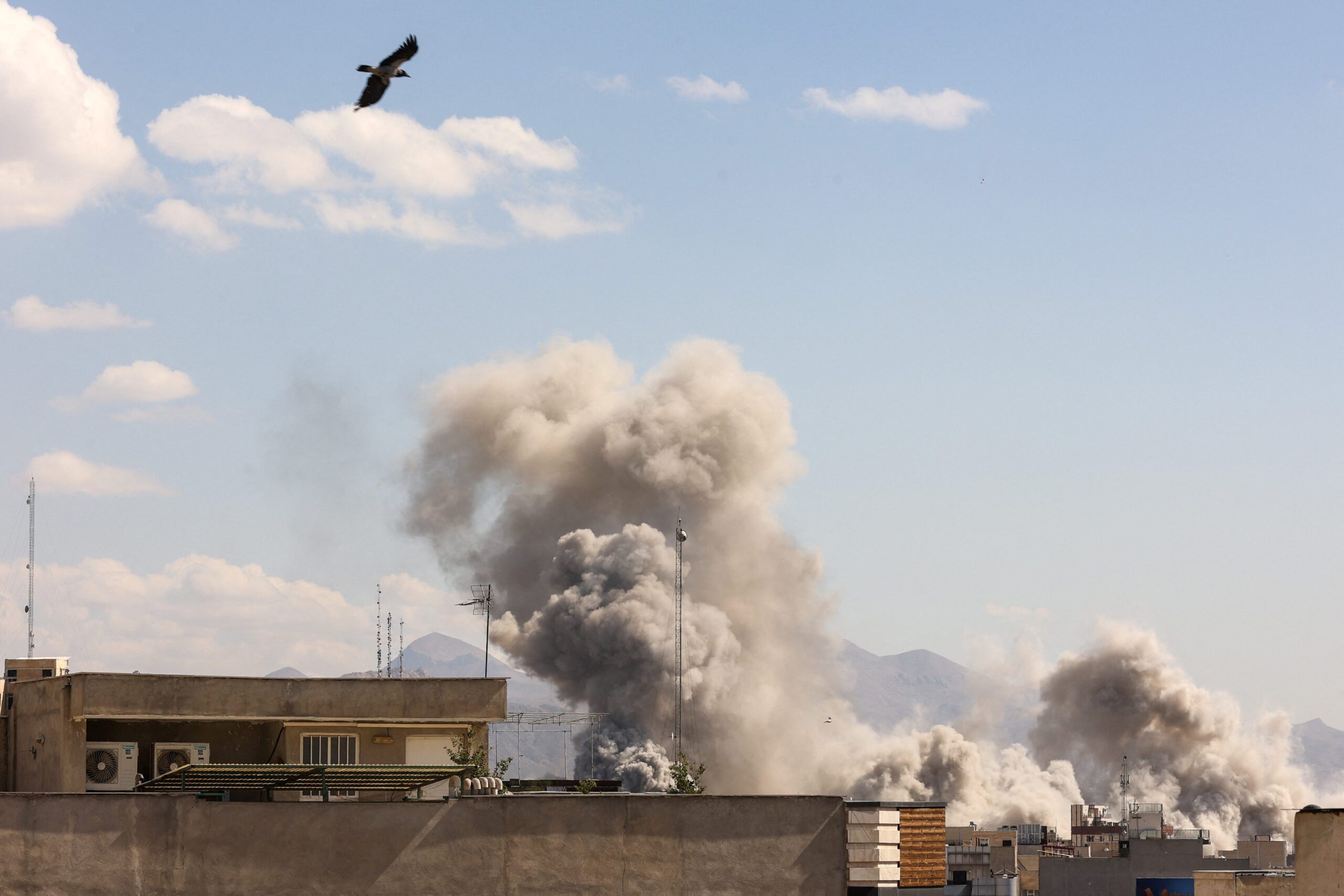
After the Shock: Implications of the U.S.–Israeli Strikes and Iran’s Leadership Transition
On March 2, AGSI hosted a discussion on the U.S.-Israeli strikes on Iran.
Speakers