Oct 4, 2022
The IRGC and the Specter of Separatism
The October 4 edition of the Iran Media Review considers how instrumental use of the threat of separatism by Iran’s Islamic Revolutionary Guard Corps risks fueling separatism in Iran’s periphery regions.
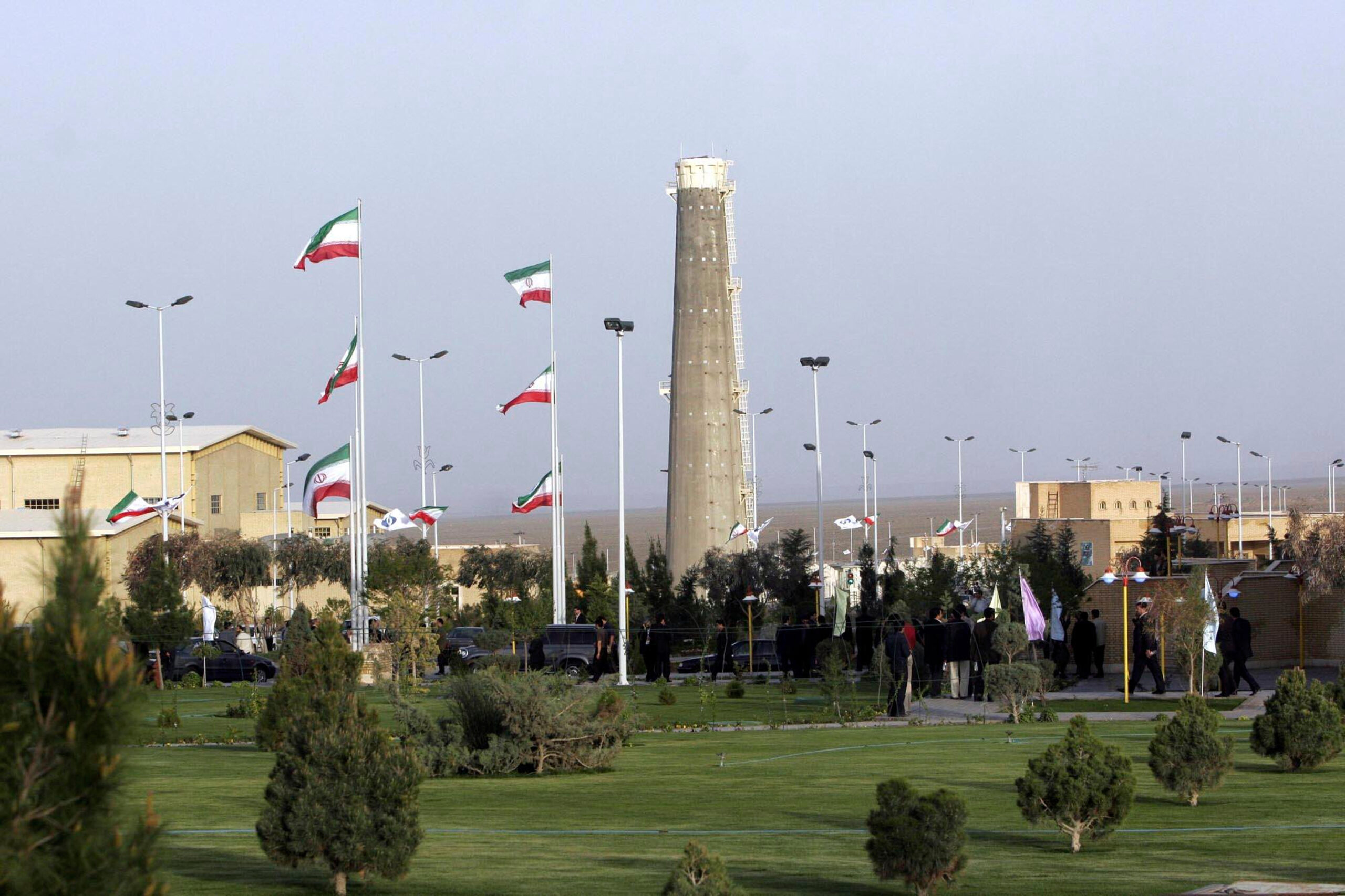
Since September 24, Iran’s Islamic Revolutionary Guard Corps has engaged in artillery attacks against Iranian militant opposition bases in the Kurdish region of northern Iraq, an area from which the opposition forces allegedly engage in separatist activities, instigate unrest in Iran, and sabotage Iran’s nuclear installations.
Far away from the Kurdistan province in northwestern Iran, Zahedan, in Iran’s southeastern Sistan and Baluchistan province, witnessed violence on September 30. “Unidentified separatist individuals” reportedly attacked a police station near the Makki mosque killing 19 people, including Colonel Hamid-Reza Hashemi, also known as Seyyed Ali Mousavi, who served as the provincial IRGC intelligence chief. According to Iran’s state-censored media, Jaish ul-Adl, a Salafi jihadist militant organization previously known as Jundallah and designated a foreign terrorist organization under both names by the U.S. Department of State, has claimed responsibility for the attack, but it is not possible to independently verify the claim. Human rights activists in Iranian Baluchistan, on the other hand, claim around 60 civilians were killed in clashes with the IRGC.
The IRGC may find the threat of separatism and the specter of a civil war useful in its attempt to persuade the middle class to abandon street-level protests. However, regardless of what the truth may be about the nature and activities of Jaish ul-Adl and Komala, a Kurdish armed opposition group, such heavy-handed tactics by the IRGC may provoke the very threat it is warning the Iranian public against.
- September 29: The IRGC ground forces, in a statement released by Mashregh News, reported its intention to “continue bombarding the positions of terrorists in the Iraqi Kurdistan region until the surrender of the terrorist groups.” The statement further accused “separatist and terrorist groups,” in particular Komala, of “direct and overt intervention in recent unrest” and attempting to “sabotage Iran’s nuclear installations.”
- October 2: Abd al-Rahim Gorgij, who was allegedly arrested by the security forces Friday, was quoted by Shargh Daily as saying: “After the Friday prayer, there was unrest because of news of rape of a girl. The people began throwing stones at the police station … I was not armed, but there were three people in a Peugeot who said: ‘They are killing the people’ and distributed arms among the people … In the heat of the situation, I accepted the weapon and did not think of what may come.” Shargh also included an Intelligence Ministry statement in a report on the arrest of members of the outlawed Mujahedeen-e Khalq opposition group, Kurdish opposition groups (in particular Komala and Pejak), Salafist groups, the Bahai faith, and others.
- October 2: Abdollah Aref, a human rights activist from Iranian Baluchistan interviewed by BBC Persian, claimed almost 60 civilians were killed in clashes with the IRGC.
- October 3: Supreme Leader Ayatollah Ali Khamenei, who has been absent from the public since September 21, delivered a speech to cadets at the Law Enforcement Forces academy, fragments of which were released on his official website. Khamenei emphasized: “I have lived among the Baluchis, who are deeply loyal to the Islamic Republic. The Kurds, too, are among the most progressive Iranian ethnicities who love the fatherland, Islam, and the regime.” In the same address, Khamenei also emphasized that the hijab issue, and the killing of Mahsa Amini, which triggered the protests, is not the core issue and even conceded that women who don’t have their hair fully covered by a hijab can be perfectly loyal regime supporters.
The views represented herein are the author's or speaker's own and do not necessarily reflect the views of AGSI, its staff, or its board of directors.
Related
Iran Media Review
Oct 6, 2022
Fararu News’ Catalogue of What Went Wrong in Iran
The October 7 edition of the Iran Media Review considers the painful measures the Iranian regime must take to regain public trust.
Iran Media Review
Sep 30, 2022
The Informal Collective Leadership of the IRGC
The September 30 edition of the Iran Media Review considers the IRGC’s response to Iranian President Ebrahim Raisi’s remarks at the United Nations General Assembly.
Oct 6, 2022
Fararu News’ Catalogue of What Went Wrong in Iran
The October 7 edition of the Iran Media Review considers the painful measures the Iranian regime must take to regain public trust.
Sep 30, 2022
The Informal Collective Leadership of the IRGC
The September 30 edition of the Iran Media Review considers the IRGC’s response to Iranian President Ebrahim Raisi’s remarks at the United Nations General Assembly.
Analysis
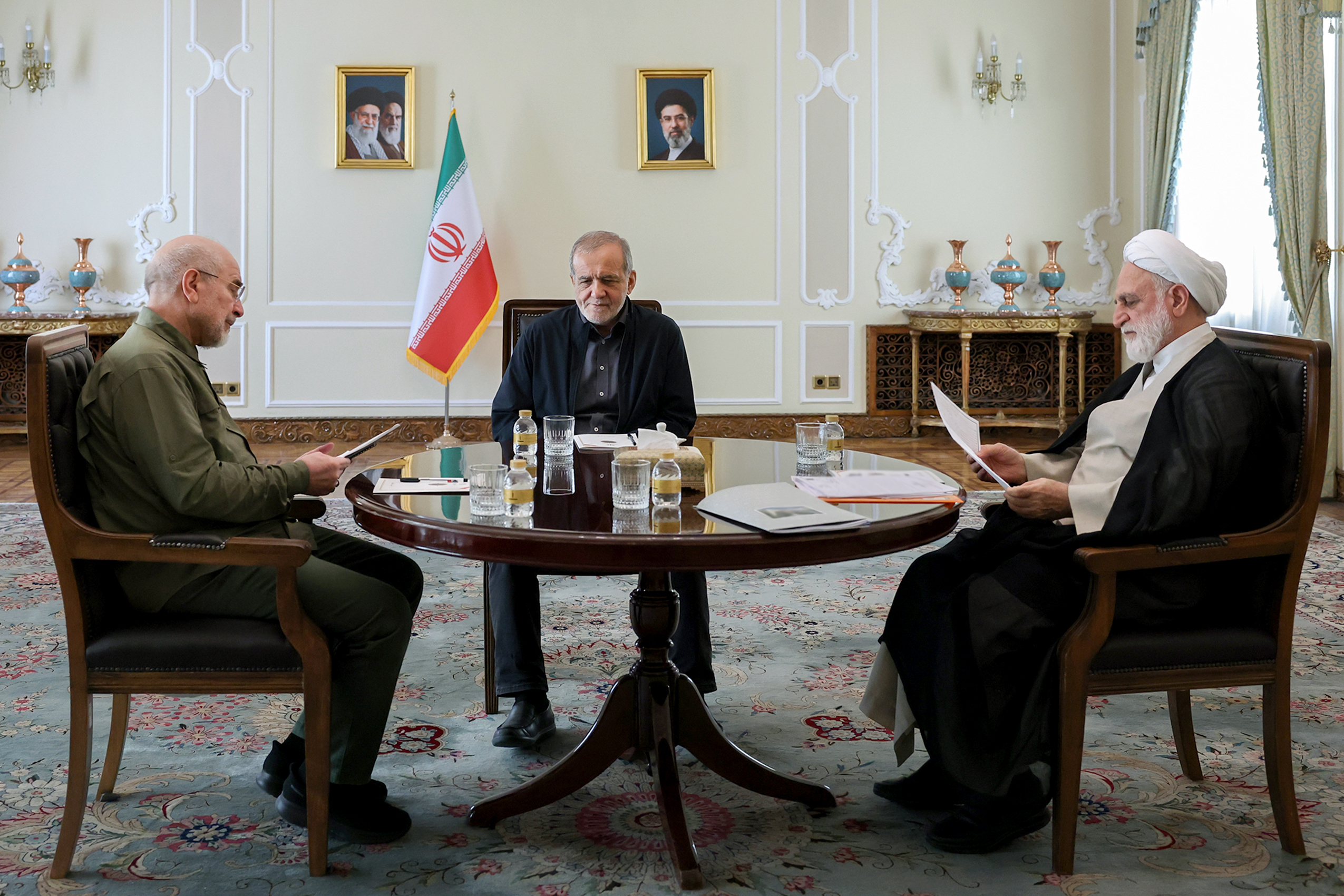
The Committee of Six and Strategic Decision Making in Iran
Remarks by Iran’s president offer a rare glimpse of how the Islamic Republic has adapted its decision making to the absence of its supreme leader.
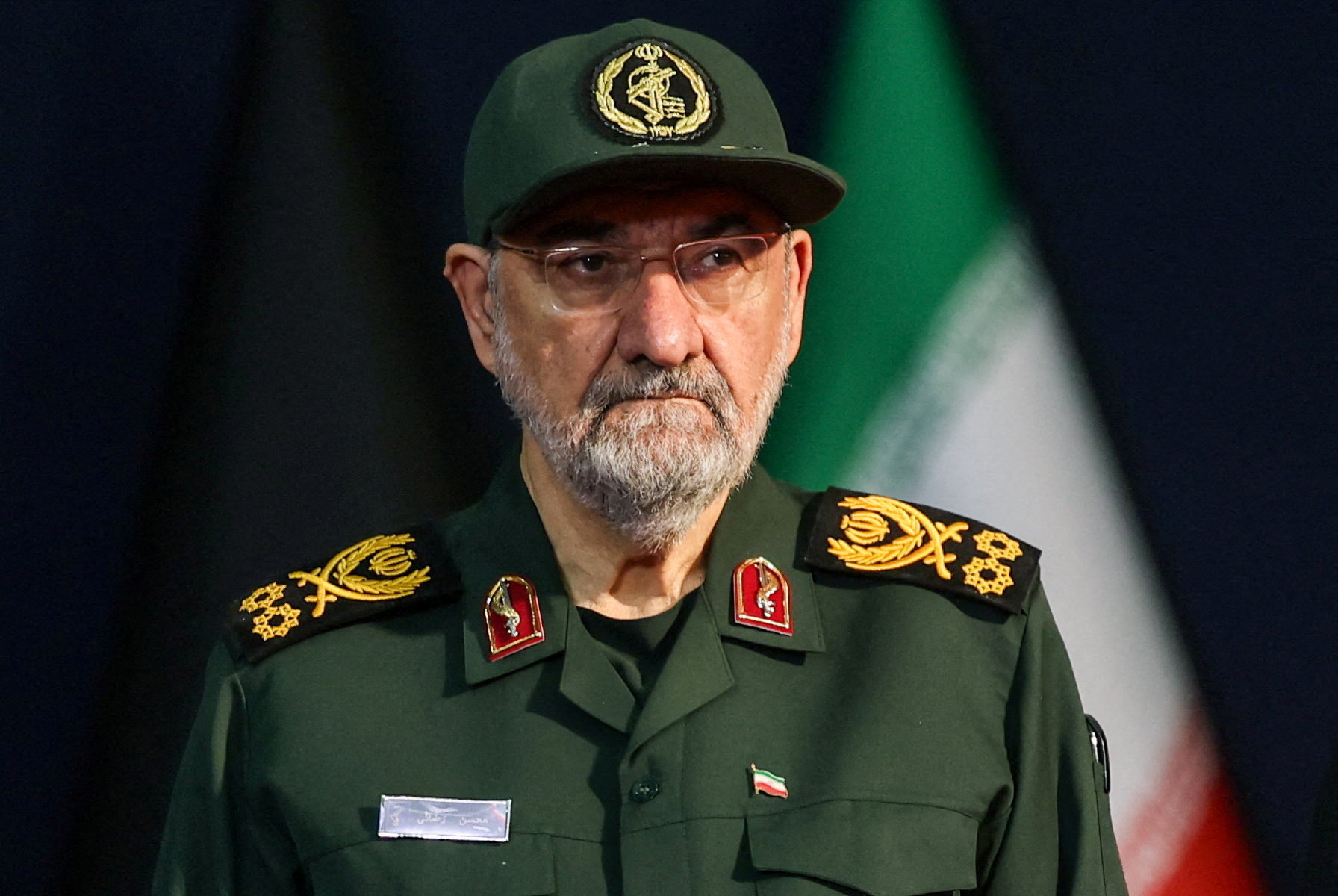
Mohsen Rezaei at the Helm of Iran’s Supreme National Security Council
Under Rezaei, the SNSC could prove constructive or paralyze strategic decision making.
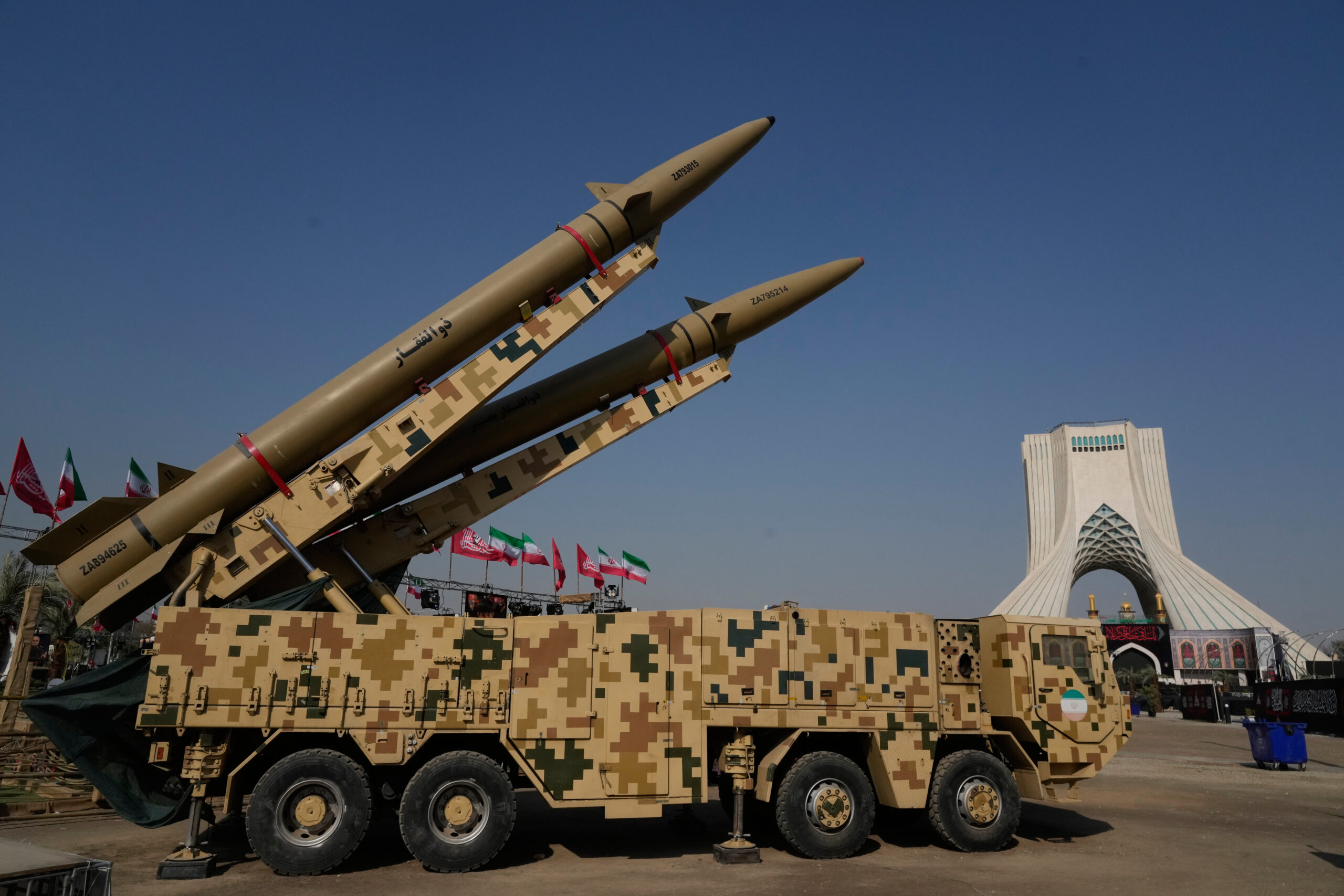
The Islamic Republic Returns to Offense
After U.S.-Israeli strikes killed Supreme Leader Ayatollah Ali Khamenei on February 28, Iran’s collective leadership has concluded that the best defense is a good offense.
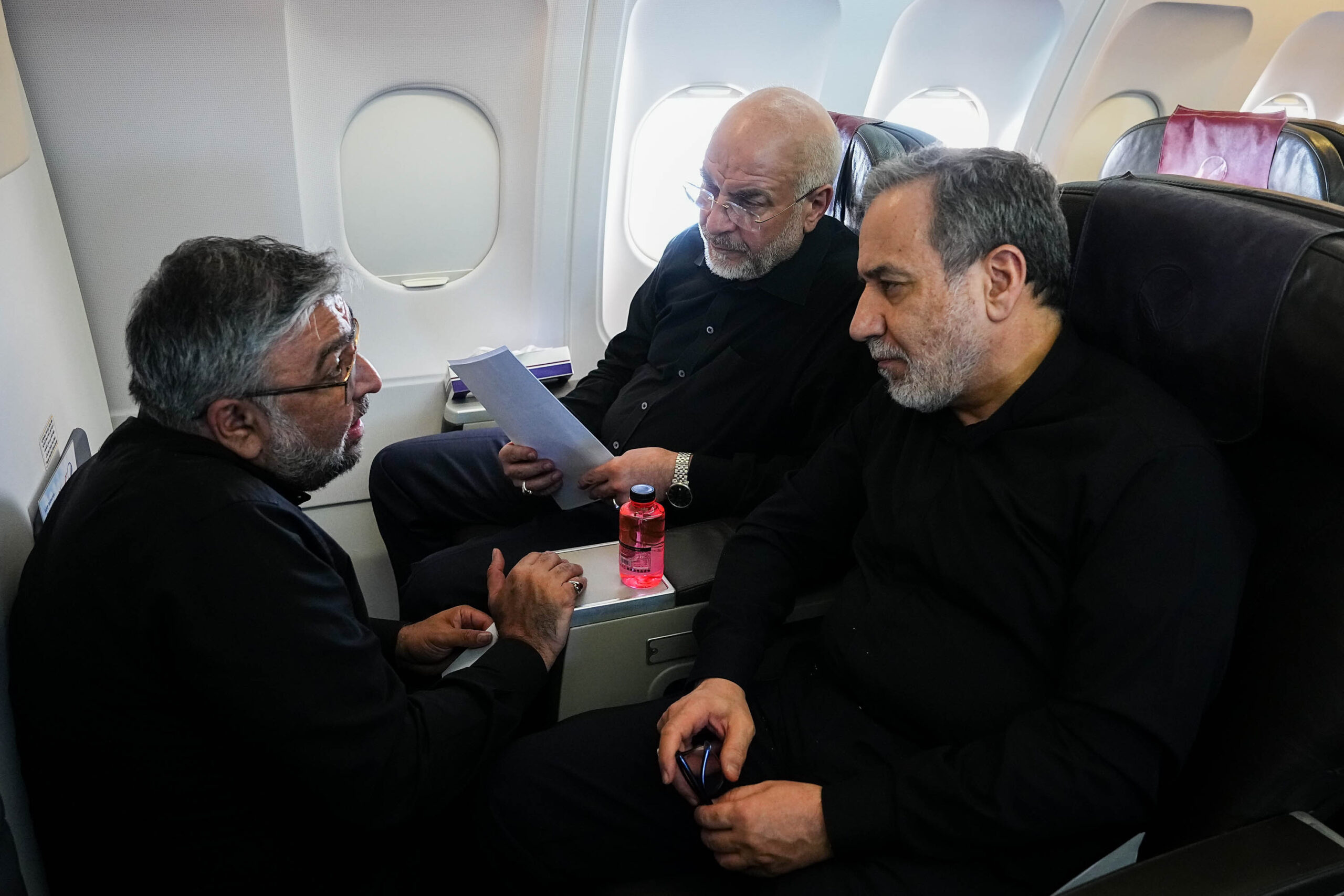
Iran’s Collective Strategic Decision Making
Wartime pressure has temporarily aligned the leadership’s overriding interest in regime survival, even as its members continue to differ over the costs, methods, and ultimate objectives of the war.
Events
Oct 6, 2026
Is the U.S.-Iran Stalemate a “New Normal” or the Prelude to Another Explosion?
On October 6, AGSI hosted a discussion on the U.S.-Iran stalemate and the prospects for a cease-fire.
Speakers
Book Talk: Iran and the Bomb: The United States, Iran and the Nuclear Question
On June 16, AGSI hosted a discussion on the evolution of Iran's nuclear program.
Speakers
Apr 21, 2026
Inside Iran’s Wartime Leadership: Power, Succession, and Regime Stability
On April 21, AGSI hosted a discussion on the evolution of Iran's leadership during the war.
Speakers

Mar 18, 2026
In Its Conflict With the United States and Israel, Does Escalation Favor Iran?
On March 18, AGSI hosted a discussion on the escalation of the Iran war.
Speakers