Aug 19, 2022
State-Censored Media Reactions to Rushdie Assault
The August 19 edition of the Iran Media Review considers the views of Iranian media on what the attempt on the life of Salman Rushie means for nuclear negotiations in Vienna.

The attempt on the life of Salman Rushdie provoked multifaceted commentary in Iran’s state-censored media, ranging from neutral descriptions of the attack in reformist newspapers to threats against former U.S. government officials in the hard-line media. However, there also appears to be some concern that the attack was staged by Iran’s foreign adversaries and will be used by them to derail the nuclear negotiations in Vienna.
- August 12: Mohammad Marandi, public relations advisor to Iran’s team of nuclear negotiators, intimated in a tweet that the attack on Salman Rushdie was staged by opponents of the Iran nuclear deal to derail the negotiations in Vienna.
- August 13: Under the headline “Salman Rushdie Hit by Divine Vengeance, Trump and Pompeo Next in Line,” the hard-line newspaper Kayhan, specifically naming former President Donald J. Trump, former Secretary of State Mike Pompeo, and former Defense Secretary Mark Esper, suggested in an editorial that, “The assault against Salman Rushdie demonstrated that exacting revenge on American soil is not so hard … Therefore, the assault against Salman Rushdie is a warning to the assassins of Commander Suleimani. Regardless of how well protected they are by security services, revenge is nigh.”
- August 14: Reformist newspaper Etemad provided a neutral description of the attack but also referred to Marandi’s tweet.
- August 14: Technocratic newspaper Donya-ye Eqtesad editors wrote, “Many political activists and analysts, along with some figures close to the nuclear negotiating team, are clinging to the theory that there must be something fishy, and there are some regional countries that do not want the JCPOA to be revived,” but concluded such speculation was a “conspiracy theory.”
- August 14: Reformist newspaper Shargh’s analyst Diaco Hosseini expressed doubt the attack was staged by foreign powers but emphasized Israel will take advantage of it to derail the nuclear negotiations.
- August 14: Centrist newspaper Jam-e Jam celebrated Rushdie’s eye injury with the headline: “Satan blinded.”
- August 14: Islamic Revolutionary Guard Corps mouthpiece Javan claimed, “Now that the sedition of the Islamic State has been put to rest and we are witnessing the theatrical alignment of Arabs and Israel and progress in negotiations with Iran, the United States has been bereaved of any pretext to accuse Muslims of terrorism. Therefore, this act serves the purpose of restarting Islamophobia.”
It is not the United States that is engaged in spreading Islamophobia but the likes of Kayhan, whose headlines project a violent image of Islam and Muslims. For now, the nuclear negotiations do not seem affected by the Rushdie incident, perhaps to Kayhan’s dismay.
The views represented herein are the author's or speaker's own and do not necessarily reflect the views of AGSI, its staff, or its board of directors.
Related
Iran Media Review
Aug 16, 2022
Parallelism and Rivalry by Design: Amal and Hezbollah
The August 16 edition of the Iran Media Review examines Iran’s support to Amal and Hezbollah in Lebanon.
Iran Media Review
Aug 12, 2022
The Iranian Interior Minister’s Foreign Policy
The August 12 edition of the Iran Media Review considers the Iranian Interior Ministry’s position on nuclear negotiations in Vienna.
Aug 16, 2022
Parallelism and Rivalry by Design: Amal and Hezbollah
The August 16 edition of the Iran Media Review examines Iran’s support to Amal and Hezbollah in Lebanon.
Aug 12, 2022
The Iranian Interior Minister’s Foreign Policy
The August 12 edition of the Iran Media Review considers the Iranian Interior Ministry’s position on nuclear negotiations in Vienna.
Analysis
Debating Policy in Public: Iranian Elites Turn to YouTube
Rival camps within the Islamic Republic are increasingly turning to YouTube for policy debate, but there is a limit to the regime’s tolerance for that debate.
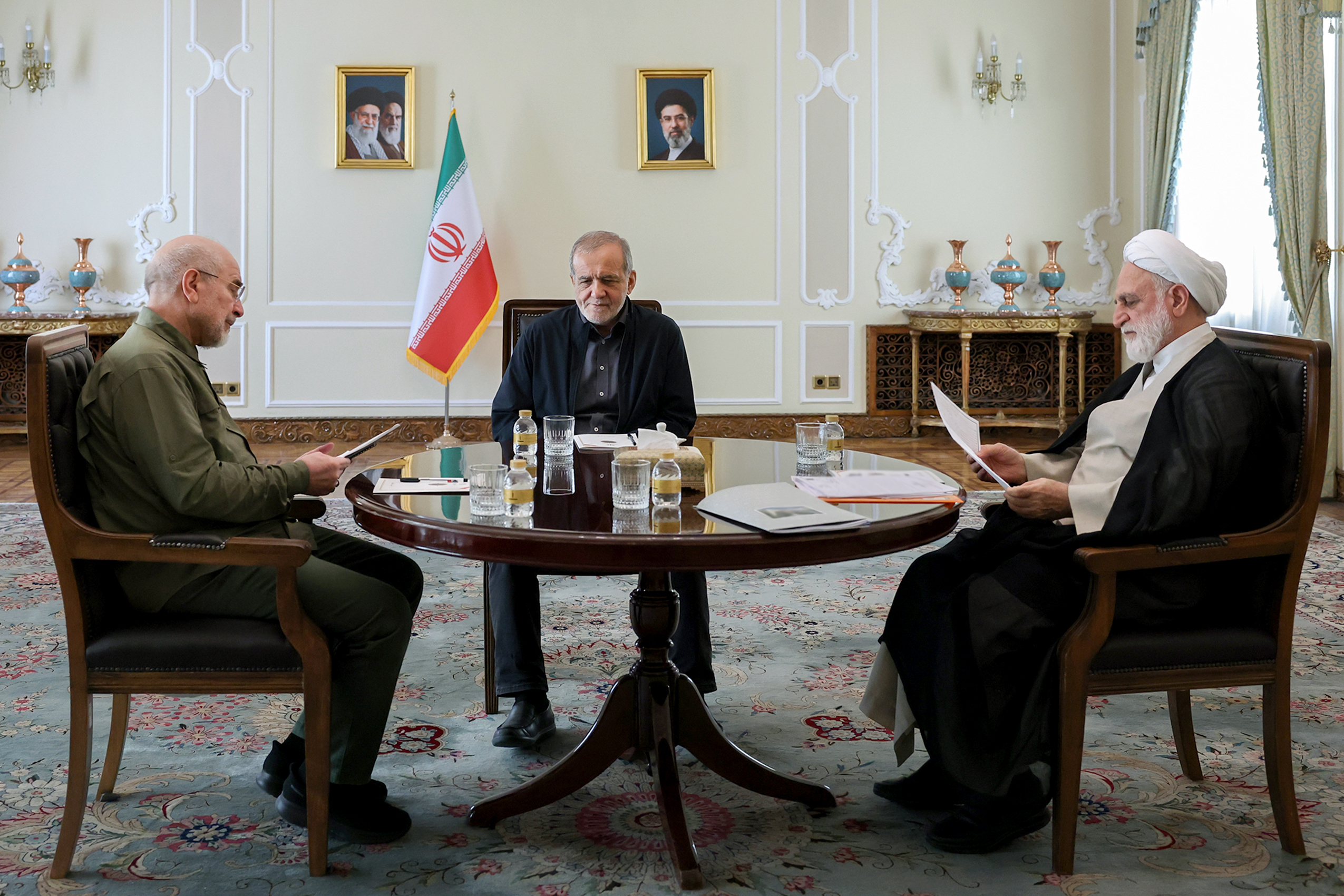
The Committee of Six and Strategic Decision Making in Iran
Remarks by Iran’s president offer a rare glimpse of how the Islamic Republic has adapted its decision making to the absence of its supreme leader.
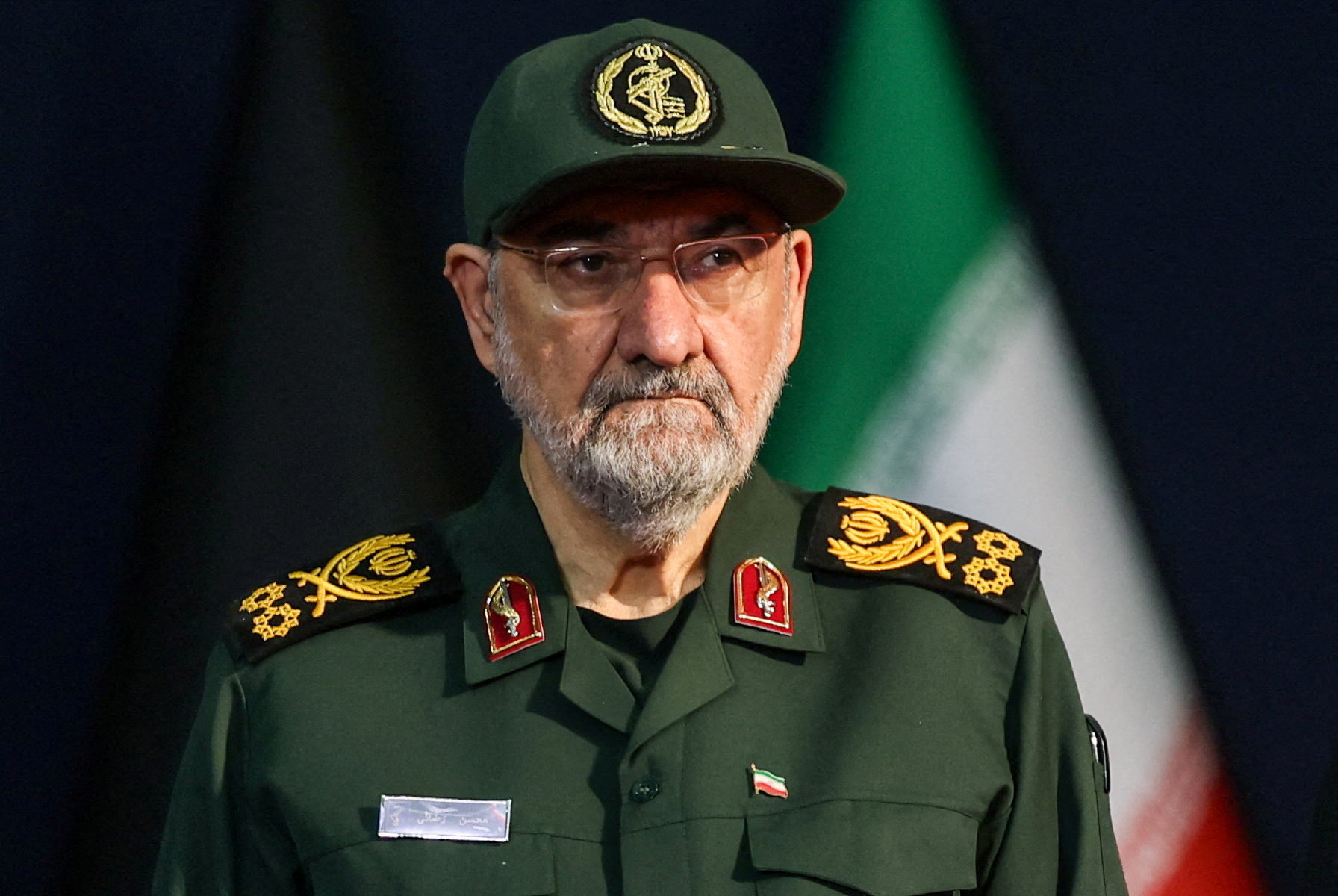
Mohsen Rezaei at the Helm of Iran’s Supreme National Security Council
Under Rezaei, the SNSC could prove constructive or paralyze strategic decision making.
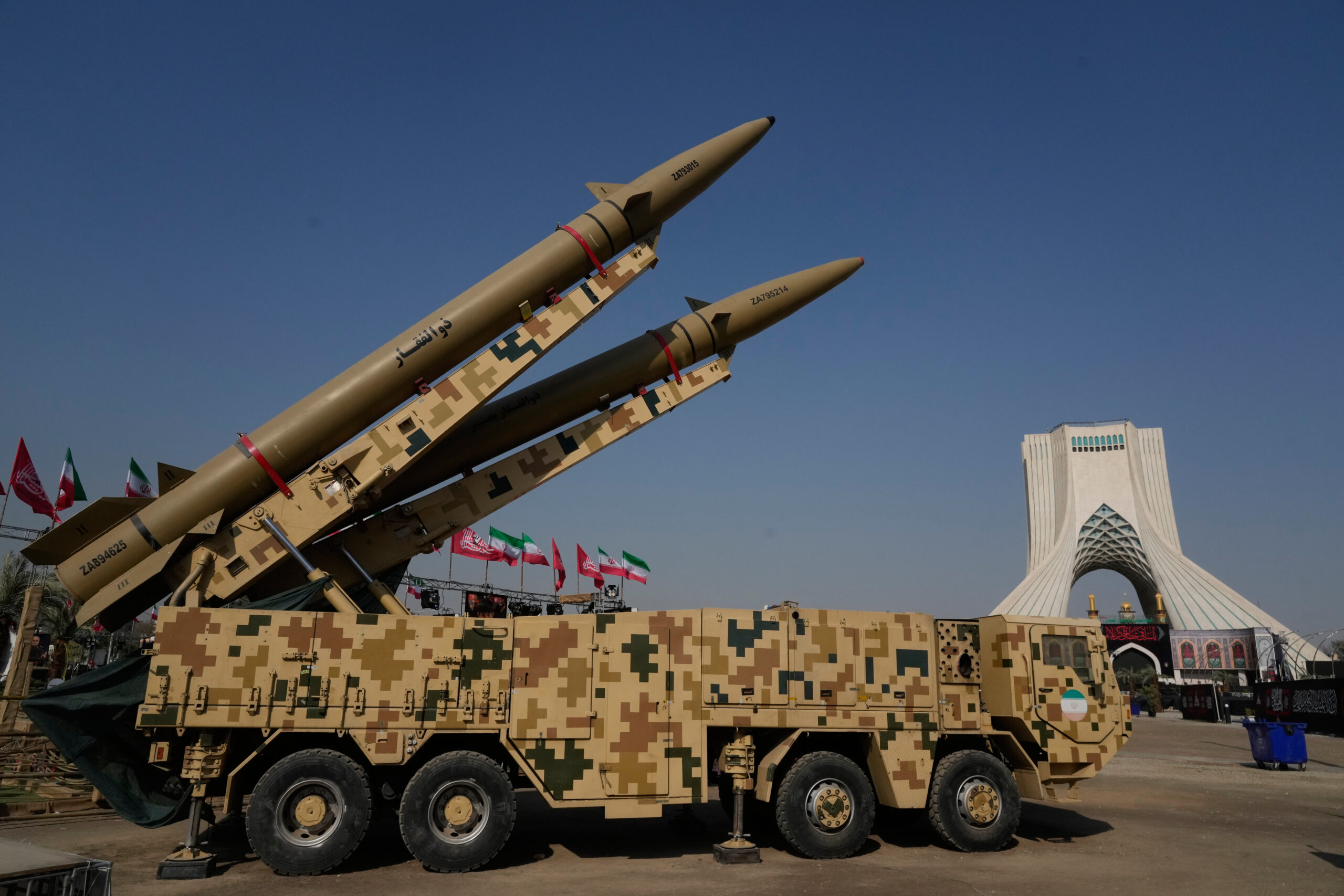
The Islamic Republic Returns to Offense
After U.S.-Israeli strikes killed Supreme Leader Ayatollah Ali Khamenei on February 28, Iran’s collective leadership has concluded that the best defense is a good offense.
Events
Oct 6, 2026
Is the U.S.-Iran Stalemate a “New Normal” or the Prelude to Another Explosion?
On October 6, AGSI hosted a discussion on the U.S.-Iran stalemate and the prospects for a cease-fire.
Speakers


Book Talk: Iran and the Bomb: The United States, Iran and the Nuclear Question
On June 16, AGSI hosted a discussion on the evolution of Iran's nuclear program.
Speakers
Apr 21, 2026
Inside Iran’s Wartime Leadership: Power, Succession, and Regime Stability
On April 21, AGSI hosted a discussion on the evolution of Iran's leadership during the war.
Speakers

Mar 18, 2026
In Its Conflict With the United States and Israel, Does Escalation Favor Iran?
On March 18, AGSI hosted a discussion on the escalation of the Iran war.
Speakers