Aug 12, 2022
The Iranian Interior Minister’s Foreign Policy
The August 12 edition of the Iran Media Review considers the Iranian Interior Ministry’s position on nuclear negotiations in Vienna.
The Iranian Foreign Ministry’s declared objective of reviving the Joint Comprehensive Plan of Action nuclear deal appears at odds with the lack of progress in negotiations in Vienna. This, in part, can be attributed to very real opposition to the JCPOA in certain quarters, including Iran’s Interior Ministry.
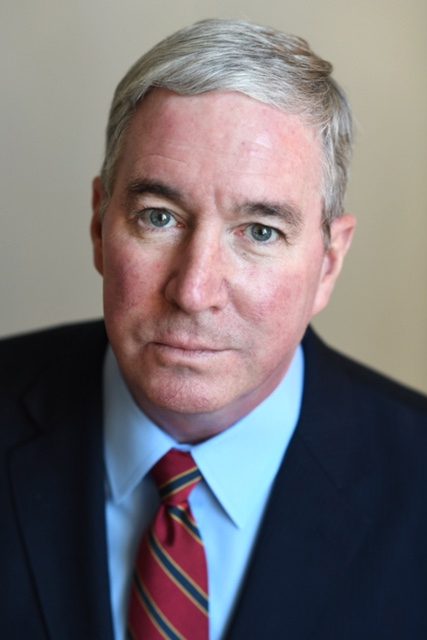
- June 20: “Those who put their eggs in America’s basket have no confidence in Iran’s progress. Those who do not consider America off-limits are not working for the country’s development,” Interior Minister Ahmad Vahidi said, according to a report by the Iranian Students’ News Agency. Although Vahidi did not specifically mention Iran’s nuclear program, his reference to “science-based development” was clear enough as was his thinly veiled opposition to the ongoing nuclear negotiations. Vahidi said, “There are certain political currents that let loose when facing the West … We must define our own developmental model.” He rhetorically asked: “Is the message of the West anything but NATO, cannons, and war in Afghanistan, Ukraine, and elsewhere?”
Conduct of foreign policy being the purview of the Foreign Ministry, the Iranian interior minister’s statements are not only remarkable but also significant, since he is a voting member of the Supreme National Security Council, the highest strategic decision-making body in the Islamic Republic. Such statements only make sense when taking into consideration Vahidi’s background as a former commander of the Quds Force of the Islamic Revolutionary Guard Corps. Vahidi may be representing the prevailing consensus in the IRGC rather than the Interior Ministry.
The prevailing analysis in the IRGC appears to assume that Iran’s nuclear program is advancing fast, and the United States lacks the political will to stop it, due to its withdrawal from Afghanistan and current entanglement in Ukraine. Vahidi’s statements may also reflect the IRGC’s policy recommendation rather than the Interior Ministry’s and can be interpreted as opposition to a negotiated solution to the crisis over Iran’s nuclear program. None of this bodes well for the fate of nuclear negotiations.
The views represented herein are the author's or speaker's own and do not necessarily reflect the views of AGSI, its staff, or its board of directors.
Related
Iran Media Review
Aug 9, 2022
IRGC Media: Limited Oil Exports No Incentive to Revive Nuclear Deal
The August 9 edition of the Iran Media Review considers the perspective of the Islamic Revolutionary Guard Corps on whether removal of U.S. sanctions on Iran’s oil exports is sufficient incentive to revive the nuclear deal.
Iran Media Review
Aug 5, 2022
Has Iran Left Its Afghan Allies to Their Own Devices?
The August 5 edition of the Iran Media Review assesses Iran’s silence regarding the targeting of Afghanistan’s Shia population.
Iran Media Review
Aug 2, 2022
Iran’s Intelligence Minister Vows to Retaliate Against Countries “Assisting Enemies of the Iranian Nation”
The August 2 edition of the Iran Media Review assesses the potential for Iranian retaliation against the Kurdistan region of Iraq.
Aug 9, 2022
IRGC Media: Limited Oil Exports No Incentive to Revive Nuclear Deal
The August 9 edition of the Iran Media Review considers the perspective of the Islamic Revolutionary Guard Corps on whether removal of U.S. sanctions on Iran’s oil exports is sufficient incentive to revive the nuclear deal.
Aug 5, 2022
Has Iran Left Its Afghan Allies to Their Own Devices?
The August 5 edition of the Iran Media Review assesses Iran’s silence regarding the targeting of Afghanistan’s Shia population.
Aug 2, 2022
Iran’s Intelligence Minister Vows to Retaliate Against Countries “Assisting Enemies of the Iranian Nation”
The August 2 edition of the Iran Media Review assesses the potential for Iranian retaliation against the Kurdistan region of Iraq.
Analysis
The Committee of Six and Strategic Decision Making in Iran
Remarks by Iran’s president offer a rare glimpse of how the Islamic Republic has adapted its decision making to the absence of its supreme leader.
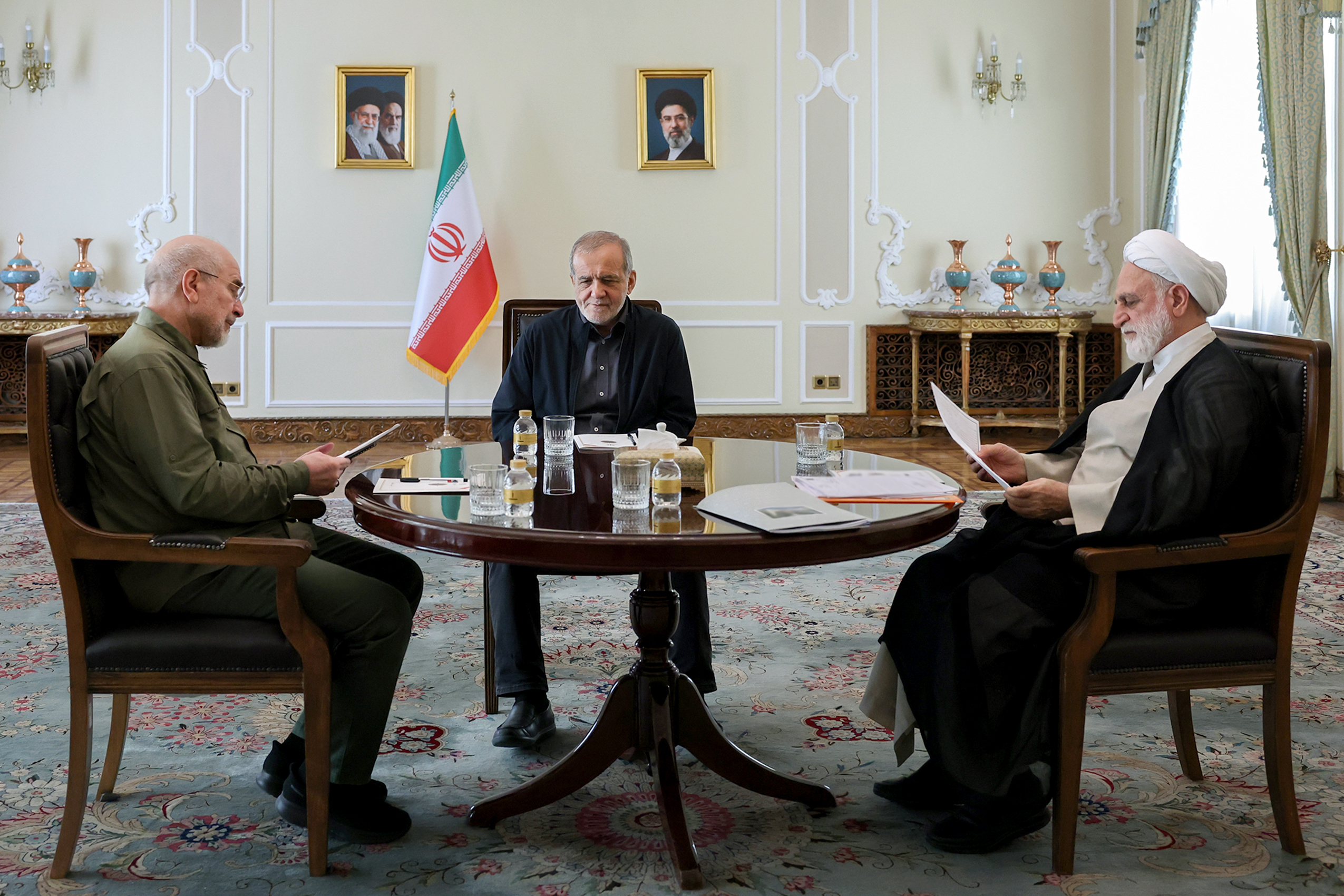
Mohsen Rezaei at the Helm of Iran’s Supreme National Security Council
Under Rezaei, the SNSC could prove constructive or paralyze strategic decision making.
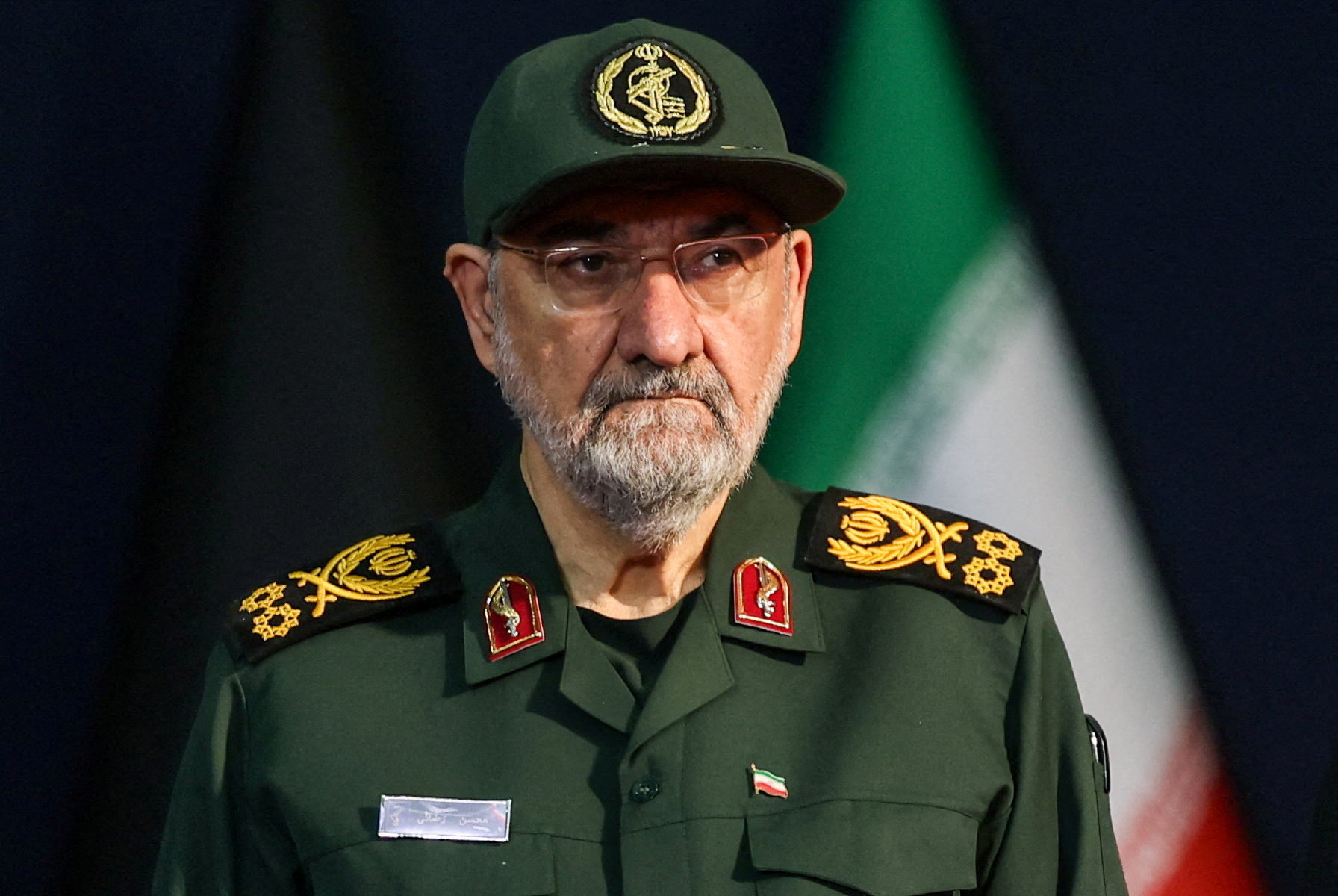
The Islamic Republic Returns to Offense
After U.S.-Israeli strikes killed Supreme Leader Ayatollah Ali Khamenei on February 28, Iran’s collective leadership has concluded that the best defense is a good offense.
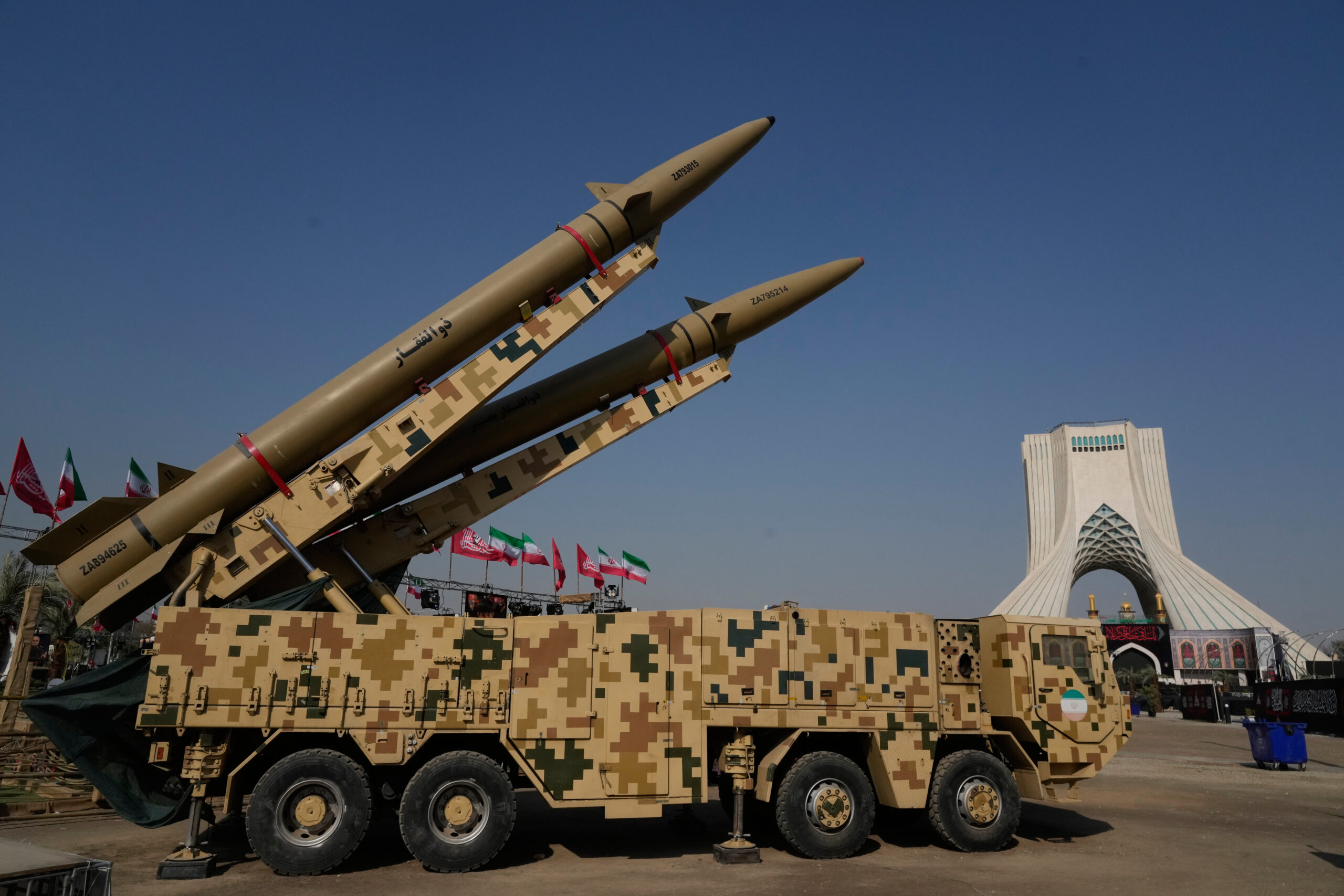
Iran’s Collective Strategic Decision Making
Wartime pressure has temporarily aligned the leadership’s overriding interest in regime survival, even as its members continue to differ over the costs, methods, and ultimate objectives of the war.
Events
Oct 6, 2026
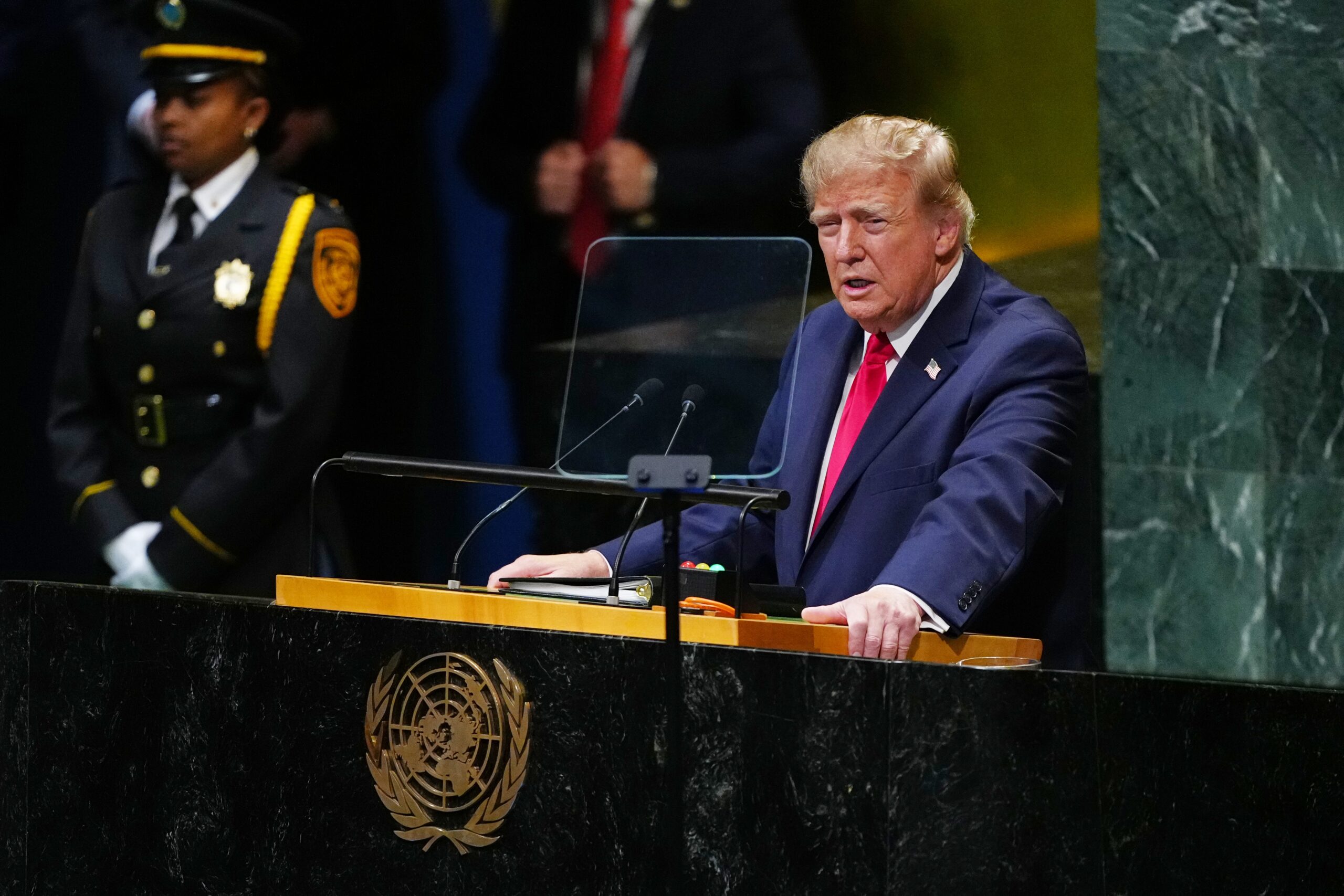
Is the U.S.-Iran Stalemate a “New Normal” or the Prelude to Another Explosion?
On October 6, AGSI hosted a discussion on the U.S.-Iran stalemate and the prospects for a cease-fire.
Speakers



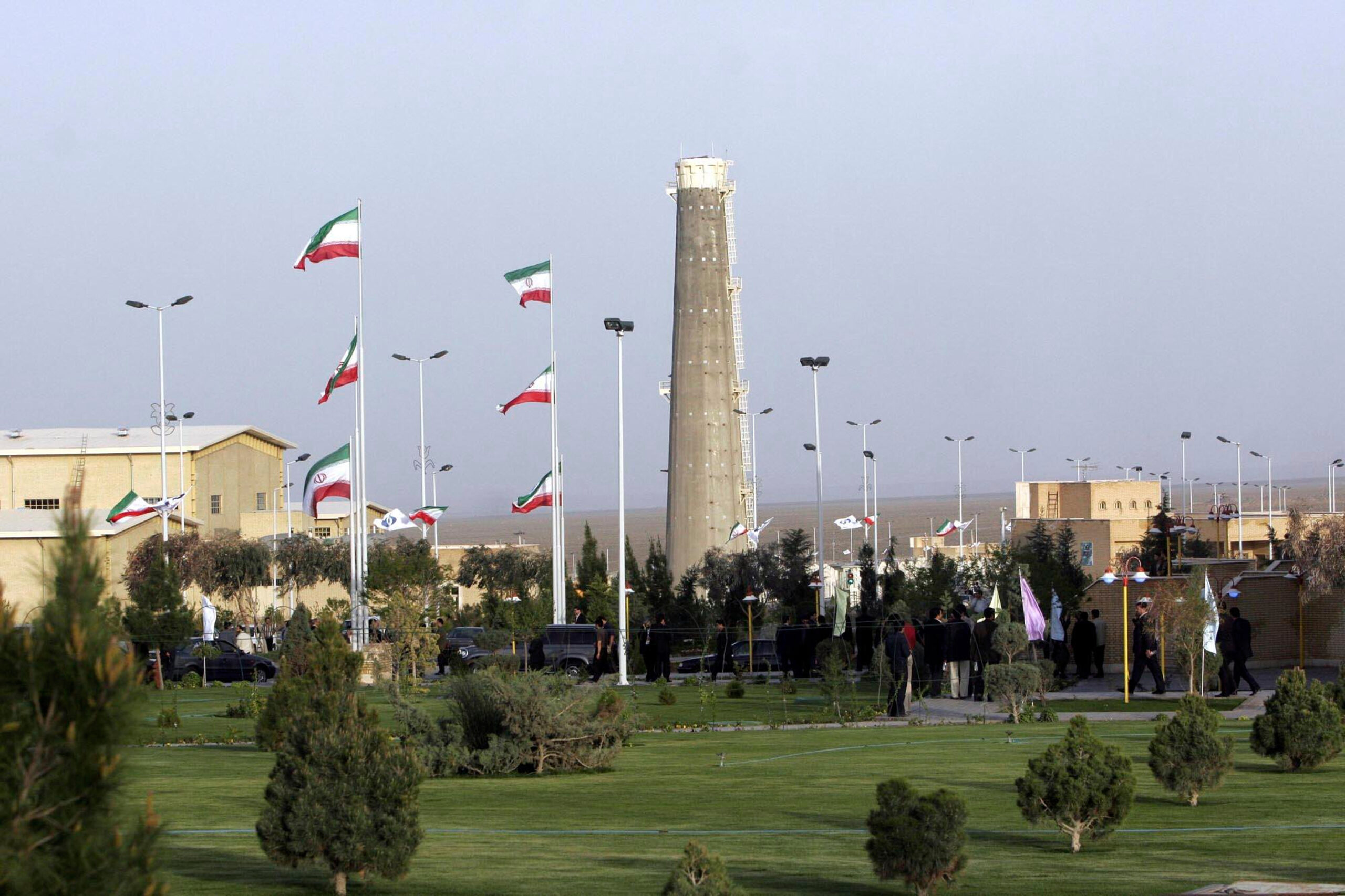
Book Talk: Iran and the Bomb: The United States, Iran and the Nuclear Question
On June 16, AGSI hosted a discussion on the evolution of Iran's nuclear program.
Speakers
Apr 21, 2026
Inside Iran’s Wartime Leadership: Power, Succession, and Regime Stability
On April 21, AGSI hosted a discussion on the evolution of Iran's leadership during the war.
Speakers

Mar 18, 2026
In Its Conflict With the United States and Israel, Does Escalation Favor Iran?
On March 18, AGSI hosted a discussion on the escalation of the Iran war.
Speakers