Apr 14, 2023
Saudi Arabia’s Motives for Reconciliation and a Renamed Street in Mashhad
The April 14 edition of the Iran Media Review highlights commentary on Saudi Arabia’s foreign policy decision making and the removal of a controversial street sign near the Saudi Consulate in Mashhad.

Saudi Arabia’s normalization of diplomatic relations with Iran reflects Riyadh’s rational calculations, Nour News argues. And changing the controversial name of the street where the Saudi Consulate in Mashhad is located is just as rational, Fararu News argues. It remains to be seen whether the same rationality will lead Iran to rename other streets, notably Khalid Islambouli Street, which is named after the assassin of Egyptian President Anwar Sadat.
- April 9: In the article “The Objectives of Saudi Arabia’s New Foreign Policy Approach,” Nour News, a mouthpiece of Iran’s Supreme National Security Council, argued that Riyadh is not “opposing” the United States by improving relations with Tehran but is merely attempting to increase its maneuverability vis-a-vis Washington. The article presented three explanations for Saudi Arabia’s behavior:
- “First, Saudi Arabia is looking to reduce security threats beyond its borders, which in turn also reduces Western pressure on Saudi Arabia under the pretext of countering those threats.”
- “Second, aware of the economic, scientific, and technological monopolism of the West, Saudi Arabia is hoping to expand its own capacities … in cooperation with countries such as China, India, and, to some extent, Russia.”
- “Third, Saudi Arabia, which until now was known to the West as a constant source of energy at discount prices, is now trying to make energy a source of income and an instrument of power toward the West.”
- Nour News concluded: “Saudi Arabia’s new initiatives concerning the normalization of relations with Iran aim to end the crisis in Yemen, revive relations with Syria, resist the West concerning pressure against Russia in the Ukraine war, reduce oil production while the West is going through an energy crisis, and form strategic relations with China.”
- April 10: Fararu News reported on the renaming of the street in Mashhad where the Consulate of Saudi Arabia is located:
- “The removal of the street sign on the street where the Saudi Consulate is located on April 8 caused a media stir. On that day, the ‘Martyr Ayatollah Nimr’ street sign was removed without any previous decision by the city council … This change is far bigger than changing the name of a street; it symbolizes reconciliation between two major Middle Eastern powers.”
- Explaining the background for the street name, Fararu noted: “Nimr al-Nimr was a Saudi Shia cleric who was executed on charges of acting against national security on January 2, 2016 … In the afternoon of that same day, a group acting autonomously attacked the Saudi Embassy in Tehran and the Saudi Consulate in Mashhad, which immediately led to the severing of diplomatic relations between Iran and Saudi Arabia and many other Arab states. The day after the attacks, the Mashhad City Council decided to change the name of ‘Molavi Street’ to ‘Ayatollah Nimr Street’ … Since then, Saudi Arabia, under Mohammed bin Salman, has chosen the path of conflict with Iran and used its military, diplomacy, and petrodollars to impose a cost on Iran.”
- Fararu concluded: “Those who climbed the walls of Saudi diplomatic centers in Tehran and Mashhad believed they were on the right side of history. They thought they had cleansed Islamic Iran of the shame of having relations with the House of Saud, believed Saudi Arabia would be destroyed in the future, and thought they were doing the Iranian nation a great service … But as the street name changes, it is proved that politics are no place for childish fantasies and sentiments … National sovereignty and diplomatic representations are sacrosanct … Those involved in the attack are now accusing the government of duplicity and a lack of belief. But there are also those … who argue that resolving the Nimr crisis is not at all shameful but rather absolutely correct. Changing the street name shows that the Foreign Ministry has a realistic worldview and is securing the national interest.”
The views represented herein are the author's or speaker's own and do not necessarily reflect the views of AGSI, its staff, or its board of directors.
Related
Iran Media Review
Aug 21, 2026
Qalibaf and Pezeshkian at Odds With the IRGC?
The August 21 edition of the Iran Media Review examines arguments from Iranian leaders for ending the war with the United States through negotiations rather than escalating.
Iran Media Review
Aug 18, 2026
Qalibaf: The Strait of Hormuz Will Not Reopen
The August 18 edition of the Iran Media Review highlights a speech by Iran’s parliamentary speaker pledging not to reopen the Strait of Hormuz until the United States fulfills the conditions of the Islamabad memorandum of understanding.
Iran Media Review
Aug 14, 2026
Iran Has No Intention of Relinquishing the Strait of Hormuz
The August 14 edition of the Iran Media Review considers remarks made by the new Supreme National Security Council secretary on his first day in office.
Aug 21, 2026
Qalibaf and Pezeshkian at Odds With the IRGC?
The August 21 edition of the Iran Media Review examines arguments from Iranian leaders for ending the war with the United States through negotiations rather than escalating.
Aug 18, 2026
Qalibaf: The Strait of Hormuz Will Not Reopen
The August 18 edition of the Iran Media Review highlights a speech by Iran’s parliamentary speaker pledging not to reopen the Strait of Hormuz until the United States fulfills the conditions of the Islamabad memorandum of understanding.
Aug 14, 2026
Iran Has No Intention of Relinquishing the Strait of Hormuz
The August 14 edition of the Iran Media Review considers remarks made by the new Supreme National Security Council secretary on his first day in office.
Analysis
The Islamic Republic Returns to Offense
After U.S.-Israeli strikes killed Supreme Leader Ayatollah Ali Khamenei on February 28, Iran’s collective leadership has concluded that the best defense is a good offense.
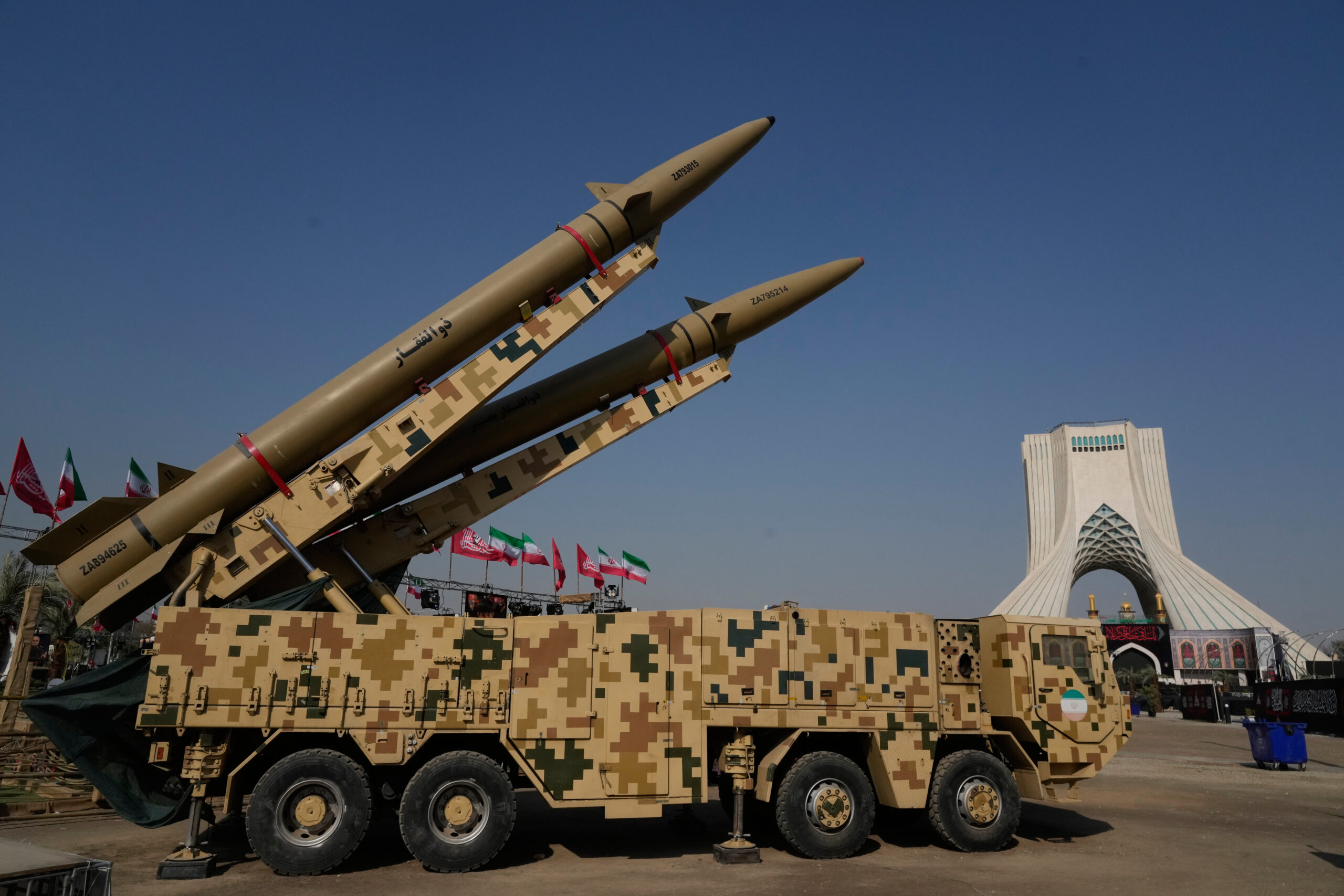
Iran’s Collective Strategic Decision Making
Wartime pressure has temporarily aligned the leadership’s overriding interest in regime survival, even as its members continue to differ over the costs, methods, and ultimate objectives of the war.
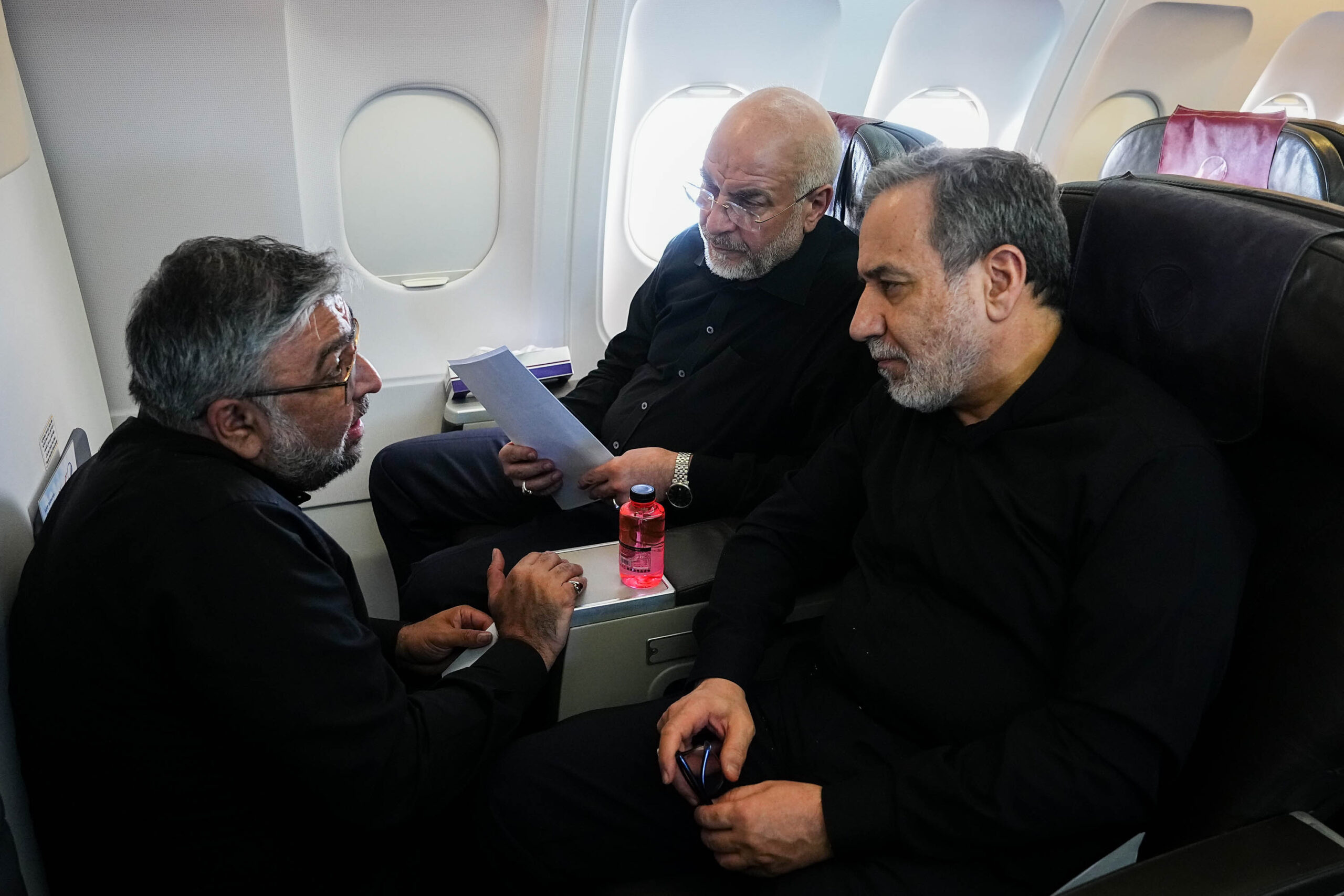
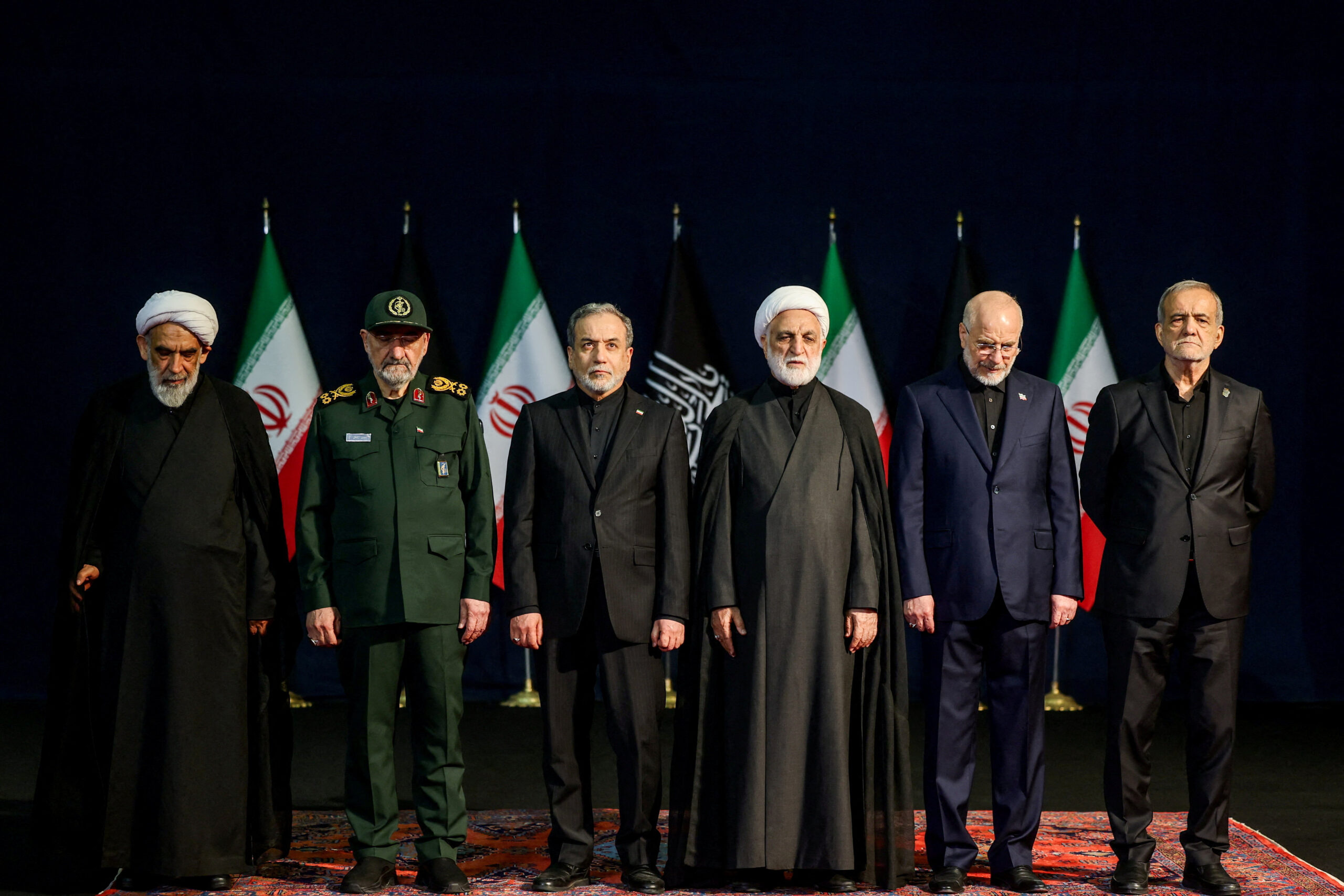
The Islamic Republic’s Collective Leadership
While there is historical precedent for collective leadership in Iran, today’s leadership includes representatives of the IRGC and regular military – a reflection of the IRGC’s expanding role and the necessities of governing under wartime conditions.
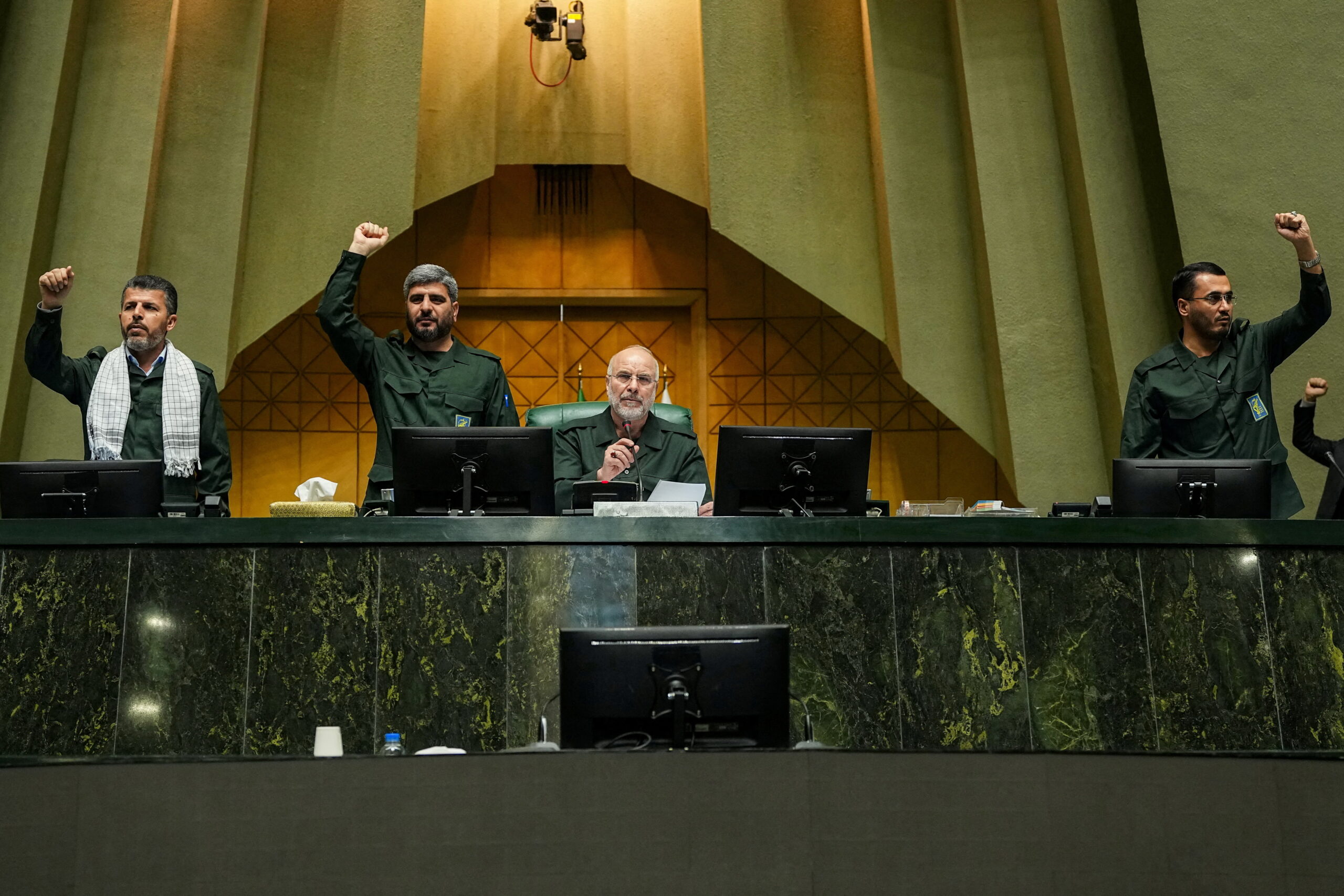
How Did the IRGC Seize Power in Iran?
The IRGC did not seize power in a single stroke. It accumulated it – patiently, methodically – until no counterweight remained.
Events
Book Talk: Iran and the Bomb: The United States, Iran and the Nuclear Question
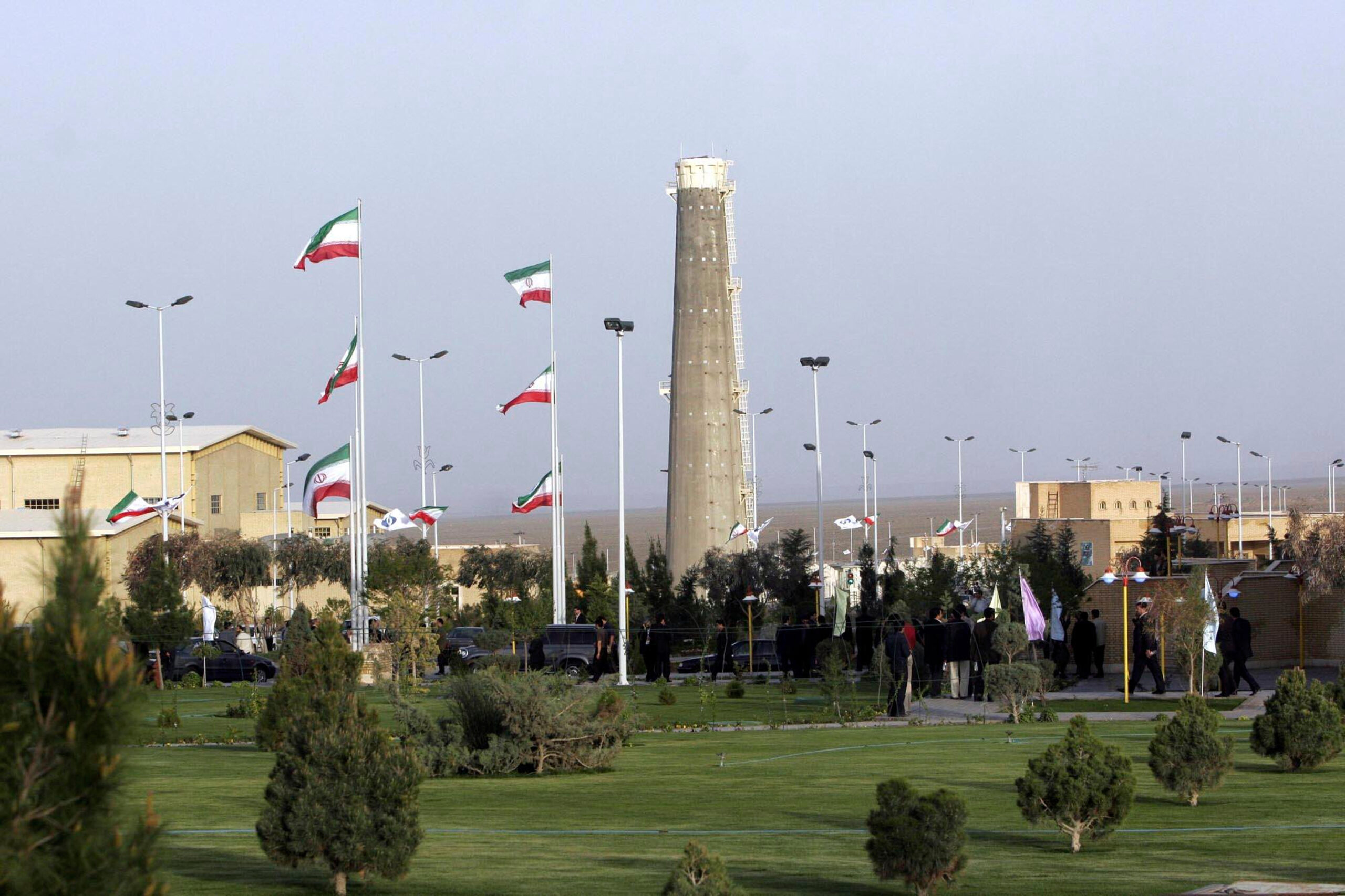
On June 16, AGSI hosted a discussion on the evolution of Iran's nuclear program.
Speakers

Apr 21, 2026
Inside Iran’s Wartime Leadership: Power, Succession, and Regime Stability
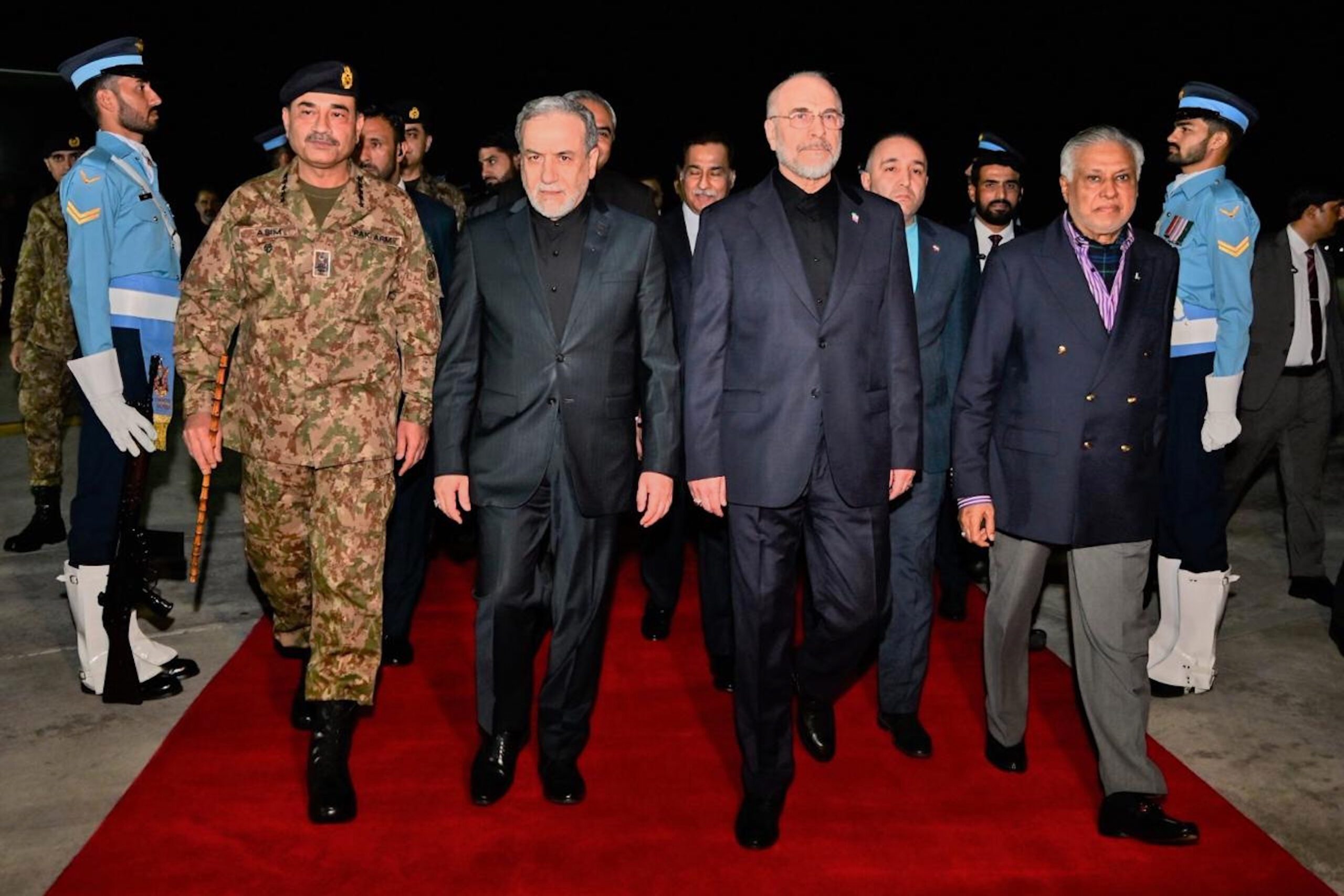
On April 21, AGSI hosted a discussion on the evolution of Iran's leadership during the war.
Speakers

Mar 18, 2026
In Its Conflict With the United States and Israel, Does Escalation Favor Iran?
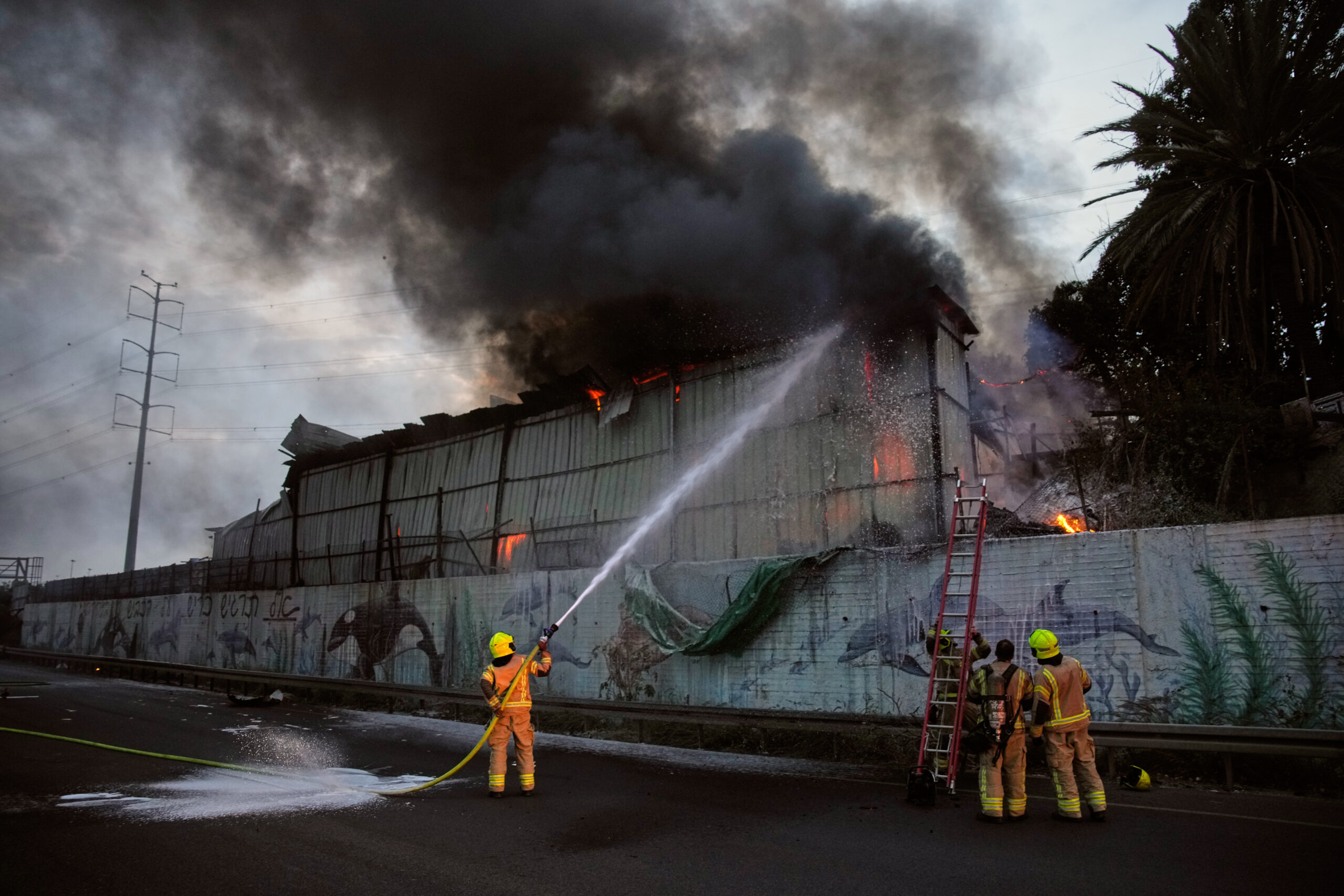
On March 18, AGSI hosted a discussion on the escalation of the Iran war.
Speakers


Mar 2, 2026
After the Shock: Implications of the U.S.–Israeli Strikes and Iran’s Leadership Transition
On March 2, AGSI hosted a discussion on the U.S.-Israeli strikes on Iran.
Speakers