Mar 28, 2025
Positive Momentum Continues in the Saudi Labor Market
Robust growth in the non-oil economy and ongoing reforms are driving increased employment and labor force participation rates and lower unemployment among Saudi nationals.

Data for the fourth quarter of 2024 shows that the positive momentum in the Saudi labor market is continuing amid robust growth in the non-oil economy. The unemployment rate for Saudi nationals fell to 7%, down from 7.8% in the corresponding quarter of 2023, with a particularly large decline for women (13.9% to 11.9%). The labor force participation rate of Saudi nationals also increased during 2024 from 50.4% to 51.1% with the participation of both men and women rising.

Source: General Authority for Statistics
Strong job creation continued in 2024. While most of the employment growth was concentrated among nonnationals (a 1.4 million or 17.8% increase), the employment of Saudi nationals also increased by 160,000 (5.7% growth). Women accounted for half of the increase in the employment of nationals (7.2% growth). Around 40% of the jobs created in 2024 were in the construction sector, consistent with the emphasis on the development of infrastructure, real estate, and gigaprojects in the kingdom. There was also significant job creation in the manufacturing and transportation sectors.
Average wage growth remained subdued during 2024. For Saudi nationals, average wages grew by less than 1% in the year to the fourth quarter of 2024. Interestingly, wages for Saudi women grew by 4.4% while for Saudi men they remained basically flat. Nonnationals saw their average wage fall by 3% during 2024.
Saudi Women are Driving the Labor Market
Over the past year, Saudi women have seen stronger increases in their employment and participation rate, a larger drop in their unemployment rate, and a bigger increase in their average wage. This outperformance relative to Saudi men is likely to continue given the still large gaps in most gender-based labor market statistics will likely keep narrowing given the easing of restrictions on the participation of Saudi women in the labor market and the broader economy and their higher education levels relative to men.
The views represented herein are the author's or speaker's own and do not necessarily reflect the views of AGSI, its staff, or its board of directors.
Related
Saudi Economic Spotlight
Mar 5, 2025
Lower Aramco Dividends to Hit Government Budget and PIF in 2025
Aramco has announced it will pay a significantly lower dividend in 2025, which is bad news for the Public Investment Fund and the government, with the fiscal deficit in 2025 likely to be larger than budgeted.
Saudi Economic Spotlight
Feb 12, 2025
Understanding Saudi Foreign Direct Investment Data
Attracting foreign direct investment is a key goal of Vision 2030, but tracking progress in this important area is complicated by data revisions and questions about the data accuracy.
Mar 5, 2025
Lower Aramco Dividends to Hit Government Budget and PIF in 2025
Aramco has announced it will pay a significantly lower dividend in 2025, which is bad news for the Public Investment Fund and the government, with the fiscal deficit in 2025 likely to be larger than budgeted.
Feb 12, 2025
Understanding Saudi Foreign Direct Investment Data
Attracting foreign direct investment is a key goal of Vision 2030, but tracking progress in this important area is complicated by data revisions and questions about the data accuracy.
Analysis
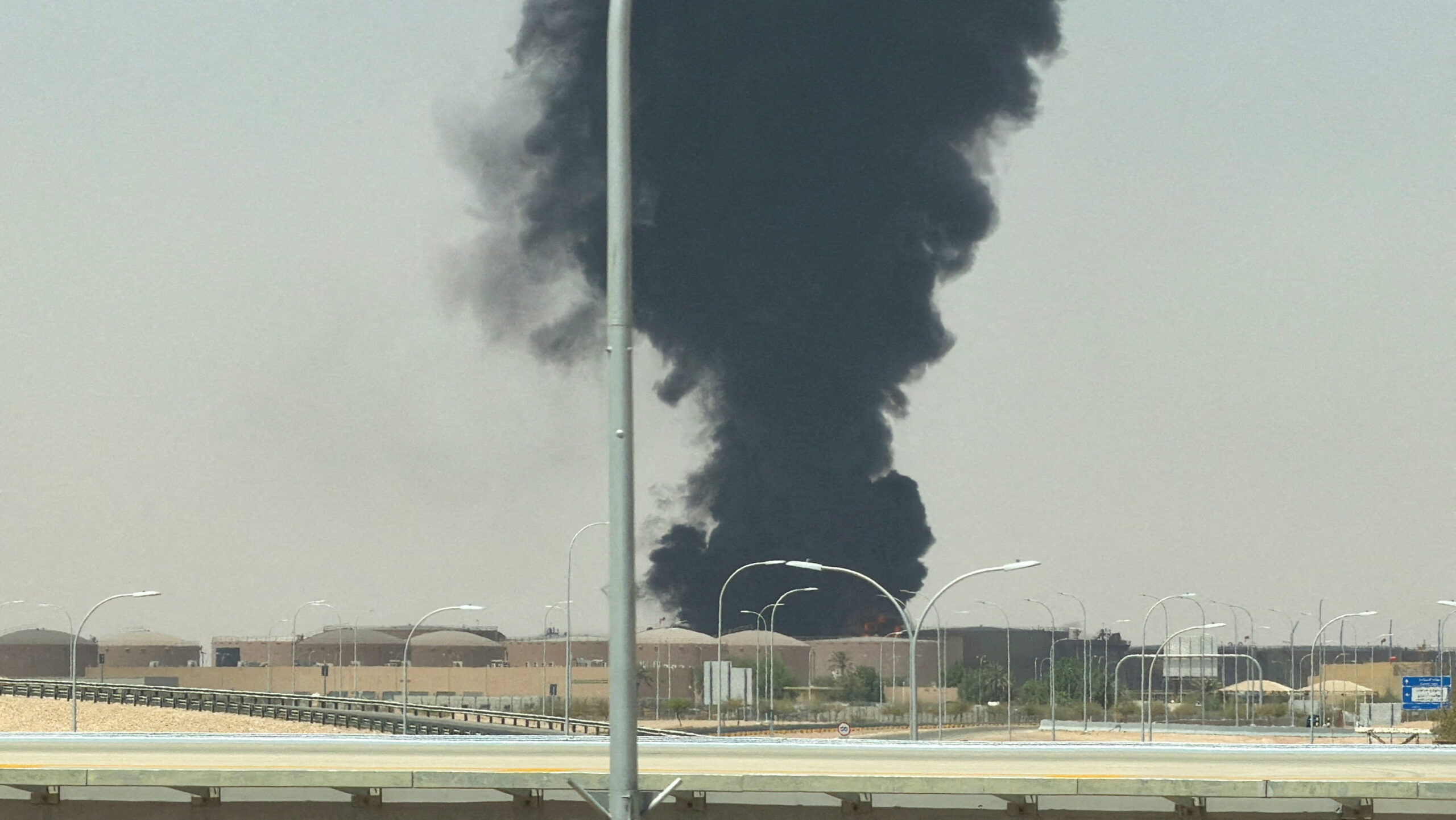
Saudi Economic Recovery Delayed by New Threats
Attacks on the East-West oil pipeline and other targets in Saudi Arabia will result in a larger-than-expected economic contraction in the kingdom this year.
The Trump Presidency, Iran War, and U.S.-Gulf Economic Relationship
The outbreak of the Iran war has halted the deepening of the economic relationship between the United States and the Gulf countries. While likely temporary, it could take some time before the upward trajectory is restored.
Have Saudi Labor Market Reforms Run Their Course?
Recent data suggests that the positive impact of a decade of reforms to improve Saudi labor market outcomes may now be waning.

Saudi Arabia Weathers the Iran War Thanks to Investments in “Economic Resiliency”
The impact of the Iran war on the Saudi economy has been mitigated by investments in “economic resiliency,” including the East-West oil pipeline, relatively prudent fiscal policy, and the accumulation of a large stock of foreign financial assets.
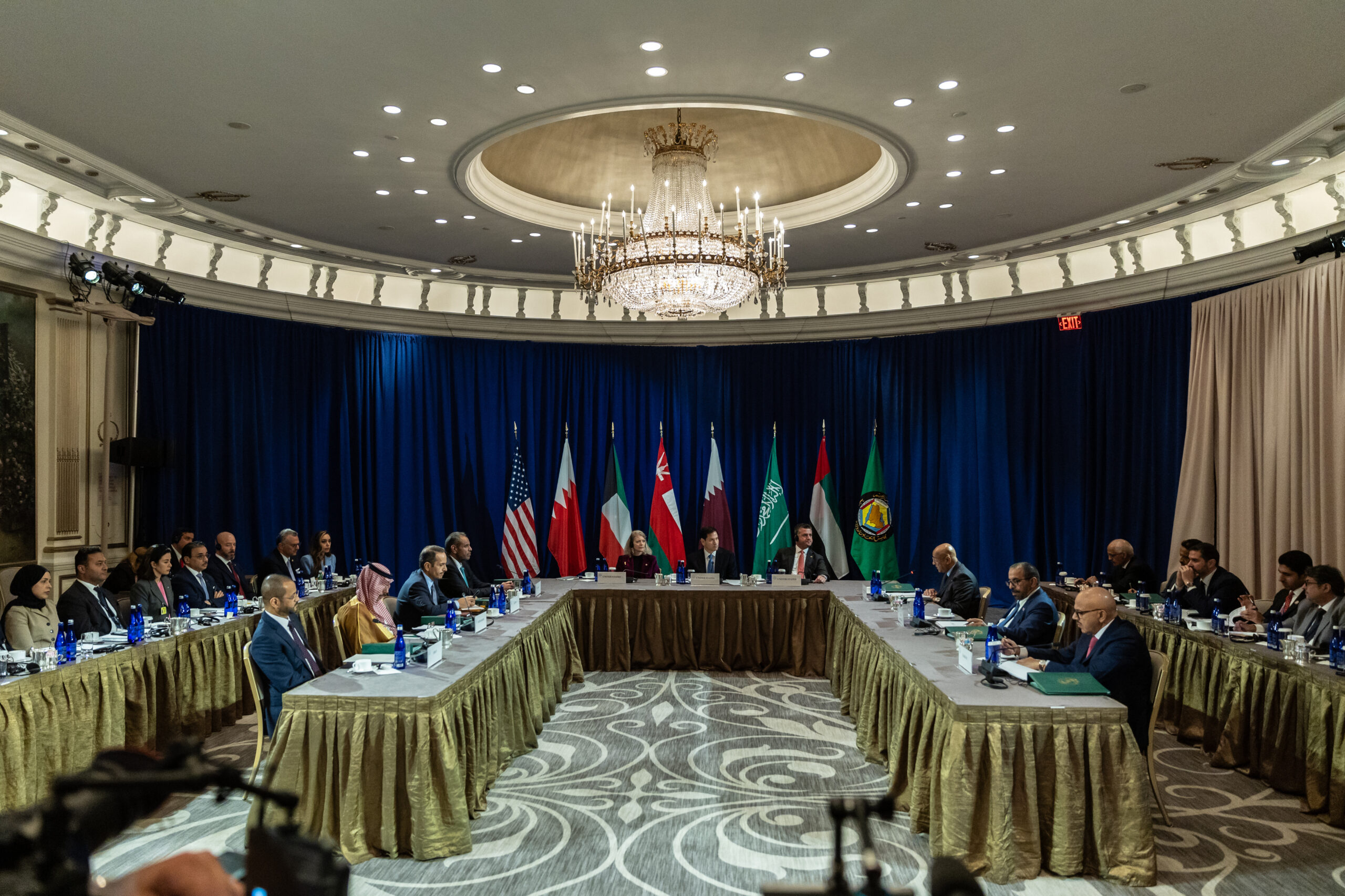
Events
Mar 11, 2026
Shockwaves From Iran: Implications for Energy Markets and the Global Economy
On March 11, AGSI hosted a discussion on global energy and economic market volatility.

Speakers




Jan 8, 2026
Outlook 2026: Prospects and Priorities for U.S.-Gulf Relations in the Year Ahead
On January 8, AGSI hosted a virtual roundtable with its leadership and scholars as they look ahead and assess trends likely to shape the Gulf region and U.S. foreign policy during the coming year.
Speakers




Dec 15, 2025
Looking to 2026: Economic Prospects and Policy Challenges in the GCC
On December 15, AGSI hosted a discussion on the future of Gulf economies.
Speakers


Sep 4, 2025
Saudi Arabia: Sustaining Strong Growth Amid Global Economic Uncertainty
On September 4, AGSI hosted a discussion on the International Monetary Fund’s 2025 Article IV report on Saudi Arabia.
Speakers