Aug 16, 2022
Parallelism and Rivalry by Design: Amal and Hezbollah
The August 16 edition of the Iran Media Review examines Iran’s support to Amal and Hezbollah in Lebanon.

Lebanese Hezbollah led by Hassan Nasrallah and the Nabih Berri-led Amal Movement both enjoy Iran’s patronage, but why does the Islamic Republic support two different Shia militias? Amal’s representative to Iran, Seyyed Salah Fahas, explained the parallel Shia militias as “two brothers” in the same family in an interview with Tasnim News.
- June 21: “Hezbollah was conceived by Amal,” Fahas explained and continued: “Why was Hezbollah established and the Shia split in two? Well, even within a family two brothers may have differing opinions, and this is not a problem. I have this opinion, and another person holds a different opinion, but we have very good relations with Hezbollah. There is no unity, but we are united, like two brothers living in the same house. We coexist. Our relations with Hezbollah have become a role model for the entire world to emulate. Rest assured that if it was not so, there would be no Shia” in Lebanon.
Fahas’ notion of brotherly relations only makes sense in the fratricidal Quranic sense of the word with the story of Cain and Abel. After all, Amal, which emerged in mid-1970s, was financed and supported by Syria. Aligned with Syria, yet unwilling to leave control over the Lebanese Shia population to Damascus, Iran caused a split in Amal in 1982 by establishing “Islamic Amal,” today known as Hezbollah. During the second half of the 1980s, Amal, with Syrian support, came very close to eradicating Hezbollah, but the end of the Cold War and gradual weakening of the Syrian state helped Hezbollah develop into the preeminent militia in Lebanon since the 1990s.
Rather than destroying Amal, Iran maintained and supported the organization, which provides anti-Hezbollah Shias with an alternative acceptable to Tehran. In this light, parallelism and rivalry by design is a better explanation than brotherhood when examining Amal-Hezbollah relations in Lebanon.
The views represented herein are the author's or speaker's own and do not necessarily reflect the views of AGSI, its staff, or its board of directors.
Related
Iran Media Review
Aug 12, 2022
The Iranian Interior Minister’s Foreign Policy
The August 12 edition of the Iran Media Review considers the Iranian Interior Ministry’s position on nuclear negotiations in Vienna.
Iran Media Review
Aug 9, 2022
IRGC Media: Limited Oil Exports No Incentive to Revive Nuclear Deal
The August 9 edition of the Iran Media Review considers the perspective of the Islamic Revolutionary Guard Corps on whether removal of U.S. sanctions on Iran’s oil exports is sufficient incentive to revive the nuclear deal.
Iran Media Review
Aug 5, 2022
Has Iran Left Its Afghan Allies to Their Own Devices?
The August 5 edition of the Iran Media Review assesses Iran’s silence regarding the targeting of Afghanistan’s Shia population.
Aug 12, 2022
The Iranian Interior Minister’s Foreign Policy
The August 12 edition of the Iran Media Review considers the Iranian Interior Ministry’s position on nuclear negotiations in Vienna.
Aug 9, 2022
IRGC Media: Limited Oil Exports No Incentive to Revive Nuclear Deal
The August 9 edition of the Iran Media Review considers the perspective of the Islamic Revolutionary Guard Corps on whether removal of U.S. sanctions on Iran’s oil exports is sufficient incentive to revive the nuclear deal.
Aug 5, 2022
Has Iran Left Its Afghan Allies to Their Own Devices?
The August 5 edition of the Iran Media Review assesses Iran’s silence regarding the targeting of Afghanistan’s Shia population.
Analysis
The Committee of Six and Strategic Decision Making in Iran
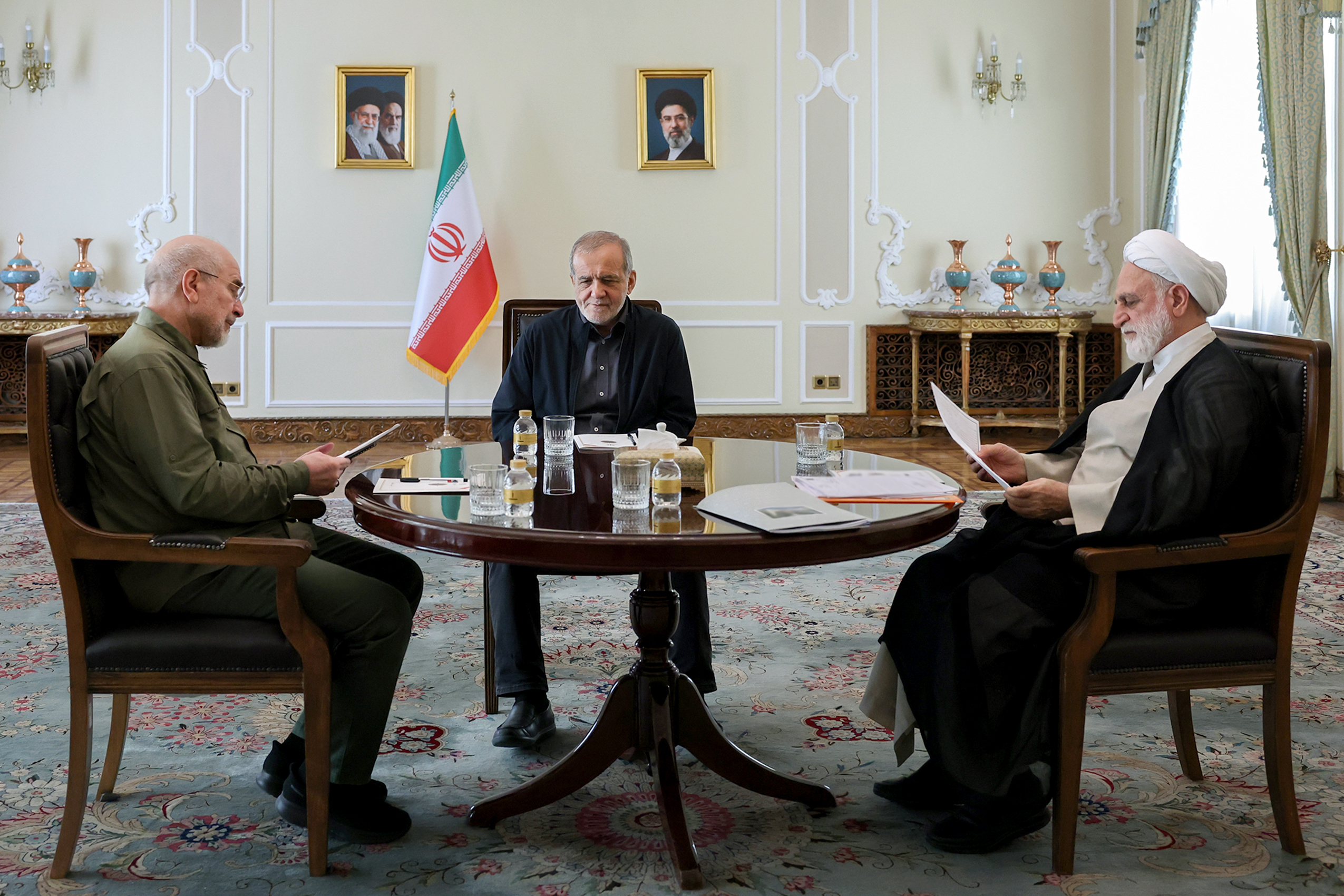
Remarks by Iran’s president offer a rare glimpse of how the Islamic Republic has adapted its decision making to the absence of its supreme leader.
Mohsen Rezaei at the Helm of Iran’s Supreme National Security Council
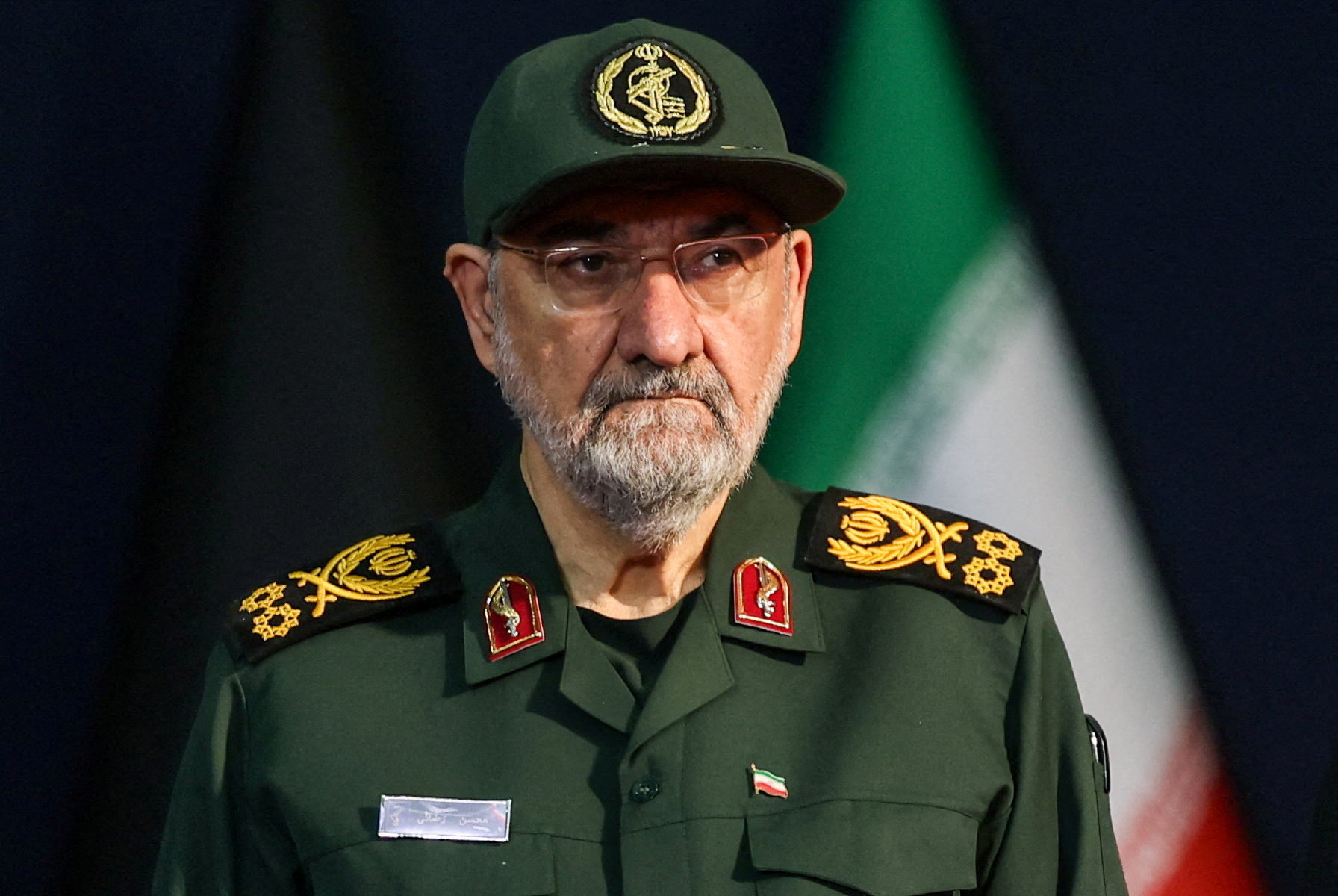
Under Rezaei, the SNSC could prove constructive or paralyze strategic decision making.
The Islamic Republic Returns to Offense
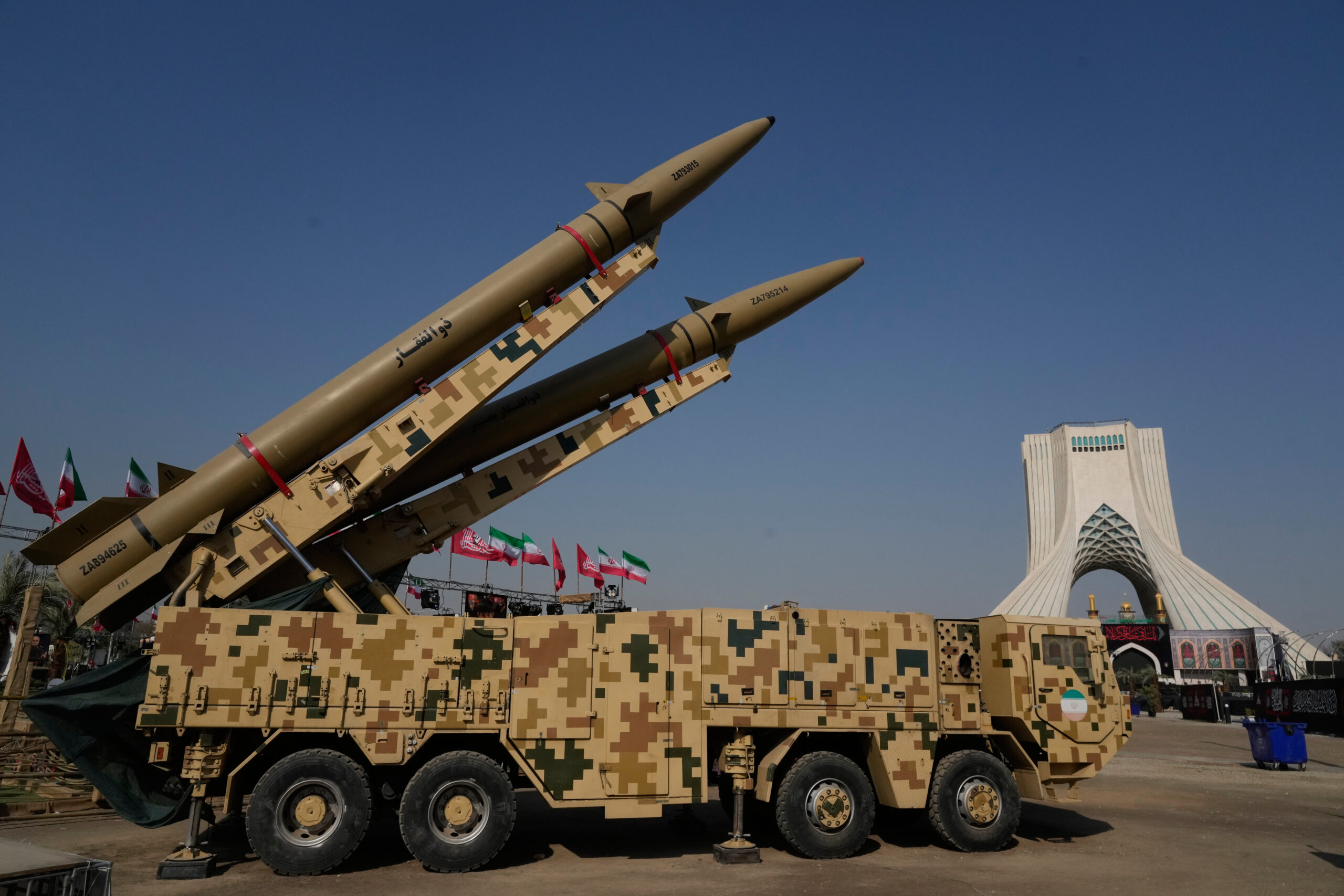
After U.S.-Israeli strikes killed Supreme Leader Ayatollah Ali Khamenei on February 28, Iran’s collective leadership has concluded that the best defense is a good offense.
Iran’s Collective Strategic Decision Making
Wartime pressure has temporarily aligned the leadership’s overriding interest in regime survival, even as its members continue to differ over the costs, methods, and ultimate objectives of the war.
Events
Oct 6, 2026
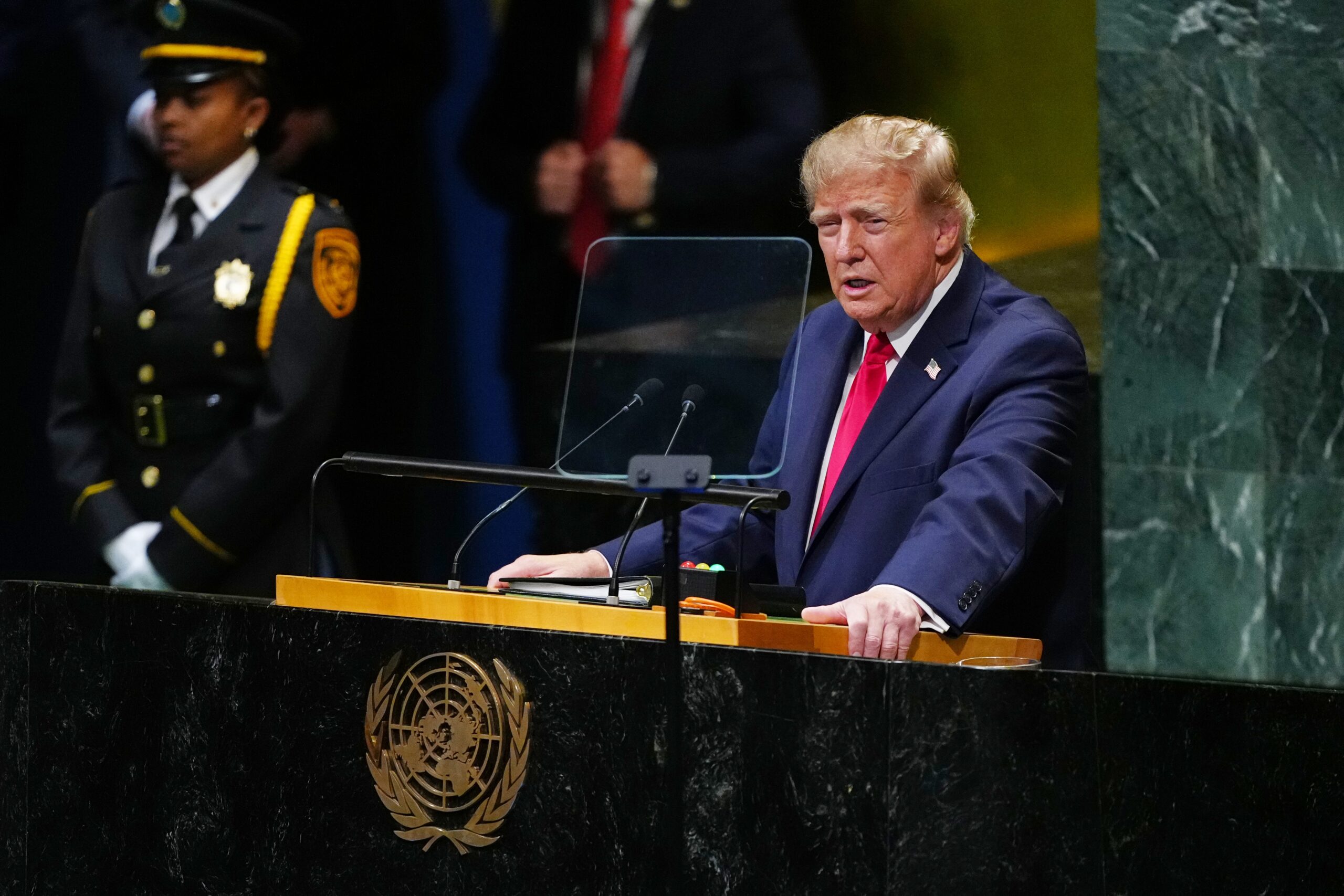
Is the U.S.-Iran Stalemate a “New Normal” or the Prelude to Another Explosion?
On October 6, AGSI hosted a discussion on the U.S.-Iran stalemate and the prospects for a cease-fire.
Speakers



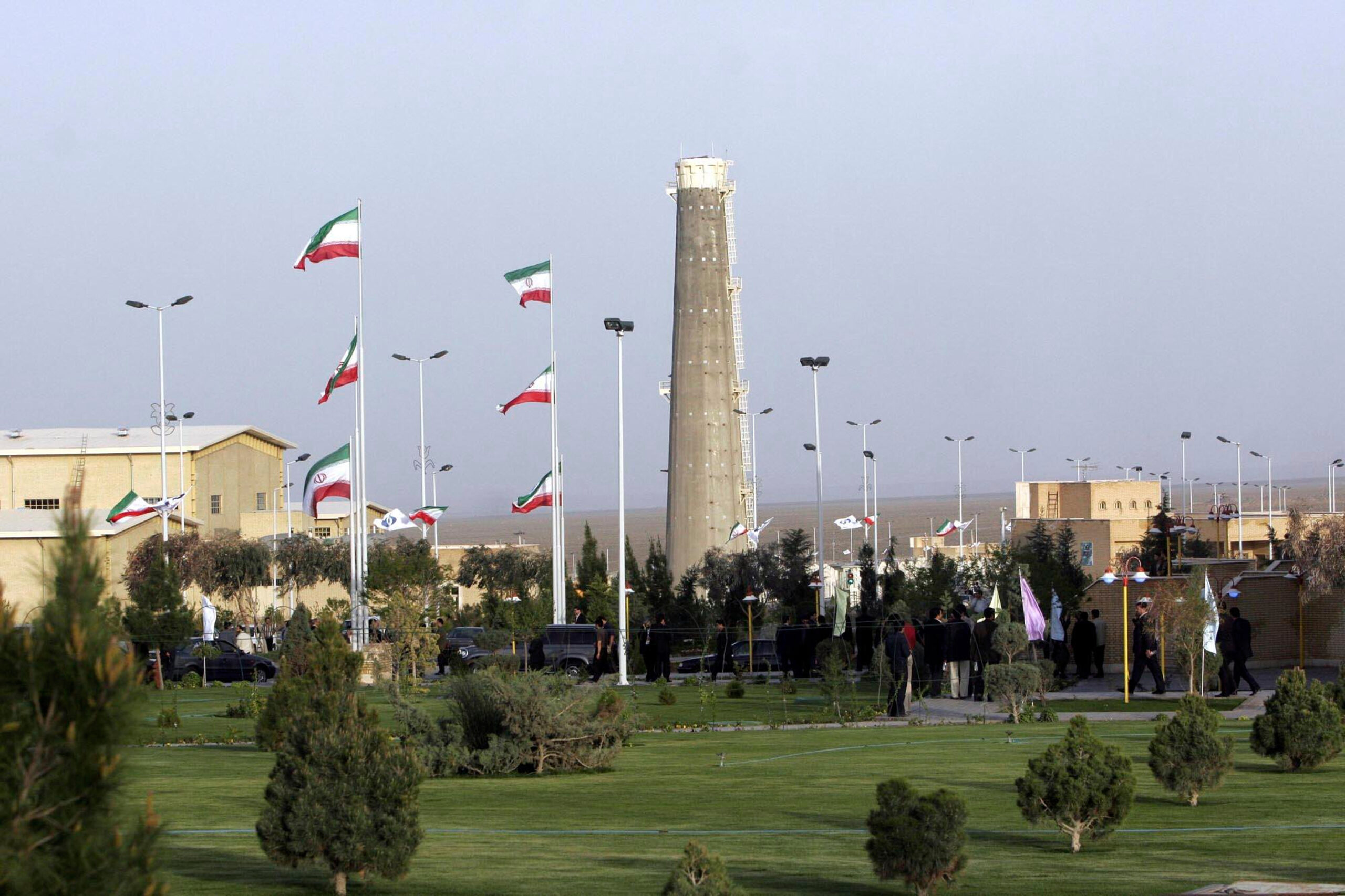
Book Talk: Iran and the Bomb: The United States, Iran and the Nuclear Question
On June 16, AGSI hosted a discussion on the evolution of Iran's nuclear program.
Speakers
Apr 21, 2026
Inside Iran’s Wartime Leadership: Power, Succession, and Regime Stability
On April 21, AGSI hosted a discussion on the evolution of Iran's leadership during the war.
Speakers

Mar 18, 2026
In Its Conflict With the United States and Israel, Does Escalation Favor Iran?
On March 18, AGSI hosted a discussion on the escalation of the Iran war.
Speakers