The U.S. national gas price average has increased 40% since the start of 2021.
Washington called on the alliance of OPEC and OPEC+ oil producers to open the taps to keep the sputtering global economic recovery on track, a surprise intervention by a U.S. administration so focused on a clean energy agenda. The call came one day before the International Energy Agency warned of a possible supply surplus emerging in 2022. These mixed signals are indicative of the uncertainty that still hangs over energy markets as the coronavirus pandemic remains an ongoing threat to the global economy with the spread of the new Delta variant making for an uneven recovery across geographies.
Global oil demand rose by 3.8 million barrels per day in June as travel restrictions eased in North America and Europe, according to the IEA’s August Oil Market Report. But new coronavirus-induced restrictions in major oil consuming countries, particularly in Asia, led to a 120,000 b/d decline in July. The IEA noted, “demand growth abruptly reversed course in July and the outlook for the remainder of 2021 has been downgraded due to the worsening progression of the pandemic,” and it slashed demand growth by 500,000 b/d for the second half of 2021 compared with its July forecast. The Paris-based consumer watchdog now projects global oil demand will rise by 5.3 mb/d to 96.2 mb/d by the end of 2021 and by a further 3.2 mb/d in 2022, which would restore demand to nearly the pre-pandemic level of 100 mb/d.
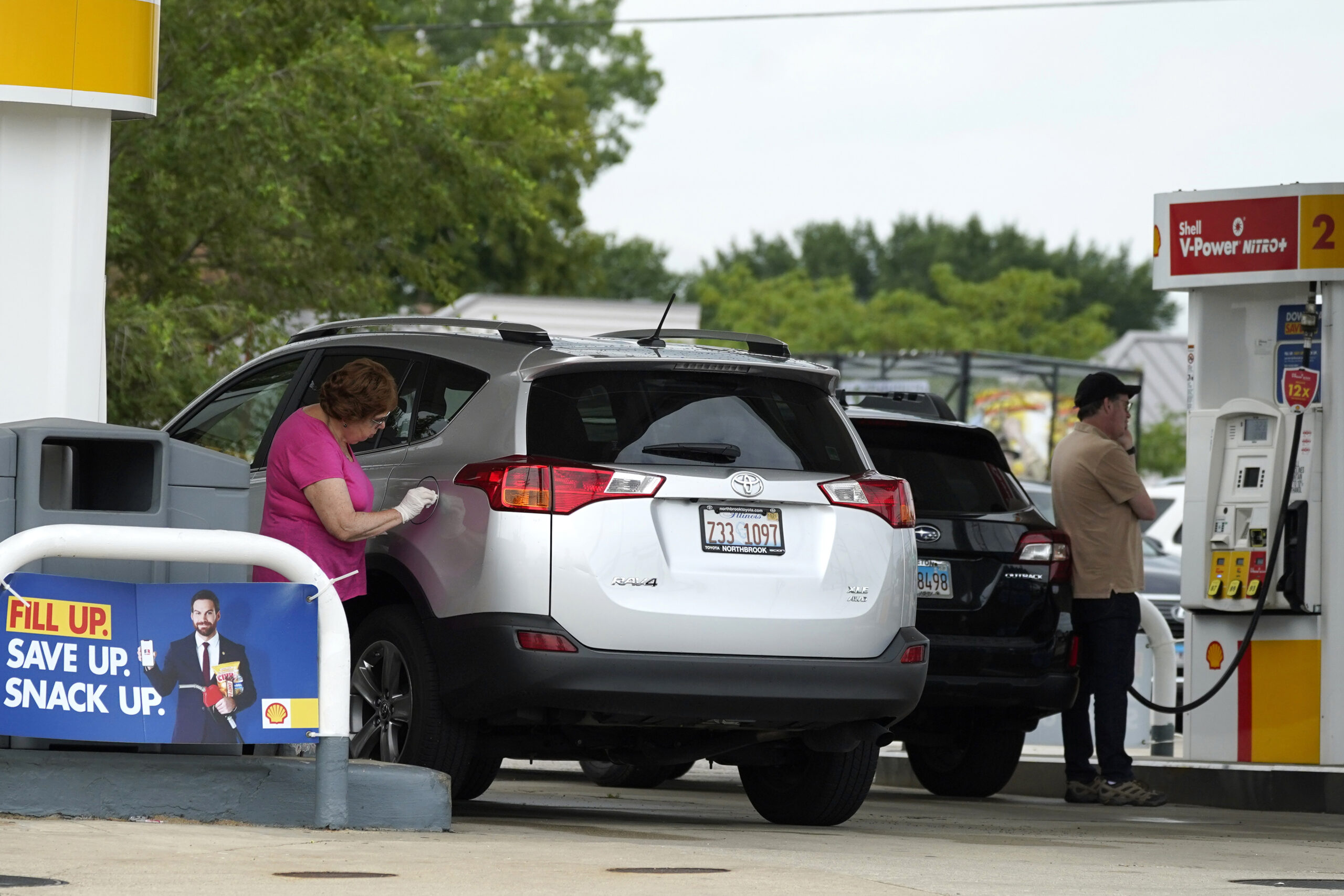
For the U.S. administration of President Joseph R. Biden Jr., domestic fuel prices are likely to have spurred the call for more OPEC+ oil. The summer driving season is traditionally a time when gasoline demand peaks and spikes in pump prices become a political liability. The U.S. Energy Information Administration reported on August 10 that U.S. gasoline prices averaged $3.14 per gallon in July, the highest level since October 2014.
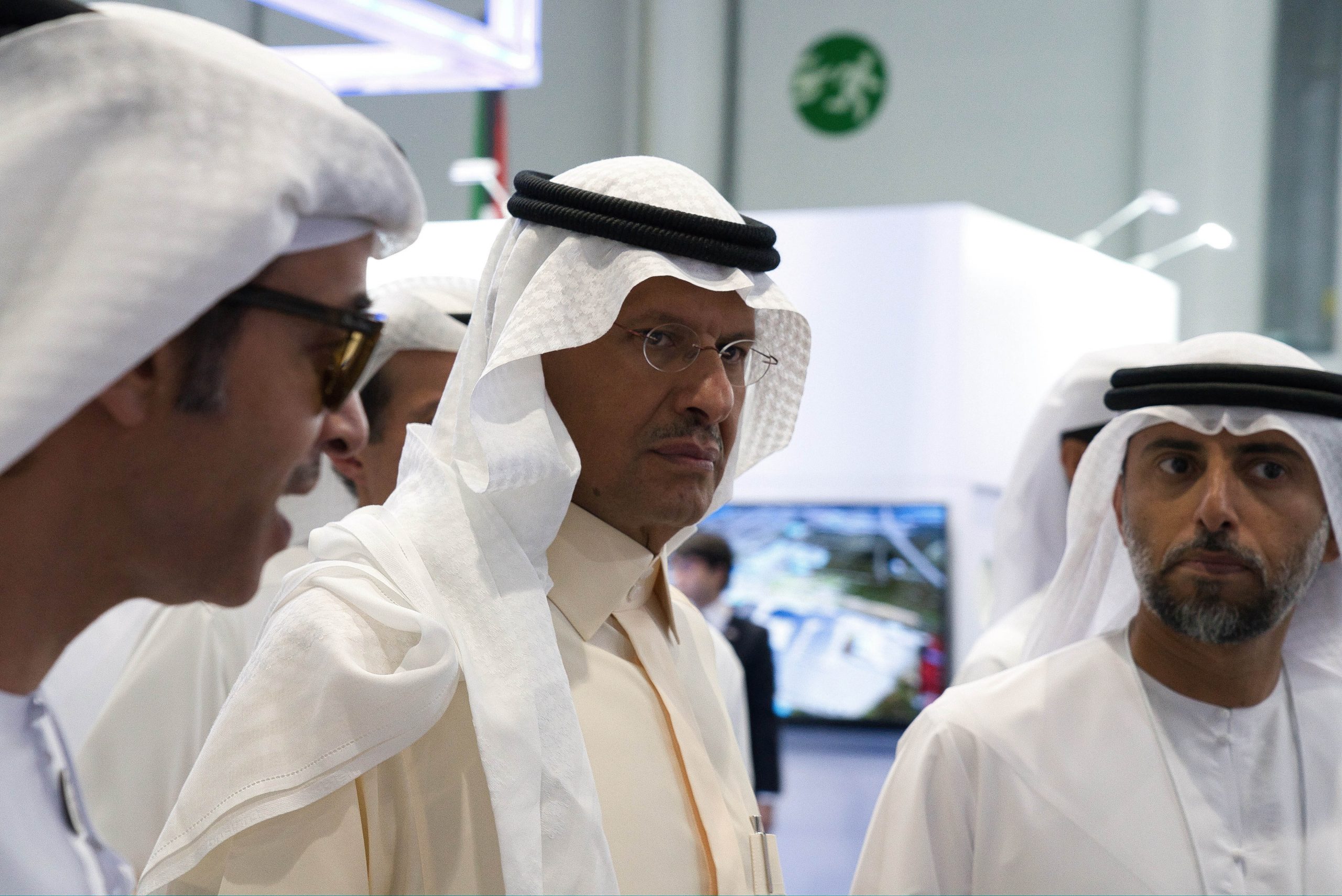
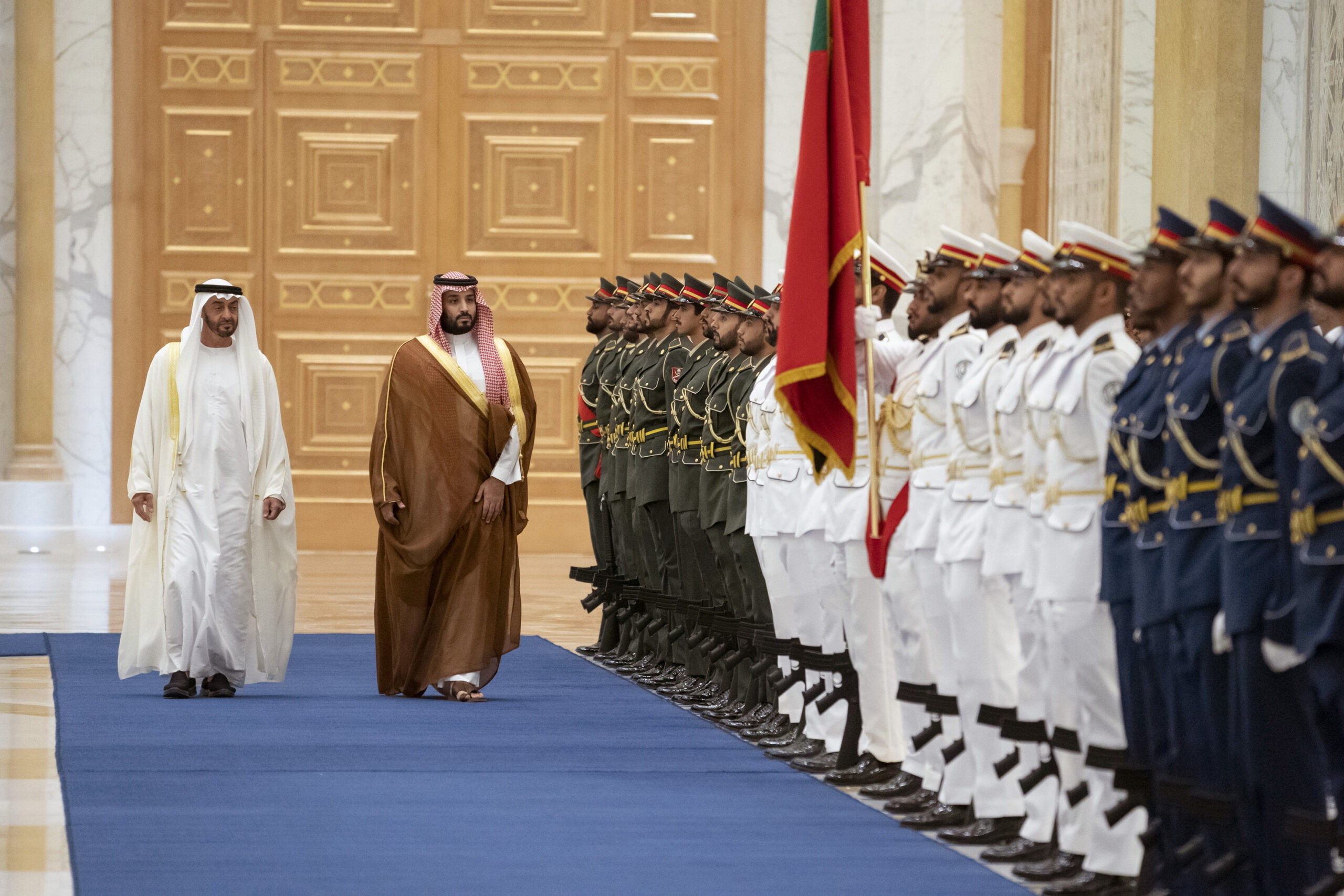
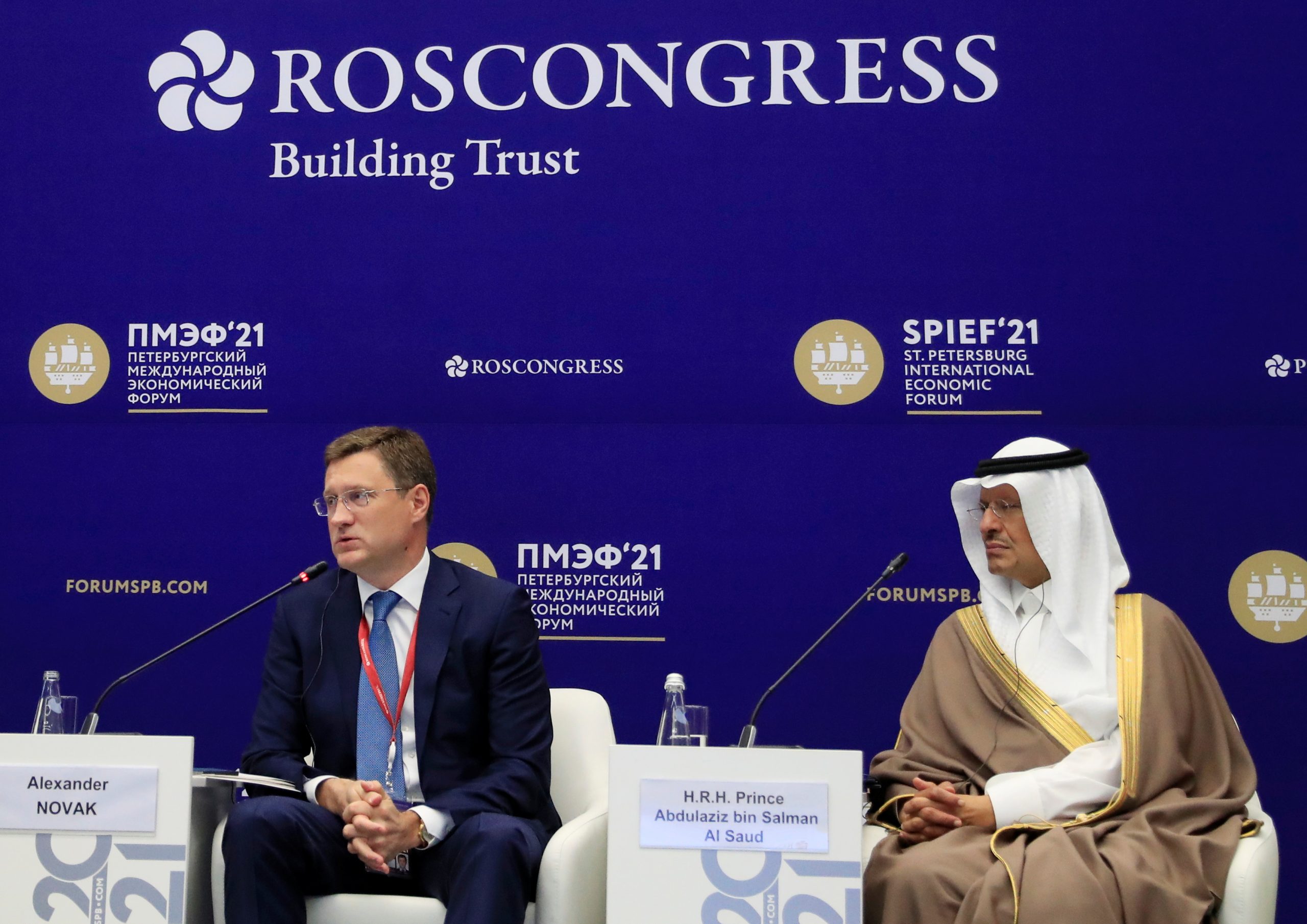
The OPEC+ alliance has been in the process of gradually reversing the steep production cuts it implemented in 2020. The 23-member group agreed in July to increase production monthly by 400,000 b/d starting in August with all the remaining cuts to be phased out by September 2022. The market management agreement was extended to the end of 2022, giving the oil producers a 3-month window during which they can tweak supply up or down if required. Saudi Minister of Energy Prince Abdulaziz bin Salman said after the OPEC+ deal was clinched on July 18 that this flexibility would enable the group to “pause, reverse or continue” its tapering of the cuts.
But U.S. National Security Advisor Jake Sullivan said in an August 11 statement posted on the White House website that the increases were not enough to offset the oil supply cuts imposed during the pandemic. “Higher gasoline costs, if left unchecked, risk harming the ongoing global recovery,” he wrote, adding that the price of crude oil was higher than it had been at the end of 2019, before the onset of the pandemic. OPEC+ agreed to remove 10% of supply from markets in April 2020 as demand and prices tanked when much of the world went into lockdown.
There has been no official response from OPEC or Russia, which leads the non-OPEC producers, to the U.S. call to pump more oil. Oil prices have recently shed some of their July gains, when they traded at a 3-year high after an initial attempt to reach an output deal in early July faltered over the United Arab Emirates’ demand for a higher baseline. They have since fallen back by more than 7% with global benchmark Brent crude oil futures currently trading below $70 per barrel.
“A recent oil rally has lost steam on concerns that a surge in Covid-19 cases from the Delta variant could derail the recovery just as more barrels hit the market,” according to the IEA. Oil supply has been ramping up fast, it added. Producers boosted supply by 1.7 mb/d in July as Saudi Arabia ended voluntary cuts of 1 mb/d on top of its agreed upon quota and North Sea production rose after a period of field maintenance, the IEA noted.
By largely adhering to the supply allocations under the agreed upon cuts, OPEC+ achieved one of its primary purposes: to reduce global inventories that had swelled as a result of the 2020 demand downturn. The IEA reported inventories fell in June with OECD stocks falling below the 5-year average. It expected stock draws to continue for the remainder of the year, assuming that Iranian oil remains shut in because of sanctions and the lack of progress on securing a nuclear deal with the United States.
“But the scale could tilt back to surplus in 2022 if OPEC+ continues to undo its cuts and producers not taking part in the deal ramp up in response to higher prices,” the IEA noted. It expects supply from producers outside OPEC+ to grow from a modest 600,000 b/d in 2021 to 1.7 mb/d in 2022 with the United States accounting for around 60% of the total.
Assuming OPEC+ adheres to the July agreement without adjustments, and there is no change in supplies from Venezuela, Iran, and Libya, which are exempt from quotas, the balance could tip in 2022. Supply and demand projections provided by OPEC and the IEA for 2022 show that supply may outstrip demand by around 3 mb/d in 2022, according to calculations by industry publication MEES.
An upward revision of baselines used to calculate the OPEC+ reductions comes into effect in May 2022, which will provide a bump for the UAE, Iraq, Kuwait, Russia, and Saudi Arabia of a combined 1.6 mb/d to September. Both Russia and Saudi Arabia were given a higher baseline of 11.5 mb/d, a 500,000 b/d increase each from the previous production reference used to calculate the April 2020 cuts. Prince Abdulaziz told reporters he did not expect Saudi Arabia to be producing at that level in May next year. But there is nothing to prevent Russia from taking advantage of the leeway it has been granted to raise its own output.
OPEC’s August Monthly Oil Market Report forecasts an increase in Russian liquids production – including both crude oil and condensates – to 11.88 mb/d in the third quarter of 2022 from an average 10.78 mb/d in 2021.
Yet even by OPEC’s own calculation, demand for OPEC crude at 27.6 mb/d in 2022 is 1.1 mb/d lower than its assessment in July, an indication of the difficulty of predicting future direction with both supply- and demand-side uncertainty features of a market still recovering from the 2020 shock. OPEC also made a significant downward revision to its 2021 first, second, and fourth quarter demand assessments. It now forecasts demand to be 600,000 b/d lower in the final quarter of this year compared with its July estimate.
Yet despite the significant downward demand revisions, the market is on the way to recovery and demand is set to rise by 6 mb/d in 2021, according to OPEC’s forecast. Much will depend on whether the OPEC+ producers manage to maintain cohesion and discipline over the next year and beyond in a market that keeps changing direction. The IEA noted that the “immediate boost from OPEC+ is colliding with slower demand growth and higher output from outside the alliance, stamping out lingering suggestions of a near-term supply crunch.”
The views represented herein are the author's or speaker's own and do not necessarily reflect the views of AGSI, its staff, or its board of directors.
An OPEC+ deal, which was close to being within reach, collapsed over a dispute between the two Gulf allies, jeopardizing the interests of all constituents and leaving consumers at the mercy of market volatility.
OPEC and its Russian-led allies stick to their planned oil production strategy, issuing words of caution regarding the strength of the demand recovery.
Saudi Arabia’s ability to maintain its reputation as a reliable supplier in the months ahead will depend on how quickly it can repair damaged assets and keep several imperfect routes operating at the same time.
Egypt has become the indispensable transit state linking Saudi Arabia's Red Sea infrastructure with global markets. But that strategic importance may also have exposed it to the same risks facing Gulf producers.
The vulnerability of the world's most important energy chokepoint has been laid bare, setting in motion changes that are likely to outlast the conflict.