Aug 4, 2023
Lone Voice Breaks Radio Silence on Likely Impact of Potential Israeli-Saudi Normalization
The August 4 edition of the Iran Media Review highlights commentary on the strategic implications for Iran of the normalization of relations between Israel and Saudi Arabia.
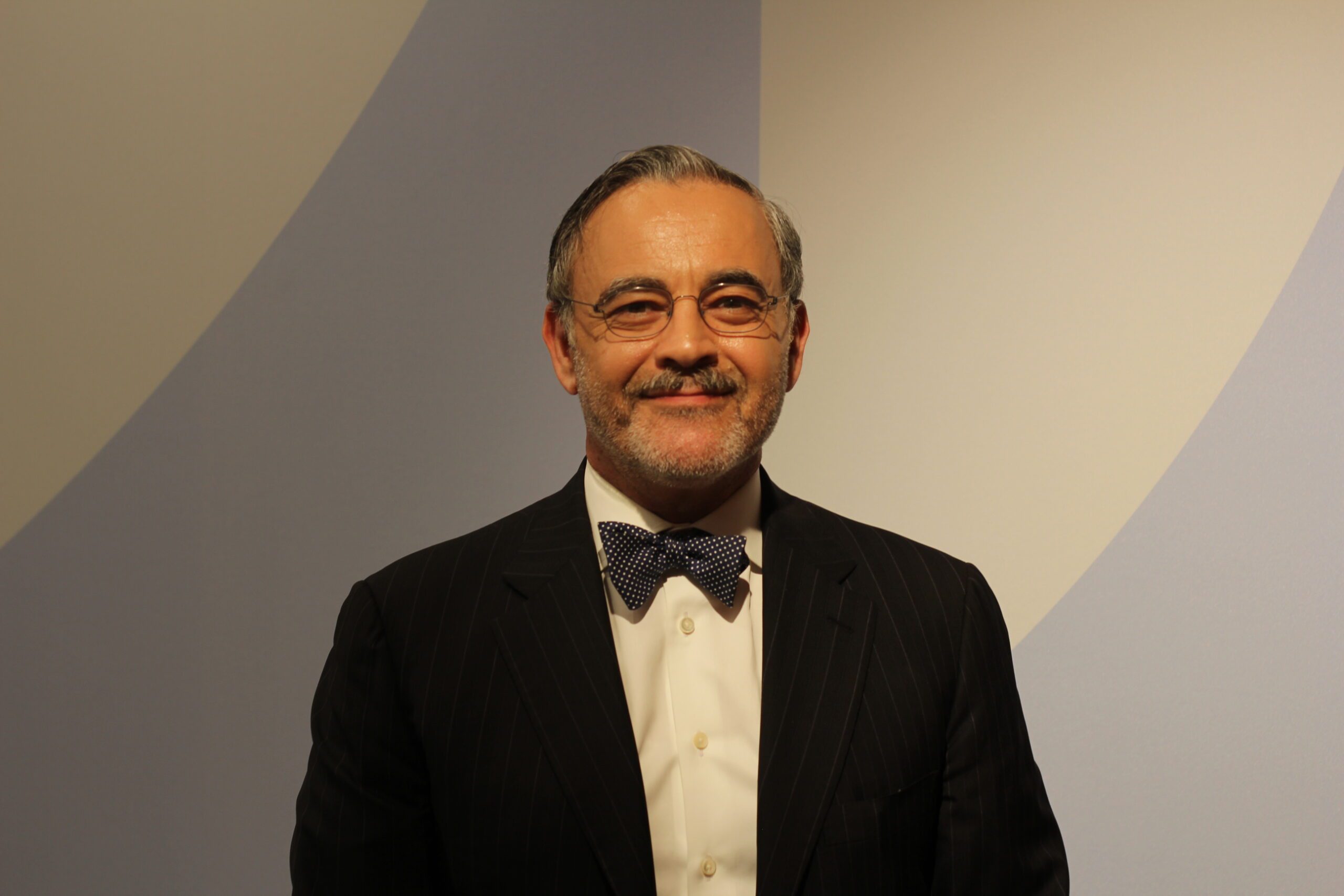
Iran’s state-censored media has reported on the potential normalization of Israeli-Saudi relations but has hitherto abstained from commenting on the likely impact it would have on Iran. This is not particularly surprising since most Iranian outlets do not want to test the red lines of the censorship apparatus with open discussion of sensitive strategic issues. Saudi Arabia, which Iran has agreed to normalize relations with, constitutes one such sensitive subject. It is therefore an anomaly that pan-Shia Shafaqna News, in an interview with Mir-Qassem Momeni, a regional affairs expert, broke the radio silence on the subject. Shafaqna’s explicit criticism of Saudi Arabia may reflect the political leanings of its readership, and future commentary will show whether Shafaqna is a lone voice or the article was the beginning of an orchestrated campaign with the regime’s blessing.
- August 1: In an interview with Shafaqna, Momeni said:
- “The Europeans and the United States are supporting a project known as ‘the Israeli-Arab peace.’ Supported by the West, Israel desires to establish relations with the Arab world and use them against Iran.”
- “The Emirates, Bahrain, and others expanded their relations with Israel by engaging in deals, but Saudi Arabia is demanding the supreme concession. When Saudi Arabia says two states, one Palestinian and another Israeli, must be established, it is trying to calm public opinion domestically and in the Arab world. Today, Israel and Saudi Arabia have relations, exchanges, coordination, and meetings, but Saudi Arabia demands concessions in return for publicizing these relations. For example, Saudi Arabia has demanded access to peaceful nuclear technology. Israel is considering this project, and it is possible that” Israeli Prime Minister Benjamin “Netanyahu will accept this proposal. However, Israel will not accept this condition of Saudi Arabia’s unless Europe and the United States consent to it.”
- Turning to the impact of a potential agreement between Israel and Saudi Arabia to normalize relations, Momeni said: “Whether we like it or not, Iran has historical and border issues with some Arab states. We have conflicts regarding security issues. There are also ideological conflicts … Should Saudi Arabia and Israel normalize relations, the unity of the Arab world with Israel will be a source of concern for Iran. Israel’s path will be paved to the Persian Gulf, where it will have a permanent presence and constitute a serious threat against Iran. Today, Israel has a presence in the Republic of Azerbaijan, Turkey, and Turkmenistan.”
- Commenting on Saudi Arabia’s potential nuclear ambitions, Momeni said: “Saudi Arabia is well aware that oil will end at some point and is already building a high-tech city,” a reference to the Neom megaproject, “but the circumstances may change in the future, and this country may move toward producing nuclear weapons. We shall see in the future whether Saudi Arabia is willing to pay the cost of producing nuclear weapons.”
- Asked why Saudi Arabia reached an agreement in March with Iran to restore diplomatic relations, Momeni argued: “Saudi Arabia fears a war between Iran and Israel and senses it may be targeted by Iranian missiles in any war. Therefore, for the sake of its security, it reached an agreement and said, ‘I have no beef with you, and you let me be!’ In my opinion, Saudi Arabia’s relations with Israel are much closer than its relations with Iran. Saudi Arabia’s relations with Iran are based on expediency, but its relations with Israel are based on shared interests.”
The views represented herein are the author's or speaker's own and do not necessarily reflect the views of AGSI, its staff, or its board of directors.
Related
Iran Media Review
Oct 23, 2026
Closing Borders: The Blockade Moves Inland
The October 23 edition of the Iran Media Review considers Iranian admissions that U.S. economic warfare is pressuring Iran.
Iran Media Review
Oct 20, 2026
Who Authorized Iranian Strikes Against U.S. Vessels?
The October 20 edition of the Iran Media Review examines IRGC messaging about July 7 strikes against U.S. Navy vessels and the debate surrounding the confirmation of a new Iranian defense minister.
Iran Media Review
Oct 16, 2026
Qalibaf’s New Equation: War, Negotiation, and Deterrence
The October 16 edition of the Iran Media Review highlights the call by Iran’s parliamentary speaker for a combination of war and negotiation to establish deterrence against further attacks on Iran.
Oct 23, 2026
Closing Borders: The Blockade Moves Inland
The October 23 edition of the Iran Media Review considers Iranian admissions that U.S. economic warfare is pressuring Iran.
Oct 20, 2026
Who Authorized Iranian Strikes Against U.S. Vessels?
The October 20 edition of the Iran Media Review examines IRGC messaging about July 7 strikes against U.S. Navy vessels and the debate surrounding the confirmation of a new Iranian defense minister.
Oct 16, 2026
Qalibaf’s New Equation: War, Negotiation, and Deterrence
The October 16 edition of the Iran Media Review highlights the call by Iran’s parliamentary speaker for a combination of war and negotiation to establish deterrence against further attacks on Iran.
Analysis
Debating Policy in Public: Iranian Elites Turn to YouTube
Rival camps within the Islamic Republic are increasingly turning to YouTube for policy debate, but there is a limit to the regime’s tolerance for that debate.
The Committee of Six and Strategic Decision Making in Iran
Remarks by Iran’s president offer a rare glimpse of how the Islamic Republic has adapted its decision making to the absence of its supreme leader.
Mohsen Rezaei at the Helm of Iran’s Supreme National Security Council
Under Rezaei, the SNSC could prove constructive or paralyze strategic decision making.
The Islamic Republic Returns to Offense
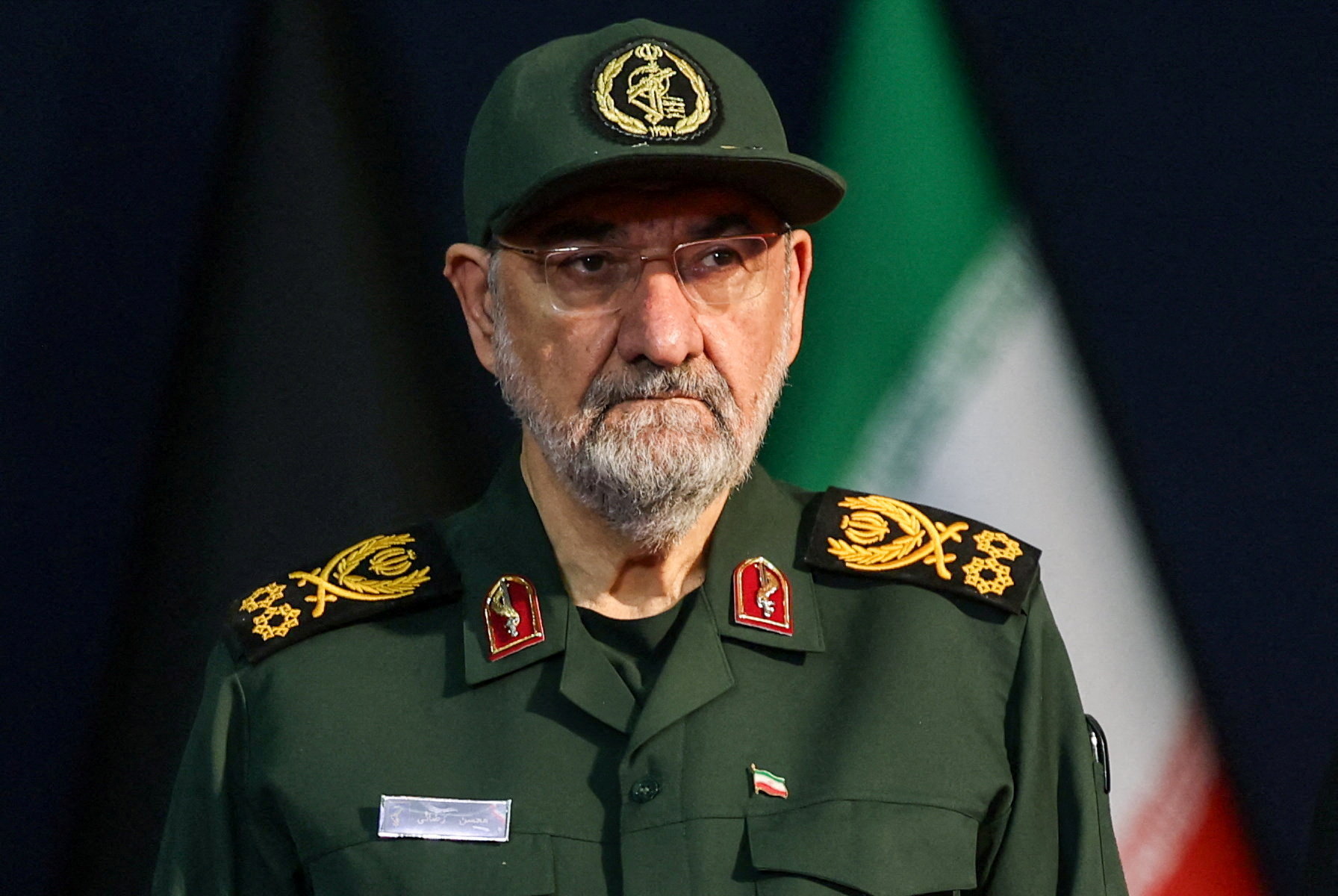
After U.S.-Israeli strikes killed Supreme Leader Ayatollah Ali Khamenei on February 28, Iran’s collective leadership has concluded that the best defense is a good offense.
Events
Oct 6, 2026
Is the U.S.-Iran Stalemate a “New Normal” or the Prelude to Another Explosion?
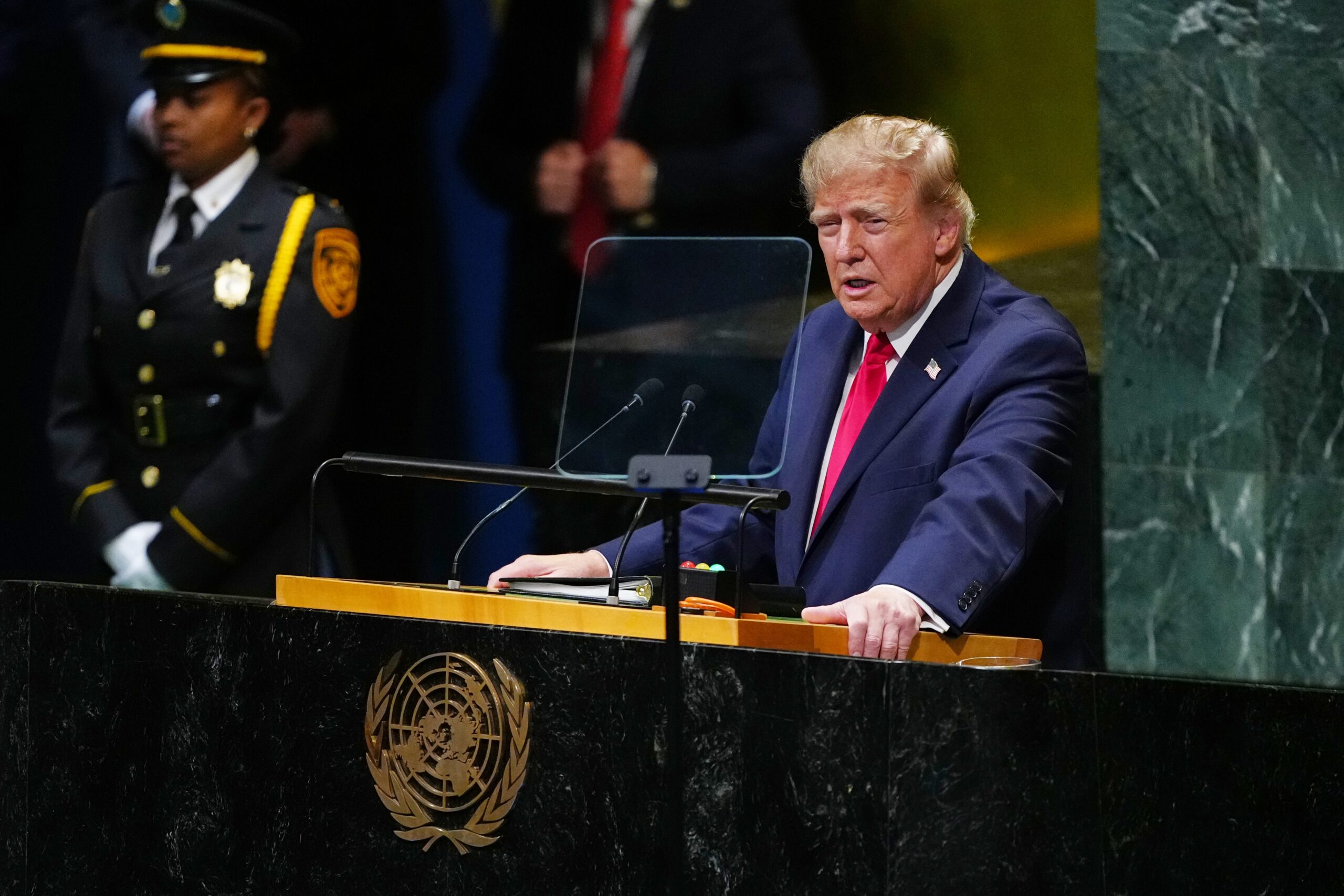
On October 6, AGSI hosted a discussion on the U.S.-Iran stalemate and the prospects for a cease-fire.
Speakers



Book Talk: Iran and the Bomb: The United States, Iran and the Nuclear Question
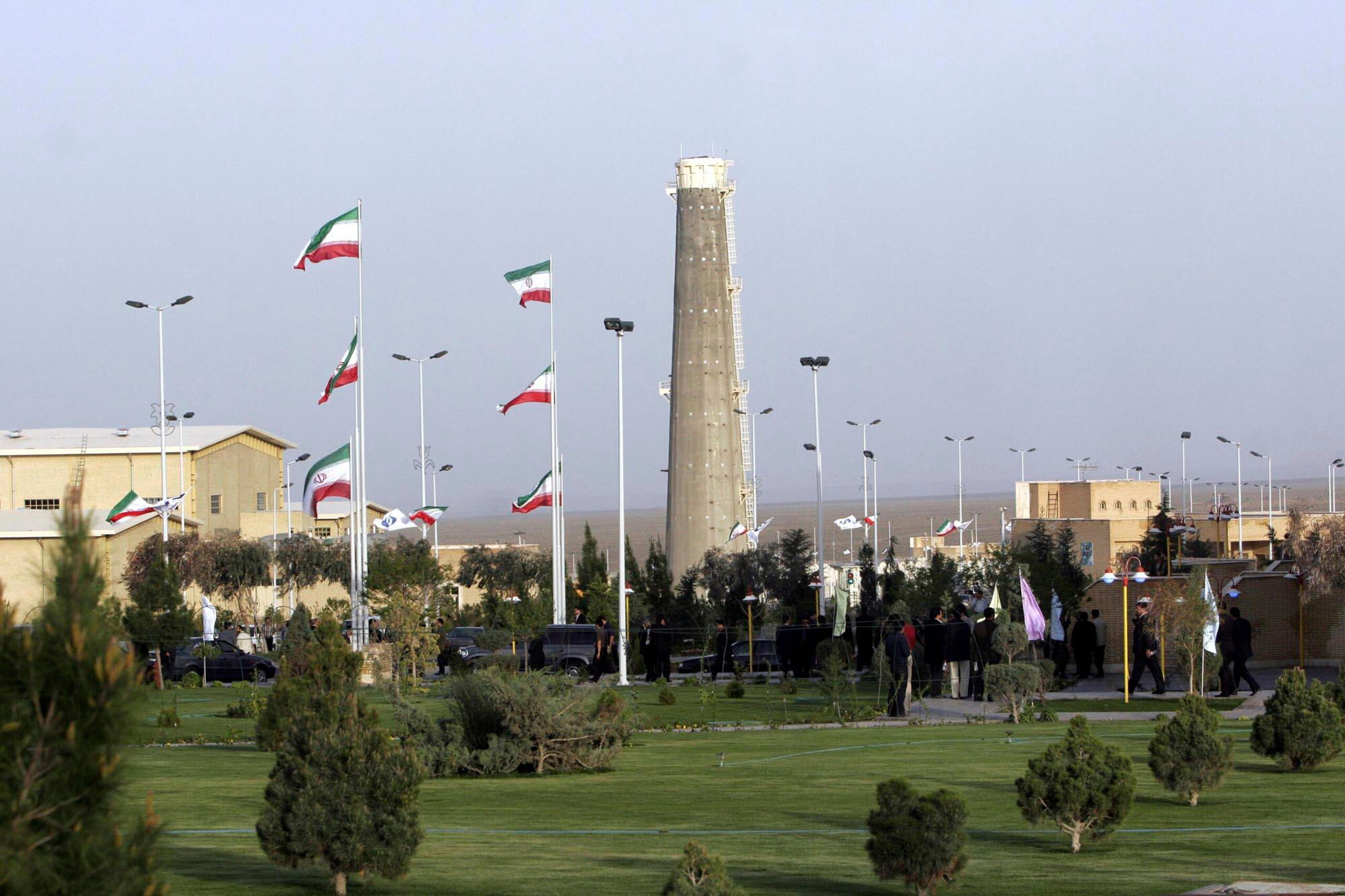
On June 16, AGSI hosted a discussion on the evolution of Iran's nuclear program.
Speakers

Apr 21, 2026
Inside Iran’s Wartime Leadership: Power, Succession, and Regime Stability
On April 21, AGSI hosted a discussion on the evolution of Iran's leadership during the war.
Speakers

Mar 18, 2026
In Its Conflict With the United States and Israel, Does Escalation Favor Iran?
On March 18, AGSI hosted a discussion on the escalation of the Iran war.
Speakers