Jan 23, 2024
Israel Tests Iran’s “Strategic Patience”
The January 23 edition of the Iran Media Review highlights fallout from the growing number of Israeli strikes against Iranian officials and allied militia commanders.

In recent weeks, attacks widely attributed to Israel have targeted high-ranking Palestinian, Lebanese, and Iranian militia members and officers. The list includes Razi Mousavi, a Quds Force field commander in Syria, who was assassinated in Damascus December 25, 2023; Hamas Politburo Vice-Chairman Saleh Arouri, who was assassinated January 2; Wissam Hassan al-Tawil, a commander of Hezbollah’s elite Radwan forces, who was assassinated January 8 in Nabatieh, Lebanon; and Hezbollah drone chief Ali Hussein Borji, who was assassinated January 9. In the latest round of attacks, the Quds Force’s intelligence chief for Syria, his deputy, and three other Quds Force officers were killed in a January 20 strike in the Mazzeh neighborhood of southwest Damascus.
Iran and its allies have for the most part shown restraint in their reactions to the suspected Israeli strikes, in line with what Iranian leaders often refer to as Iran’s “strategic patience,” an approach likely designed to avoid providing Israel with a pretext for an all-out war against Iran that could also involve the United States. The coming days and weeks will show whether Iranian leaders and their allies will still adhere to this approach.
- January 20: Supreme National Security Council mouthpiece Nour News reported on the death of five “Iranian military advisors in Syria.”
- January 20: In a written statement released by Islamic Revolutionary Guard Corps mouthpiece Mashregh News and other news agencies, President Ebrahim Raisi condemned the killing of “military advisors” and said the deed would not go “unanswered by the fighters of the resistance front.”
- January 20: Nour News, quoting Beirut-based and Lebanese Hezbollah-aligned Al Mayadeen television, reported that U.S. forces at Ain al-Asad airbase in western Iraq came under fire in a rocket and ballistic missile attack claimed by the Islamic Resistance in Iraq.
The views represented herein are the author's or speaker's own and do not necessarily reflect the views of AGSI, its staff, or its board of directors.
Related
Iran Media Review
Jan 19, 2024
Former Foreign Minister Mottaki on Deference to the Quds Force
The January 19 edition of the Iran Media Review examines new revelations about cooperation between Iran’s Foreign Ministry and the Quds Force.
Iran Media Review
Jan 16, 2024
Tehran Does Not Expect Major Escalation in the Red Sea
The January 16 edition of the Iran Media Review highlights reactions to recent U.S. and allied strikes against Houthi targets.
Jan 19, 2024
Former Foreign Minister Mottaki on Deference to the Quds Force
The January 19 edition of the Iran Media Review examines new revelations about cooperation between Iran’s Foreign Ministry and the Quds Force.
Jan 16, 2024
Tehran Does Not Expect Major Escalation in the Red Sea
The January 16 edition of the Iran Media Review highlights reactions to recent U.S. and allied strikes against Houthi targets.
Analysis
The Islamic Republic Returns to Offense
After U.S.-Israeli strikes killed Supreme Leader Ayatollah Ali Khamenei on February 28, Iran’s collective leadership has concluded that the best defense is a good offense.
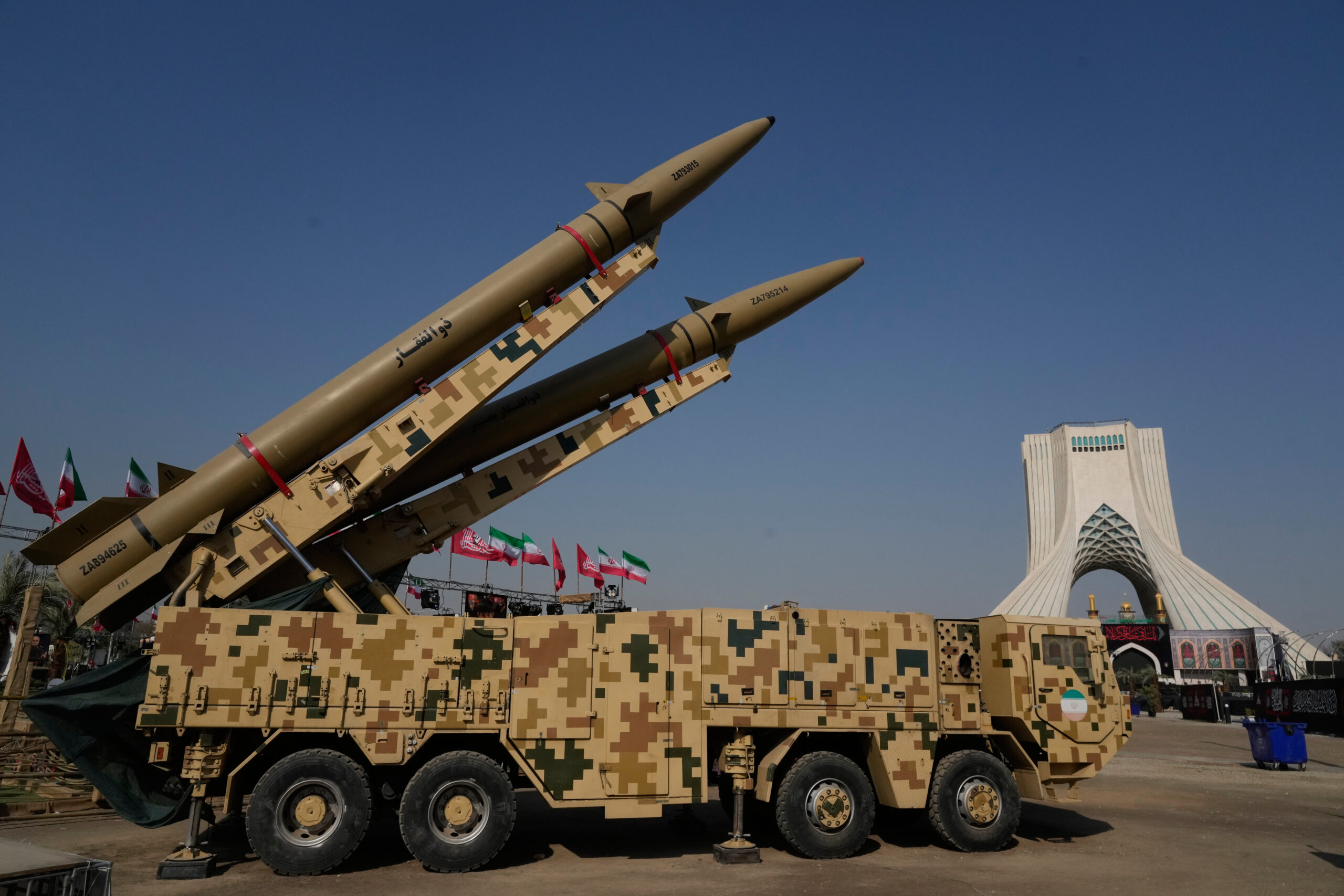
Iran’s Collective Strategic Decision Making
Wartime pressure has temporarily aligned the leadership’s overriding interest in regime survival, even as its members continue to differ over the costs, methods, and ultimate objectives of the war.
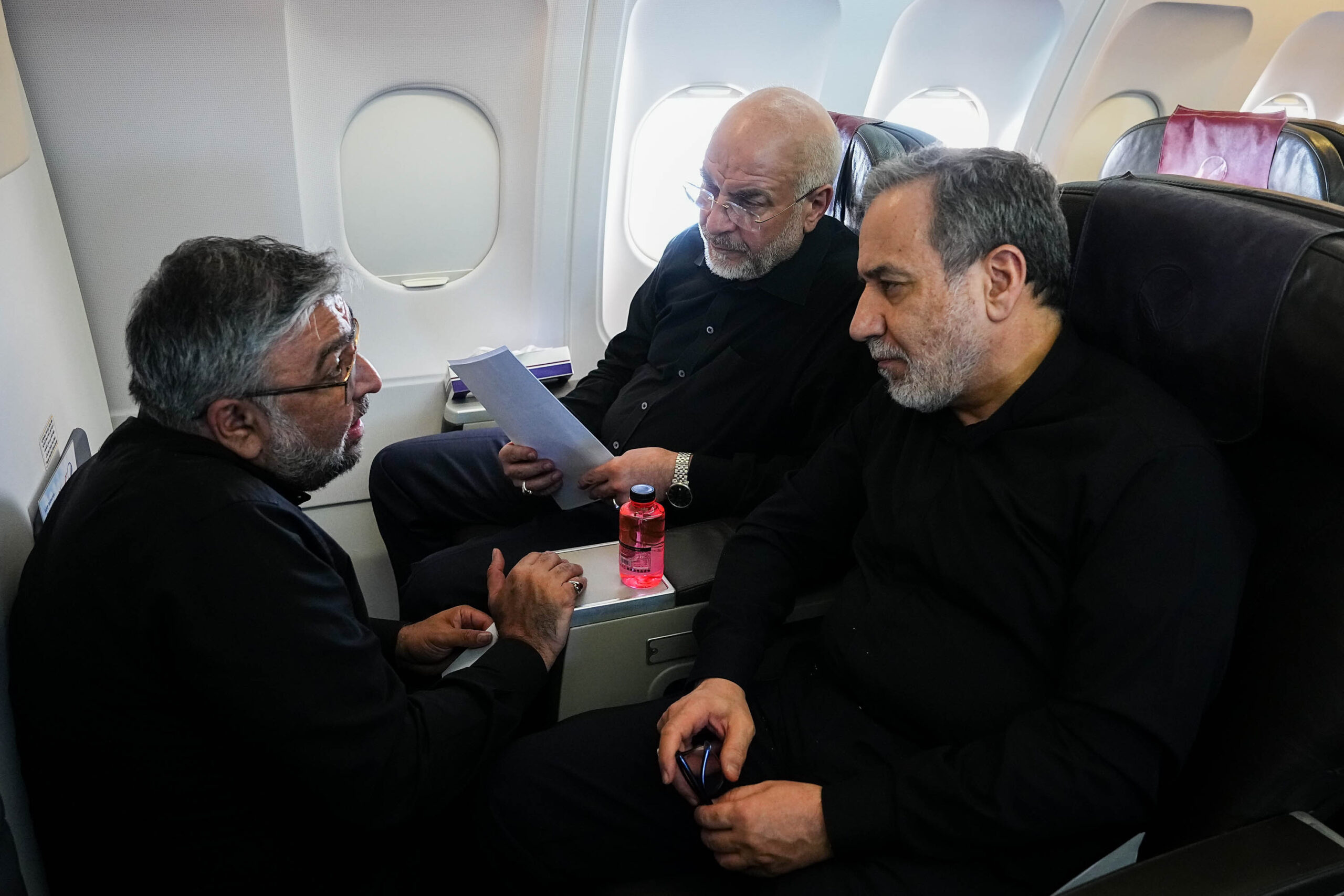
The Islamic Republic’s Collective Leadership
While there is historical precedent for collective leadership in Iran, today’s leadership includes representatives of the IRGC and regular military – a reflection of the IRGC’s expanding role and the necessities of governing under wartime conditions.
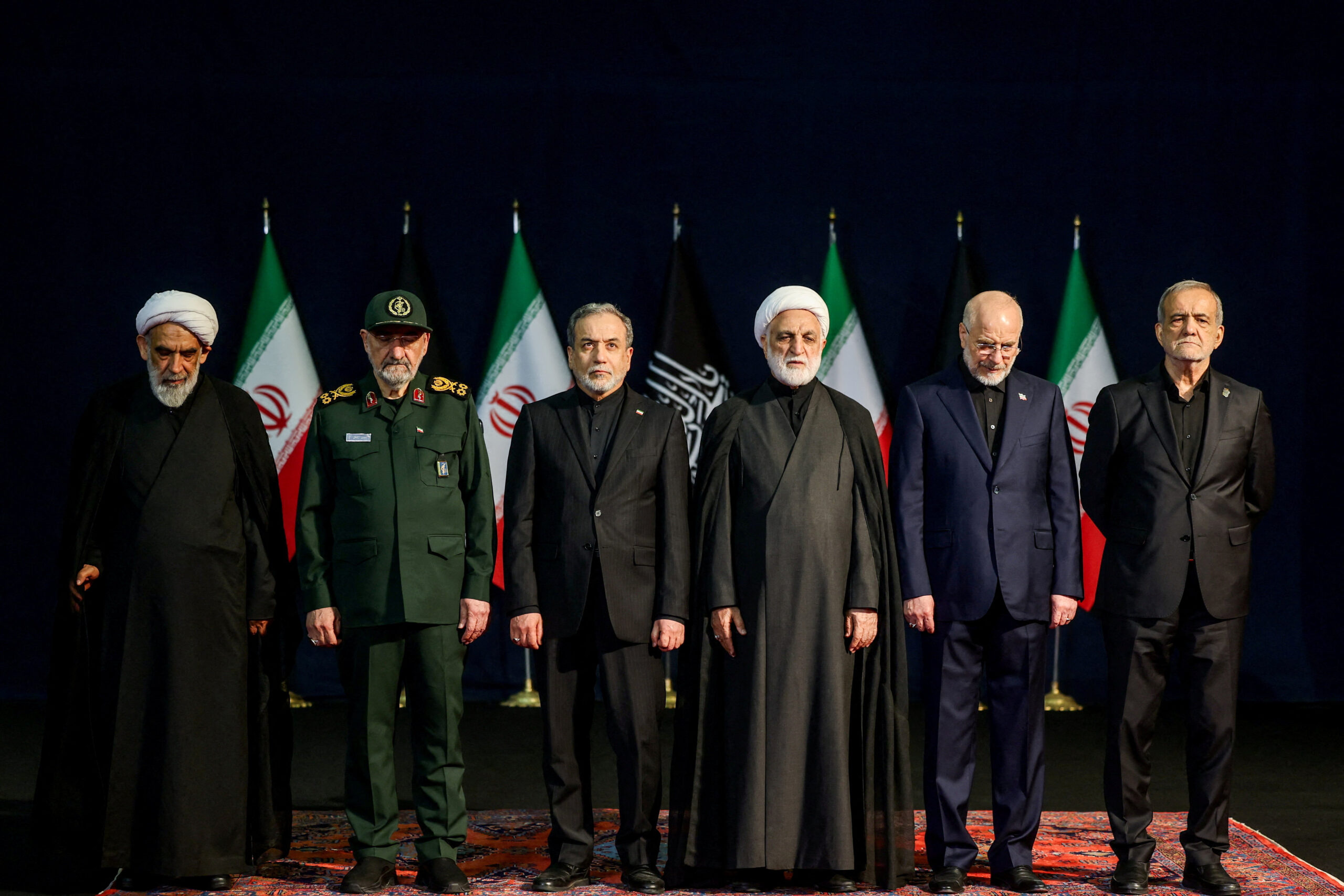
How Did the IRGC Seize Power in Iran?
The IRGC did not seize power in a single stroke. It accumulated it – patiently, methodically – until no counterweight remained.
Events
Book Talk: Iran and the Bomb: The United States, Iran and the Nuclear Question
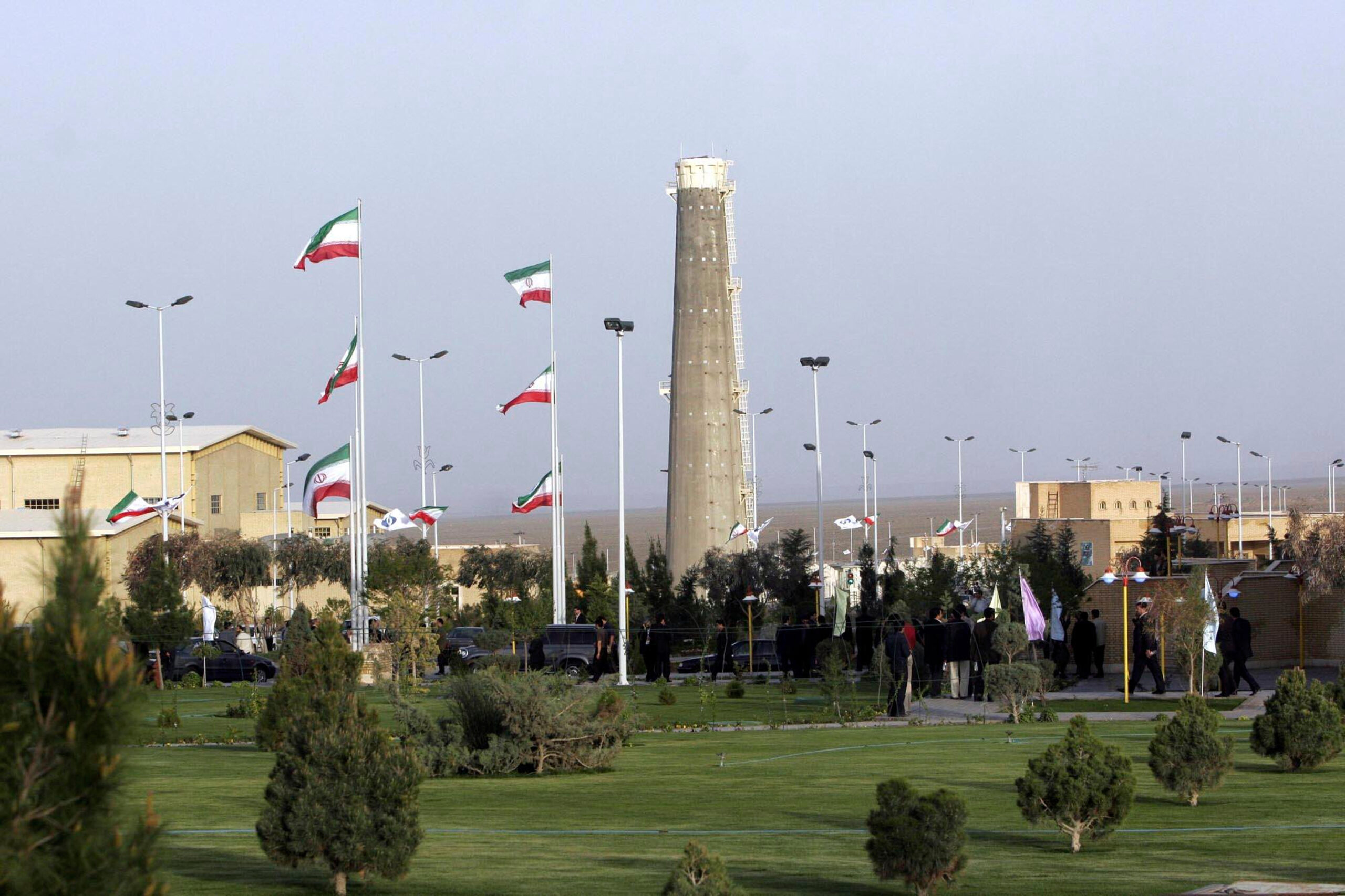
On June 16, AGSI hosted a discussion on the evolution of Iran's nuclear program.
Speakers

Apr 21, 2026
Inside Iran’s Wartime Leadership: Power, Succession, and Regime Stability
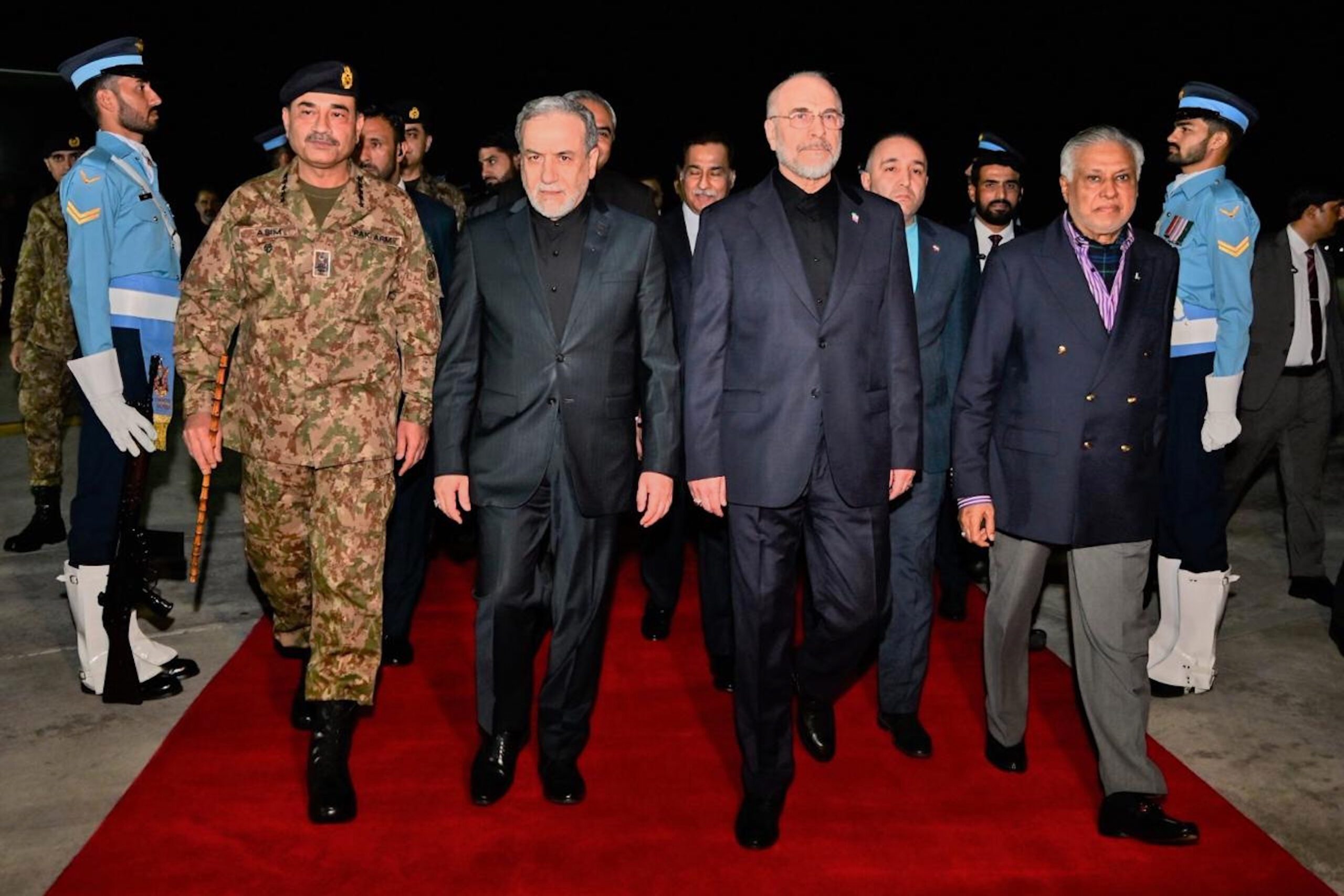
On April 21, AGSI hosted a discussion on the evolution of Iran's leadership during the war.
Speakers

Mar 18, 2026
In Its Conflict With the United States and Israel, Does Escalation Favor Iran?
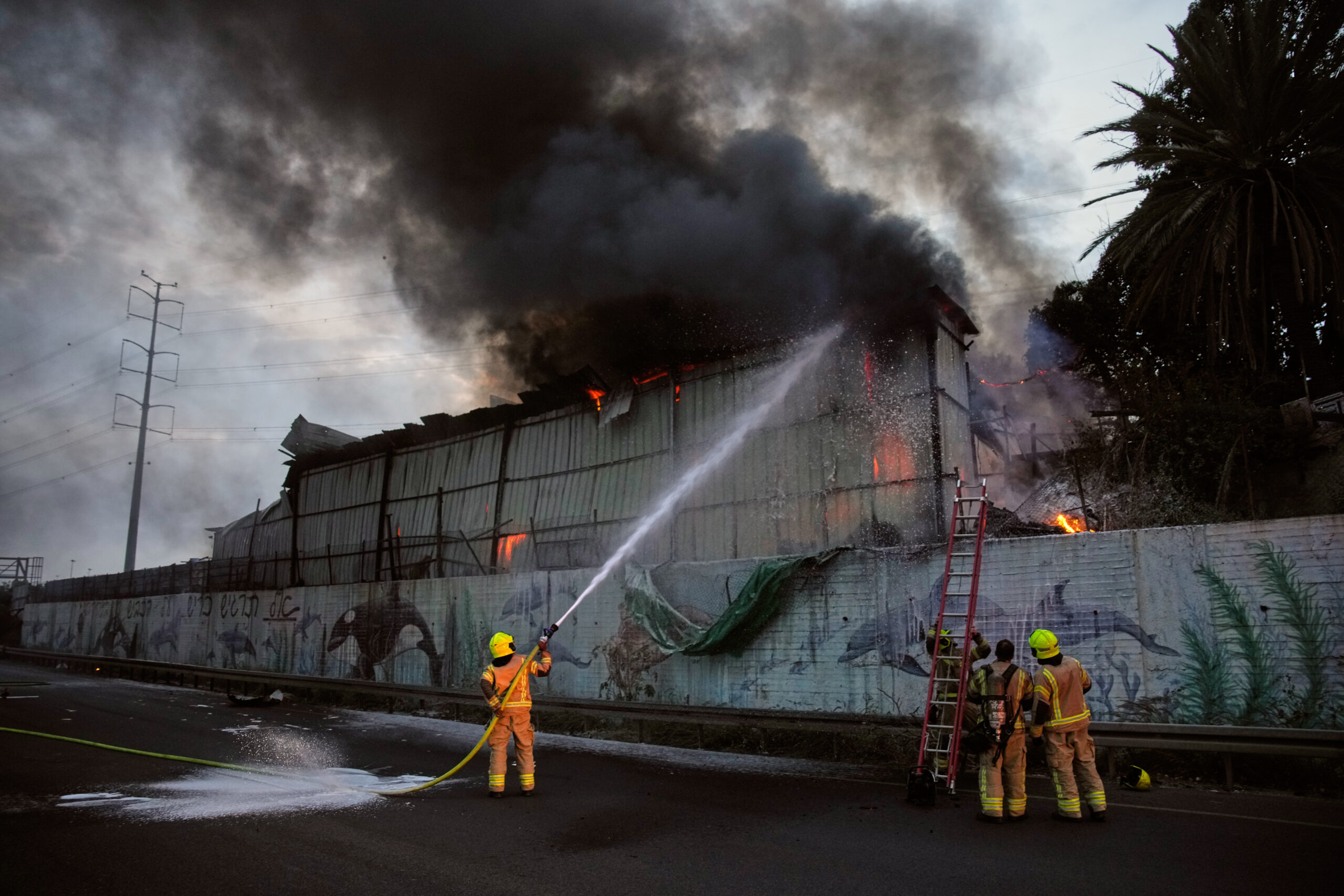
On March 18, AGSI hosted a discussion on the escalation of the Iran war.
Speakers



Mar 2, 2026
After the Shock: Implications of the U.S.–Israeli Strikes and Iran’s Leadership Transition
On March 2, AGSI hosted a discussion on the U.S.-Israeli strikes on Iran.
Speakers