Dec 2, 2022
IRGC Claims It is Fighting ISIL on Iranian Soil
The December 2 edition of the Iran Media Review explores efforts by IRGC media to blame ISIL, “counterrevolutionary” forces, and others for unrest in Iran’s Kurdistan province.

Islamic Revolutionary Guard Corps commanders sought to legitimize their force deployment in Syria, and support to Syrian President Bashar al-Assad’s regime, by presenting it as an effort to prevent the spread of the activities of the Islamic State in Iraq and the Levant to Iran. Today, however, some media outlets close to the IRGC claim unrest in Iran’s Kurdistan province is directed by ISIL, while others blame the so-called “counterrevolution” for the unrest. Who is truly to blame for the unrest in Kurdistan? And to the extent the IRGC’s military intervention in the Syrian civil war indeed was aimed at preventing proliferation of ISIL activity, is the alleged emergence of ISIL on Iranian soil a sign of Iran’s failure in Syria? Neither answers to these questions nor introspection or self-criticism can be found in IRGC media; instead, the IRGC is resorting to blaming others.
- November 19: Hassan Askari, governor of Sanandaj, capital of Iran’s Kurdistan province, was quoted by Tasnim News, which is close to the IRGC, as saying: “These days, the counterrevolution is trying to transfer arms into the province to cause fratricide and death. Families ought to take care of their children and not allow them to take part in the gatherings.”
- November 27: Mashregh News, which is also close to the IRGC, in a lead article claimed: “Since 2012, Iraqi news sources have published numerous reports concerning cooperation of some Kurdish groups with ISIL forces … As neighborhood-level riots broke out in some urban centers, terrorist groups penetrated the borders to tie social events to insecurity. We must therefore analyze and assess the attack against Shah Cheragh shrine, and the ensuing attack in Izeh, and activities of groups such as Komala near the borders not as separate but as continuous events. Although these groups superficially appear as ideological opposites, they have found a common strategic objective, which is ruining Iran.”
The views represented herein are the author's or speaker's own and do not necessarily reflect the views of AGSI, its staff, or its board of directors.
Related
Iran Media Review
Nov 29, 2022
The Philosopher’s Council to Iran’s Philosopher King
The November 29 edition of the Iran Media Review examines interviews with academics who call for the regime to “recognize other political forces” to avoid “violent change.”
Iran Media Review
Nov 25, 2022
Blaming “Separatists” for Protests at Home, Iran Continues Shelling Iraqi Kurdistan
The November 25 edition of the Iran Media Review considers IRGC statements regarding Kurdish “separatists” and its attacks on these groups based in the Iraqi Kurdistan region.
Nov 29, 2022
The Philosopher’s Council to Iran’s Philosopher King
The November 29 edition of the Iran Media Review examines interviews with academics who call for the regime to “recognize other political forces” to avoid “violent change.”
Nov 25, 2022
Blaming “Separatists” for Protests at Home, Iran Continues Shelling Iraqi Kurdistan
The November 25 edition of the Iran Media Review considers IRGC statements regarding Kurdish “separatists” and its attacks on these groups based in the Iraqi Kurdistan region.
Analysis
The Islamic Republic Returns to Offense
After U.S.-Israeli strikes killed Supreme Leader Ayatollah Ali Khamenei on February 28, Iran’s collective leadership has concluded that the best defense is a good offense.
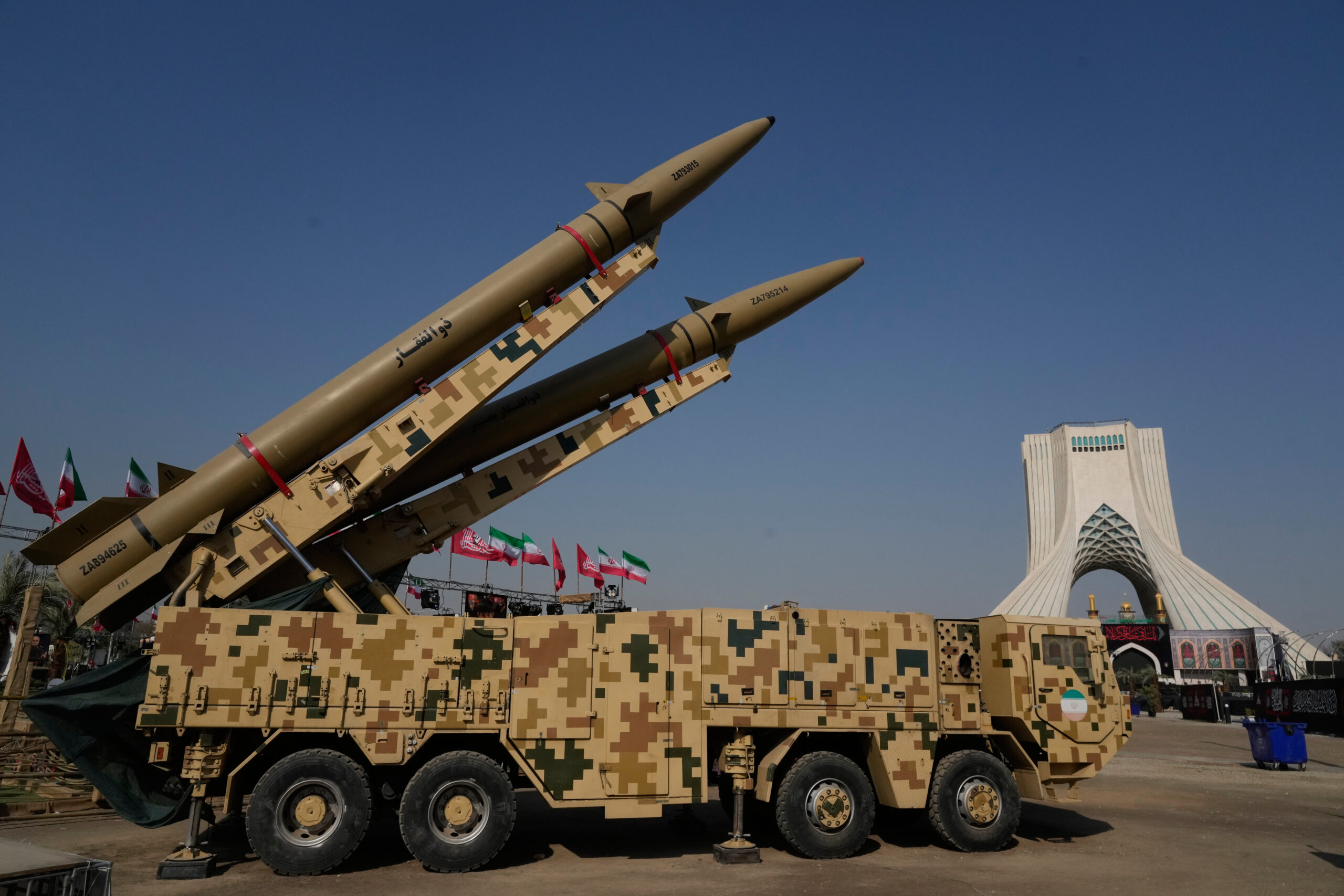
Iran’s Collective Strategic Decision Making
Wartime pressure has temporarily aligned the leadership’s overriding interest in regime survival, even as its members continue to differ over the costs, methods, and ultimate objectives of the war.
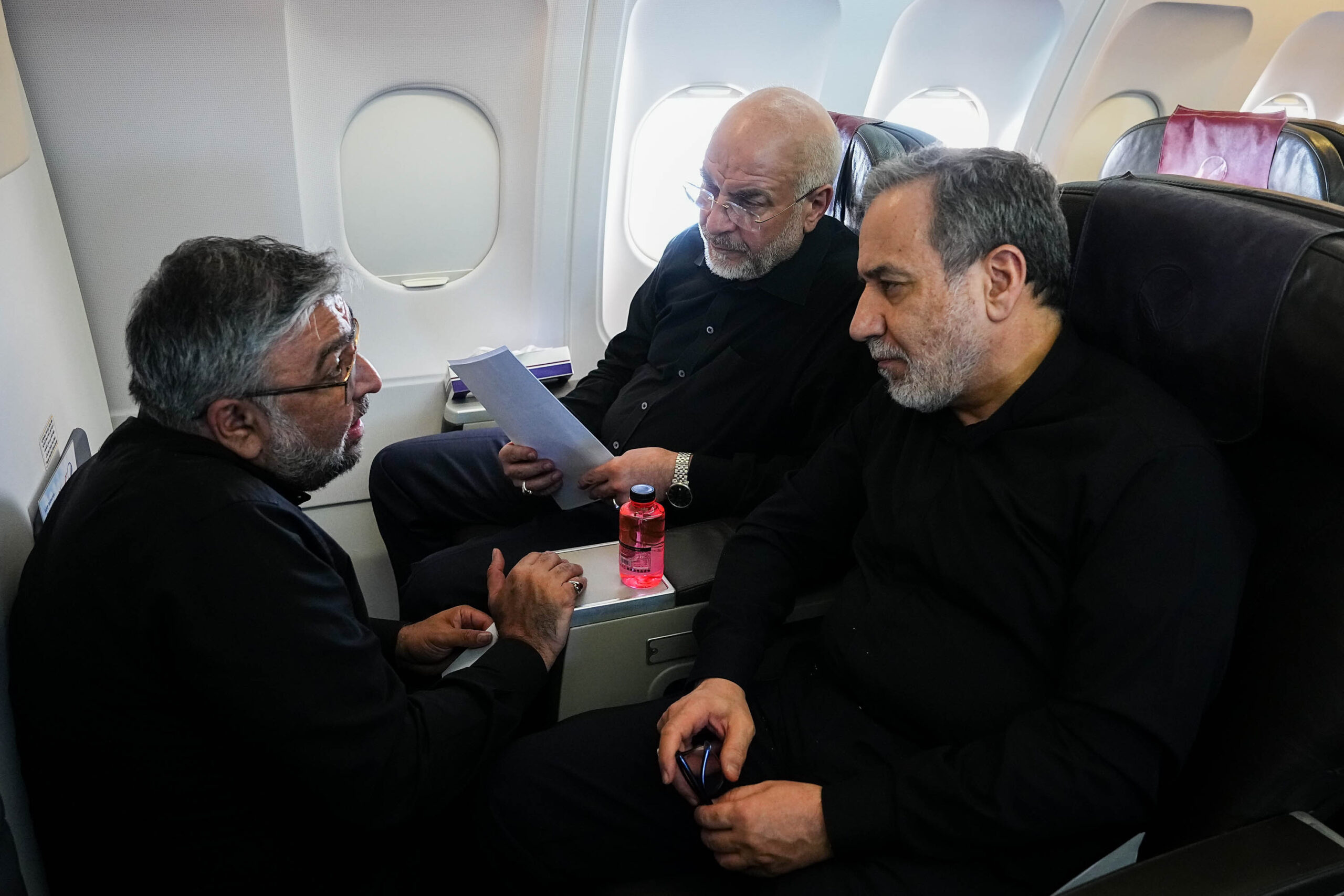
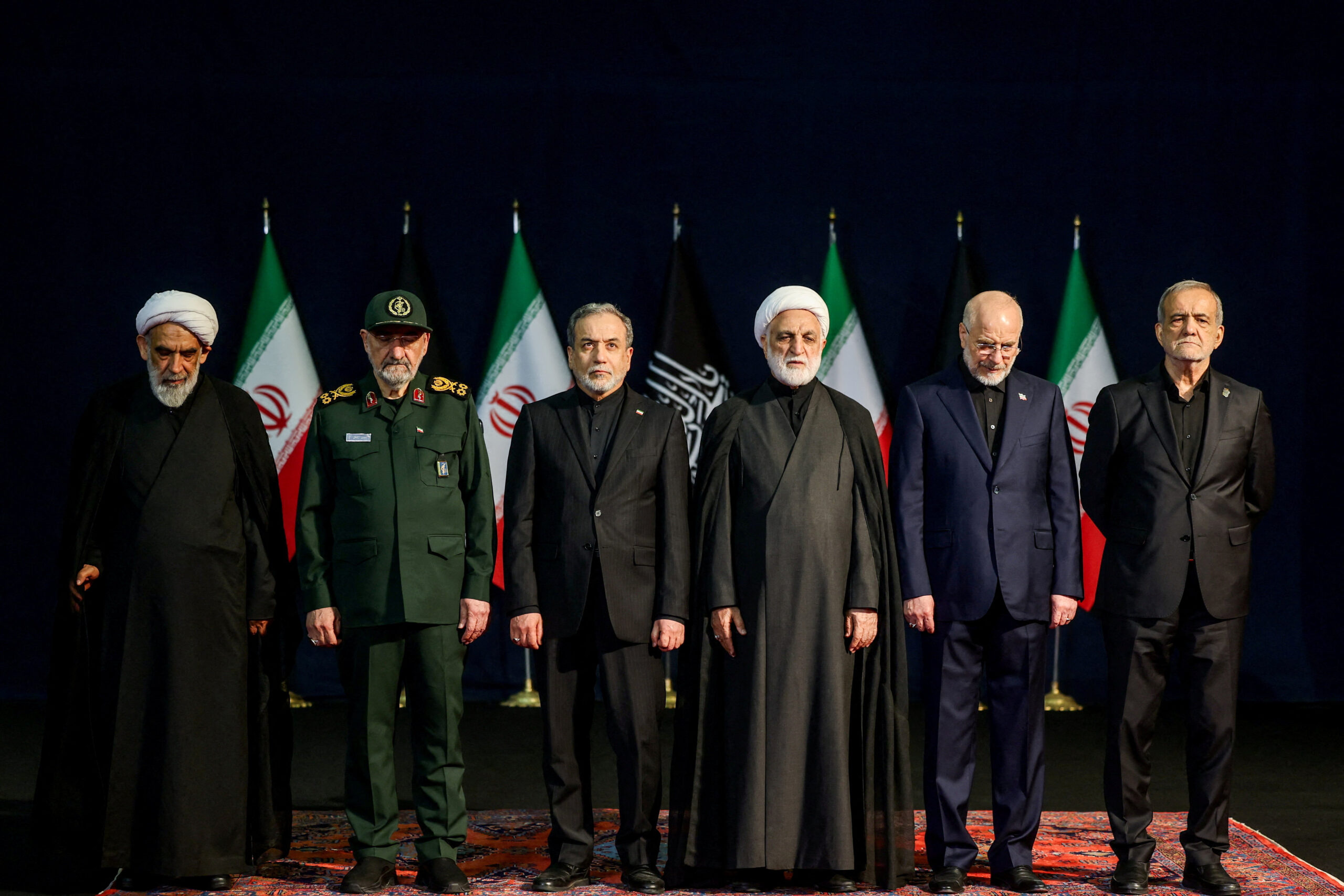
The Islamic Republic’s Collective Leadership
While there is historical precedent for collective leadership in Iran, today’s leadership includes representatives of the IRGC and regular military – a reflection of the IRGC’s expanding role and the necessities of governing under wartime conditions.
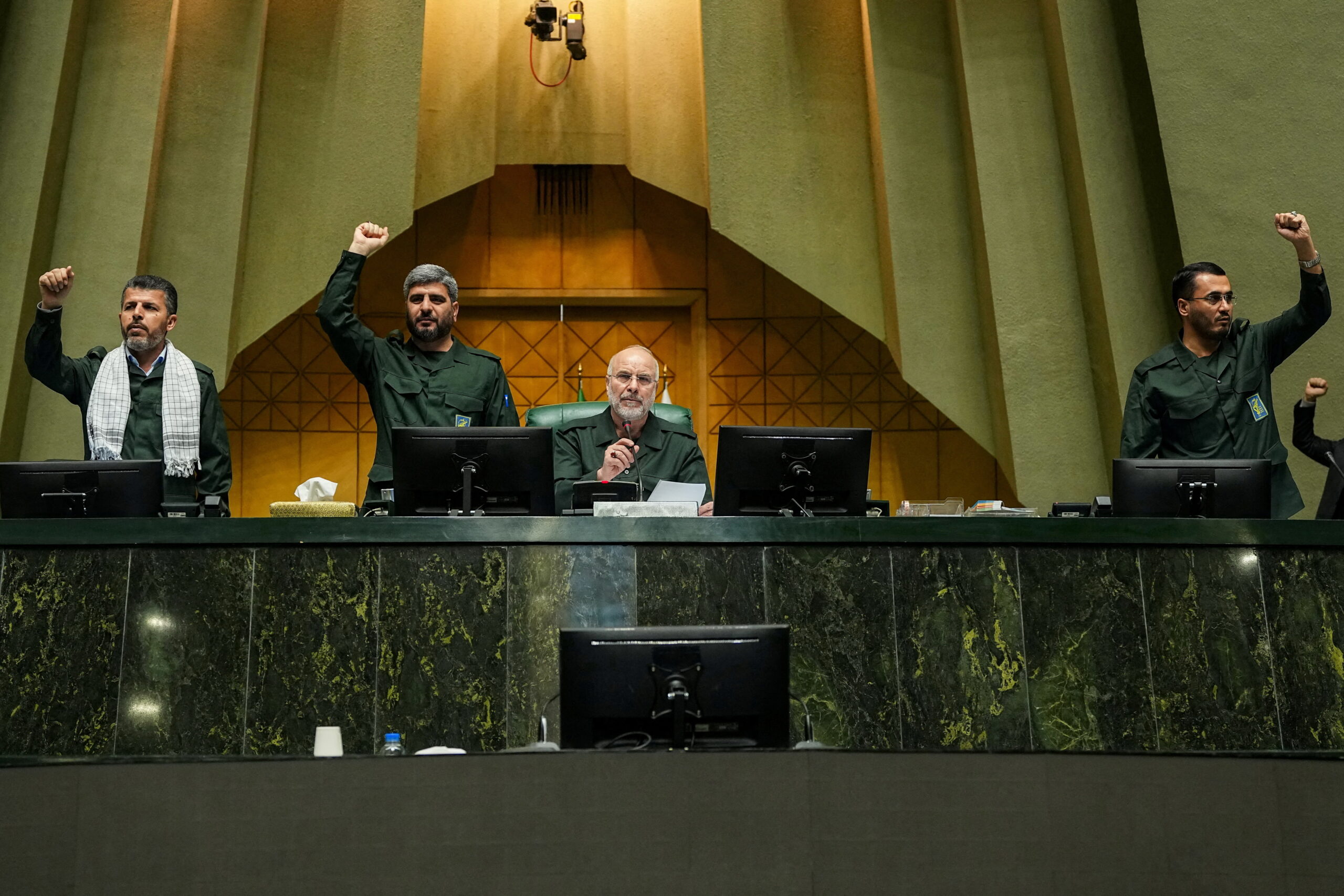
How Did the IRGC Seize Power in Iran?
The IRGC did not seize power in a single stroke. It accumulated it – patiently, methodically – until no counterweight remained.
Events
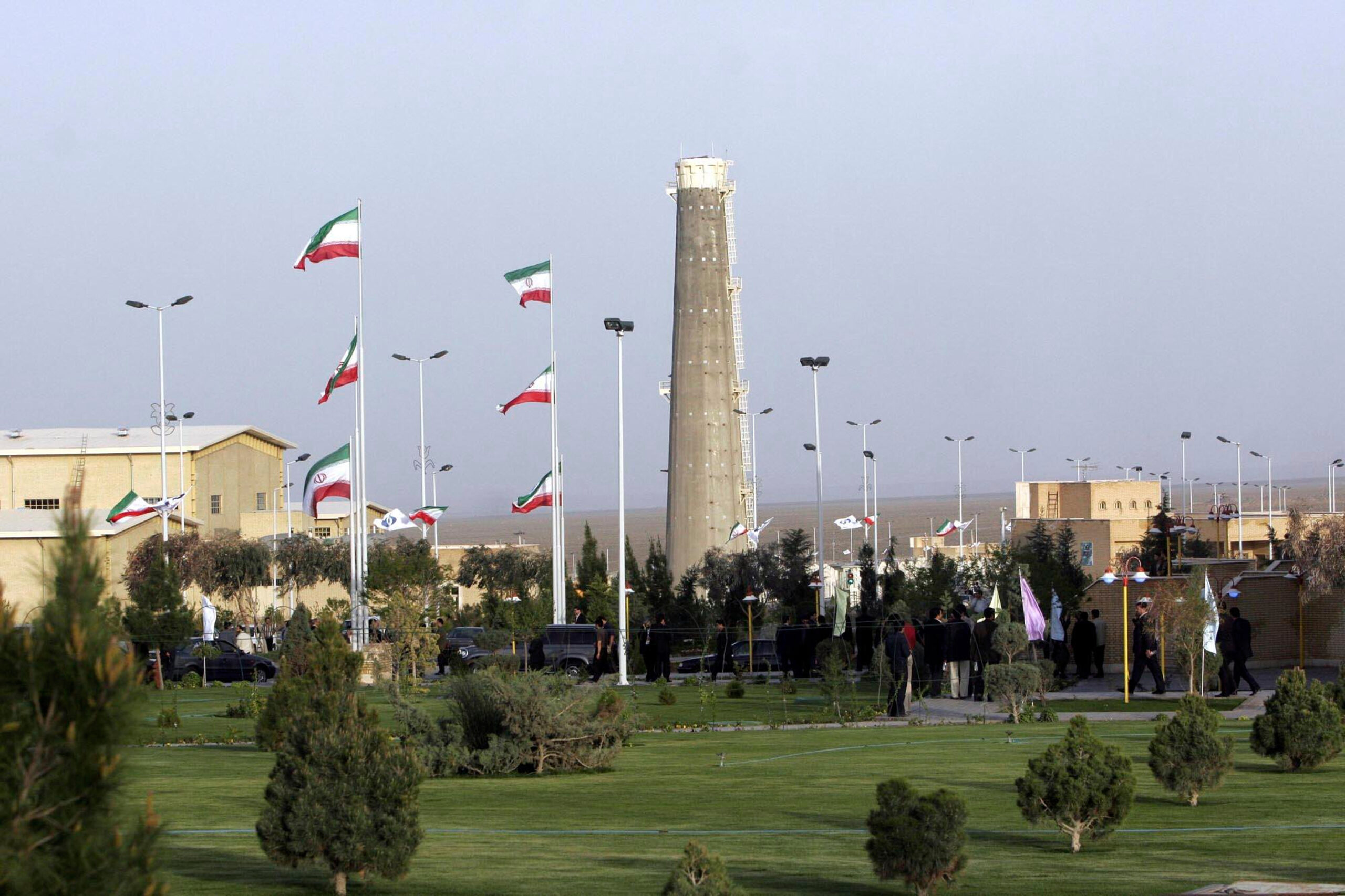
Book Talk: Iran and the Bomb: The United States, Iran and the Nuclear Question
On June 16, AGSI hosted a discussion on the evolution of Iran's nuclear program.
Speakers

Apr 21, 2026
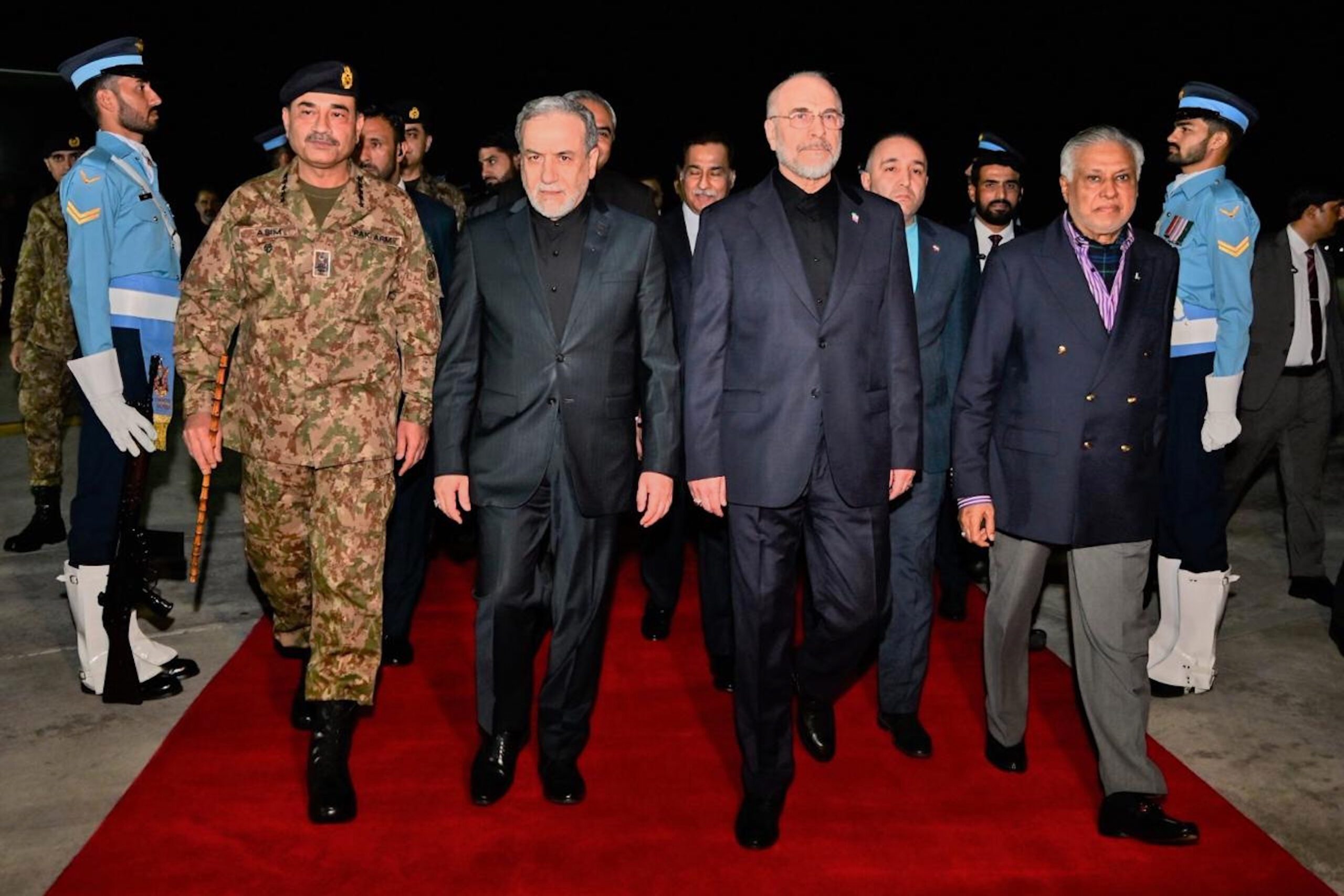
Inside Iran’s Wartime Leadership: Power, Succession, and Regime Stability
On April 21, AGSI hosted a discussion on the evolution of Iran's leadership during the war.
Speakers

Mar 18, 2026
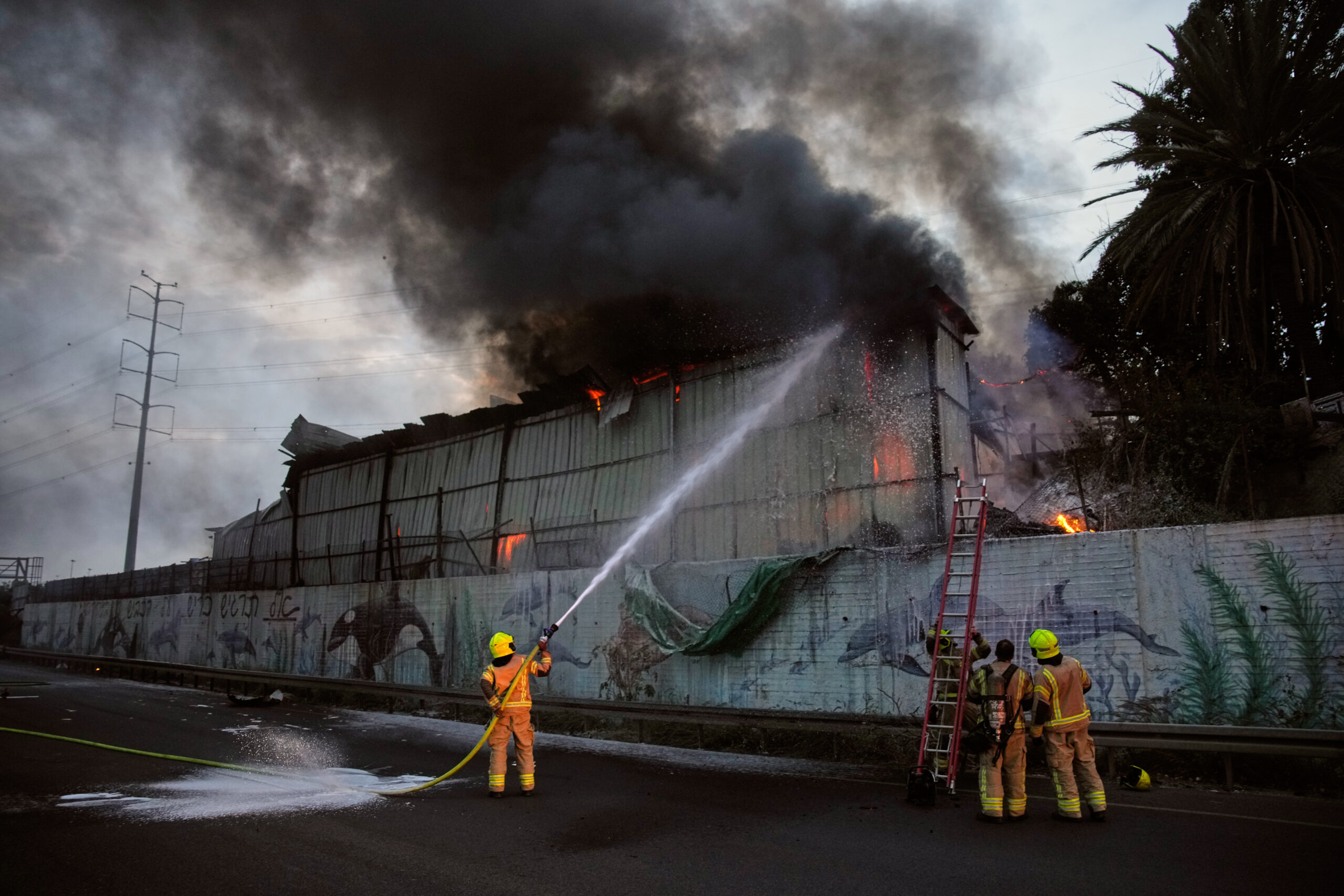
In Its Conflict With the United States and Israel, Does Escalation Favor Iran?
On March 18, AGSI hosted a discussion on the escalation of the Iran war.
Speakers



Mar 2, 2026
After the Shock: Implications of the U.S.–Israeli Strikes and Iran’s Leadership Transition
On March 2, AGSI hosted a discussion on the U.S.-Israeli strikes on Iran.
Speakers