Jul 18, 2023
Iranian Scholar on Russia’s Support for the UAE’s Territorial Claim
The July 18 edition of the Iran Media Review highlights a scholar’s call for realism in Iran’s dealings with Russia and China.
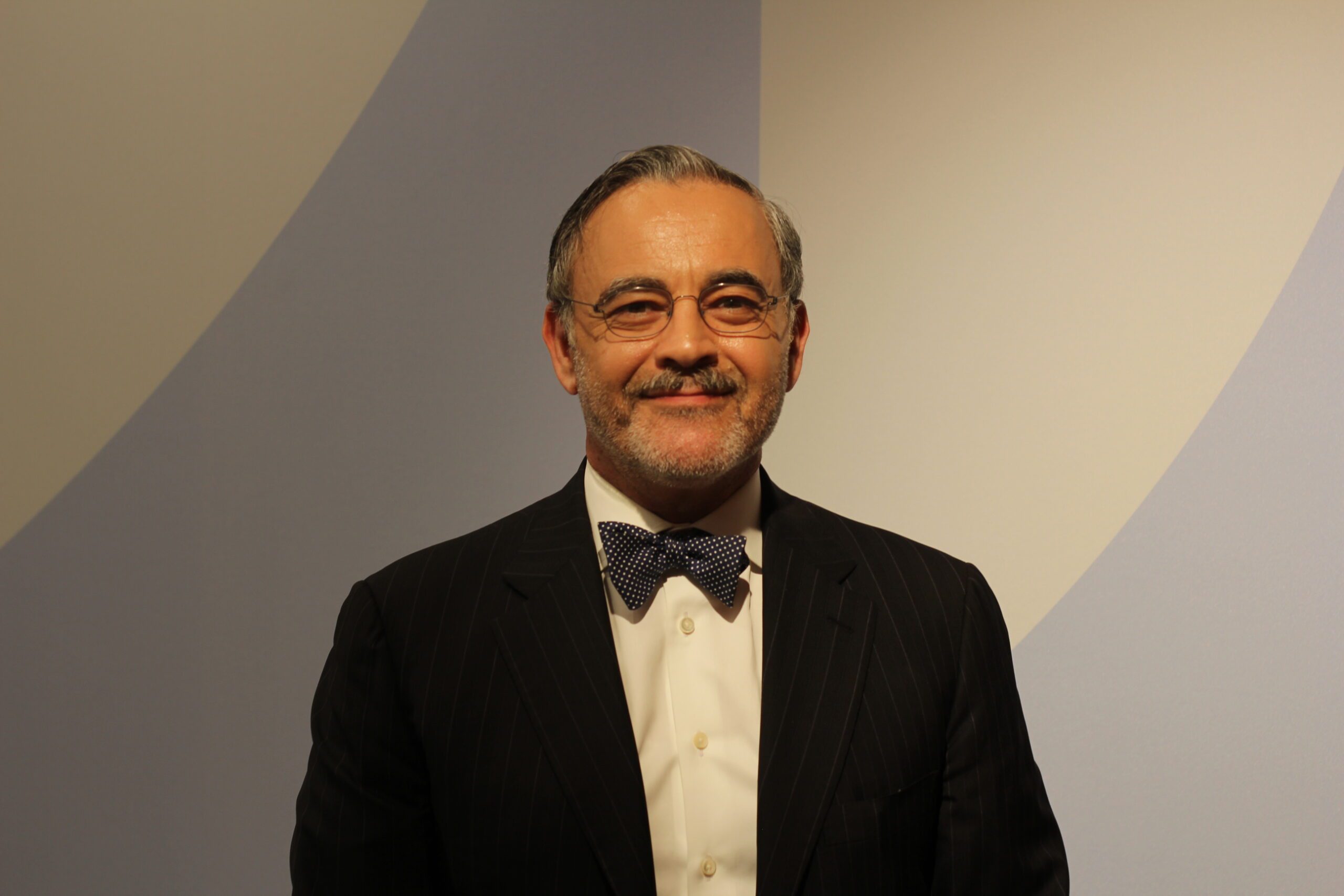
Elaheh Koulaei, a professor of political science at Tehran University, former reformist parliamentarian, and public intellectual, keeps lecturing Iranian politicians on the timeless wisdom of realism but apparently to no avail. In 2022, China backed the United Arab Emirates’ claim on the Greater and Lesser Tunbs and Abu Musa islands, causing fury in Iran, which also claims the islands. A July 10 statement issued by Russia and the Gulf Cooperation Council following a Ministerial Meeting for Strategic Dialogue in Moscow expressing support for a “peaceful solution” to the island dispute caused renewed anger in Tehran. This anger, according to Koulaei, stems from ignorance about international relations and a misguided, one-sided orientation toward Russia and China.
- July 13: In an interview with reformist Etemad Daily, Koulaei discussed Russia’s behavior and assessed the impact of Iran’s orientation toward Russia and China:
- The interviewer asked: “Russia and the Persian Gulf Cooperation Council’s positions concerning Iranian islands have negatively impacted public opinion in Iran. Why does Russia behave in such ways?” Koulaei responded: “Such events cause surprise and astonishment among officials and decision makers, who lack a proper understanding of the realities of international relations and the dynamics regulating relations between states. The behavior of Russia, the United States, Japan, and all other states is designed to enhance their national interests. Therefore, expecting that the Russians should have the interests of the Islamic Republic of Iran on their minds in their international conduct is contrary to international realities. Like any other state, Russia’s relations with states in the Persian Gulf region, in particular the southern states, serve the purpose of enhancing Russia’s interests … The Persian Gulf Cooperation Council has consistently emphasized the UAE’s territorial claims, and in order to expand its relations with these countries, Russia, based on its own considerations and self-interest, confirms the baseless and undocumented claims of the UAE.”
- Asked to assess the impact of the “Looking East” strategy, Koulaei said: “Unfortunately, over the past decade, a strategy called ‘Looking East,’ ‘Eastern policy,’ or, in reality, an orientation toward the East, has emerged in Iran. Based on this strategy, the country has pursued unbalanced relations with Russia and China, without any regard for Iran’s geographic and geopolitical needs … This strategy does not secure our national interests … Fundamentally, all countries sharing Iran’s geopolitical characteristics … pursue a balancing strategy in their foreign policy. Dependence on one global power, be it Eastern or Western, does not serve the needs and interests of the state … ‘Eastern policy’ provides opportunities for Eastern powers so they can take advantage of the confrontation between Iran and Western Europe and the United States … Other players reap the benefits of Iran’s geopolitical position and secure their national interests. In this strategic model, Iran, rather than utilizing its capacities and capabilities, is reduced to a bargaining chip in the hands of other powers.”
- Discussing “the recent changes in Saudi Arabia’s behavior,” Koulaei said: “Saudi Arabia and other Arab states undertake a different engagement, which should remind Iran of the need to regulate its foreign policy to serve the national interest.”
The views represented herein are the author's or speaker's own and do not necessarily reflect the views of AGSI, its staff, or its board of directors.
Related
Iran Media Review
Mar 13, 2026
Quds Day in Iran
The March 13 edition of the Iran Media Review examines Iranian media reports of regime defiance at Quds Day rallies as the U.S.-Israeli conflict with Iran continues.
Iran Media Review
Mar 10, 2026
New Leader, Old Policy
The March 10 edition of the Iran Media Review analyzes Iranian messaging after the election of a new supreme leader.
Iran Media Review
Mar 6, 2026
Tehran Warns Iraq’s Kurdistan Regional Government
The March 6 edition of the Iran Media Review highlights an Iranian military official’s warning to the Kurdistan Regional Government to stay out of the escalating U.S.-Israeli conflict with Iran.
Mar 13, 2026
Quds Day in Iran
The March 13 edition of the Iran Media Review examines Iranian media reports of regime defiance at Quds Day rallies as the U.S.-Israeli conflict with Iran continues.
Mar 10, 2026
New Leader, Old Policy
The March 10 edition of the Iran Media Review analyzes Iranian messaging after the election of a new supreme leader.
Mar 6, 2026
Tehran Warns Iraq’s Kurdistan Regional Government
The March 6 edition of the Iran Media Review highlights an Iranian military official’s warning to the Kurdistan Regional Government to stay out of the escalating U.S.-Israeli conflict with Iran.
Analysis
Under Mojtaba, the IRGC Will Reign Supreme
Iran may still call itself an Islamic Republic. In practice, however, it increasingly resembles a state in which the military governs from behind clerical robes.
Political Life and Legacy of Iran’s Ayatollah Khamenei
Ayatollah Ali Khamenei was killed in his office in Tehran at age 86, leaving behind a country in ruins and on the verge of civil war and potential disintegration.
Iranian Regime Fighting for Survival
Iran is signaling that it will not absorb attacks passively. But whether this strategy ensures the regime’s survival, seals its fate, or accelerates a broader catastrophe will shape the region for years to come.
Iran’s 2025-26 Protests in Perspective
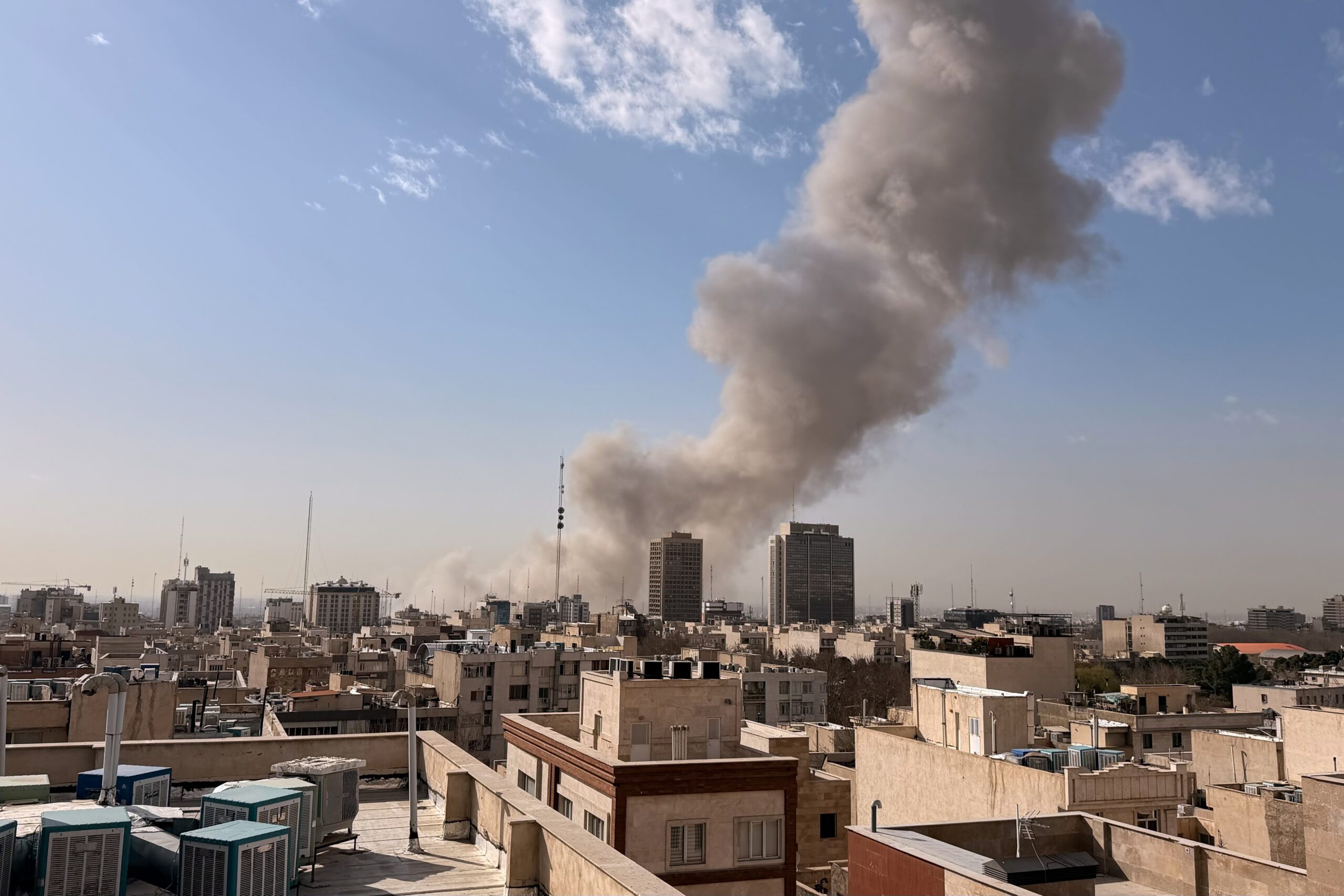
The erosion of the regime’s legitimacy across broad segments of society, combined with the breadth of the 2025-26 protest coalition, raises the possibility that a new confrontation could trigger renewed anti-regime mobilization.
Events
Mar 18, 2026
10:00am - 11:00am
In Its Conflict With the United States and Israel, Does Escalation Favor Iran?
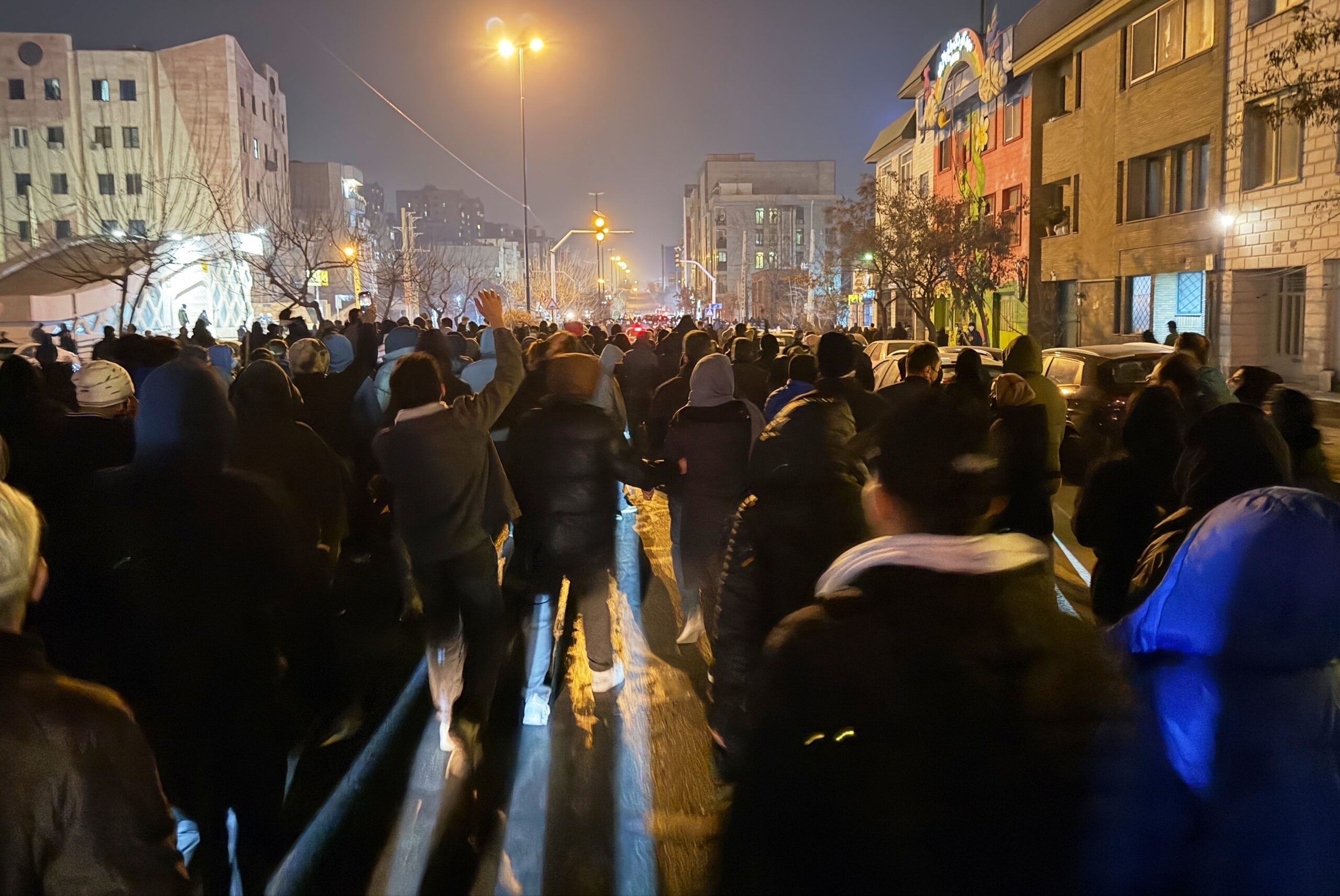
On March 18, AGSI will host a discussion on the escalation of the Iran war.
Speakers



Mar 2, 2026
After the Shock: Implications of the U.S.–Israeli Strikes and Iran’s Leadership Transition
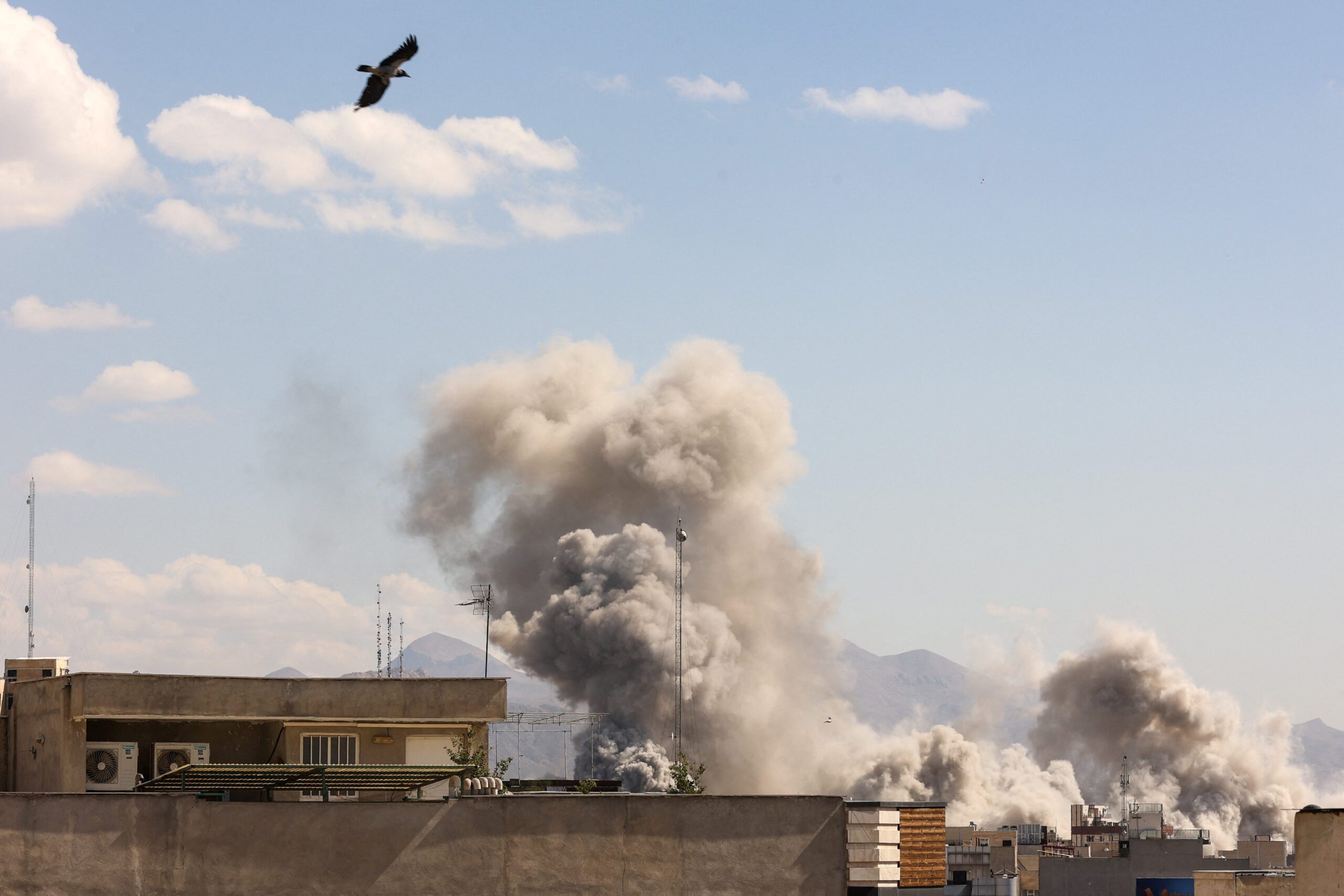
On March 2, AGSI hosted a discussion on the U.S.-Israeli strikes on Iran.
Speakers




Jan 8, 2026
Outlook 2026: Prospects and Priorities for U.S.-Gulf Relations in the Year Ahead
On January 8, AGSI hosted a virtual roundtable with its leadership and scholars as they look ahead and assess trends likely to shape the Gulf region and U.S. foreign policy during the coming year.
Speakers


Sep 16, 2025
Book Talk: Iran’s Grand Strategy: A Political History
On September 16, AGSI hosted a discussion on the roots of Iran's strategic outlook.
Speakers