Mar 6, 2026
Tehran Warns Iraq’s Kurdistan Regional Government
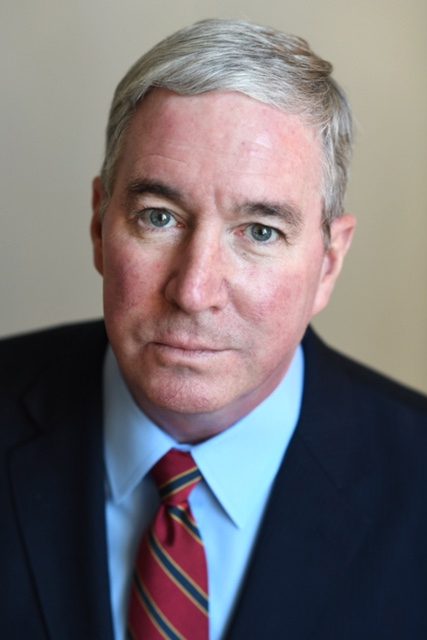
The March 6 edition of the Iran Media Review highlights an Iranian military official’s warning to the Kurdistan Regional Government to stay out of the escalating U.S.-Israeli conflict with Iran.

President Donald J. Trump expressed his desire to see oppositional Iranian Kurdish militants based in Iraq, or perhaps the government of Iraq’s Kurdistan region, intervene in the ongoing U.S.-Israeli conflict with Iran. In response, Iranian Brigadier General Ali Akbar Ahmadian, former Supreme National Security Council secretary and the late supreme leader’s representative to the Supreme Defense Council, warned of retaliatory measures.
- March 6: Brigadier General Ali Akbar Ahmadian was quoted by Islamic Revolutionary Guard Corps-affiliated Tasnim News Agency saying:
- “We remind our friends and brothers in the Kurdistan region of Iraq that so far only the bases of the United States and Israel and separatist groups in the region have been targeted. However, if the continued presence, plotting, or entry of these groups or elements of the regime through the region into the borders of the Islamic Republic is allowed, then all facilities in the Kurdistan region of Iraq, as the rear base of these groups and the regime, will be widely targeted. Friendly relations and the generous support of the Islamic Republic in the Kurdistan region during difficult days – such as the attack by ISIS – will also be halted.”
The views represented herein are the author's or speaker's own and do not necessarily reflect the views of AGSI, its staff, or its board of directors.
Related
Iran Media Review
Mar 3, 2026
War Abroad, Civil War at Home?
The March 3 edition of the Iran Media Review examines Iranian messaging following the death of the supreme leader and amid ongoing U.S. and Israeli bombardment.
Iran Media Review
Feb 27, 2026
Araghchi Optimistic Regarding the Talks
The February 27 edition of the Iran Media Review considers the Iranian foreign minister’s perspective on progress on the ongoing negotiations with the United States.
Iran Media Review
Feb 24, 2026
Iran Signals Deterrence Paired With Diplomacy
The February 24 edition of the Iran Media Review analyzes Iranian messaging in the lead up to a new round of negotiations with the United States.
Mar 3, 2026
War Abroad, Civil War at Home?
The March 3 edition of the Iran Media Review examines Iranian messaging following the death of the supreme leader and amid ongoing U.S. and Israeli bombardment.
Feb 27, 2026
Araghchi Optimistic Regarding the Talks
The February 27 edition of the Iran Media Review considers the Iranian foreign minister’s perspective on progress on the ongoing negotiations with the United States.
Feb 24, 2026
Iran Signals Deterrence Paired With Diplomacy
The February 24 edition of the Iran Media Review analyzes Iranian messaging in the lead up to a new round of negotiations with the United States.
Analysis
The Islamic Republic Returns to Offense
After U.S.-Israeli strikes killed Supreme Leader Ayatollah Ali Khamenei on February 28, Iran’s collective leadership has concluded that the best defense is a good offense.
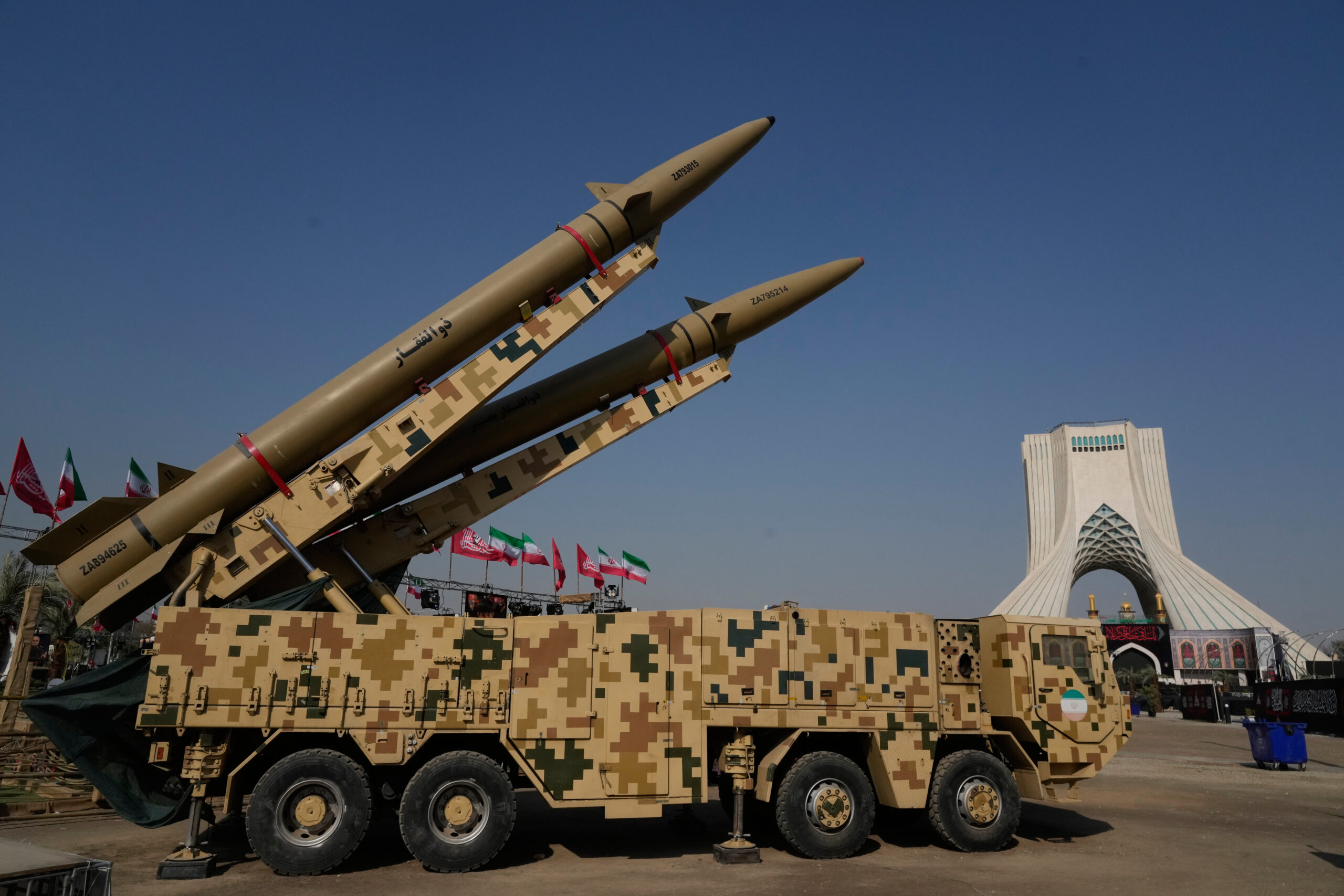
Iran’s Collective Strategic Decision Making
Wartime pressure has temporarily aligned the leadership’s overriding interest in regime survival, even as its members continue to differ over the costs, methods, and ultimate objectives of the war.
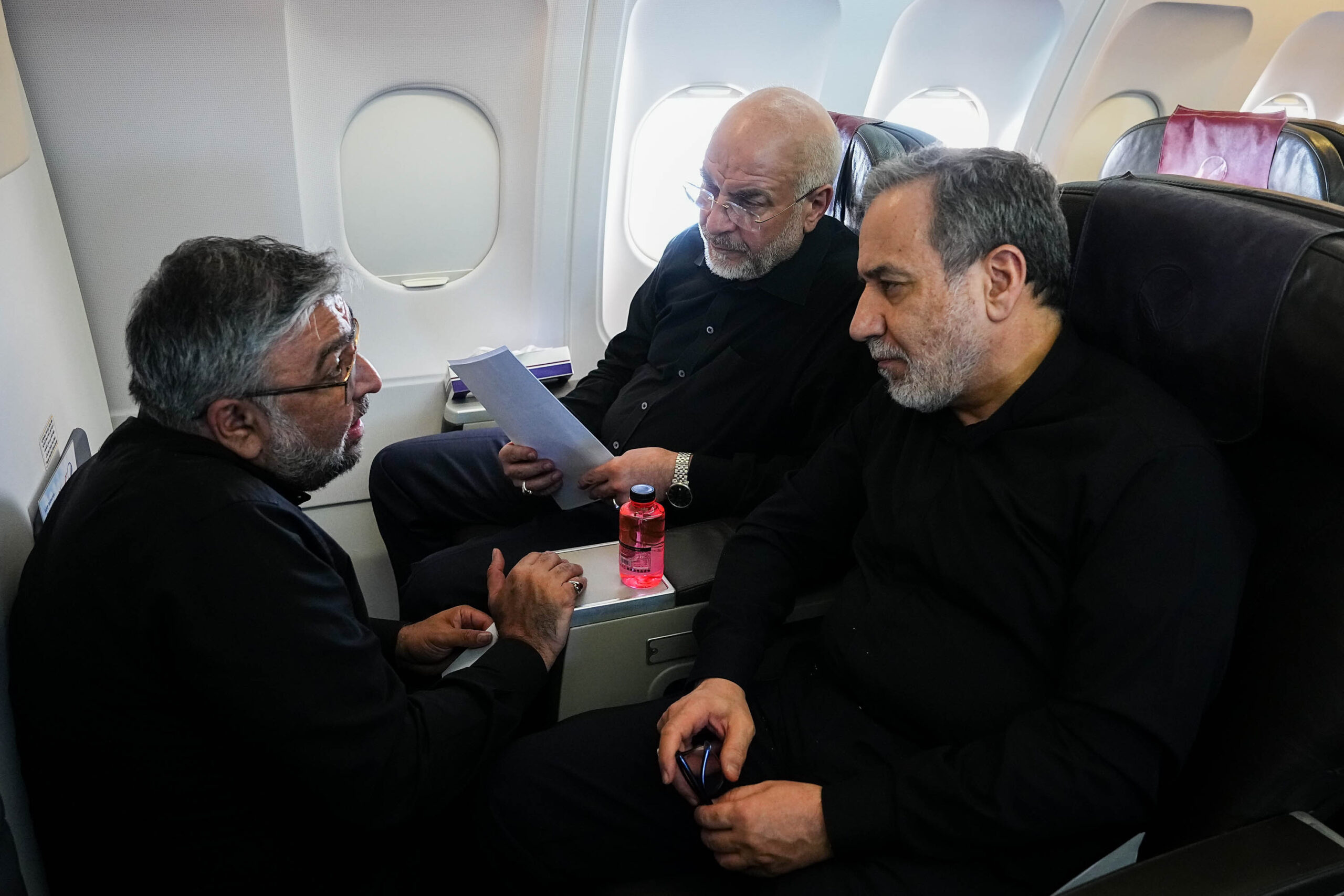
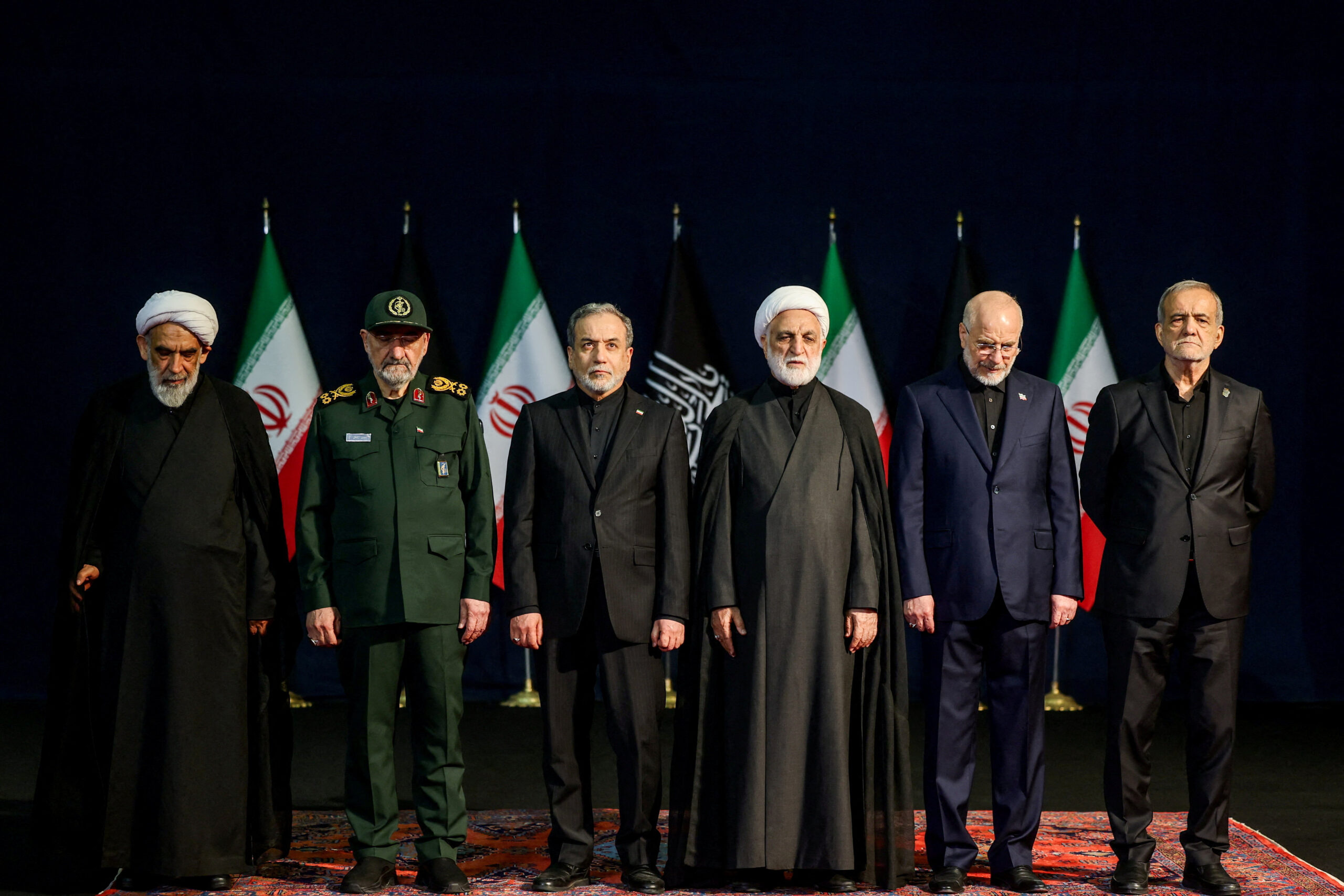
The Islamic Republic’s Collective Leadership
While there is historical precedent for collective leadership in Iran, today’s leadership includes representatives of the IRGC and regular military – a reflection of the IRGC’s expanding role and the necessities of governing under wartime conditions.
How Did the IRGC Seize Power in Iran?
The IRGC did not seize power in a single stroke. It accumulated it – patiently, methodically – until no counterweight remained.
Events
Oct 6, 2026
10:00am - 11:00am
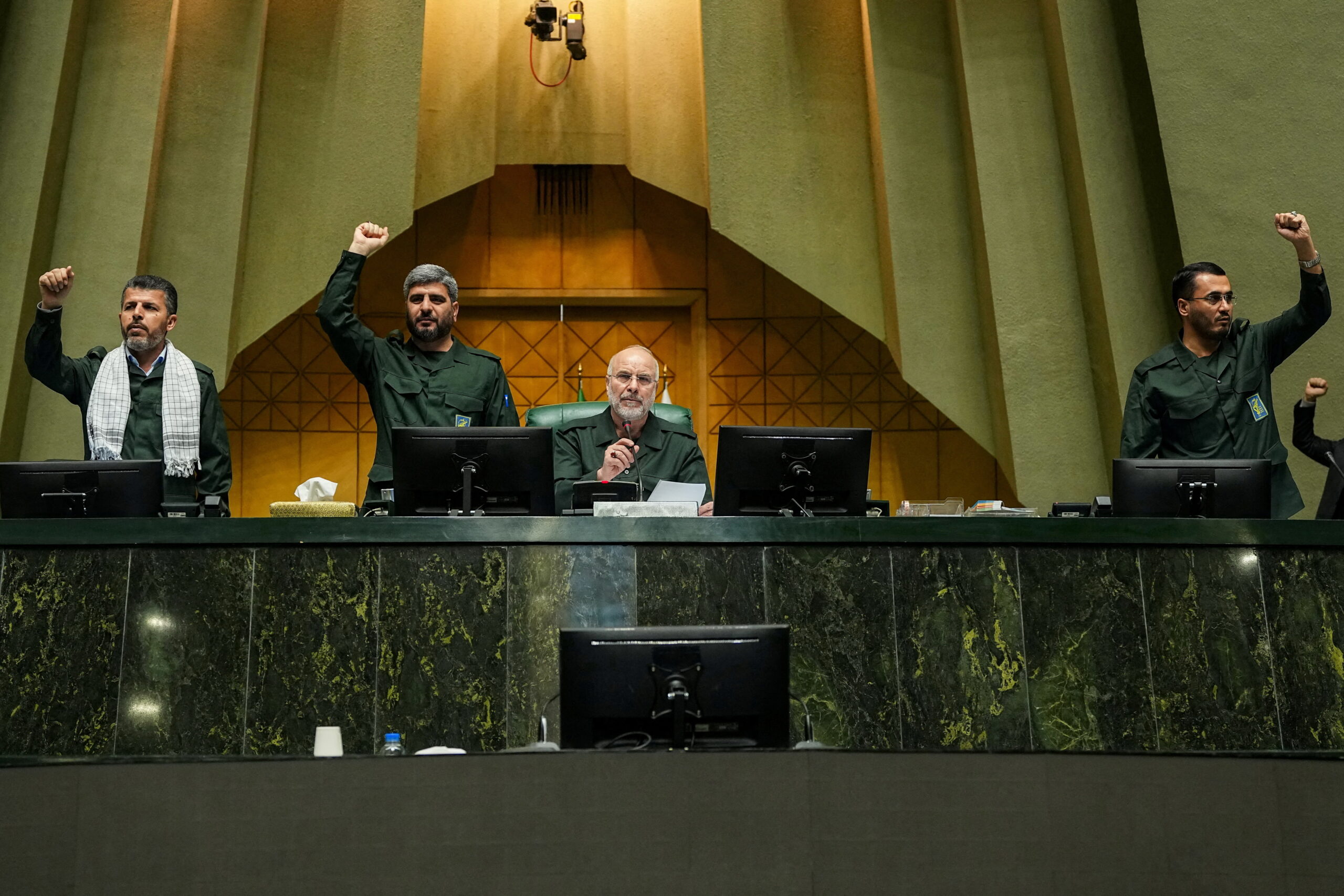
Is the U.S.-Iran Stalemate a “New Normal” or the Prelude to Another Explosion?
On October 6, AGSI will host a discussion on the U.S.-Iran stalemate and the prospects for a cease-fire.
Speakers



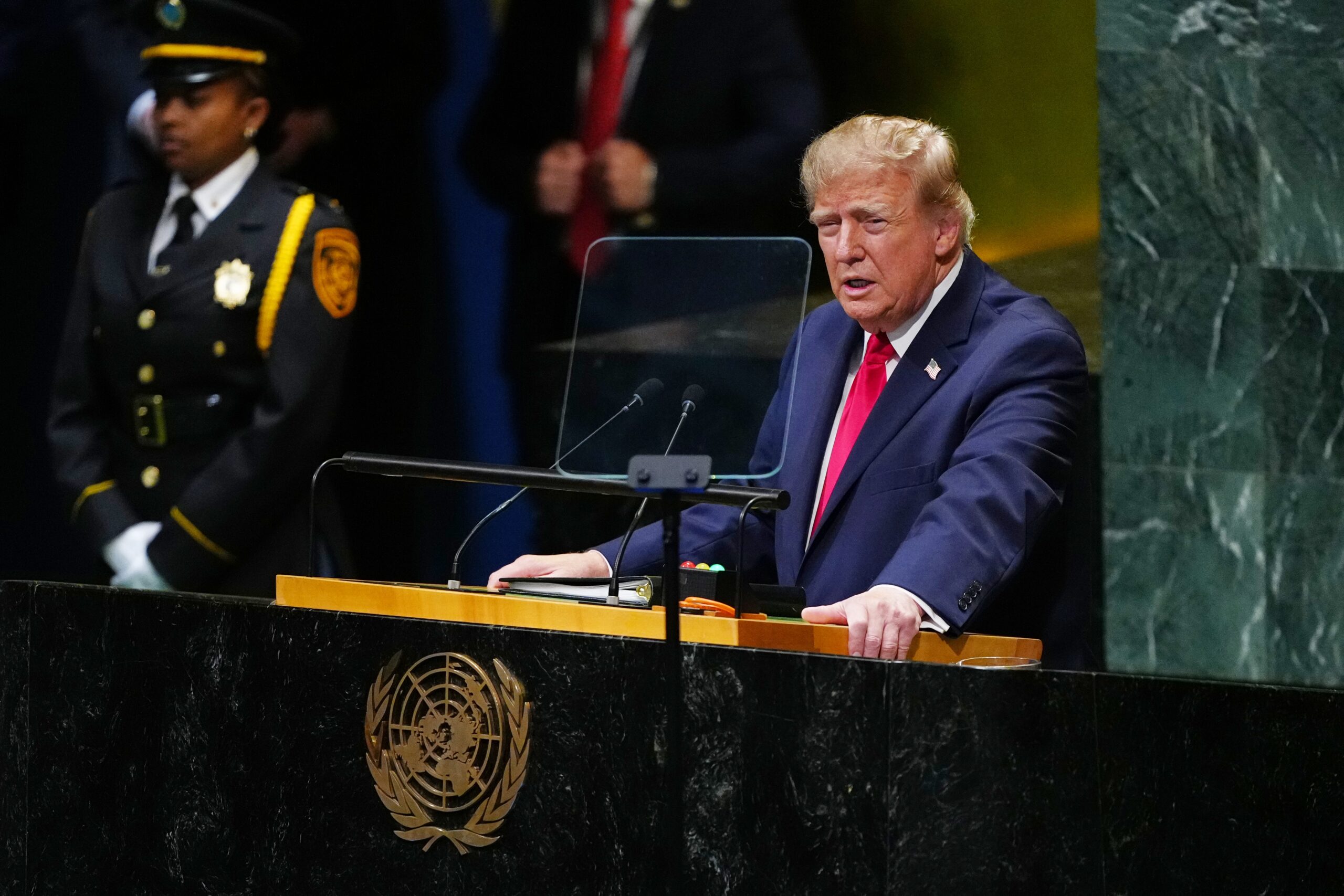
Book Talk: Iran and the Bomb: The United States, Iran and the Nuclear Question
On June 16, AGSI hosted a discussion on the evolution of Iran's nuclear program.
Speakers

Apr 21, 2026
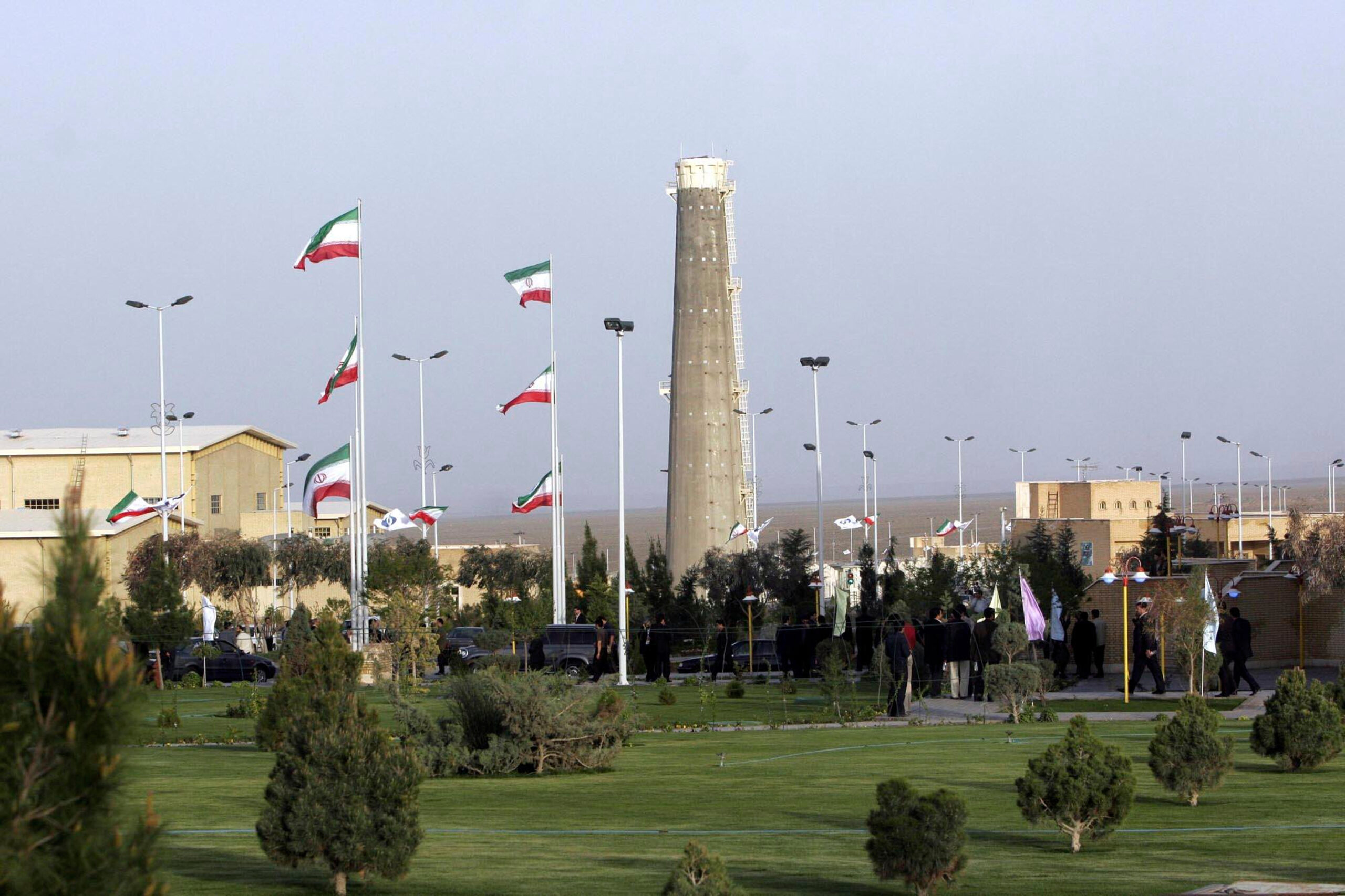
Inside Iran’s Wartime Leadership: Power, Succession, and Regime Stability
On April 21, AGSI hosted a discussion on the evolution of Iran's leadership during the war.
Speakers

Mar 18, 2026
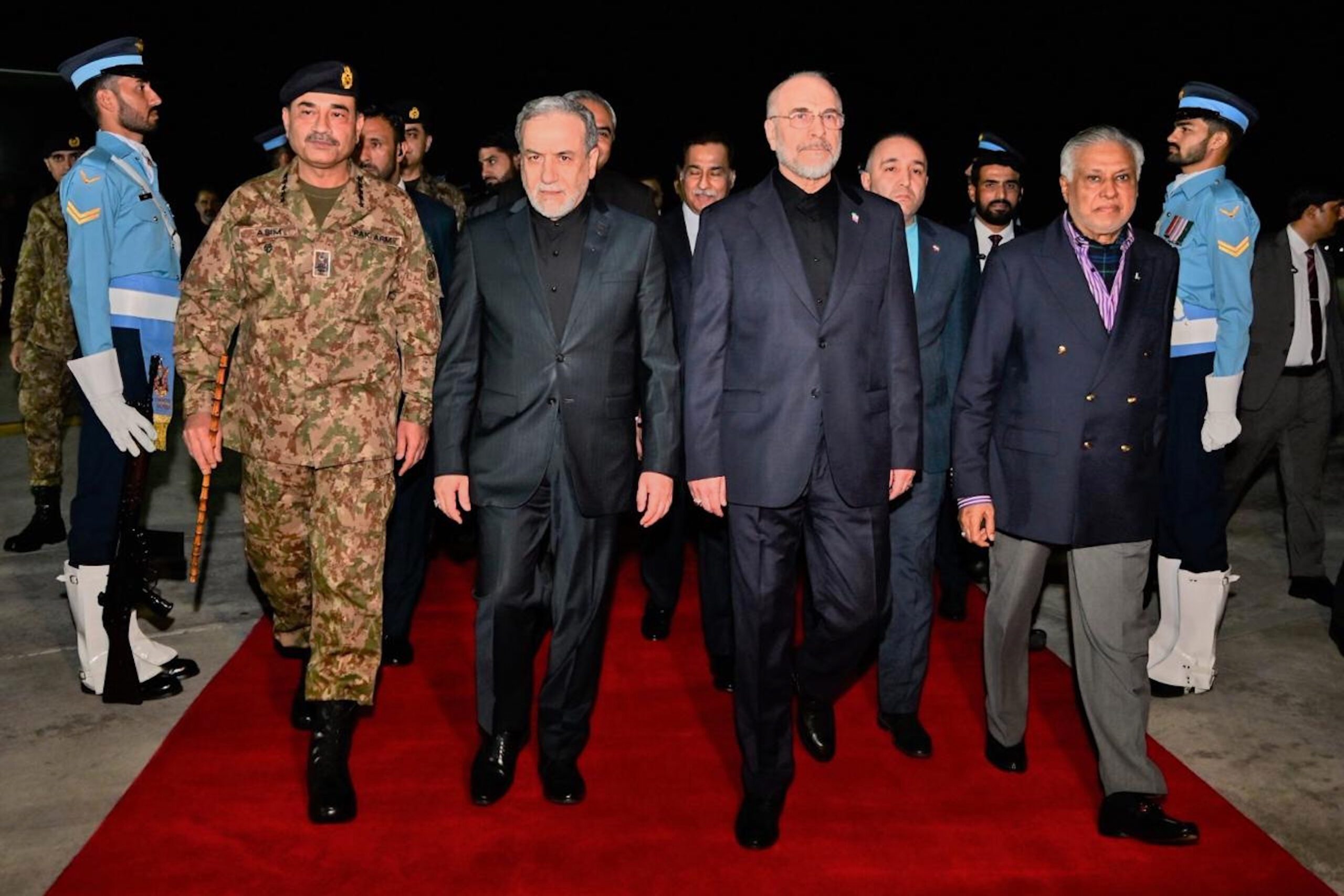
In Its Conflict With the United States and Israel, Does Escalation Favor Iran?
On March 18, AGSI hosted a discussion on the escalation of the Iran war.
Speakers