Mar 1, 2024
Iran: Trust in Family, Distrust in Government
The March 1 edition of the Iran Media Review examines leaked polling on public trust in Iran.

The Iranian Ministry of Culture and Islamic Guidance’s comprehensive public opinion report “The Fourth Wave of the National Polling of Values and Views of Iranians” still remains classified, but following the leak and publication of Chapter 8 of the book, “Religious Views and Practices” by BBC Persian February 20, two more chapters have surfaced online. The latest leaks document what most observers already know: Iranians trust their families and distrust their government.
- February 26: IranWire, a London-based news site, released Chapter 3, “Family Values,” and Chapter 16, “Public Trust and Social Capital.”
- Findings of the chapter on “Family Values” include:
- 3% “agreed” and 7% “totally agreed” that husbands and wives should be friends prior to marriage
- However, 88.5% of respondents opposed premarital sexual relationships
- 6% of respondents were opposed to an unmarried couple living together
- 8% of respondents opposed physical punishment of children
- Findings of the chapter on “Public Trust and Social Capital” include:
- 7% of respondents have “very limited trust” and 24% “limited trust” in official television and radio channels
- 1% of respondents have “very limited trust” and 31.6% “limited trust” in Iran’s state-censored newspapers
- 4% of respondents have “very limited trust” and 29.8% “limited trust” in Iran’s state-censored online media
- 8% of respondents have “very limited trust” and 28.6% “limited trust” in Iran’s Parliament
- 3% of respondents have “very limited trust” and 25.7% “limited trust” in the judiciary
- 7% of respondents have “very limited trust” and 26.3% “limited trust” in the Cabinet
- 2% of respondents have “very limited trust” and 28.9% “limited trust” in the municipality
- 6% of respondents have “very limited trust” and 17.1% “limited trust” in the Law Enforcement Forces
- 5% of respondents have “very limited trust” and 16.2% “limited trust” in the Islamic Republic of Iran army
- 6% of respondents have “very limited trust” and 17% “limited trust” in the Islamic Revolutionary Guard Corps
- 3% of respondents have “very limited trust” and 23.2% “limited trust” in the clergy
- 3% of respondents have “very limited trust” and 32.5% “limited trust” in politicians
- Concluding the chapter, the respondents were asked, “In your opinion, how much trust do people have in each other?,” and 27.1% of respondents said “zero,” and 54.1% said “limited”
- Findings of the chapter on “Family Values” include:
The views represented herein are the author's or speaker's own and do not necessarily reflect the views of AGSI, its staff, or its board of directors.
Related
Iran Media Review
Feb 27, 2024
Official Government Poll: 72.9% of Iranians Favor Separation of Religion and State
The February 27 edition of the Iran Media Review highlights a leaked poll showing dramatic changes in Iranians’ opinions on the role of religion in public life.
Iran Media Review
Feb 23, 2024
Iran’s State-Censored Media Largely Silent on Anniversary of Bahrain’s Arab Spring Uprising
The February 23 edition of the Iran Media Review highlights the muted response in Iranian media to the anniversary of the 2011 Arab Spring uprising in Bahrain.
Feb 27, 2024
Official Government Poll: 72.9% of Iranians Favor Separation of Religion and State
The February 27 edition of the Iran Media Review highlights a leaked poll showing dramatic changes in Iranians’ opinions on the role of religion in public life.
Feb 23, 2024
Iran’s State-Censored Media Largely Silent on Anniversary of Bahrain’s Arab Spring Uprising
The February 23 edition of the Iran Media Review highlights the muted response in Iranian media to the anniversary of the 2011 Arab Spring uprising in Bahrain.
Analysis
How Did the IRGC Seize Power in Iran?
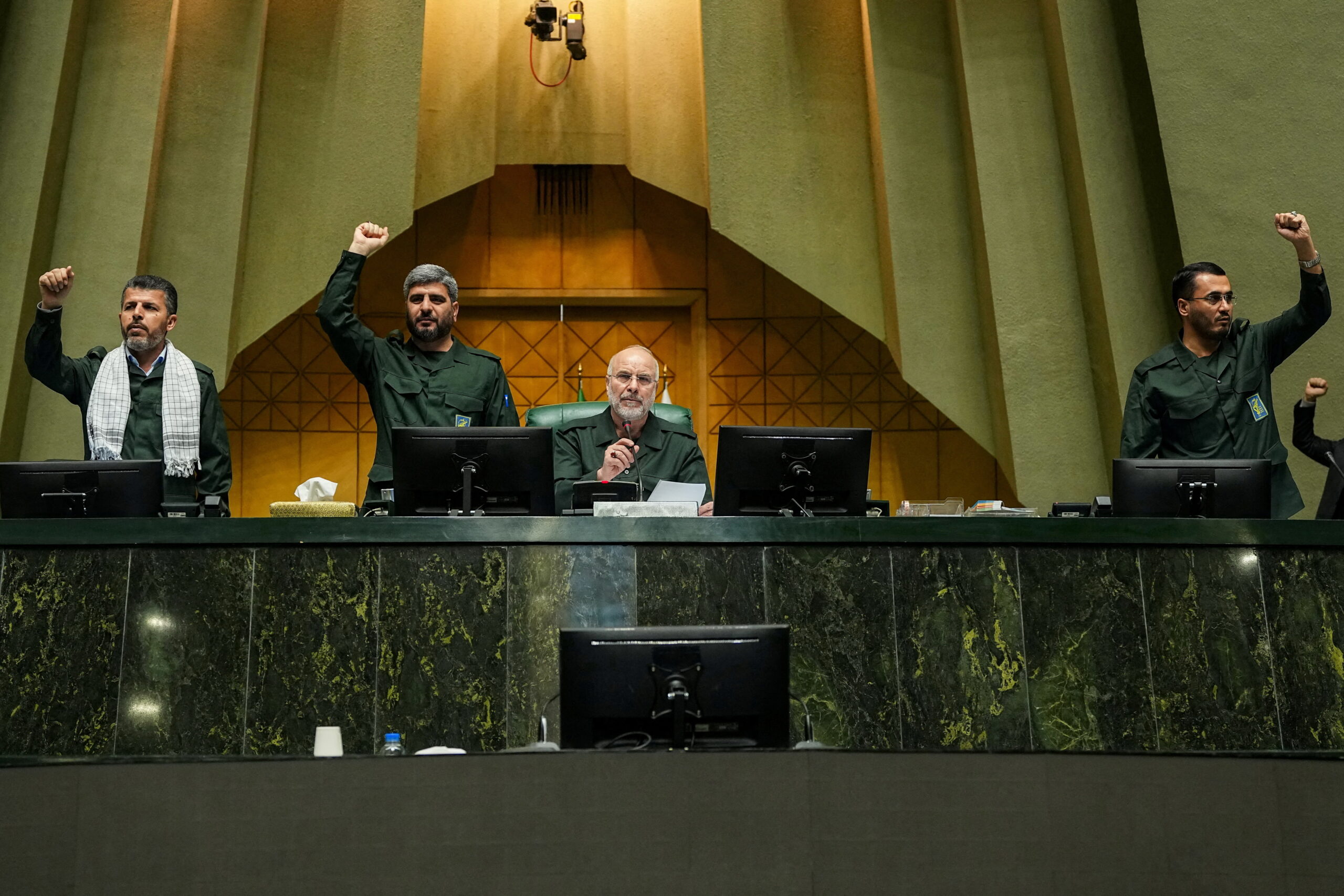
The IRGC did not seize power in a single stroke. It accumulated it – patiently, methodically – until no counterweight remained.
Under Mojtaba, the IRGC Will Reign Supreme
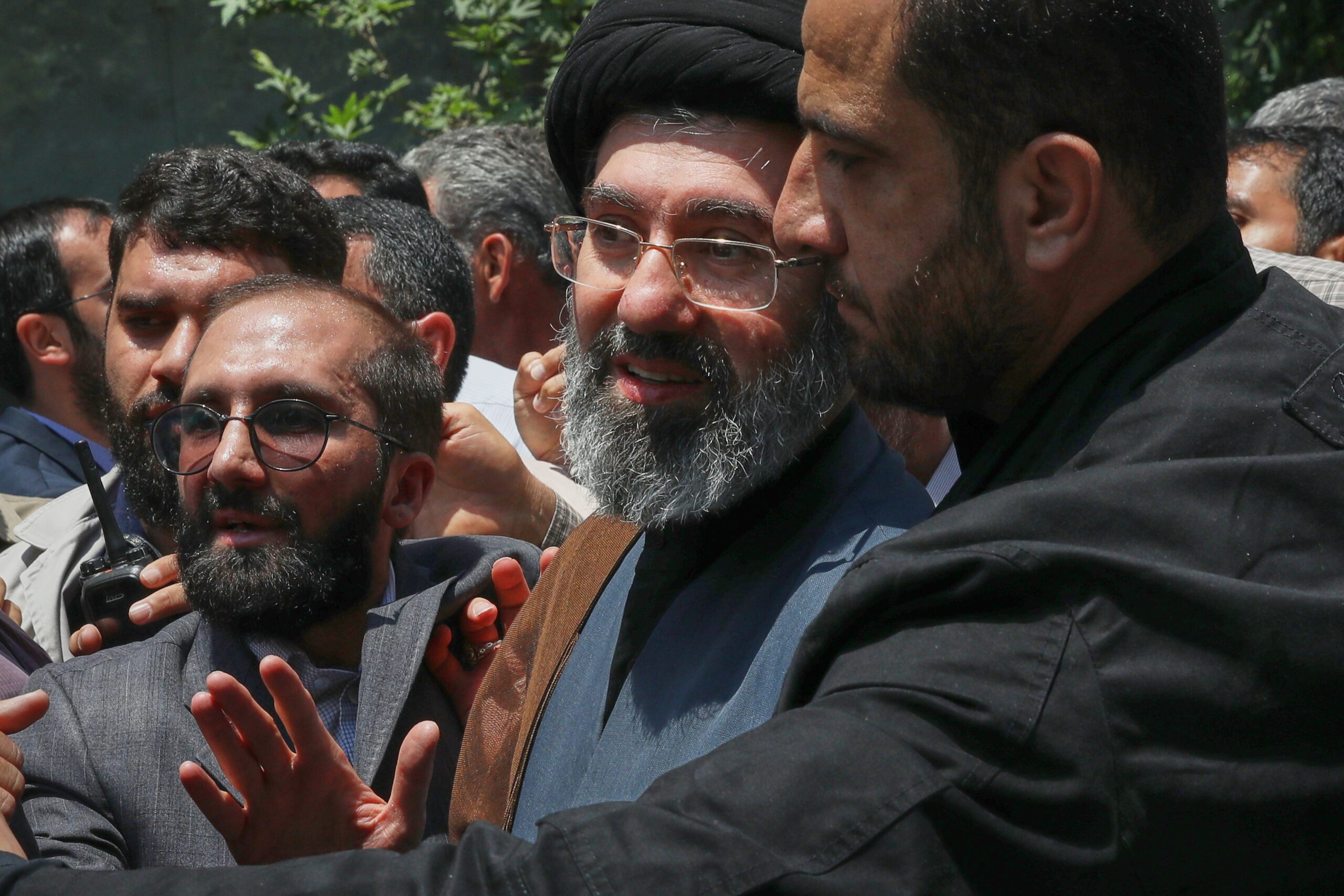
Iran may still call itself an Islamic Republic. In practice, however, it increasingly resembles a state in which the military governs from behind clerical robes.
Political Life and Legacy of Iran’s Ayatollah Khamenei
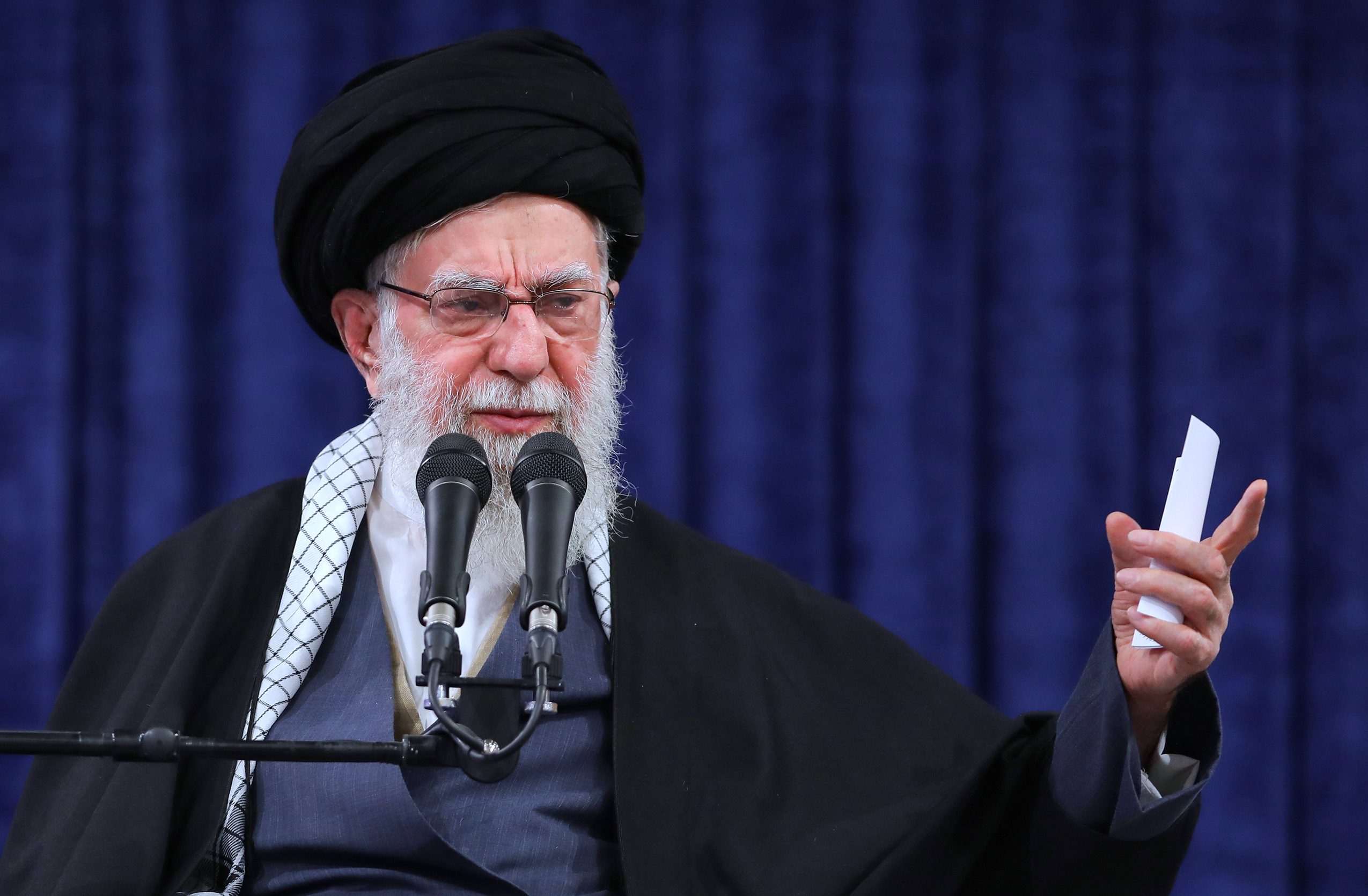
Ayatollah Ali Khamenei was killed in his office in Tehran at age 86, leaving behind a country in ruins and on the verge of civil war and potential disintegration.
Iranian Regime Fighting for Survival
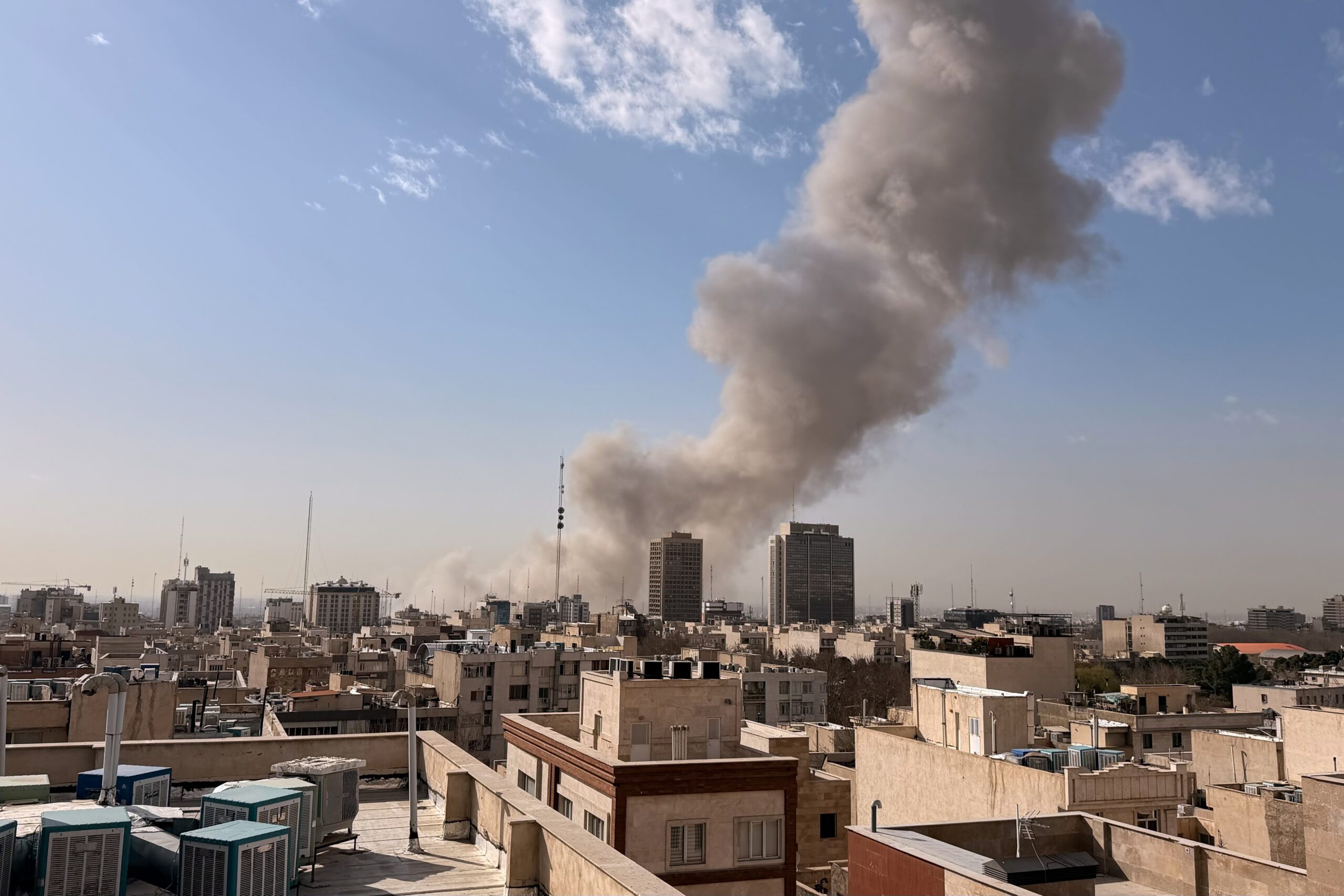
Iran is signaling that it will not absorb attacks passively. But whether this strategy ensures the regime’s survival, seals its fate, or accelerates a broader catastrophe will shape the region for years to come.
Events
Book Talk: Iran and the Bomb: The United States, Iran and the Nuclear Question
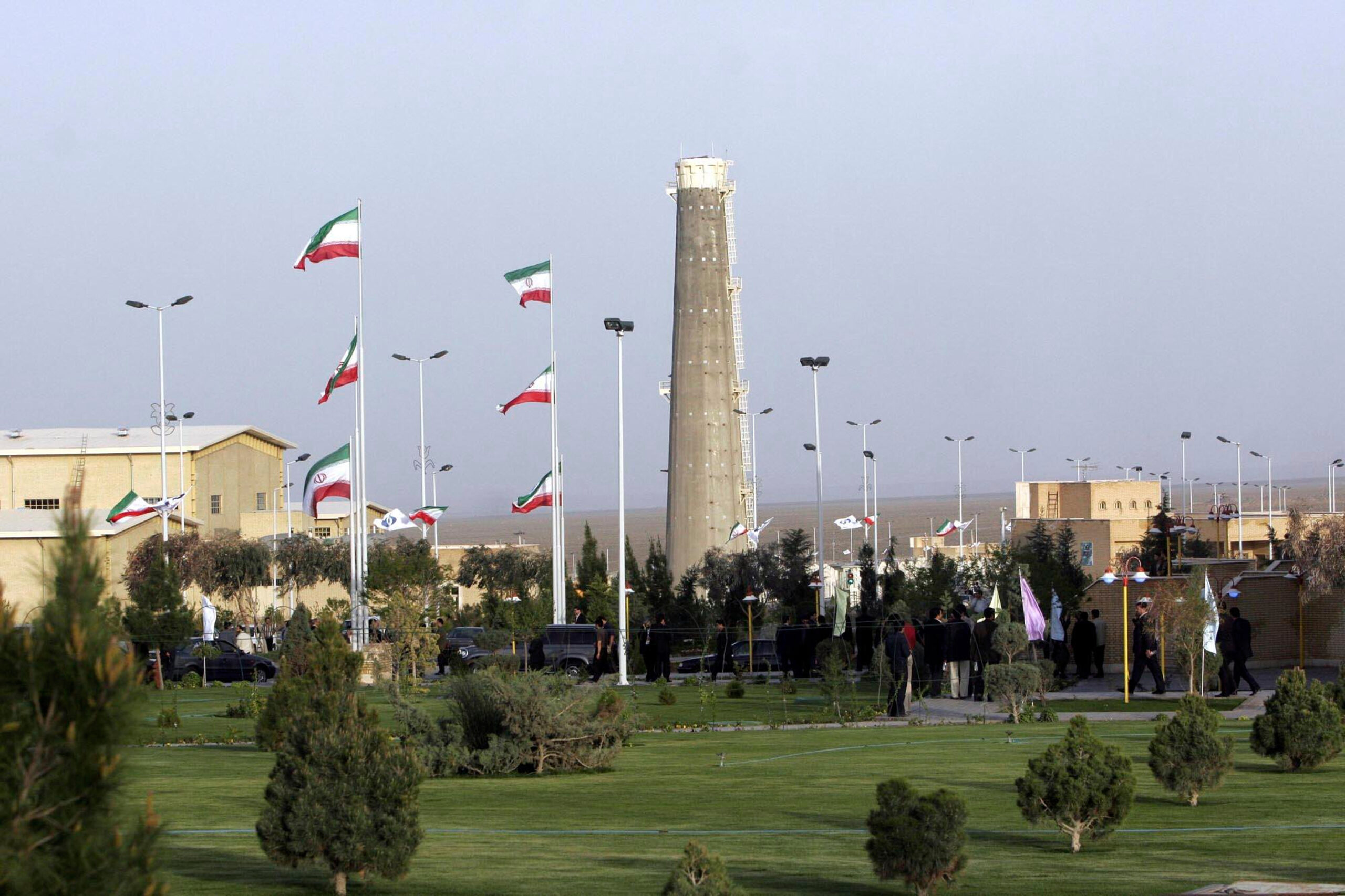
On June 16, AGSI hosted a discussion on the evolution of Iran's nuclear program.
Speakers

Apr 21, 2026
Inside Iran’s Wartime Leadership: Power, Succession, and Regime Stability
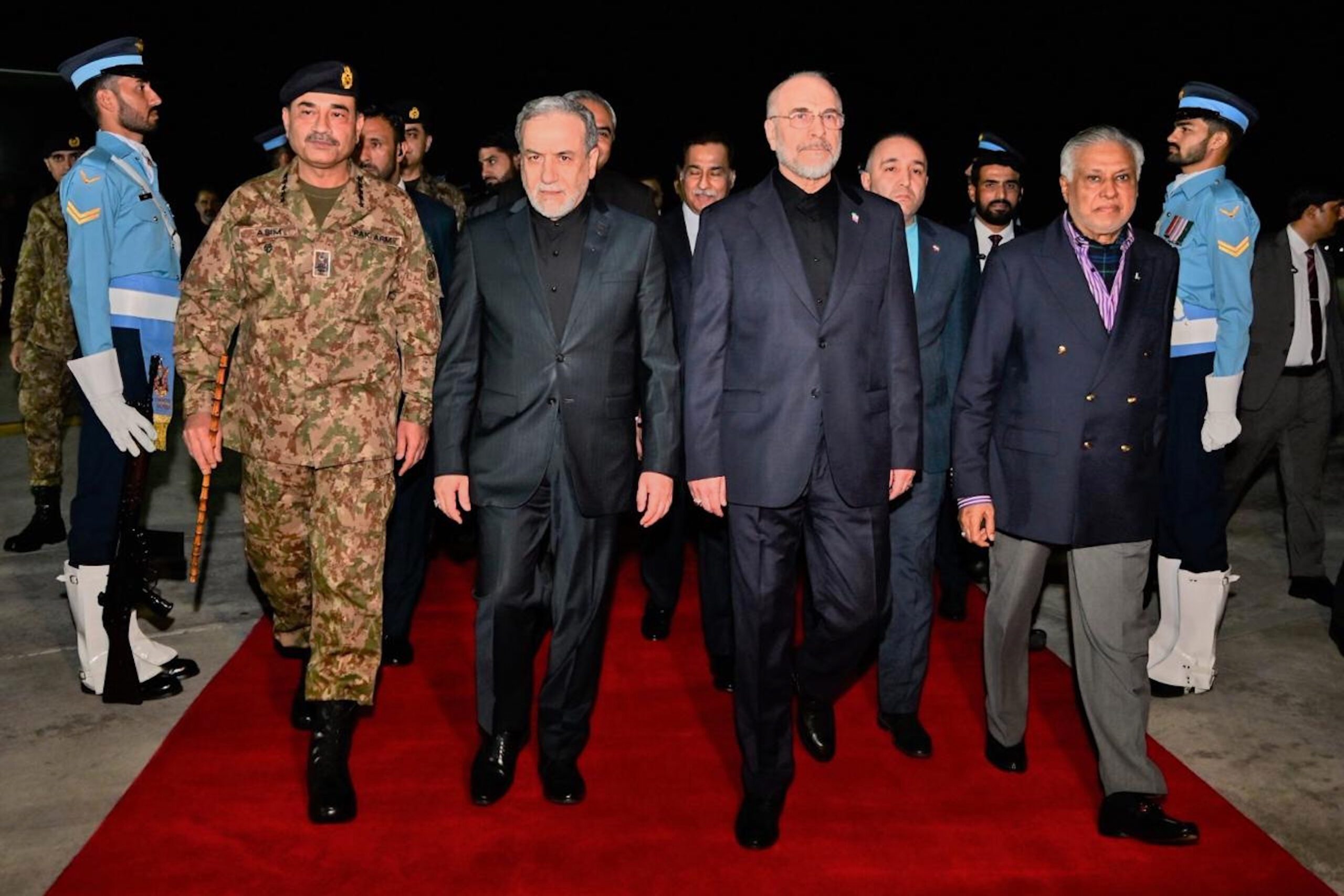
On April 21, AGSI hosted a discussion on the evolution of Iran's leadership during the war.
Speakers

Mar 18, 2026
In Its Conflict With the United States and Israel, Does Escalation Favor Iran?
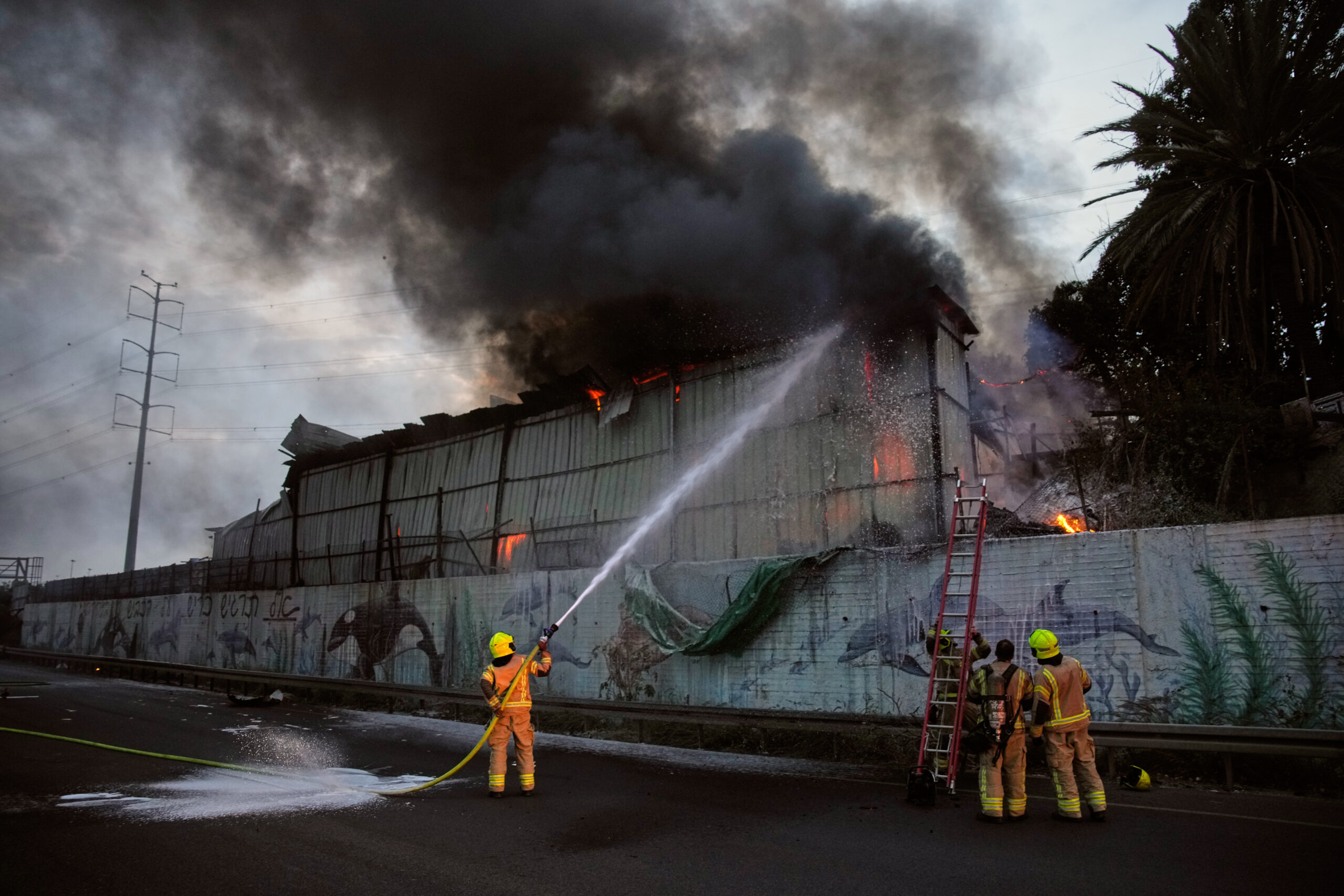
On March 18, AGSI hosted a discussion on the escalation of the Iran war.
Speakers


Mar 2, 2026
After the Shock: Implications of the U.S.–Israeli Strikes and Iran’s Leadership Transition
On March 2, AGSI hosted a discussion on the U.S.-Israeli strikes on Iran.
Speakers