Feb 23, 2024
Iran’s State-Censored Media Largely Silent on Anniversary of Bahrain’s Arab Spring Uprising
The February 23 edition of the Iran Media Review highlights the muted response in Iranian media to the anniversary of the 2011 Arab Spring uprising in Bahrain.

With two exceptions, Iran’s state-censored media was silent on the February 14 anniversary of the 2011 Arab Spring uprising in Bahrain. Moreover, the outlets that addressed the anniversary were remarkably cautious in their formulations. Islamic Revolutionary Guard Corps mouthpiece Tasnim News briefly mentioned the anniversary and instead emphasized Bahrain’s early calls for Hamas and Israel to show restraint in their ongoing conflict. ABNA News Agency, which in the past has been utilized to incite non-Iranians against Tehran’s regional adversaries, used a few incoherent quotes from an al-Wefaq opposition group figure in its rather thin commemoration of the 2011 uprising. This relative silence illustrates Tehran’s attempt to improve relations with Manama, which may not last should Iran’s relations with Saudi Arabia sour again.
- February 14: Tasnim News commemorated the 2011 Arab Spring uprising in Bahrain:
- “The most important political event in Bahrain since 2011 … was the normalization of relations between Bahrain and the Zionist regime. The people of Bahrain, however, have never perceived the Zionist regime as a regional ally and have today risen in support of the people of Palestine … Demonstrations and rallies in support of the Al-Aqsa Deluge,” Hamas’ name for its October 7, 2023 attack against Israel, and Lebanese Hezbollah Secretary General “Seyyed Hassan Nasrallah show the depth of solidarity of the people Bahrain with the Palestinians and the meaningful distance between them and the Khalifa regime … Although Bahrain is totally separated from the countries of the axis of resistance, there is news of Bahraini hackers operating against the U.S. Navy fleet.”
- “Nevertheless, after the beginning of the Al-Aqsa Deluge operation, the government of Bahrain was one of the first countries to call on the Hamas resistance force and the Zionist regime to show calm and restraint … This shows that Bahrain perceives Palestinians and the Zionist regime as equals and the Zionist regime as legitimate as a Palestinian government.”
- “However, the Al-Aqsa Deluge operation has created challenges for the Khalifa regime both internally and regionally, the most important of which is the strengthening of the hand of critics of the Khalifa regime’s regional policies. In other words, the Al-Aqsa Deluge operation has made it easier for critics inside and outside Bahrain to express their criticism of the regime more bluntly.”
- “Concludingly, lacking indigenous military and security capabilities, Bahrain is deeply dependent on Saudi Arabia and the United States, and the Al-Aqsa Deluge has deepened this dependence. Bahrain and the United Arab Emirates have in recent years tried to coordinate their security relations with the Zionist regime, but now, the party that was expected to safeguard them,” referencing Israel, “is entangled in a regional struggle, making Bahrain ever more dependent on Riyadh and the U.S. Central Command fleet in the region for its security.”
- February 17: Seyyed Taher al-Mousavi, a leader of al-Wefaq, a Shia Islamist political society that has been banned in Bahrain since 2016, said, as quoted by ABNA:
- “February 14 is an important day for any Bahraini, whether” they are a regime “loyalist or opponent … February 14 is related to the victories, crises, demands, and concerns” of the Bahraini people. “These 13 years have shown that Bahrain is on the wrong side of history. All the problems the nation suffers from, including subsistence of the people, politics, welfare services, and the economy, can only be solved through a grand and real national project.”
The views represented herein are the author's or speaker's own and do not necessarily reflect the views of AGSI, its staff, or its board of directors.
Related
Iran Media Review
Feb 20, 2024
Former Foreign Minister Zarif Criticizes “Distorted Cognition” in Iran’s Foreign Policy
The February 20 edition of the Iran Media Review highlights a critique of Iranian foreign policy by former Foreign Minister Mohammad Javad Zarif.
Iran Media Review
Feb 16, 2024
Mandatory or Optional? Elections Widen the Rift Over the Hijab in Iran
The February 16 edition of the Iran Media Review examines the controversy over enforcement of the compulsory hijab during Iran’s upcoming elections.
Feb 20, 2024
Former Foreign Minister Zarif Criticizes “Distorted Cognition” in Iran’s Foreign Policy
The February 20 edition of the Iran Media Review highlights a critique of Iranian foreign policy by former Foreign Minister Mohammad Javad Zarif.
Feb 16, 2024
Mandatory or Optional? Elections Widen the Rift Over the Hijab in Iran
The February 16 edition of the Iran Media Review examines the controversy over enforcement of the compulsory hijab during Iran’s upcoming elections.
Analysis
The Islamic Republic Returns to Offense
After U.S.-Israeli strikes killed Supreme Leader Ayatollah Ali Khamenei on February 28, Iran’s collective leadership has concluded that the best defense is a good offense.
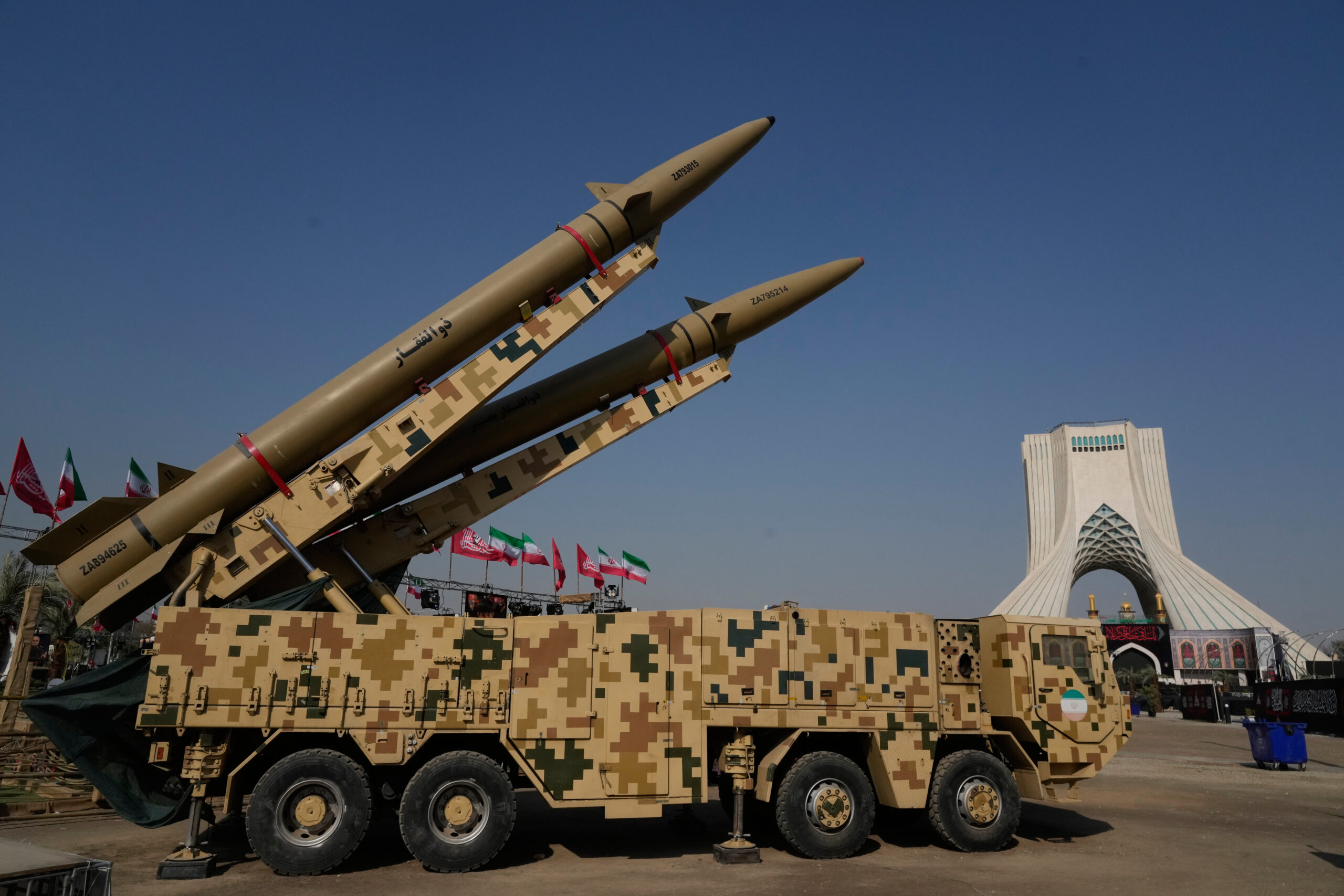
Iran’s Collective Strategic Decision Making
Wartime pressure has temporarily aligned the leadership’s overriding interest in regime survival, even as its members continue to differ over the costs, methods, and ultimate objectives of the war.
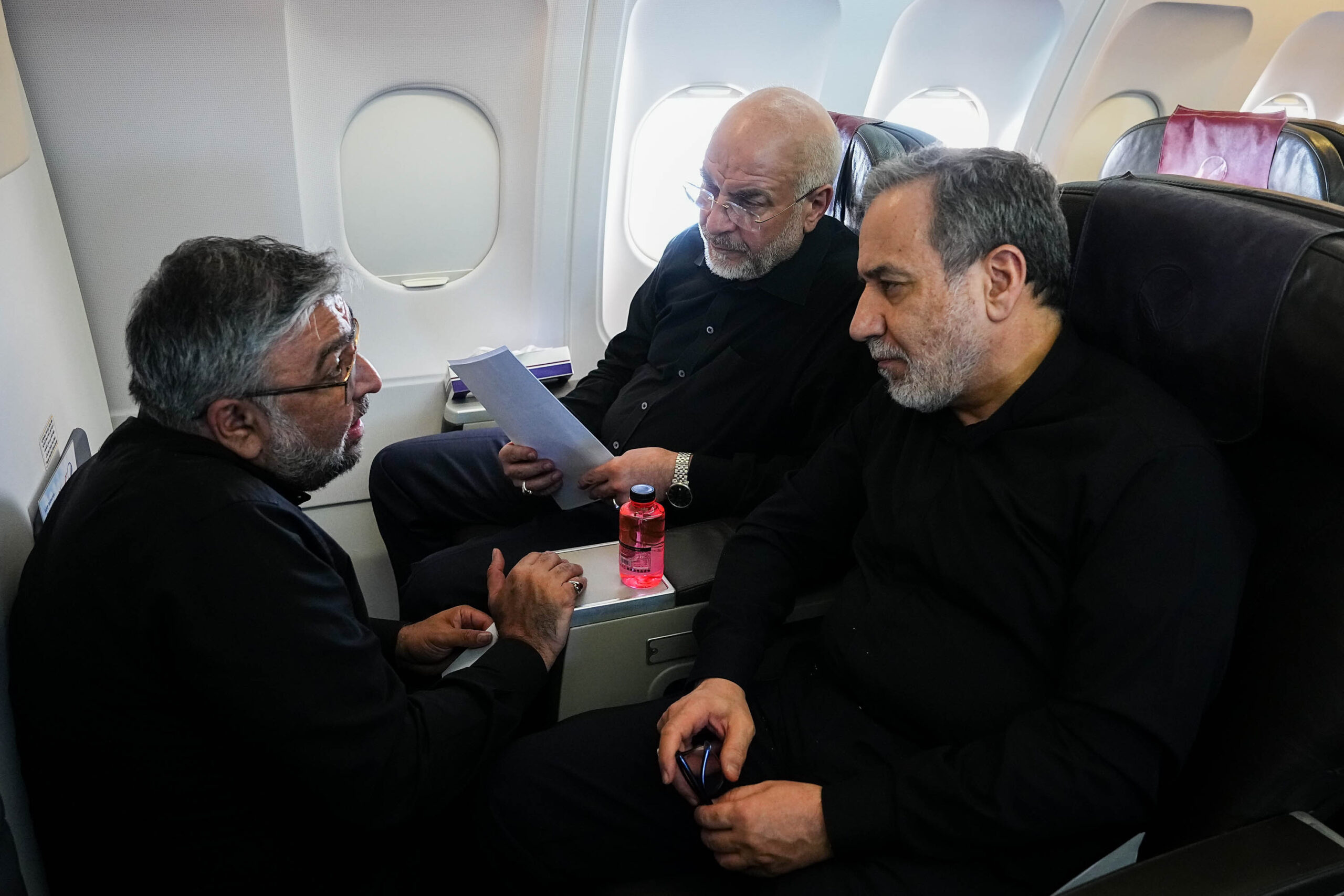
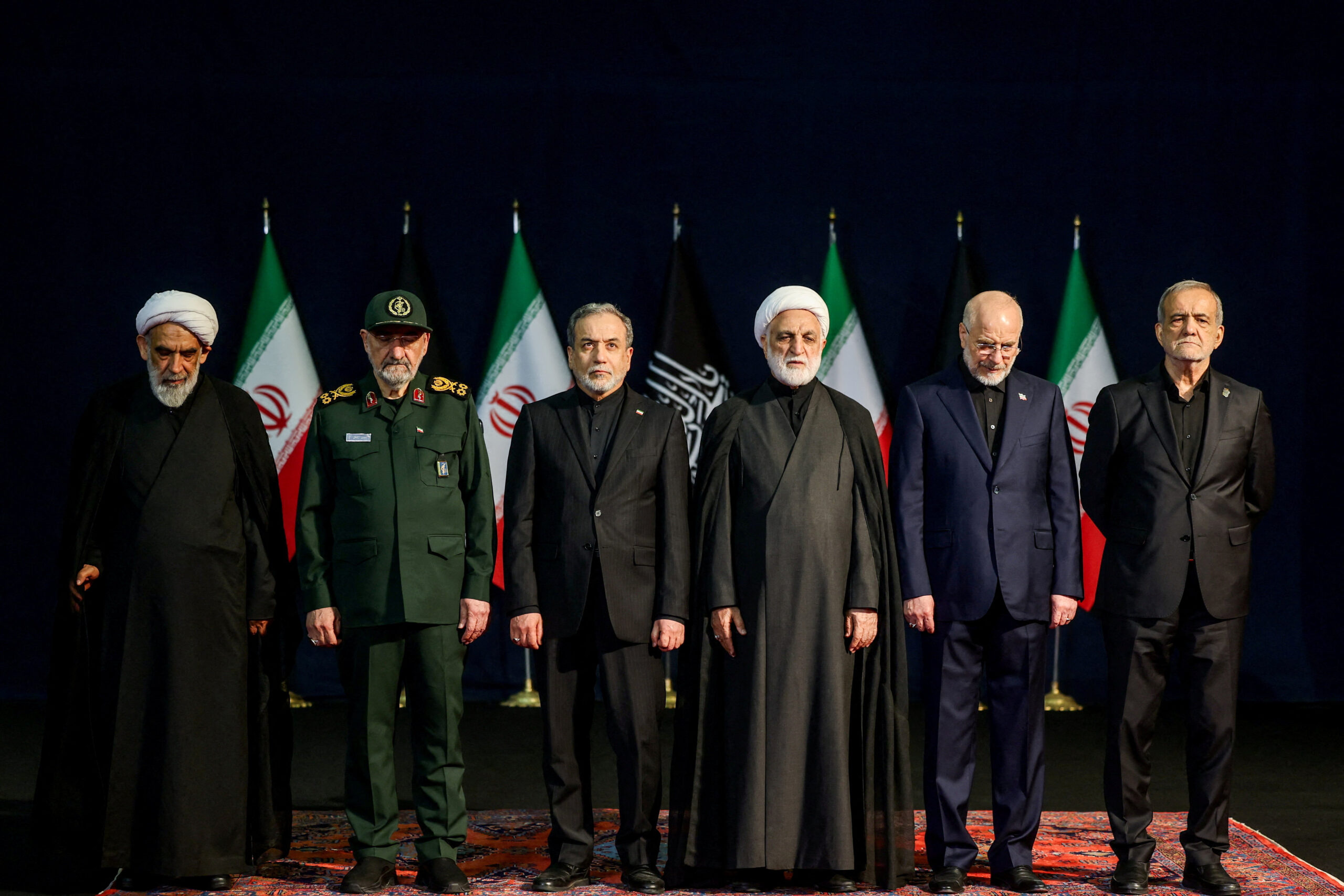
The Islamic Republic’s Collective Leadership
While there is historical precedent for collective leadership in Iran, today’s leadership includes representatives of the IRGC and regular military – a reflection of the IRGC’s expanding role and the necessities of governing under wartime conditions.
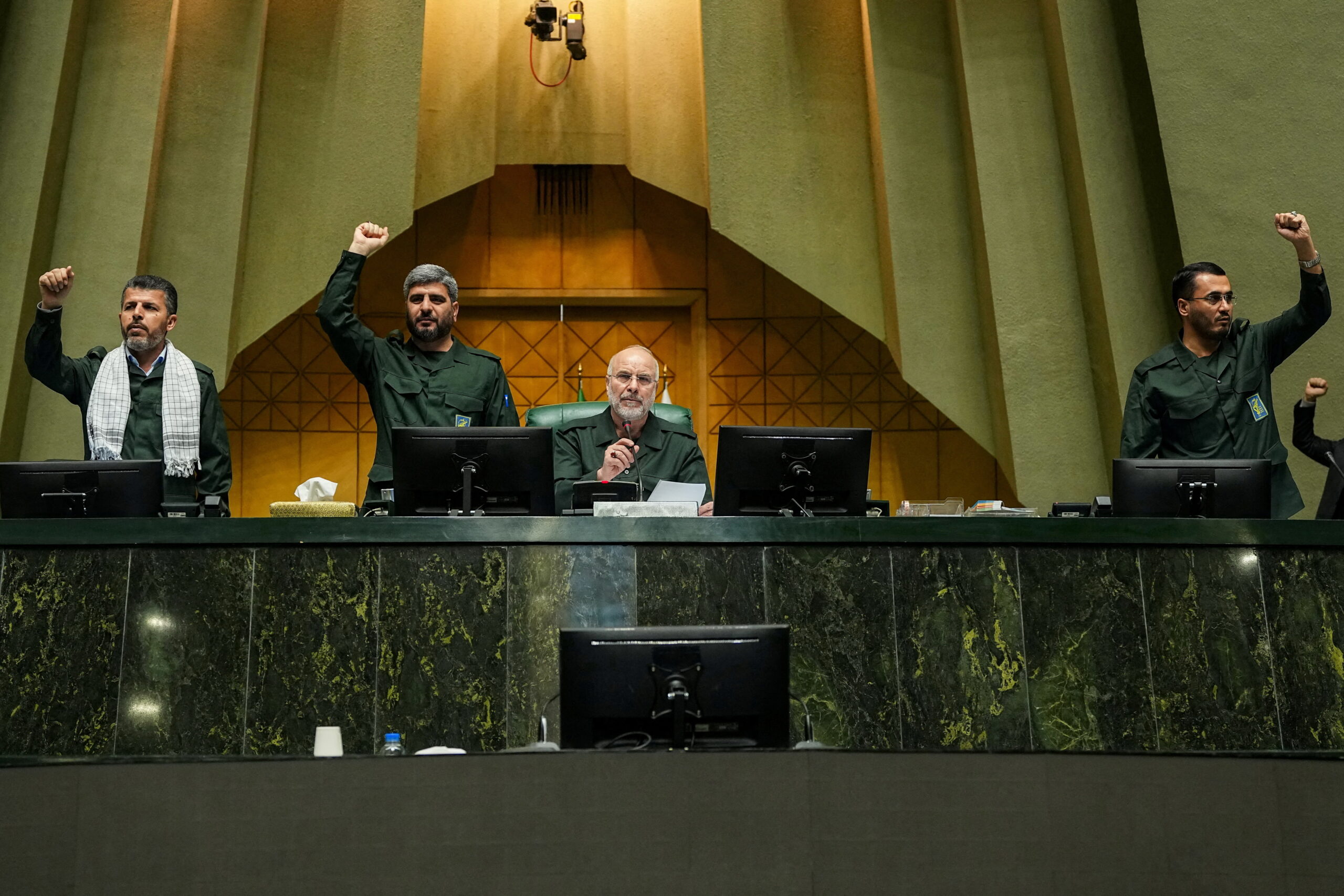
How Did the IRGC Seize Power in Iran?
The IRGC did not seize power in a single stroke. It accumulated it – patiently, methodically – until no counterweight remained.
Events
Book Talk: Iran and the Bomb: The United States, Iran and the Nuclear Question
On June 16, AGSI hosted a discussion on the evolution of Iran's nuclear program.
Speakers

Apr 21, 2026
Inside Iran’s Wartime Leadership: Power, Succession, and Regime Stability
On April 21, AGSI hosted a discussion on the evolution of Iran's leadership during the war.
Speakers

Mar 18, 2026
In Its Conflict With the United States and Israel, Does Escalation Favor Iran?
On March 18, AGSI hosted a discussion on the escalation of the Iran war.
Speakers


Mar 2, 2026
After the Shock: Implications of the U.S.–Israeli Strikes and Iran’s Leadership Transition
On March 2, AGSI hosted a discussion on the U.S.-Israeli strikes on Iran.
Speakers