Jan 13, 2023
Iran International TV at the Center of Iran-Saudi Arabia Talks
Since its launch in May 2017, the London-based (but reportedly Saudi owned), Persian-language Iran International TV has served as a media platform for all individuals and groups opposing the Islamic Republic, playing a role in Iran not dissimilar to that of Al Jazeera during the Arab Spring uprisings. The Islamic Republic designated Iran International a...

Since its launch in May 2017, the London-based (but reportedly Saudi owned), Persian-language Iran International TV has served as a media platform for all individuals and groups opposing the Islamic Republic, playing a role in Iran not dissimilar to that of Al Jazeera during the Arab Spring uprisings. The Islamic Republic designated Iran International a “terrorist organization,” on charges of inciting anti-government riots, and there are constant reports of harassment of family members of the network’s journalists within Iran. It is therefore hardly surprising that Iranian officials condition normalization of relations between Tehran and Riyadh, hopes for which were recently revived as Iranian and Saudi officials met in Brazil, on the closure or, at the very least, change of behavior of Iran International TV.
- January 5: Mohammad Hosseini, Iran’s vice president for parliamentary affairs, commenting on his meeting with Saudi Foreign Minister Faisal bin Farhan, was quoted by Jamaran News as saying: “Iran and Saudi Arabia are prepared for continued negotiations. Our emphasis is continuation of the Baghdad talks … The Saudi party insists the talks must continue and address matters of mutual concern before restoration of relations between the two countries … We too insist the Baghdad talks must continue. In the wake of the recent unrest, certain countries stopped negotiating but have now understood they must continue the dialogue with the Islamic Republic.” Hosseini also said: “Iran International Television Network played an important role in the recent unrest, which must be investigated. It must be discussed in these talks. If the Saudis have certain concerns, which they bring forward, it is also apparent to this side as well that the media warfare was supported by Saudi Arabia. At any rate, both parties are ready for continued negotiations. For the time being, the political relations are severed, but the two countries can maintain political relations, in spite of having conflicts in a certain field.”
- January 7: A large number of Iranian media outlets, including the centrist daily Ettelaat, reported Russian Sputnik News’ commentary on the alleged “expected positive outcome of Iran-Saudi Arabia negotiations,” in the wake of the January 2 meeting between the Saudi foreign minister and Iranian vice president in Brazil. Quoting Sputnik News’ analysis, the Ettelaat report stated: “Statements by Tehran officials show that Saudi Arabia is interested in continued negotiations, even though the previous five rounds of negotiations did not show significant progress” and stressed the Iraqi prime minister too is interested in continuing the role of his predecessor as mediator between Iran and Saudi Arabia, in particular concerning the conflict in Yemen. The Ettelaat report ended with the concluding words of the Sputnik News analysis, claiming Saudi Arabia is “inclined to improve relations with Iran due to the poor state of Saudi-American relations.”
- January 7: In a very different take, reformist daily Etemad printed a Persian translation of a Wall Street Journal piece arguing the “threat of Iran has reduced tensions between Riyadh and Washington.”
- January 7: Majid Nouri, a Middle East analyst, in analysis in centrist Afkar News asked whether “Iran-Saudi reconciliation is nigh,” and concluded the result is conditioned on an end to “vast financial support to the terrorist Iran International Television network during the recent unrest.”
The views represented herein are the author's or speaker's own and do not necessarily reflect the views of AGSI, its staff, or its board of directors.
Related
Iran Media Review
Mar 13, 2026
Quds Day in Iran
The March 13 edition of the Iran Media Review examines Iranian media reports of regime defiance at Quds Day rallies as the U.S.-Israeli conflict with Iran continues.
Iran Media Review
Mar 10, 2026
New Leader, Old Policy
The March 10 edition of the Iran Media Review analyzes Iranian messaging after the election of a new supreme leader.
Iran Media Review
Mar 6, 2026
Tehran Warns Iraq’s Kurdistan Regional Government
The March 6 edition of the Iran Media Review highlights an Iranian military official’s warning to the Kurdistan Regional Government to stay out of the escalating U.S.-Israeli conflict with Iran.
Mar 13, 2026
Quds Day in Iran
The March 13 edition of the Iran Media Review examines Iranian media reports of regime defiance at Quds Day rallies as the U.S.-Israeli conflict with Iran continues.
Mar 10, 2026
New Leader, Old Policy
The March 10 edition of the Iran Media Review analyzes Iranian messaging after the election of a new supreme leader.
Mar 6, 2026
Tehran Warns Iraq’s Kurdistan Regional Government
The March 6 edition of the Iran Media Review highlights an Iranian military official’s warning to the Kurdistan Regional Government to stay out of the escalating U.S.-Israeli conflict with Iran.
Analysis
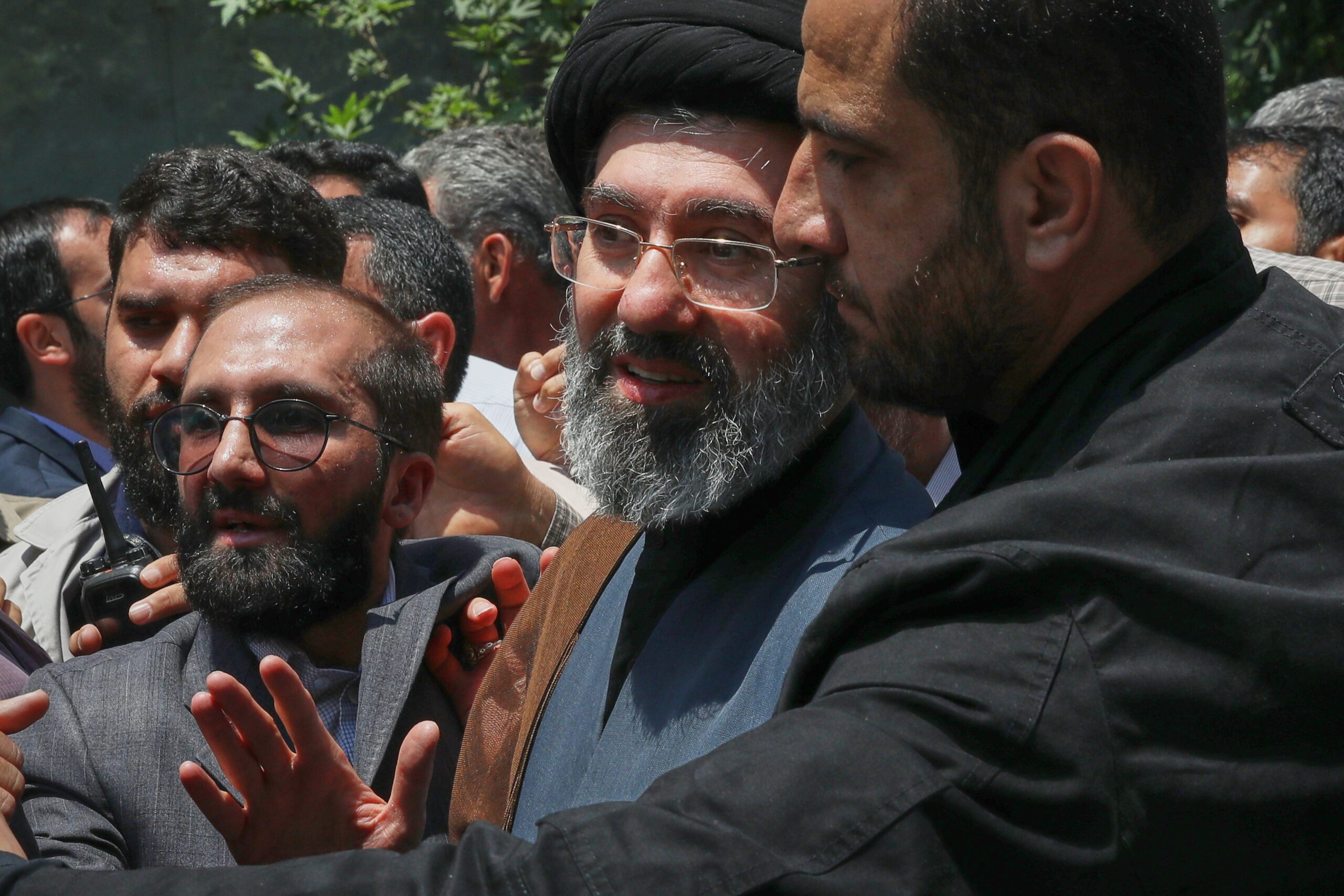
Under Mojtaba, the IRGC Will Reign Supreme
Iran may still call itself an Islamic Republic. In practice, however, it increasingly resembles a state in which the military governs from behind clerical robes.
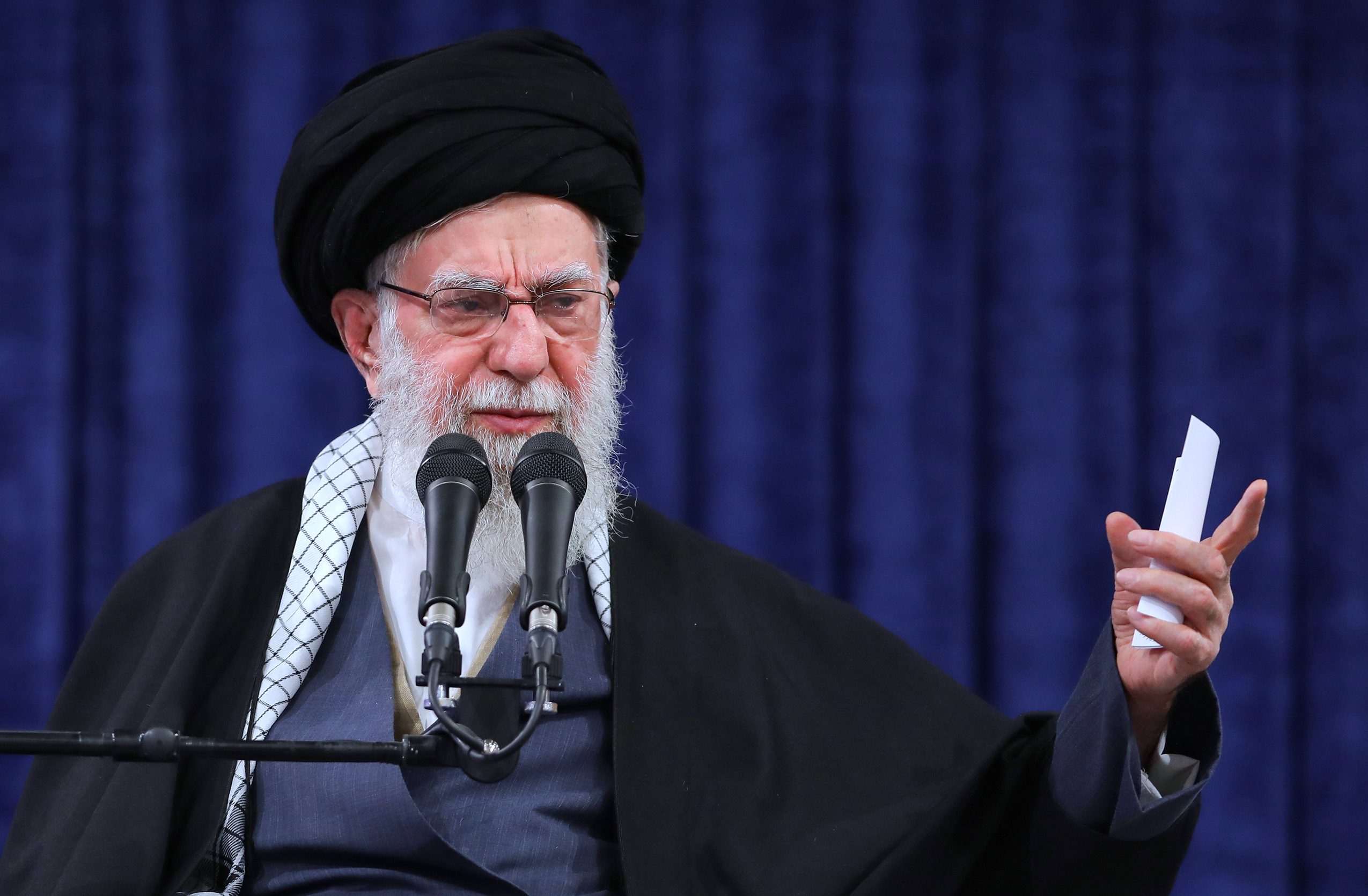
Political Life and Legacy of Iran’s Ayatollah Khamenei
Ayatollah Ali Khamenei was killed in his office in Tehran at age 86, leaving behind a country in ruins and on the verge of civil war and potential disintegration.
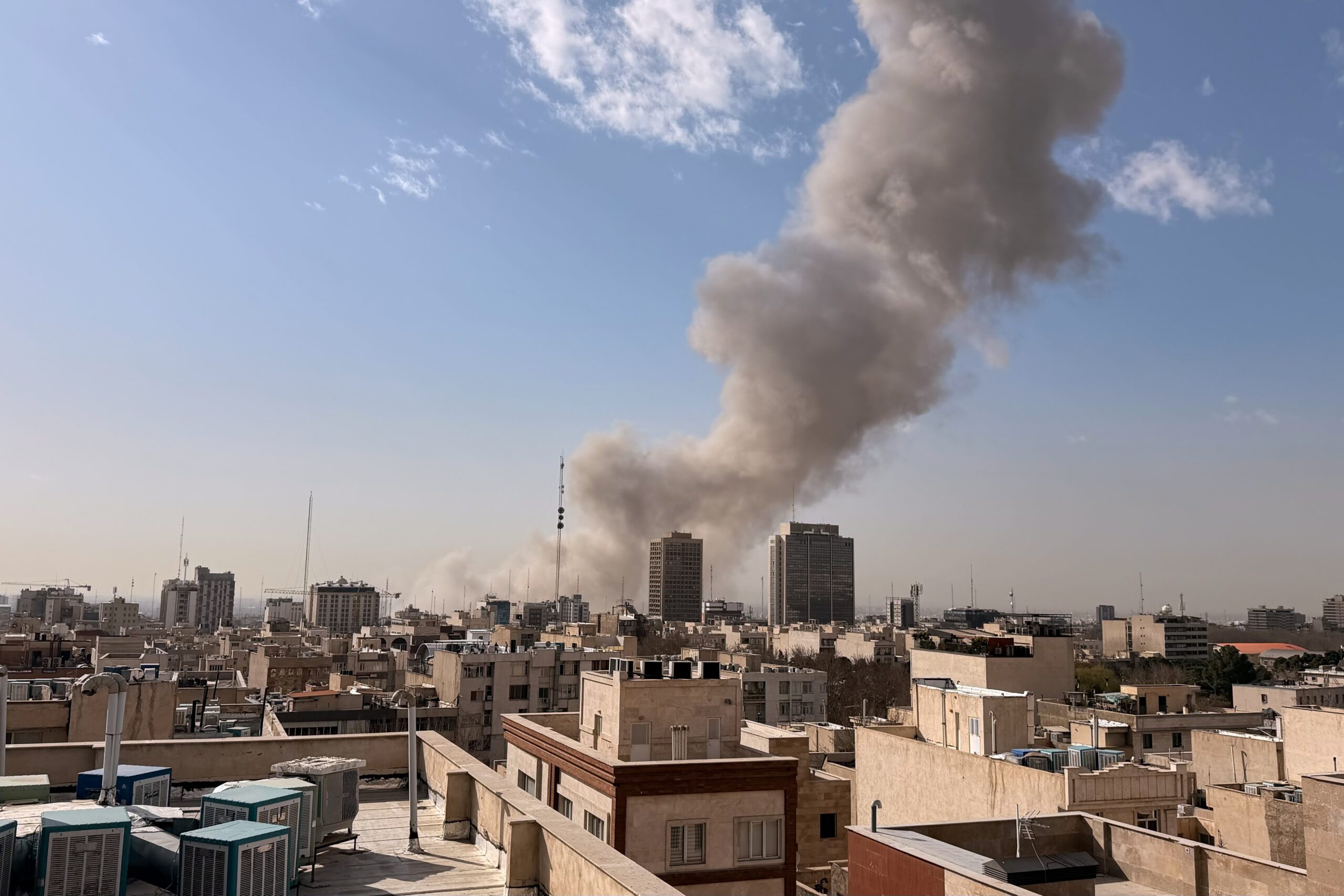
Iranian Regime Fighting for Survival
Iran is signaling that it will not absorb attacks passively. But whether this strategy ensures the regime’s survival, seals its fate, or accelerates a broader catastrophe will shape the region for years to come.
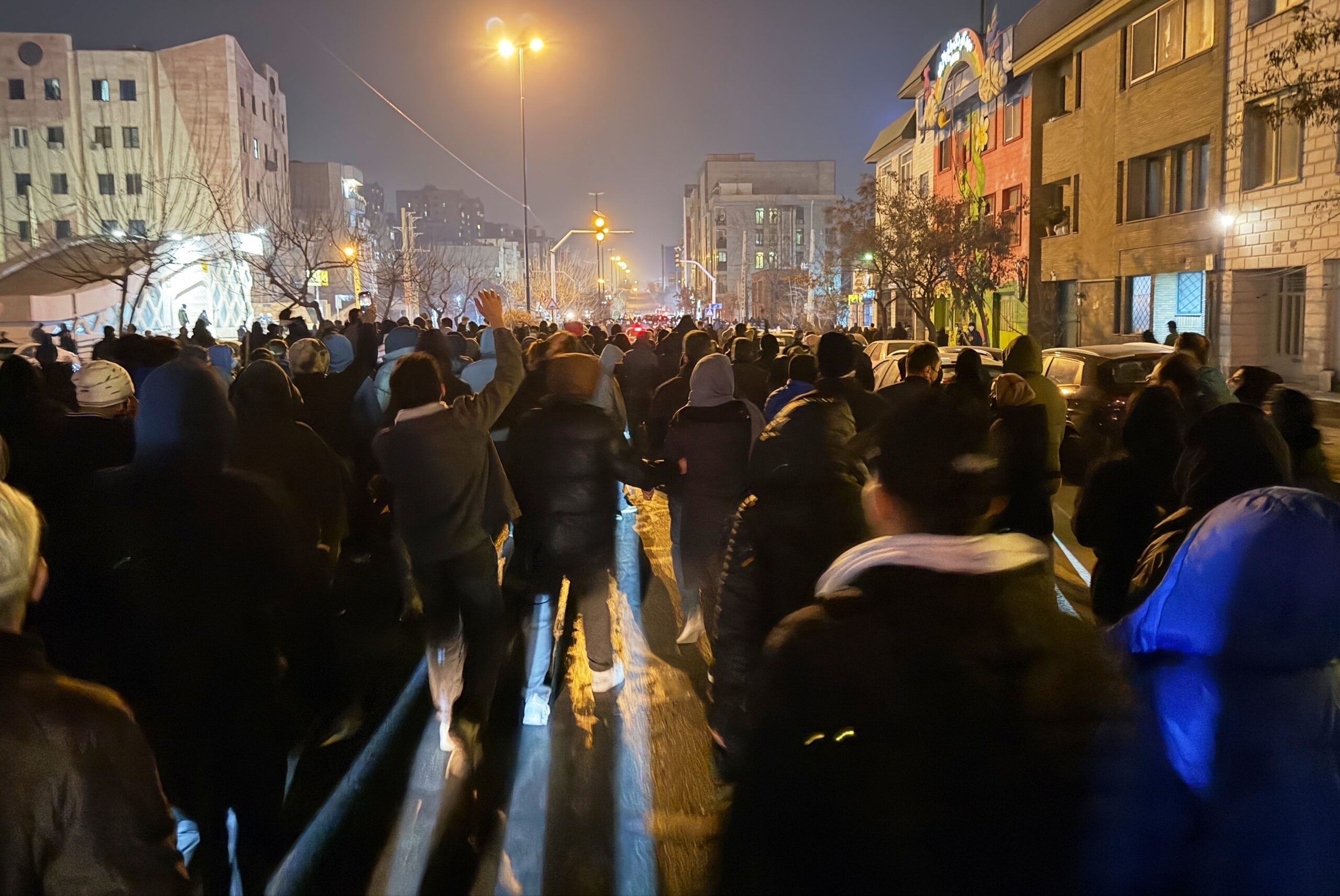
Iran’s 2025-26 Protests in Perspective
The erosion of the regime’s legitimacy across broad segments of society, combined with the breadth of the 2025-26 protest coalition, raises the possibility that a new confrontation could trigger renewed anti-regime mobilization.
Events
Mar 2, 2026
After the Shock: Implications of the U.S.–Israeli Strikes and Iran’s Leadership Transition
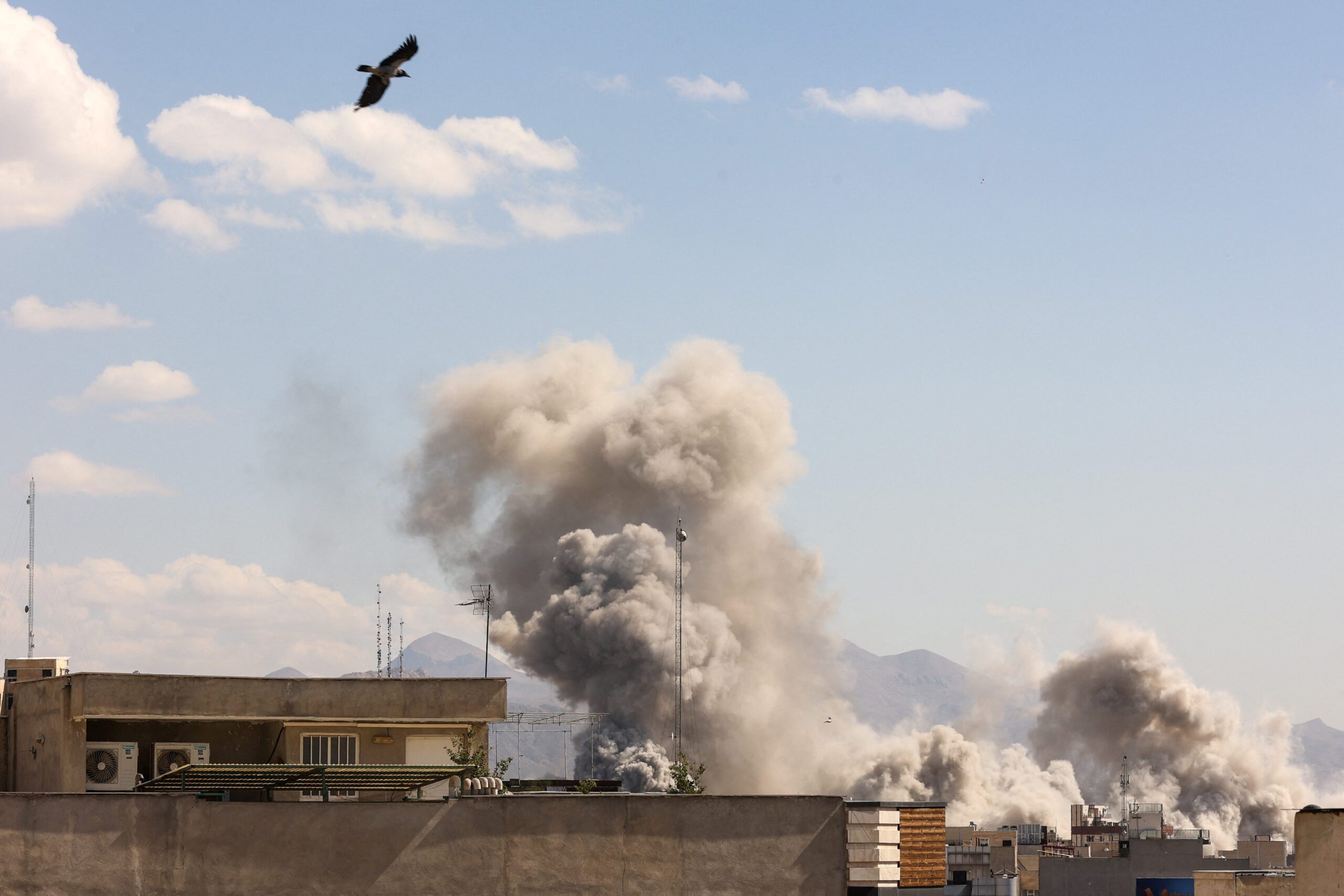
On March 2, AGSI hosted a discussion on the U.S.-Israeli strikes on Iran.
Speakers




Jan 8, 2026
Outlook 2026: Prospects and Priorities for U.S.-Gulf Relations in the Year Ahead
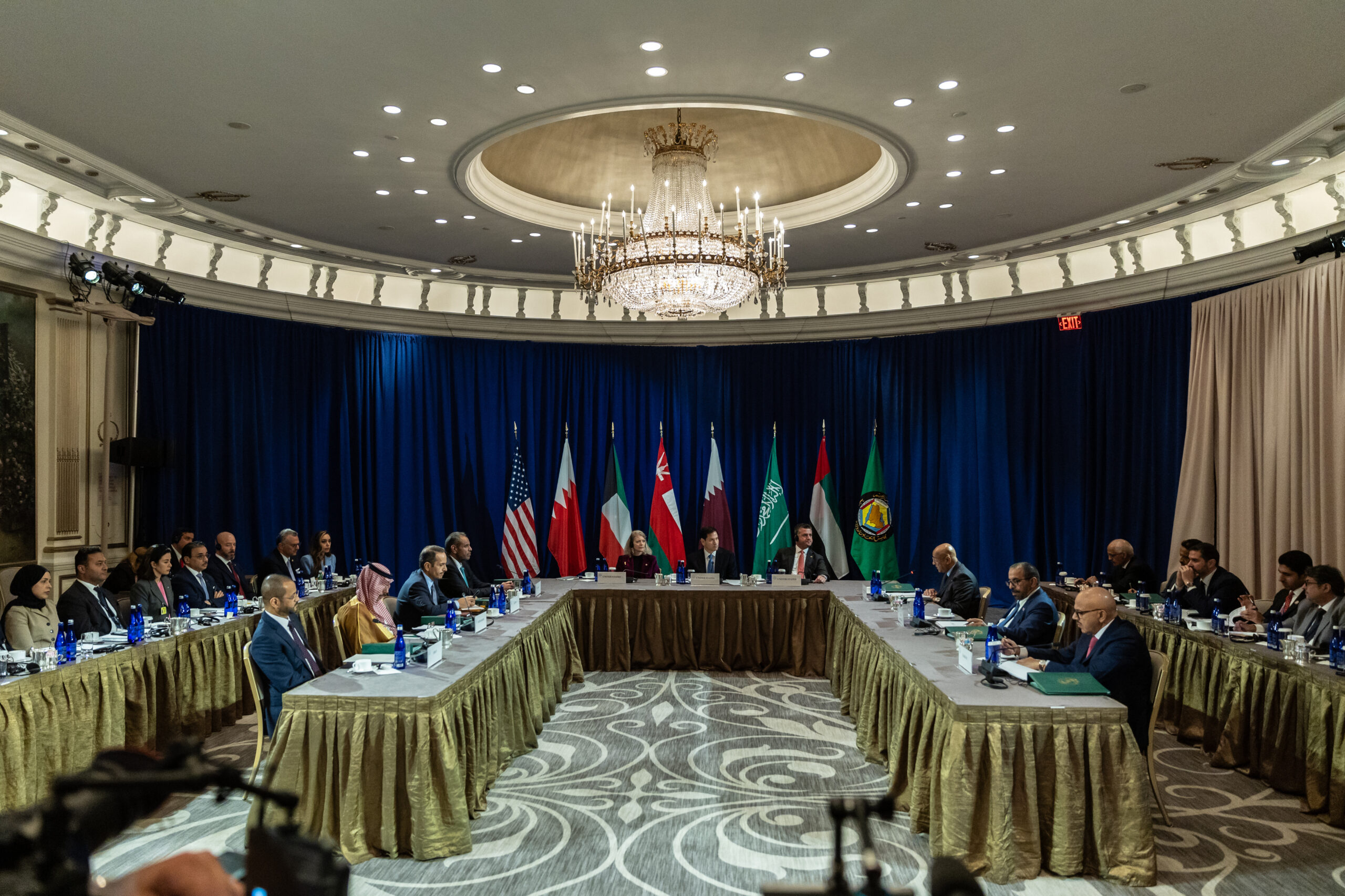
On January 8, AGSI hosted a virtual roundtable with its leadership and scholars as they look ahead and assess trends likely to shape the Gulf region and U.S. foreign policy during the coming year.
Speakers



Sep 16, 2025
Book Talk: Iran’s Grand Strategy: A Political History
On September 16, AGSI hosted a discussion on the roots of Iran's strategic outlook.
Speakers
Jun 23, 2025
U.S. Strike on Iran: Regional and Diplomatic Fallout
On June 23, AGSI hosted a discussion on the United States' attack on Iranian nuclear sites.
Speakers
