Dec 3, 2024
Iran-Allied Syria on the Verge of Collapse or Defection
The December 3 edition of the Iran Media Review examines Iranian commentary on Hayat Tahrir al-Sham’s offensive in Syria.

The fall of Aleppo in Syria to Hayat Tahrir al-Sham, a group the United States designated a foreign terrorist organization in May 2018, may be worse news for Iran than the United States, as it may prove a prelude to either the collapse or defection of President Bashar al-Assad’s regime from Iran’s camp. While the rapidity of this development may have taken some observers by surprise, Iranian media outlets point out that the evolving power dynamics in Syria were long evident. Lebanese Hezbollah, a strategic ally of Syria and a linchpin in Iran’s “axis of resistance,” is in disarray. Having incurred devastating losses in Lebanon, it has redeployed many of its forces from Syria to Lebanon to confront Israel. Iran, Hezbollah’s primary patron, is increasingly constrained in financing its regional alliances, while Russia, whose aerial campaigns were instrumental in preserving the Assad regime, has deprioritized Syria amid its protracted conflict in Ukraine. Additionally, the Assad regime, perhaps under Israeli pressure and enticed by wealthy Arab states, has sought to distance itself from Tehran, and may even have curtailed arms transfers to Hezbollah. With the United States maintaining only a minimal military footprint in Syria and a complete withdrawal expected once President-elect Donald J. Trump returns to office, the geopolitical calculus has shifted. Tahrir al-Sham, reportedly backed by Turkey, has seized the opportunity to expand its territorial gains in this fragmented and volatile environment. Whether the group overthrows the Assad regime or causes the Assad regime to defect from Iran’s camp and seek protection from Israel, Iran stands to lose out.
- November 30: Nour News Agency, a mouthpiece of the Supreme National Security Council, commented on developments in Syria:
- “Simultaneous with the cease-fire in Lebanon, and five years since the Sochi agreement that led to a cease-fire in northern Syria, Tahrir al-Sham terrorists have launched expansive operations in Aleppo and the eastern suburbs of Idlib … Although media supporting Tahrir al-Sham aim to glorify Abu Mohammad al-Julani, the group’s leader, it is evident that a joint command center involving the United States, the Zionist regime, and their regional allies is orchestrating the offensive … The group’s role is merely that of mercenaries.”
- “The operation is unfolding amid crises faced by Hezbollah, Russia, and Iran … Israel and the United States have leveraged these circumstances to enable Tahrir al-Sham’s resurgence, aiming to counterbalance their losses to the Syrian army and its allies.”
- “Bashar Assad’s recent visit to Moscow amid heightened hostilities in northern Syria may have been an attempt to solicit Russian support. However, Assad is well aware that the Islamic Republic of Iran has been Syria’s steadfast ally throughout the conflict, bearing significant sacrifices. Today, the only viable path for Syria’s salvation lies in harnessing the capacities of the axis of resistance.”
- December 1: Kayhan’s front page featured the headline: “Hundreds of Terrorists Killed in Two Days, Aid and Reinforcement Coming.”
- December 3: In a telephone call with Assad, Iranian President Masoud Pezeshkian said, as reported on his website:
- “Preservation of the regime and territorial integrity of Syria is Iran’s regional strategy … Iran supports the government and the nation of Syria … We believe that Syria will, once again, prove victorious against Zionist conspiracies against security and stability in Syria.”
The views represented herein are the author's or speaker's own and do not necessarily reflect the views of AGSI, its staff, or its board of directors.
Related
Iran Media Review
Nov 26, 2024
Renewed Speculation About Succession After Khamenei
The November 26 edition of the Iran Media Review analyzes recent discussion around who might succeed Supreme Leader Ayatollah Ali Khamenei.
Iran Media Review
Nov 22, 2024
Trump Optimism in Tehran
The November 22 edition of the Iran Media Review highlights commentary presenting an optimistic outlook on opportunities for Iran under Trump’s second term as president.
Nov 26, 2024
Renewed Speculation About Succession After Khamenei
The November 26 edition of the Iran Media Review analyzes recent discussion around who might succeed Supreme Leader Ayatollah Ali Khamenei.
Nov 22, 2024
Trump Optimism in Tehran
The November 22 edition of the Iran Media Review highlights commentary presenting an optimistic outlook on opportunities for Iran under Trump’s second term as president.
Analysis
The Committee of Six and Strategic Decision Making in Iran
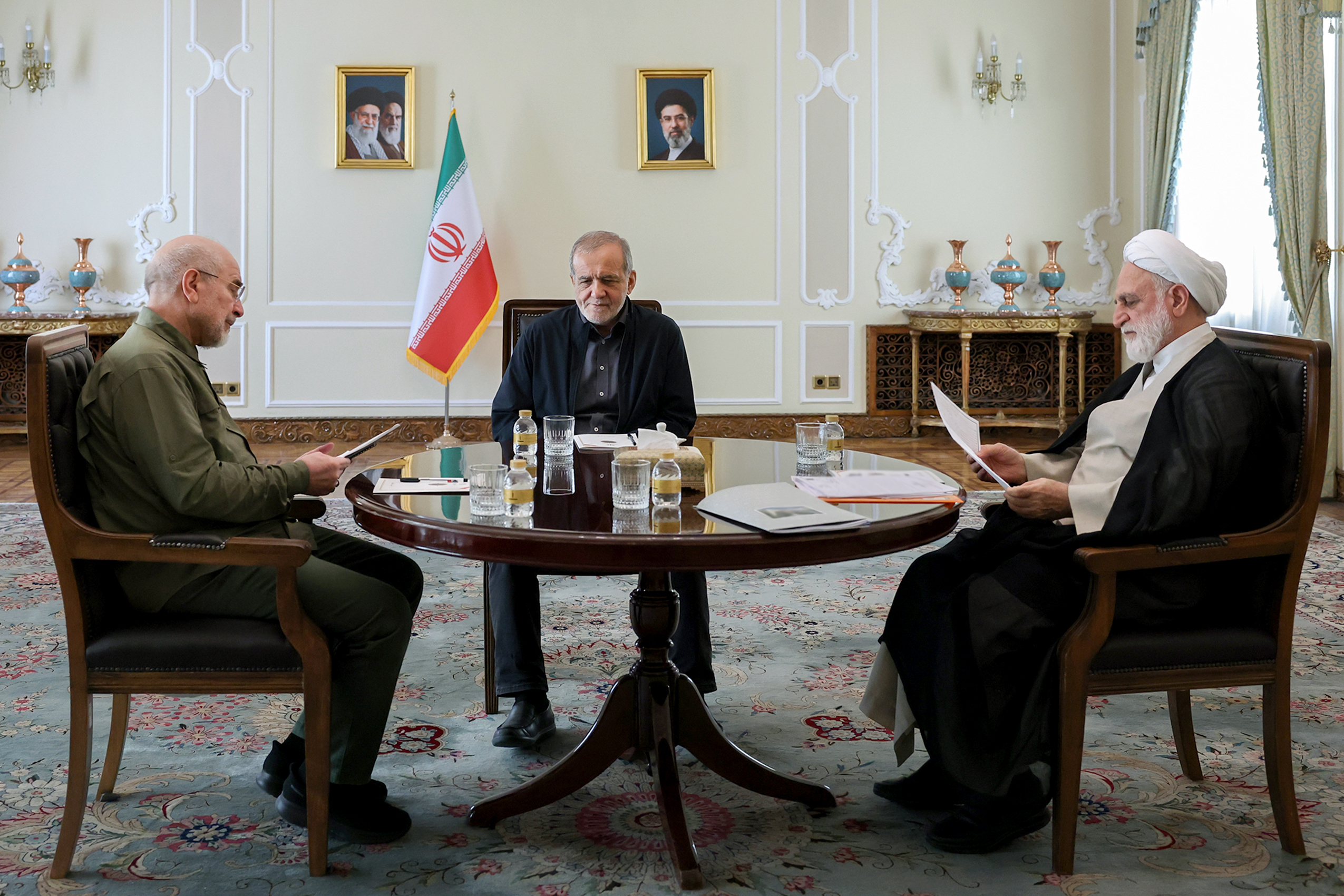
Remarks by Iran’s president offer a rare glimpse of how the Islamic Republic has adapted its decision making to the absence of its supreme leader.
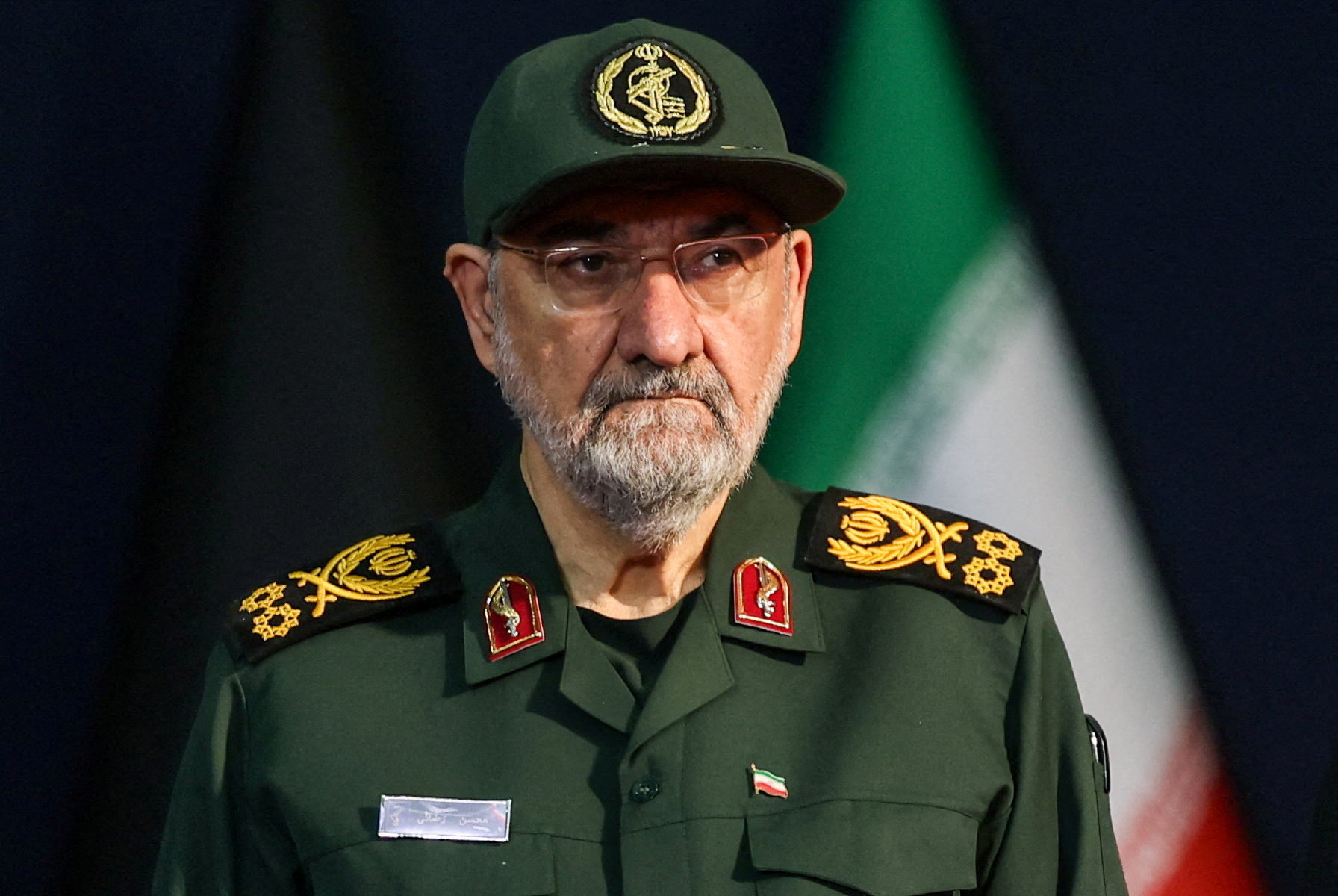
Mohsen Rezaei at the Helm of Iran’s Supreme National Security Council
Under Rezaei, the SNSC could prove constructive or paralyze strategic decision making.
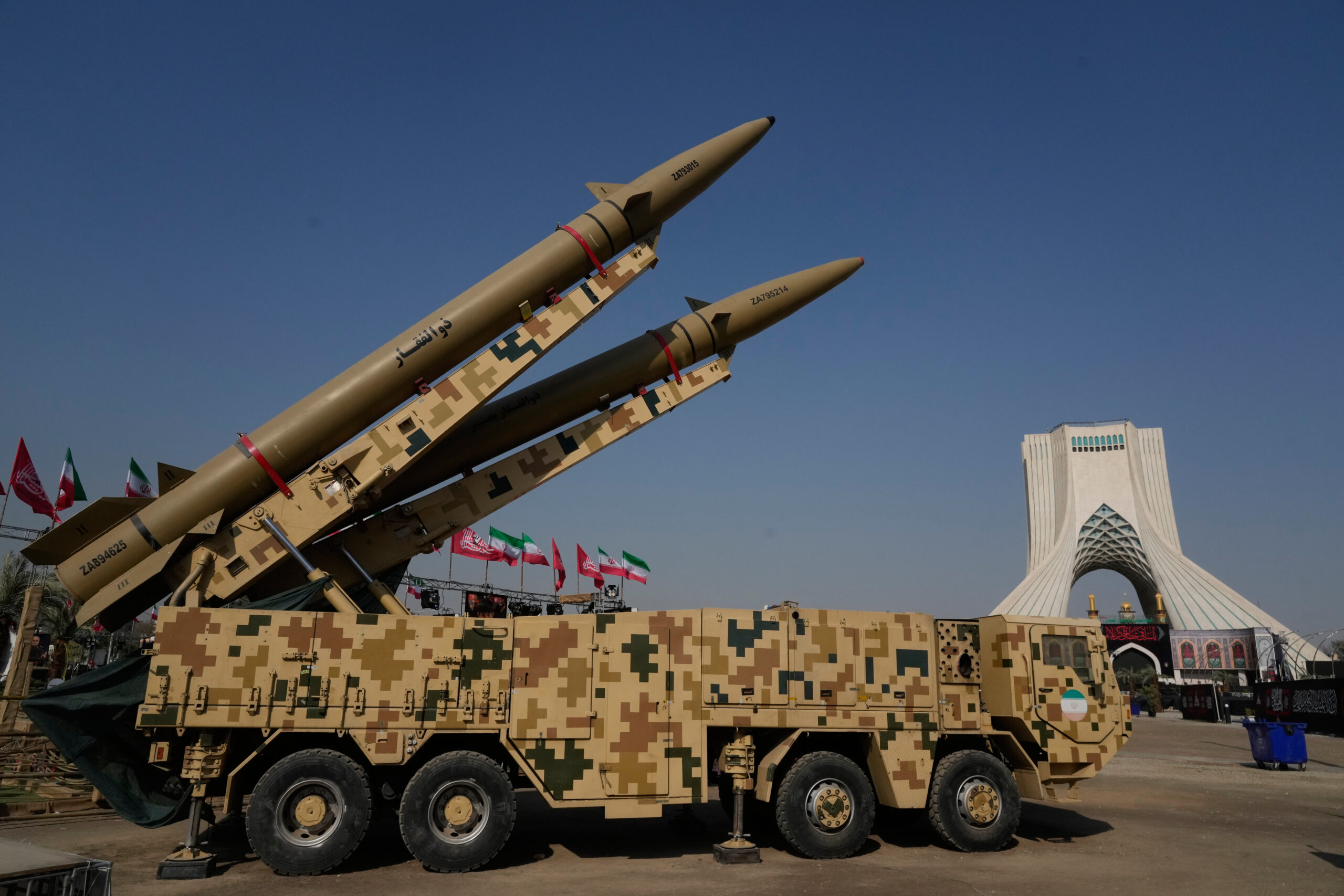
The Islamic Republic Returns to Offense
After U.S.-Israeli strikes killed Supreme Leader Ayatollah Ali Khamenei on February 28, Iran’s collective leadership has concluded that the best defense is a good offense.
Iran’s Collective Strategic Decision Making
Wartime pressure has temporarily aligned the leadership’s overriding interest in regime survival, even as its members continue to differ over the costs, methods, and ultimate objectives of the war.
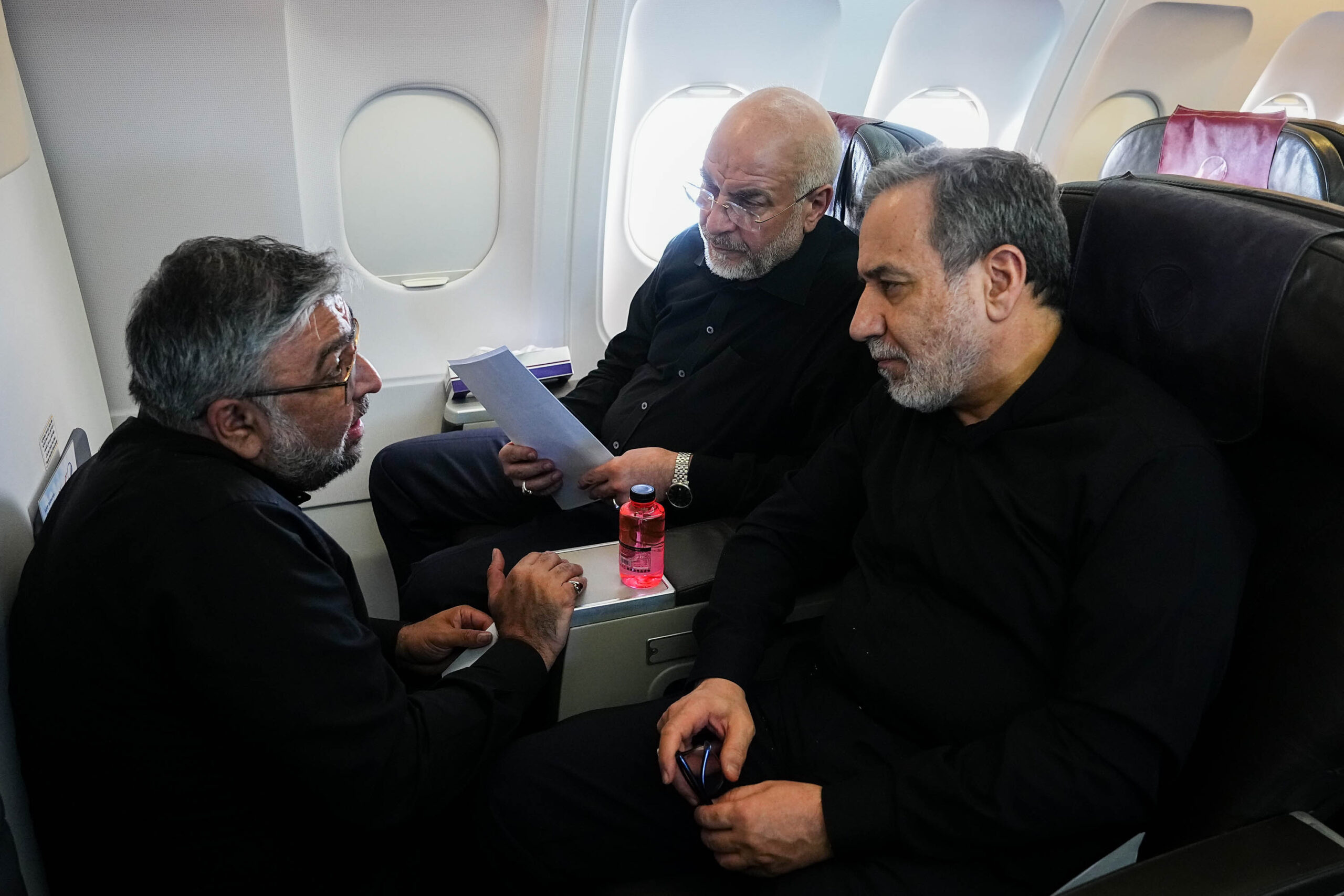
Events
Oct 6, 2026
Is the U.S.-Iran Stalemate a “New Normal” or the Prelude to Another Explosion?
On October 6, AGSI hosted a discussion on the U.S.-Iran stalemate and the prospects for a cease-fire.
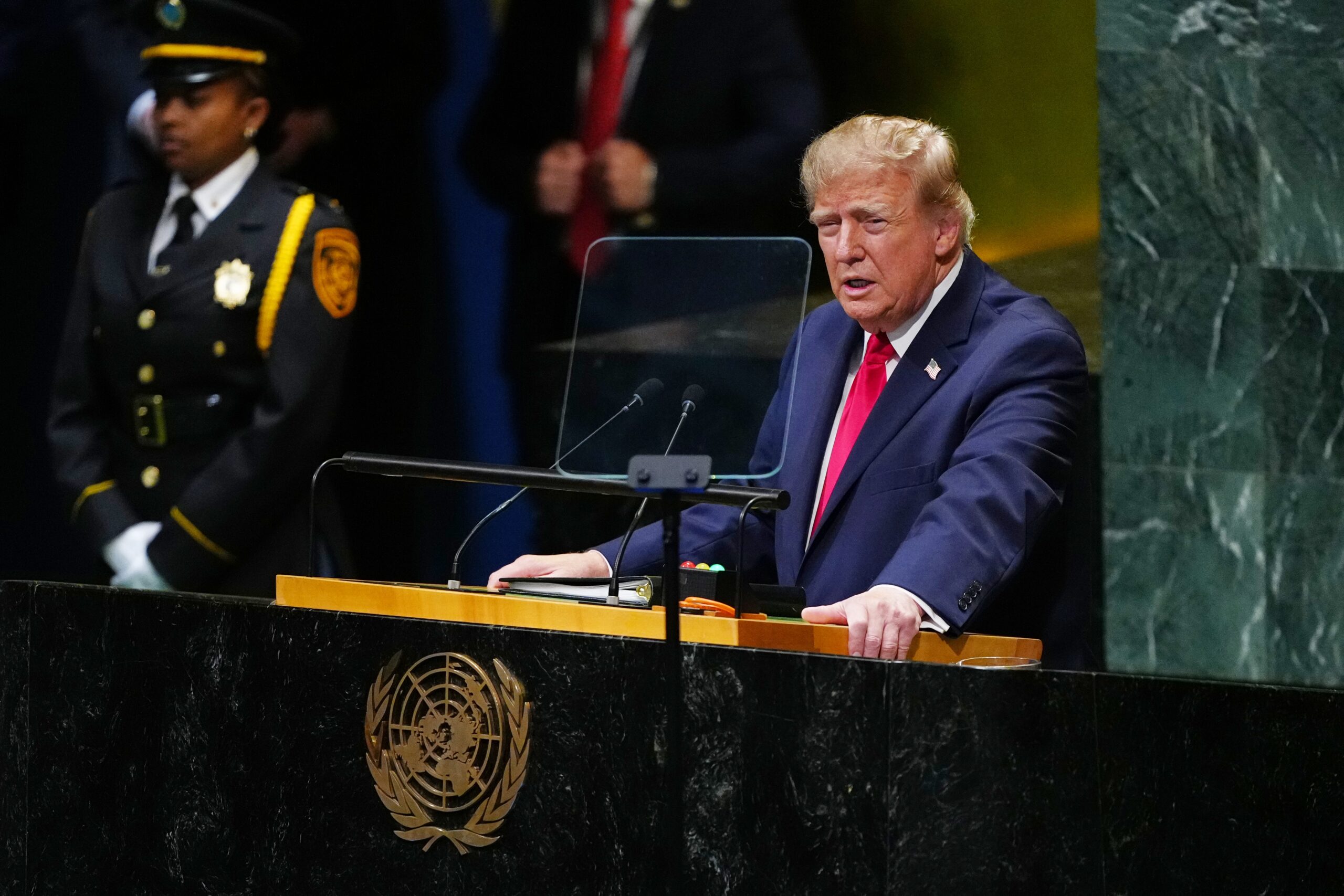
Speakers



Book Talk: Iran and the Bomb: The United States, Iran and the Nuclear Question
On June 16, AGSI hosted a discussion on the evolution of Iran's nuclear program.
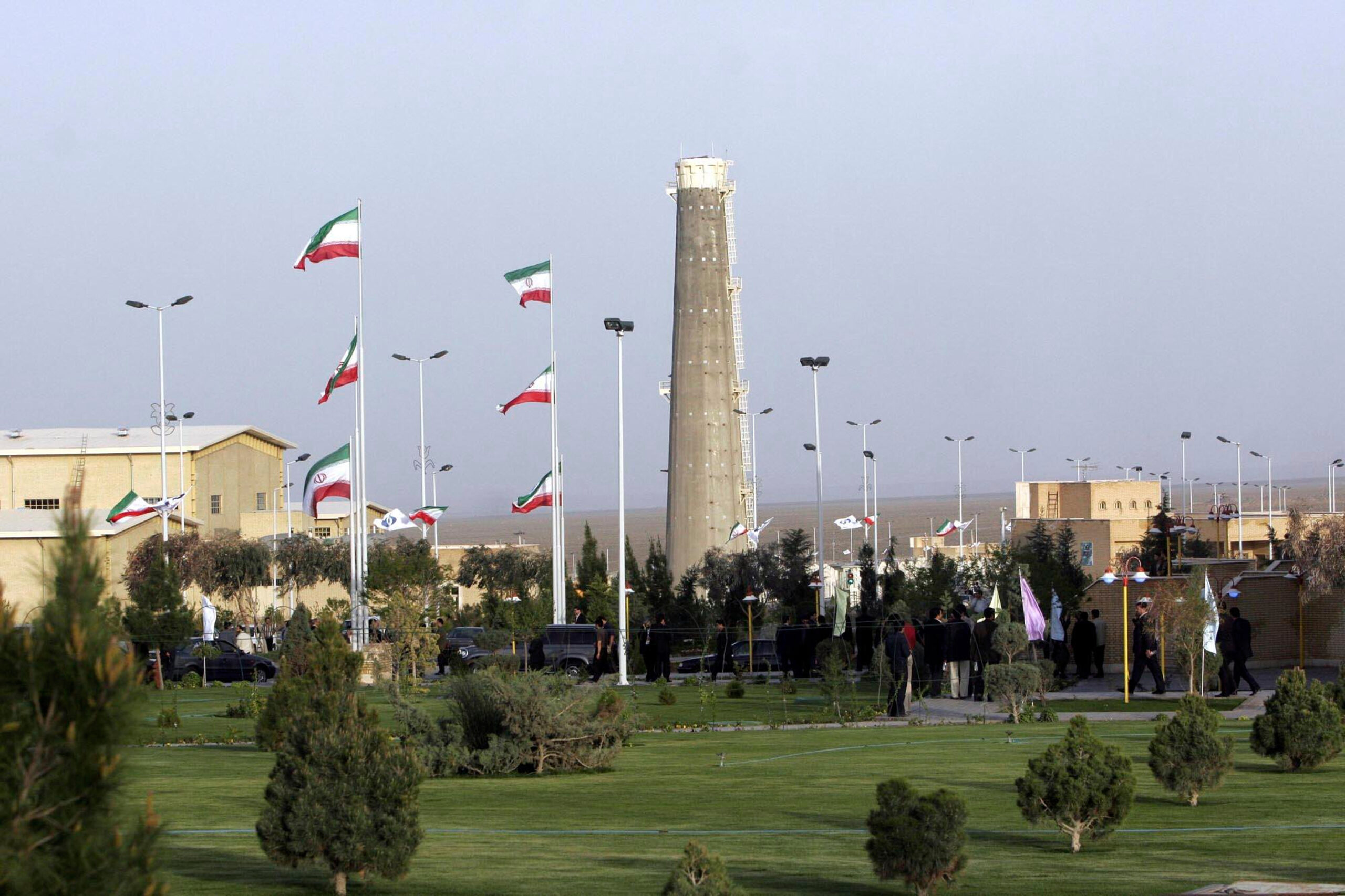
Speakers
Apr 21, 2026
Inside Iran’s Wartime Leadership: Power, Succession, and Regime Stability
On April 21, AGSI hosted a discussion on the evolution of Iran's leadership during the war.
Speakers

Mar 18, 2026
In Its Conflict With the United States and Israel, Does Escalation Favor Iran?
On March 18, AGSI hosted a discussion on the escalation of the Iran war.
Speakers