Nov 26, 2024
Renewed Speculation About Succession After Khamenei
The November 26 edition of the Iran Media Review analyzes recent discussion around who might succeed Supreme Leader Ayatollah Ali Khamenei.

On November 7, Iran’s Assembly of Experts met with Supreme Leader Ayatollah Ali Khamenei. In the wake of the meeting, there has been renewed speculation about Khamenei’s health and who might be potential leadership candidates. According to one account, the Assembly of Experts has already identified three potential successors, but their names remain undisclosed.
- November 14: A video of a speech by Hojjat al-Eslam Mohammad-Baqer Heydari Kashani, a well-known public preacher, commenting on Khamenei’s November 7 meeting with the Assembly of Experts, began circulating on social media. In the video, Heydari Kashani said members of the assembly began weeping when Khamenei reportedly told them “There may be a day when I’m no longer among you.”
- November 15: Isfahan’s temporary Friday prayer leader, Ayatollah Abou al-Hassan Mahdavi, was quoted by centrist Asr-e Iran as saying: “The leader of the revolution told the Assembly of Experts to identify a suitable successor … A secret committee in the Assembly of Experts has identified three individuals, in prioritized order … But God be praised, the leader of the revolution is in good health.”
- November 18: In a conversation with Islamic Revolutionary Guard Corps mouthpiece Mashregh News, Hojjat al-Eslam Salah Mirzaei, a member of the Assembly of Experts, dismissed rumors concerning Khamenei’s health:
- “There are some incorrect stories regarding the Assembly of Experts’ meeting with the supreme leader of the revolution that have caused concern among the devout. Two points are worthy of mention: First, the meeting was substantive and optimistic. The photos from the latter part of the meeting and assembly members circling around the leader of the revolution were because the members were conveying the greetings of the people from their constituencies to the leader. The leader has not issued a special order to identify a successor, and no assembly member cried during the meeting.”
- November 21: Heydari Kashani, as quoted by centrist Khabar Online, corrected earlier statements:
- “Nobody wept. Members of the Assembly of Experts told me nobody wept when His Lordship delivered his statements. His Lordship told the Assembly of Experts: ‘Even under the hardest circumstances, the path forward is clear. In the end, the nation and the Assembly of Experts must perform their divine duty,’” a reference to appointing Khamenei’s successor.
The views represented herein are the author's or speaker's own and do not necessarily reflect the views of AGSI, its staff, or its board of directors.
Related
Iran Media Review
Nov 22, 2024
Trump Optimism in Tehran
The November 22 edition of the Iran Media Review highlights commentary presenting an optimistic outlook on opportunities for Iran under Trump’s second term as president.
Iran Media Review
Nov 19, 2024
Iran’s State-Censored Media Reacts to Iravani-Musk Meeting in New York
The November 19 edition of the Iran Media Review analyzes contrasting commentary on a reported meeting between Elon Musk and Iran’s ambassador to the United Nations.
Nov 22, 2024
Trump Optimism in Tehran
The November 22 edition of the Iran Media Review highlights commentary presenting an optimistic outlook on opportunities for Iran under Trump’s second term as president.
Nov 19, 2024
Iran’s State-Censored Media Reacts to Iravani-Musk Meeting in New York
The November 19 edition of the Iran Media Review analyzes contrasting commentary on a reported meeting between Elon Musk and Iran’s ambassador to the United Nations.
Analysis
The Islamic Republic Returns to Offense
After U.S.-Israeli strikes killed Supreme Leader Ayatollah Ali Khamenei on February 28, Iran’s collective leadership has concluded that the best defense is a good offense.
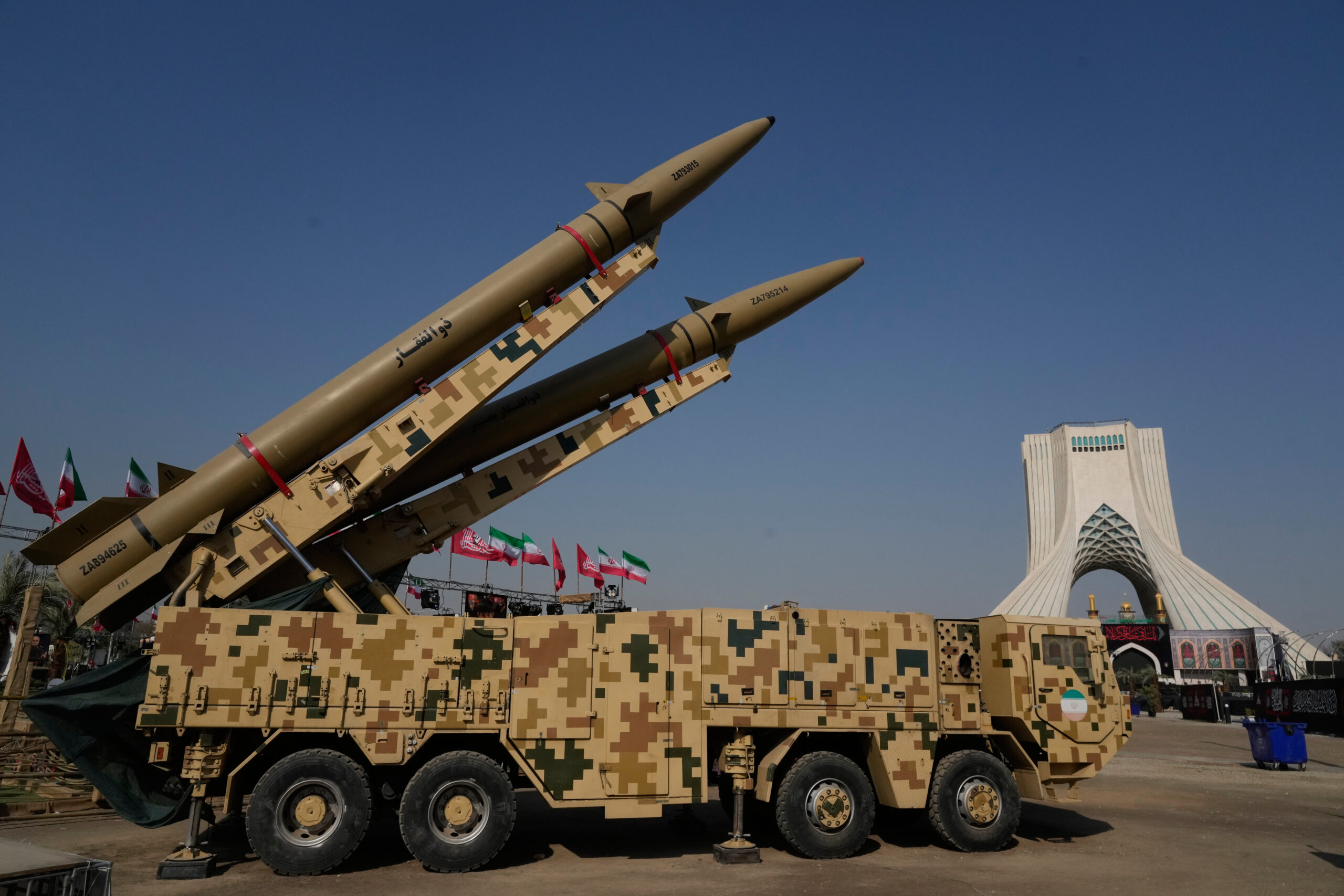
Iran’s Collective Strategic Decision Making
Wartime pressure has temporarily aligned the leadership’s overriding interest in regime survival, even as its members continue to differ over the costs, methods, and ultimate objectives of the war.
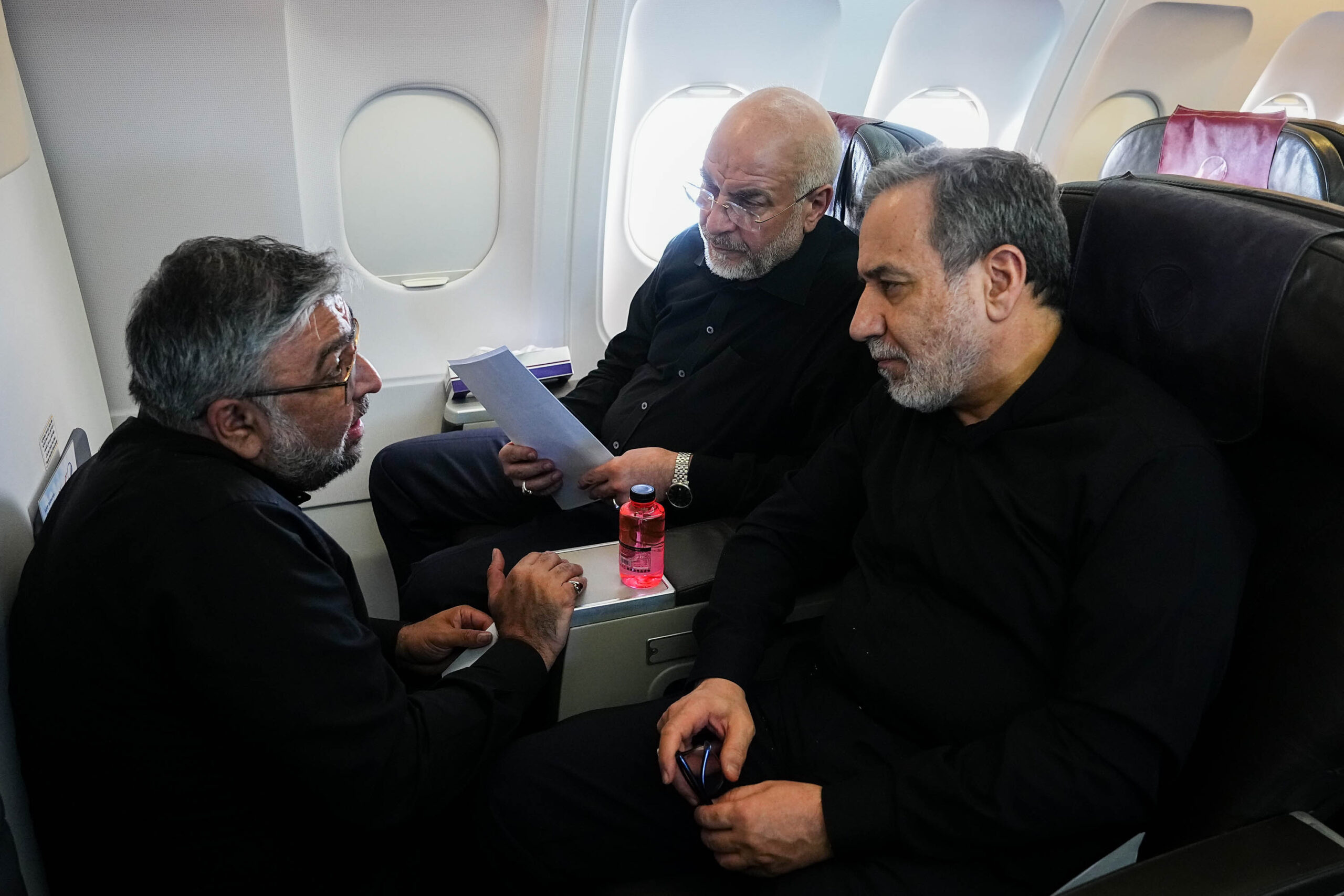
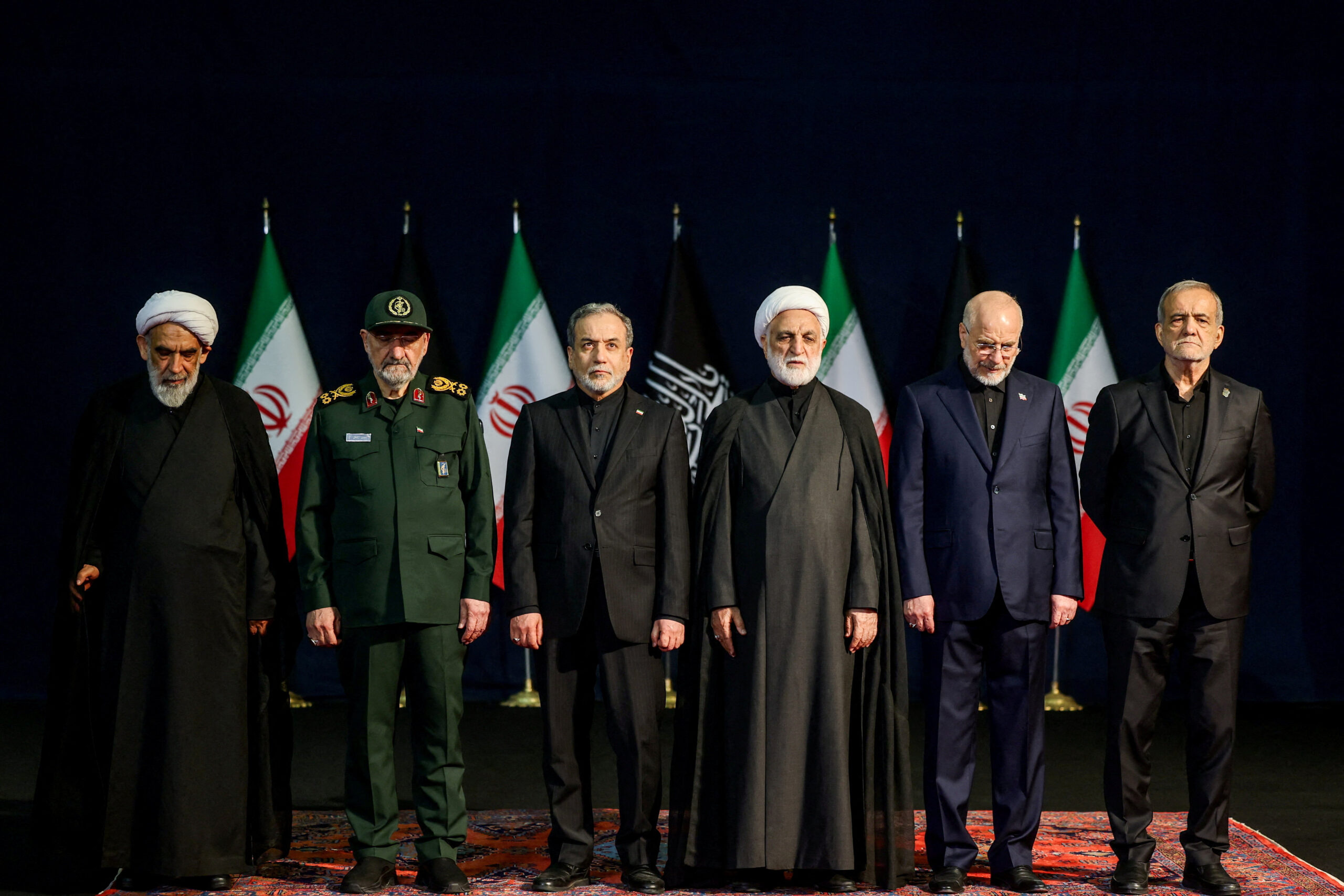
The Islamic Republic’s Collective Leadership
While there is historical precedent for collective leadership in Iran, today’s leadership includes representatives of the IRGC and regular military – a reflection of the IRGC’s expanding role and the necessities of governing under wartime conditions.
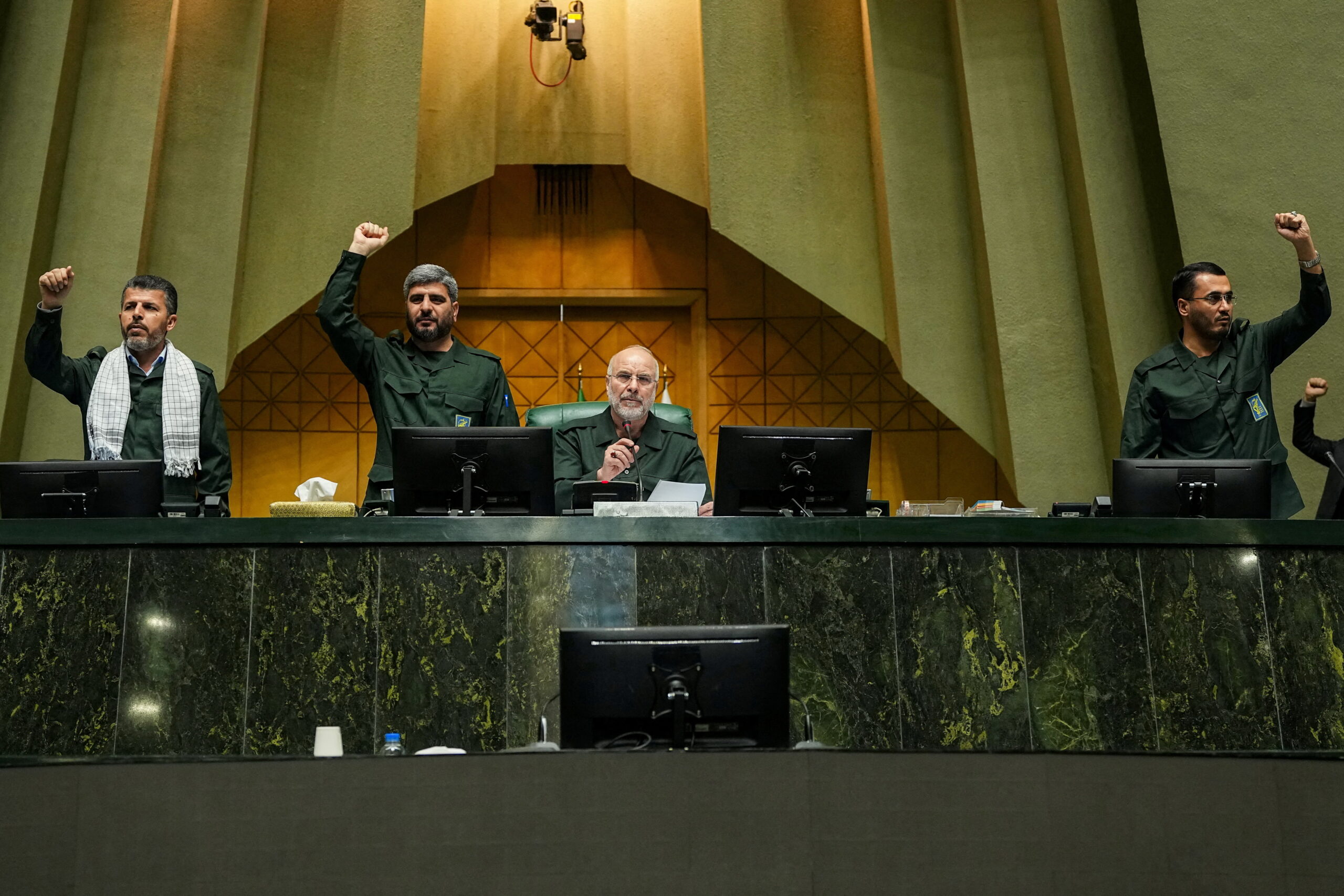
How Did the IRGC Seize Power in Iran?
The IRGC did not seize power in a single stroke. It accumulated it – patiently, methodically – until no counterweight remained.
Events
Book Talk: Iran and the Bomb: The United States, Iran and the Nuclear Question
On June 16, AGSI hosted a discussion on the evolution of Iran's nuclear program.

Speakers


Apr 21, 2026
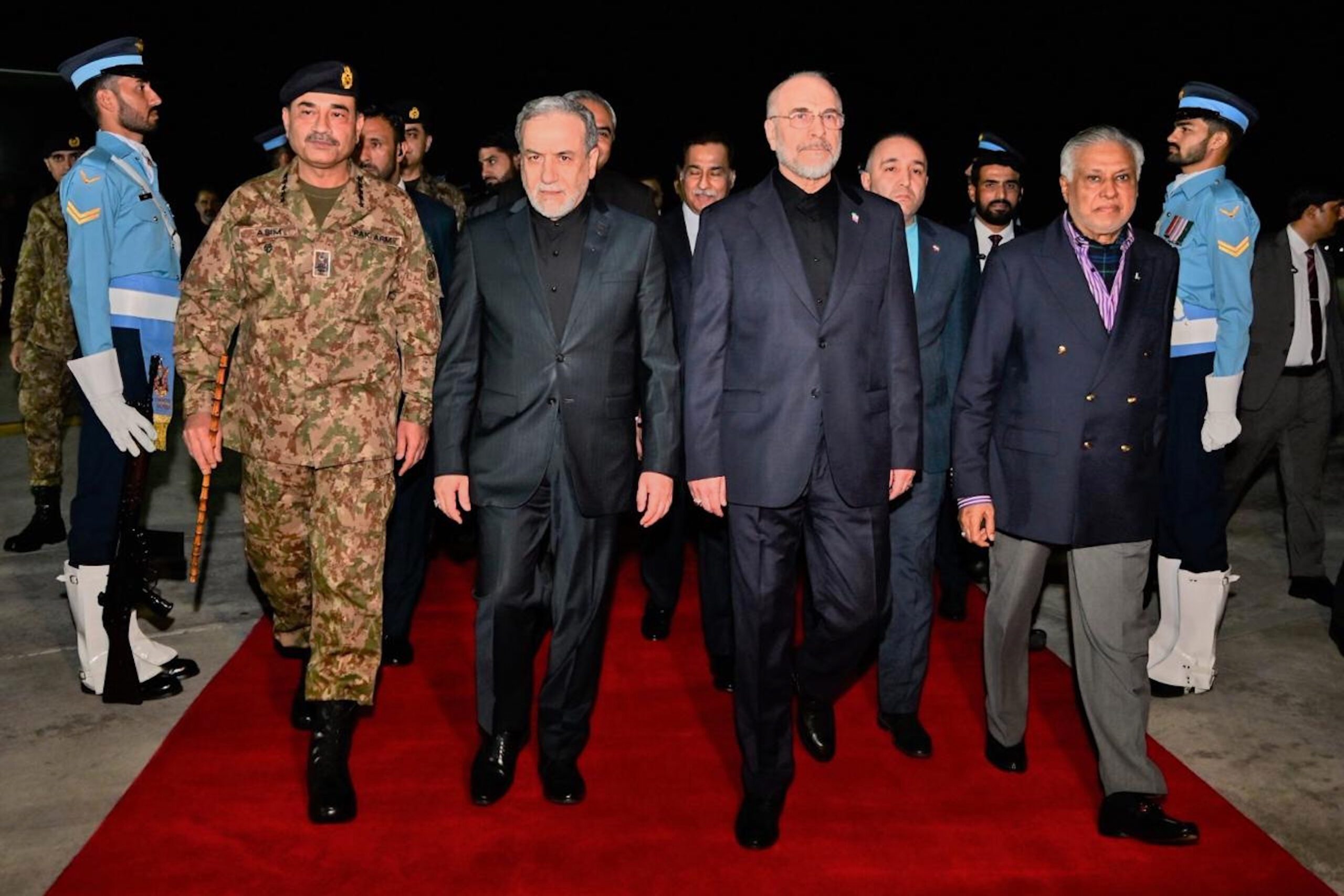
Inside Iran’s Wartime Leadership: Power, Succession, and Regime Stability
On April 21, AGSI hosted a discussion on the evolution of Iran's leadership during the war.
Speakers

Mar 18, 2026
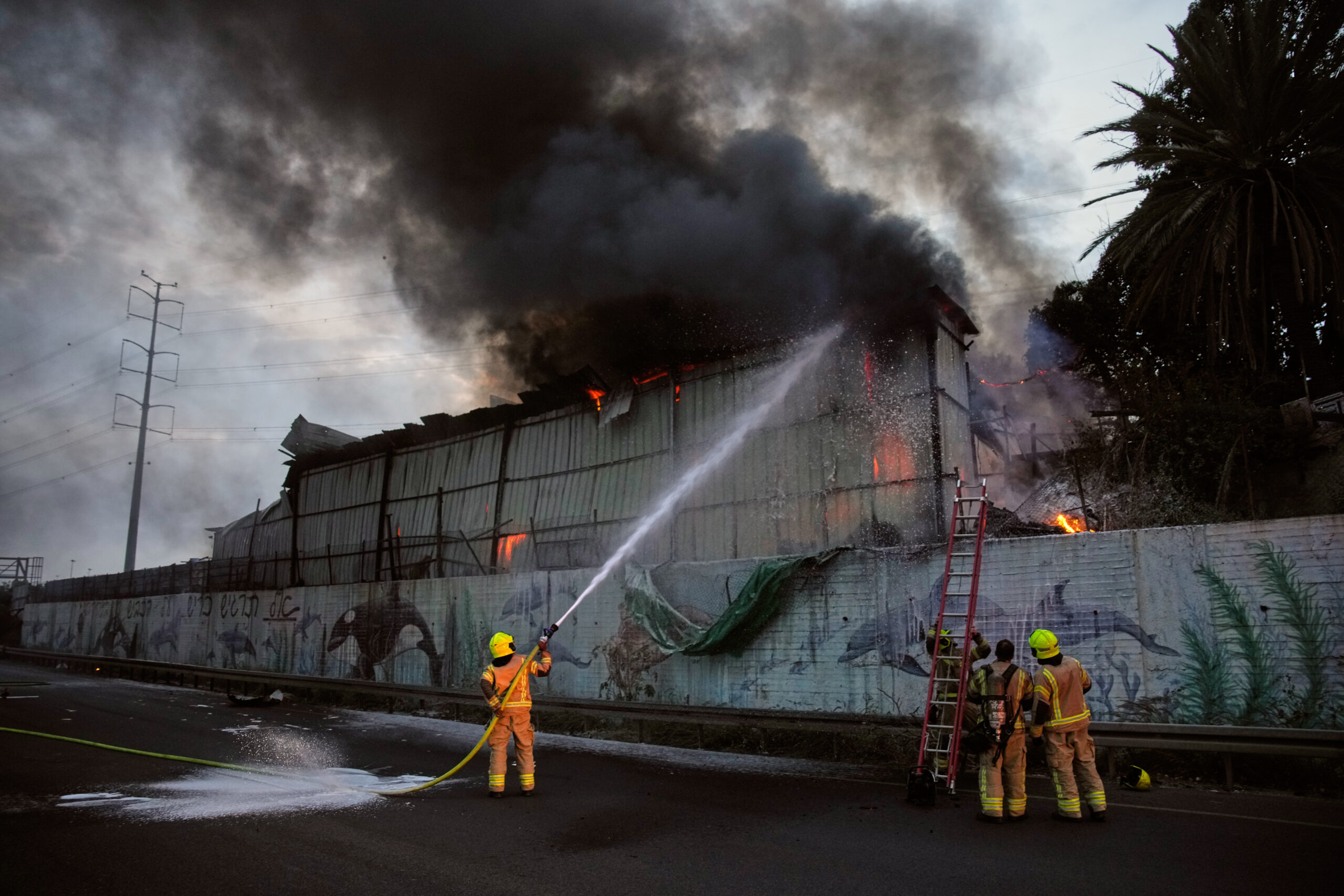
In Its Conflict With the United States and Israel, Does Escalation Favor Iran?
On March 18, AGSI hosted a discussion on the escalation of the Iran war.
Speakers



Mar 2, 2026
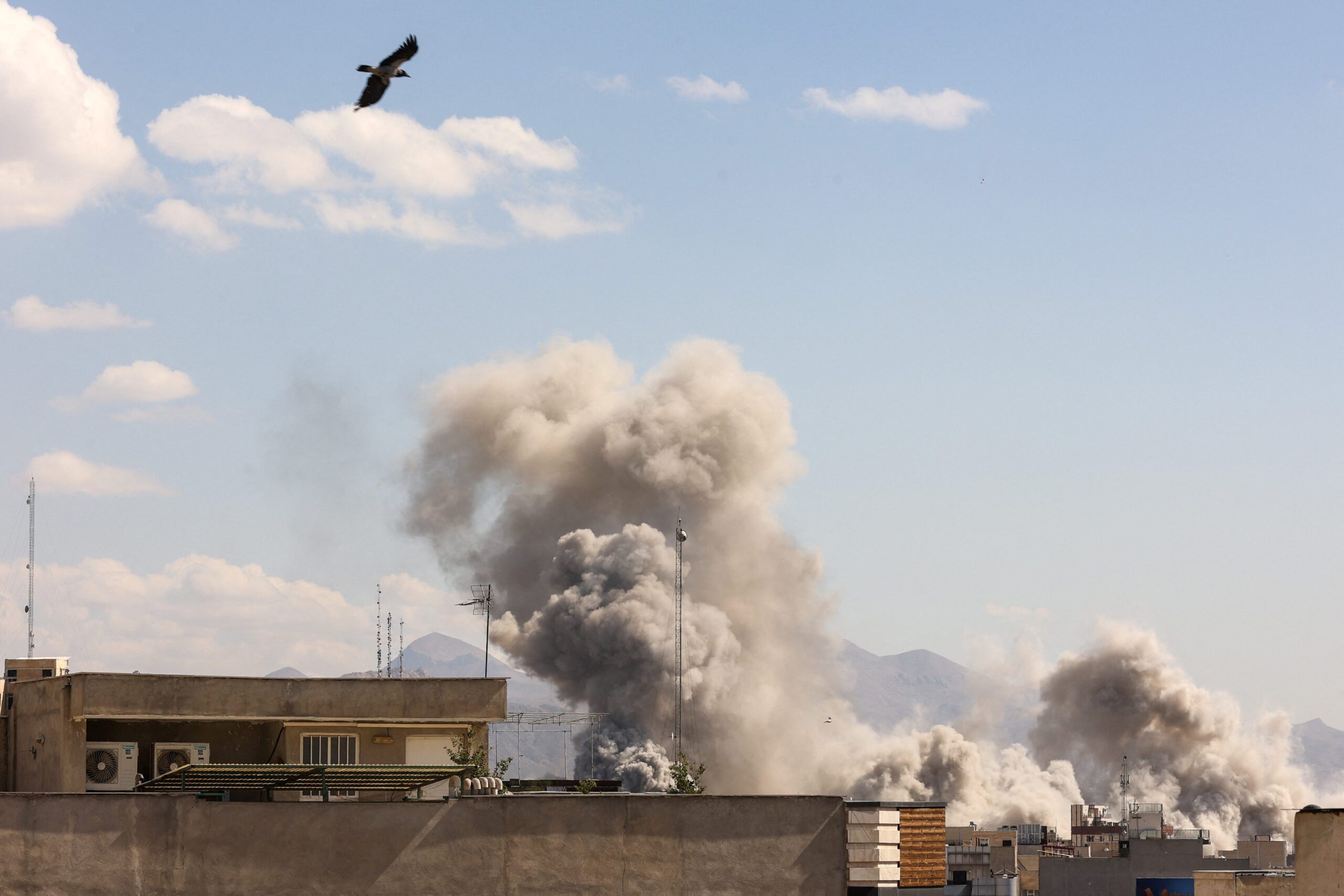
After the Shock: Implications of the U.S.–Israeli Strikes and Iran’s Leadership Transition
On March 2, AGSI hosted a discussion on the U.S.-Israeli strikes on Iran.
Speakers