Aug 22, 2023
Impact of the Release of Iranian Assets Frozen in South Korea on Iran’s Economy
The August 22 edition of the Iran Media Review examines criticism of Iran’s economic policy amid the expected release of $6 billion in Iranian assets frozen in South Korea.

Iranian media has presented the expected release of around $6 billion in Iranian oil revenue frozen in South Korea under an agreement with the United States as a significant victory. But as Arash Alavi, a member of the Iran Chamber of Commerce, pointed out, Iranian authorities should ask themselves some fundamental questions. Why were those assets frozen by South Korea in the first place? Why didn’t earlier negotiations with the United States secure their release? Moreover, who is responsible for the assets’ devaluation due to the depreciation of South Korea’s currency against the U.S. dollar? And why will the money be held in escrow accounts in Qatar and only be released to Iran under specific conditions? The answer to these questions is obvious: This is the price of the Iranian leadership’s nuclear ambitions. U.S. sanctions, which cost Iran significantly more than $6 billion each year by reducing Iranian oil exports, must also be included when calculating the cost of these ambitions. Decision makers in Tehran may, from their late-revolutionary Islamist perspective, find their nuclear ambitions worth the price, but there can be no doubt that Iran is paying quite a price.
- August 15: Alavi, commenting on the expected release of Iranian assets frozen in South Korea, said in an interview with centrist Mehr News:
- “In the short term, when part of a country’s frozen assets is returned to be used, it is a positive event, but when looking at the bigger picture, solely looking at the numbers is not adequate … We have received money that has been owed to us for some time. We must look into why we did not receive the money. Next, in the course of previous negotiations over U.S. sanctions, the frozen assets were not released. Why? … We also need to look at the exchange rate. According to the central bank governor, $1 billion of our assets evaporated due to the depreciation of the Korean currency against the U.S. dollar. This is a cost and so is the transfer of the money to a third country.”
- Asked about how the money will impact Iran’s economy, Alavi said: “Well, in the short term, $6 billion is about to appear on our plate, which helps balance the amount leaving the plate” of the Iranian economy. “However, the plate has become smaller over the years due to the bad currency policies of the government and the Central Bank of Iran … Legitimate imports are delayed due to difficulties accessing foreign currency, but had our plate been bigger, we would not have faced such problems … The private sector is stagnating or shrinking, and we only see growth in exports of raw materials, metals, and the like.”
- Concluding the interview, Alavi said: “The infusion of $6 billion is good, but we could have been in a more balanced position if there was a single exchange rate,” in a critique of Iran’s multiple exchange rate system, “and the balance between supply and demand” for foreign currency “would not have been disturbed.”
The views represented herein are the author's or speaker's own and do not necessarily reflect the views of AGSI, its staff, or its board of directors.
Related
Iran Media Review
Aug 18, 2023
Sour Grapes of the Iran-U.S. Agreement: Defended by IRGC Mouthpieces, Criticized by Reformist Newspaper
The August 18 edition of the Iran Media Review analyzes partisan responses to the U.S.-Iranian agreement expected to secure the release of $6 billion in Iranian assets.
Iran Media Review
Aug 15, 2023
Iran’s State-Owned Online Service Platforms Choose Profit Over Government Policy
The August 15 edition of the Iran Media Review highlights a controversy over the political stances and ownership of Iranian technology companies.
Aug 18, 2023
Sour Grapes of the Iran-U.S. Agreement: Defended by IRGC Mouthpieces, Criticized by Reformist Newspaper
The August 18 edition of the Iran Media Review analyzes partisan responses to the U.S.-Iranian agreement expected to secure the release of $6 billion in Iranian assets.
Aug 15, 2023
Iran’s State-Owned Online Service Platforms Choose Profit Over Government Policy
The August 15 edition of the Iran Media Review highlights a controversy over the political stances and ownership of Iranian technology companies.
Analysis
Iranian Regime Fighting for Survival
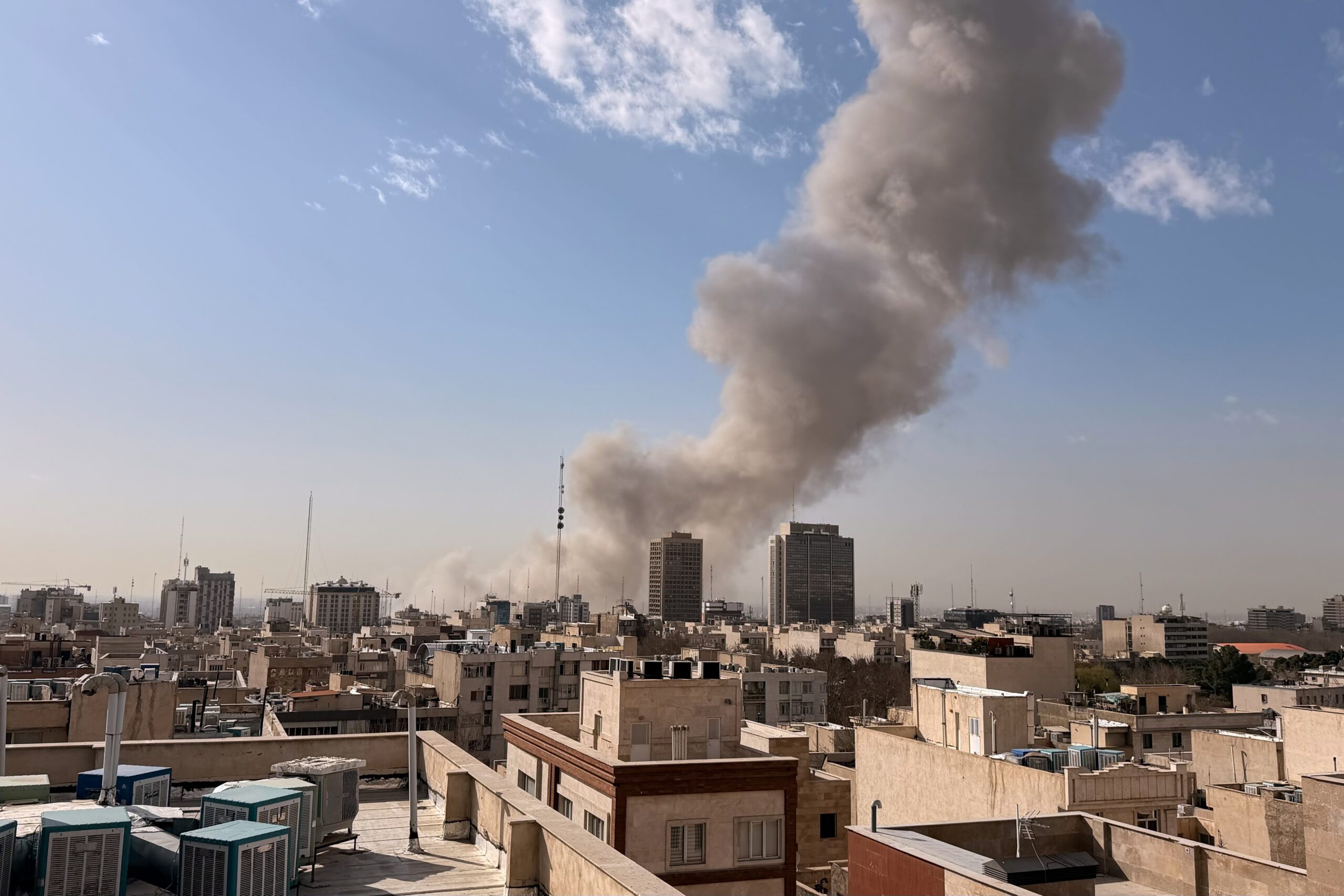
Iran is signaling that it will not absorb attacks passively. But whether this strategy ensures the regime’s survival, seals its fate, or accelerates a broader catastrophe will shape the region for years to come.
Iran’s 2025-26 Protests in Perspective
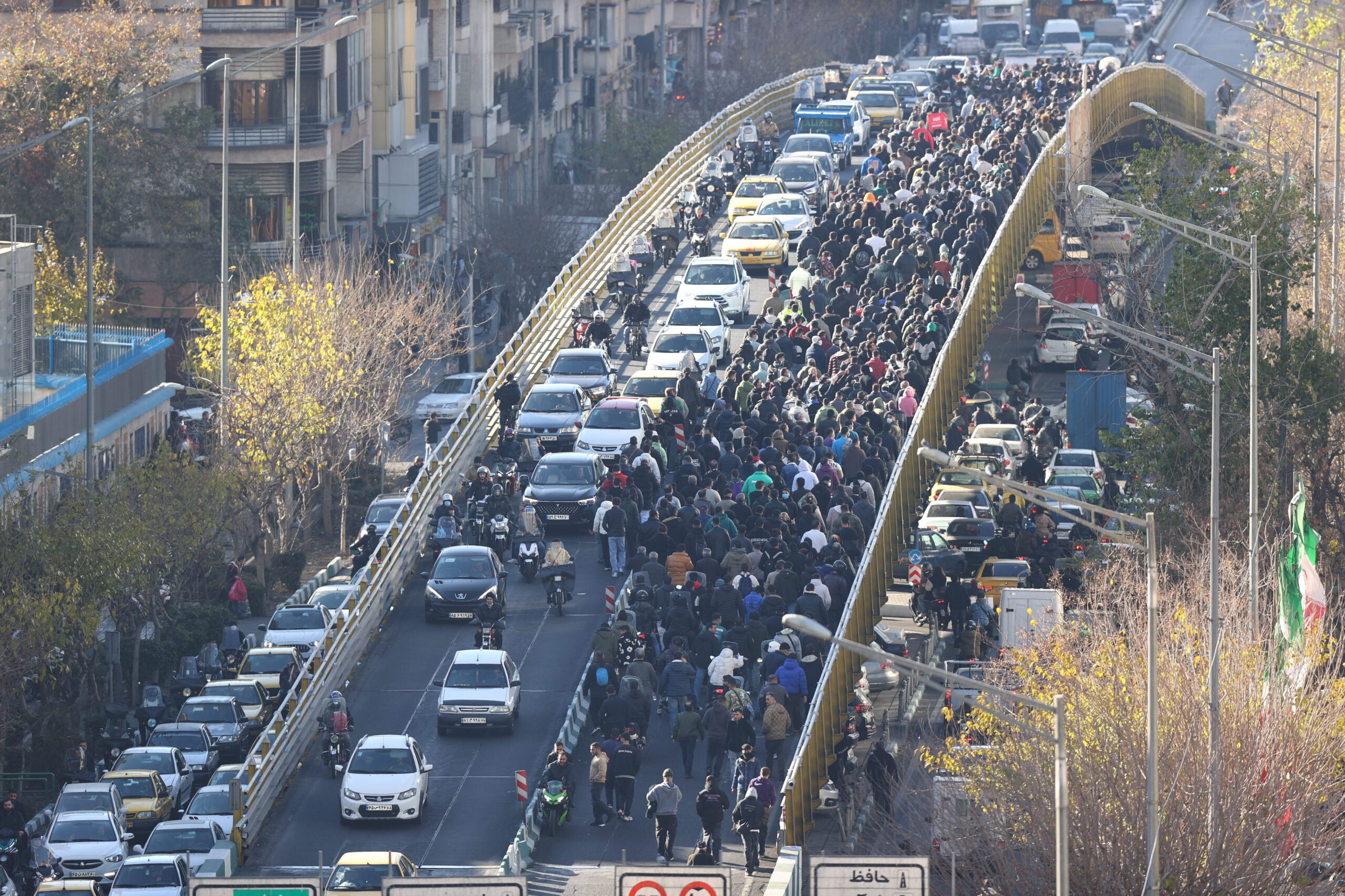
The erosion of the regime’s legitimacy across broad segments of society, combined with the breadth of the 2025-26 protest coalition, raises the possibility that a new confrontation could trigger renewed anti-regime mobilization.

Protests in Iran: Regime Deal With Trump or Degrade Toward Collapse?
Though the Iranian regime is facing increasing pressure from protesters and armed insurgent groups, it is not yet doomed – but without a deal with the United States, the regime is likely headed for a slow collapse.
Iran Looms Over Saudi Visit to Washington
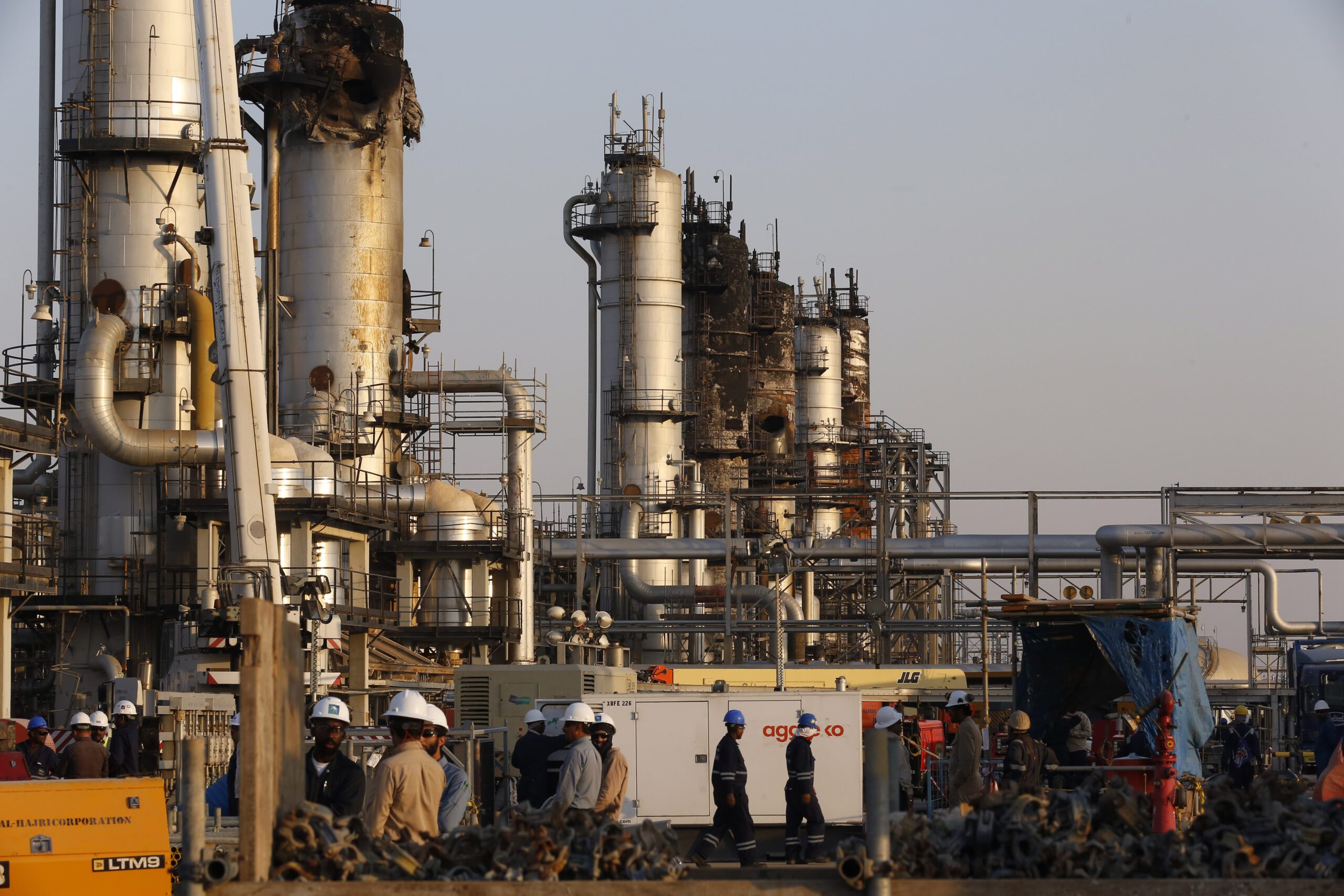
Saudi Arabia seeks a U.S. security umbrella strong enough to deter Iran but a diplomatic posture measured enough to avoid provoking Iran unnecessarily.
Events
Jan 8, 2026
Outlook 2026: Prospects and Priorities for U.S.-Gulf Relations in the Year Ahead
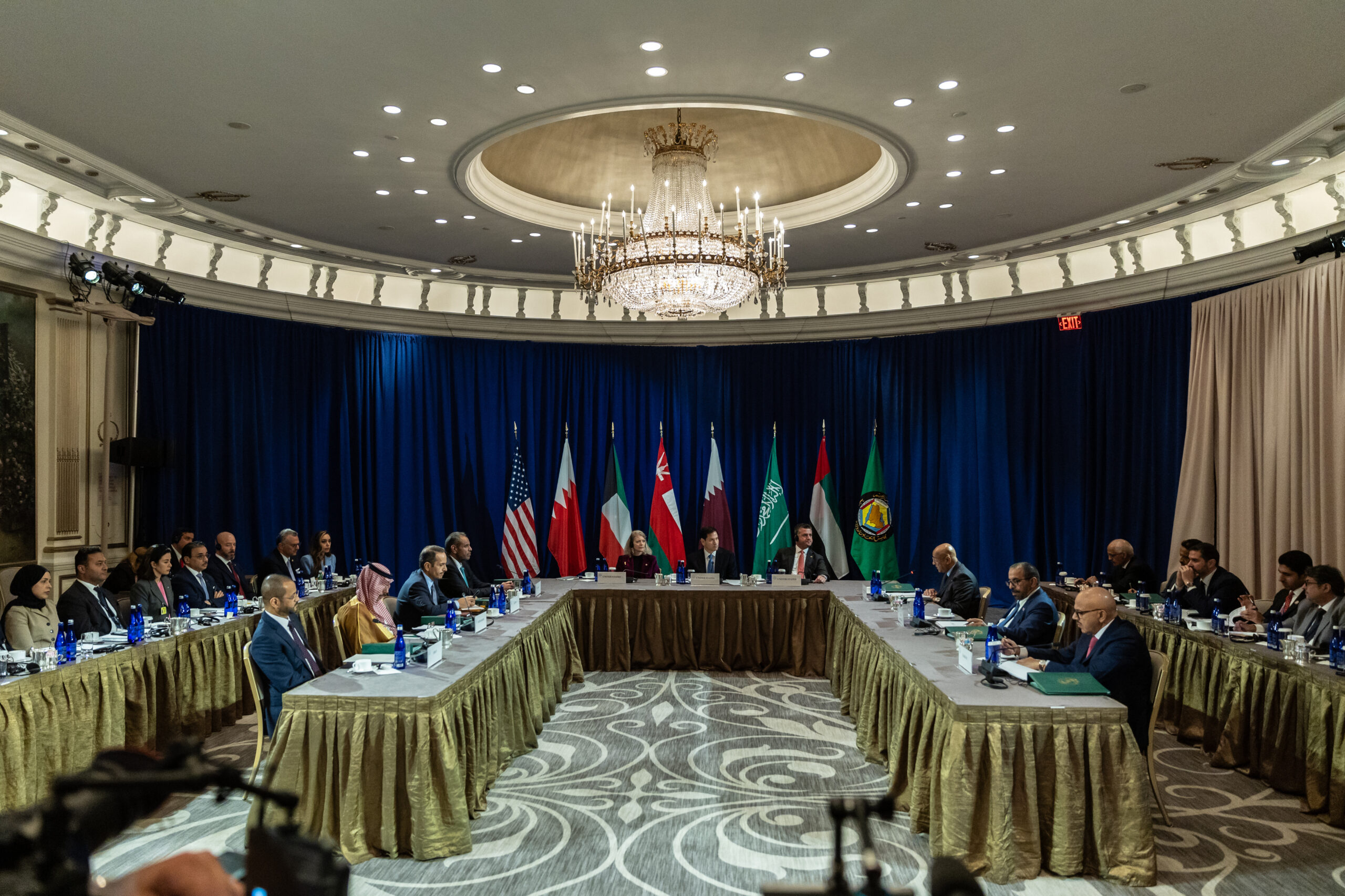
On January 8, AGSI hosted a virtual roundtable with its leadership and scholars as they look ahead and assess trends likely to shape the Gulf region and U.S. foreign policy during the coming year.
Speakers






Sep 16, 2025
Book Talk: Iran’s Grand Strategy: A Political History
On September 16, AGSI hosted a discussion on the roots of Iran's strategic outlook.
Speakers

Jun 23, 2025
U.S. Strike on Iran: Regional and Diplomatic Fallout
On June 23, AGSI hosted a discussion on the United States' attack on Iranian nuclear sites.
Speakers
Assessing Iranian, U.S., and Gulf Reactions and Options Following Israel’s Unprecedented Attack on Iran
On June 16, AGSI hosted a discussion on Israel's attack on Iran.
Speakers