Oct 27, 2023
For Now, Iran and Hezbollah Court Trouble but Avoid It
The October 27 edition of the Iran Media Review examines Iran’s delicate balancing act amid the Israel-Hamas conflict.

Unofficial and official mouthpieces of the Islamic Revolutionary Guard Corps and Iran’s Supreme National Security Council have joined forces in a difficult task. They are attempting to build a heroic public image of Hezbollah Secretary General Hassan Nasrallah and declare Iran the center of resistance to Israel but also free Nasrallah of the obligation to take part in the Israel-Hamas conflict and dismiss Iranian involvement in Hamas’ October 7 attack against Israel. Iran and Hezbollah are courting trouble but have so far avoided it, though it is unclear how long this will last.
- October 25: IRGC mouthpiece Mashregh News reported that Nasrallah received Ziad Nakhale, the secretary general of Palestinian Islamic Jihad, and Saleh al-Arouri, the deputy head of Hamas’ political wing. In their October 25 meeting, they reportedly “considered the northern front and ongoing fights in the border area between Lebanon and the occupied land,” referencing Israel. The three men also allegedly exchanged views on “means to achieve a true victory of the resistance in the Gaza Strip and Palestine and how to stop the aggression of the Zionist regime in these areas.” Nasrallah reportedly said that Palestinians killed by the Israel Defense Forces since October 7 should be remembered as “martyrs of the path to Quds,” or Jerusalem.
- October 25: Nour News, the official mouthpiece of Iran’s Supreme National Security Council, assigning great significance to Nasrallah’s unexceptional statement concerning the “martyrs,” wrote: “First, Western media and statesmen have tried to create divisions among members of the resistance … this ideological and strategic sentence by the seyyed of the resistance,” referencing Nasrallah, “has foiled the Hebrew-Arab objective … Second, Hassan Fazl-Allah,” a Lebanese parliamentarian “from the resistance front, has said that Seyyed Hassan Nasrallah is monitoring the battles and is well aware of all scenarios and possibilities, including operational and security matters. This sentence by the seyyed of the resistance cannot be unrelated to his intelligence superiority concerning current affairs … Third, the Gaza war has morphed the resistance front into a resistance system … Beyond joint operations, we are witnessing increased cooperation among resistance currents around a shared central strategic and tactical center … Fourth, the naming of the martyrs paves the path to Quds and conveys the message to the Zionists and their backers that the resistance will never forget its objective.”
- October 25: In a separate story, Nour News dismissed The Wall Street Journal’s October 25 article “Hamas Fighters Trained in Iran Before Oct. 7 Attacks.” Nour News wrote: “Releasing such news serves the purpose of deflecting attention from the irrecoverable defeat the Zionists suffered in the Al-Aqsa Deluge operation,” Hamas’ name for its October 7 attack. “The Palestinian resistance is a mature, independent, and popular current, and it has proved its natural and developing capabilities throughout years of struggle against Zionist criminals.”
The views represented herein are the author's or speaker's own and do not necessarily reflect the views of AGSI, its staff, or its board of directors.
Related
Iran Media Review
Oct 24, 2023
Identity and Power Politics: Iraq’s Popular Mobilization Forces on the Arbaeen Pilgrimage
The October 24 edition of the Iran Media Review highlights efforts by the Popular Mobilization Forces to seize on the Arbaeen pilgrimage for political gain.
Iran Media Review
Oct 20, 2023
No Change in Iran’s Position Concerning the Financial Action Task Force
The October 20 edition of the Iran Media Review highlights reactions to rumors that Iran is considering joining the Financial Action Task Force.
Oct 24, 2023
Identity and Power Politics: Iraq’s Popular Mobilization Forces on the Arbaeen Pilgrimage
The October 24 edition of the Iran Media Review highlights efforts by the Popular Mobilization Forces to seize on the Arbaeen pilgrimage for political gain.
Oct 20, 2023
No Change in Iran’s Position Concerning the Financial Action Task Force
The October 20 edition of the Iran Media Review highlights reactions to rumors that Iran is considering joining the Financial Action Task Force.
Analysis
The Islamic Republic Returns to Offense
After U.S.-Israeli strikes killed Supreme Leader Ayatollah Ali Khamenei on February 28, Iran’s collective leadership has concluded that the best defense is a good offense.
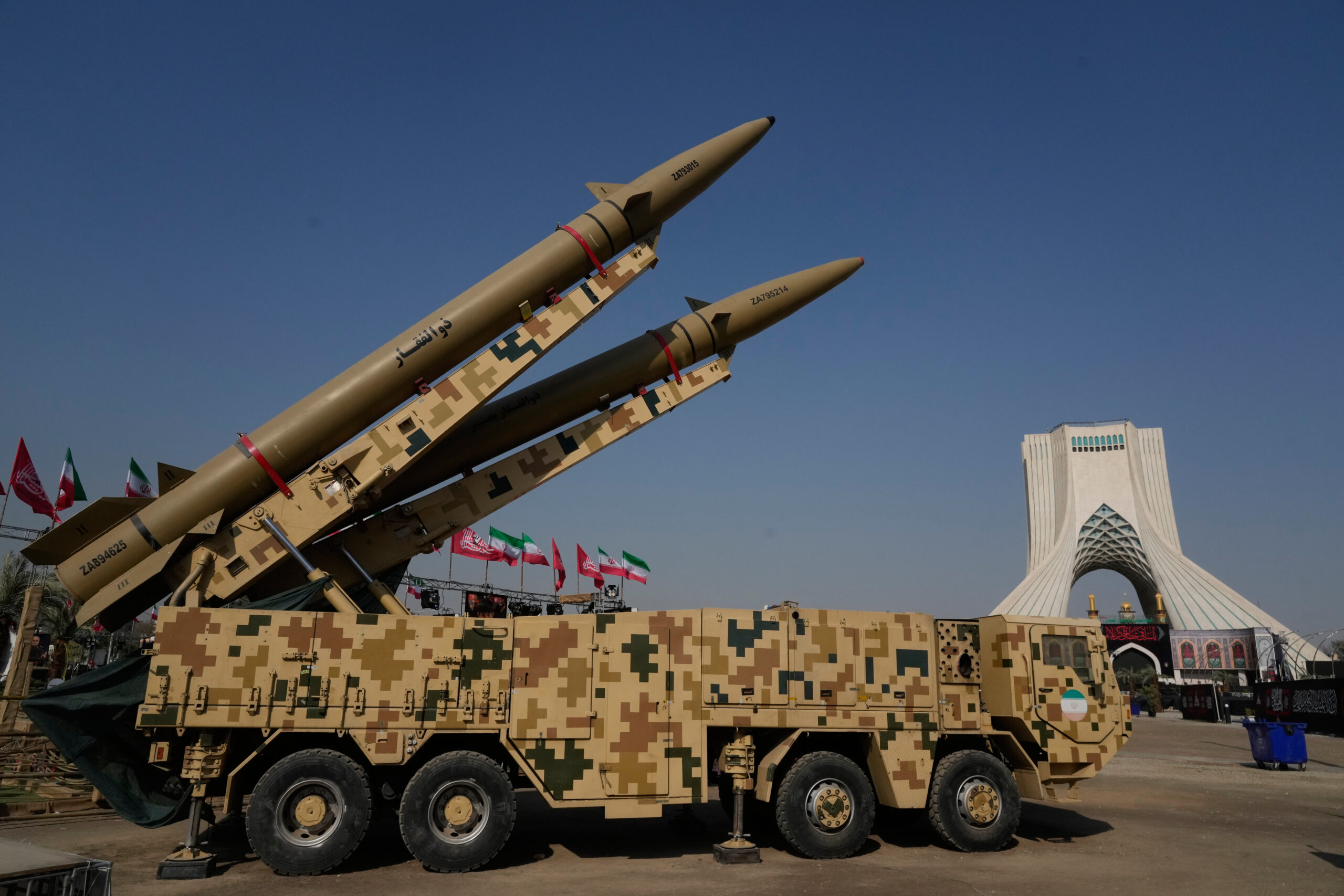
Iran’s Collective Strategic Decision Making
Wartime pressure has temporarily aligned the leadership’s overriding interest in regime survival, even as its members continue to differ over the costs, methods, and ultimate objectives of the war.
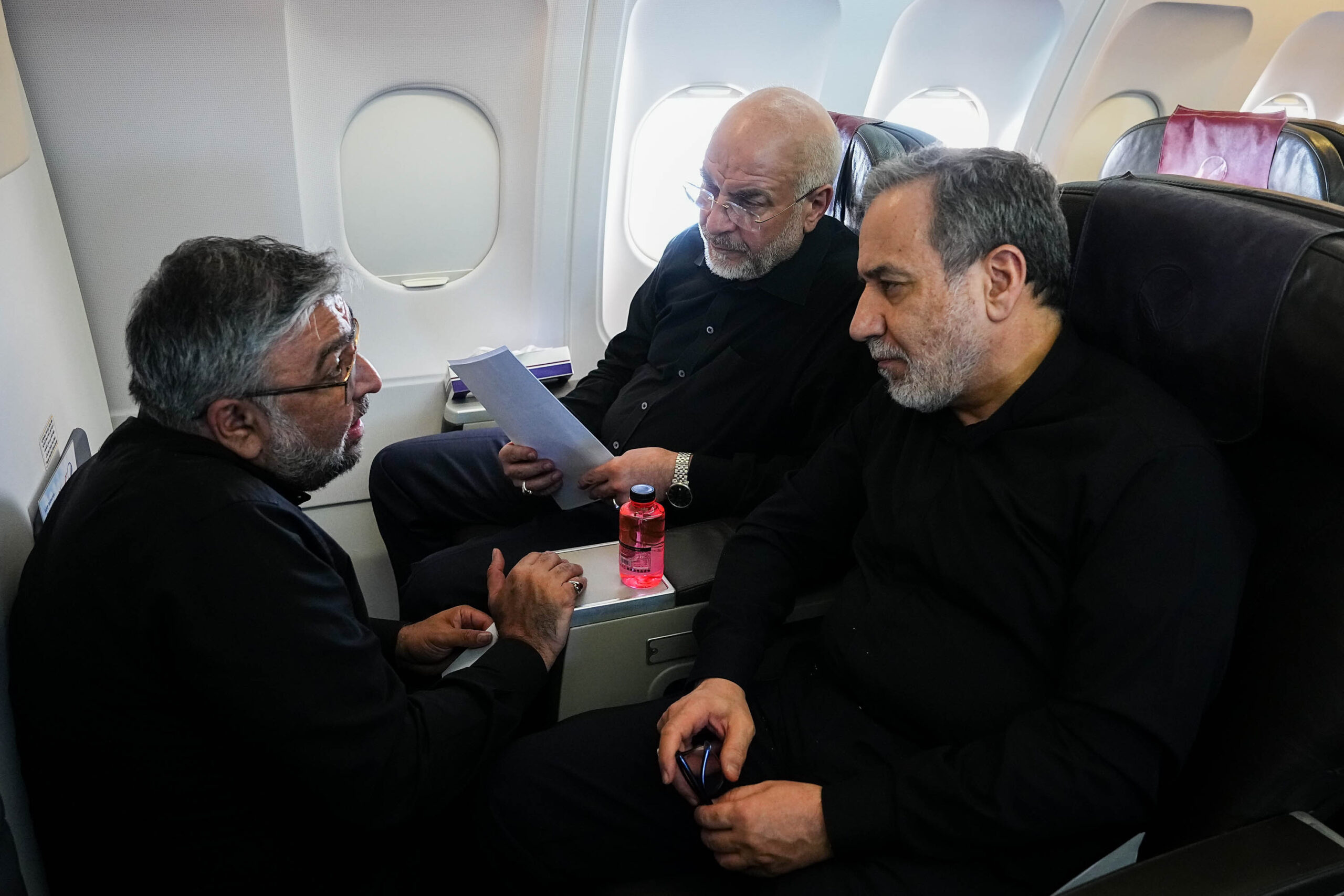
The Islamic Republic’s Collective Leadership
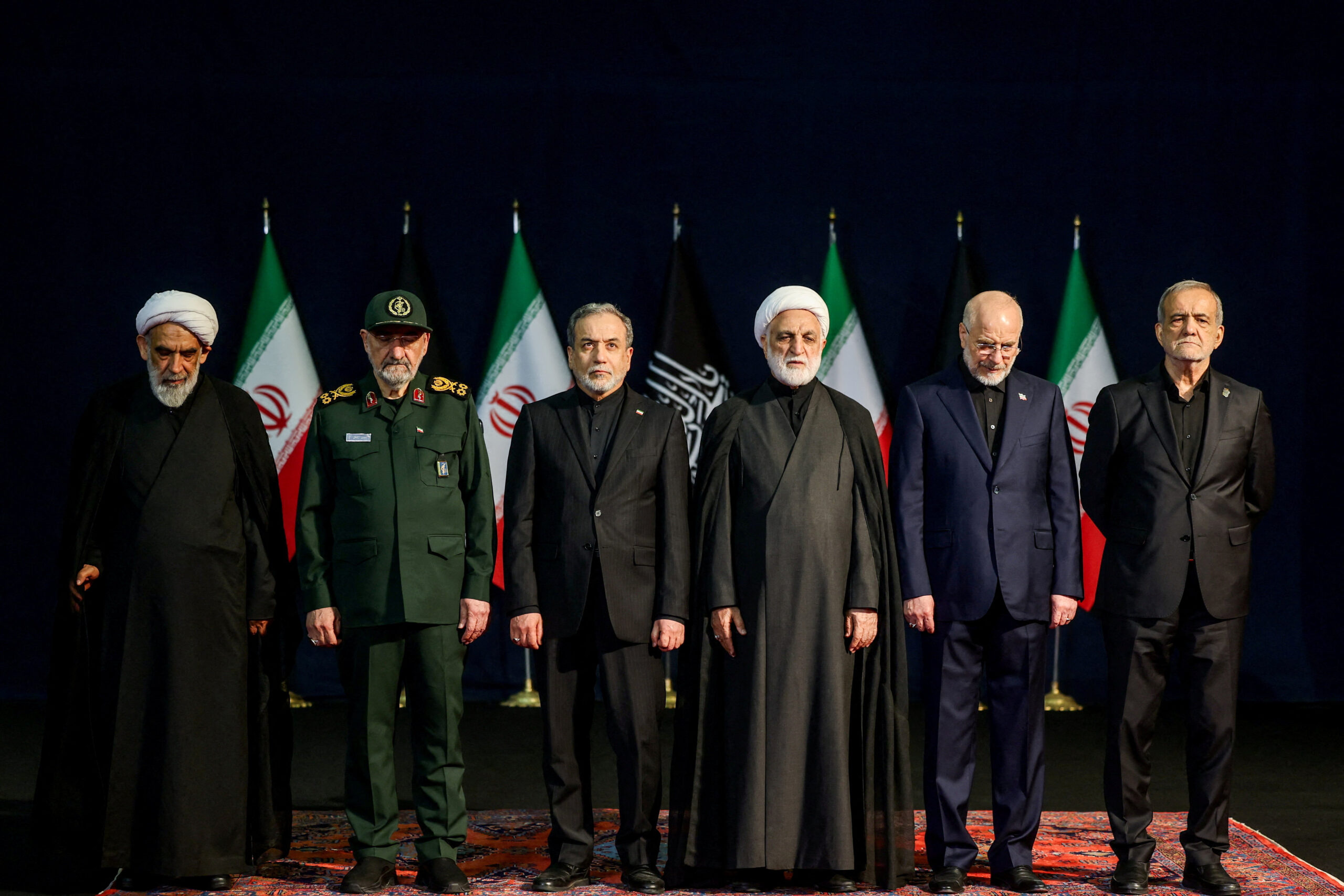
While there is historical precedent for collective leadership in Iran, today’s leadership includes representatives of the IRGC and regular military – a reflection of the IRGC’s expanding role and the necessities of governing under wartime conditions.
How Did the IRGC Seize Power in Iran?
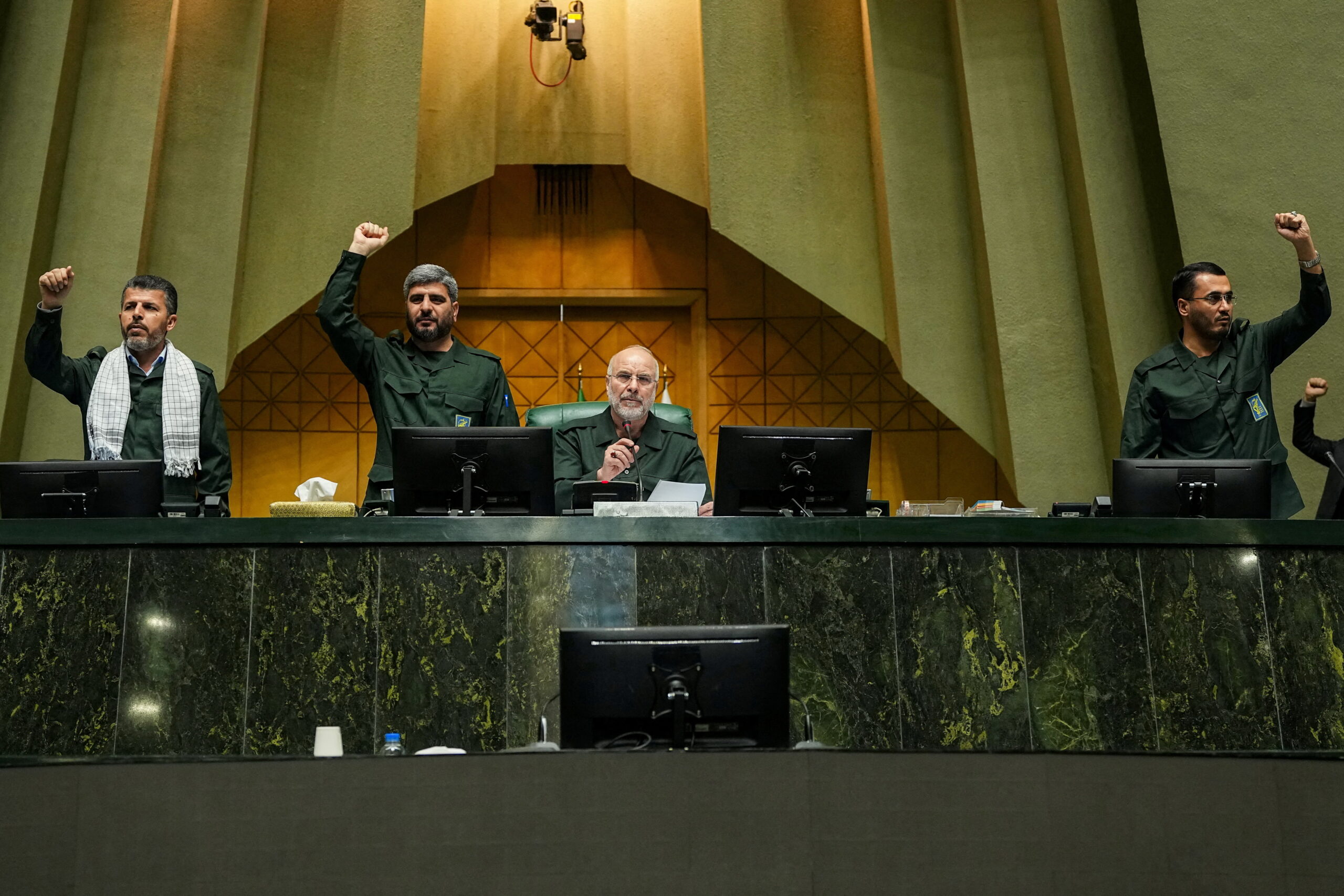
The IRGC did not seize power in a single stroke. It accumulated it – patiently, methodically – until no counterweight remained.
Events
Book Talk: Iran and the Bomb: The United States, Iran and the Nuclear Question
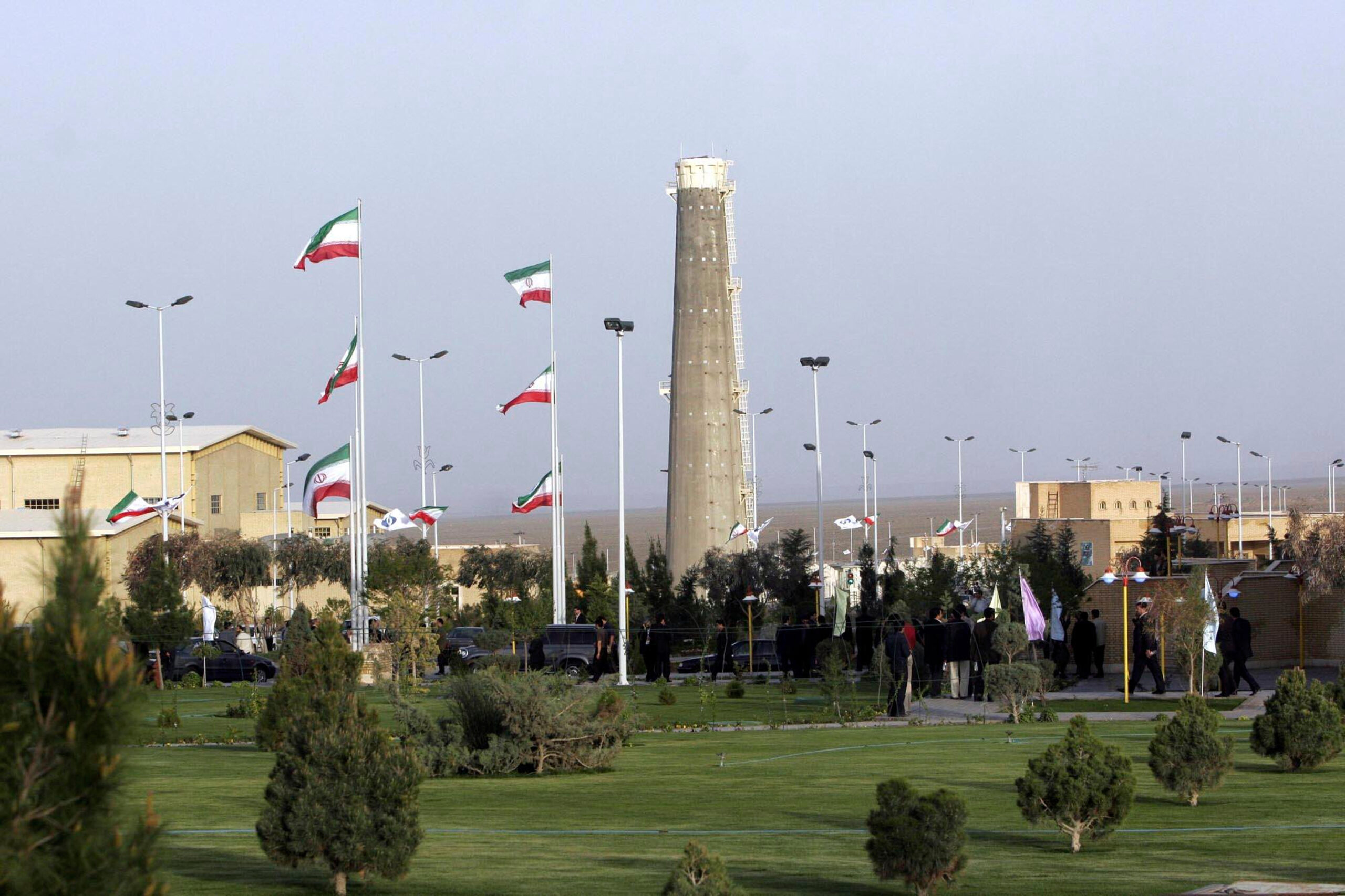
On June 16, AGSI hosted a discussion on the evolution of Iran's nuclear program.
Speakers

Apr 21, 2026
Inside Iran’s Wartime Leadership: Power, Succession, and Regime Stability
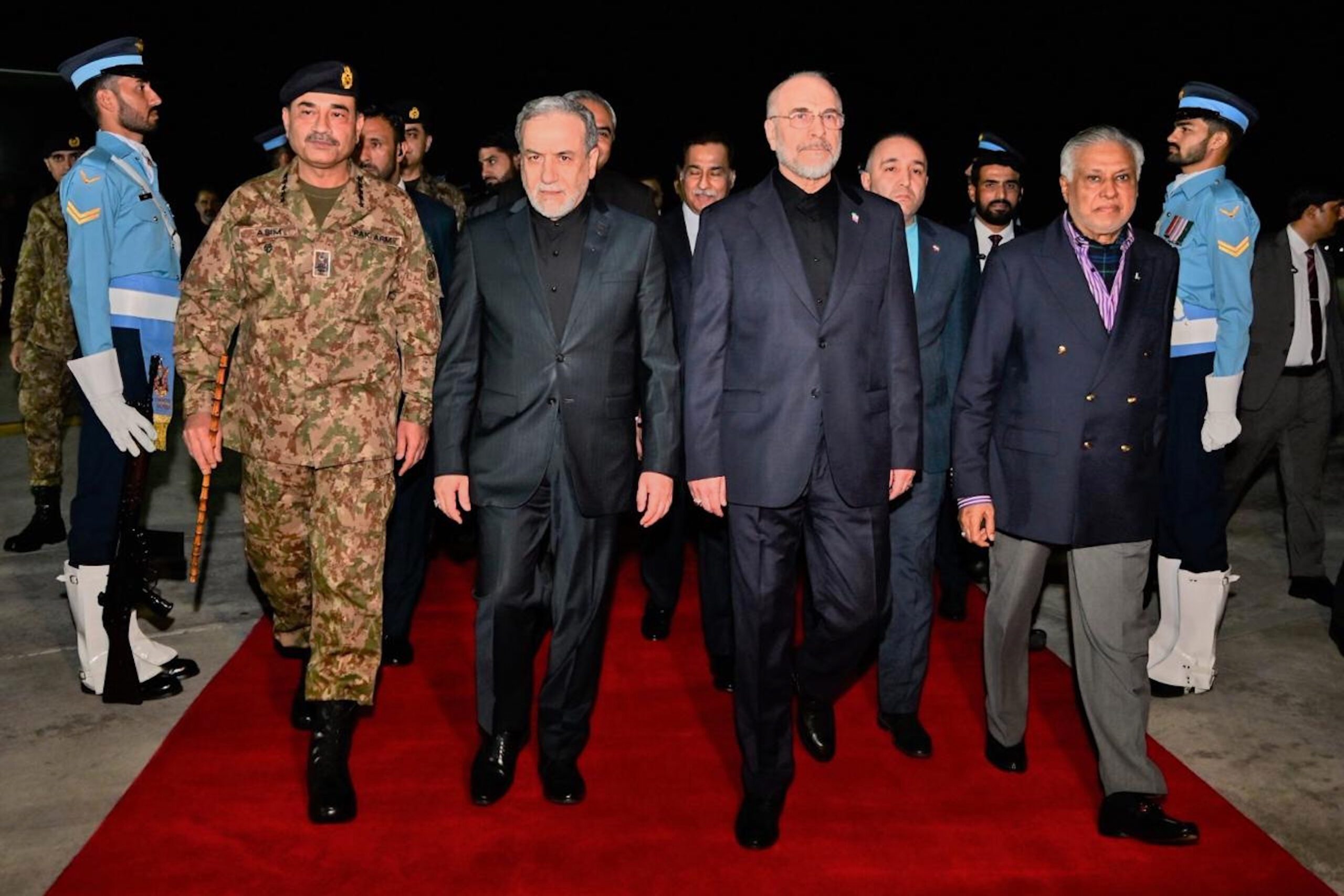
On April 21, AGSI hosted a discussion on the evolution of Iran's leadership during the war.
Speakers

Mar 18, 2026
In Its Conflict With the United States and Israel, Does Escalation Favor Iran?
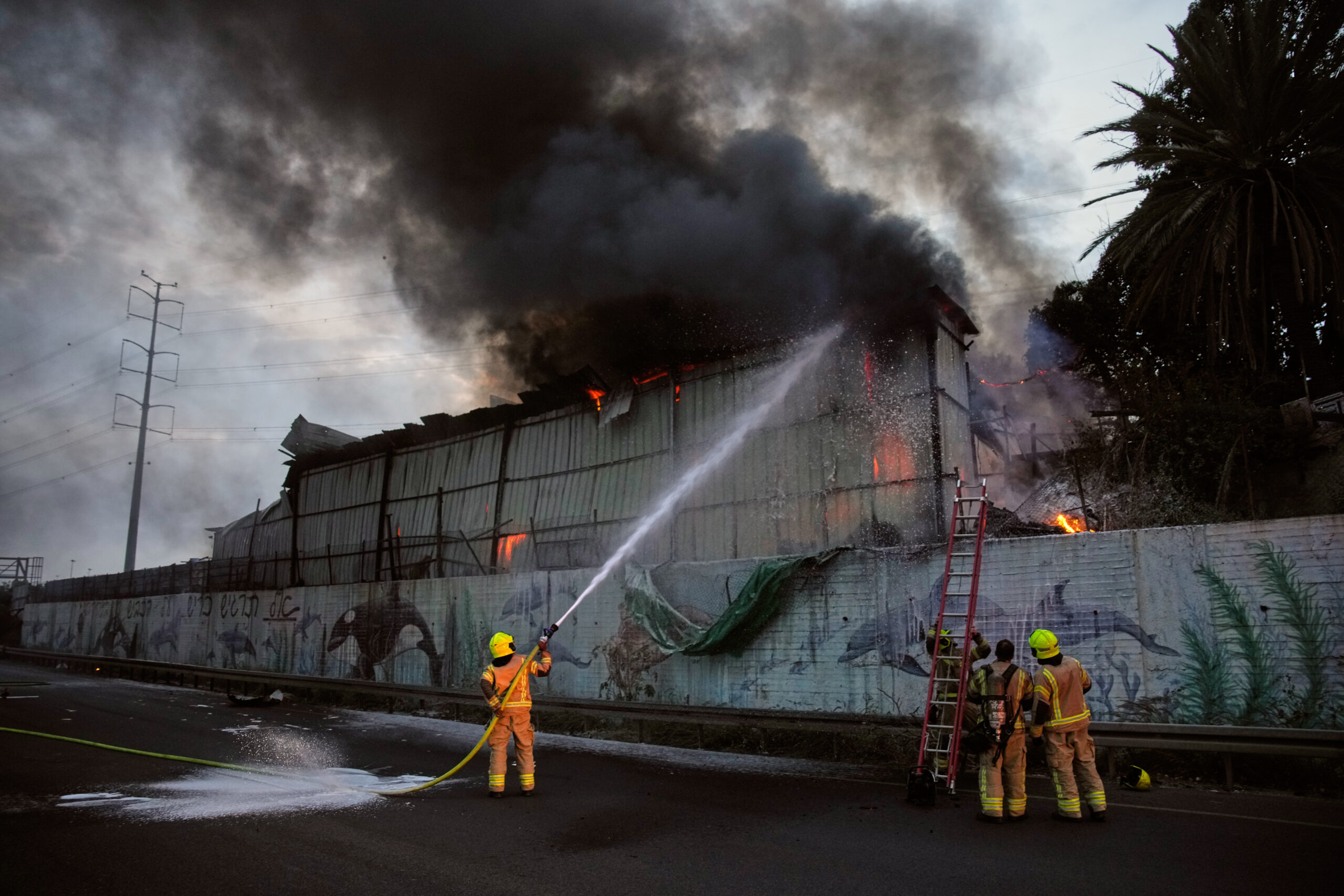
On March 18, AGSI hosted a discussion on the escalation of the Iran war.
Speakers



Mar 2, 2026
After the Shock: Implications of the U.S.–Israeli Strikes and Iran’s Leadership Transition
On March 2, AGSI hosted a discussion on the U.S.-Israeli strikes on Iran.
Speakers