Mar 28, 2023
Fearing Disproportionate Israeli Response, Iran Targets U.S. Bases in Syria
The March 28 edition of the Iran Media Review highlights an Iranian official’s threats against U.S. forces in Syria.

Conspicuously restrained in its response to Israel’s recent bombardment of Iranian and allied military positions and facilities in Syria, Iran attacked a U.S. military base March 23. The drone attack, which claimed the life of a U.S. contractor and wounded five U.S. service members and one U.S. contractor, led U.S. Central Command to conduct precision airstrikes against facilities used by militias affiliated with the Islamic Revolutionary Guard Corps. Iran responded by targeting a U.S. base in Deir el-Zour March 24. Commenting on the incidents during a March 24 press conference, President Joseph R. Biden Jr. said: “Make no mistake: The United States does not … seek conflict with Iran, but be prepared for us to act forcefully to protect our people.” In return, a spokesperson for Iran’s Supreme National Security Council accused the United States of fabricating pretexts to attack Iranian military bases in Syria. The spokesperson warned that Iran would “retaliate without the slightest hesitation.” It appears the United States is entangled in the shadow conflict between Iran and Israel: Fearing disproportionate Israeli responses, and assuming Washington instead will respond rationally, Tehran is targeting U.S. bases in Syria. In doing so, however, Iran not only fails to deter Israel but may also provoke escalation with the United States.
- March 25: Commenting on the spiral of retaliatory attacks between the United States and Iranian proxies, Nour News quoted the Supreme National Security Council spokesperson, Keyvan Khosravi, as having said: “Illegal occupation of parts of Syrian territory entails consequences for the armed forces of this country,” referencing the United States, “which is now making false accusations against Iran … By fabricating crises and lying, Washington is trying to attribute natural opposition to its occupation” of Syria “to other countries … Iran has paid a great price to counter terrorism and establish lasting security in Syria, and it opposes any action that threatens the stability of this country … Should the United States use any pretext to attack Iranian bases in Syria, which were established in that country at the request of the Syrian government to counter terrorism and Islamic State elements, it will face retaliation without the slightest hesitation.”
The views represented herein are the author's or speaker's own and do not necessarily reflect the views of AGSI, its staff, or its board of directors.
Related
Iran Media Review
Oct 20, 2026
Who Authorized Iranian Strikes Against U.S. Vessels?
The October 20 edition of the Iran Media Review examines IRGC messaging about July 7 strikes against U.S. Navy vessels and the debate surrounding the confirmation of a new Iranian defense minister.
Iran Media Review
Oct 16, 2026
Qalibaf’s New Equation: War, Negotiation, and Deterrence
The October 16 edition of the Iran Media Review highlights the call by Iran’s parliamentary speaker for a combination of war and negotiation to establish deterrence against further attacks on Iran.
Iran Media Review
Oct 13, 2026
From Neighbor to Target: Iranian Analysts on the UAE
The October 13 edition of the Iran Media Review explores calls by senior Iranian strategists for Iran to target the United Arab Emirates and Dubai’s airport.
Oct 20, 2026
Who Authorized Iranian Strikes Against U.S. Vessels?
The October 20 edition of the Iran Media Review examines IRGC messaging about July 7 strikes against U.S. Navy vessels and the debate surrounding the confirmation of a new Iranian defense minister.
Oct 16, 2026
Qalibaf’s New Equation: War, Negotiation, and Deterrence
The October 16 edition of the Iran Media Review highlights the call by Iran’s parliamentary speaker for a combination of war and negotiation to establish deterrence against further attacks on Iran.
Oct 13, 2026
From Neighbor to Target: Iranian Analysts on the UAE
The October 13 edition of the Iran Media Review explores calls by senior Iranian strategists for Iran to target the United Arab Emirates and Dubai’s airport.
Analysis
The Committee of Six and Strategic Decision Making in Iran
Remarks by Iran’s president offer a rare glimpse of how the Islamic Republic has adapted its decision making to the absence of its supreme leader.
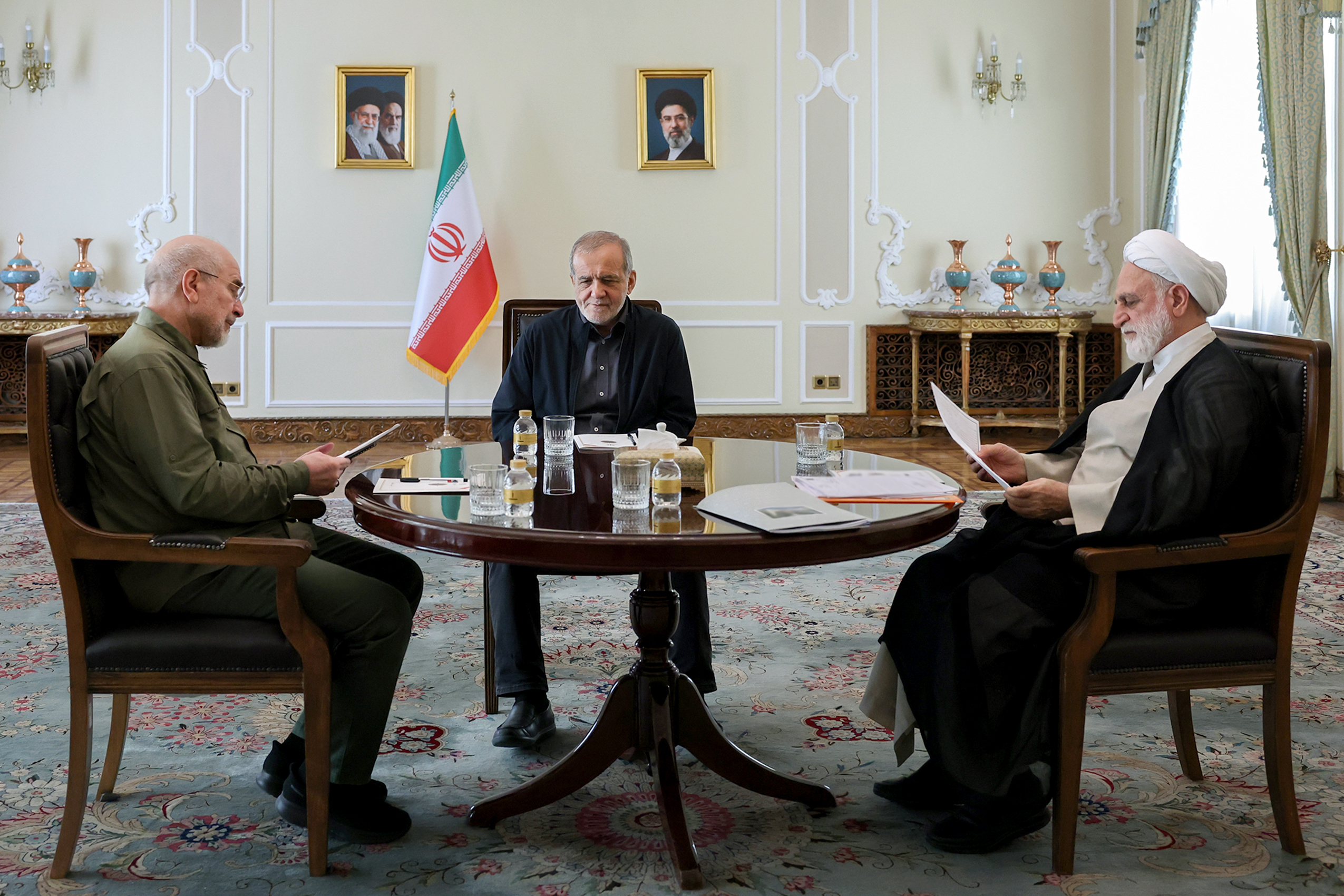
Mohsen Rezaei at the Helm of Iran’s Supreme National Security Council
Under Rezaei, the SNSC could prove constructive or paralyze strategic decision making.
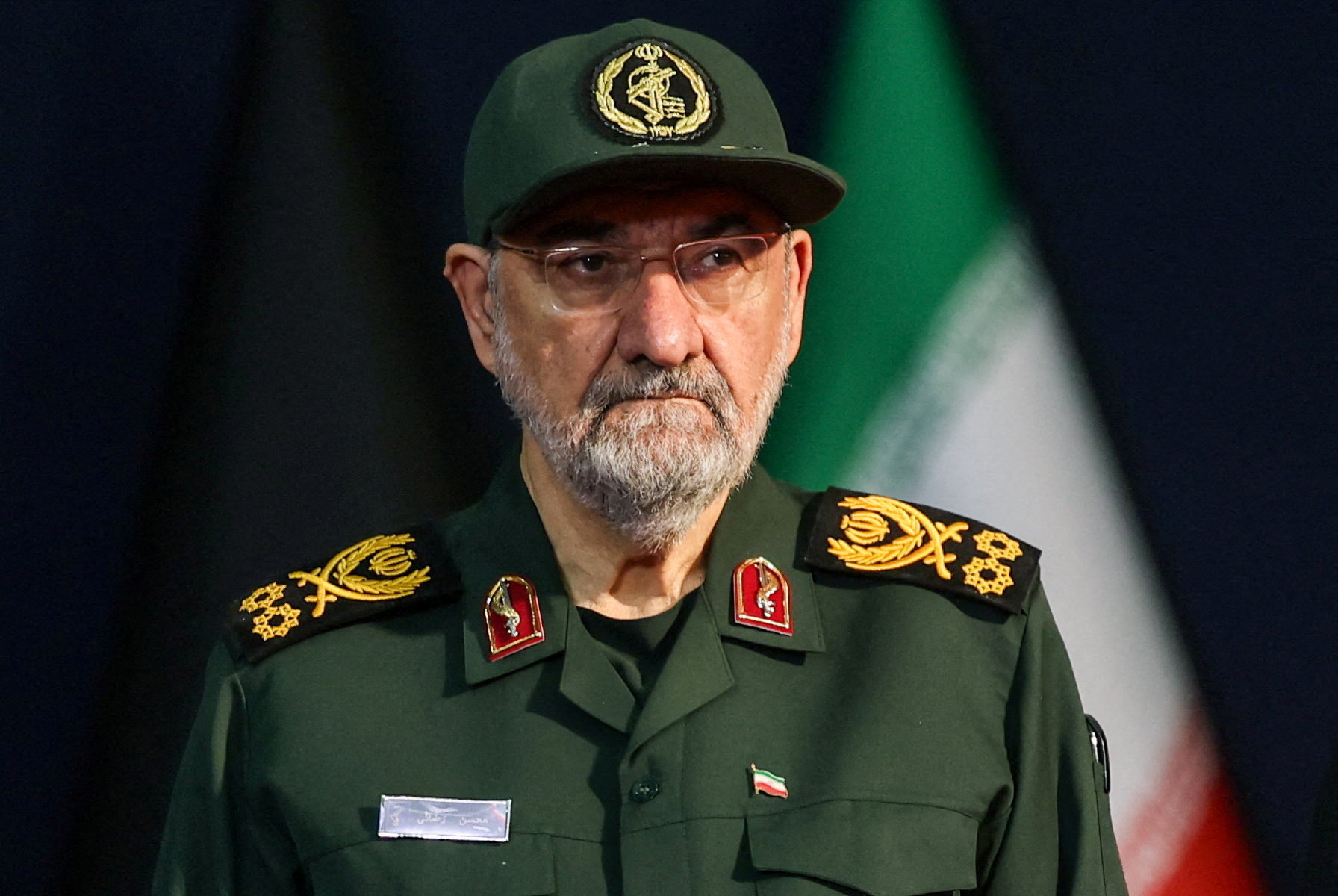
The Islamic Republic Returns to Offense
After U.S.-Israeli strikes killed Supreme Leader Ayatollah Ali Khamenei on February 28, Iran’s collective leadership has concluded that the best defense is a good offense.
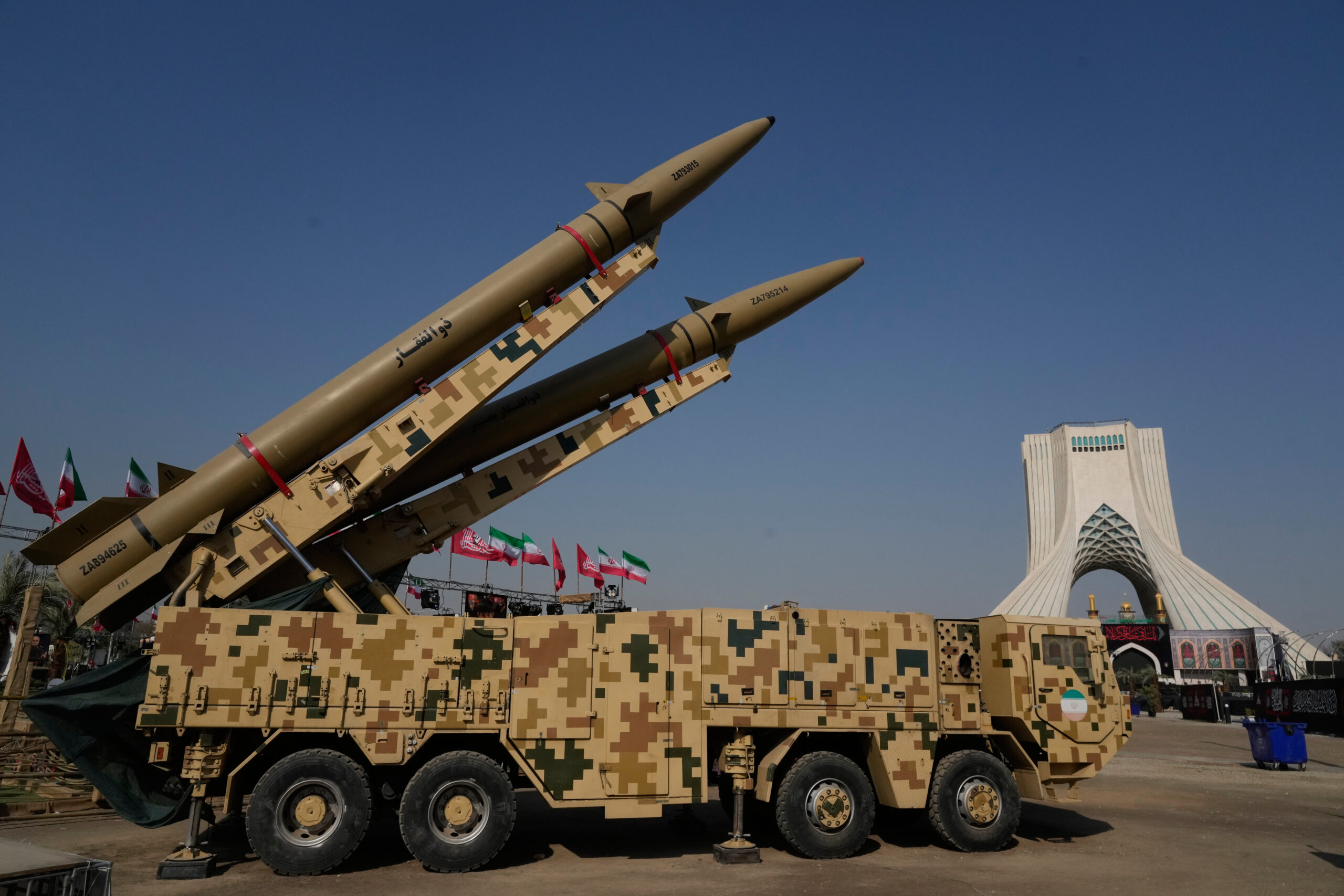
Iran’s Collective Strategic Decision Making
Wartime pressure has temporarily aligned the leadership’s overriding interest in regime survival, even as its members continue to differ over the costs, methods, and ultimate objectives of the war.
Events
Oct 6, 2026
Is the U.S.-Iran Stalemate a “New Normal” or the Prelude to Another Explosion?
On October 6, AGSI hosted a discussion on the U.S.-Iran stalemate and the prospects for a cease-fire.
Speakers



Book Talk: Iran and the Bomb: The United States, Iran and the Nuclear Question
On June 16, AGSI hosted a discussion on the evolution of Iran's nuclear program.
Speakers

Apr 21, 2026
Inside Iran’s Wartime Leadership: Power, Succession, and Regime Stability
On April 21, AGSI hosted a discussion on the evolution of Iran's leadership during the war.
Speakers

Mar 18, 2026
In Its Conflict With the United States and Israel, Does Escalation Favor Iran?
On March 18, AGSI hosted a discussion on the escalation of the Iran war.
Speakers