Dec 8, 2023
Evolution in Official Iranian Commentary on the Houthis’ Seizure of Israeli-Owned Ship
The December 8 edition of the Iran Media Review examines Iran’s rhetoric regarding the Houthis’ seizure of the Galaxy Leader, an Israeli-owned ship.

In another case of Iran dismissing involvement in the actions of its allies and proxies while simultaneously taking credit for them, Iran’s state-censored media described the Houthis’ November 19 seizure of the Galaxy Leader, an Israeli-owned ship, as retaliation for Israel’s undeclared naval warfare against Iran.
- November 19: Tabnak News, a mouthpiece of former Islamic Revolutionary Guard Corps Chief Commander Mohsen Rezaei, reported that “an Israeli ship with 52 crew members was seized by the Yemeni Ansar Allah,” the Houthis’ official name. Tabnak also released a statement from Mohammad Abdulsalam, a Houthi spokesperson, who said: “It is the duty of all free men in the world to do anything in their power to prevent Israel’s aggression in Gaza. In a world where” Israel “only understands the language of force, expressions of condemnation are not enough.”
- November 19: Kayhan Daily, which at times serves as the mouthpiece of Supreme Leader Ayatollah Ali Khamenei, wrote in an editorial:
- “The Yemeni resistance and the naval forces of Yemen seized the Galaxy Leader, belonging to a Zionist ship, in the Red Sea. This blow” to Israel “materialized at a time when the United States claimed its Navy in the region would prevent the Yemeni resistance’s blows to Israeli ports and ships.”
- November 20: Iranian Foreign Ministry Spokesperson Nasser Kanani dismissed Israel’s allegations of Iranian involvement in the Houthis’ seizure of the Galaxy Leader.
- November 25: In a background story about the seizure of the Galaxy Leader, IRGC mouthpiece Fars News explained it as retaliation for Israel’s alleged involvement in seizing and sabotaging Iranian-registered vessels:
- “In 2019, the concept of a naval war between Israel and Iran began taking shape in the Western media … The idea was that the Zionist regime, within the framework of the U.S. maximum pressure campaign against Iran and attempt to disrupt Iran’s trade, engaged in sabotage against Iranian oil tankers. The first case was the suspicious malfunction of an Iranian oil tanker in the Red Sea in May 2019.”
- Referencing a 2021 report published by Israeli news site DEBKAfile, Fars News continued: “Between 2019 and 2021, Israel engaged in sabotage against 12 Iranian oil tankers by mining the Mediterranean Sea.” Fars News added that the Houthis have now responded in kind by seizing the Galaxy Leader, which, apart from the value of the ship itself, may also impact insurance premiums for Israeli-owned vessels.
- December 6: IRGC Chief Commander Major General Hossein Salami, addressing the seminar “Global Mobilization of Islam: Resistance, the Secret to Victory,” said, according to Fars News:
- “Right now, the Americans are impacted in the tactical field. Their bases are attacked. Or the ship that was seized by Ansar Allah and had vast strategic consequences. A new balance of power is emerging in this region, showing that this power,” referencing the United States, “due to its limitations, has lost its ability to secure the region … Nobody is afraid of its warnings anymore.”
The views represented herein are the author's or speaker's own and do not necessarily reflect the views of AGSI, its staff, or its board of directors.
Related
Iran Media Review
Dec 5, 2023
IRGC in No Hurry to Avenge Officers Slain by Israel
The December 5 edition of the Iran Media Review examines responses to the recent killing of two Islamic Revolutionary Guard Corps officers in an Israeli strike.
Iran Media Review
Dec 1, 2023
IRGC Mouthpiece’s Rhetorical Acrobatics on Proxy Wars
The December 1 edition of the Iran Media Review highlights conflicting statements by Iranian officials regarding support for Hamas and other militias.
Dec 5, 2023
IRGC in No Hurry to Avenge Officers Slain by Israel
The December 5 edition of the Iran Media Review examines responses to the recent killing of two Islamic Revolutionary Guard Corps officers in an Israeli strike.
Dec 1, 2023
IRGC Mouthpiece’s Rhetorical Acrobatics on Proxy Wars
The December 1 edition of the Iran Media Review highlights conflicting statements by Iranian officials regarding support for Hamas and other militias.
Analysis
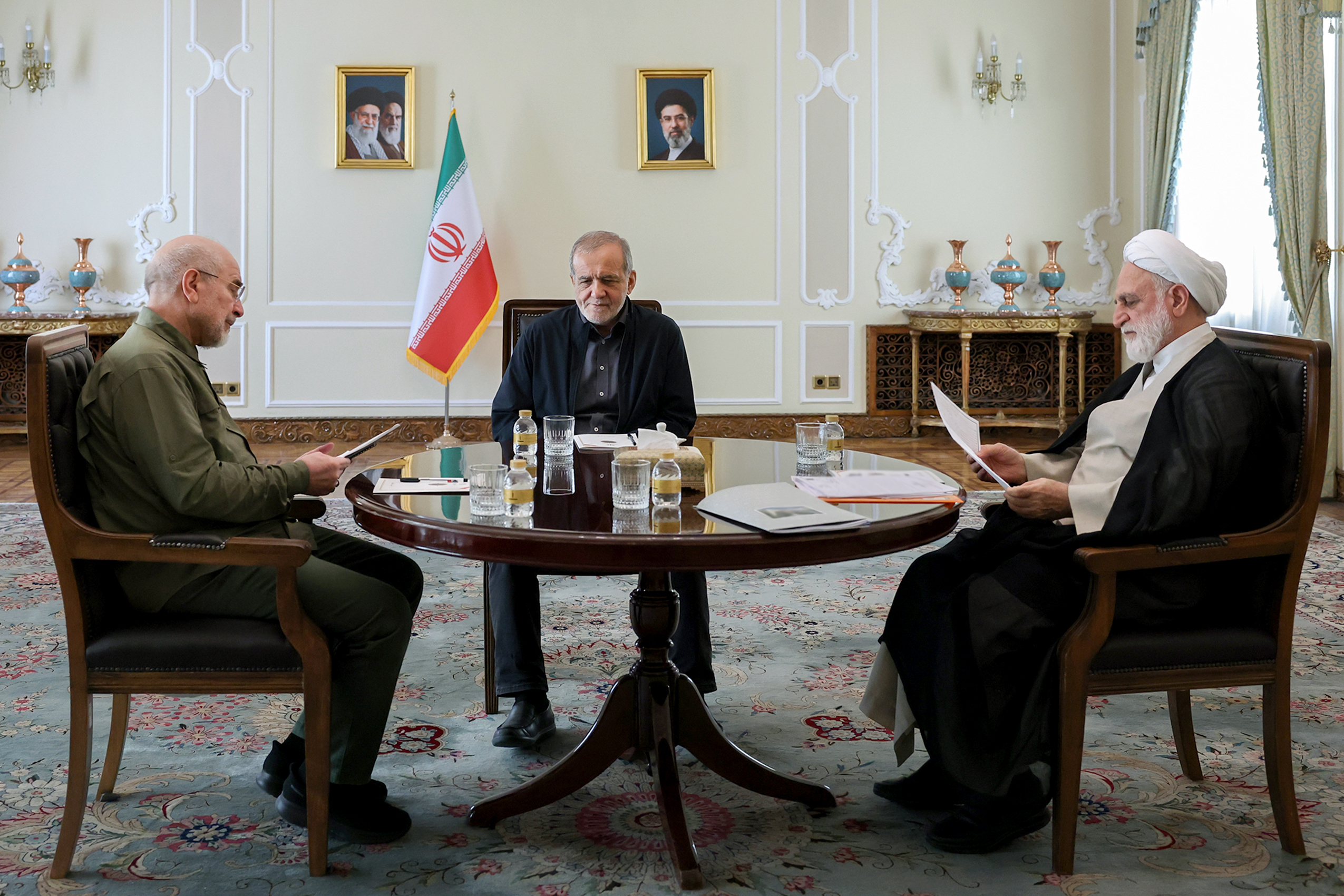
The Committee of Six and Strategic Decision Making in Iran
Remarks by Iran’s president offer a rare glimpse of how the Islamic Republic has adapted its decision making to the absence of its supreme leader.
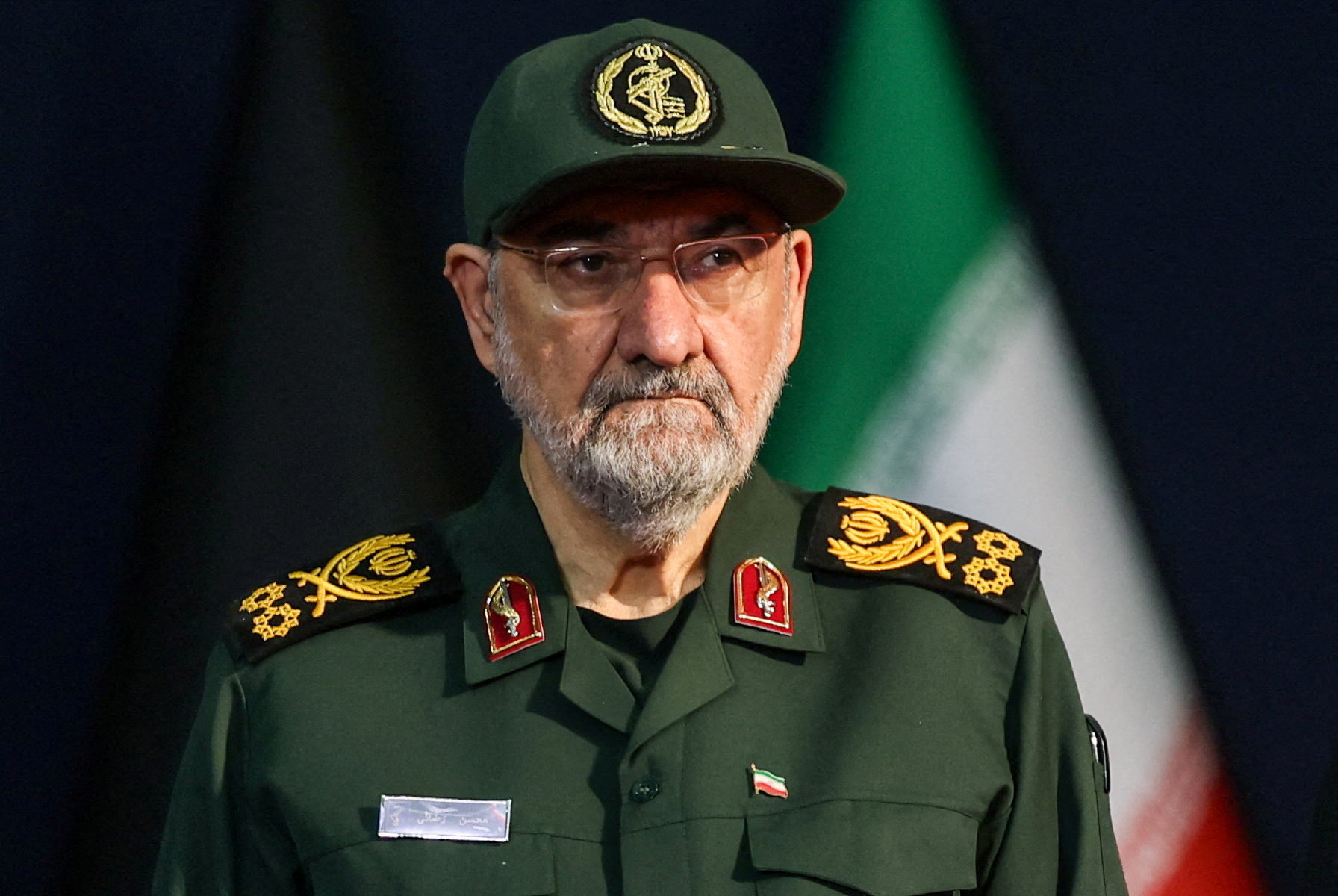
Mohsen Rezaei at the Helm of Iran’s Supreme National Security Council
Under Rezaei, the SNSC could prove constructive or paralyze strategic decision making.
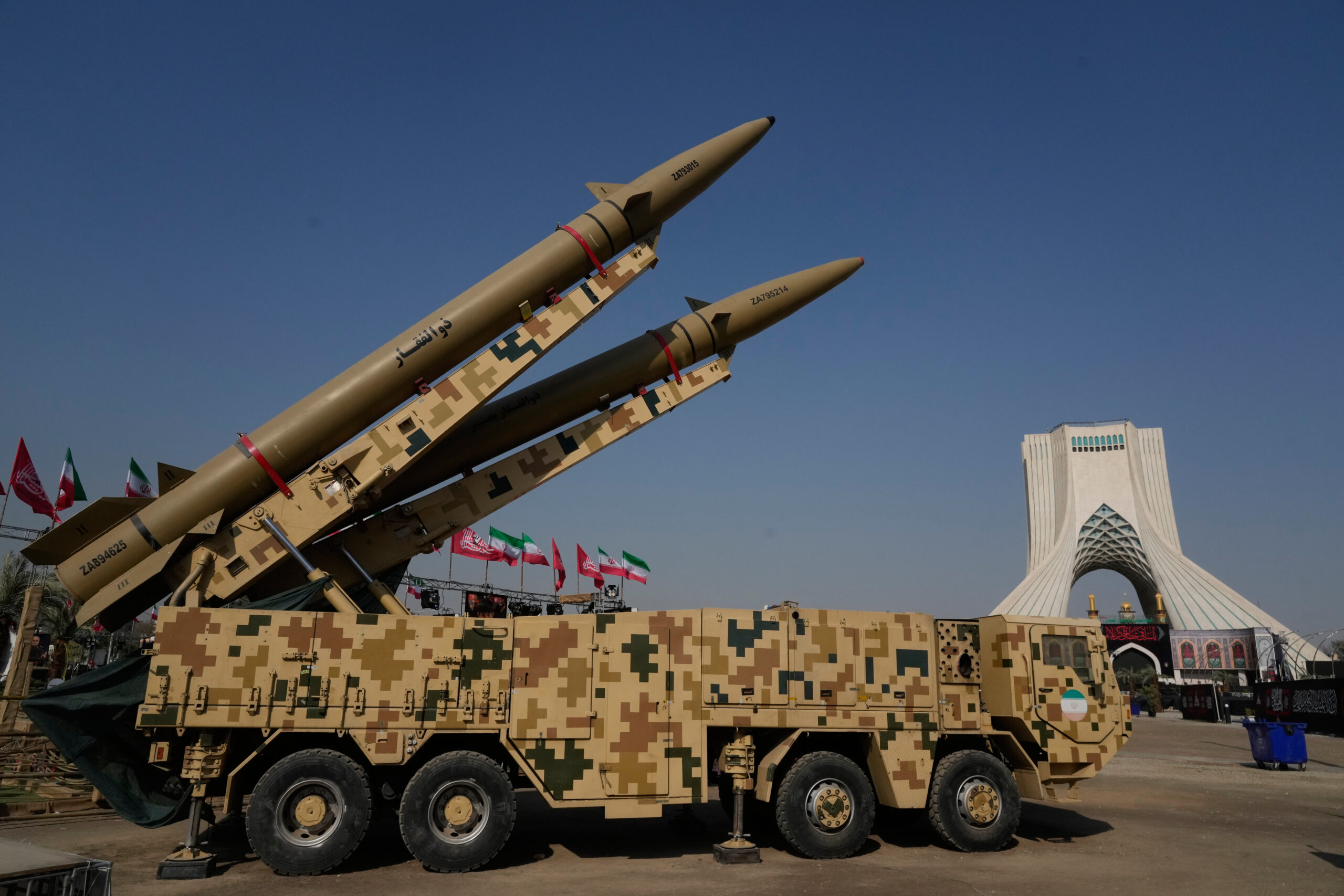
The Islamic Republic Returns to Offense
After U.S.-Israeli strikes killed Supreme Leader Ayatollah Ali Khamenei on February 28, Iran’s collective leadership has concluded that the best defense is a good offense.
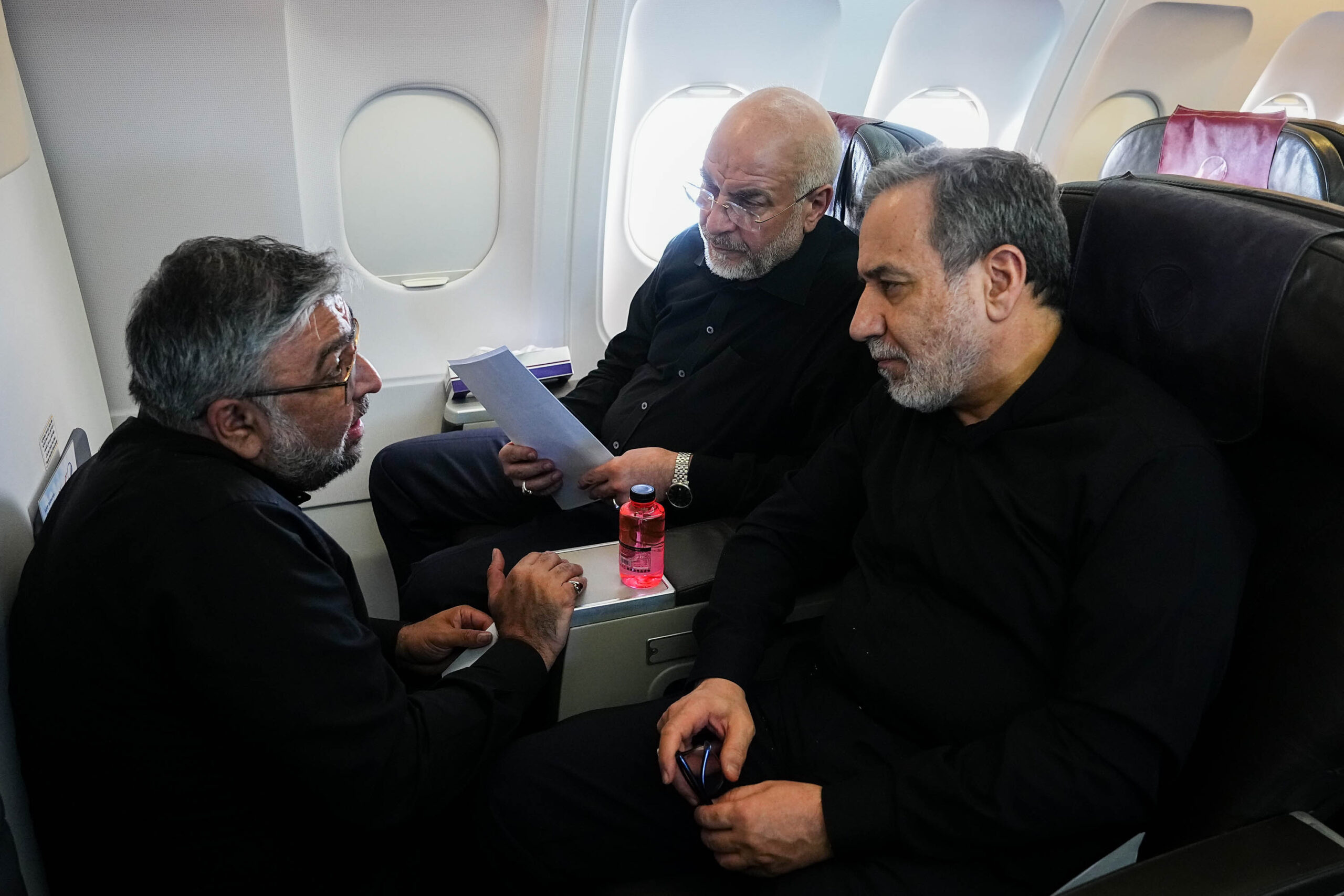
Iran’s Collective Strategic Decision Making
Wartime pressure has temporarily aligned the leadership’s overriding interest in regime survival, even as its members continue to differ over the costs, methods, and ultimate objectives of the war.
Events
Oct 6, 2026
Is the U.S.-Iran Stalemate a “New Normal” or the Prelude to Another Explosion?
On October 6, AGSI hosted a discussion on the U.S.-Iran stalemate and the prospects for a cease-fire.
Speakers



Book Talk: Iran and the Bomb: The United States, Iran and the Nuclear Question
On June 16, AGSI hosted a discussion on the evolution of Iran's nuclear program.
Speakers

Apr 21, 2026
Inside Iran’s Wartime Leadership: Power, Succession, and Regime Stability
On April 21, AGSI hosted a discussion on the evolution of Iran's leadership during the war.
Speakers

Mar 18, 2026
In Its Conflict With the United States and Israel, Does Escalation Favor Iran?
On March 18, AGSI hosted a discussion on the escalation of the Iran war.
Speakers