Engineering Presidential Elections in Iran: Coronation of Raisi
By narrowing the range of choice, Iran’s supreme leader and the Guardian Council effectively eliminate competition and reduce electoral participation, increasing the chances of their favorite candidate: Chief Justice Ebrahim Raisi.
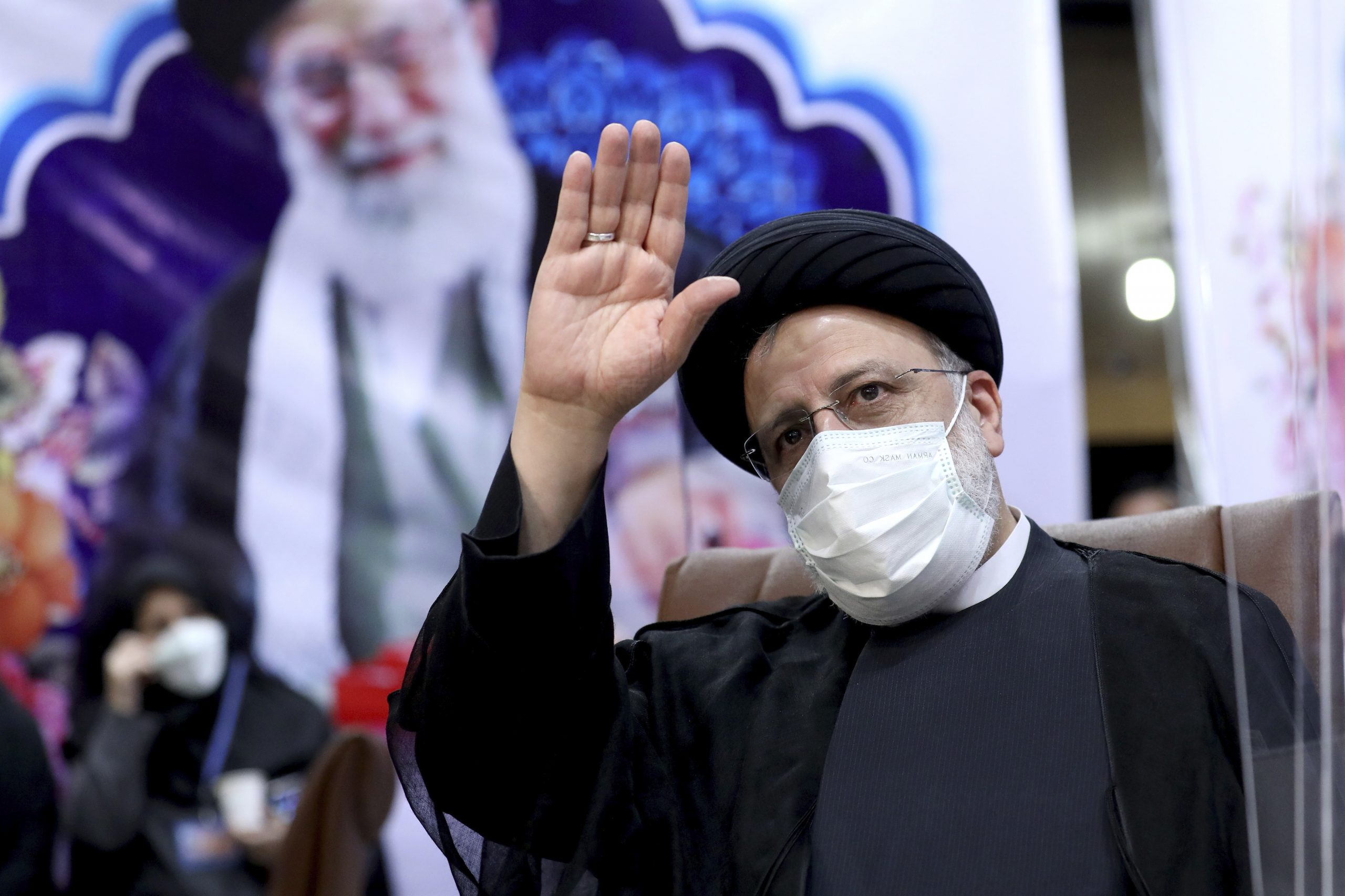
Ebrahim Raisi, head of Iran's judiciary, waves to journalists while registering his candidacy for the upcoming presidential elections at the Interior Ministry in Tehran, Iran, May 15. (AP Photo/Ebrahim Noroozi)
As Iran is preparing for the June 18 presidential election, it is increasingly clear that the regime is engineering the coronation of Chief Justice Ebrahim Raisi as president. It has dissuaded strong rival candidates from running for office, or has resorted to barring them on arbitrary grounds, while allowing weaker rivals, with a proven record of being unelectable. A Raisi victory could result in a more cohesive Iranian leadership and could even pave a path for Raisi to succeed Ayatollah Ali Khamenei as supreme leader. However, such cohesion will come at the price of alienating regime loyalists as well as many among the Iranian public, who will no longer be represented in the formal power centers of the Islamic Republic.
Khamenei’s engineering of the election began early. In his conversations with potential candidates, he dissuaded them from running for office, particularly Hassan Khomeini, grandson of the founder of the Islamic Republic. Those unconvinced by Khamenei were disqualified by the Guardian Council, which interprets constitutional requirements detailed in the June 26, 1984 Law on Presidential Elections and its later amendments. Barring a last minute intervention by Khamenei, among the 592 presidential hopefuls (40 women and 552 men) who registered as candidates for the upcoming presidential election, only seven will appear on the ballot. The rest, including prominent individuals such as former President Mahmoud Ahmadinejad, former Parliamentary Speaker Ali Larijani and current Vice President Eshaq Jahangiri, the Guardian Council declared unqualified.
The Guardian Council is not under any obligation to disclose its internal deliberations concerning vetting of presidential candidates, and the public has no insight into why the candidates were disqualified. However, as in previous elections, disqualifications appear arbitrary and reflect political expediency and Khamenei’s preference for a specific candidate rather than objective criteria. Therefore, it is not surprising that prominent politicians who were barred from running, in particular Ahmadinejad and his supporters, Larijani’s brother Sadeq Larijani (himself a member of the Guardian Council), and Jahangiri and his prominent backer, President Hassan Rouhani, are already protesting the Guardian Council’s ruling.
Not even the happy few, who passed the needle eye of the Guardian Council, are likely to remain happy for long since Raisi, apparently Khamenei’s favorite, is the sole candidate with a real chance of making it into the presidential office. The remaining six candidates are so weak politically they in effect serve as mere props to create the semblance of choice. Among them, Mohsen Rezaei, the former chief commander of the Islamic Revolutionary Guard Corps, was rejected by Iranian voters in the 2000 parliamentary elections, withdrew his candidacy in the 2005 presidential election, and lost in the 2009 and 2013 presidential elections. Saeed Jalili, who previously served as Supreme National Security Council secretary, was rejected by voters in the 2004 and 2008 parliamentary elections and in the 2013 presidential election. The political careers of Abdolnasser Hemmati, Mohsen Mehralizadeh, Amir Hossein Ghazizadeh Hashemi, and Ali Reza Zakani are largely insignificant, with the exception of the fact that Mehralizadeh was disqualified by the Guardian Council in the 2005 presidential election, and it was only due to Khamenei’s illegal last-minute intervention that he made it to the ballot, just to be rejected by the voters. The Guardian Council also disqualified Mehralizadeh in the 2016 parliamentary elections. Zakani was disqualified in the 2013 and 2017 presidential elections. On what grounds the Guardian Council now considers these gentlemen qualified to run for the second-highest office in the Islamic Republic remains a mystery but may not be entirely unrelated to their unpopularity, which renders them harmless to Raisi.
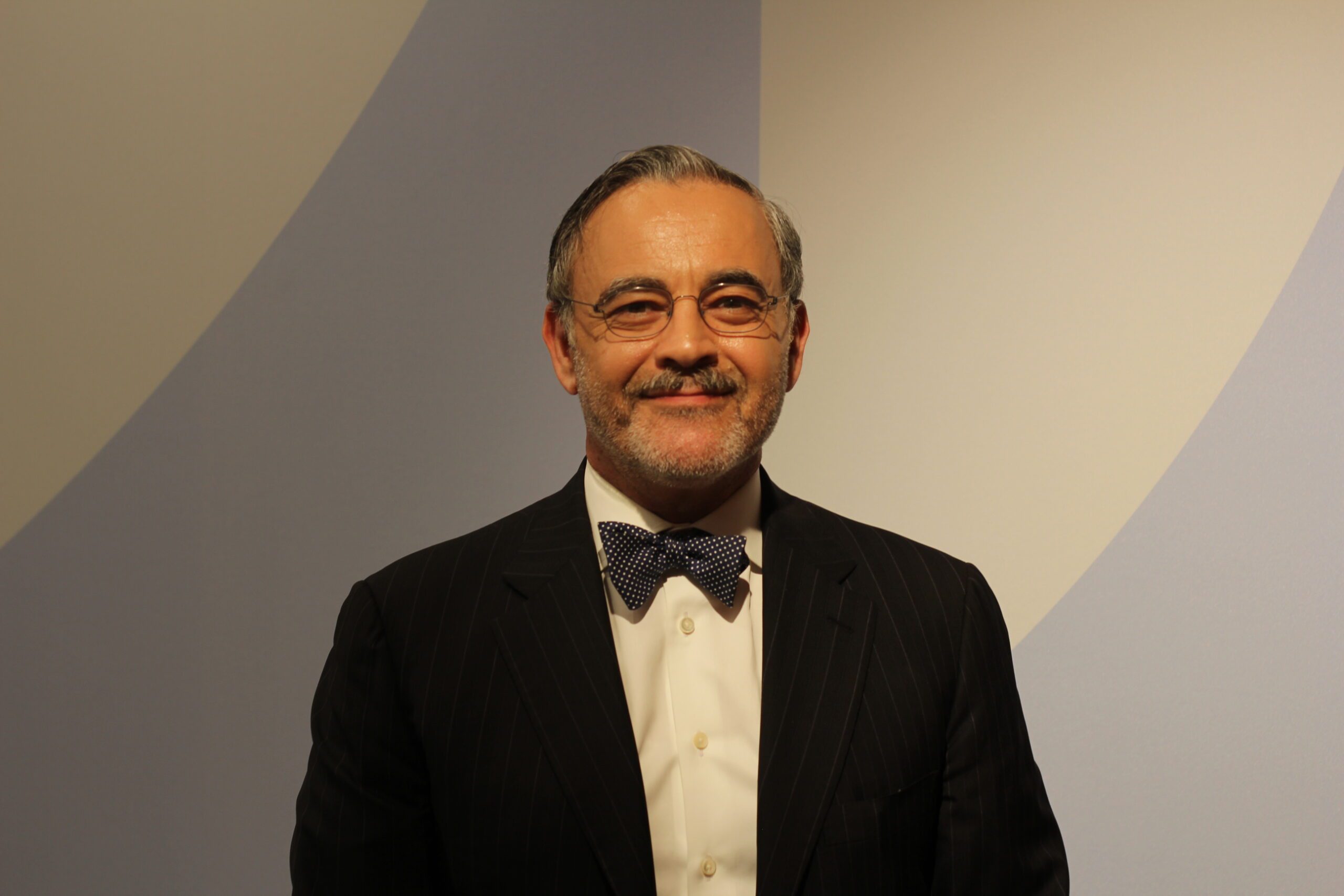
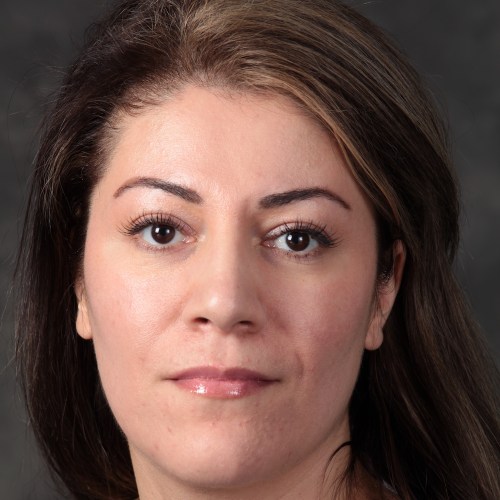
Qualified candidates for Iran’s June 18 presidential election as of May 25
By narrowing the range of choice, Khamenei and the Guardian Council effectively eliminate competition and reduce electoral participation, which increases the chances of their favorite candidate. Raisi may also use a potential election victory to consolidate his relations with the IRGC and thereby increase his chances of succeeding Khamenei as supreme leader.
In doing so, the Islamic Republic is likely to get a more cohesive leadership with greater maneuverability in domestic and foreign policy in the immediate future. Regime cohesion, however, may come at the cost of alienating the Iranian public as well as regime loyalists, who will no longer be represented in the formal power centers of Iran. This in turn threatens to exacerbate the legitimacy crisis of the regime and may also cause defection among the elites, whose loyalty is not reciprocated by the Islamic Republic.
The views represented herein are the author's or speaker's own and do not necessarily reflect the views of AGSI, its staff, or its board of directors.
The economic mismanagement and resistance to change over the past four decades by a succession of regimes has demoralized supporters of conservatives, reformists, and pragmatists alike.
Khamenei’s moves to consolidate his power have led to growing speculation in Iran that the position of its president – current or future – will be far less significant in how the country is led.
Rival camps within the Islamic Republic are increasingly turning to YouTube for policy debate, but there is a limit to the regime’s tolerance for that debate.
After U.S.-Israeli strikes killed Supreme Leader Ayatollah Ali Khamenei on February 28, Iran’s collective leadership has concluded that the best defense is a good offense.