Mar 8, 2024
Crime and Punishment Iranian Style
The March 8 edition of the Iran Media Review highlights reactions to the sentencing of pop singer Shervin Hajipour on charges of acting against national security.

Iranian singer-songwriter Shervin Hajipour soared to global acclaim with his Grammy Award-winning single “Baraye” (For the Sake of), which effectively served as the anthem of the 2022 protests in Iran. However, his artistic journey took a perilous turn when he was arrested in September 2022 on charges of acting against national security.
On March 1, the Revolutionary Tribunal delivered a verdict that to most commentators seemed more like a satirical composition: “A two-year prohibition on leaving Iran; an assignment to delve into the cultural, scientific, and artistic achievements of the Islamic Revolution and to disseminate these findings online; reading and summarizing Morteza Mottahari’s book ‘Women’s Rights in Islam’ and His Holiness Ayatollah Abdollah Javadi Amoli’s book ‘Women in the Mirror of Beauty and Dignity’ (each summary no less than 30 pages); composing a musical piece addressing the crimes of America against humanity and the violation of human rights by the American government in the course of the past century, disseminating the music online, and participating in a workshop on managing professional behavior in the arts.”
- March 2: Satirizing the verdict, Sadegh Zibakalam, a professor at Tehran University, wrote on X, formerly known as Twitter: “I wish the honorable judge would have guided Shervin: What genre of music should he choose when composing in order to best capture the crimes of the United States? Is it classical music? Jazz? The lighter genres played at vaudeville, pop, rap, or in the traditional systems of Persian music?”
- March 2: Centrist Fararu quoted the son and grandson of Morteza Mottahari, who declared their readiness to prepare the book summaries for Hajipour in protest against the sentence.
- March 3: Centrist Asr-e Iran, quoting an open letter to the judge by Ali Varamini, a member of Ham-Mihan newspaper’s editorial board, wrote: “I suggest you appoint Hajipour minister of culture … The kind of punishment you have in mind for him is exactly the sort of things our culture minister is doing!”
- March 5: Mohsen Azmoudeh, a columnist at reformist Etemad newspaper, satirized the sentence by quoting Amoli’s son and Mottahari’s grandson, who complained that the Revolutionary Tribunal considers reading the works of their father and grandfather a form of punishment.
The views represented herein are the author's or speaker's own and do not necessarily reflect the views of AGSI, its staff, or its board of directors.
Related
Iran Media Review
Mar 5, 2024
“Respectable”: Supreme National Security Council Mouthpiece on Lowest Voter Turnout in the Regime’s History
The March 5 edition of the Iran Media Review highlights the low electoral participation in Iran’s recent elections.
Iran Media Review
Mar 1, 2024
Iran: Trust in Family, Distrust in Government
The March 1 edition of the Iran Media Review examines leaked polling on public trust in Iran.
Mar 5, 2024
“Respectable”: Supreme National Security Council Mouthpiece on Lowest Voter Turnout in the Regime’s History
The March 5 edition of the Iran Media Review highlights the low electoral participation in Iran’s recent elections.
Mar 1, 2024
Iran: Trust in Family, Distrust in Government
The March 1 edition of the Iran Media Review examines leaked polling on public trust in Iran.
Analysis
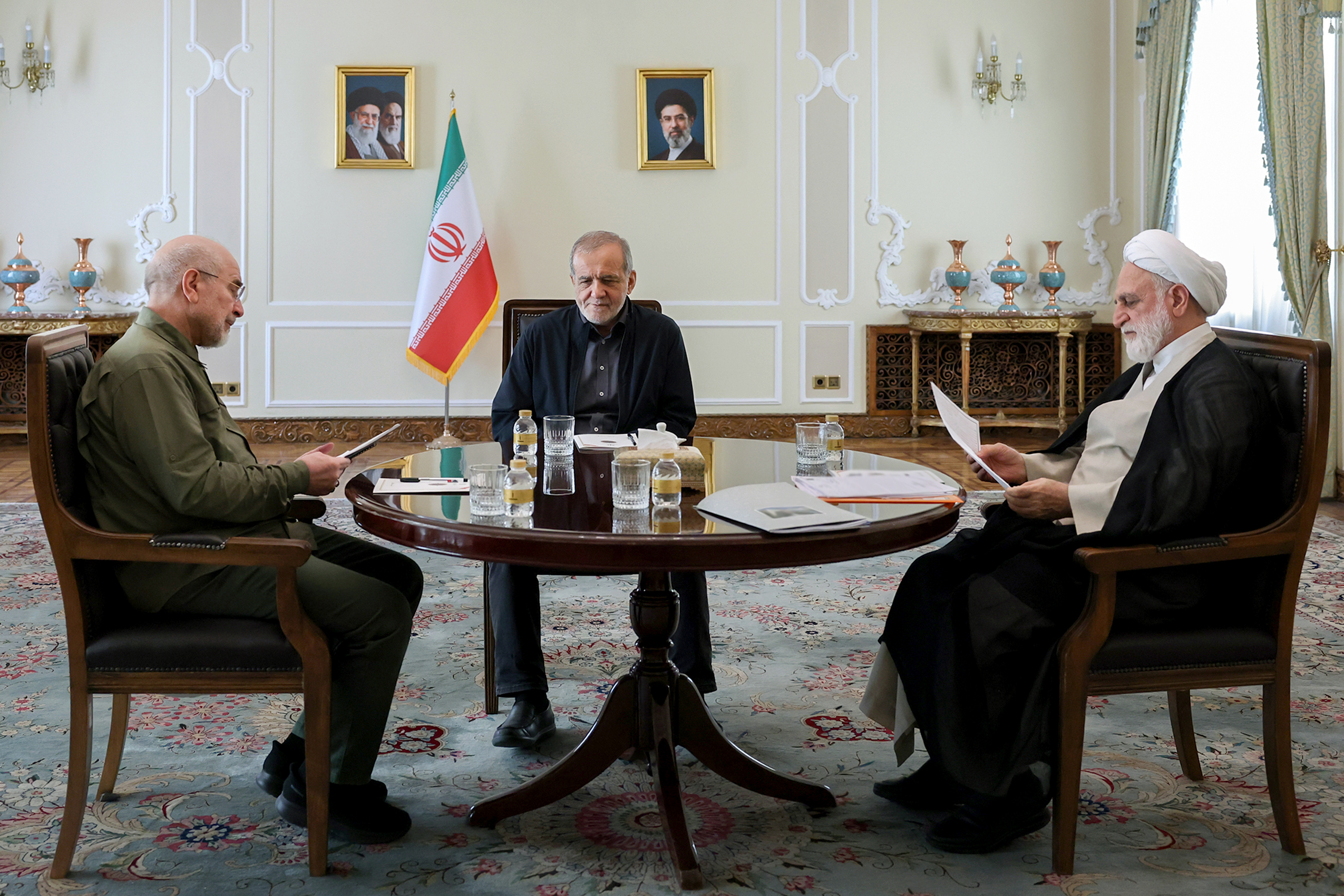
The Committee of Six and Strategic Decision Making in Iran
Remarks by Iran’s president offer a rare glimpse of how the Islamic Republic has adapted its decision making to the absence of its supreme leader.
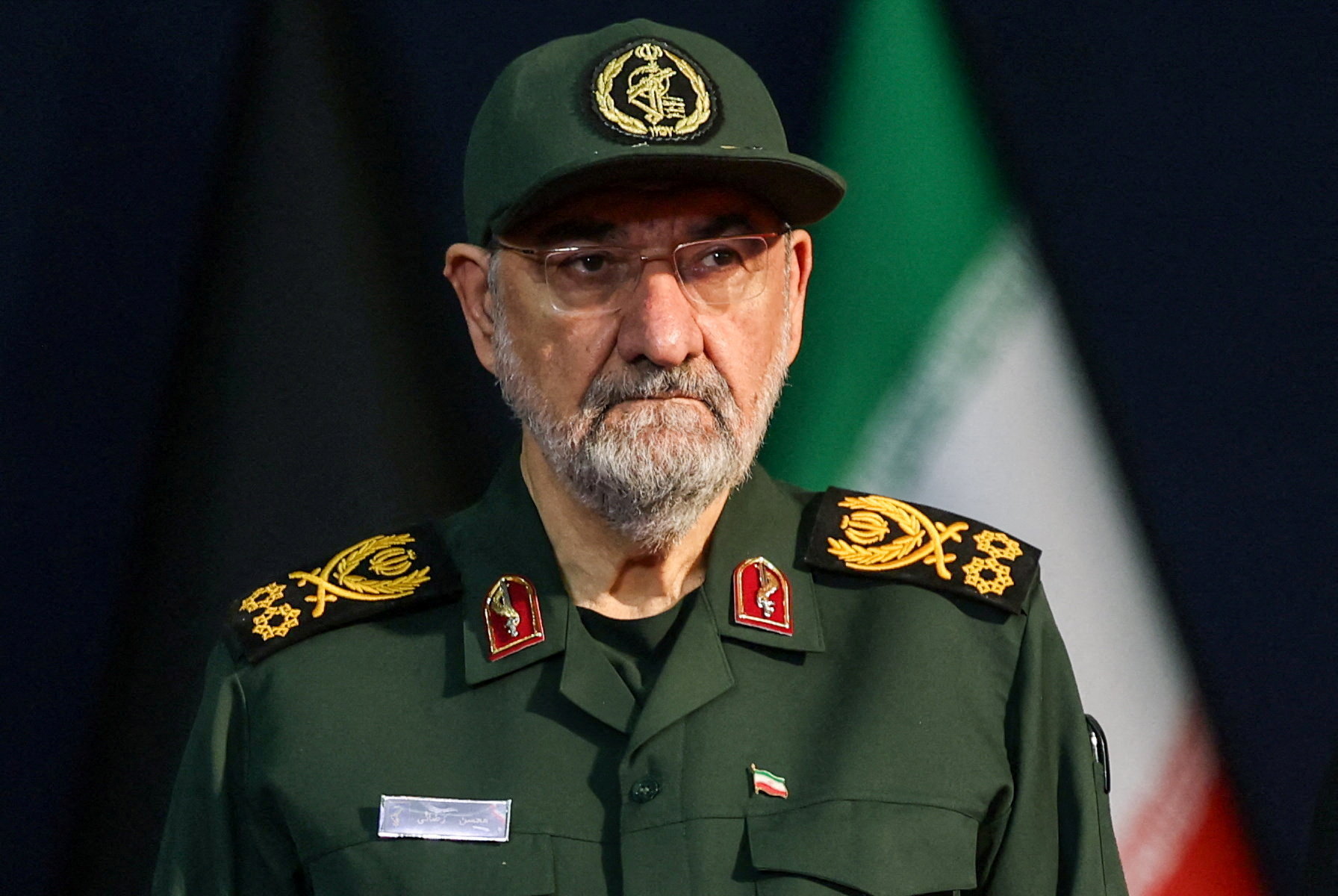
Mohsen Rezaei at the Helm of Iran’s Supreme National Security Council
Under Rezaei, the SNSC could prove constructive or paralyze strategic decision making.
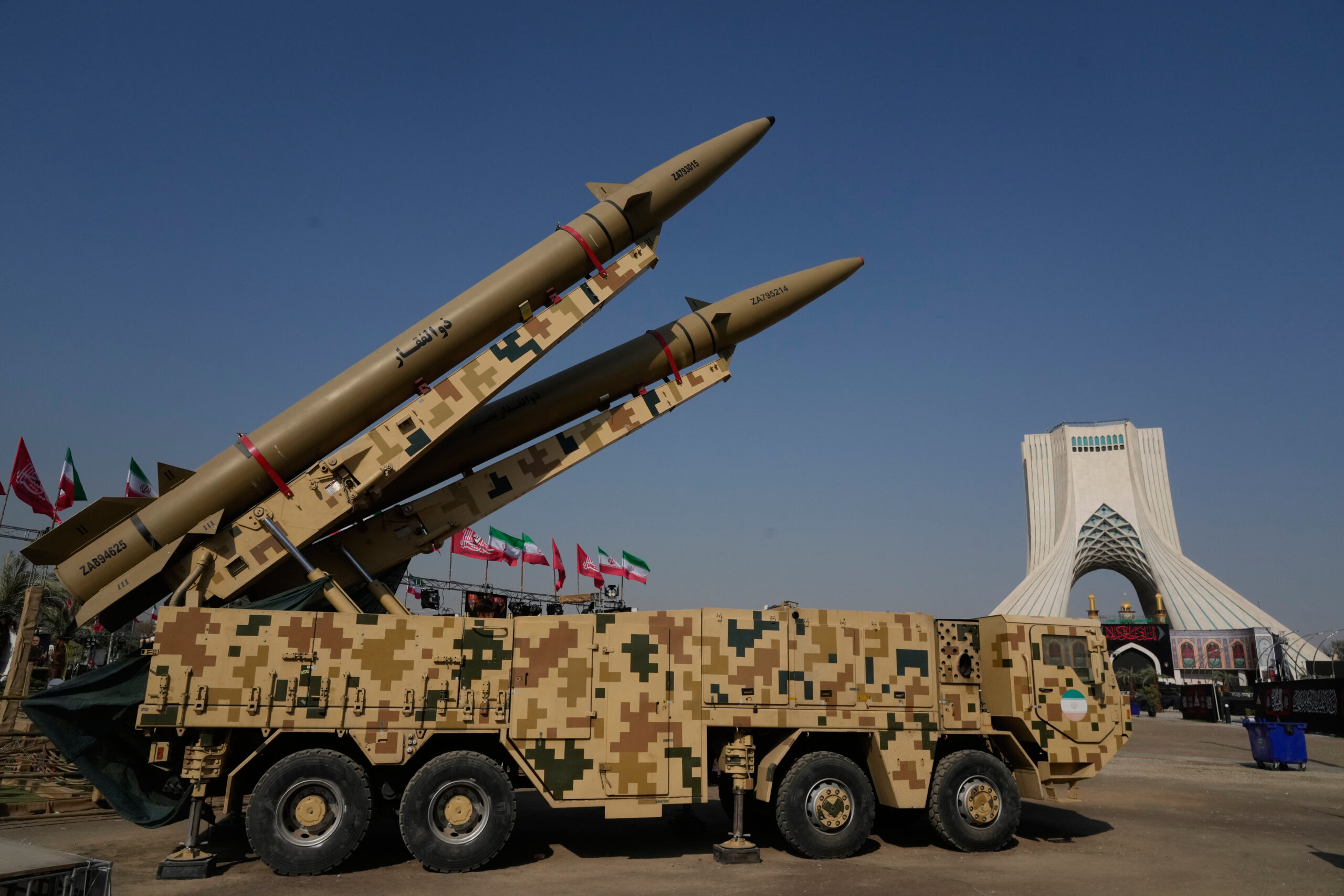
The Islamic Republic Returns to Offense
After U.S.-Israeli strikes killed Supreme Leader Ayatollah Ali Khamenei on February 28, Iran’s collective leadership has concluded that the best defense is a good offense.
Iran’s Collective Strategic Decision Making
Wartime pressure has temporarily aligned the leadership’s overriding interest in regime survival, even as its members continue to differ over the costs, methods, and ultimate objectives of the war.
Events
Oct 6, 2026
Is the U.S.-Iran Stalemate a “New Normal” or the Prelude to Another Explosion?
On October 6, AGSI hosted a discussion on the U.S.-Iran stalemate and the prospects for a cease-fire.
Speakers



Book Talk: Iran and the Bomb: The United States, Iran and the Nuclear Question
On June 16, AGSI hosted a discussion on the evolution of Iran's nuclear program.
Speakers
Apr 21, 2026
Inside Iran’s Wartime Leadership: Power, Succession, and Regime Stability
On April 21, AGSI hosted a discussion on the evolution of Iran's leadership during the war.
Speakers

Mar 18, 2026
In Its Conflict With the United States and Israel, Does Escalation Favor Iran?
On March 18, AGSI hosted a discussion on the escalation of the Iran war.
Speakers