Nov 25, 2022
Blaming “Separatists” for Protests at Home, Iran Continues Shelling Iraqi Kurdistan
The November 25 edition of the Iran Media Review considers IRGC statements regarding Kurdish “separatists” and its attacks on these groups based in the Iraqi Kurdistan region.

The Iranian state has a long and complicated history with the Kurds, often resulting in suppression of Kurdish ethno-nationalism within Iran, simultaneous with tactical alliances of convenience with non-Iranian Kurds against third parties, such as Iraq, and, to a lesser extent, Turkey. The emergence of the Kurdistan Regional Government in 1992 and regime change in Iraq in 2003 added further complications to Iranian-Kurdish relations, as Kurdish political parties in opposition to the Islamic Republic found refuge in Iraqi Kurdistan.
Those Kurdish parties may or may not have increased their activity level during the ongoing countrywide anti-regime protests, but unwilling to point a finger at authorities responsible for the current state of affairs at home, the Islamic Revolutionary Guard Corps blames “separatists” abroad. However, the real or perceived threat of separatism and the shadow of a civil war, in tandem with heavy repression by the authorities, has yet to persuade the protesters in Iran’s major cities to leave the streets.
- November 14: The IRGC issued a statement, released by multiple news agencies, including Tabnak, informing the public about resumption of “missile and aerial drone” attacks against “headquarters and centers of anti-Iranian separatist terrorists based in the Kurdistan region in northern Iraq” … “Due to apparent negligence, and in some cases ill will, of Iraqi Kurdistan region officials in dealing with counterrevolutionary and separatist anti-Iranian terrorist groups nested in the region, where they engage in conspiracy and aggression against the Iranian nation, the terrorists are once again engaged in creating insecurity in Islamic Iran … In response, the quarters, centers, and logistical paths to transfer arms and munitions of terrorists were targeted by missiles and aerial drones of the warriors of Islam.” The statement concluded by urging “Iraqi Kurdistan region officials to, in the path of good neighborly relations … live up to their commitments toward the Islamic Republic of Iran to prevent further damage to the people of the two countries.”
- November 15: “An informed source” in conversation with Tasnim News, which is close to the IRGC, said “A hundred separatist terrorists, who had infiltrated the country during the riots, with the aim of creating further insecurity,” were arrested by the authorities. Tasnim News further reported that IRGC ground forces resumed “missile and aerial drone attacks against positions of separatist terrorists based in the Iraqi Kurdistan region.” More specifically, Tasnim reported that the Democratic Party of Iranian Kurdistan position in Koysinjaq and Komala Party of Iranian Kurdistan base in Sulaymaniyah were targeted.
- November 15: Brigadier General Mohammad-Taqi Ossanlou, the Hamzeh Seyyed al-Shohada Headquarters chief, said, as quoted by Shargh newspaper: “As long as the Kurdistan region, or the central government in Iraq, does not fulfill the Islamic Republic’s demands of disarmament and expulsion of armed groups, we shall continue our work … We have targeted bases of separatist terrorist groups using suicide and armed drones and precisely hit previously identified individuals … We have arrested some members of these groups in recent riots. A few admitted they had entered Iran for the purpose of rioting and causing deaths. They also used domestic elements … They are unfortunately using their own family as a human shield at their headquarters. Until a certain point, we show understanding and hit neighboring structures.”
The views represented herein are the author's or speaker's own and do not necessarily reflect the views of AGSI, its staff, or its board of directors.
Related
Iran Media Review
Nov 18, 2022
Iran’s “Martyrs of Public Security” Reach 53
The November 18 edition of the Iran Media Review considers the unprecedented number of security forces killed during recent protests in Iran.
Iran Media Review
Nov 22, 2022
Kayhan Newspaper Slams Elections in Bahrain, but in Reality Describes Elections in Iran
The November 22 edition of the Iran Media Review considers commentary by Iranian media outlets on Bahrain’s parliamentary elections.
Nov 18, 2022
Iran’s “Martyrs of Public Security” Reach 53
The November 18 edition of the Iran Media Review considers the unprecedented number of security forces killed during recent protests in Iran.
Nov 22, 2022
Kayhan Newspaper Slams Elections in Bahrain, but in Reality Describes Elections in Iran
The November 22 edition of the Iran Media Review considers commentary by Iranian media outlets on Bahrain’s parliamentary elections.
Analysis
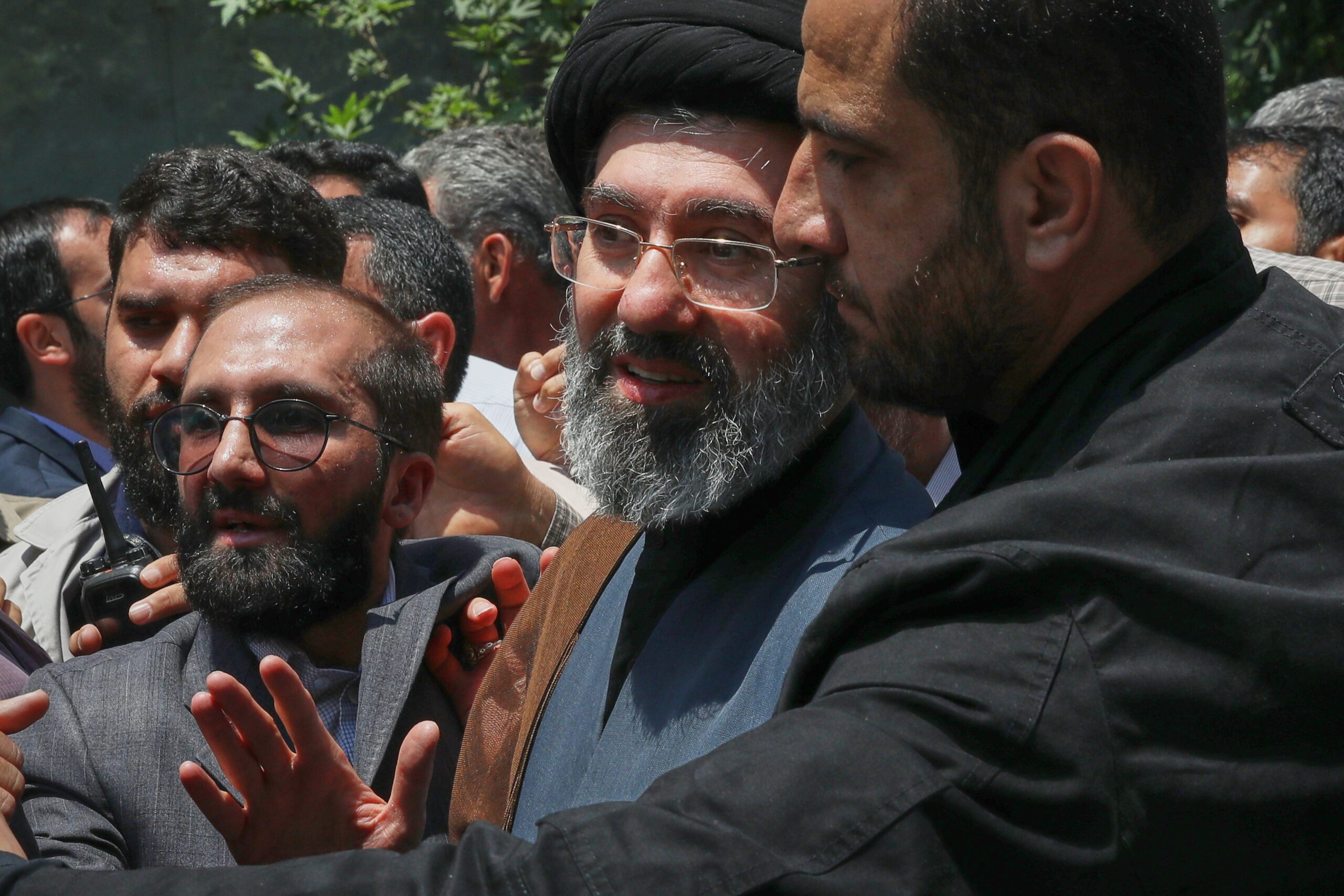
Under Mojtaba, the IRGC Will Reign Supreme
Iran may still call itself an Islamic Republic. In practice, however, it increasingly resembles a state in which the military governs from behind clerical robes.
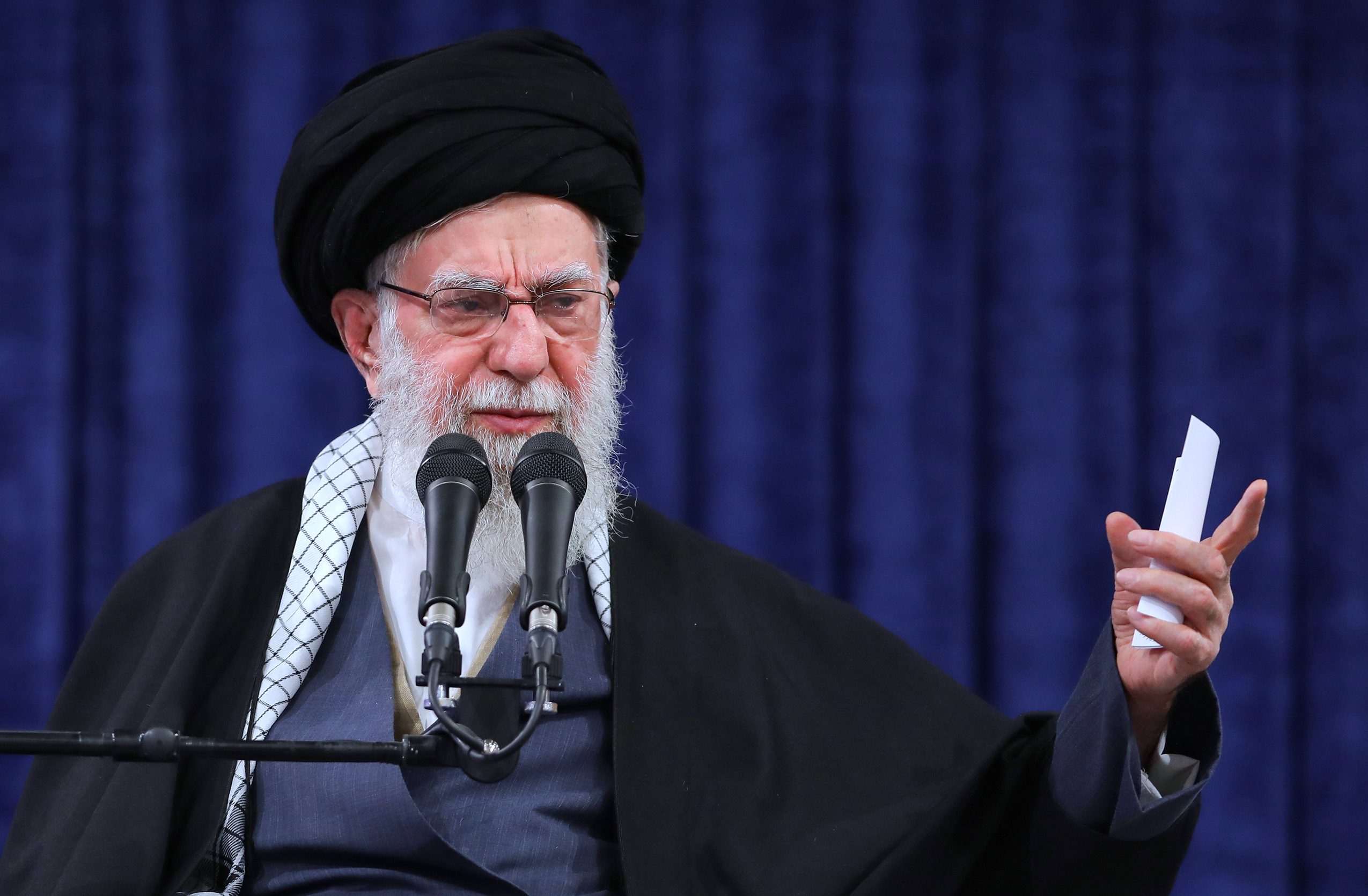
Political Life and Legacy of Iran’s Ayatollah Khamenei
Ayatollah Ali Khamenei was killed in his office in Tehran at age 86, leaving behind a country in ruins and on the verge of civil war and potential disintegration.
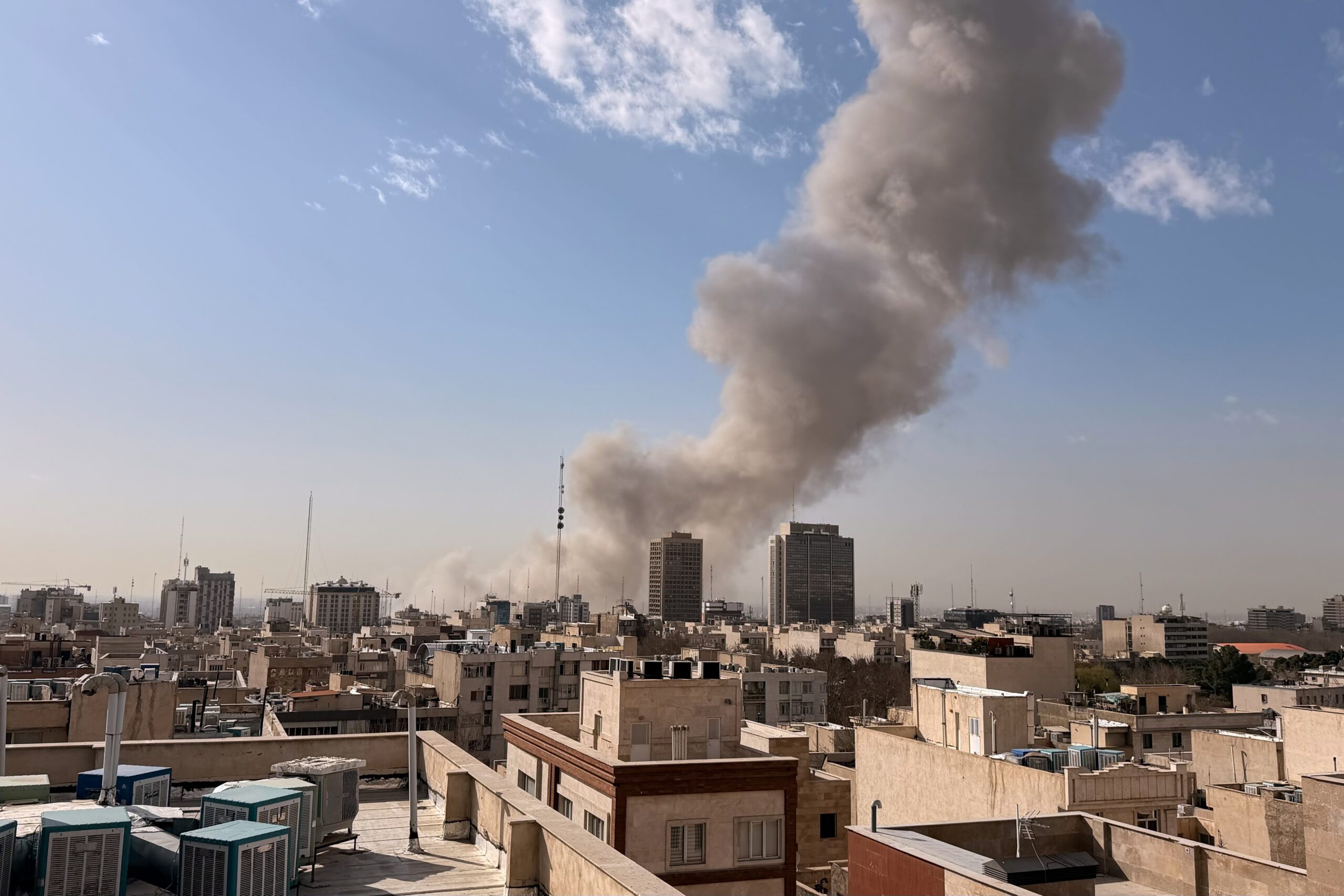
Iranian Regime Fighting for Survival
Iran is signaling that it will not absorb attacks passively. But whether this strategy ensures the regime’s survival, seals its fate, or accelerates a broader catastrophe will shape the region for years to come.
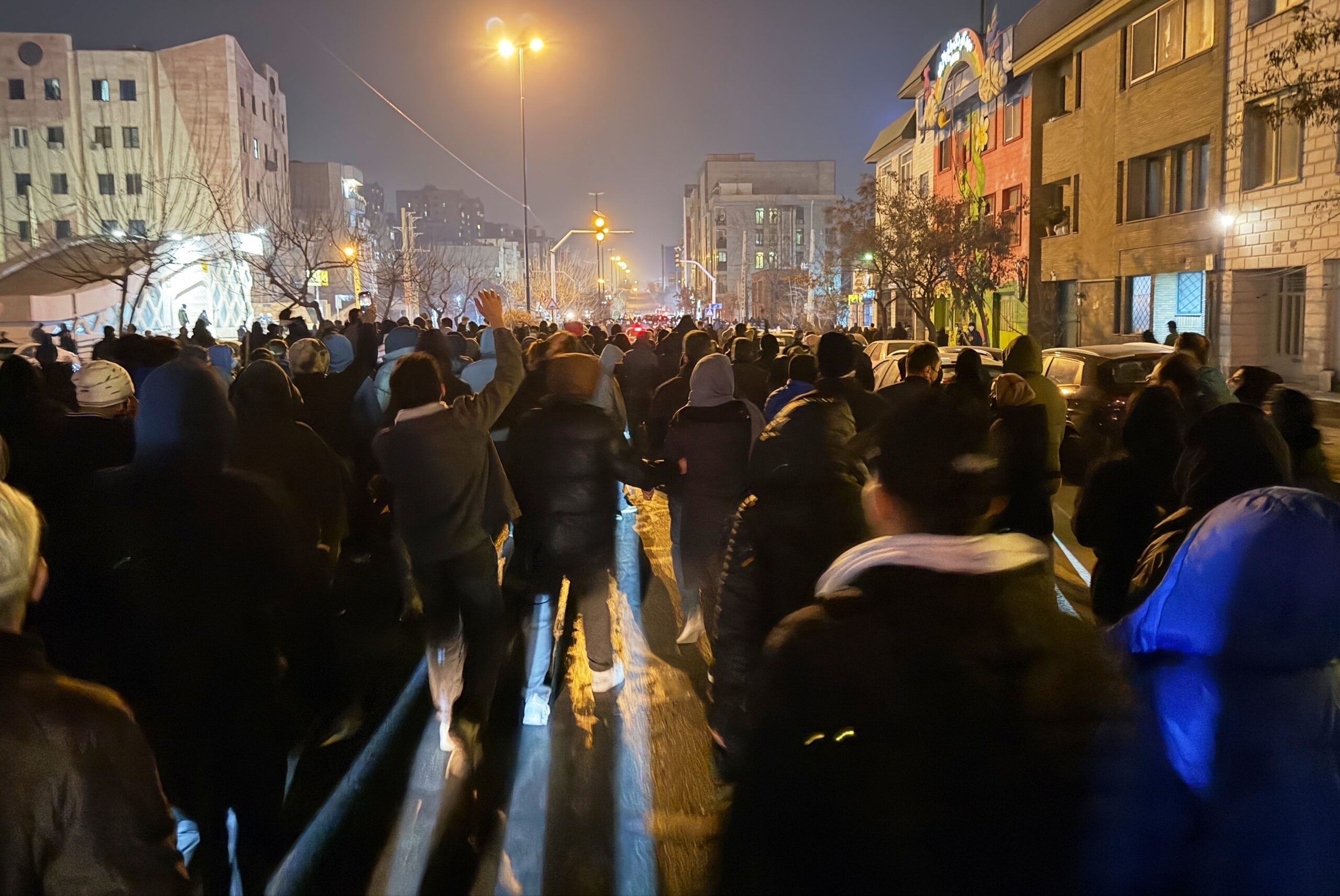
Iran’s 2025-26 Protests in Perspective
The erosion of the regime’s legitimacy across broad segments of society, combined with the breadth of the 2025-26 protest coalition, raises the possibility that a new confrontation could trigger renewed anti-regime mobilization.
Events
Mar 2, 2026
After the Shock: Implications of the U.S.–Israeli Strikes and Iran’s Leadership Transition
On March 2, AGSI hosted a discussion on the U.S.-Israeli strikes on Iran.
Speakers




Jan 8, 2026
Outlook 2026: Prospects and Priorities for U.S.-Gulf Relations in the Year Ahead
On January 8, AGSI hosted a virtual roundtable with its leadership and scholars as they look ahead and assess trends likely to shape the Gulf region and U.S. foreign policy during the coming year.
Speakers



Sep 16, 2025
Book Talk: Iran’s Grand Strategy: A Political History
On September 16, AGSI hosted a discussion on the roots of Iran's strategic outlook.
Speakers
Jun 23, 2025
U.S. Strike on Iran: Regional and Diplomatic Fallout
On June 23, AGSI hosted a discussion on the United States' attack on Iranian nuclear sites.
Speakers
