"*" indicates required fields

This field is for validation purposes and should be left unchanged.

Subscribe

By subscribing you agree to our Privacy Policy

Subscription Settings
Analysis

Aramco Is Still the Jewel in Saudi Arabia’s Crown

The March 12 edition of the Saudi Economic Spotlight examines the continued strong performance of Aramco.

Tim Callen

3 min read

Saudi Aramco’s financial results for 2023 once again demonstrate the strength of the company and its importance to Saudi Arabia. Despite lower oil prices and production levels, Aramco’s net income was $121 billion in 2023. While this was down 25% from the exceptional $161 billion achieved in 2022, it still represents a very strong performance. Four things from the report are particularly noteworthy:

  • Dividend payments increased substantially. Dividends paid by the company increased by 30% in 2023 to $98 billion. This followed the decision to pay additional “performance-linked” dividends on top of the base dividend from the third quarter of 2023. The dividend payout is set to increase further to $124 billion in 2024. Higher dividends particularly benefit Aramco’s two largest shareholders, the Saudi government and the Public Investment Fund.

Source: Aramco. 2024 projection for capital spending is the midrange of guidance given by Aramco.

  • The company is boosting capital spending. Capital spending increased by 28% in 2023 to nearly $50 billion as the company increased its investment in upstream, downstream, and new energy sources domestically and overseas. Aramco also gave guidance that its capital spending would be in the $48 billion to $58 billion range in 2024. It is estimated that the directive from the government to delay the previously announced oil capacity expansion will save the company around $40 billion in additional capital spending during 2024-28.
  • Borrowing declined. The company made the final payments to the PIF for its 2020 acquisition of the Saudi Basic Industries Corporation during 2023. This reduced outstanding borrowing by 26% to around $77 billion.

Cash and liquid asset holdings declined. These holdings fell to around $100 billion from $135 billion in 2022 as higher dividend payments and capital spending as well as the repayment of loans more than absorbed the cashflow generated by operating activities during the year. Aramco, however, remains a significant source of liquidity in the Saudi economy. For comparison, the assets in the PIF’s Treasury pool (a proxy for its liquidity) stood at about $22 billion in September 2023, while the government’s deposits at the central bank were $116 billion at the end of 2023.

Sources: Aramco and Public Investment Fund

(Sources: Aramco and Public Investment Fund)

The views represented herein are the author's or speaker's own and do not necessarily reflect the views of AGSI, its staff, or its board of directors.

Tim Callen

Visiting Fellow, AGSI

Analysis

Iran War Hits Business Conditions in Saudi Arabia and the Gulf

March readings of the purchasing managers’ index showed a substantial deterioration in business conditions in Saudi Arabia and the rest of the Gulf.

Tim Callen

6 min read

Smoke rises above Riyadh, Saudi Arabia, March 5. (REUTERS/Stringer)

Saudi Equities Outperform Global Markets

Saudi equity prices have risen since the start of the Iran conflict, outperforming many regional and global markets. Whether this continues will depend on how and when the conflict ends.

Tim Callen

3 min read

Saudi Equities Outperform Global Markets

Not All Oil Is Created Equal

The conflict with Iran has curtailed the supply of oil from the Gulf, pushing up the price of the medium and heavier grades it usually exports relative to lighter grades.

Tim Callen

3 min read

Smoke rises in the Fujairah oil industry zone, caused by debris after interception of a drone by air defenses, according to the Fujairah media office, amid the U.S.-Israeli conflict with Iran, in Fujairah, United Arab Emirates, March 14. (REUTERS/Staff)

The Economic Impact of the Iran Conflict on the Gulf

The Gulf is being significantly affected by the conflict with Iran, but the size of the economic hit varies among countries.

Tim Callen

5 min read

A United Arab Emirates navy ship sails next to a cargo ship in the Strait of Hormuz as seen from Khor Fakkan, the UAE, March 11. (AP Photo/Altaf Qadri)
View All

Events

Mar 11, 2026

Shockwaves From Iran: Implications for Energy Markets and the Global Economy

On March 11, AGSI hosted a discussion on global energy and economic market volatility.

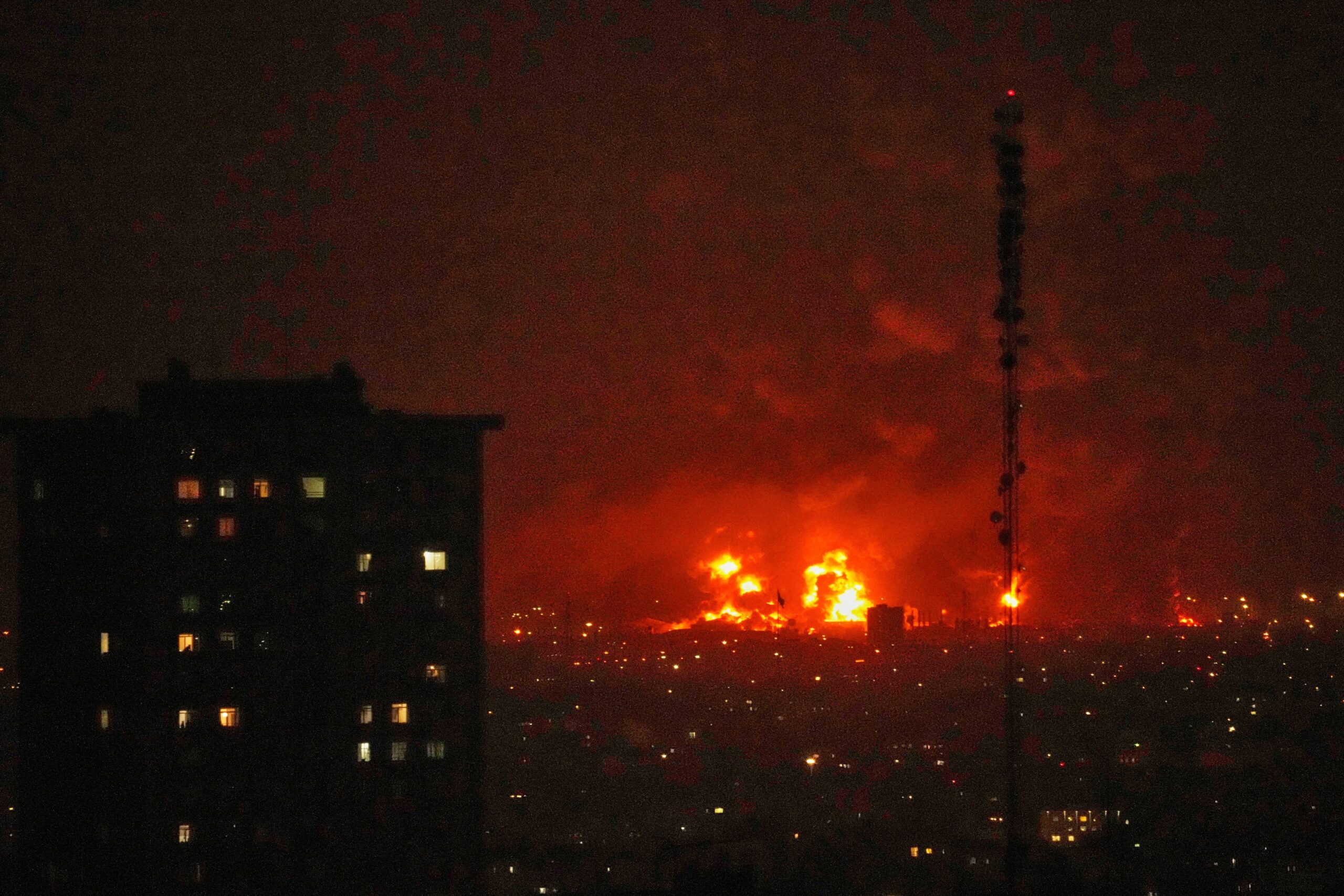
Flames rise from an oil storage facility south of Tehran as strikes hit the city, Iran, March 7. (AP Photo/Vahid Salemi)

Jan 8, 2026

Outlook 2026: Prospects and Priorities for U.S.-Gulf Relations in the Year Ahead

On January 8, AGSI hosted a virtual roundtable with its leadership and scholars as they look ahead and assess trends likely to shape the Gulf region and U.S. foreign policy during the coming year. 

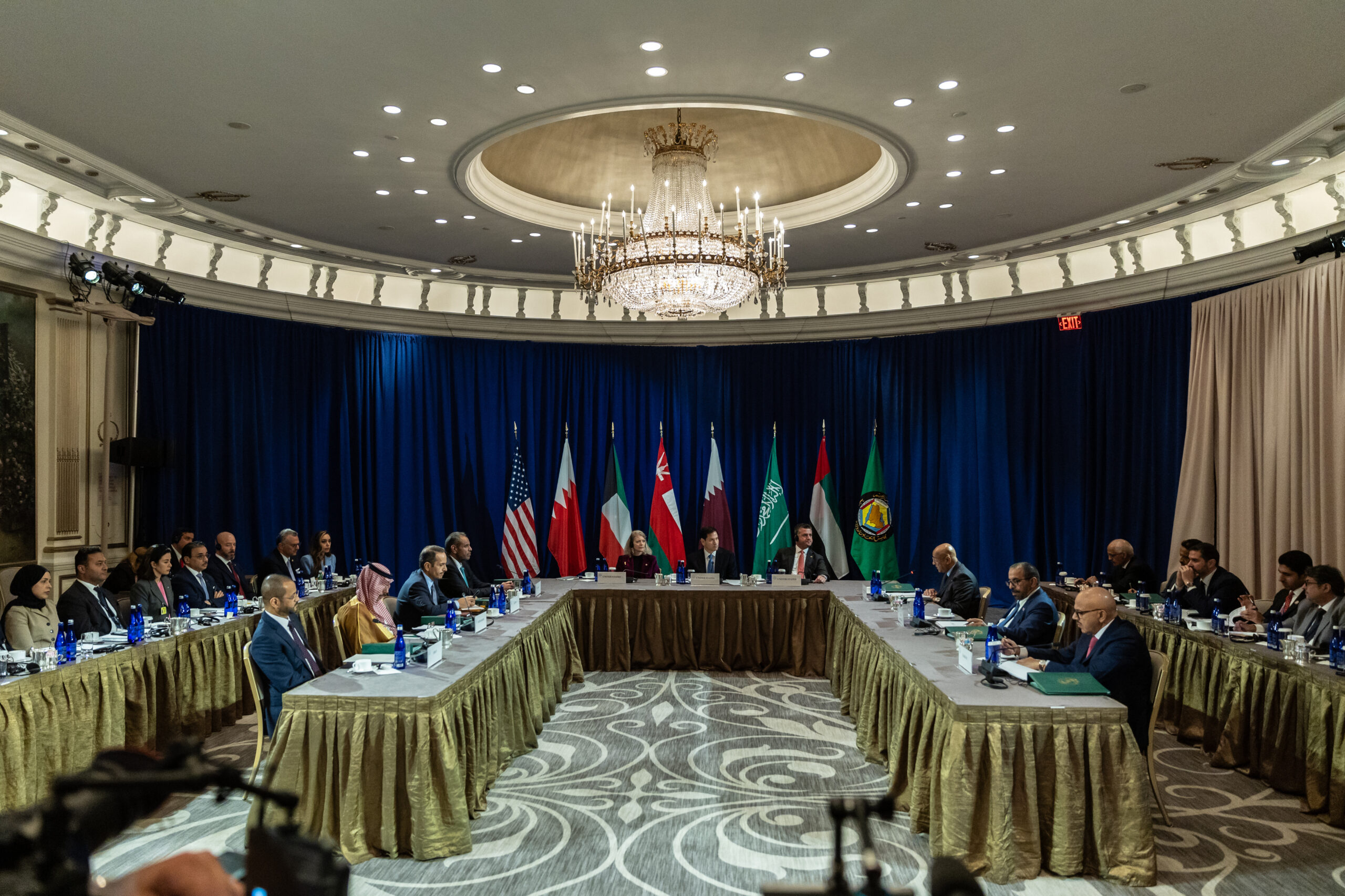
Secretary of State Marco Rubio attends a meeting with the foreign ministers of the Gulf Cooperation Council states as part of the 80th session of the United Nations General Assembly at the Lotte Palace Hotel in New York, September 24. (AP Photo/Stefan Jeremiah, Pool)

Dec 15, 2025

Looking to 2026: Economic Prospects and Policy Challenges in the GCC

On December 15, AGSI hosted a discussion on the future of Gulf economies.

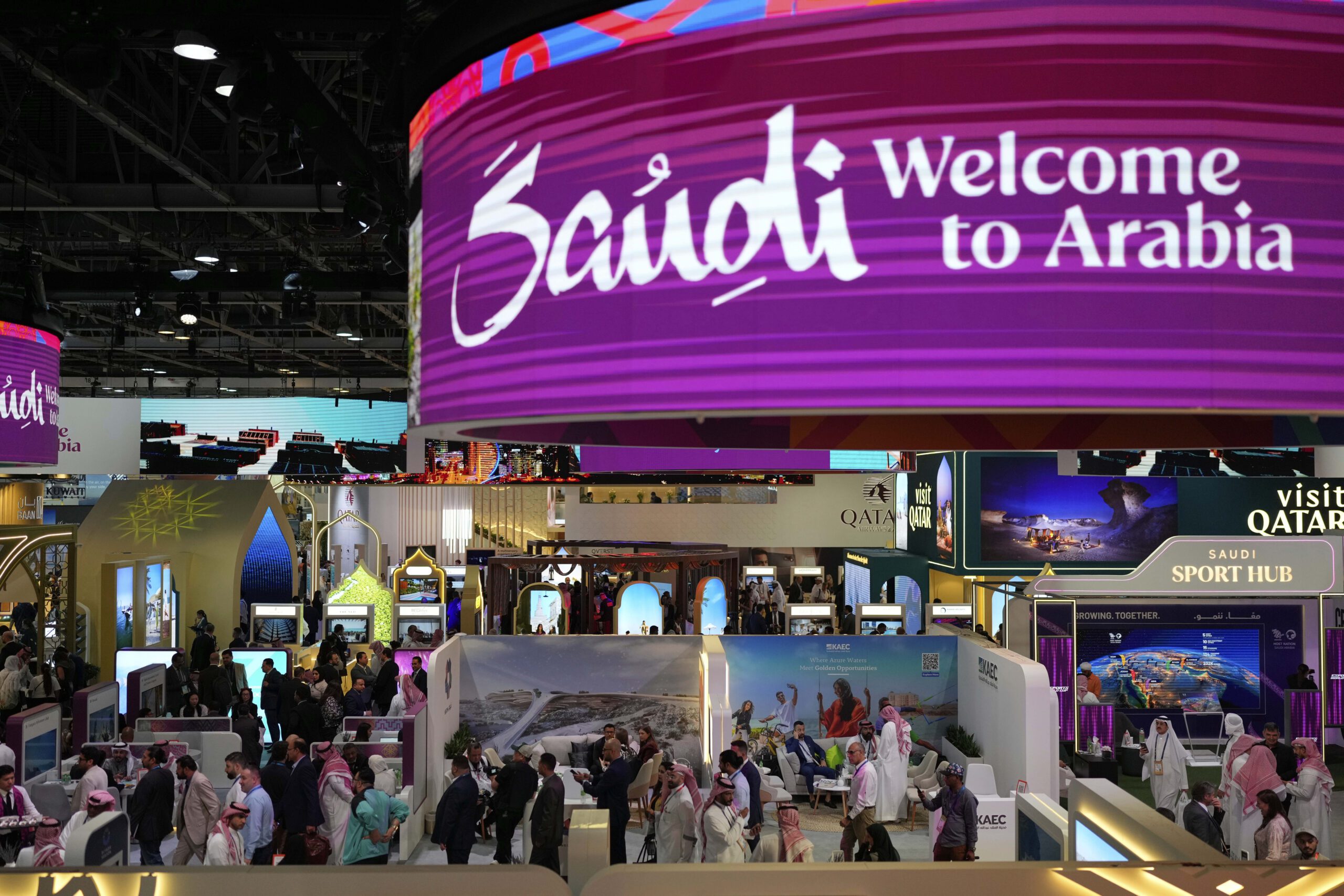
Delegates visit Saudi Arabia's pavilion during the Arabian Travel Market exhibition in Dubai, United Arab Emirates, April 29.(AP Photo/Altaf Qadri)
Delegates visit Saudi Arabia's pavilion during the Arabian Travel Market exhibition in Dubai, United Arab Emirates, April 29. (AP Photo/Altaf Qadri)

Sep 4, 2025

Saudi Arabia: Sustaining Strong Growth Amid Global Economic Uncertainty

On September 4, AGSI hosted a discussion on the International Monetary Fund’s 2025 Article IV report on Saudi Arabia.

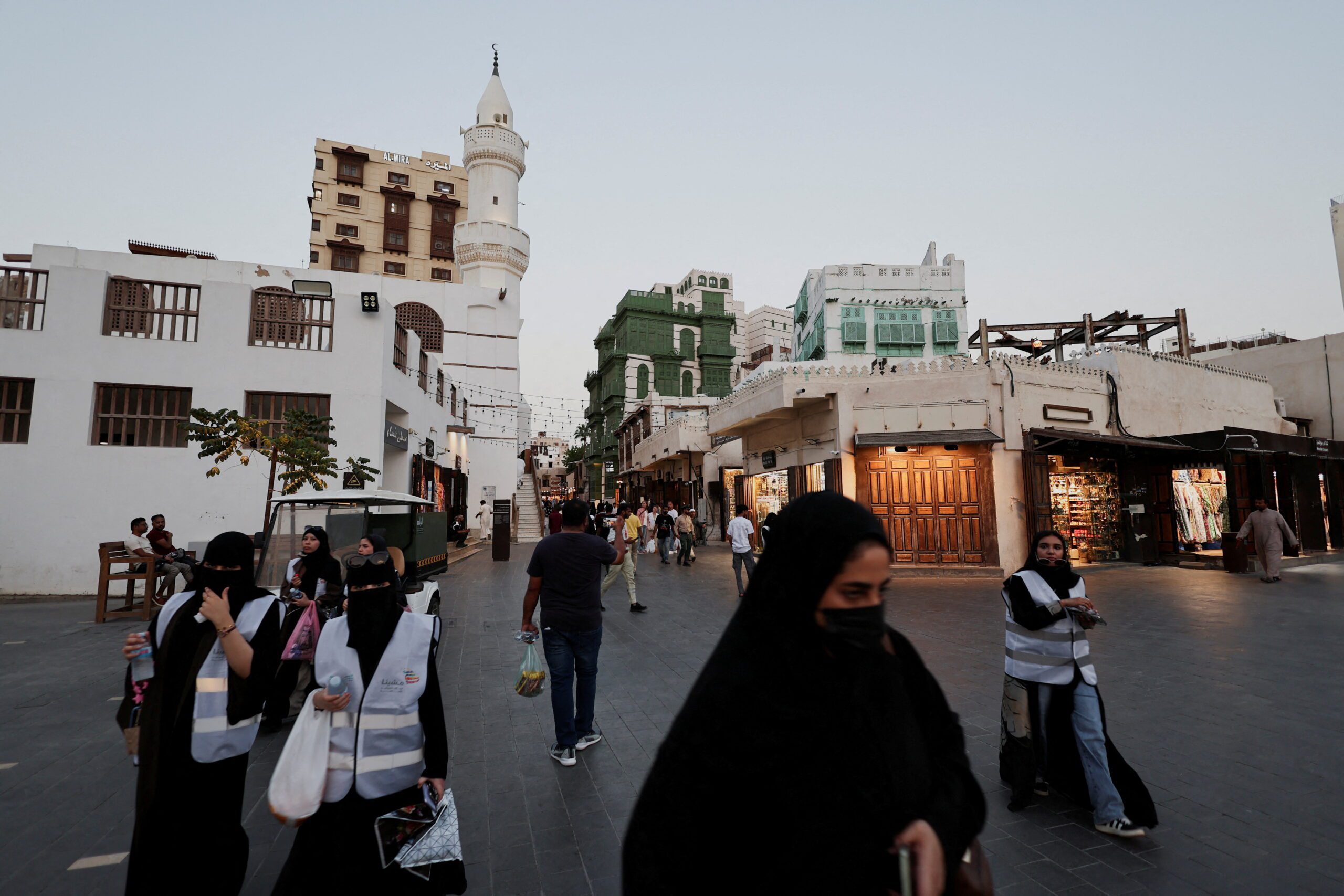
Tourists and locals are seen in Al-Balad in Jeddah, Saudi Arabia, April 21. (REUTERS/Hamad I Mohammed)
View All