Feb 28, 2025
Araghchi: No Direct Talks With the United States as Long as Maximum Pressure Persists
The February 28 edition of the Iran Media Review considers remarks and commentary following a meeting between the Iranian and Russian foreign ministers.
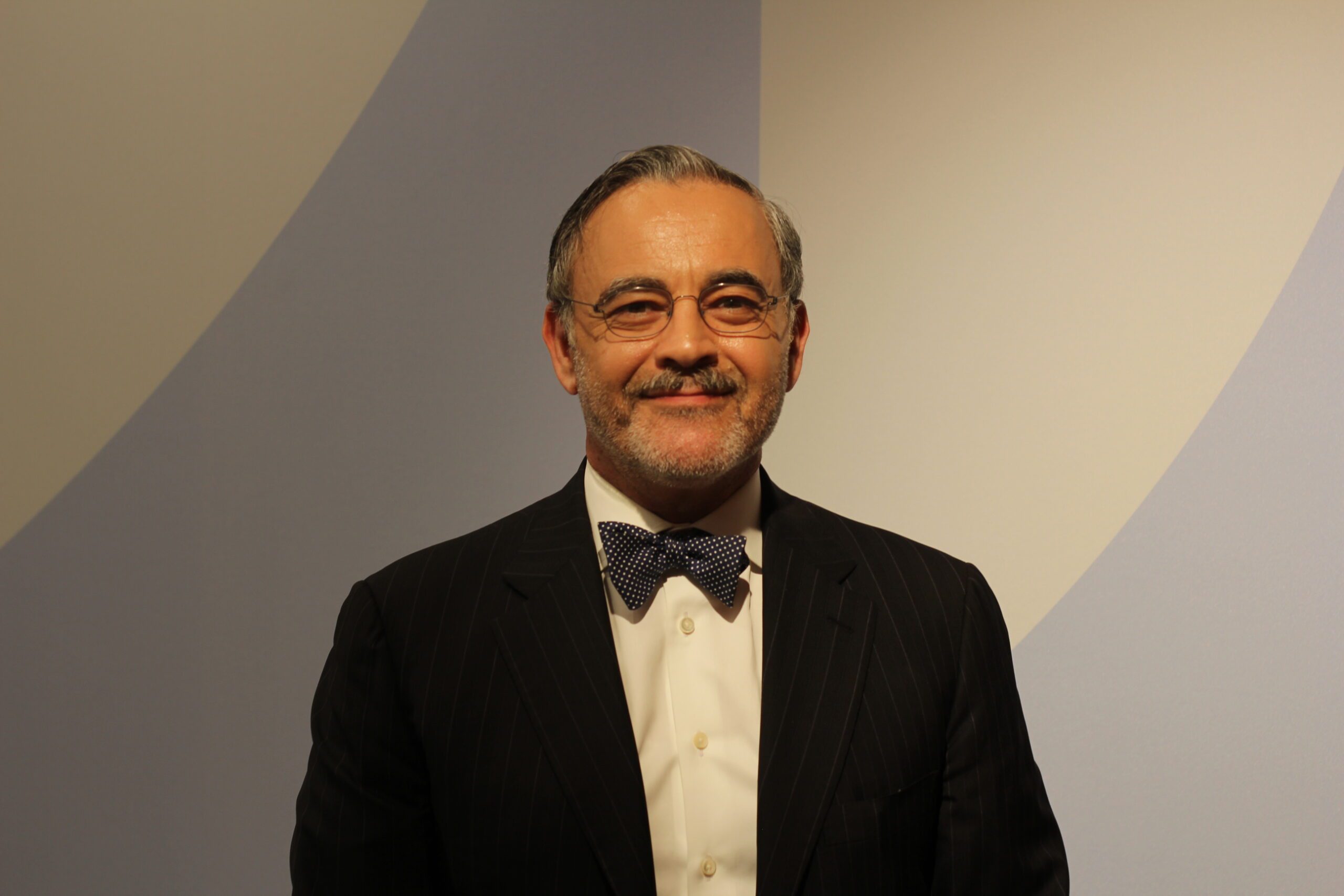
Supreme Leader Ayatollah Ali Khamenei has recently conveyed contradictory signals regarding the prospect of direct diplomatic engagement with the United States. On January 28, he made remarks suggesting openness to such negotiations, but, on February 7, he appeared to reject the possibility. Iranian officials have subsequently interpreted Khamenei’s statements through the lens of their respective institutional interests. In the latest demonstration of bureaucratic politics, Iranian Foreign Minister Abbas Araghchi, at a joint press conference with Russian Foreign Minister Sergei Lavrov, stipulated “talks between Iran and the United States are not feasible as long as the maximum pressure campaign remains in effect.” Meanwhile, former President Hassan Rouhani contended that Khamenei’s opposition to direct negotiations is not absolute. Conversely, media outlets aligned with the Islamic Revolutionary Guard Corps underscored that Iran should not anticipate sanctions relief from the United States. Despite these divergent perspectives, there is broad consensus among analysts that Russia is unlikely to serve as a mediator between Tehran and Washington.
- February 25: The official Islamic Republic News Agency reported on Iranian Foreign Minister Abbas Araghchi’s press conference with Russian Foreign Minister Sergei Lavrov in Tehran, quoting Araghchi as saying:
- “With regard to Iran’s nuclear program, we have had, and continue to have, close consultations with Russia. Our legal, political, and technical teams remain in constant communication, and this collaboration will persist. I have briefed His Excellency Mr. Lavrov on the status of negotiations with the three European countries.”
- “On the nuclear issue, we will maintain cooperation and coordination with our strategic partners in Russia and China. As for the nuclear negotiations, Iran’s position remains unequivocal: We will not engage in negotiations under coercive measures and sanctions. Therefore, in the nuclear domain, direct talks between Iran and the United States are not feasible as long as the maximum pressure campaign remains in effect.”
- February 26: Following a Cabinet meeting, Araghchi provided remarks to domestic media. As quoted by reformist Entekhab News, he said:
- “We held extensive discussions on regional dynamics as well as bilateral issues. Mr. Lavrov provided a comprehensive briefing on Russia’s negotiations with the United States and other regional actors … No message was conveyed during the visit, and no message was expected.”
- February 26: In an editorial responding to Lavrov’s visit, Javan, which is affiliated with the IRGC, criticized reformist media narratives:
- “Reformist outlets claim that the United States seeks to ‘barter’ Ukraine for Iran in its negotiations with Russia – that is, Washington would offer concessions to Moscow on Ukraine in exchange for Russian concessions regarding Iran. Such assertions originate from Russophobes, who in turn accuse others of Russophilia … Araghchi does not appear to have discussed the nuclear issue with Lavrov. The Joint Comprehensive Plan of Action is in such dire condition that it is no longer even a subject of discussion … However, it remains possible that the Iranian Foreign Ministry sought Russian mediation or the transmission of messages to the United States. Iran’s likely message is: ‘If you want to resume negotiations, cease the maximum pressure campaign.’ The U.S. response is predictable: ‘We will never grant Iran what Iran demands from us!'”
- February 26: Hassan Beheshtipour, an international affairs analyst quoted by the reformist newspaper Etemad, assessed Lavrov’s visit:
- “It is improbable that Russia intends to act as a mediator between Iran and the United States … Syria may have been central to the discussions. However, we cannot entirely dismiss the possibility that Moscow conveyed a message from Washington to Tehran. The likelihood is below 5% … Furthermore, Russia does not maintain a consistent and transparent policy toward Iran. Its primary focus is resolving its own disputes with the United States. At the same time, Russia is unlikely to scale back its support for Iran in response to U.S. pressure.”
- February 26: Speaking to an assembly of former Cabinet ministers, former President Hassan Rouhani, as quoted by reformist Entekhab News, addressed the debate over Khamenei’s stance on negotiations with the United States:
- “There are those who claim the supreme leader is categorically opposed to negotiations, but in principle, he is not. His opposition today stems from current circumstances; however, as these circumstances evolve in the coming months, he may approve of negotiations. There is no such thing as absolute opposition. We have previously engaged in direct negotiations with the United States regarding Iraq and Afghanistan, both under the supreme leader’s supervision … Did we not, under the supreme leader’s guidance, negotiate the JCPOA with the United States? Negotiation itself is not the issue; rather, it is the surrounding conditions that determine its feasibility. These conditions may not be suitable today, but they may be favorable tomorrow. So why are we in conflict with one another? Why are we undermining each other? What exactly is happening in this country?”
The views represented herein are the author's or speaker's own and do not necessarily reflect the views of AGSI, its staff, or its board of directors.
Related
Iran Media Review
Feb 25, 2025
Squaring the Circle: Ayatollah Khamenei Demands Cooperation Between Intelligence Agencies
The February 25 edition of the Iran Media Review highlights top officials’ calls for greater unity between Iran’s Ministry of Intelligence and the IRGC Intelligence Organization.
Iran Media Review
Feb 21, 2025
Iran: Qatar in Focus, Proxies in the Periphery
The February 21 edition of the Iran Media Review analyzes remarks following Iranian officials’ meetings with regional proxies and Qatar.
Feb 25, 2025
Squaring the Circle: Ayatollah Khamenei Demands Cooperation Between Intelligence Agencies
The February 25 edition of the Iran Media Review highlights top officials’ calls for greater unity between Iran’s Ministry of Intelligence and the IRGC Intelligence Organization.
Feb 21, 2025
Iran: Qatar in Focus, Proxies in the Periphery
The February 21 edition of the Iran Media Review analyzes remarks following Iranian officials’ meetings with regional proxies and Qatar.
Analysis
How Did the IRGC Seize Power in Iran?
The IRGC did not seize power in a single stroke. It accumulated it – patiently, methodically – until no counterweight remained.
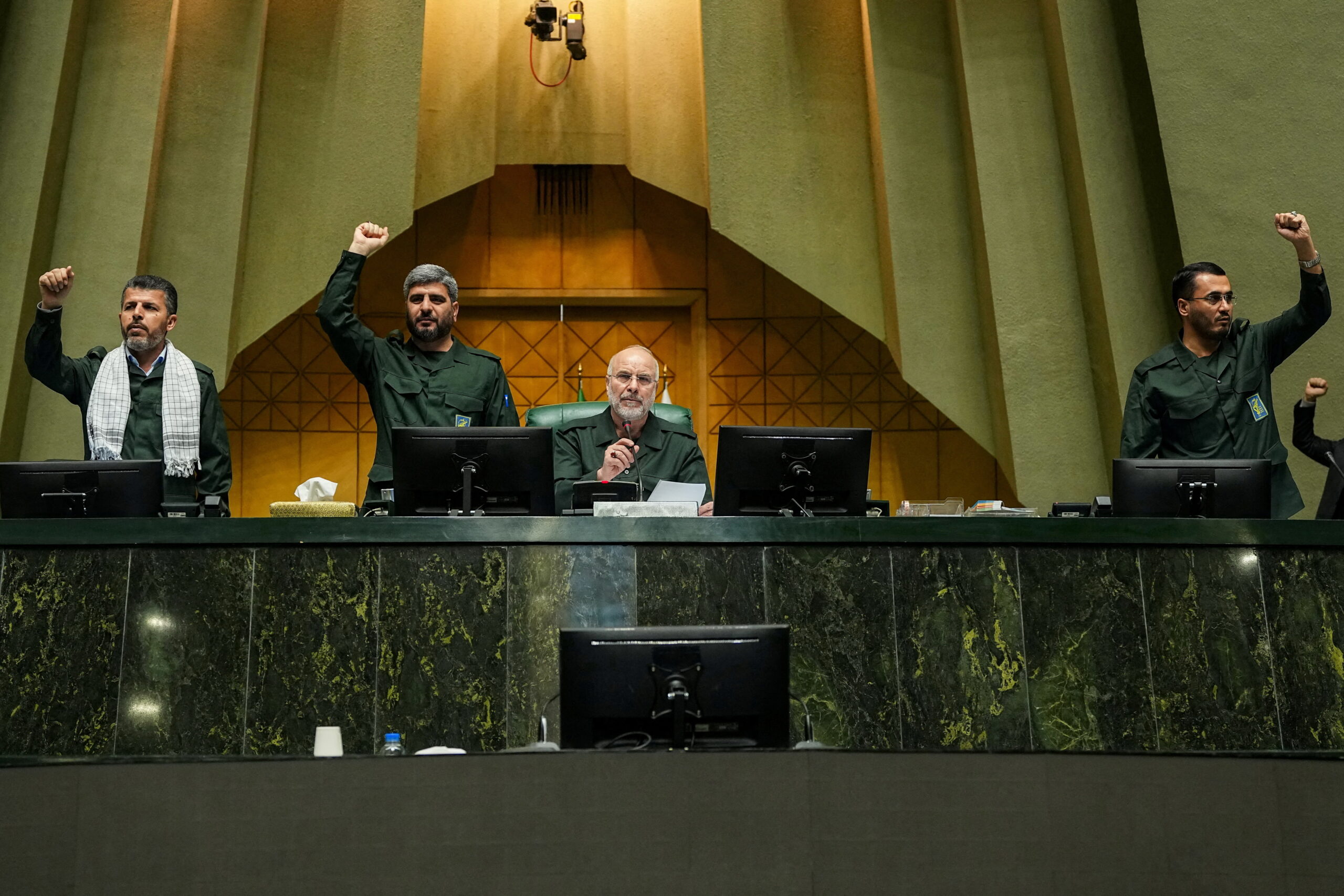
Under Mojtaba, the IRGC Will Reign Supreme
Iran may still call itself an Islamic Republic. In practice, however, it increasingly resembles a state in which the military governs from behind clerical robes.
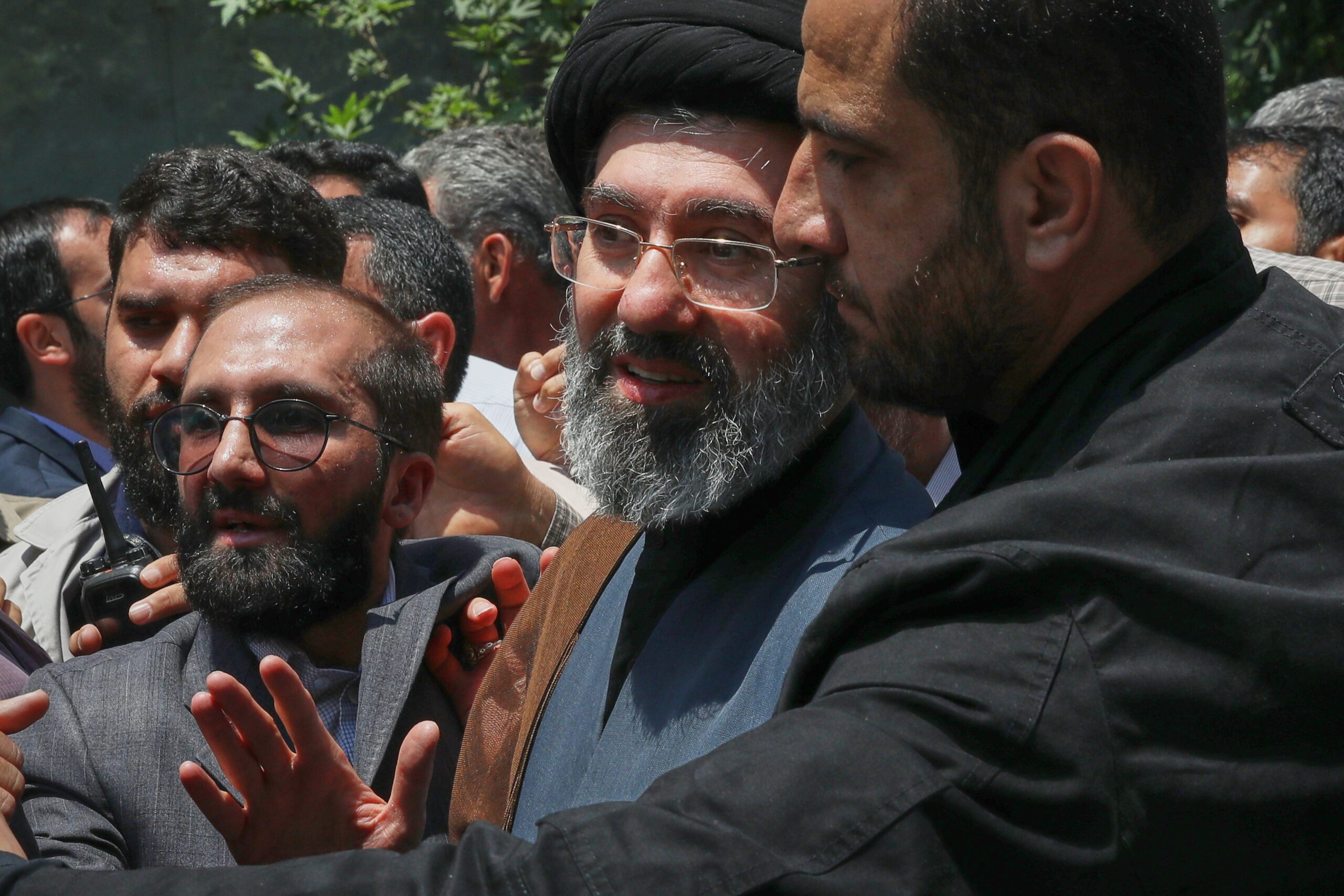
Political Life and Legacy of Iran’s Ayatollah Khamenei
Ayatollah Ali Khamenei was killed in his office in Tehran at age 86, leaving behind a country in ruins and on the verge of civil war and potential disintegration.
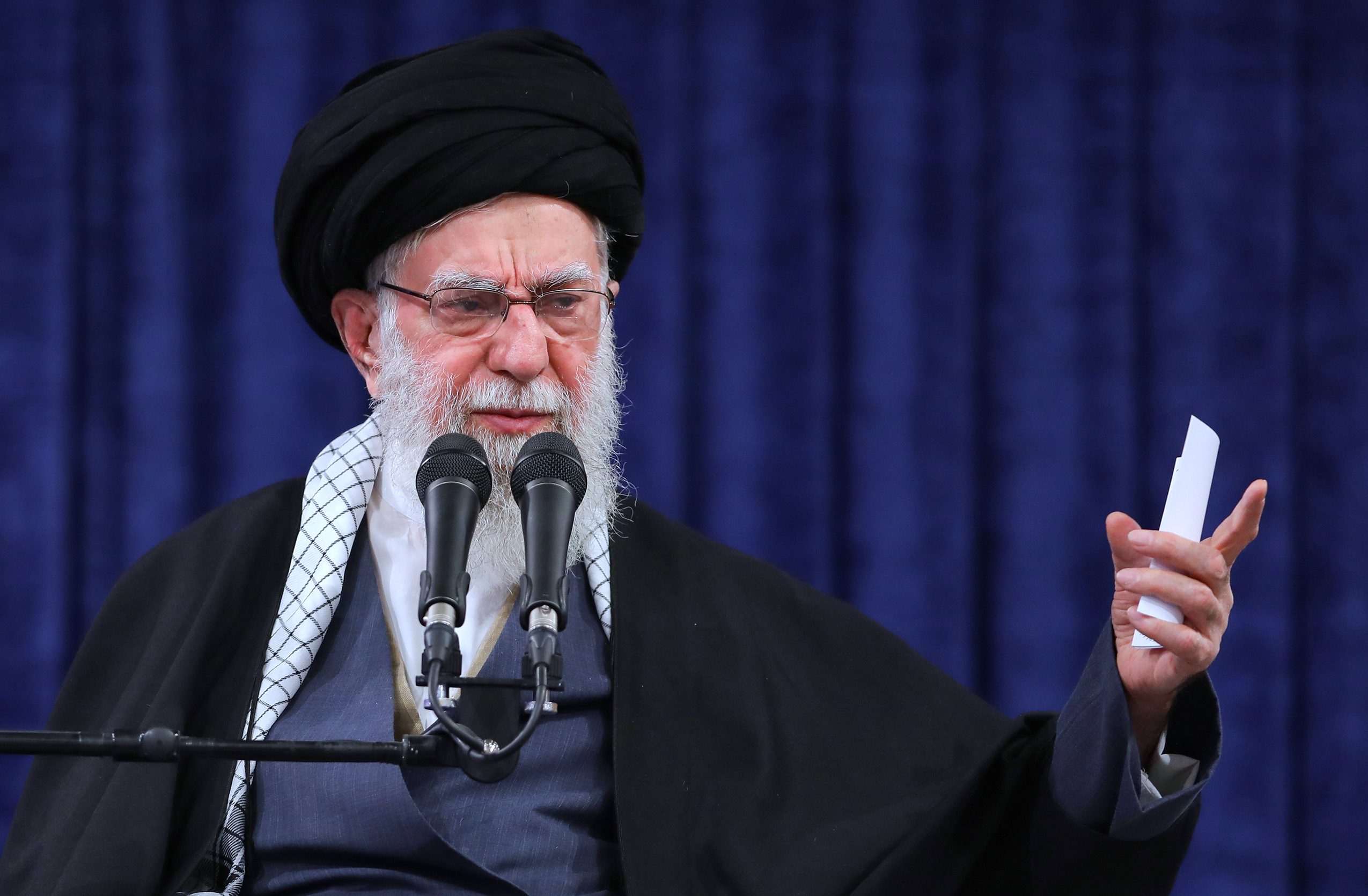
Iranian Regime Fighting for Survival
Iran is signaling that it will not absorb attacks passively. But whether this strategy ensures the regime’s survival, seals its fate, or accelerates a broader catastrophe will shape the region for years to come.
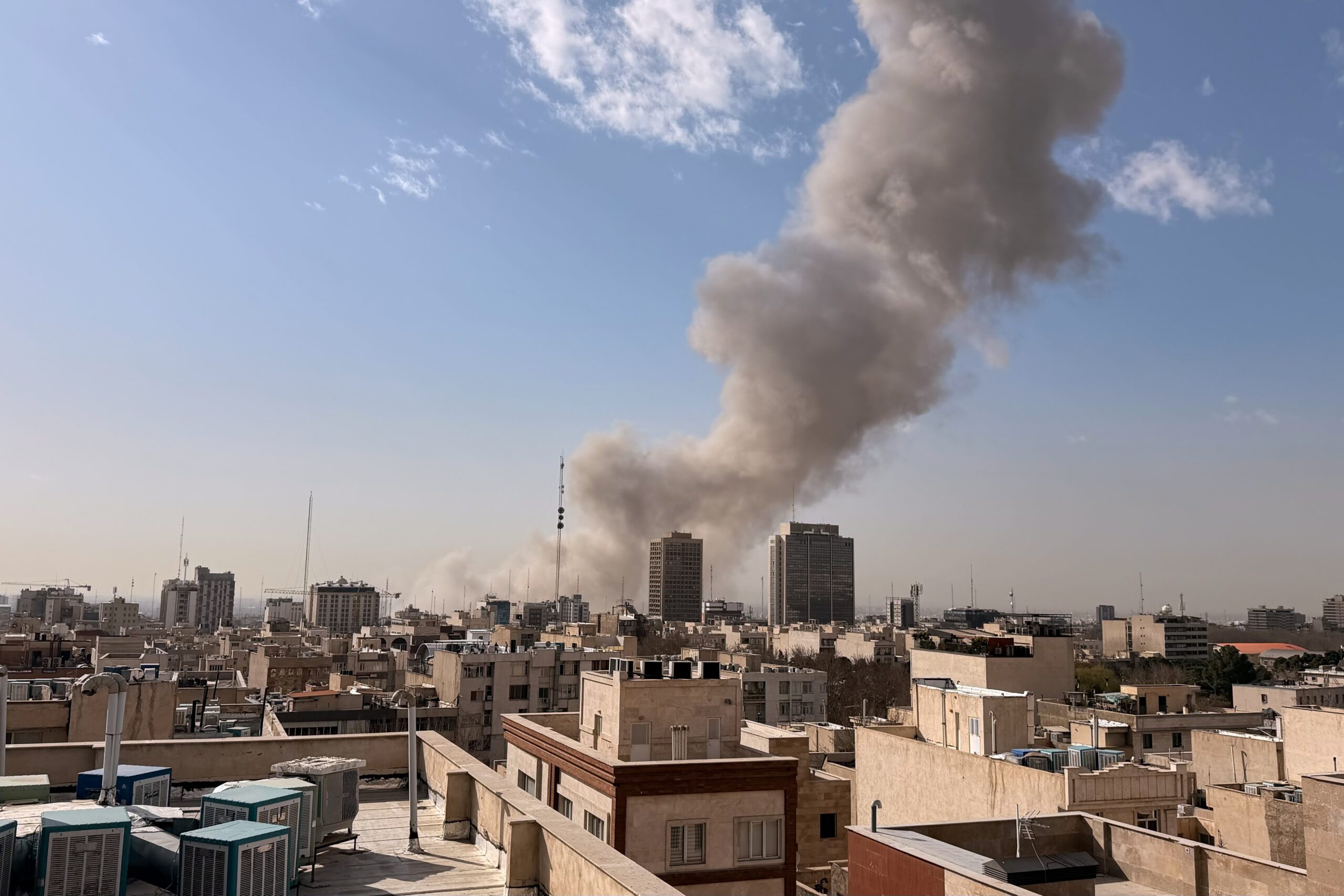
Events
Book Talk: Iran and the Bomb: The United States, Iran and the Nuclear Question
On June 16, AGSI hosted a discussion on the evolution of Iran's nuclear program.
Speakers

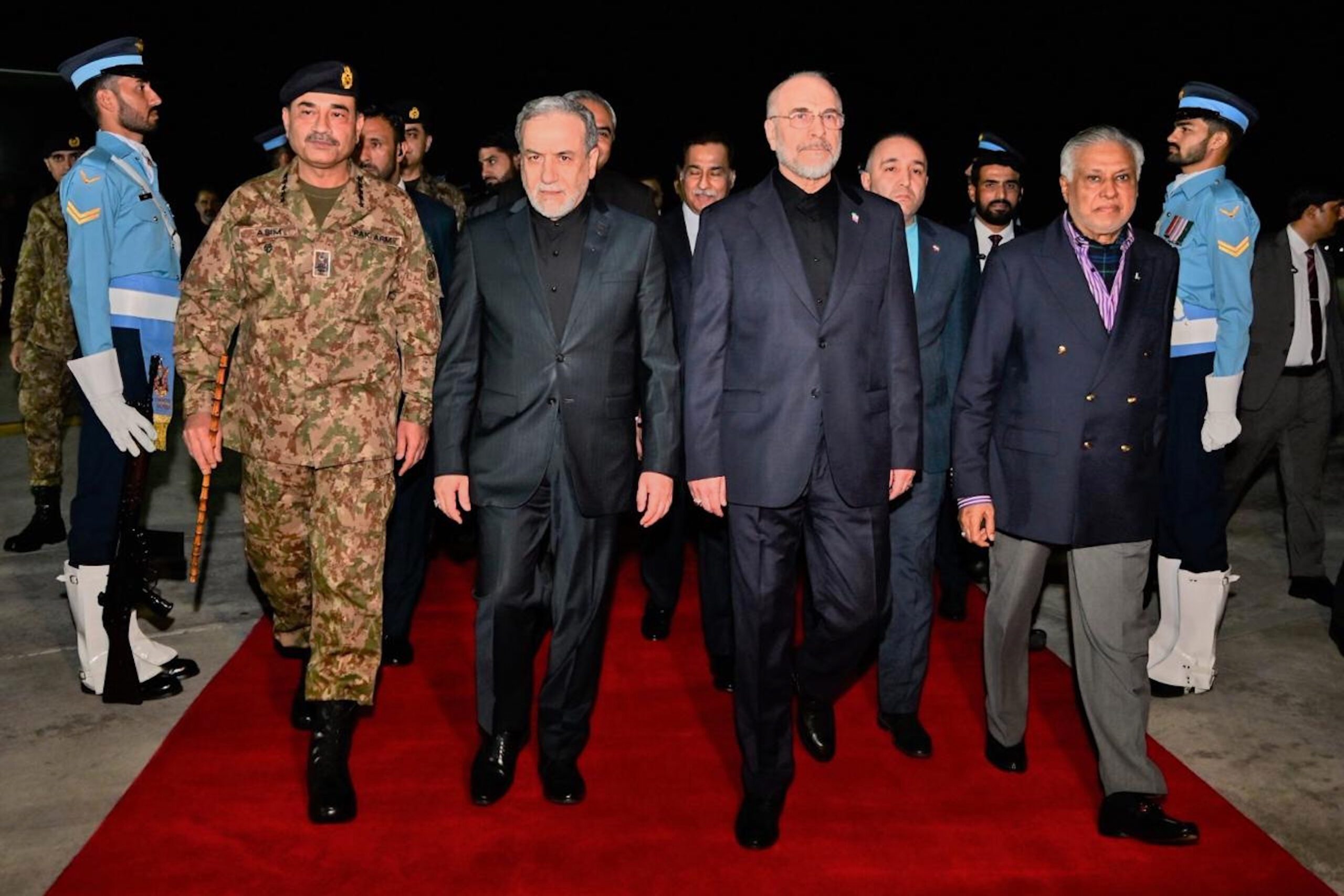
Apr 21, 2026
Inside Iran’s Wartime Leadership: Power, Succession, and Regime Stability
On April 21, AGSI hosted a discussion on the evolution of Iran's leadership during the war.
Speakers

Mar 18, 2026
In Its Conflict With the United States and Israel, Does Escalation Favor Iran?
On March 18, AGSI hosted a discussion on the escalation of the Iran war.
Speakers
Mar 2, 2026
After the Shock: Implications of the U.S.–Israeli Strikes and Iran’s Leadership Transition
On March 2, AGSI hosted a discussion on the U.S.-Israeli strikes on Iran.
Speakers