Sep 23, 2025
Will Pezeshkian Meet Trump at the U.N. General Assembly?
The September 23 edition of the Iran Media Review analyzes Iranian commentary on the possibility of U.S.-Iranian negotiations during the U.N. General Assembly.

As President Masoud Pezeshkian heads to New York for the United Nations General Assembly, “snapback sanctions” are set to automatically reimpose all U.N. measures against Iran by September 29. Reformist and technocratic media outlets are urging Pezeshkian to seek Supreme Leader Ayatollah Ali Khamenei’s authorization for a meeting with President Donald J. Trump to forestall the sanctions. Conversely, outlets affiliated with the Islamic Revolutionary Guard Corps caution against what they call the “mirage” of trusting the West. Yet even if Pezeshkian were, unexpectedly, to secure the regime’s backing for such an encounter, there is no assurance that Trump would be willing to meet him. And, even if both sides prove ready, does Pezeshkian have a coherent, regime-endorsed offer to present to Trump, and would that offer be enough for a president who has previously demanded “unconditional surrender” from Iran?
- September 20: Nour News Agency, which is affiliated with the Supreme National Security Council, relayed the council’s latest statement as the “snapback sanctions” approach automatic reimposition on September 28-29:
- “Cooperation with the International Atomic Energy Agency will be suspended.”
- September 21: Mohammad Atrianfar, a technocratic Kargozaran Party member, was quoted in an article in reformist Entekhab News:
- If President Masoud Pezeshkian “gets the leader’s approval regarding negotiations, he can even meet Mr. Trump in person and without intermediaries and use this opportunity for national interests.”
- September 21: Parliamentarian Ali Mottahari wrote on X:
- If President Donald J. Trump “requests to meet Pezeshkian, despite his hypocrisy and deceitfulness, our president should accept for the sake of national interests. Trump’s personality cult and desire to take credit for any success may benefit Iran.”
- September 21: In an editorial, reformist Ham-Mihan’s editorial board wrote:
- “We are not in a position to dictate with whom he,” a reference to Pezeshkian, “ought to negotiate, or not … but doubtless, sanctions and international tensions are the causes of all our problems. Without solving them, there is no prospect or hope for the future … If you do not have the necessary authority, you need to coordinate with the leader prior to your departure.”
- September 21: Reformist activist Hossein Nouraninejad was quoted in reformist Etemad:
- “The Cabinet needs to be authorized to make decisions in foreign policy … Now that the president is heading to New York, he ought to have the authority, power, and necessary courage to realize national interests.”
- September 21: Ali Bigdeli, a political analyst, in an interview with reformist Shargh Daily, dismissed the likelihood of Pezeshkian meeting Trump:
- “It is unlikely that the decision makers in Tehran will agree to such a meeting under the present circumstances … Even if such a meeting takes place, if Iran fails to present a clear and practical roadmap for the negotiations, the meeting will not end in anything but a photo opportunity without palpable achievements.”
- September 21: Javan, which is affiliated with the Islamic Revolutionary Guard Corps, featured an editorial by Faezeh Sadat Yousefi, who wrote, without directly referencing a Trump-Pezeshkian encounter:
- “History attests that trusting the West is a mirage.”
The views represented herein are the author's or speaker's own and do not necessarily reflect the views of AGSI, its staff, or its board of directors.
Related
Iran Media Review
Sep 19, 2025
The Rafsanjani Formula: “Face-To-Face Negotiations With the U.S.”
The September 19 edition of the Iran Media Review considers an editorial by Mohsen Rafsanjani, son of the late president, calling for direct negotiations with the United States to preserve security.
Iran Media Review
Sep 16, 2025
Larijani Ascendant Amid Strategic Ambiguity
The September 16 edition of the Iran Media Review highlights discussion of SNSC Secretary Ali Larijani’s role in oversight of Iran’s nuclear portfolio.
Iran Media Review
Sep 12, 2025
Iran’s Supreme National Security Council in Charge of the Nuclear Portfolio?
The September 12 edition of the Iran Media Review considers Iranian media reports and commentary around the transfer of Iran's nuclear portfolio from the Foreign Ministry to the SNSC under Secretary Ali Larijani.
Sep 19, 2025
The Rafsanjani Formula: “Face-To-Face Negotiations With the U.S.”
The September 19 edition of the Iran Media Review considers an editorial by Mohsen Rafsanjani, son of the late president, calling for direct negotiations with the United States to preserve security.
Sep 16, 2025
Larijani Ascendant Amid Strategic Ambiguity
The September 16 edition of the Iran Media Review highlights discussion of SNSC Secretary Ali Larijani’s role in oversight of Iran’s nuclear portfolio.
Sep 12, 2025
Iran’s Supreme National Security Council in Charge of the Nuclear Portfolio?
The September 12 edition of the Iran Media Review considers Iranian media reports and commentary around the transfer of Iran's nuclear portfolio from the Foreign Ministry to the SNSC under Secretary Ali Larijani.
Analysis
Under Mojtaba, the IRGC Will Reign Supreme
Iran may still call itself an Islamic Republic. In practice, however, it increasingly resembles a state in which the military governs from behind clerical robes.
Political Life and Legacy of Iran’s Ayatollah Khamenei
Ayatollah Ali Khamenei was killed in his office in Tehran at age 86, leaving behind a country in ruins and on the verge of civil war and potential disintegration.
Iranian Regime Fighting for Survival
Iran is signaling that it will not absorb attacks passively. But whether this strategy ensures the regime’s survival, seals its fate, or accelerates a broader catastrophe will shape the region for years to come.
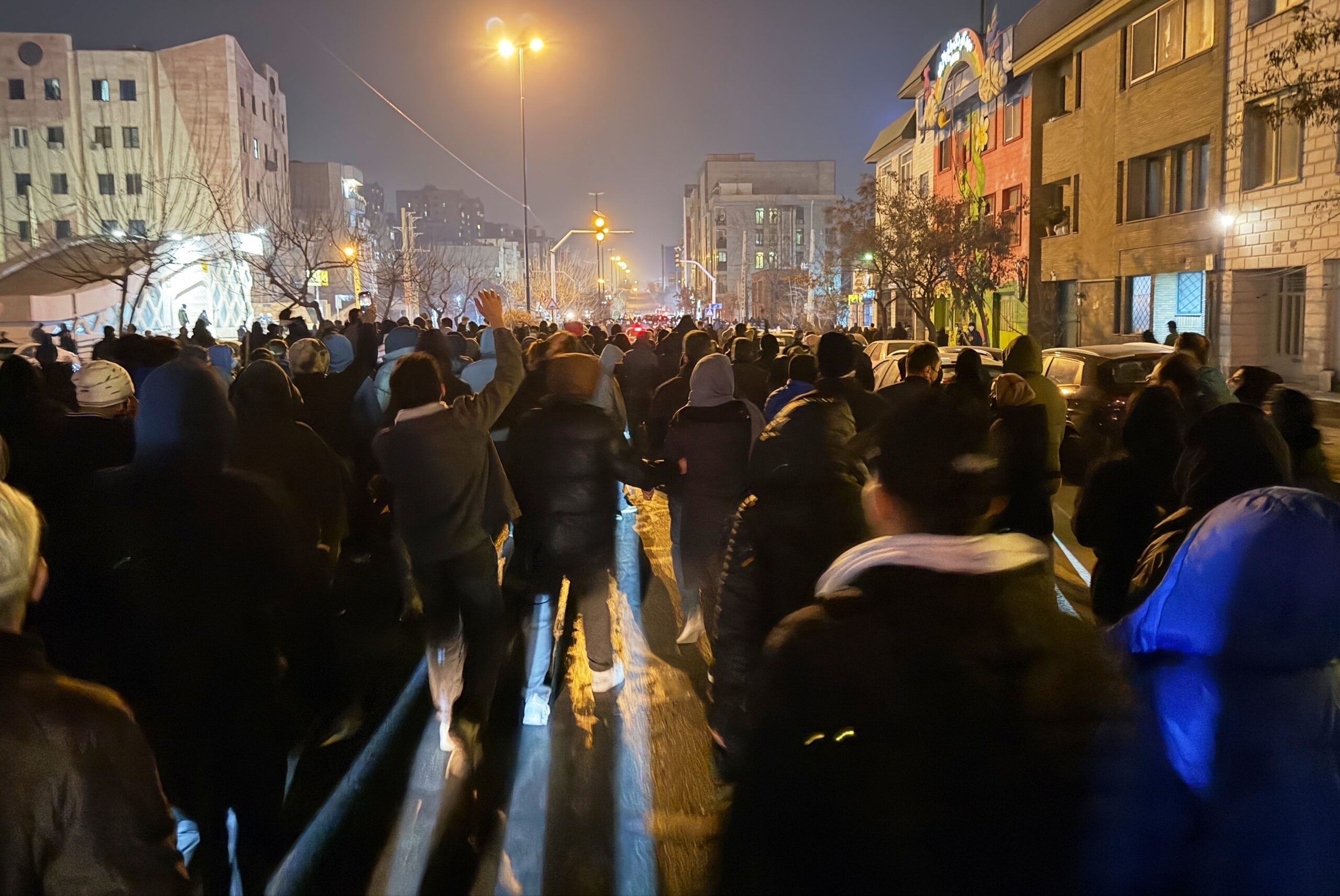
Iran’s 2025-26 Protests in Perspective
The erosion of the regime’s legitimacy across broad segments of society, combined with the breadth of the 2025-26 protest coalition, raises the possibility that a new confrontation could trigger renewed anti-regime mobilization.
Events
Mar 18, 2026
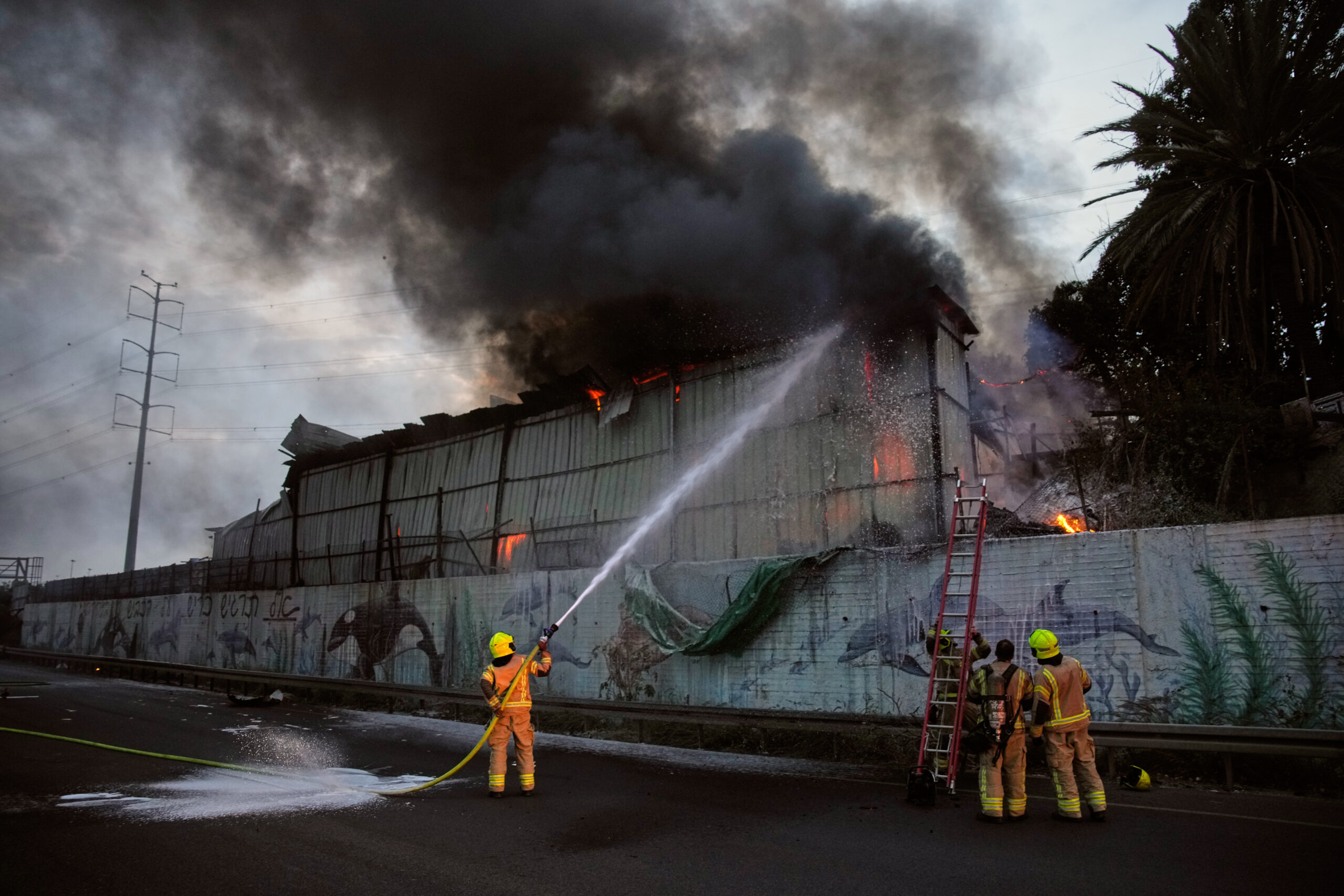
In Its Conflict With the United States and Israel, Does Escalation Favor Iran?
On March 18, AGSI hosted a discussion on the escalation of the Iran war.
Speakers
Mar 2, 2026
After the Shock: Implications of the U.S.–Israeli Strikes and Iran’s Leadership Transition
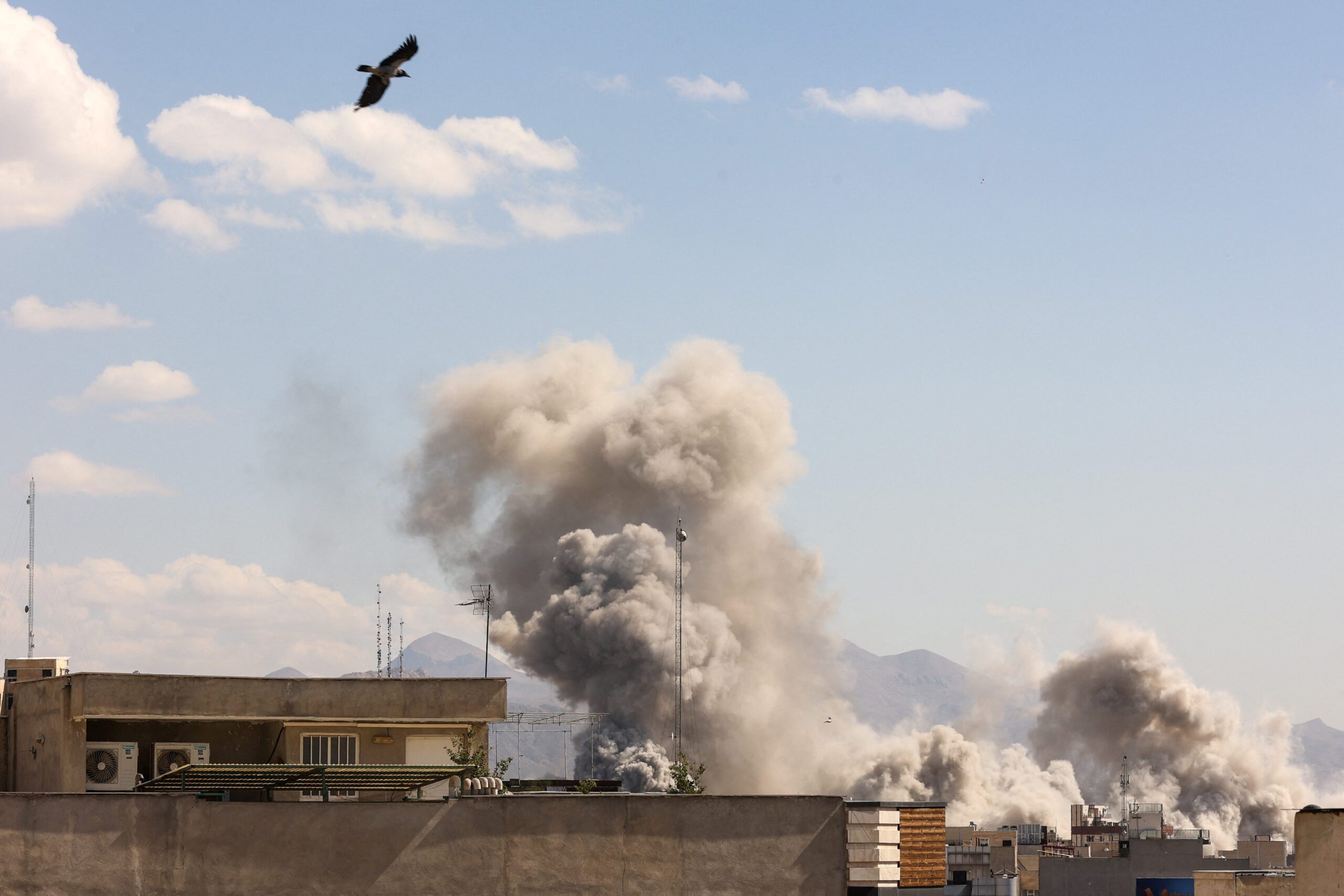
On March 2, AGSI hosted a discussion on the U.S.-Israeli strikes on Iran.
Speakers




Jan 8, 2026
Outlook 2026: Prospects and Priorities for U.S.-Gulf Relations in the Year Ahead
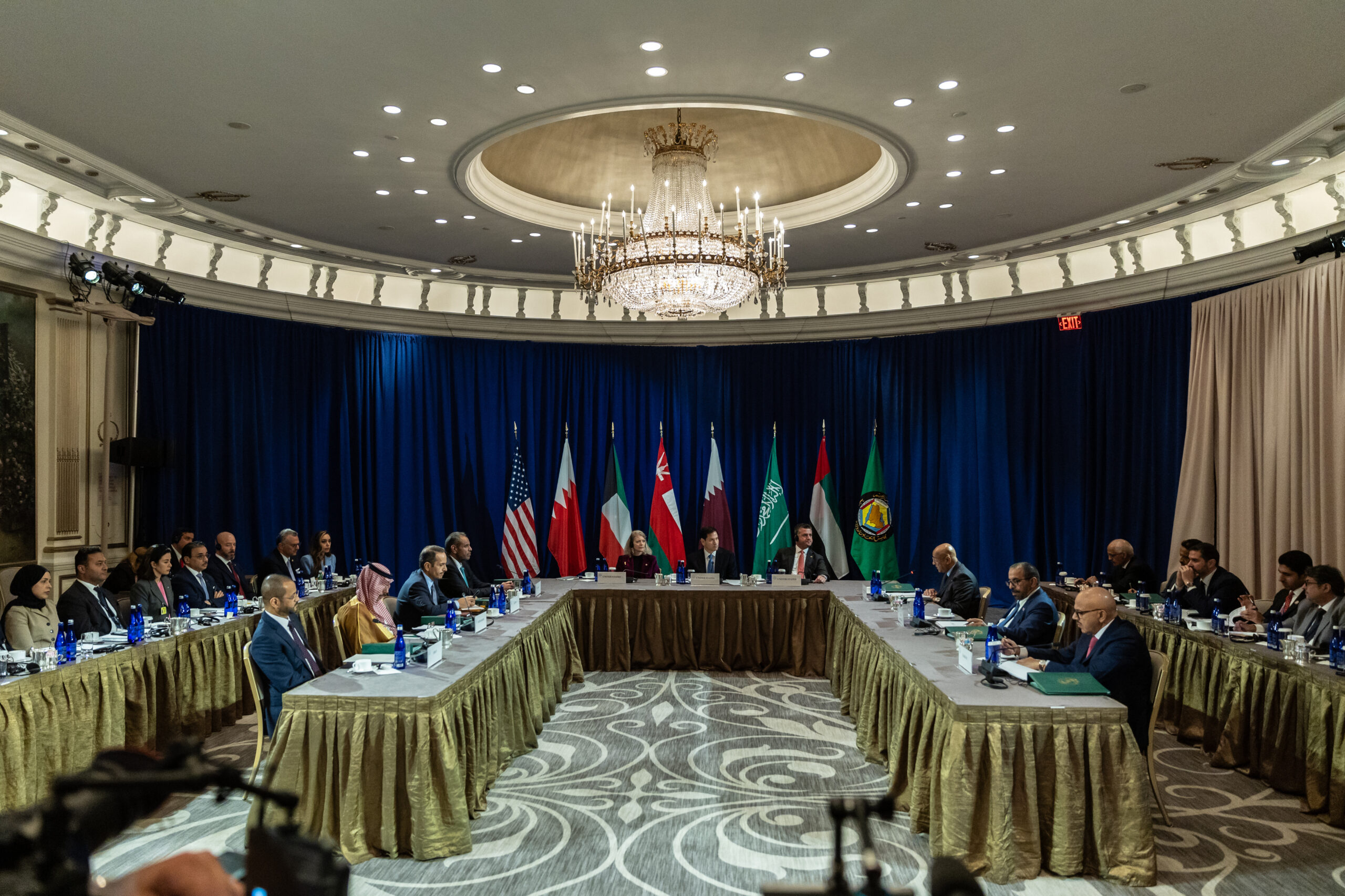
On January 8, AGSI hosted a virtual roundtable with its leadership and scholars as they look ahead and assess trends likely to shape the Gulf region and U.S. foreign policy during the coming year.
Speakers
Sep 16, 2025
Book Talk: Iran’s Grand Strategy: A Political History
On September 16, AGSI hosted a discussion on the roots of Iran's strategic outlook.
Speakers