Nov 17, 2026
Who Speaks for Tehran?
The November 17 edition of the Iran Media Review analyzes Iranian messaging after the U.S. and Israeli elections, including about who is leading the Iranian team in negotiations with the United States.
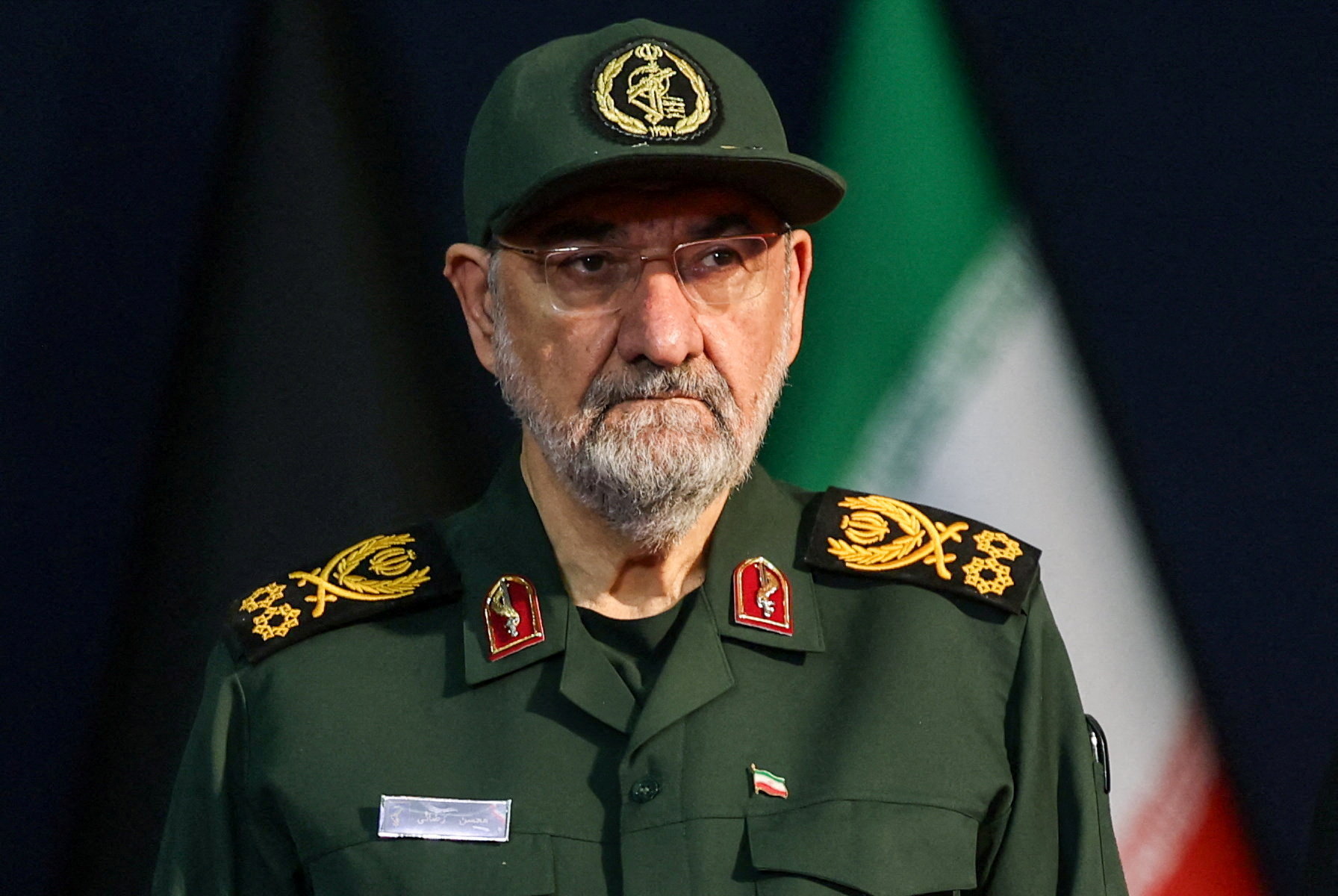
Iran’s state-censored media coverage points to competing currents in Tehran. Parliamentary Speaker Mohammad-Bagher Qalibaf, possibly unsettled by Supreme National Security Council Secretary Mohsen Rezaei being identified as Vice President JD Vance’s preferred negotiating partner in Tehran, insisted that he leads the negotiating team. Mohsen Hashemi Rafsanjani, son of the late President Ali Akbar Hashemi Rafsanjani, urged flexibility on enrichment levels to revive the talks, while Islamic Revolutionary Guard Corps-affiliated media floated the development of intercontinental ballistic missiles capable of striking the East Coast of the United States.
- November 14: In a conversation with Al Jazeera Television quoted in Islamic Revolutionary Guard Corps-affiliated Javan, Parliamentary Speaker Mohammad-Bagher Qalibaf reiterated Iran’s demands to the United States for negotiations to continue and emphasized his role as the leader of the Iranian negotiation team:
- “Tehran’s demands include lifting the naval blockade, a U.S. commitment to stay out of the Strait of Hormuz, the withdrawal of armed forces added to the region since the war, and the removal of oppressive sanctions … These are the minimum requirements of Iran for negotiations to continue.”
- On the composition and leadership of Iran’s negotiating team, Qalibaf said: “Nothing has changed! This is another piece of mischief that keeps being spread through various channels, by certain individuals and by the Americans. Sometimes they say, ‘We don’t know who we should be talking to in Iran!’ Yet everything is clear. In Iran we have a six-member negotiating team doing this work, and I am the one responsible for that team. Naturally, the major decisions on the negotiations, and on our fundamental national and international issues, are always made in the Supreme National Security Council, of which I am also a member, and are approved by the supreme leader of the revolution. But it is clear that responsibility for the negotiations, the negotiating team, and following up on issues naturally lies with me. We are pursuing these negotiations now just as we did in the previous rounds. And the matter you raised is just another piece of American mischief and sophistry.”
- November 14: In a front-page article in reformist Shargh Daily, “A Good or a Maximalist Agreement?” Hashemi Rafsanjani wrote:
- “Finally, after some 20 months of steadfastness and resistance, for which Iran paid a heavy price, the Trump movement and the Republicans suffered an unprecedented defeat in the U.S. congressional elections, and, at the same time, the mandate to form Israel’s new cabinet was handed to Netanyahu’s rival … Right now, the faction within the Trump administration that opposes the warmongers wants to secure its own political future by reaching an agreement and ending the war. The Democrats, who were themselves the architects of the JCPOA, are also ready to negotiate and reach a deal. So the opportunity is once again there to reach a good agreement though not an ideal or maximalist one … What is a good agreement then? Iran could forgo industrial-scale enrichment above 3.5%, which the country’s peaceful nuclear activities do not need anyway, and turn that into leverage for winning important industrial and economic concessions.”
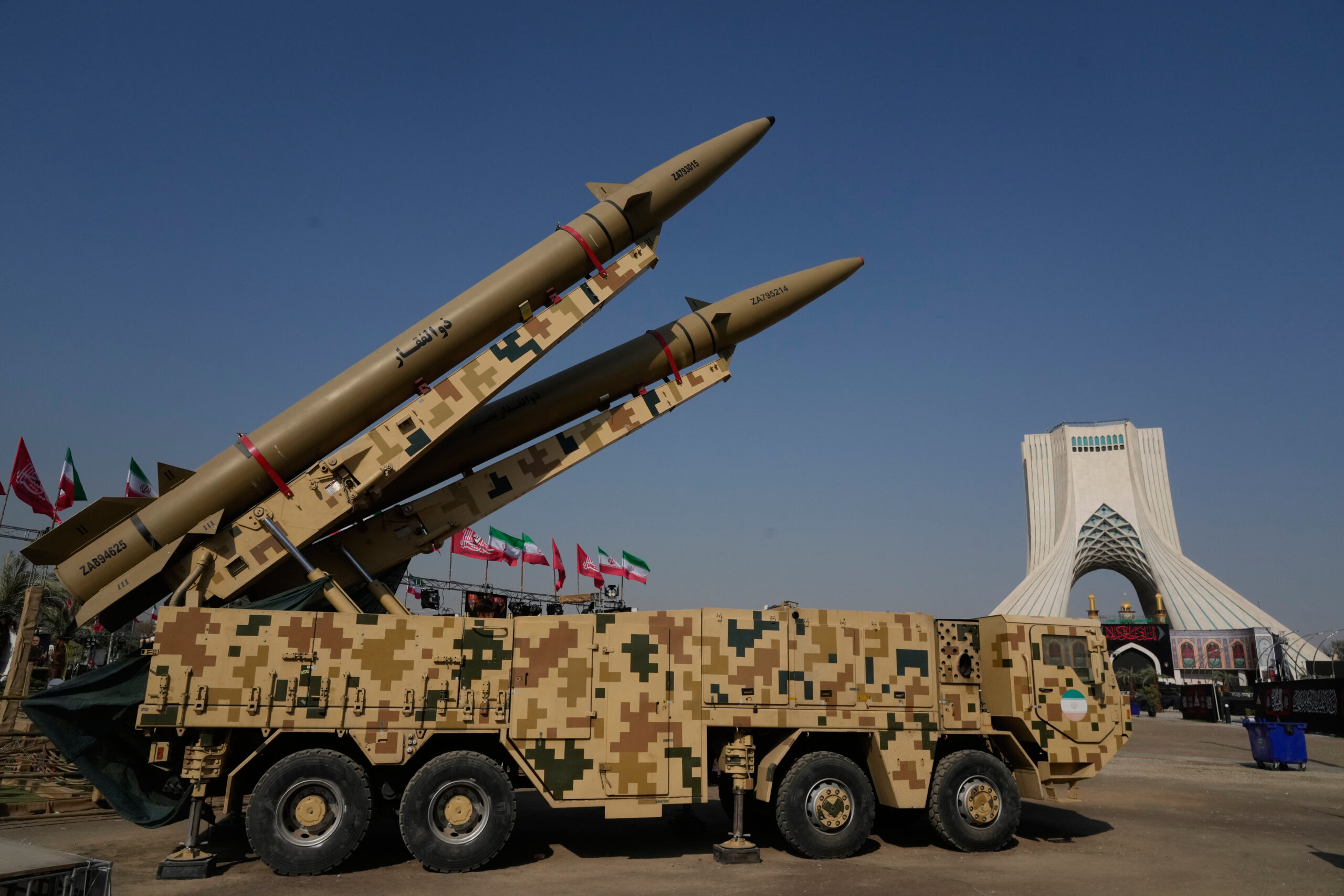
- November 14: IRGC-affiliated Tasnim News Agency interpreted Supreme Leader Ayatollah Mojtaba Khamenei’s call for “immediate and effective retaliation without any geographic limits” as signaling the need to develop intercontinental ballistic missiles capable of striking the East Coast of the United States.
The views represented herein are the author's or speaker's own and do not necessarily reflect the views of AGSI, its staff, or its board of directors.
Related
Iran Media Review
Nov 13, 2026
Tehran Rejects the “War or Negotiation” Binary
The November 13 edition of the Iran Media Review explores an Iranian newspaper’s argument that diplomacy and negotiations with the United States must be paired with a willingness to use force if necessary.
Iran Media Review
Nov 10, 2026
Longer Range, Wider War: Tehran’s Message to Europe
The November 10 edition of the Iran Media Review highlights Iranian discussion of increasing the range of Iran’s missiles in what is likely a message to Europe.
Iran Media Review
Nov 6, 2026
Tehran Gloats and Worries
The November 6 edition of the Iran Media Review explores Iranian reactions to the U.S. midterm election results.
Nov 13, 2026
Tehran Rejects the “War or Negotiation” Binary
The November 13 edition of the Iran Media Review explores an Iranian newspaper’s argument that diplomacy and negotiations with the United States must be paired with a willingness to use force if necessary.
Nov 10, 2026
Longer Range, Wider War: Tehran’s Message to Europe
The November 10 edition of the Iran Media Review highlights Iranian discussion of increasing the range of Iran’s missiles in what is likely a message to Europe.
Nov 6, 2026
Tehran Gloats and Worries
The November 6 edition of the Iran Media Review explores Iranian reactions to the U.S. midterm election results.
Analysis
Debating Policy in Public: Iranian Elites Turn to YouTube
Rival camps within the Islamic Republic are increasingly turning to YouTube for policy debate, but there is a limit to the regime’s tolerance for that debate.
The Committee of Six and Strategic Decision Making in Iran
Remarks by Iran’s president offer a rare glimpse of how the Islamic Republic has adapted its decision making to the absence of its supreme leader.
Mohsen Rezaei at the Helm of Iran’s Supreme National Security Council
Under Rezaei, the SNSC could prove constructive or paralyze strategic decision making.
The Islamic Republic Returns to Offense
After U.S.-Israeli strikes killed Supreme Leader Ayatollah Ali Khamenei on February 28, Iran’s collective leadership has concluded that the best defense is a good offense.
Events
Oct 6, 2026
Is the U.S.-Iran Stalemate a “New Normal” or the Prelude to Another Explosion?
On October 6, AGSI hosted a discussion on the U.S.-Iran stalemate and the prospects for a cease-fire.
Speakers



Book Talk: Iran and the Bomb: The United States, Iran and the Nuclear Question
On June 16, AGSI hosted a discussion on the evolution of Iran's nuclear program.
Speakers
Apr 21, 2026
Inside Iran’s Wartime Leadership: Power, Succession, and Regime Stability
On April 21, AGSI hosted a discussion on the evolution of Iran's leadership during the war.
Speakers

Mar 18, 2026
In Its Conflict With the United States and Israel, Does Escalation Favor Iran?
On March 18, AGSI hosted a discussion on the escalation of the Iran war.
Speakers