Nov 6, 2026
Tehran Gloats and Worries
The November 6 edition of the Iran Media Review explores Iranian reactions to the U.S. midterm election results.

As the results of the U.S. midterm elections emerged on November 4, Iranian officials rushed to take credit for the Republican defeat, presenting it as Americans’ verdict on the Iran war. Yet the triumphalism masks unease: President Donald J. Trump may seek to restore his authority by striking Iran again.
- November 4: A statement was issued in the name of Supreme Leader Ayatollah Mojtaba Khamenei and carried by Iranian media, including Tabnak News Agency, which is close to Supreme National Security Council Secretary Major General Mohsen Rezaei, before the results of the U.S. midterm elections became public:
- “Now the scene of the Persian Gulf, especially the Strait of Hormuz, has proved the myth of America’s invincibility false. It also shows the weakness and abjectness of governments that rely on any force other than their own nation and the faithlessness and impotence of the great powers in defending their puppet governments. Iran’s exercise of control over the Strait of Hormuz and the destruction of U.S. military bases in the countries of the region was a reaction to America’s aggression and crimes in the third imposed war … ‘indeed, falsehood is ever bound to perish.’”
- November 4: Parliamentary Speaker Mohammad-Bagher Qalibaf posted on X:
- “Conscience or the cost of living, Americans said NO TO WAR, and we endorse this message. If the US govt betrays their public will to serve international paymasters and blackmailers, it will learn our NO comes with a Nightmare.”
- November 4: Rezaei was quoted by Islamic Revolutionary Guard Corps-affiliated Mashregh News Agency:
- “The Iranian nation inflicted a strategic defeat on Trump on the battlefield and in the Hormuz region, and a political defeat in Washington … Americans were forced to pay the cost of Trump’s war … Whoever picks a fight with Iran will pay the price for it, whether on the battlefield or on their own doorstep.”
- November 5: SNSC mouthpiece Nour News Agency published an article about scenarios for President Donald J. Trump’s response to electoral defeat, the third of which the author suggested was most likely:
- “First, policy review and adjustment. Trump may regard the electoral defeat as a sign that a change of course is necessary: He may reduce the intensity of military engagement, make efforts to end the war, and, in domestic politics, seek agreements with the Democrats. Such a course could help reduce the administration’s political and economic costs, although it would require accepting some constraints and changing previous positions.”
- “Second, continuation of the status quo accompanied by periodic escalations of tension. In this scenario, Trump refuses to accept strategic defeat but at the same time also avoids entering a wider war. Economic pressure, military threats, limited operations, and intermittent negotiations may continue. This situation could lead to continued uncertainty in the region and an increased risk of unintended clashes.”
- “Third, escalation of military confrontation to restore political authority. This is the very scenario Clinton has warned about. In this situation, the pressure resulting from political defeat and the curtailment of the administration’s power may be accompanied by a decision to increase military strikes or expand the scope of the conflict. In terms of domestic political calculations, such a decision could be seen as an attempt to change the public mood and regain the initiative; but its consequences may go far beyond the initial calculations. A wider conflict with Iran could affect the security of the region, energy markets, U.S. military forces, and the stability of the global economy.”
The views represented herein are the author's or speaker's own and do not necessarily reflect the views of AGSI, its staff, or its board of directors.
Related
Iran Media Review
Nov 3, 2026
Mediator, Not Guarantor: Tehran Sizes Up Beijing’s Role
The November 3 edition of the Iran Media Review highlights an IRGC-affiliated newspaper’s analysis of the limits of the usefulness to Iran of Chinese mediation.
Iran Media Review
Oct 30, 2026
Khamenei Calls for End to “Neither War Nor Peace”
The October 30 edition of the Iran Media Review considers proposals for a new Iranian strategy in the confrontation with the United States and Israel.
Iran Media Review
Oct 27, 2026
Qalibaf Defies, Sazandegi Regrets
The October 27 edition of the Iran Media Review highlights defiance from Iran’s parliamentary speaker and nostalgia from an Iranian newspaper.
Nov 3, 2026
Mediator, Not Guarantor: Tehran Sizes Up Beijing’s Role
The November 3 edition of the Iran Media Review highlights an IRGC-affiliated newspaper’s analysis of the limits of the usefulness to Iran of Chinese mediation.
Oct 30, 2026
Khamenei Calls for End to “Neither War Nor Peace”
The October 30 edition of the Iran Media Review considers proposals for a new Iranian strategy in the confrontation with the United States and Israel.
Oct 27, 2026
Qalibaf Defies, Sazandegi Regrets
The October 27 edition of the Iran Media Review highlights defiance from Iran’s parliamentary speaker and nostalgia from an Iranian newspaper.
Analysis
Debating Policy in Public: Iranian Elites Turn to YouTube
Rival camps within the Islamic Republic are increasingly turning to YouTube for policy debate, but there is a limit to the regime’s tolerance for that debate.
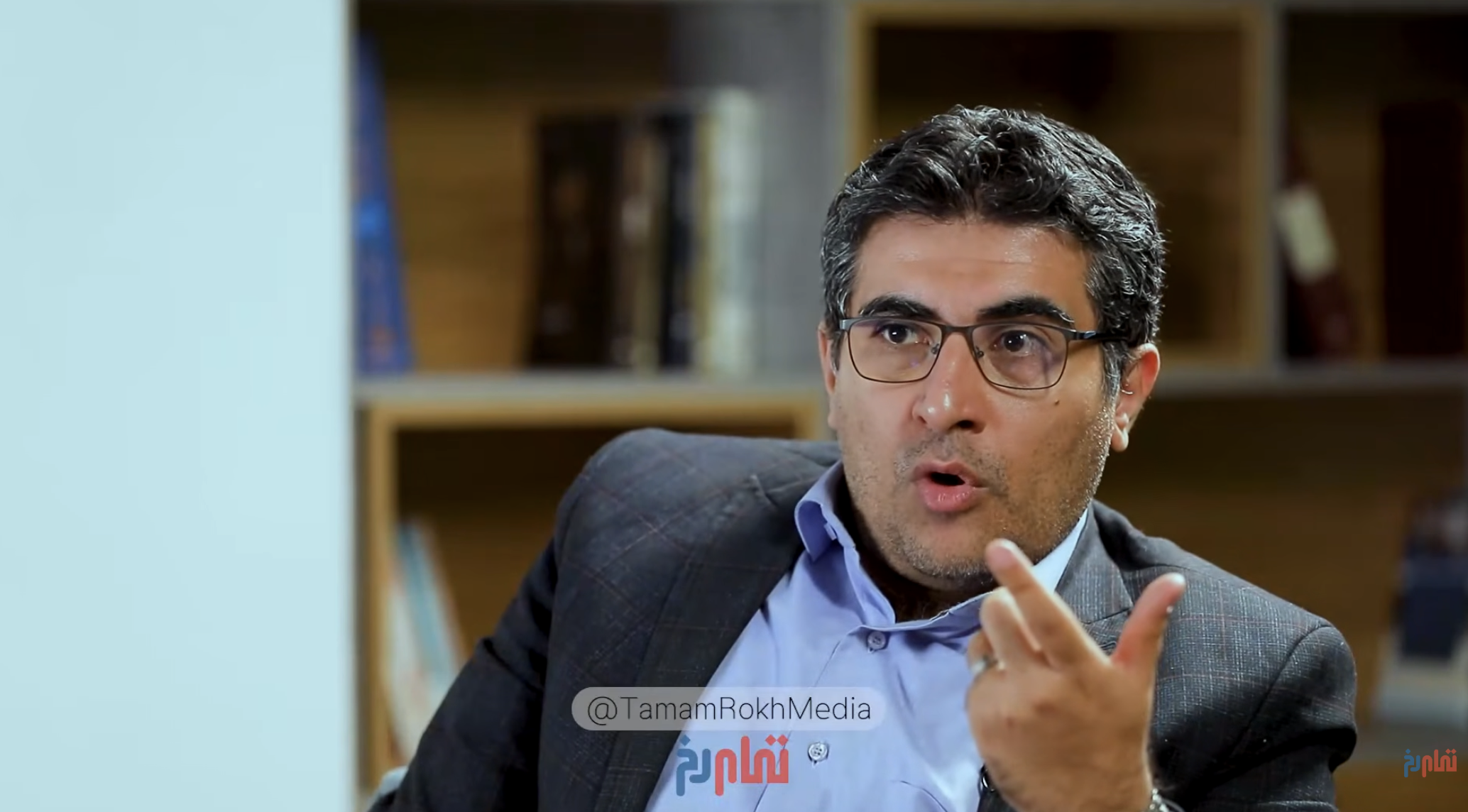
The Committee of Six and Strategic Decision Making in Iran
Remarks by Iran’s president offer a rare glimpse of how the Islamic Republic has adapted its decision making to the absence of its supreme leader.
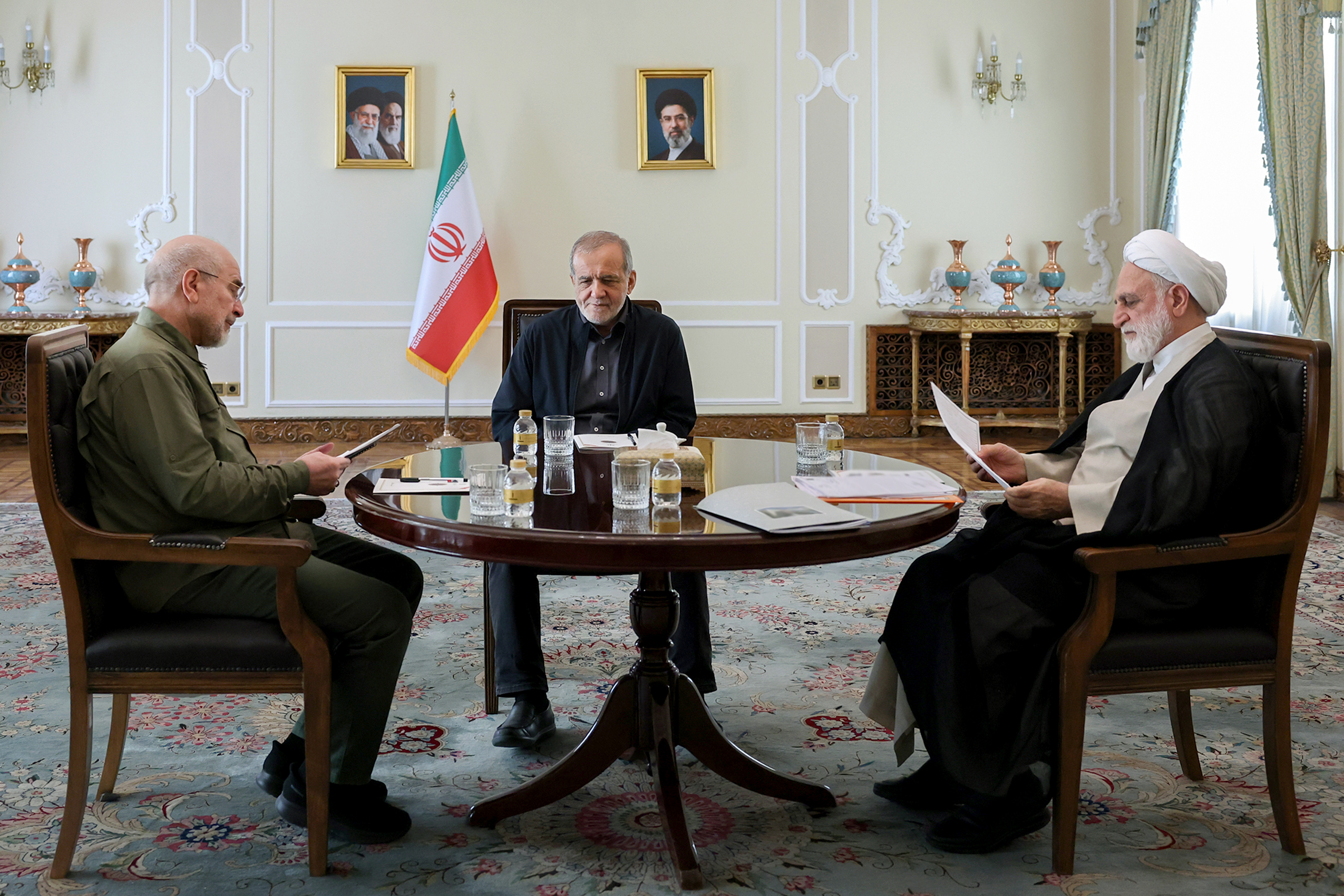
Mohsen Rezaei at the Helm of Iran’s Supreme National Security Council
Under Rezaei, the SNSC could prove constructive or paralyze strategic decision making.
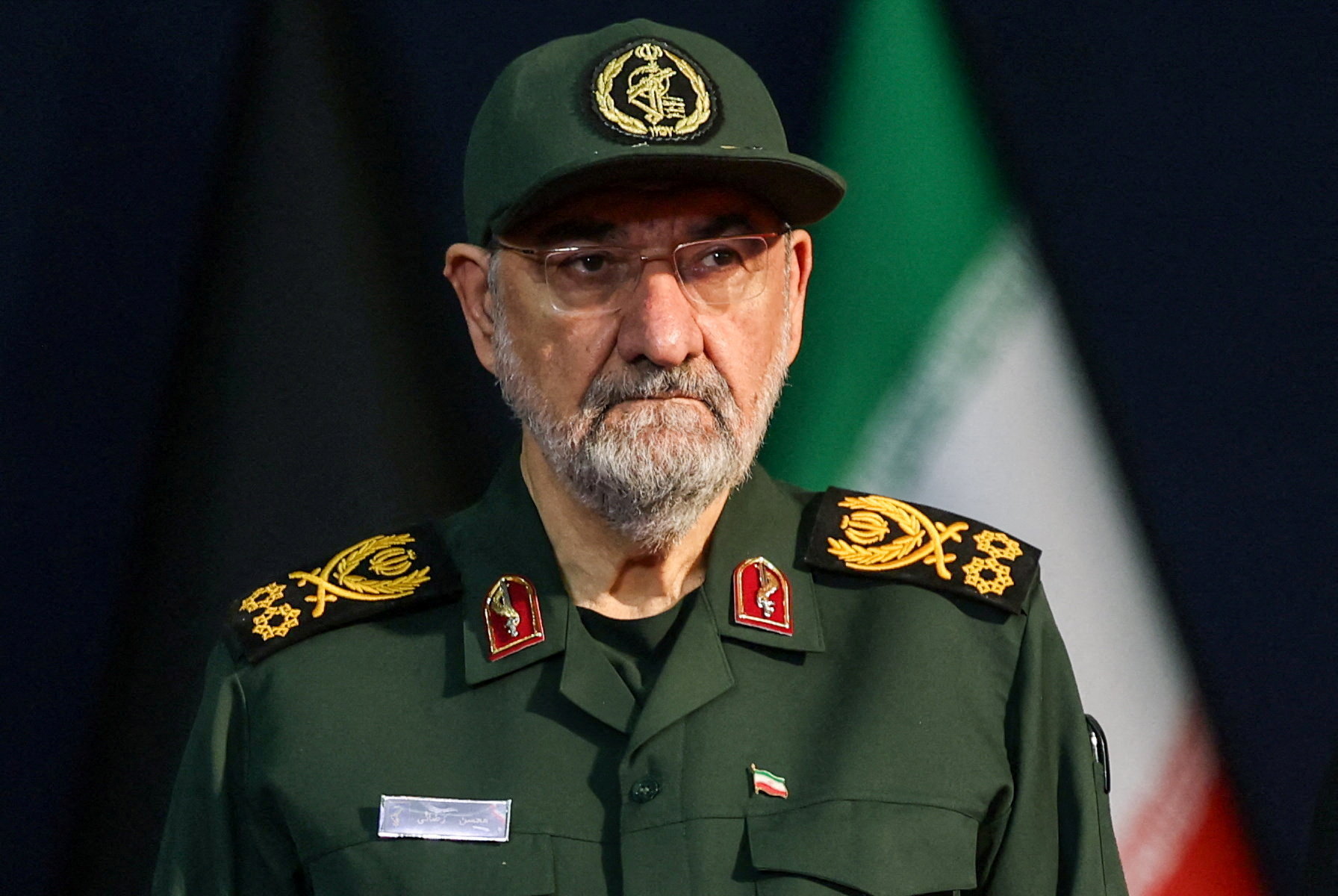
The Islamic Republic Returns to Offense
After U.S.-Israeli strikes killed Supreme Leader Ayatollah Ali Khamenei on February 28, Iran’s collective leadership has concluded that the best defense is a good offense.
Events
Oct 6, 2026
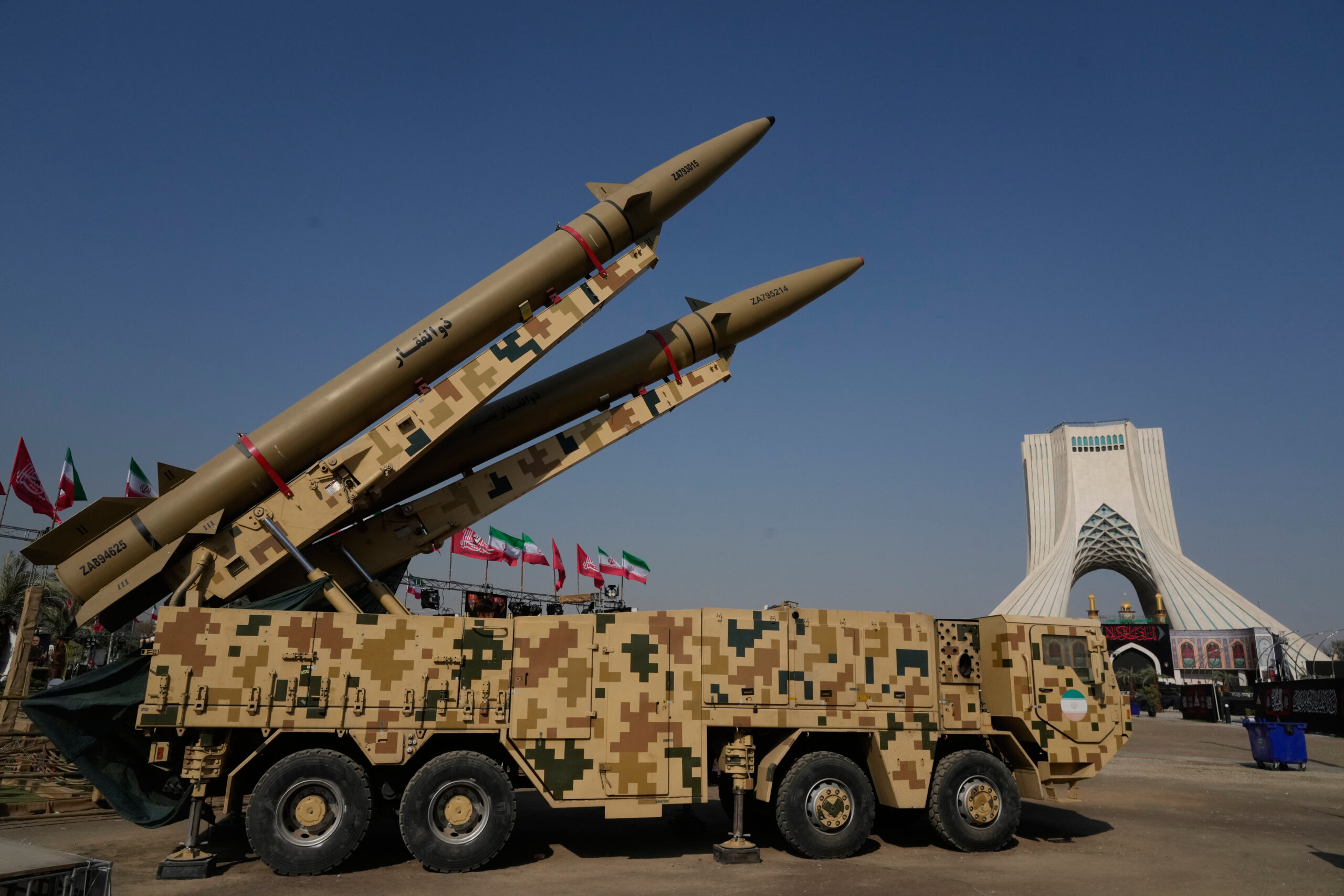
Is the U.S.-Iran Stalemate a “New Normal” or the Prelude to Another Explosion?
On October 6, AGSI hosted a discussion on the U.S.-Iran stalemate and the prospects for a cease-fire.
Speakers



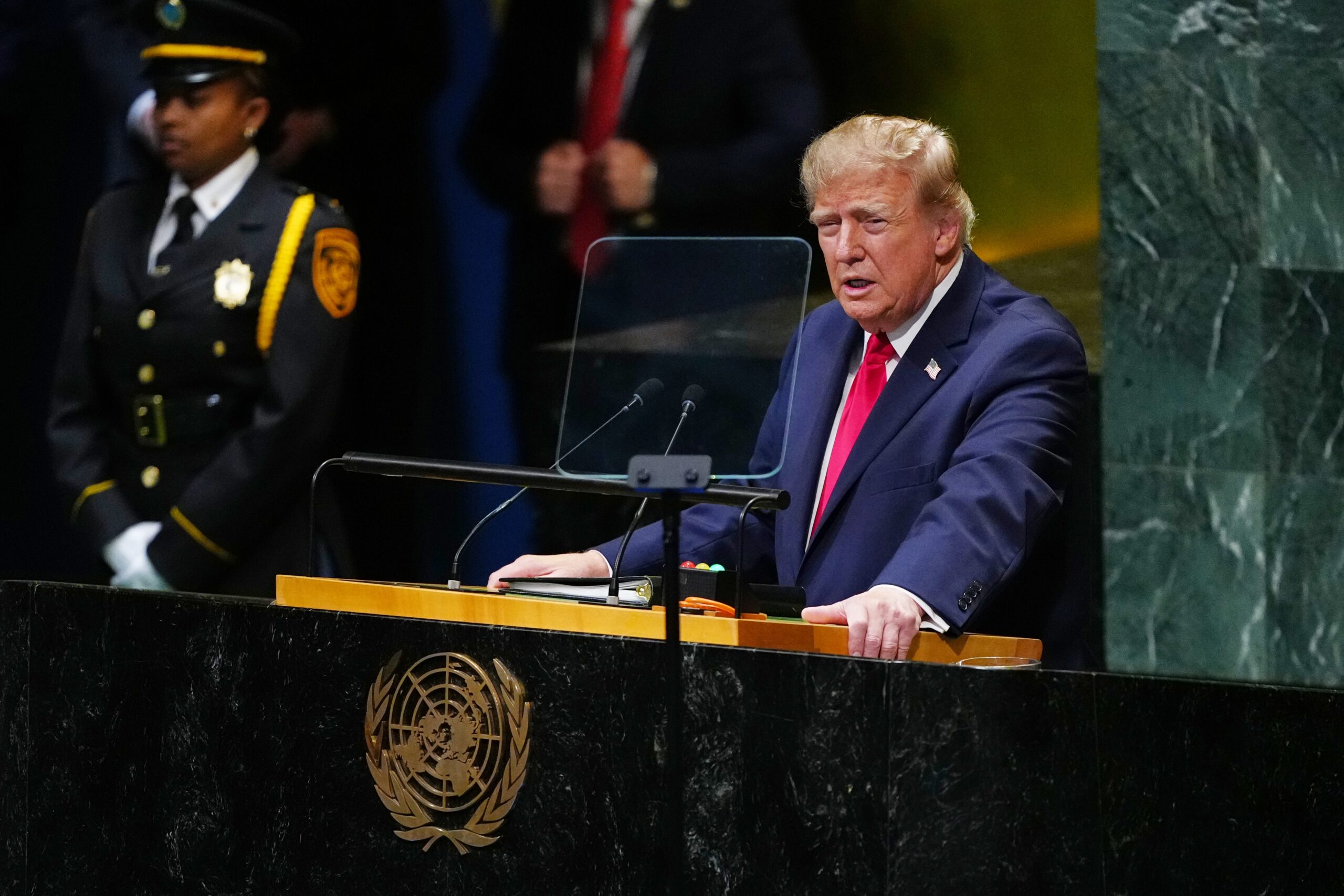
Book Talk: Iran and the Bomb: The United States, Iran and the Nuclear Question
On June 16, AGSI hosted a discussion on the evolution of Iran's nuclear program.
Speakers

Apr 21, 2026
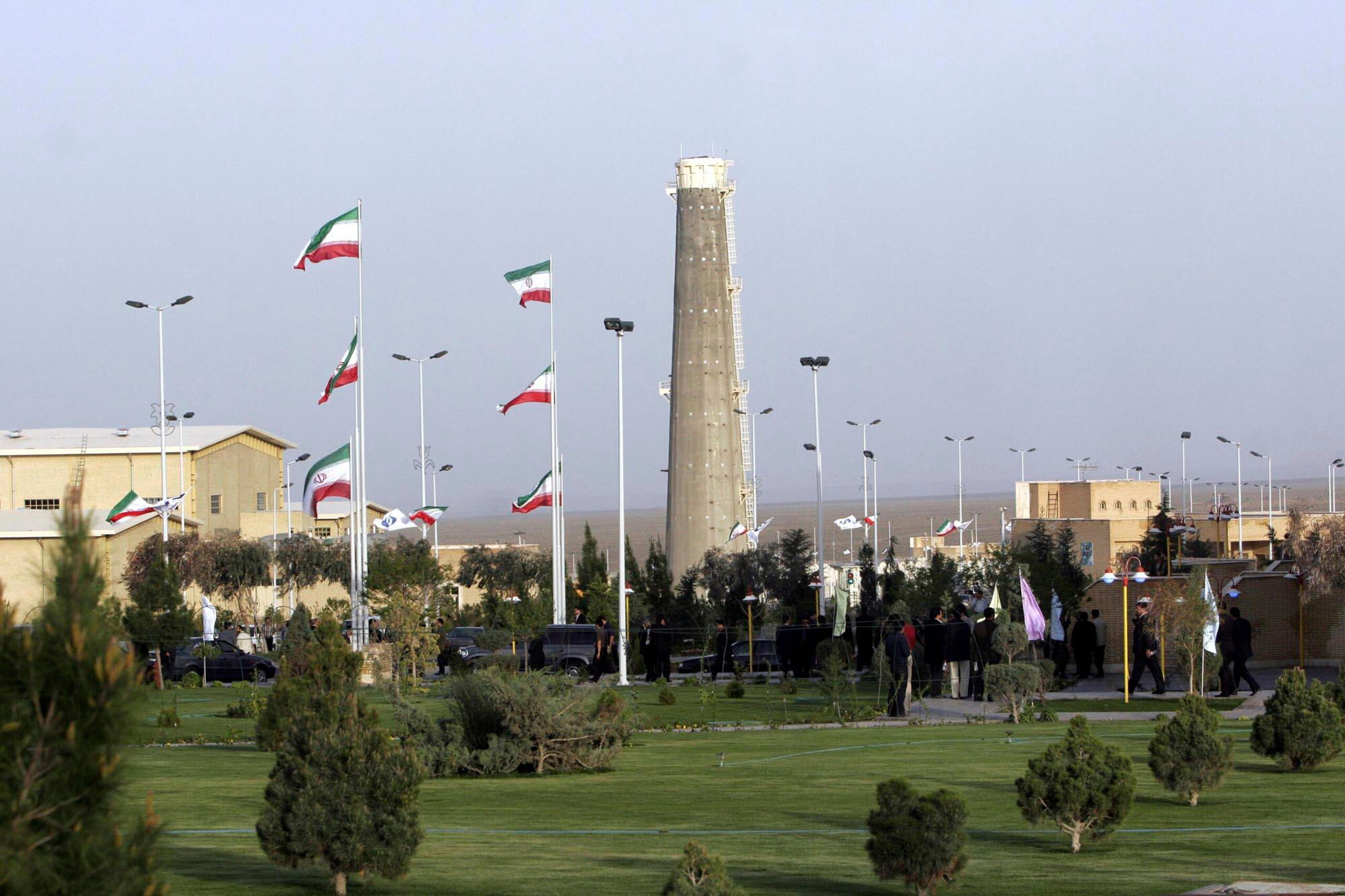
Inside Iran’s Wartime Leadership: Power, Succession, and Regime Stability
On April 21, AGSI hosted a discussion on the evolution of Iran's leadership during the war.
Speakers

Mar 18, 2026
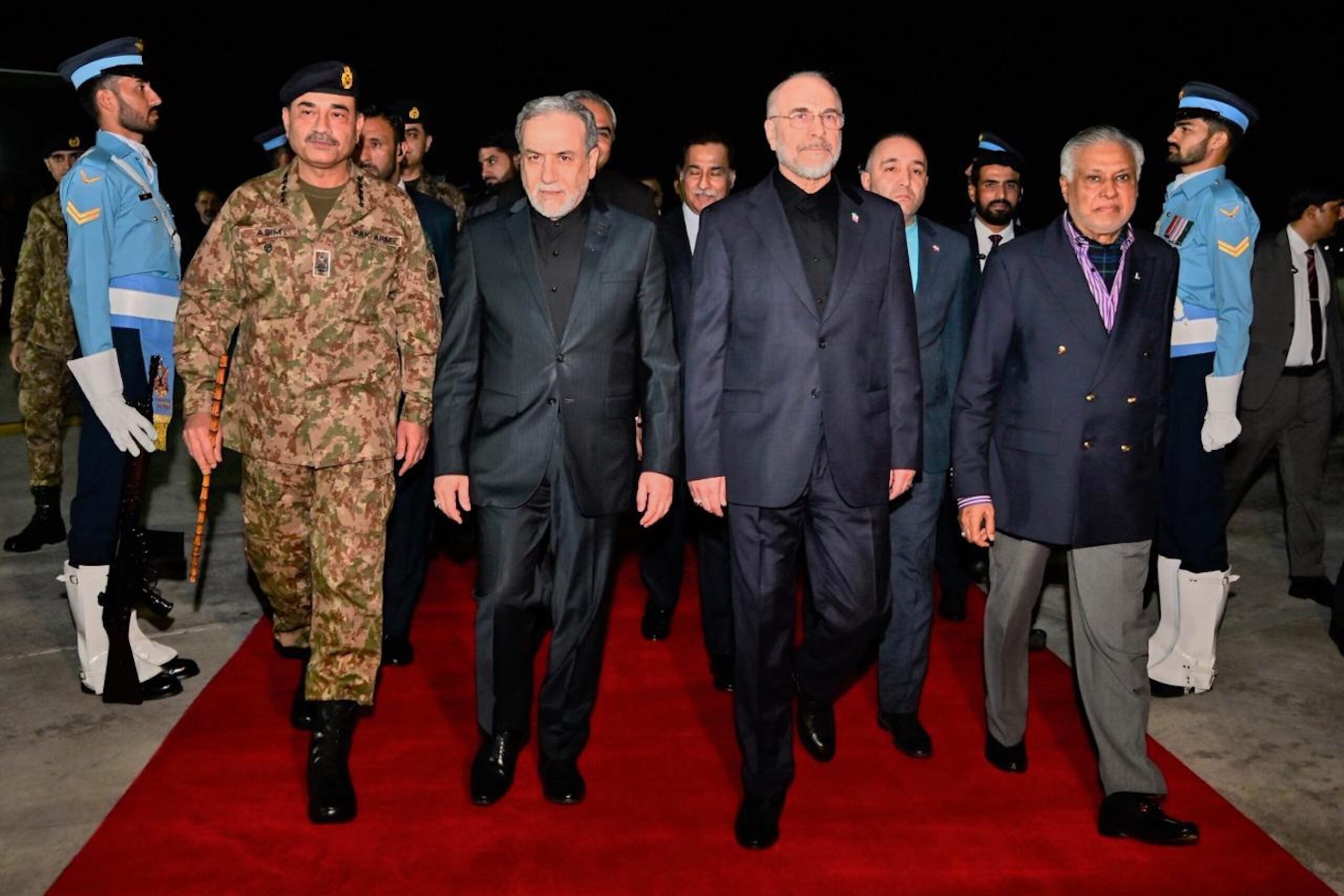
In Its Conflict With the United States and Israel, Does Escalation Favor Iran?
On March 18, AGSI hosted a discussion on the escalation of the Iran war.
Speakers