Nov 1, 2024
Under Attack, Iran Reaches Out to the United States and Ethnic and Religious Minorities
The November 1 edition of the Iran Media Review considers Tehran’s outreach to Washington and ethnic and religious minorities as Iran braces itself for more Israeli attacks.

In an October 29 interview published by Financial Times, Ali Akbar Velayati, foreign policy advisor to Supreme Leader Ayatollah Ali Khamenei and former Iranian foreign minister, said Tehran is reassessing its foreign policy in an effort to improve relations with Western countries. Velayati also stressed that Iran does “not have a good history of negotiations with the US. We do not believe in US goodwill.” However, the interview is widely seen in Iran as Tehran’s outreach to Washington attempting to prevent further Israeli strikes against Iran. President Masoud Pezeshkian’s appointment of ethnic and religious minorities to Cabinet and sub-Cabinet positions, too, is seen in the same light: Under external pressure, the regime reaches out to ethnic and religious minorities to secure national unity.
- October 28: Qassem Moheb-Ali, former director of the Foreign Ministry Middle East Directorate, commented on Velayati’s October 29 interview with Financial Times in a conversation with technocratic Kargozaran newspaper:
- “In his interview, Dr. Velayati referred to Iran’s need for balancing Iran’s foreign policy between the West and the East … This means Iran has recognized that Iran’s foreign policy is imbalanced … The government talks of Iran expanding relations with the neighboring countries, or with Africa, but when you look at the trade statistics, you see how negligible trade with our neighbors is, and you will also realize the limited importance of African countries in global trade … As for the channels of diplomacy between Iran and the United States, they remain open … But there are some conflicts between us and the Europeans and the United States that can only be addressed and solved through official negotiations. When we say, ‘We don’t want to engage in direct negotiations with the United States,’ and later claim, ‘It is the United States that is not interested in solving the problems with us,’ it is unreasonable. First, we must engage in direct negotiations, define the parameters of the talks, and work toward solution of the problems … We can’t ignore the big issue of the United States and expect we are capable of solving smaller issues.” Turning to Israel, Moheb-Ali said: “Israel is not just the most important U.S. ally in the region but also influences domestic politics in the United States, a fact we cannot ignore.”
- October 31: Reformist Ham-Mihan discussed Pezeshkian’s appointments of ethnic and religious minorities into executive positions:
- The president’s “appointments of the governors of Sistan and Baluchistan, Kurdistan, and Khuzestan have raised considerable attention. Mansour Bijar is the first Sunni Baluch in post-revolution Iran to take the seat in Zahedan as governor-general of Sistan and Baluchistan province. Arash Zereh-Tan Lahouni, a former parliamentarian, was earlier appointed governor general of Kurdistan province, making him the first Sunni Kurdish person to serve in that position. Seyyed Mohammad-Reza Mavalizadeh, an ethnic Arab born in Khorramshahr, as governor of Khuzestan province, is also a first. In another first, Abd al-Karim Hossein-Zadeh, a Sunni, was appointed vice president for rural development. In making these appointments, Pezeshkian has delivered on his election promise of using all capacities in the executive branch of government, which should not be the monopoly of the few.”
- Ham-Mihan also quoted Deputy Interior Minister Ali Zeinivand, who commented on the appointment of the remaining governor generals, saying “There is no obstacle to appointing female governors.”
- October 31: Reformist Shargh Daily praised Pezeshkian’s “Cabinet of national consensus.”
- October 31: Reformist Etemad newspaper’s front page praised “The Day of the Sunnis.”
- October 31: Ehsan Houshmand, an anthropologist and expert on Iranian ethnicities, in an interview with Etemad, said he anticipated higher voter turnout and a solution to the rising political violence in Sistan and Baluchistan as likely results of the appointment of a local governor general. However, Houshmand also warned that governor generals cannot do much to develop their provinces unless the central government in Tehran allocates funds to the periphery regions.
The views represented herein are the author's or speaker's own and do not necessarily reflect the views of AGSI, its staff, or its board of directors.
Related
Iran Media Review
Oct 29, 2024
Iran’s State-Censored Media Calls Israeli Attack Limited
The October 29 edition of the Iran Media Review evaluates Iranian media reactions to Israeli strikes targeting sites in Iran.
Iran Media Review
Oct 25, 2024
President Pezeshkian’s Governor Generals
The October 25 edition of the Iran Media Review surveys President Masoud Pezeshkian’s sub-Cabinet appointments, following a trend of inclusivity of rival political factions as well as ethnic and religious minorities.
Oct 29, 2024
Iran’s State-Censored Media Calls Israeli Attack Limited
The October 29 edition of the Iran Media Review evaluates Iranian media reactions to Israeli strikes targeting sites in Iran.
Oct 25, 2024
President Pezeshkian’s Governor Generals
The October 25 edition of the Iran Media Review surveys President Masoud Pezeshkian’s sub-Cabinet appointments, following a trend of inclusivity of rival political factions as well as ethnic and religious minorities.
Analysis
Mohsen Rezaei at the Helm of Iran’s Supreme National Security Council
Under Rezaei, the SNSC could prove constructive or paralyze strategic decision making.
The Islamic Republic Returns to Offense
After U.S.-Israeli strikes killed Supreme Leader Ayatollah Ali Khamenei on February 28, Iran’s collective leadership has concluded that the best defense is a good offense.
Iran’s Collective Strategic Decision Making
Wartime pressure has temporarily aligned the leadership’s overriding interest in regime survival, even as its members continue to differ over the costs, methods, and ultimate objectives of the war.
The Islamic Republic’s Collective Leadership
While there is historical precedent for collective leadership in Iran, today’s leadership includes representatives of the IRGC and regular military – a reflection of the IRGC’s expanding role and the necessities of governing under wartime conditions.
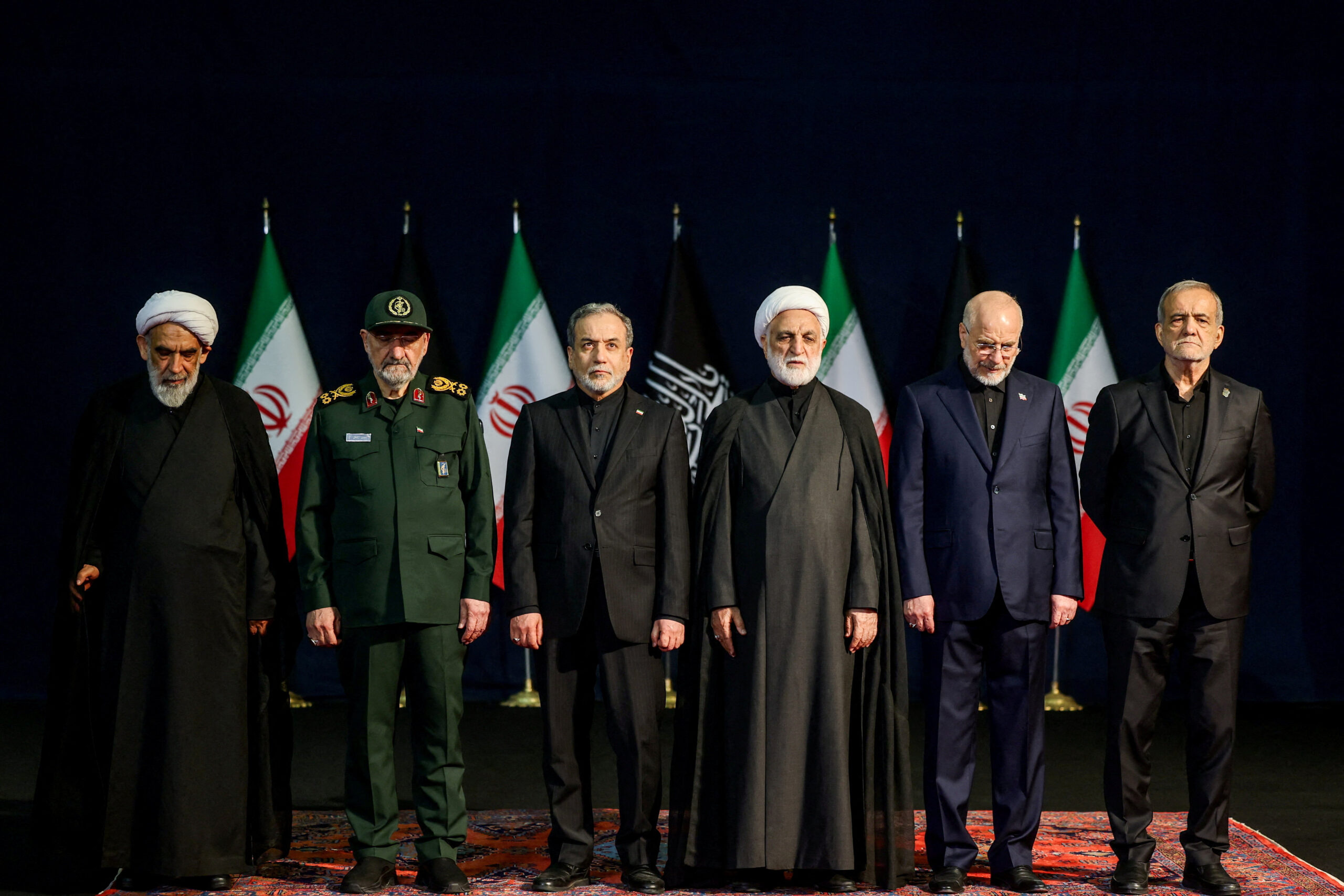
Events
Oct 6, 2026
10:00am - 11:00am
Is the U.S.-Iran Stalemate a “New Normal” or the Prelude to Another Explosion?
On October 6, AGSI will host a discussion on the U.S.-Iran stalemate and the prospects for a cease-fire.
Speakers



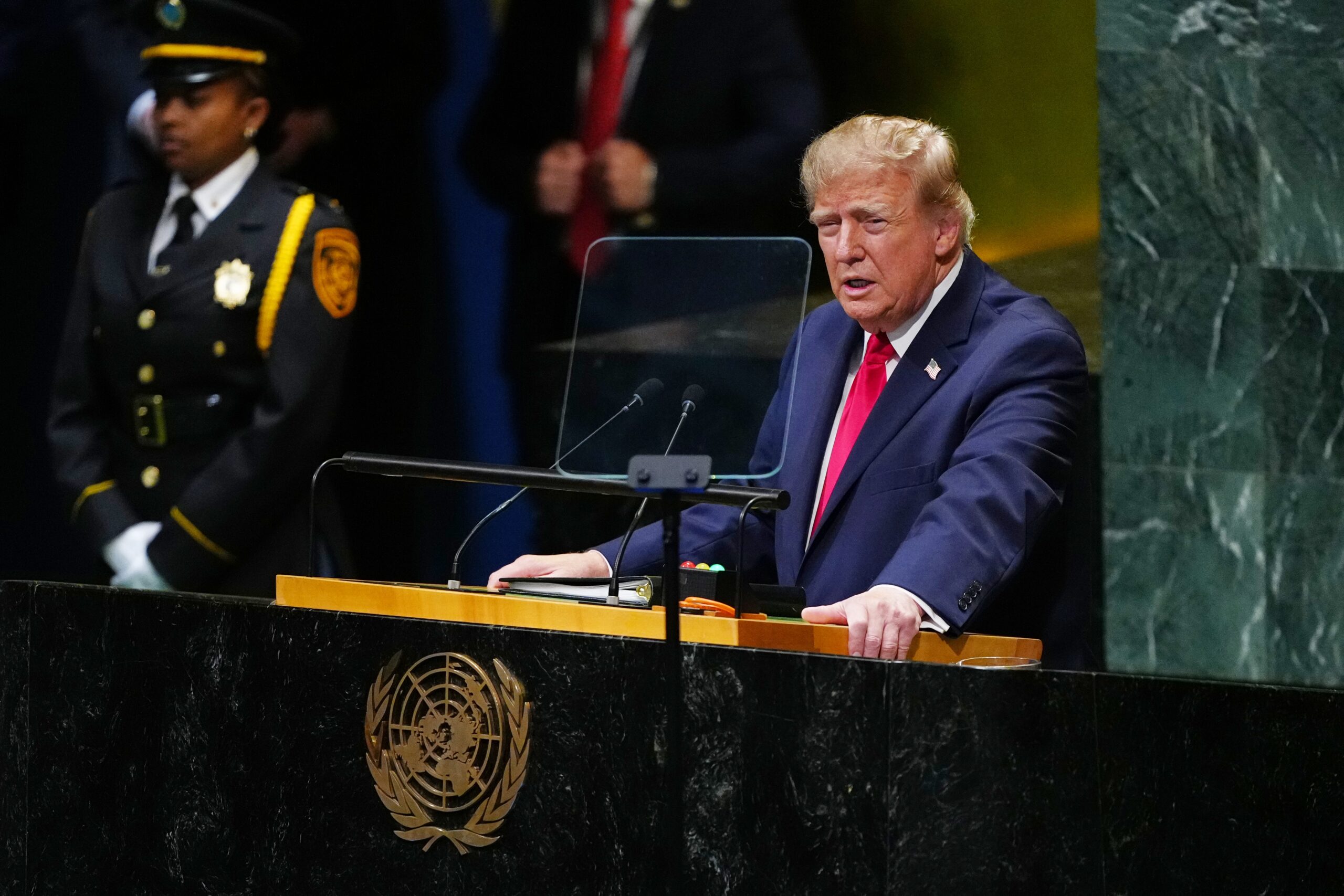
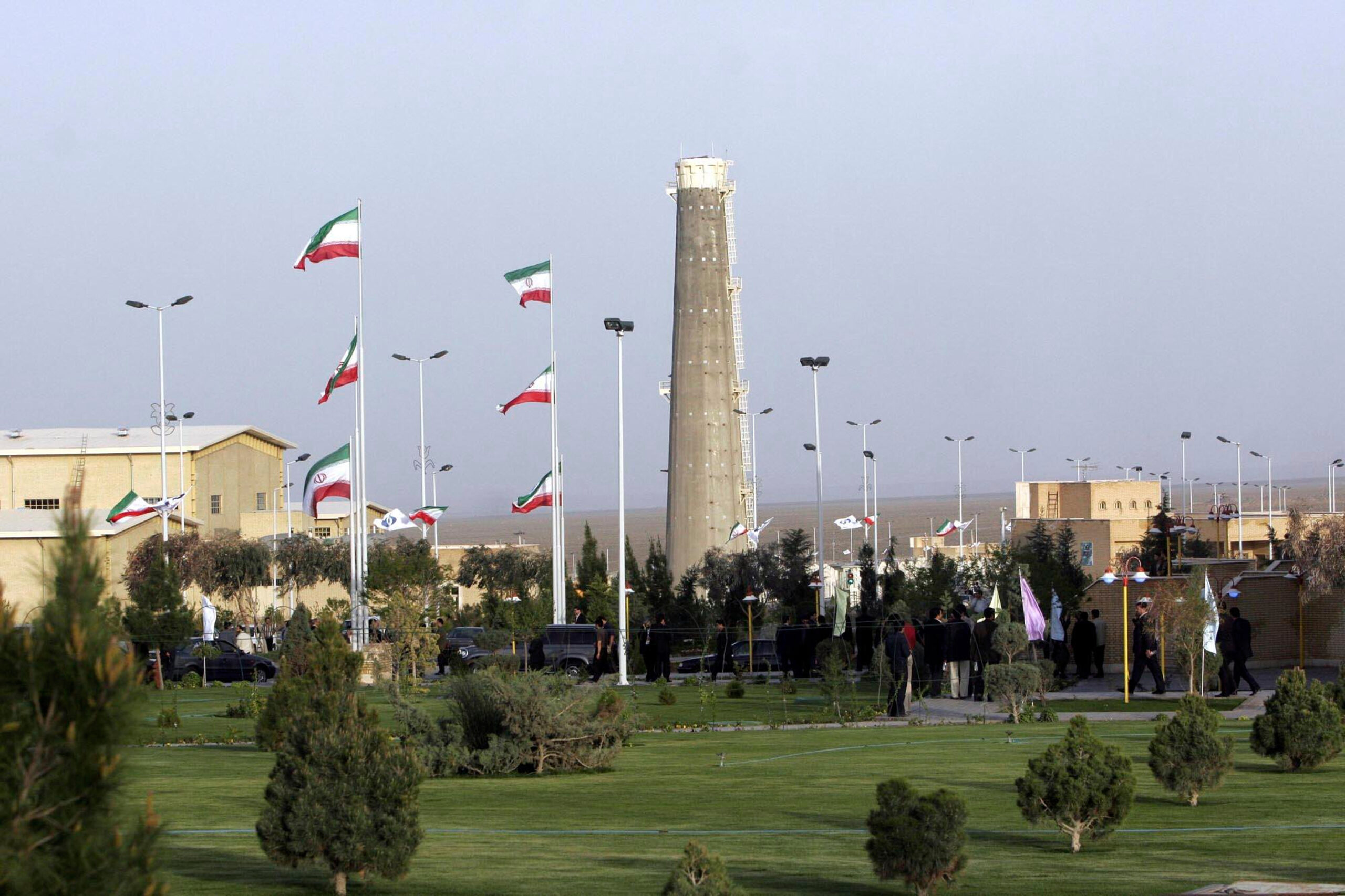
Book Talk: Iran and the Bomb: The United States, Iran and the Nuclear Question
On June 16, AGSI hosted a discussion on the evolution of Iran's nuclear program.
Speakers
Apr 21, 2026
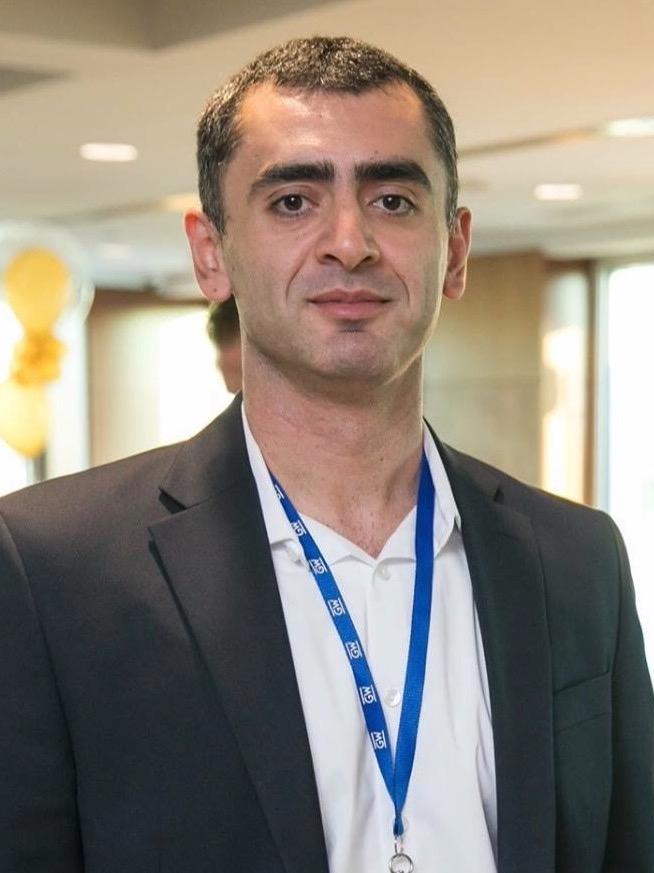
Inside Iran’s Wartime Leadership: Power, Succession, and Regime Stability
On April 21, AGSI hosted a discussion on the evolution of Iran's leadership during the war.
Speakers

Mar 18, 2026
In Its Conflict With the United States and Israel, Does Escalation Favor Iran?
On March 18, AGSI hosted a discussion on the escalation of the Iran war.
Speakers