Oct 25, 2024
President Pezeshkian’s Governor Generals
The October 25 edition of the Iran Media Review surveys President Masoud Pezeshkian’s sub-Cabinet appointments, following a trend of inclusivity of rival political factions as well as ethnic and religious minorities.

On August 11, Iranian President Masoud Pezeshkian presented his Cabinet picks to the Parliament, and, unprecedently in the history of the Islamic Republic, received a vote of confidence for every single one of them. Pezeshkian’s success was largely due to his preference for a national unity Cabinet representing all political factions, which was jokingly described by his own backers as “the possible, rather than the desired Cabinet.” Pezeshkian’s appointments to sub-Cabinet levels, which do not require a parliamentary vote of confidence, appear to show a similar tendency. Out of Iran’s 31 provinces, Pezeshkian has hitherto appointed 13 governor generals. According to reformist Ham-Mihan’s analysis, the new governor generals include individuals from rival political factions as well as ethnic and religious minorities. Of particular interest are the new governor general of Kurdistan province, who is Sunni and an ethnic Kurd, and the governor general of Khuzestan province, who is an ethnic Arab, a first in the history of the Islamic Republic. Just as remarkable, Pezeshkian has avoided appointing active-duty Islamic Revolutionary Guard Corps commanders, who dominated the political leadership of the provinces under President Mahmoud Ahmadinejad, were thrown out of office under President Hassan Rouhani, and reemerged under President Ebrahim Raisi. Pezeshkian’s inclusive approach aims to strengthen the regime in the face of external threats and likely domestic turmoil.
- October 23: In a survey of the 13 governor generals appointed by Pezeshkian, Ham-Mihan analyst Masoumeh Mohammadi concluded:
- “Until now, governor generals of Kurdistan, Lorestan, Khuzestan, Azerbaijan East, Khorasan Razavi, Gilan, and Qom are reformists. Governor generals of Yazd, Tehran, Isfahan, and Hamadan belong to the principalist faction” – the political faction close to Parliamentary Speaker Mohammad-Bagher Qalibaf and former nuclear negotiator Saeed Jalili. “The governor general of Kohgiluyeh and Boyer-Ahmad is a centrist, and the governor general of Fars is a centrist leaning toward the principalists.”
The views represented herein are the author's or speaker's own and do not necessarily reflect the views of AGSI, its staff, or its board of directors.
Related
Iran Media Review
Oct 22, 2024
Flare Up in Iran-UAE Island Dispute
The October 22 edition of the Iran Media Review explores Iranian commentary following an EU-GCC joint statement calling on Iran to end its occupation of the Greater Tunb, Lesser Tunb, and Abu Musa islands.
Iran Media Review
Oct 18, 2024
Parliamentarian: Iran Has Already Built a Nuclear Bomb!
The October 18 edition of the Iran Media Review highlights discussion by Iran’s state-controlled media regarding nuclear breakout.
Oct 22, 2024
Flare Up in Iran-UAE Island Dispute
The October 22 edition of the Iran Media Review explores Iranian commentary following an EU-GCC joint statement calling on Iran to end its occupation of the Greater Tunb, Lesser Tunb, and Abu Musa islands.
Oct 18, 2024
Parliamentarian: Iran Has Already Built a Nuclear Bomb!
The October 18 edition of the Iran Media Review highlights discussion by Iran’s state-controlled media regarding nuclear breakout.
Analysis
The Islamic Republic Returns to Offense
After U.S.-Israeli strikes killed Supreme Leader Ayatollah Ali Khamenei on February 28, Iran’s collective leadership has concluded that the best defense is a good offense.
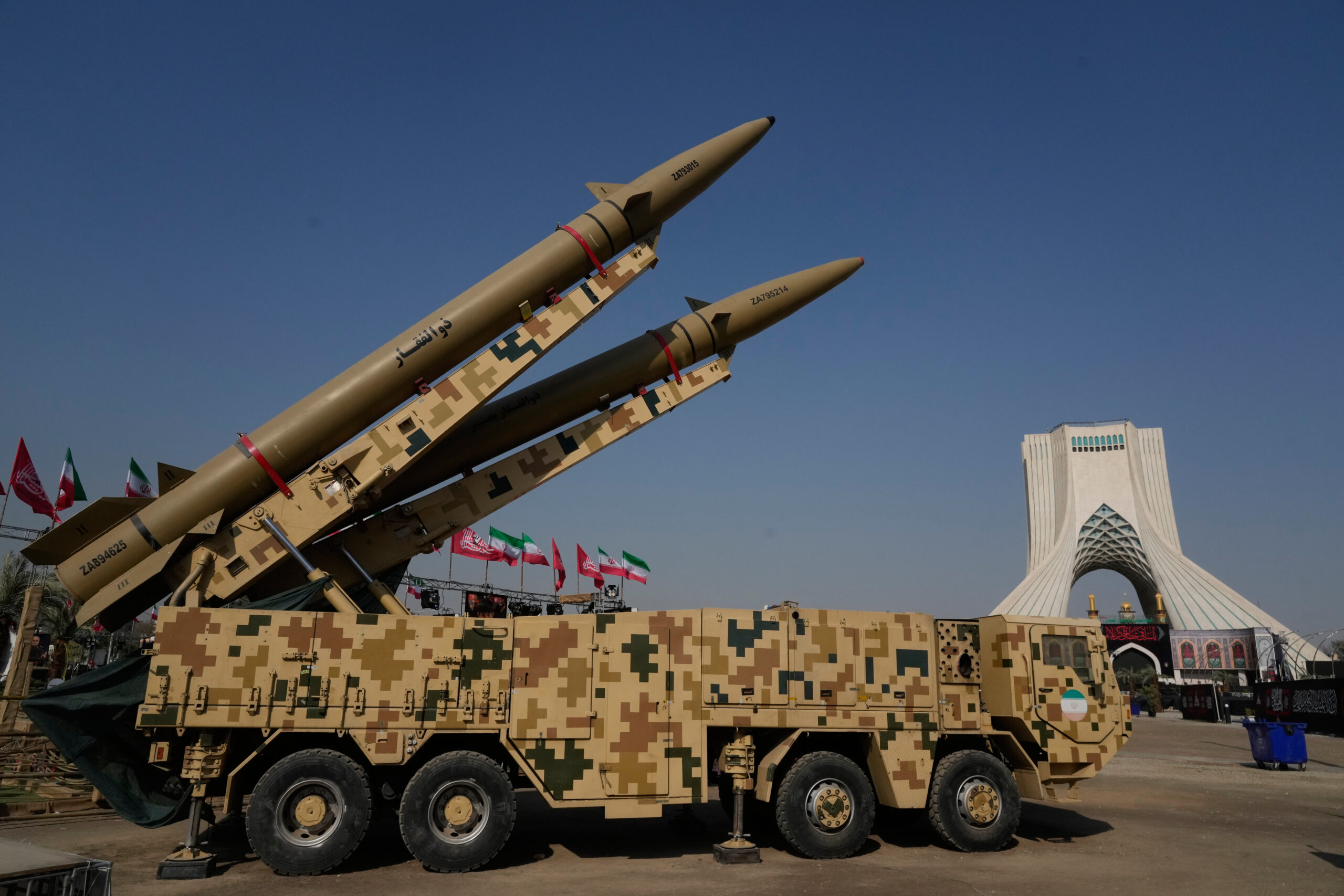
Iran’s Collective Strategic Decision Making
Wartime pressure has temporarily aligned the leadership’s overriding interest in regime survival, even as its members continue to differ over the costs, methods, and ultimate objectives of the war.
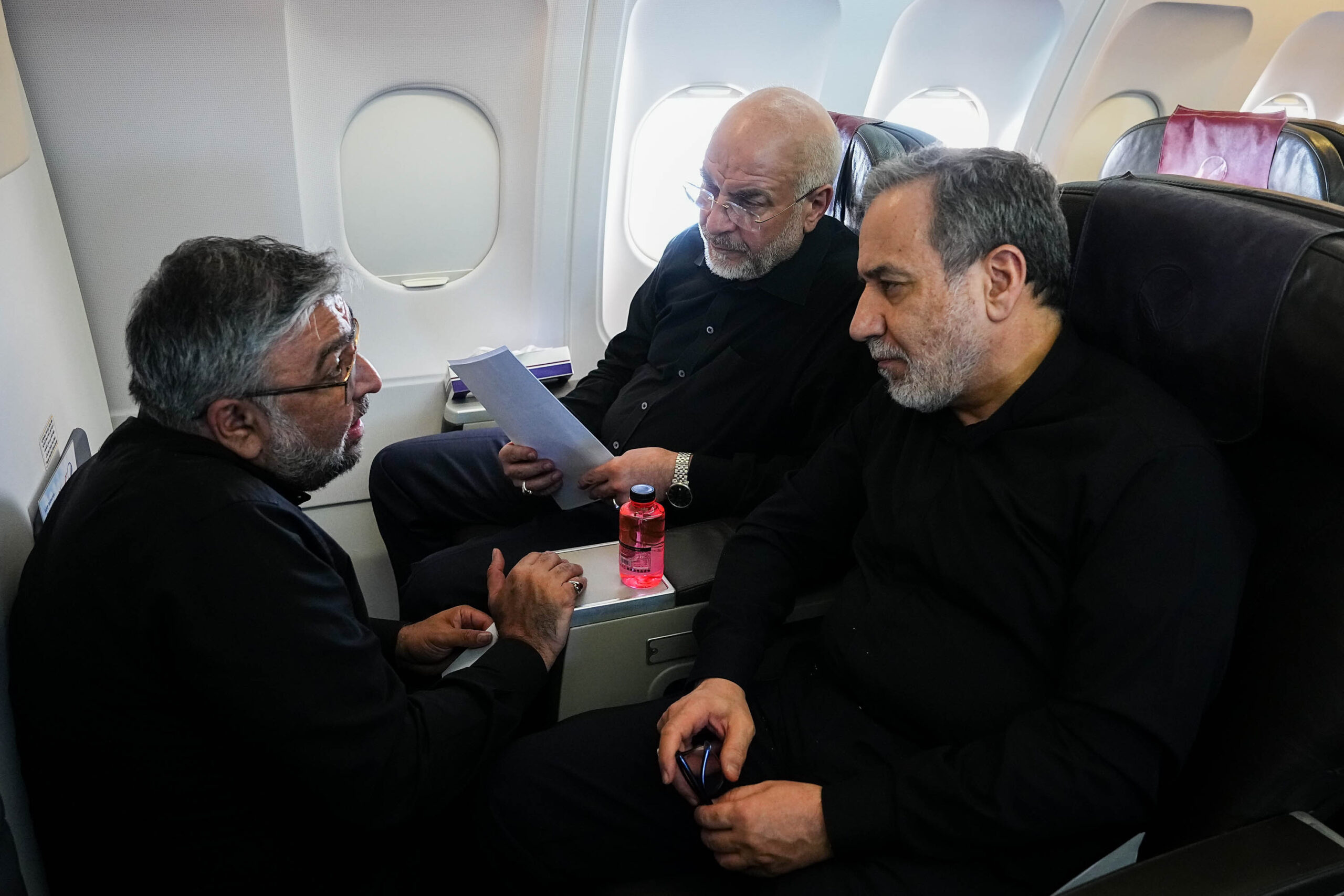
The Islamic Republic’s Collective Leadership
While there is historical precedent for collective leadership in Iran, today’s leadership includes representatives of the IRGC and regular military – a reflection of the IRGC’s expanding role and the necessities of governing under wartime conditions.
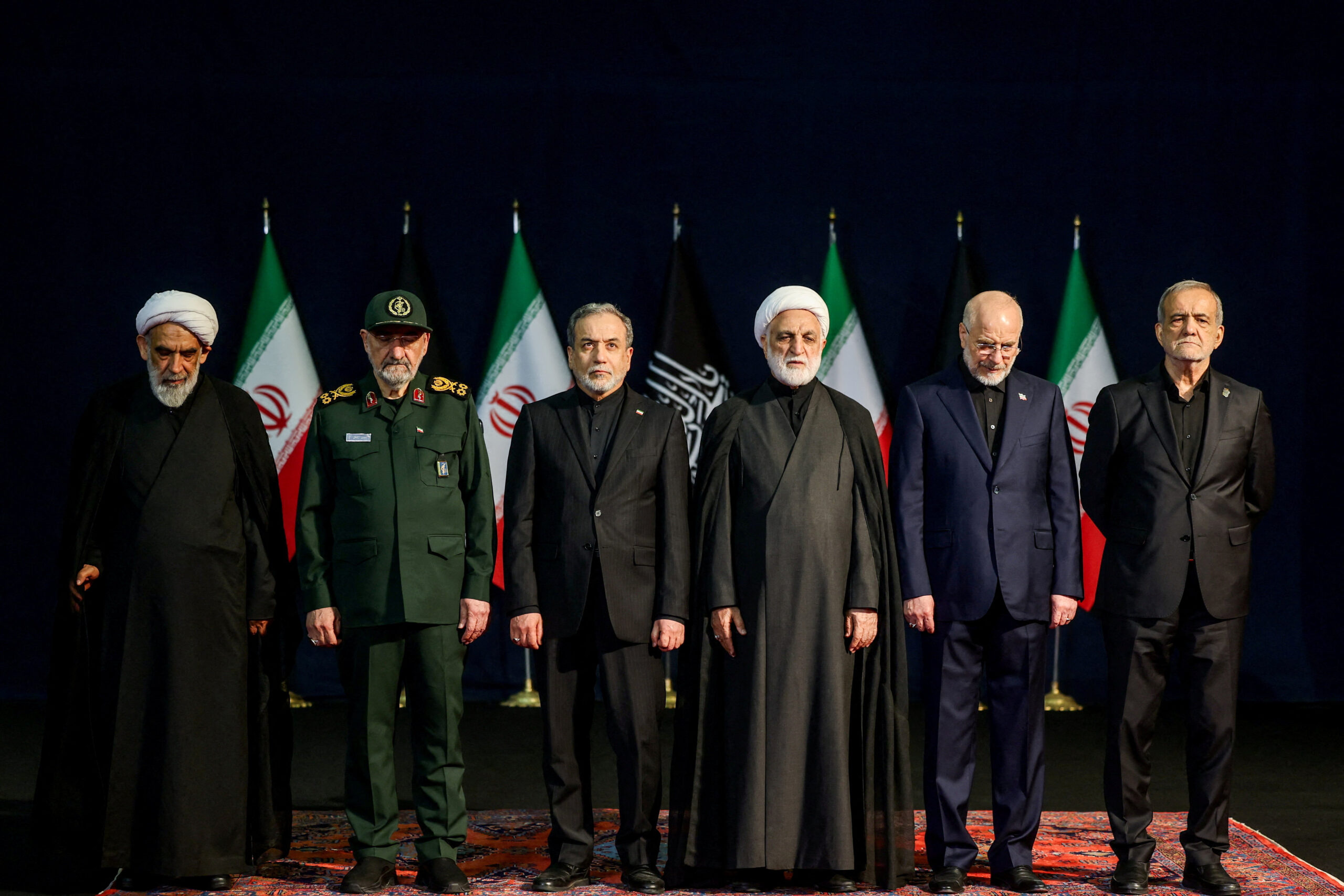
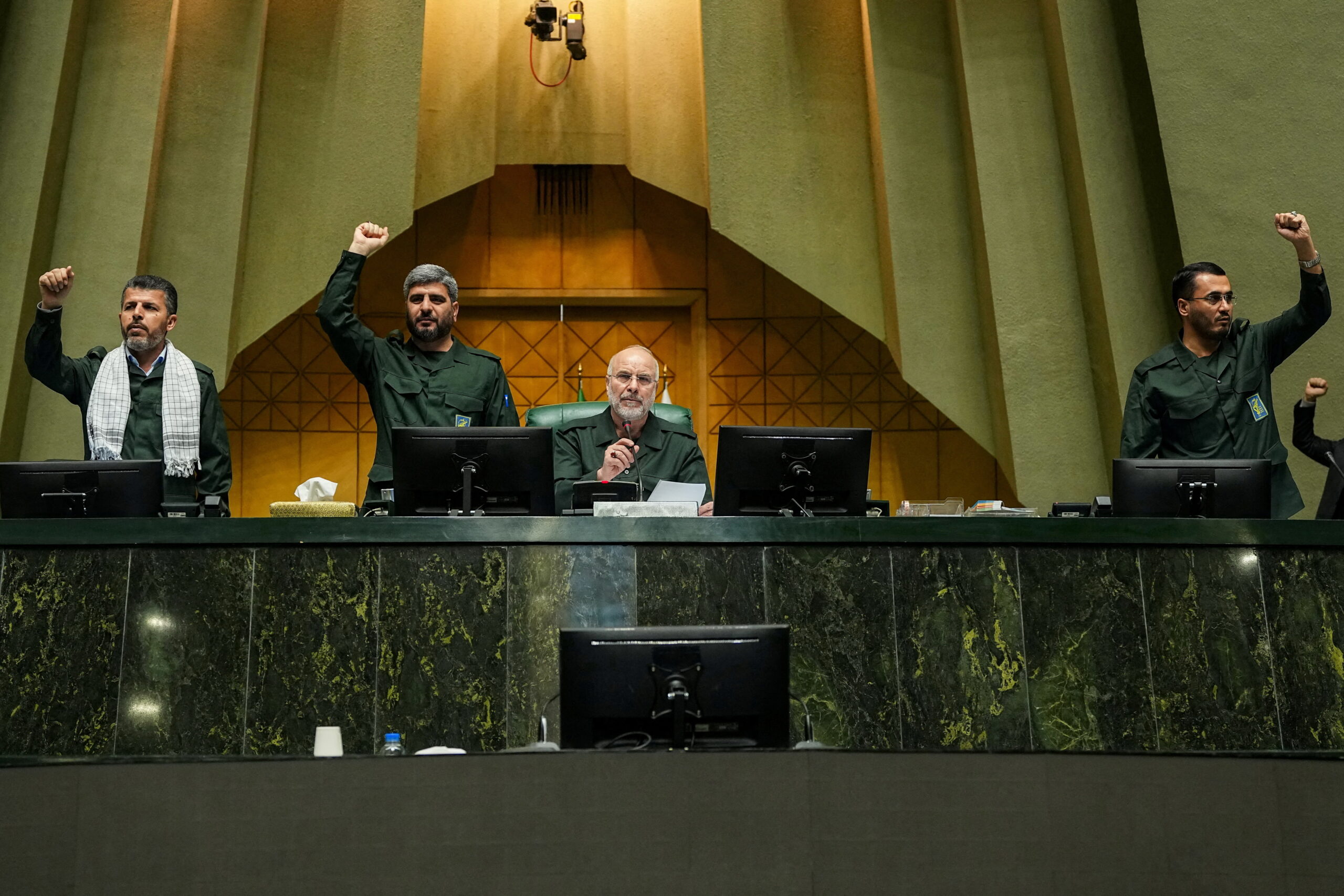
How Did the IRGC Seize Power in Iran?
The IRGC did not seize power in a single stroke. It accumulated it – patiently, methodically – until no counterweight remained.
Events
Book Talk: Iran and the Bomb: The United States, Iran and the Nuclear Question
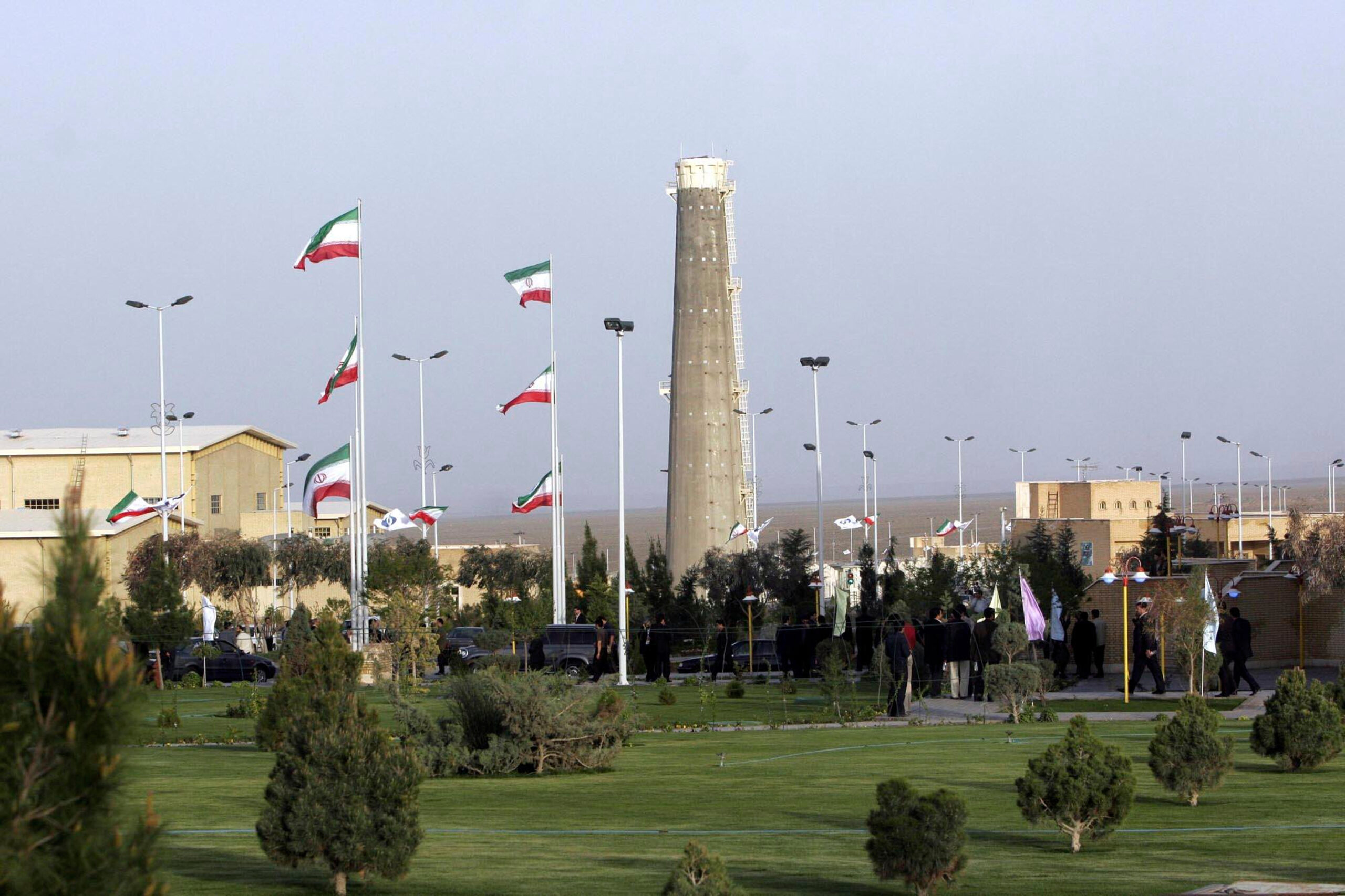
On June 16, AGSI hosted a discussion on the evolution of Iran's nuclear program.
Speakers

Apr 21, 2026
Inside Iran’s Wartime Leadership: Power, Succession, and Regime Stability
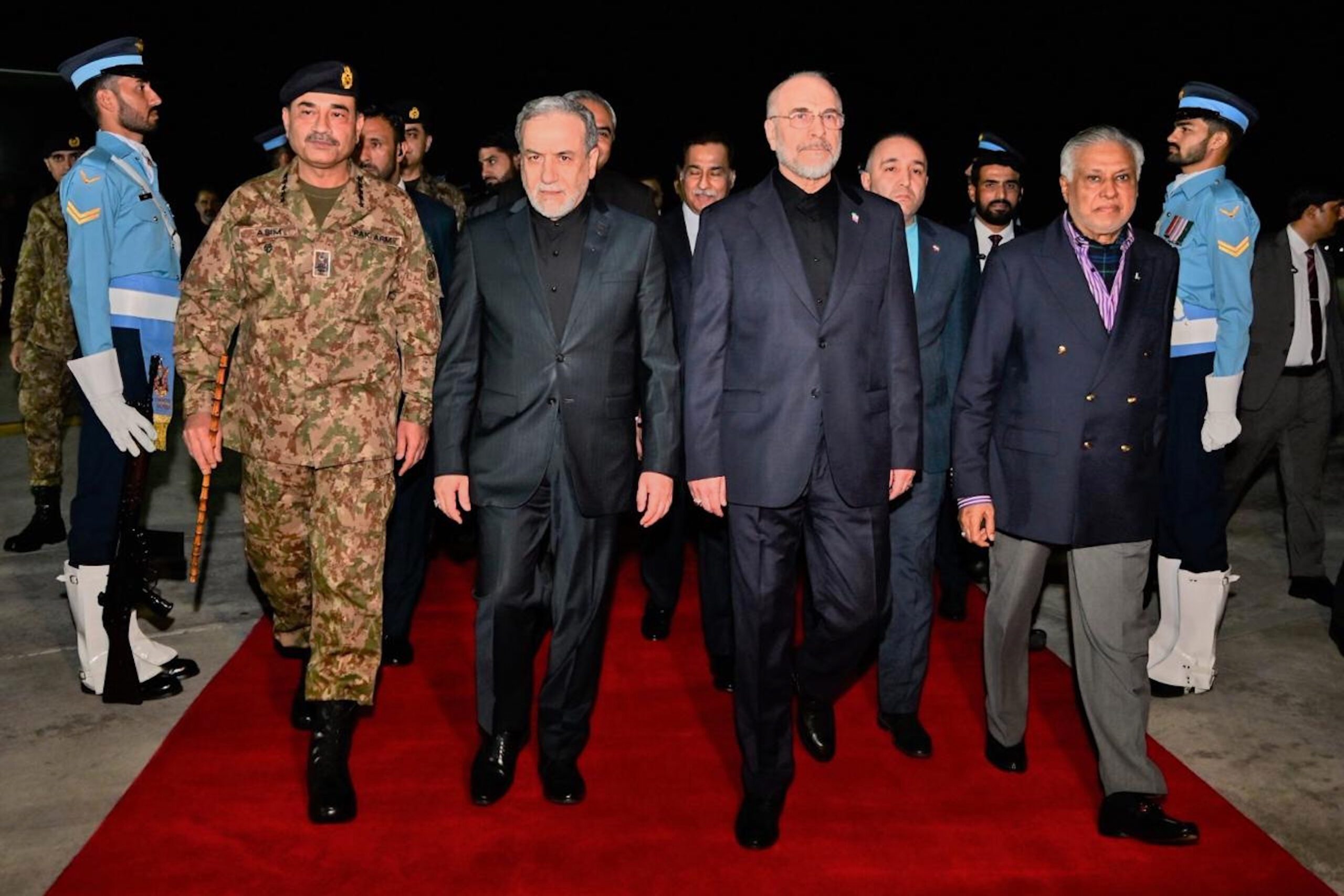
On April 21, AGSI hosted a discussion on the evolution of Iran's leadership during the war.
Speakers

Mar 18, 2026
In Its Conflict With the United States and Israel, Does Escalation Favor Iran?
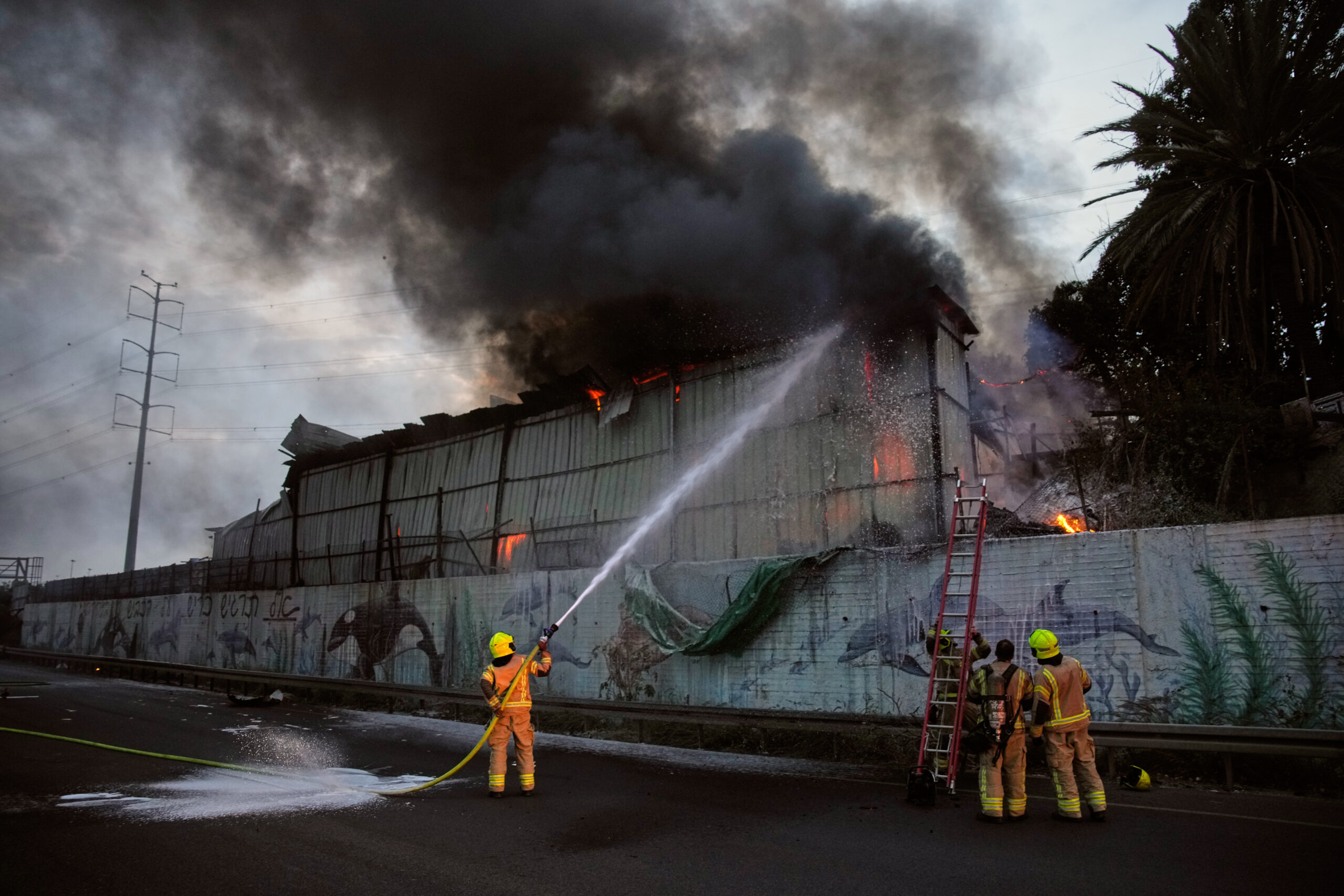
On March 18, AGSI hosted a discussion on the escalation of the Iran war.
Speakers


Mar 2, 2026
After the Shock: Implications of the U.S.–Israeli Strikes and Iran’s Leadership Transition
On March 2, AGSI hosted a discussion on the U.S.-Israeli strikes on Iran.
Speakers