Sep 19, 2025
The Rafsanjani Formula: “Face-To-Face Negotiations With the U.S.”
The September 19 edition of the Iran Media Review considers an editorial by Mohsen Rafsanjani, son of the late president, calling for direct negotiations with the United States to preserve security.

Iran’s negotiations with the three European powers – France, Germany, and the United Kingdom – over the “snapback” mechanism under the Joint Comprehensive Plan of Action – which would reactivate United Nations sanctions against Iran – suffer from a fundamental flaw. While the Europeans demand that Iran fulfill its JCPOA obligations, Tehran insists on the removal of U.S. sanctions and security guarantees against renewed Israeli or U.S. military action, neither of which Europe is in a position to provide. As in the past, Mohsen Hashemi Rafsanjani, son of the late-President Ali Akbar Hashemi Rafsanjani, has urged President Masoud Pezeshkian to pursue direct negotiations with the United States to resolve these issues. Yet there is no assurance that Washington regards Iran as a priority or deems negotiations worthwhile.
- September 18: Mohsen Hashemi Rafsanjani, writing in technocratic Sazandegi, proposed diplomatic initiatives to prevent the reimposition of United Nations Security Council sanctions through activation of the Joint Comprehensive Plan of Action “snapback” mechanism:
- “We must consider what demands the three European countries have of Iran in order not to activate the ‘snapback.’ Are we ready, within the three-week deadline, to grant concessions? The nuclear file, from Iran’s perspective, has four key issues: 1. Inspections of damaged sites. 2. Clarification of uranium stockpiles. 3. The fate of 400 kilograms of uranium enriched to 60%. 4. A return to the JCPOA framework through some form of text agreed on with the Americans.”
- “The minimum logical demands of Iran are lifting unilateral U.S. sanctions and providing security guarantees to prevent renewed U.S. or Israeli attacks,” over which the Europeans have no influence.
- Therefore, “we need a comprehensive and different strategy so that with the remaining bargaining chips we can achieve successful results through diplomacy and free the country from current threats and sanctions … we need a courageous and prudent face-to-face negotiation with the United States to resolve all outstanding issues in a comprehensive agreement … We must seize opportunities to preserve security and prevent future disasters.”
The views represented herein are the author's or speaker's own and do not necessarily reflect the views of AGSI, its staff, or its board of directors.
Related
Iran Media Review
Sep 16, 2025
Larijani Ascendant Amid Strategic Ambiguity
The September 16 edition of the Iran Media Review highlights discussion of SNSC Secretary Ali Larijani’s role in oversight of Iran’s nuclear portfolio.
Iran Media Review
Sep 12, 2025
Iran’s Supreme National Security Council in Charge of the Nuclear Portfolio?
The September 12 edition of the Iran Media Review considers Iranian media reports and commentary around the transfer of Iran's nuclear portfolio from the Foreign Ministry to the SNSC under Secretary Ali Larijani.
Iran Media Review
Sep 9, 2025
Khamenei’s Admonishments: Sermons, Not Strategy
The September 9 edition of the Iran Media Review analyzes recommendations from the supreme leader that are seemingly more sermon than actionable policy.
Sep 16, 2025
Larijani Ascendant Amid Strategic Ambiguity
The September 16 edition of the Iran Media Review highlights discussion of SNSC Secretary Ali Larijani’s role in oversight of Iran’s nuclear portfolio.
Sep 12, 2025
Iran’s Supreme National Security Council in Charge of the Nuclear Portfolio?
The September 12 edition of the Iran Media Review considers Iranian media reports and commentary around the transfer of Iran's nuclear portfolio from the Foreign Ministry to the SNSC under Secretary Ali Larijani.
Sep 9, 2025
Khamenei’s Admonishments: Sermons, Not Strategy
The September 9 edition of the Iran Media Review analyzes recommendations from the supreme leader that are seemingly more sermon than actionable policy.
Analysis
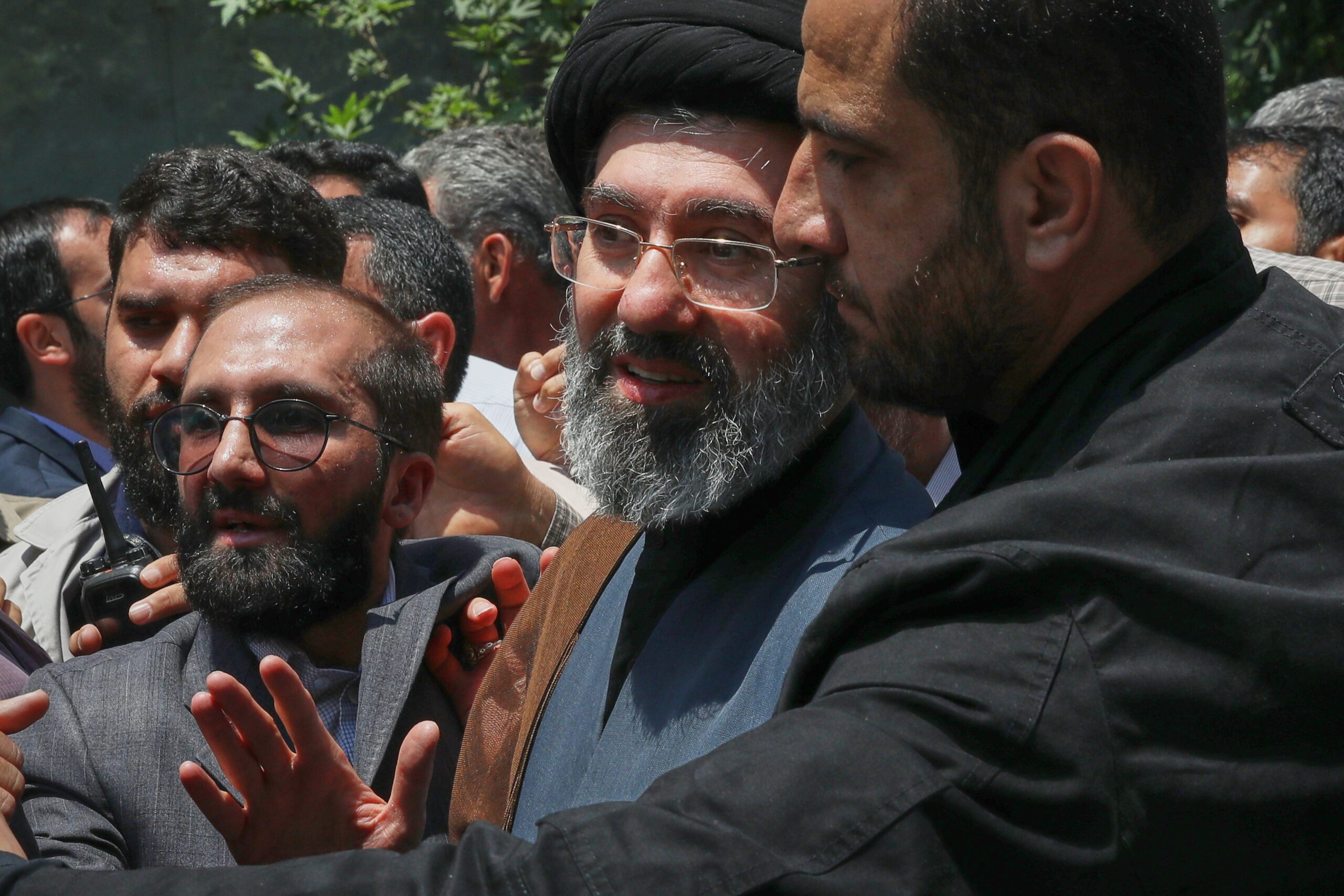
Under Mojtaba, the IRGC Will Reign Supreme
Iran may still call itself an Islamic Republic. In practice, however, it increasingly resembles a state in which the military governs from behind clerical robes.
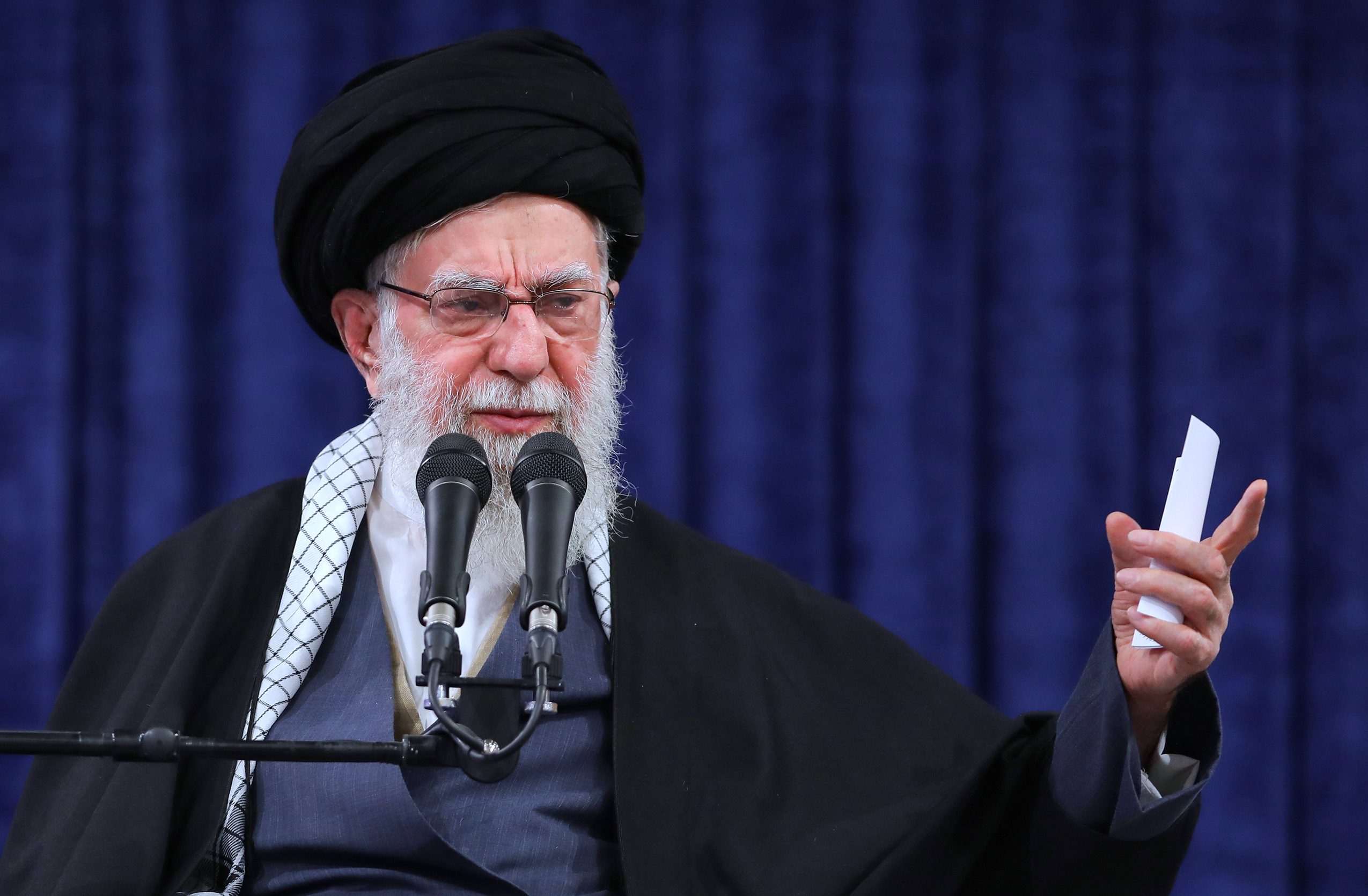
Political Life and Legacy of Iran’s Ayatollah Khamenei
Ayatollah Ali Khamenei was killed in his office in Tehran at age 86, leaving behind a country in ruins and on the verge of civil war and potential disintegration.
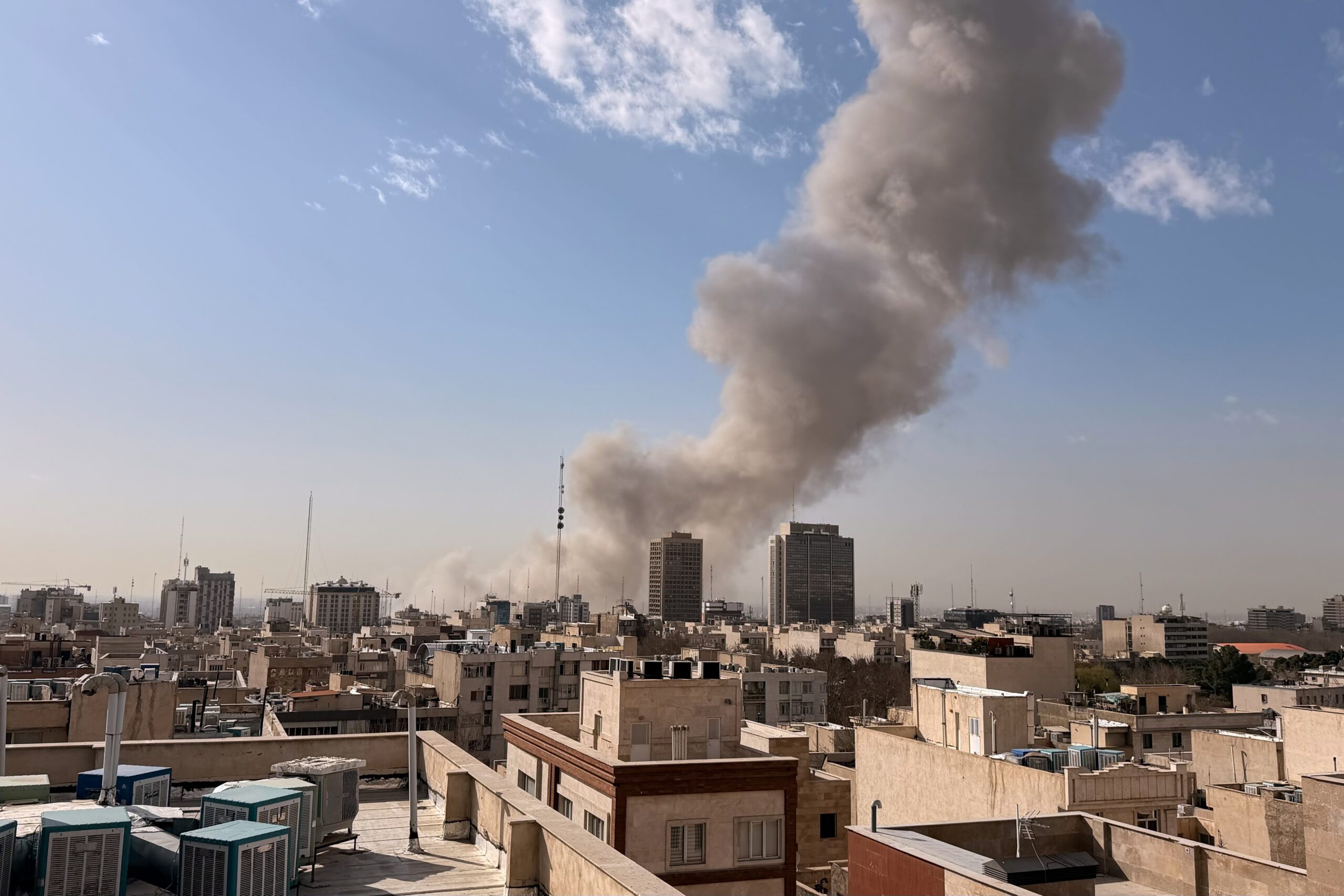
Iranian Regime Fighting for Survival
Iran is signaling that it will not absorb attacks passively. But whether this strategy ensures the regime’s survival, seals its fate, or accelerates a broader catastrophe will shape the region for years to come.
Iran’s 2025-26 Protests in Perspective
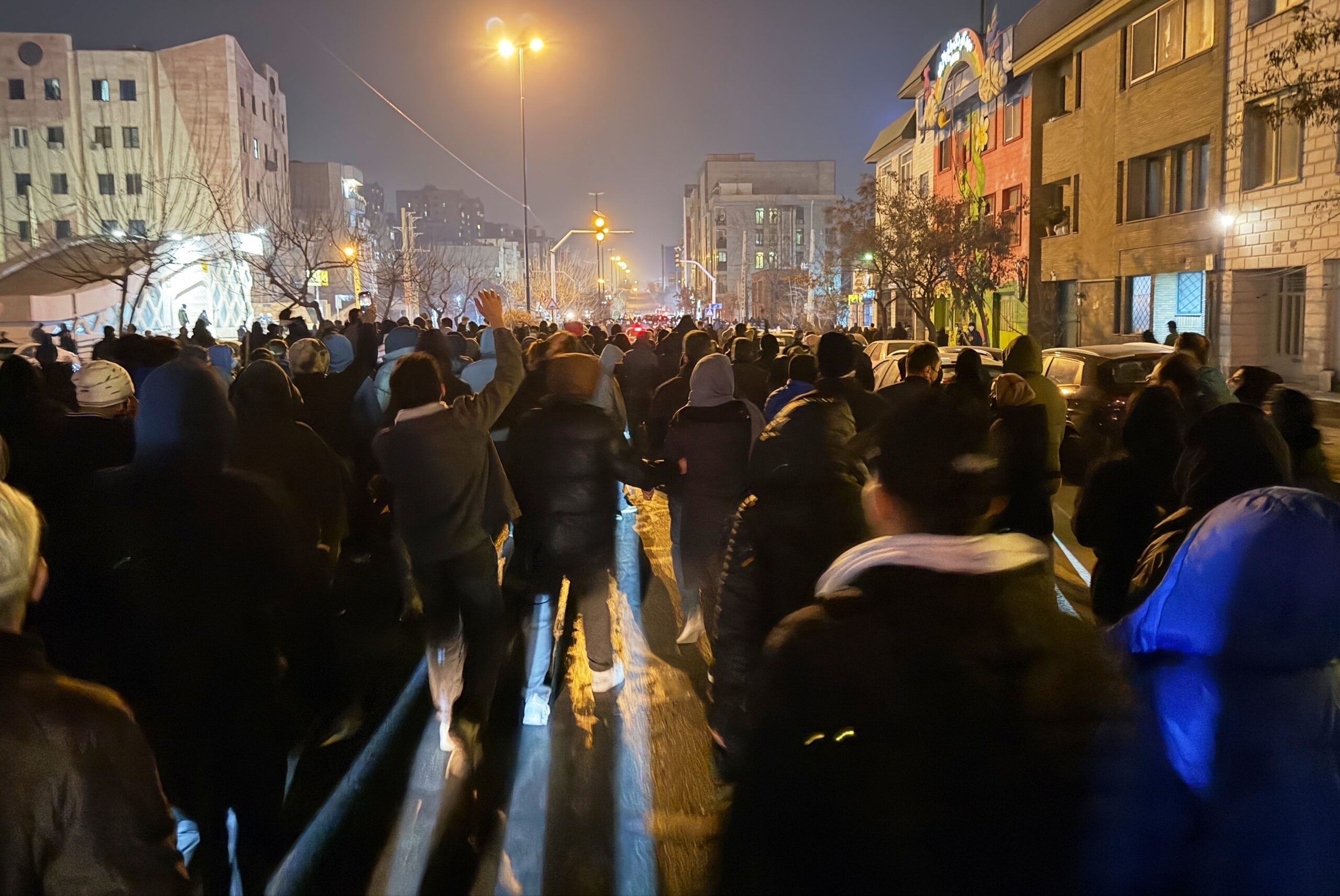
The erosion of the regime’s legitimacy across broad segments of society, combined with the breadth of the 2025-26 protest coalition, raises the possibility that a new confrontation could trigger renewed anti-regime mobilization.
Events
Mar 18, 2026
In Its Conflict With the United States and Israel, Does Escalation Favor Iran?
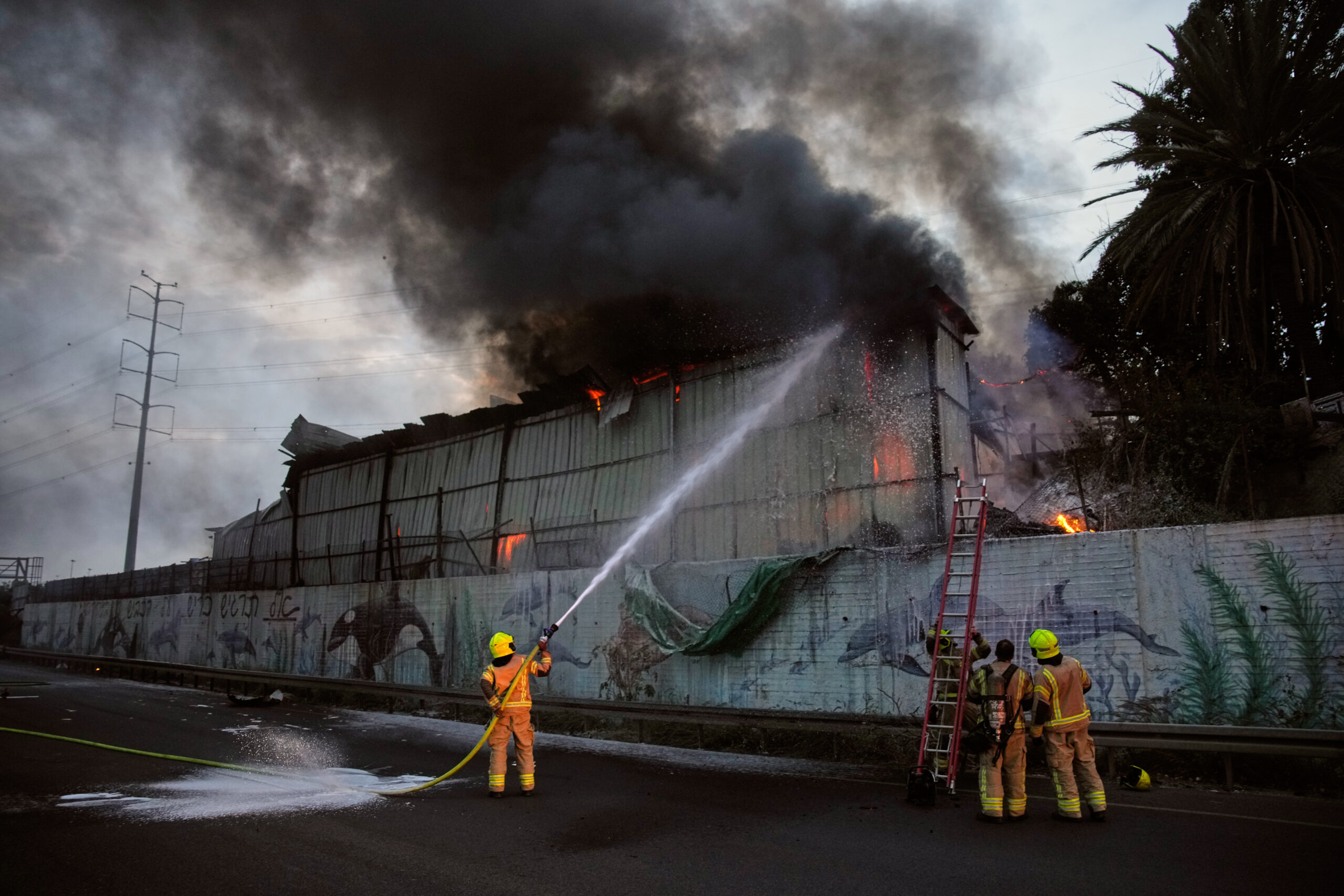
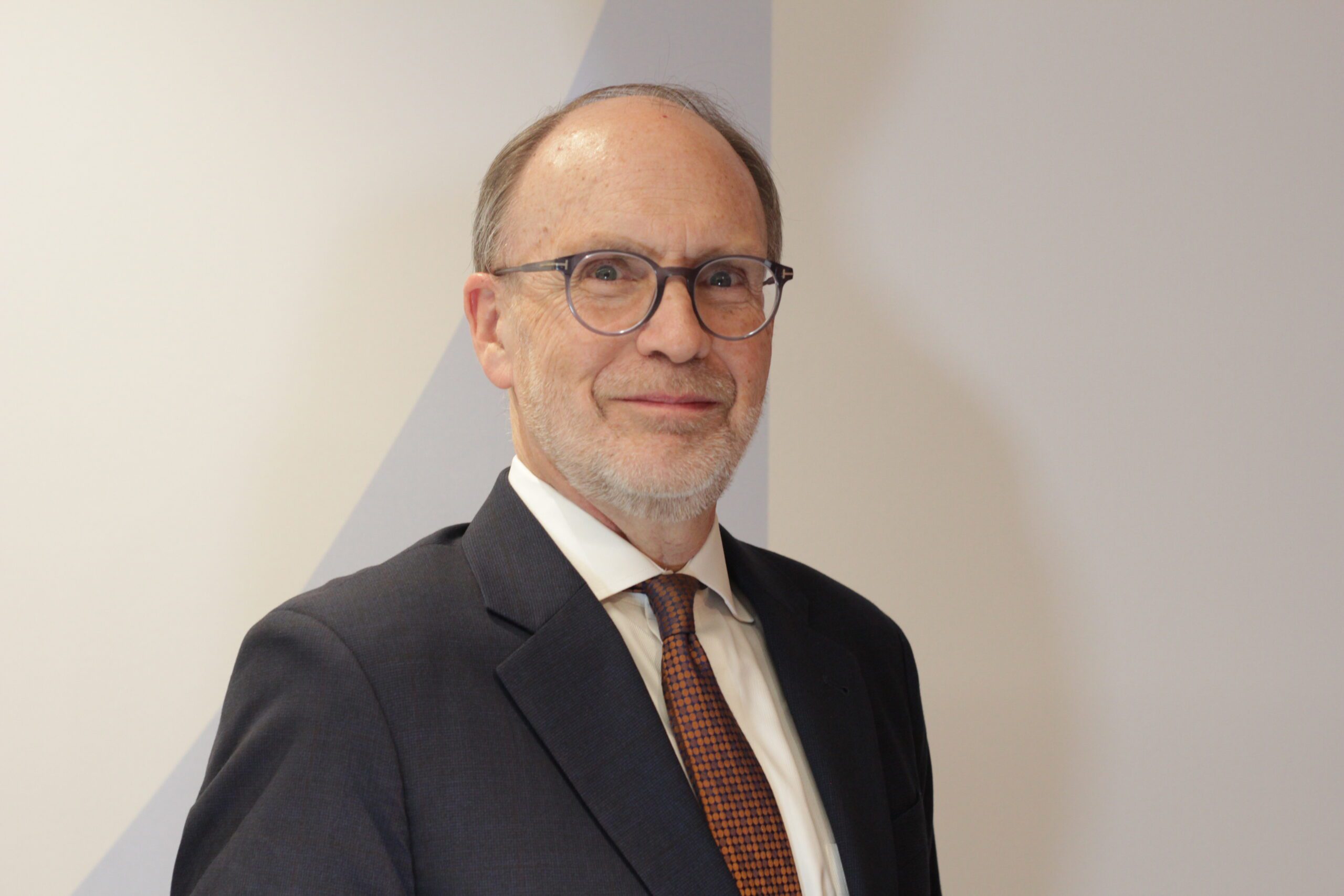
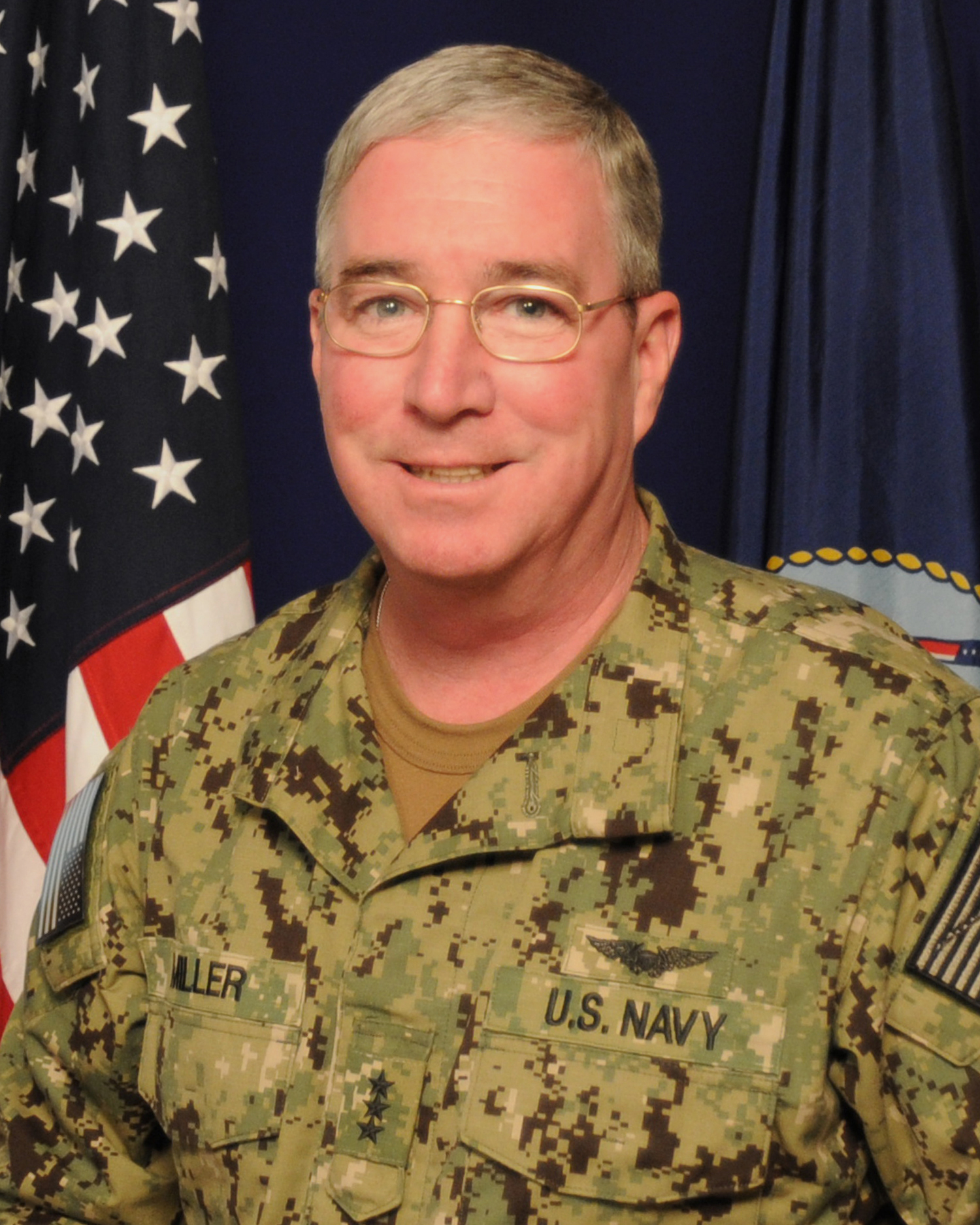
On March 18, AGSI hosted a discussion on the escalation of the Iran war.
Speakers
Mar 2, 2026
After the Shock: Implications of the U.S.–Israeli Strikes and Iran’s Leadership Transition
On March 2, AGSI hosted a discussion on the U.S.-Israeli strikes on Iran.
Speakers




Jan 8, 2026
Outlook 2026: Prospects and Priorities for U.S.-Gulf Relations in the Year Ahead
On January 8, AGSI hosted a virtual roundtable with its leadership and scholars as they look ahead and assess trends likely to shape the Gulf region and U.S. foreign policy during the coming year.
Speakers

Sep 16, 2025
Book Talk: Iran’s Grand Strategy: A Political History
On September 16, AGSI hosted a discussion on the roots of Iran's strategic outlook.
Speakers