Jan 9, 2026
The IRGC Warns Iraq’s Kurdistan Region
The January 9 edition of the Iran Media Review analyzes IRGC-affiliated media threats against Kurdish parties headquartered in the Kurdistan region of Iraq.

On January 7, seven oppositional Kurdish parties headquartered in Iraq’s Kurdistan region called on Iranian Kurds to stage a strike on January 8. Following widespread business closures in Kurdish-populated cities in northwestern Iran, Islamic Revolutionary Guard Corps-affiliated Tasnim News Agency threatened to hold the authorities of the Kurdistan region of Iraq responsible for the actions of Iranian Kurds allegedly operating from the region – not only for “inciting rebellion” inside Iran but also for preparing attacks against military and security facilities and associated arms depots.
Iranian authorities undoubtedly benefit from invoking the specter of separatism and risk of civil war to generate a rally-around-the-flag effect. And they may seek to externalize internal political and economic pressures by threatening or conducting strikes against targets in Iraq’s Kurdistan region. However, Iran’s troubled history with separatist movements in its peripheral regions suggests the prospect of escalation and internal conflict is nonetheless a legitimate concern.
- January 8: Tasnim News Agency reported on “the entry of separatist groups into the operational phase of the unrest”:
- “Based on field evidence, militant groups based in northern Iraq have moved beyond the stage of psychological warfare and media operations and have entered an operational phase on the ground – a development for which examples have been observed in the provinces of Ilam and Kermanshah. This comes despite the Iran-Iraq security agreement, to which the Kurdistan region of Iraq is also committed, under which even the display and dissemination of images of weapons by these groups had been prohibited.”
- “The serious question now being raised is how these groups, in clear violation of their security commitments, have advanced to the point of attempting attacks on military and security centers and ammunition depots. Accordingly, many experts believe that the time has come for the headquarters and active elements of these groups to be directly targeted within the framework of the security agreement and in light of the commitments that have been violated.”
- “Meanwhile, the coordinated and purpose-driven performance of media outlets affiliated with the Kurdistan Democratic Party of Iraq in intensifying tensions and steering the social environment toward instability goes beyond a mere media approach and is assessed as part of a defined security puzzle.”
- “Under such circumstances, it is expected that the authorities of the Kurdistan region of Iraq, fully aware of the consequences of the continuation of this trend, will immediately prevent their territory from becoming a platform for threats to Iran’s national security. It is also expected that officials of the Islamic Republic of Iran will not remain indifferent and will respond with precision and resolve to the media misconduct and violations of security commitments by the Kurdistan region of Iraq.”
- “These developments are not a temporary episode of unrest but rather part of a directed operation within the framework of hybrid warfare and a continuation of the 12-day war against Iran. It is self-evident that should this trend persist or escalate, the Islamic Republic of Iran’s response will be decisive, deterrent, and beyond conventional diplomatic considerations, and responsibility for the consequences will rest directly with the supporters and facilitators of these anti-security and terrorist actions.”
The views represented herein are the author's or speaker's own and do not necessarily reflect the views of AGSI, its staff, or its board of directors.
Related
Iran Media Review
Jan 6, 2026
Khamenei Comments on the Protests in Iran
The January 6 edition of the Iran Media Review examines Supreme Leader Ayatollah Ali Khamenei’s response to a new wave of protests.
Iran Media Review
Dec 19, 2025
Iran: Searching For a Way Out of the Impasse
The December 19 edition of the Iran Media Review examines an article by the son of a late Iranian president suggesting a way out of Iran’s current foreign and domestic crises.
Iran Media Review
Dec 16, 2025
Popular Resistance Front: New Umbrella Organization for Anti-Regime Militants
The December 16 edition of the Iran Media Review considers Iranian media responses to the newly announced merger of militant anti-regime groups in Sistan and Baluchistan province.
Jan 6, 2026
Khamenei Comments on the Protests in Iran
The January 6 edition of the Iran Media Review examines Supreme Leader Ayatollah Ali Khamenei’s response to a new wave of protests.
Dec 19, 2025
Iran: Searching For a Way Out of the Impasse
The December 19 edition of the Iran Media Review examines an article by the son of a late Iranian president suggesting a way out of Iran’s current foreign and domestic crises.
Dec 16, 2025
Popular Resistance Front: New Umbrella Organization for Anti-Regime Militants
The December 16 edition of the Iran Media Review considers Iranian media responses to the newly announced merger of militant anti-regime groups in Sistan and Baluchistan province.
Analysis
Iran’s 2025-26 Protests in Perspective
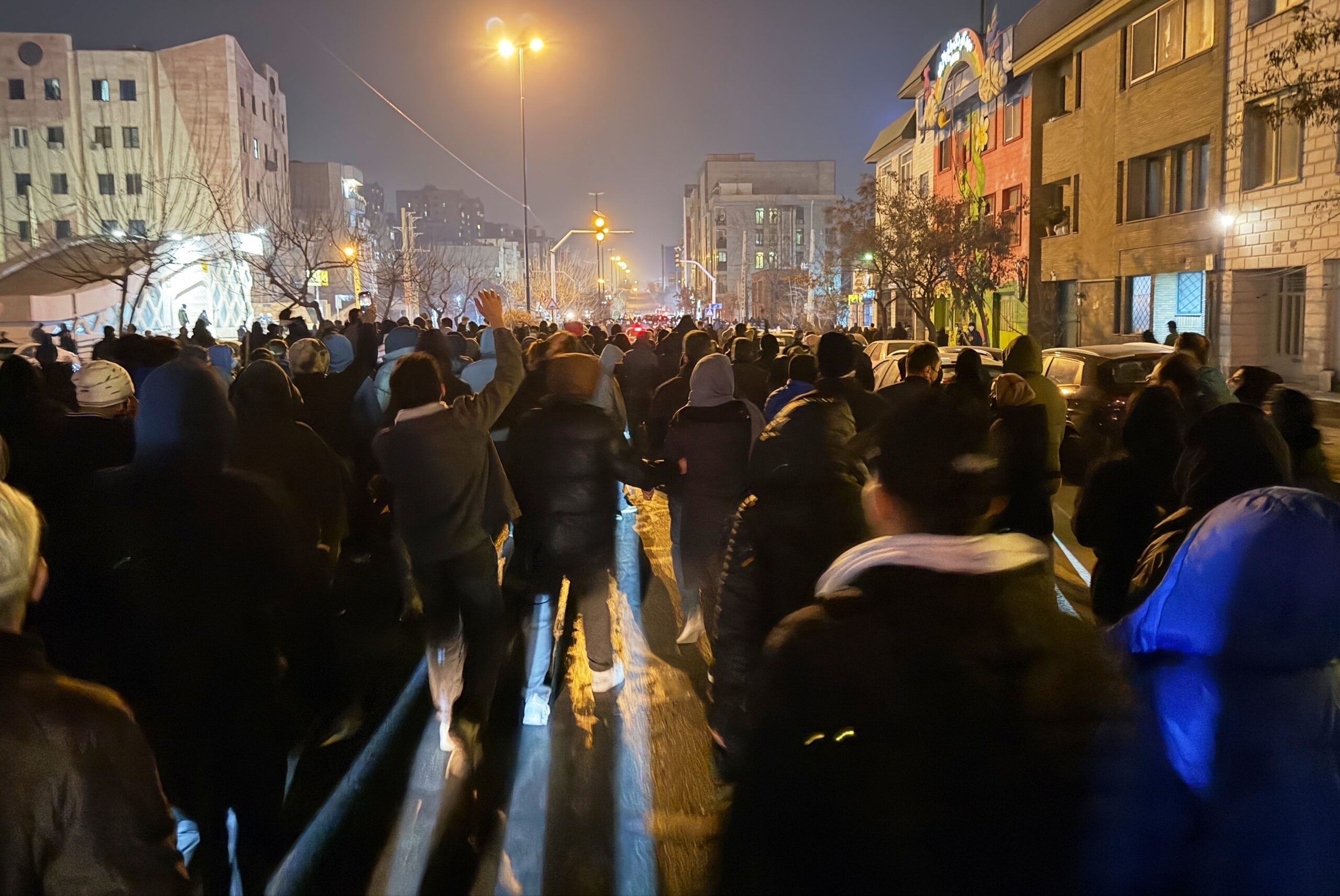
The erosion of the regime’s legitimacy across broad segments of society, combined with the breadth of the 2025-26 protest coalition, raises the possibility that a new confrontation could trigger renewed anti-regime mobilization.
Protests in Iran: Regime Deal With Trump or Degrade Toward Collapse?
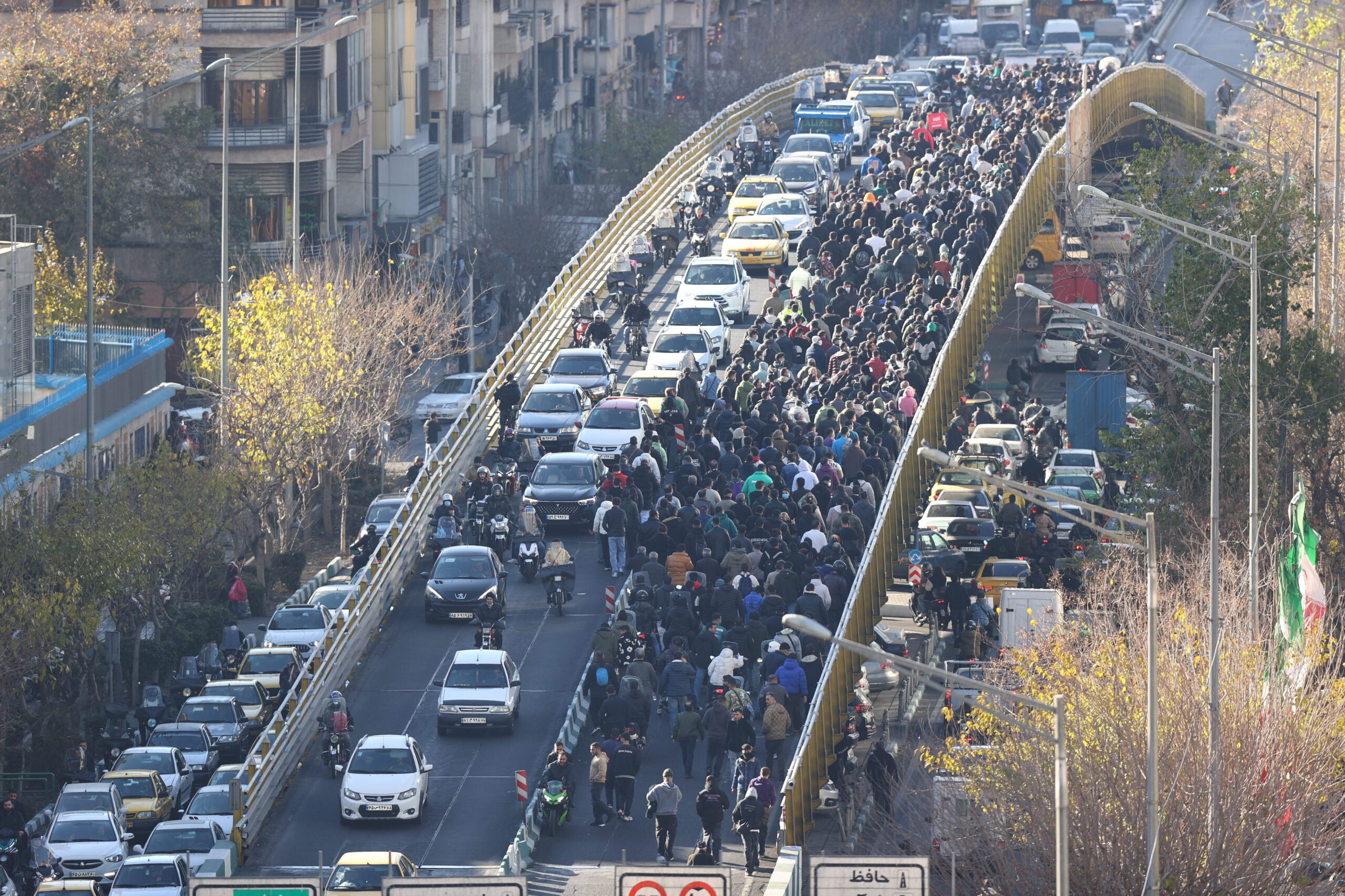
Though the Iranian regime is facing increasing pressure from protesters and armed insurgent groups, it is not yet doomed – but without a deal with the United States, the regime is likely headed for a slow collapse.
Iran Looms Over Saudi Visit to Washington
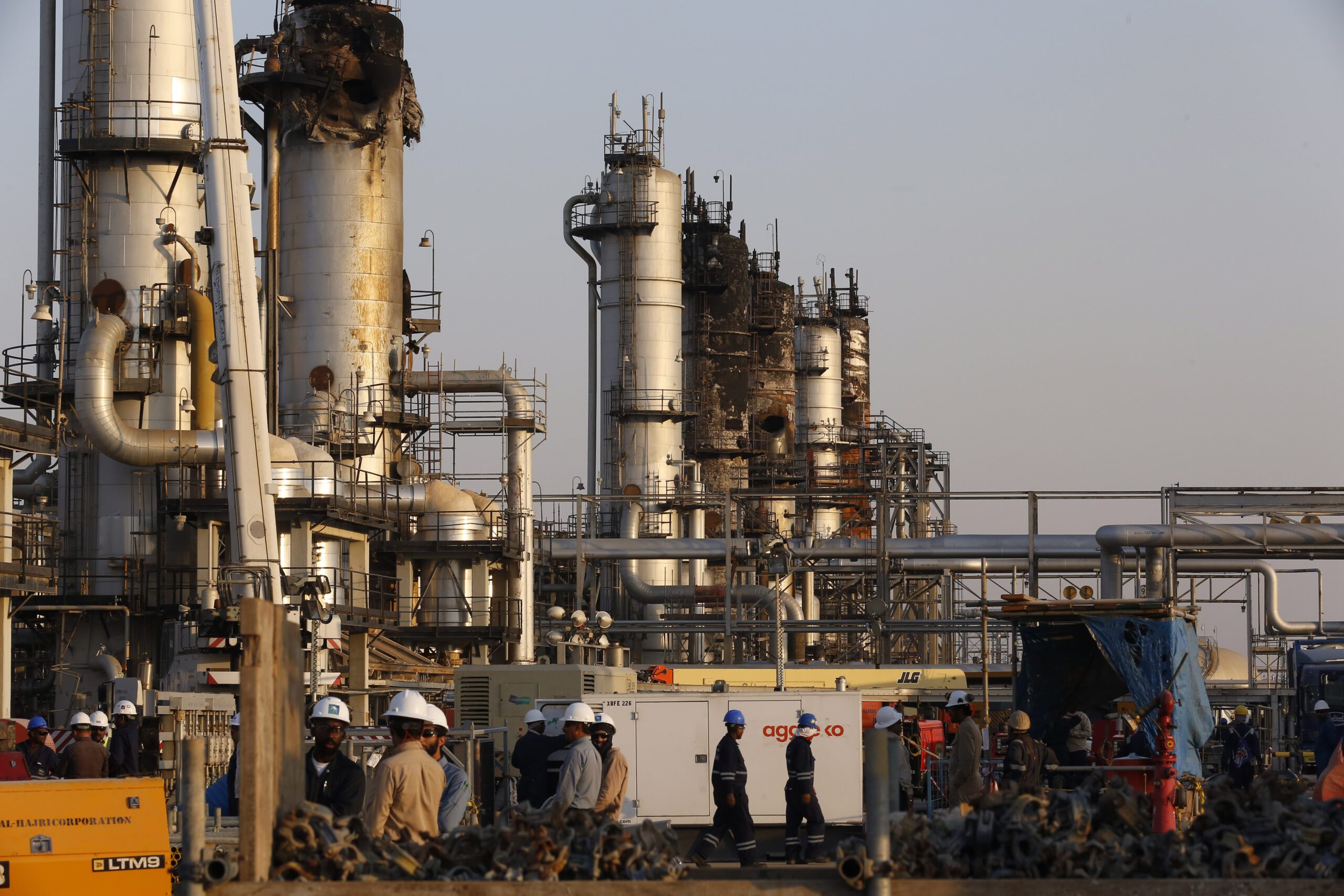
Saudi Arabia seeks a U.S. security umbrella strong enough to deter Iran but a diplomatic posture measured enough to avoid provoking Iran unnecessarily.
The Pragmatist Who Came In From the Cold: Ali Larijani, Iran’s New Supreme National Security Council Secretary
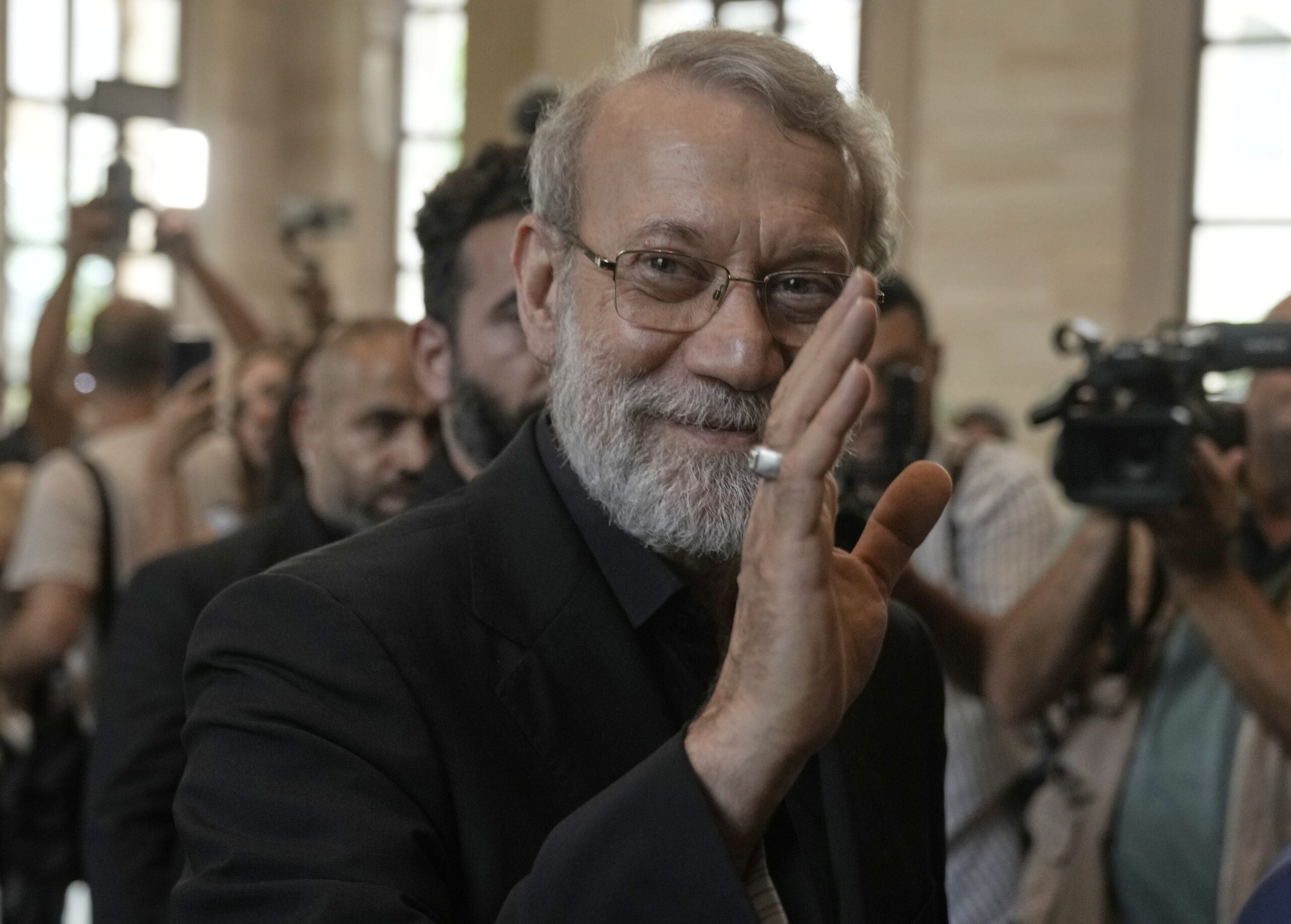
An Iraqi-born native of Najaf but an unmistakably Iranian nationalist, Ali Larijani is expected to leverage his record of bureaucratic competence and global fluency to coordinate Iran’s security bureaucracy.
Events
Jan 8, 2026
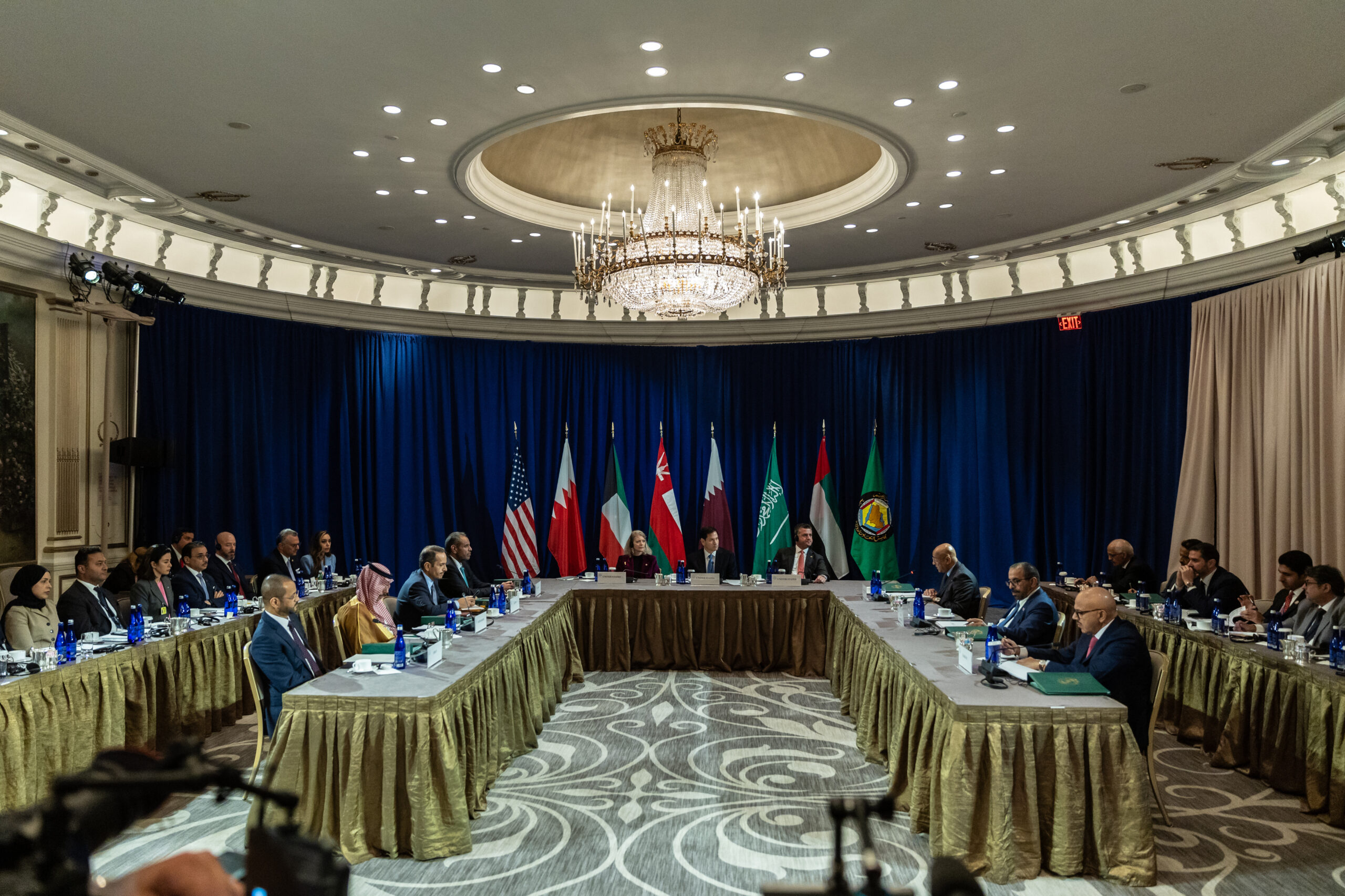
Outlook 2026: Prospects and Priorities for U.S.-Gulf Relations in the Year Ahead
On January 8, AGSI hosted a virtual roundtable with its leadership and scholars as they look ahead and assess trends likely to shape the Gulf region and U.S. foreign policy during the coming year.
Speakers





Sep 16, 2025
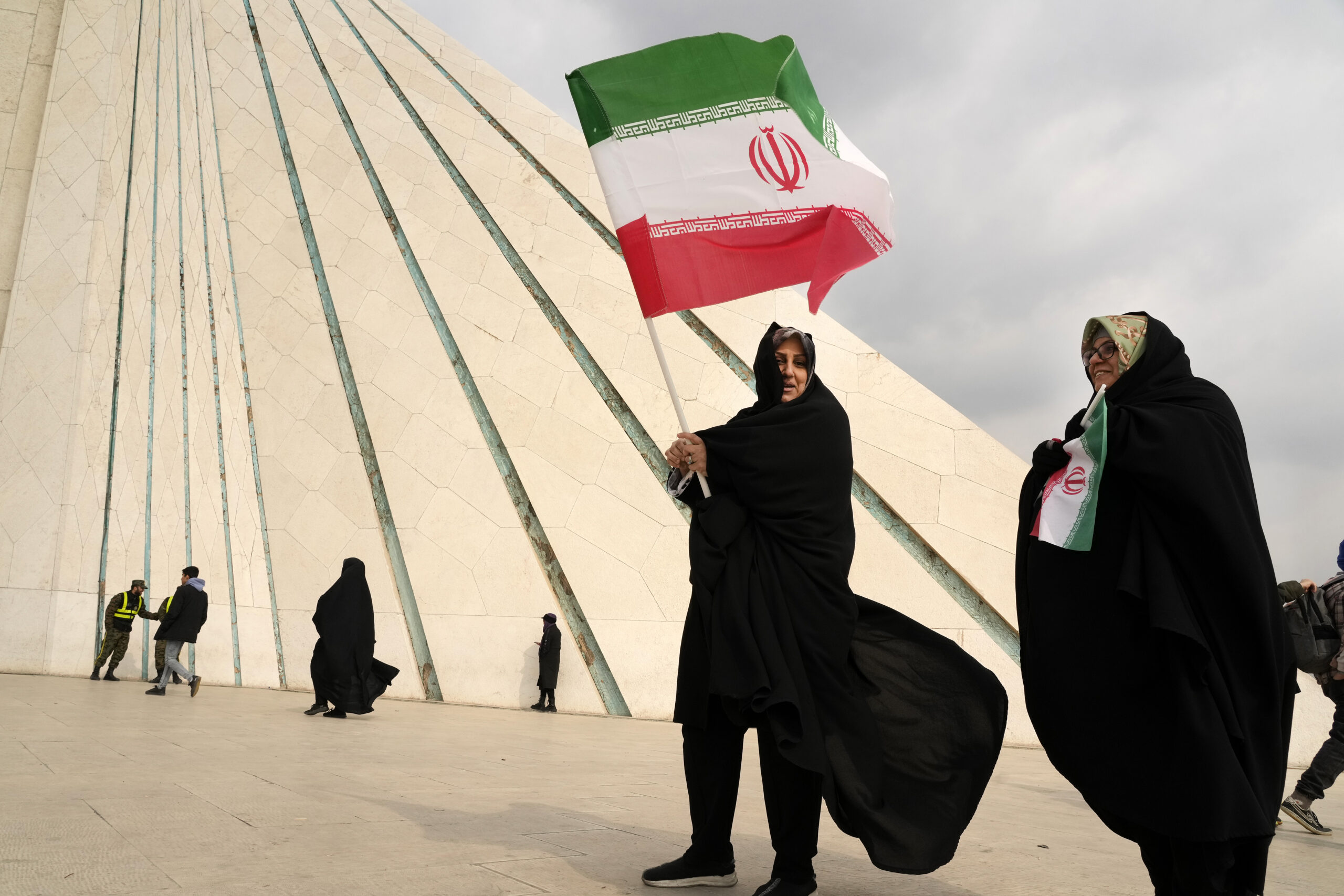
Book Talk: Iran’s Grand Strategy: A Political History
On September 16, AGSI hosted a discussion on the roots of Iran's strategic outlook.
Speakers
Jun 23, 2025
U.S. Strike on Iran: Regional and Diplomatic Fallout
On June 23, AGSI hosted a discussion on the United States' attack on Iranian nuclear sites.
Speakers
Assessing Iranian, U.S., and Gulf Reactions and Options Following Israel’s Unprecedented Attack on Iran
On June 16, AGSI hosted a discussion on Israel's attack on Iran.
Speakers