Mar 4, 2025
Sazandegi Comments on MBC’s “Muawiya” Ramadan Series
The March 4 edition of the Iran Media Review explores an Iranian newspaper’s accusation that the plot of a new Saudi Ramadan series is historical revisionism.

The technocratic daily newspaper Sazandegi rarely wades into cultural debates, but, sensing that Riyadh is using the Saudi media giant MBC’s Ramadan series “Muawiya” as a vehicle for soft power, the paper is sounding the alarm on what it sees as historical revisionism.
- March 3: Technocratic newspaper Sazandegi’s Golawizh Naderi weighed in on Saudi MBC’s new Ramadan series, “Muawiya,” drawing a pointed comparison to the 2024 Egyptian production “The Assassins”:
- “Last year, the Egyptians broadcasted ‘The Assassins,’ delving into the Fatimid Caliphate and leader of the Assassins, Hasan-i Sabbah. The series stirred controversy while also scoring high ratings. Infamous for assassinations, the Egyptians delivered a friendlier depiction of Sabbah more to their liking to present him as an influential leader in the history of Islam. Iran banned the series over its historical revisionism, but due to the highly influential nature of the series, nobody can change the image created in the minds of viewers in Asia, North Africa, and in the rest of the Islamic world.”
- “This Ramadan, MBC is rolling out a lavish and contentious historical epic that has the potential to reignite sectarian tensions between Shia and Sunni communities. ‘Muawiya,’ carrying a staggering $100 million price tag, delves into one of the most tumultuous chapters of Islamic history – tracing the great sedition and the succession struggle following” the death of the third Caliph “Uthman ibn Affan, the caliphate of Imam Ali, peace be upon him, and the events leading up to the martyrdom of Imam Hussein in Karbala as well as the battles of the Camel and Siffin,” referencing historical battles seen as the beginning of the split between Shia and Sunni Islam. “The series takes on the task of reimagining and providing a positive depiction of Muawiya ibn Abi Sufyan, a figure long regarded as controversial in the history of Islam. While historical accounts paint Muawiya as a relentless adversary of the members of the household,” of the Prophet Muhammad, “chronicling his betrayals in multiple wars against the rightful imam and caliph of the time, His Holiness Imam Ali, peace be upon him, his reneging on a peace accord with Imam Hasan,” referencing Imam Ali’s son and successor, “peace be upon him; and his introduction of innovations that ran counter to the prophetic tradition – the series instead casts him as a shrewd and influential leader, a revisionist approach that has not gone unnoticed.”
- “Scholars at Egypt’s Al-Azhar University have issued a fatwa forbidding its viewing, while Saudi Arabia’s Council of Senior Scholars has reiterated its long-standing opposition to the depiction of the Prophet Muhammad’s disciples on screen.”
The views represented herein are the author's or speaker's own and do not necessarily reflect the views of AGSI, its staff, or its board of directors.
Related
Iran Media Review
Feb 28, 2025
Araghchi: No Direct Talks With the United States as Long as Maximum Pressure Persists
The February 28 edition of the Iran Media Review considers remarks and commentary following a meeting between the Iranian and Russian foreign ministers.
Iran Media Review
Feb 25, 2025
Squaring the Circle: Ayatollah Khamenei Demands Cooperation Between Intelligence Agencies
The February 25 edition of the Iran Media Review highlights top officials’ calls for greater unity between Iran’s Ministry of Intelligence and the IRGC Intelligence Organization.
Feb 28, 2025
Araghchi: No Direct Talks With the United States as Long as Maximum Pressure Persists
The February 28 edition of the Iran Media Review considers remarks and commentary following a meeting between the Iranian and Russian foreign ministers.
Feb 25, 2025
Squaring the Circle: Ayatollah Khamenei Demands Cooperation Between Intelligence Agencies
The February 25 edition of the Iran Media Review highlights top officials’ calls for greater unity between Iran’s Ministry of Intelligence and the IRGC Intelligence Organization.
Analysis
The Islamic Republic Returns to Offense
After U.S.-Israeli strikes killed Supreme Leader Ayatollah Ali Khamenei on February 28, Iran’s collective leadership has concluded that the best defense is a good offense.
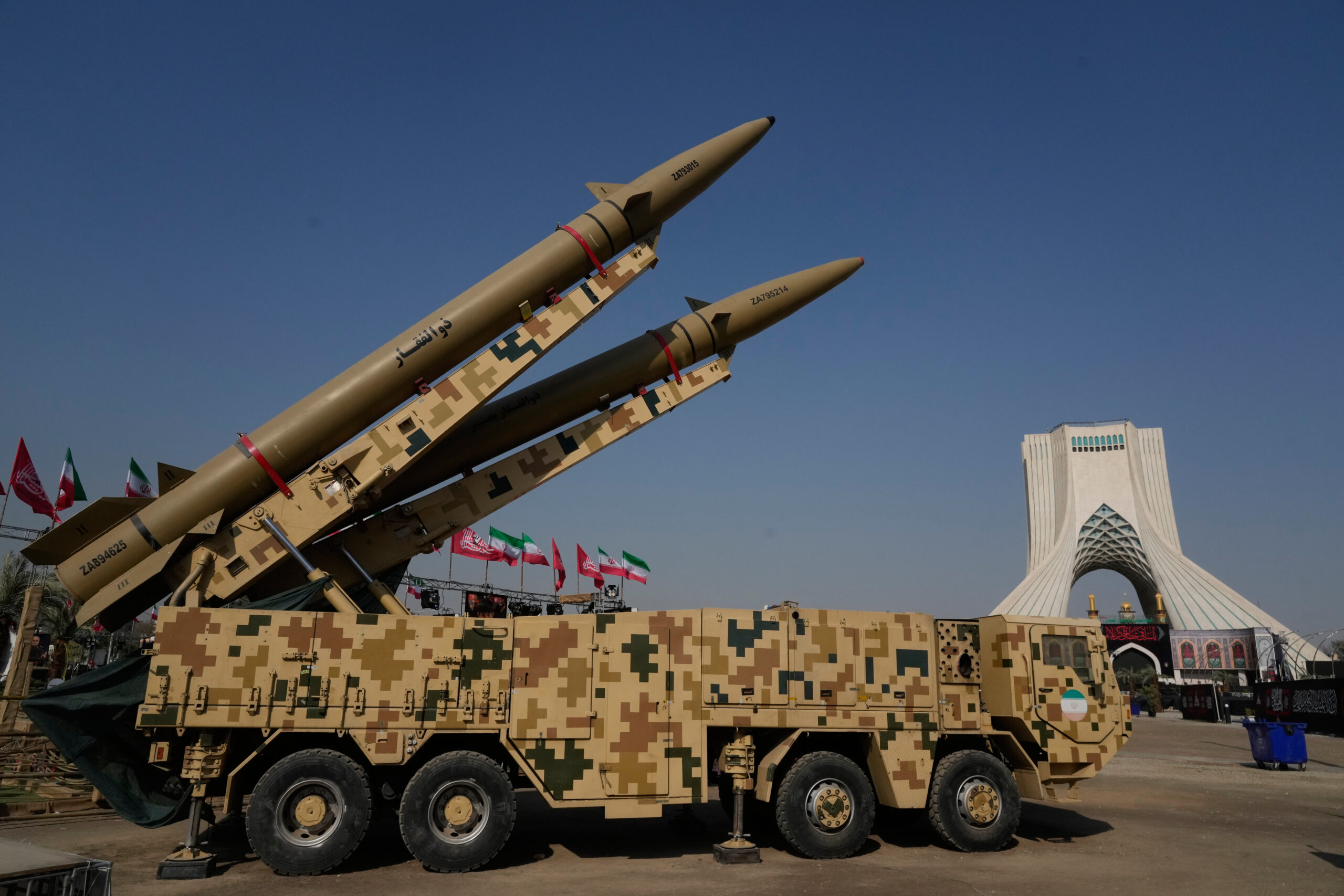
Iran’s Collective Strategic Decision Making
Wartime pressure has temporarily aligned the leadership’s overriding interest in regime survival, even as its members continue to differ over the costs, methods, and ultimate objectives of the war.
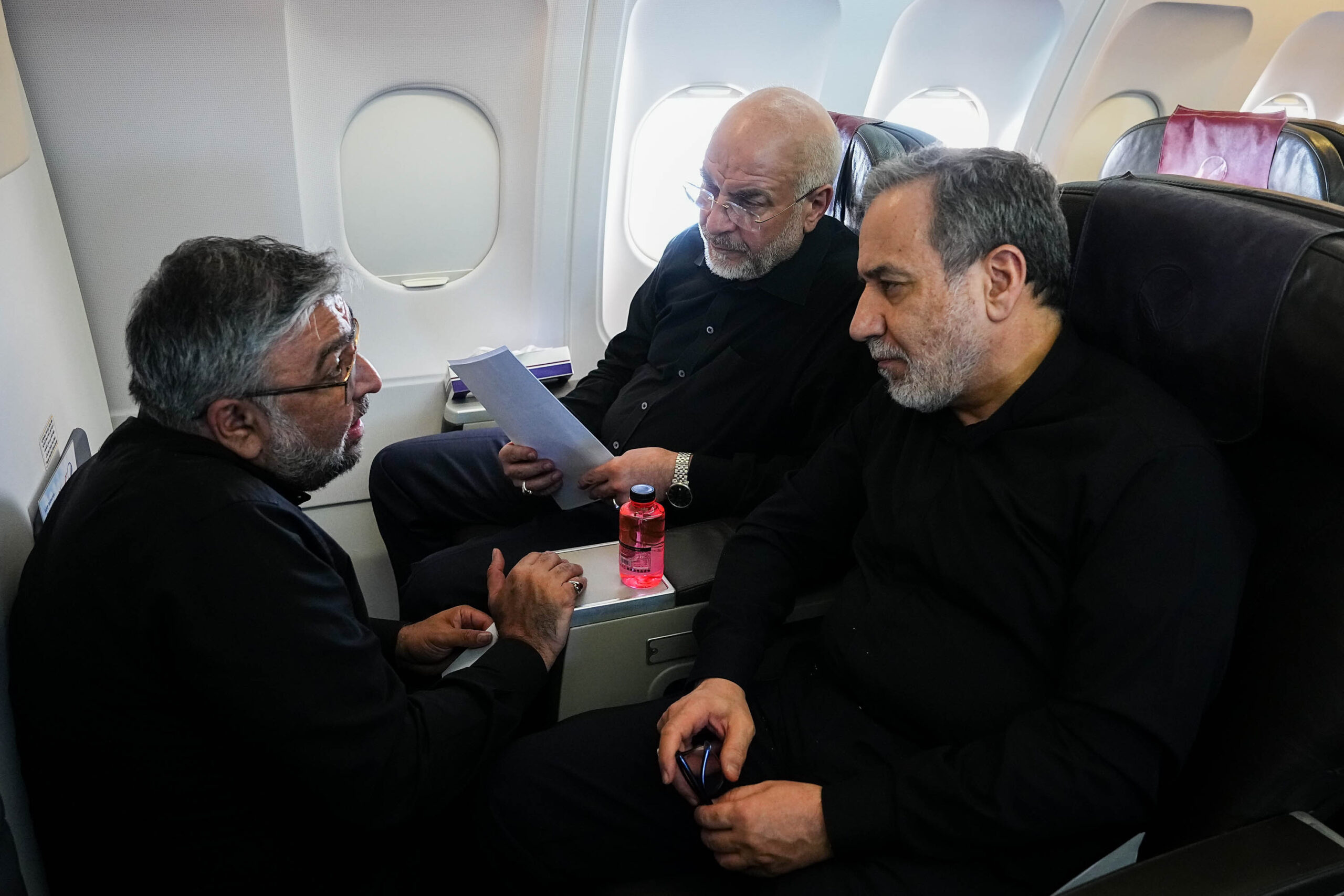
The Islamic Republic’s Collective Leadership
While there is historical precedent for collective leadership in Iran, today’s leadership includes representatives of the IRGC and regular military – a reflection of the IRGC’s expanding role and the necessities of governing under wartime conditions.
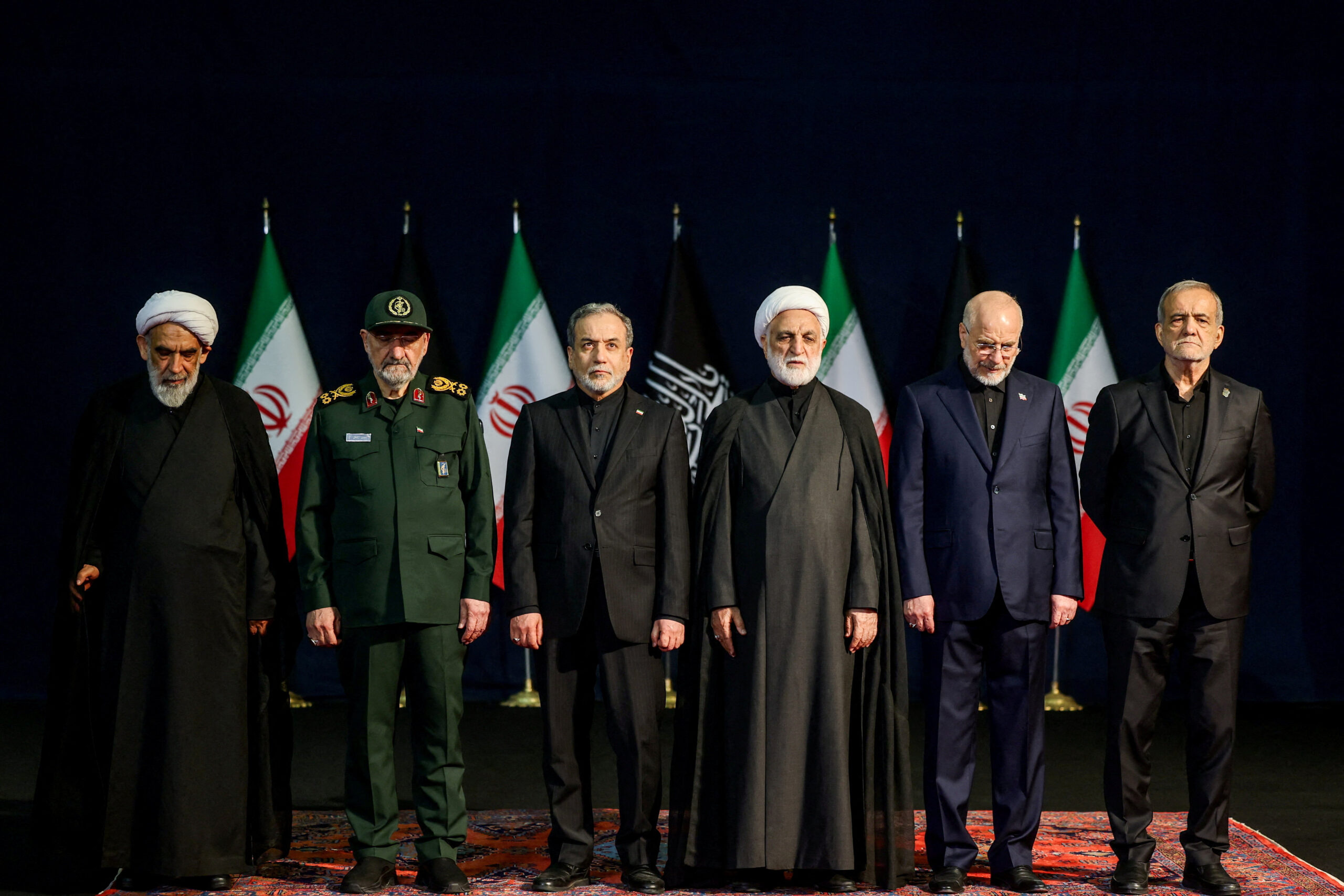
How Did the IRGC Seize Power in Iran?
The IRGC did not seize power in a single stroke. It accumulated it – patiently, methodically – until no counterweight remained.
Events
Oct 6, 2026
10:00am - 11:00am
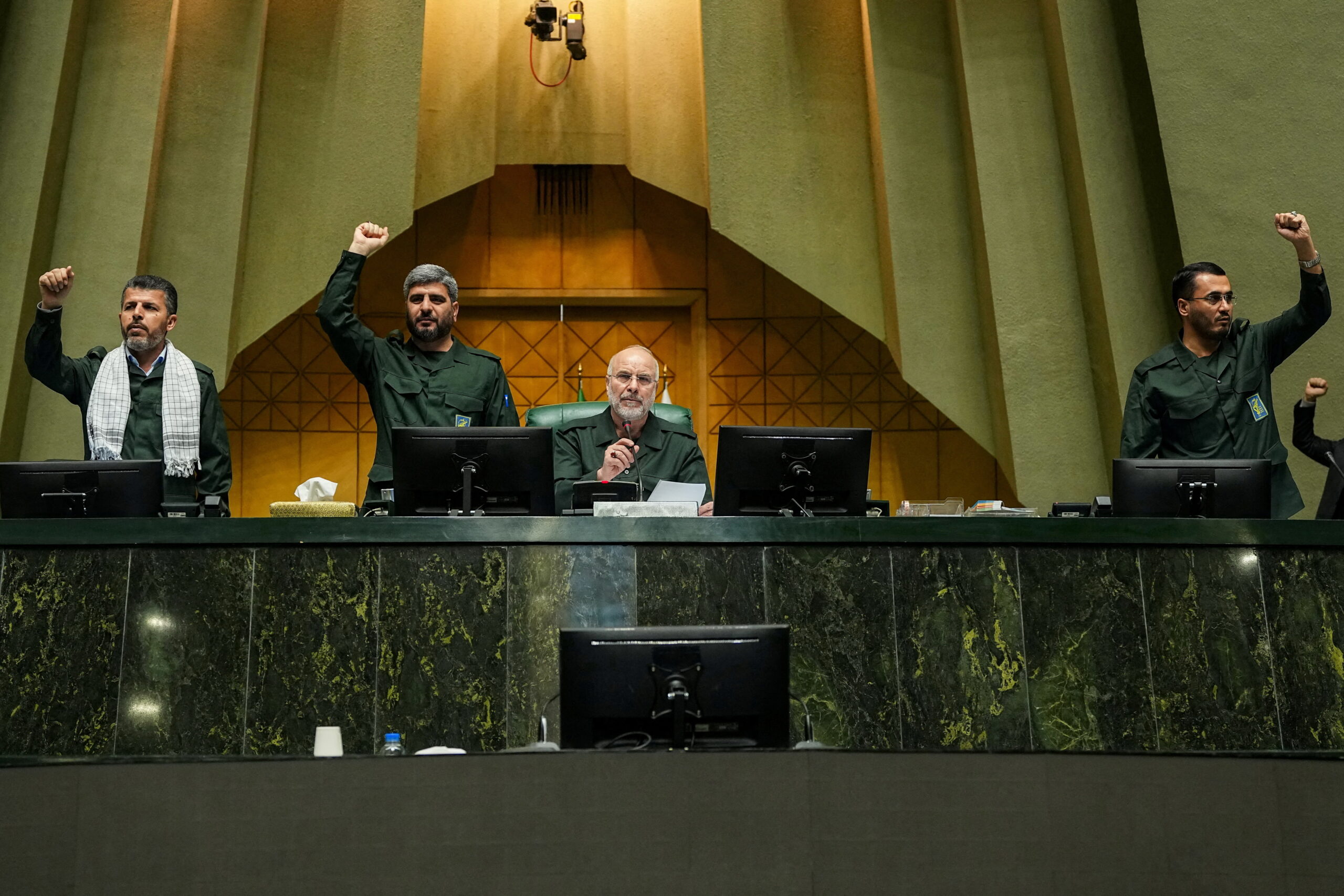
Is the U.S.-Iran Stalemate a “New Normal” or the Prelude to Another Explosion?
On October 6, AGSI will host a discussion on the U.S.-Iran stalemate and the prospects for a cease-fire.
Speakers



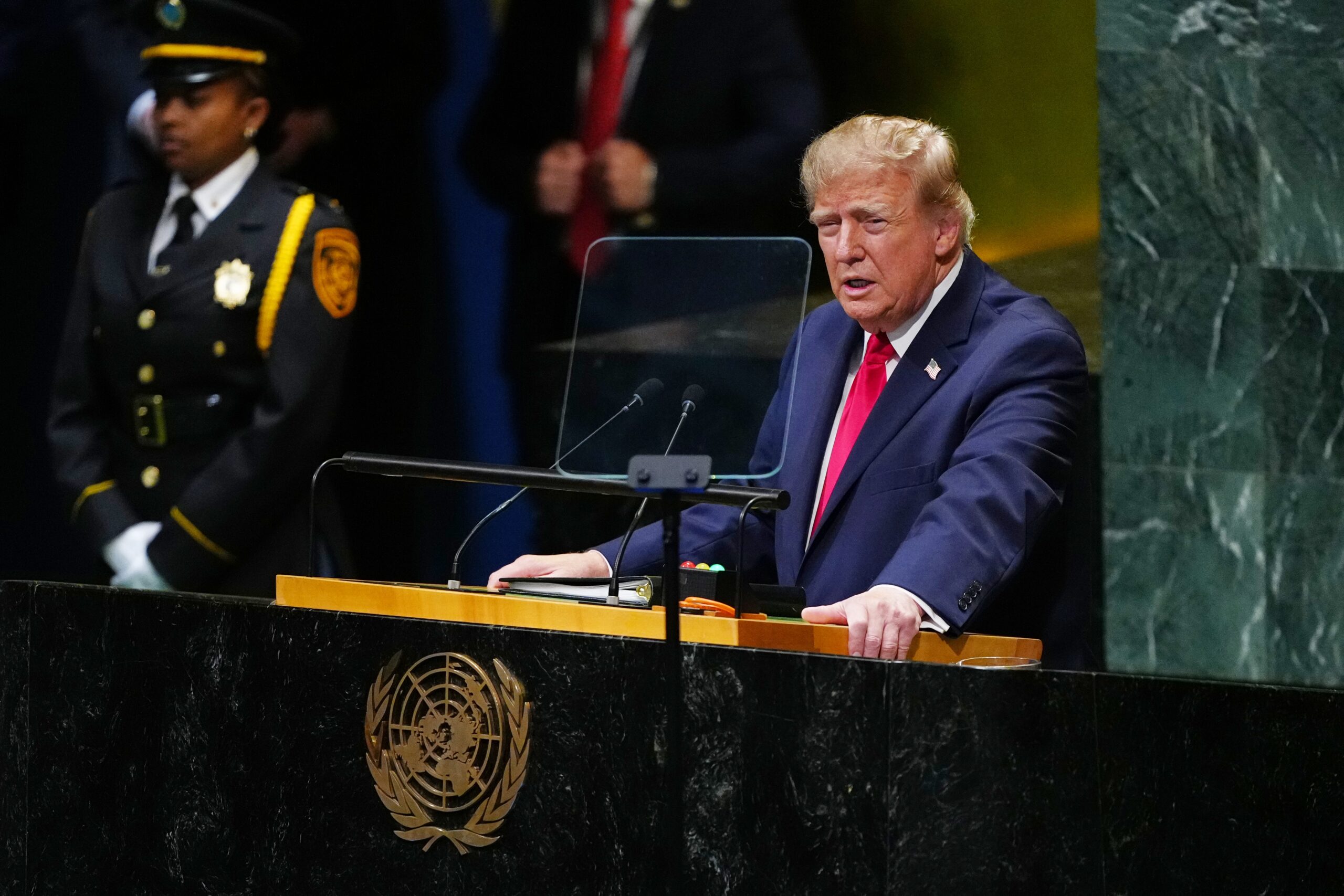
Book Talk: Iran and the Bomb: The United States, Iran and the Nuclear Question
On June 16, AGSI hosted a discussion on the evolution of Iran's nuclear program.
Speakers
Apr 21, 2026
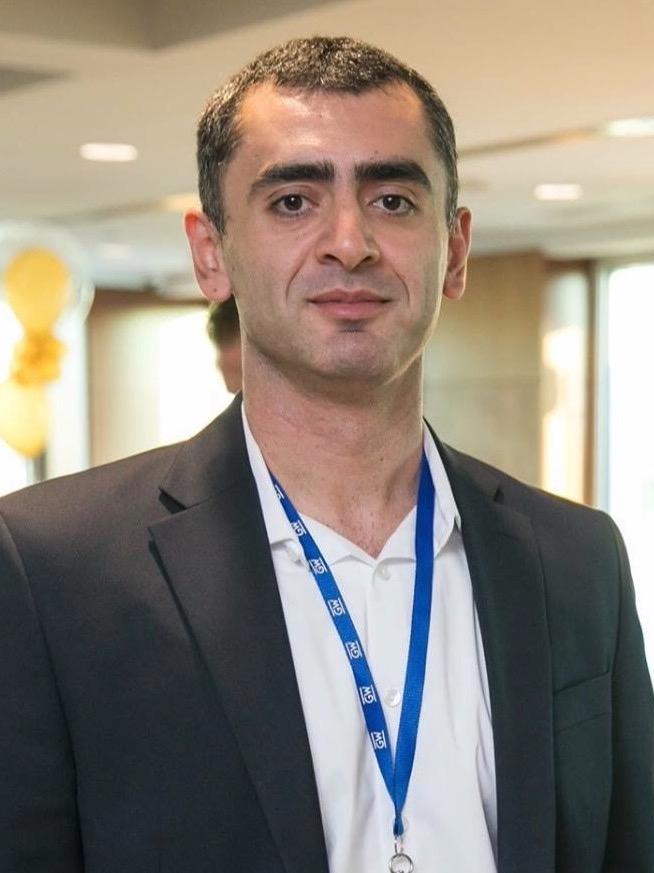
Inside Iran’s Wartime Leadership: Power, Succession, and Regime Stability
On April 21, AGSI hosted a discussion on the evolution of Iran's leadership during the war.
Speakers

Mar 18, 2026
In Its Conflict With the United States and Israel, Does Escalation Favor Iran?
On March 18, AGSI hosted a discussion on the escalation of the Iran war.
Speakers