Dec 9, 2022
Rival Narratives of IRGC Mouthpiece and Former Officer
The December 9 edition of the Iran Media Review reflects on comments from a former IRGC officer that counter the IRGC narrative regarding protesters in Iran.
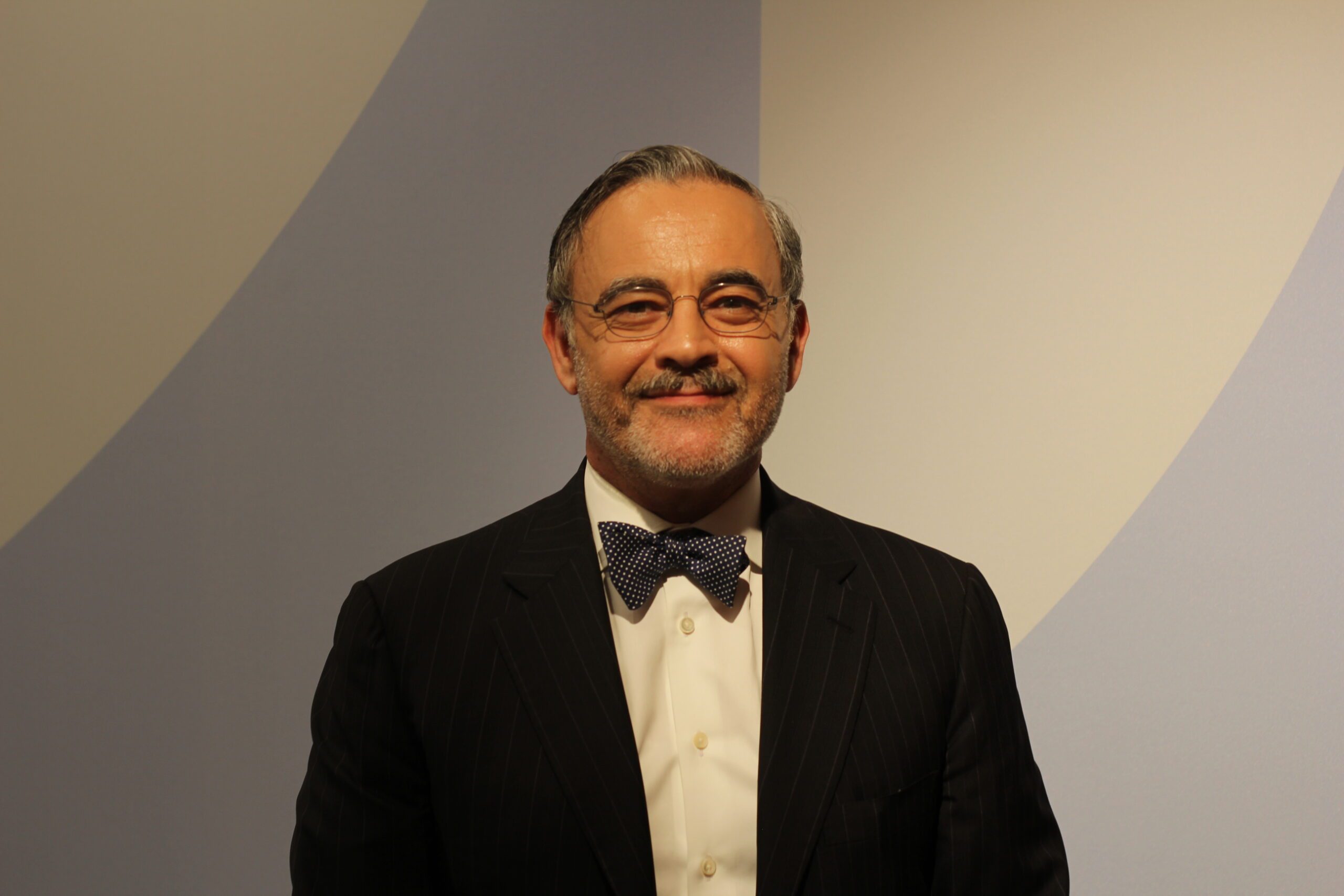
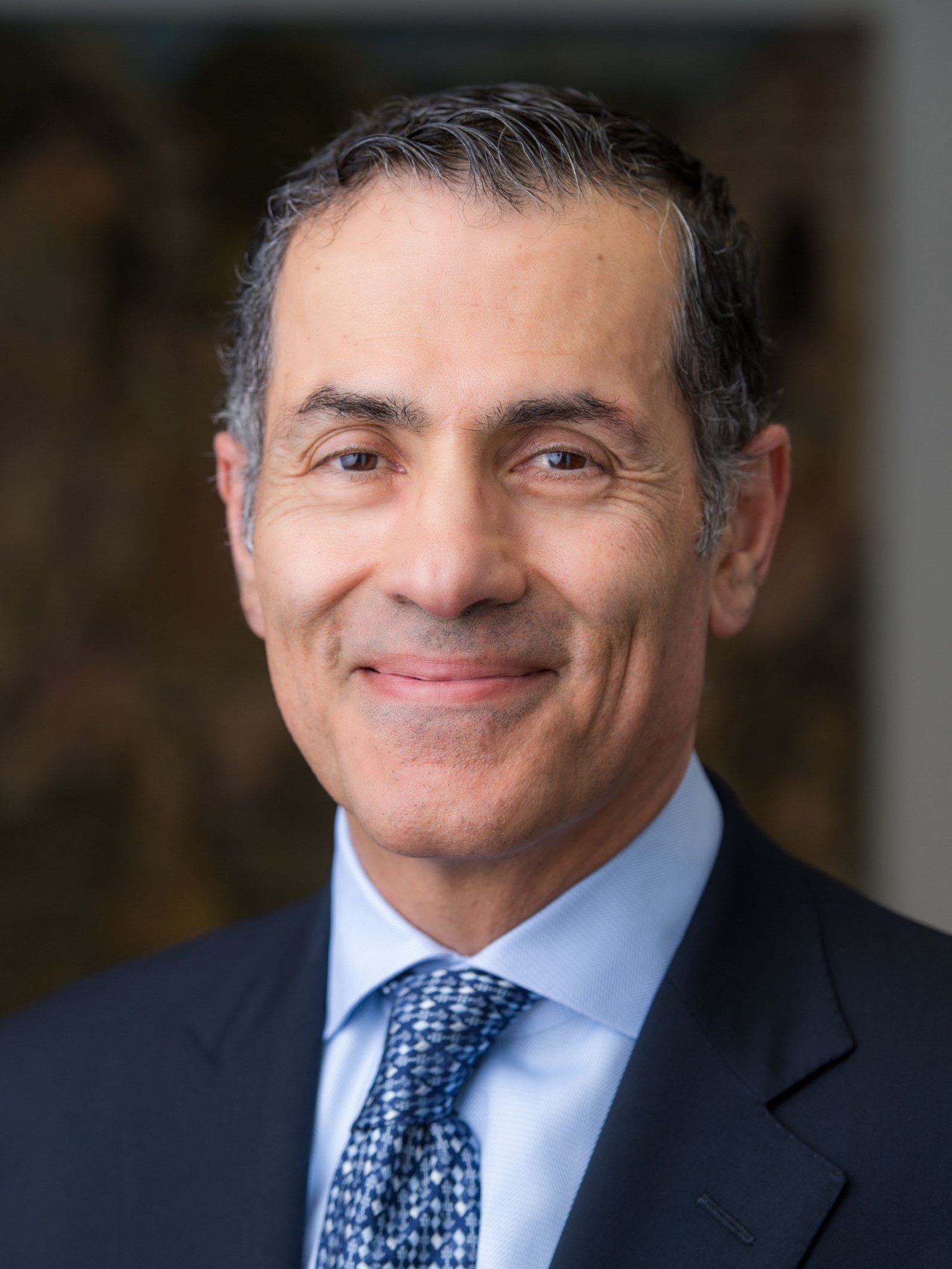
Emadeddin Baghi is known to most Iran watchers as a journalist, human rights activist, and reformist figure, but he is also one of the founding members of the Political Bureau of the Islamic Revolutionary Guard Corps. Drawing on his experience and readings, he urges Iranians to express their protests by peaceful means and the regime to tolerate such protests. Javan daily, which is close to the IRGC, on the other hand, dismisses all protesters as “anarchists” and “rioters” rather than reformists. Had the regime embraced the likes of Baghi and other reformists in the 1990s, it would perhaps not have faced “anarchists” and “rioters” today.
- November 23: In an extensive interview with reformist Shargh daily, Baghi explained “They,” in reference to the regime, “claim ‘we accept protests but will not tolerate riots.’ As we have said and written many times, to prove your point, you should free individuals who only engaged in protests … or free individuals arrested prior to recent events, did not engage in any riot, and only verbally uttered their protest. But it is as if what we are saying is falling on deaf ears … If you read Kayhan newspaper, they claim we reformists paved the path of the protest movement. If the regime truly wants to engage in a dialogue, they should stop the artillery barrage first.” Asked about foreign machinations in the ongoing protests, Baghi said: “Nobody is denying the interference of foreign elements. They have always existed and have always been present in all states, just like microbes, which have been with us since the creation of man … but they only vanquish us when our immune system is compromised … Foreign elements cannot have an impact unless the ground is prepared within the country … Violence has not reached the point of no return … But dialogue is needed to prevent worse from happening … The choice is not between ‘Syrianization’ or submitting to the rulers … There are civil ways … But the regime has ultimate power and therefore ultimate responsibility. It was also the regime that began the entire thing. The solution too, first and foremost demobilizing the plainclothes officers, is in the hands of the regime. Accommodating minimum cultural and economic demands of the public comes next, but of course none of this legitimizes violence committed by the protesters.”
- November 23: Under the headline “Anarchism Against Mighty Iran” IRGC mouthpiece Javan daily’s editorial claimed: “We are facing a destructive movement for which there is no acceptable explanation … and the aim of which is to escalate violence … Economic problems, which have occurred in the wake of a decade of unprecedented global sanctions, are often mentioned as one of the main reasons behind the riots. While we can’t ignore this factor … this one factor alone cannot explain the state of affairs … as previous labor protests never ended in violence … What has happened is legitimization of extreme violence by rioters … What we see these days is not a reformist movement within the framework of the law and in the public interest but a destructive and ruinous one, which escalates violence and starts a civil war.”
The views represented herein are the author's or speaker's own and do not necessarily reflect the views of AGSI, its staff, or its board of directors.
Related
Iran Media Review
Dec 6, 2022
Kurds and Baluchis Make Up Half of Protesters Killed in Iran Protests
The December 6 edition of the Iran Media Review considers how death counts in Iran’s ongoing protests reflect the country’s ethnic and sectarian fault lines.
Iran Media Review
Dec 2, 2022
IRGC Claims It is Fighting ISIL on Iranian Soil
The December 2 edition of the Iran Media Review explores efforts by IRGC media to blame ISIL, “counterrevolutionary” forces, and others for unrest in Iran’s Kurdistan province.
Dec 6, 2022
Kurds and Baluchis Make Up Half of Protesters Killed in Iran Protests
The December 6 edition of the Iran Media Review considers how death counts in Iran’s ongoing protests reflect the country’s ethnic and sectarian fault lines.
Dec 2, 2022
IRGC Claims It is Fighting ISIL on Iranian Soil
The December 2 edition of the Iran Media Review explores efforts by IRGC media to blame ISIL, “counterrevolutionary” forces, and others for unrest in Iran’s Kurdistan province.
Analysis
Under Mojtaba, the IRGC Will Reign Supreme
Iran may still call itself an Islamic Republic. In practice, however, it increasingly resembles a state in which the military governs from behind clerical robes.
Political Life and Legacy of Iran’s Ayatollah Khamenei
Ayatollah Ali Khamenei was killed in his office in Tehran at age 86, leaving behind a country in ruins and on the verge of civil war and potential disintegration.
Iranian Regime Fighting for Survival
Iran is signaling that it will not absorb attacks passively. But whether this strategy ensures the regime’s survival, seals its fate, or accelerates a broader catastrophe will shape the region for years to come.
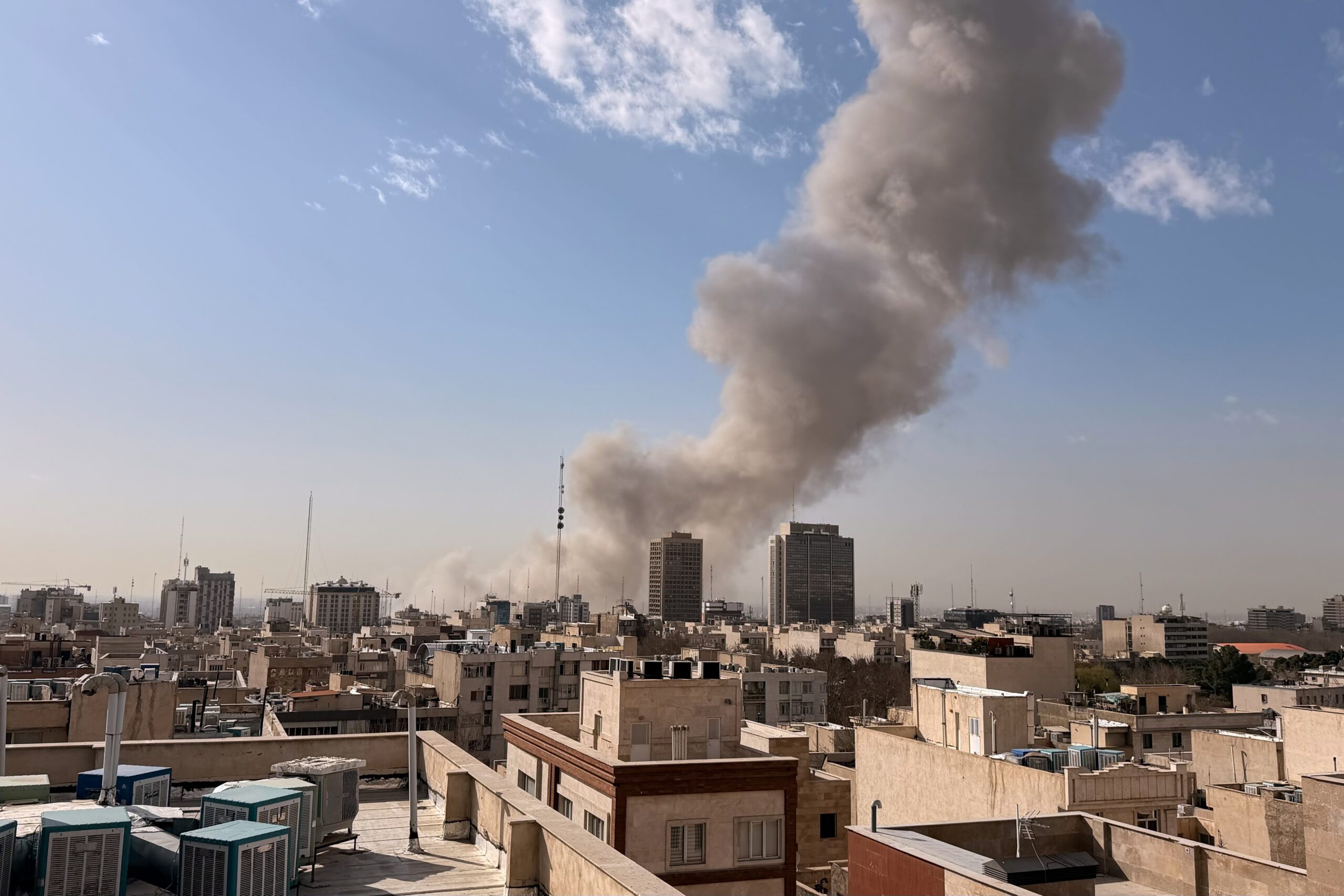
Iran’s 2025-26 Protests in Perspective
The erosion of the regime’s legitimacy across broad segments of society, combined with the breadth of the 2025-26 protest coalition, raises the possibility that a new confrontation could trigger renewed anti-regime mobilization.
Events
Mar 18, 2026
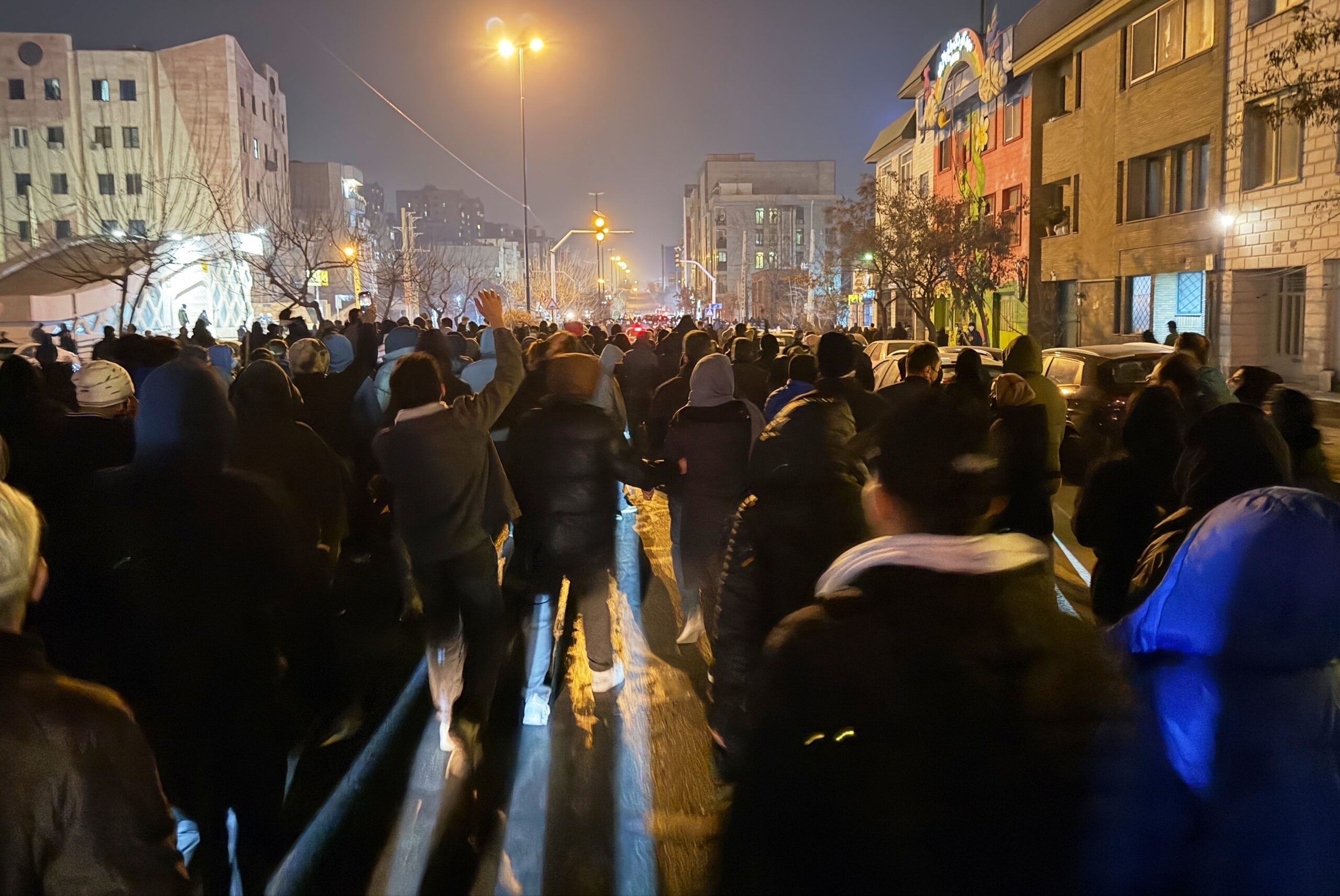
In Its Conflict With the United States and Israel, Does Escalation Favor Iran?
On March 18, AGSI hosted a discussion on the escalation of the Iran war.
Speakers



Mar 2, 2026
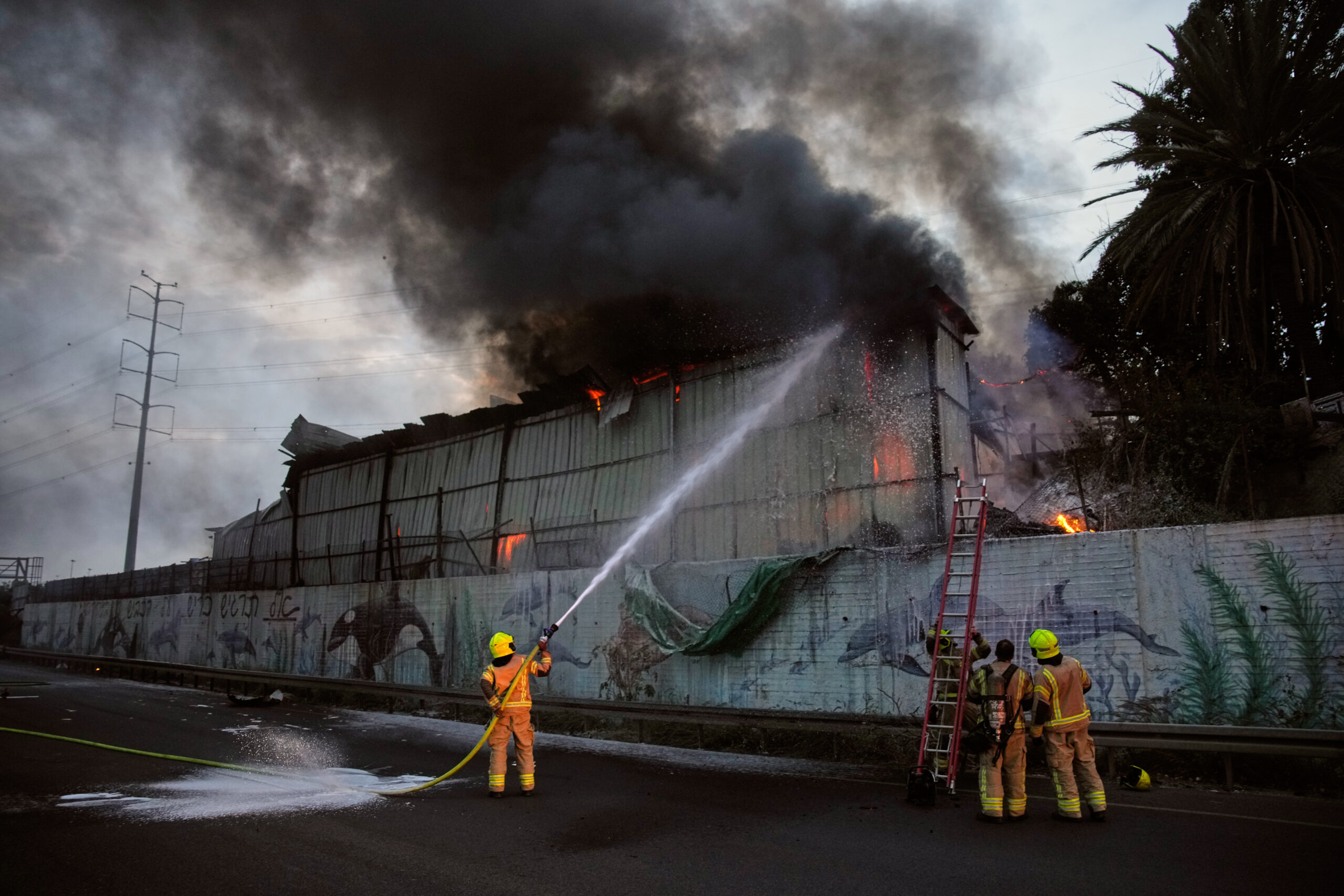
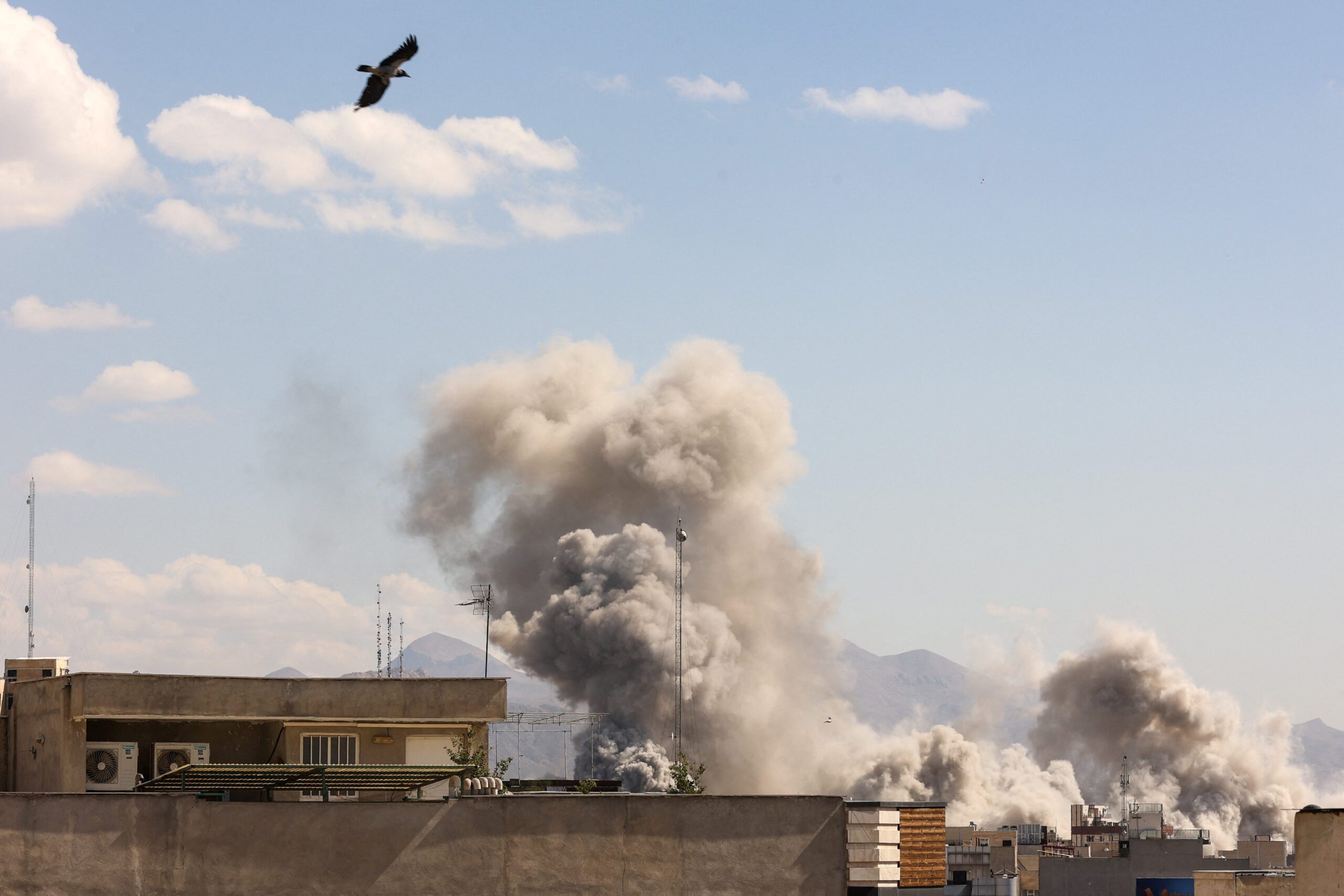
After the Shock: Implications of the U.S.–Israeli Strikes and Iran’s Leadership Transition
On March 2, AGSI hosted a discussion on the U.S.-Israeli strikes on Iran.
Speakers




Jan 8, 2026
Outlook 2026: Prospects and Priorities for U.S.-Gulf Relations in the Year Ahead
On January 8, AGSI hosted a virtual roundtable with its leadership and scholars as they look ahead and assess trends likely to shape the Gulf region and U.S. foreign policy during the coming year.
Speakers

Sep 16, 2025
Book Talk: Iran’s Grand Strategy: A Political History
On September 16, AGSI hosted a discussion on the roots of Iran's strategic outlook.
Speakers