Dec 6, 2022
Kurds and Baluchis Make Up Half of Protesters Killed in Iran Protests
The December 6 edition of the Iran Media Review considers how death counts in Iran’s ongoing protests reflect the country’s ethnic and sectarian fault lines.

Iranian regime officials consistently warn the public against alleged foreign plots for “Syrianization” of Iran, a reference to the devastating civil war in Syria. However, the regime’s opponents inside and outside of Iran emphasize unity across sect and ethnicity in what they describe as a national uprising against the Islamic Republic. Both have motives of their own to present their respective narratives: The regime talks up the risk of civil war and separatism in an attempt to persuade the nationalist middle class to stay home, rather than join in the protests, bring down the regime, and perhaps with it Iran as a unified political entity. The opposition, on the other hand, cleverly chants slogans in defense of victims of regime brutality among Iran’s ethnic and sectarian minorities, in an attempt to create a unified cross-sectarian and multiethnic front against the regime.
Regardless of the opposing narratives, the Iran Human Rights Society’s accounts of fatalities during the ongoing protests in Iran reflect the country’s ethnic and sectarian fault lines: Iran’s Kurdish and Baluch minorities, a majority of whom also belong to Iran’s sizeable Sunni minority, bear the brunt of the protester fatalities.
According to Iran Human Rights Society’s reports, excluding a handful protesters whose month of death was not recorded and a few non-Iranian nationals killed in street fights, 475 individuals were killed between September 19 and November 22. Among these, 127 were killed in Sistan and Baluchistan province, 50 in Kurdistan province, 54 in Kurdish-populated areas of West Azerbaijan province and 23 in Kurdish-populated areas in Kermanshah province. Therefore, 254, or more than half of the protesters killed in clashes with government personnel, were either Kurds or Baluchi. In a variation on this trend, protests in Iran’s Khuzestan province, in which there is a significant Sunni Arab presence, claimed 21 lives. There is also no report of fatalities in Sunni-majority Golestan province, which is mainly populated by Iran’s Turkmen minority.
The views represented herein are the author's or speaker's own and do not necessarily reflect the views of AGSI, its staff, or its board of directors.
Related
Iran Media Review
Dec 2, 2022
IRGC Claims It is Fighting ISIL on Iranian Soil
The December 2 edition of the Iran Media Review explores efforts by IRGC media to blame ISIL, “counterrevolutionary” forces, and others for unrest in Iran’s Kurdistan province.
Iran Media Review
Nov 29, 2022
The Philosopher’s Council to Iran’s Philosopher King
The November 29 edition of the Iran Media Review examines interviews with academics who call for the regime to “recognize other political forces” to avoid “violent change.”
Dec 2, 2022
IRGC Claims It is Fighting ISIL on Iranian Soil
The December 2 edition of the Iran Media Review explores efforts by IRGC media to blame ISIL, “counterrevolutionary” forces, and others for unrest in Iran’s Kurdistan province.
Nov 29, 2022
The Philosopher’s Council to Iran’s Philosopher King
The November 29 edition of the Iran Media Review examines interviews with academics who call for the regime to “recognize other political forces” to avoid “violent change.”
Analysis
The Islamic Republic Returns to Offense
After U.S.-Israeli strikes killed Supreme Leader Ayatollah Ali Khamenei on February 28, Iran’s collective leadership has concluded that the best defense is a good offense.
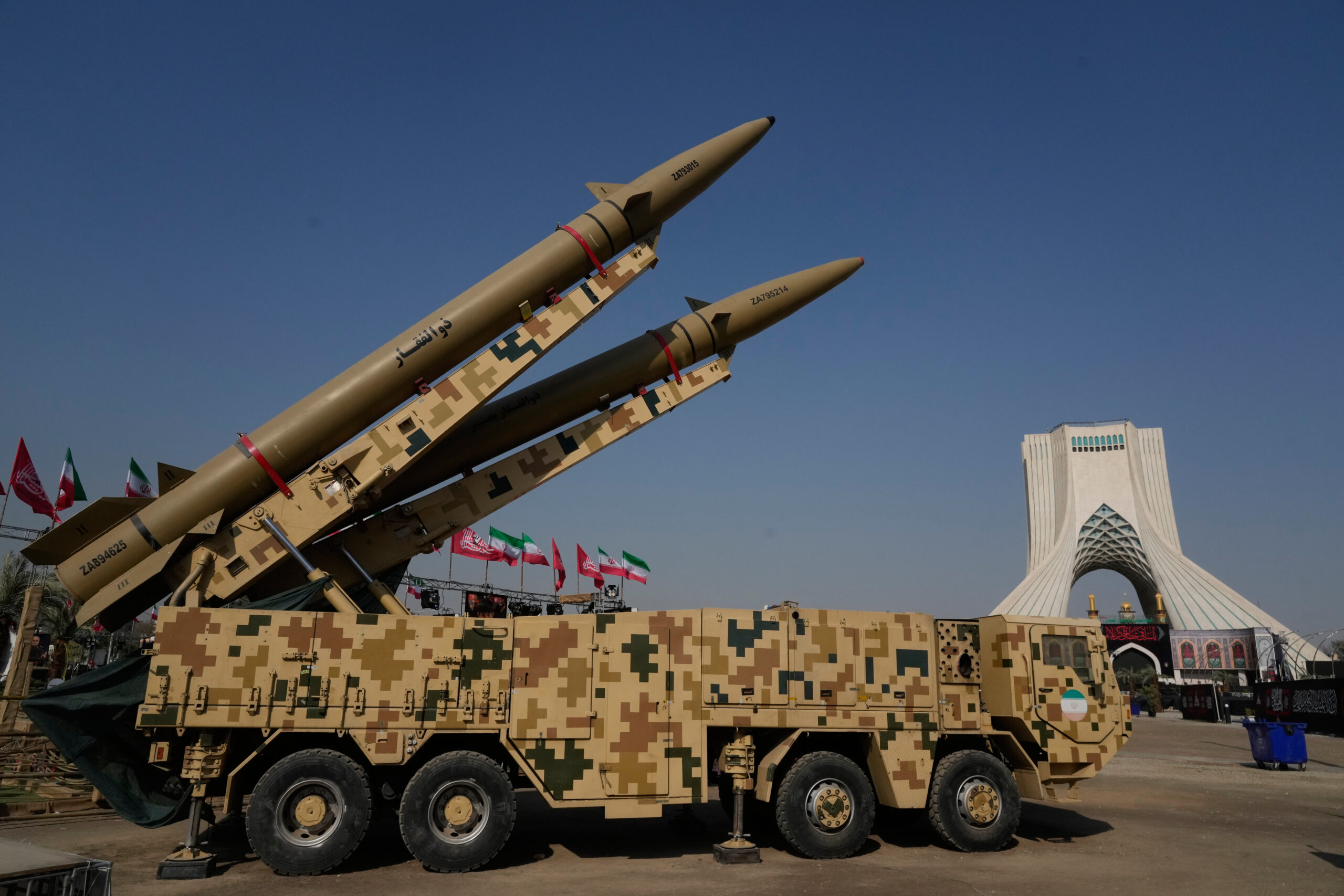
Iran’s Collective Strategic Decision Making
Wartime pressure has temporarily aligned the leadership’s overriding interest in regime survival, even as its members continue to differ over the costs, methods, and ultimate objectives of the war.
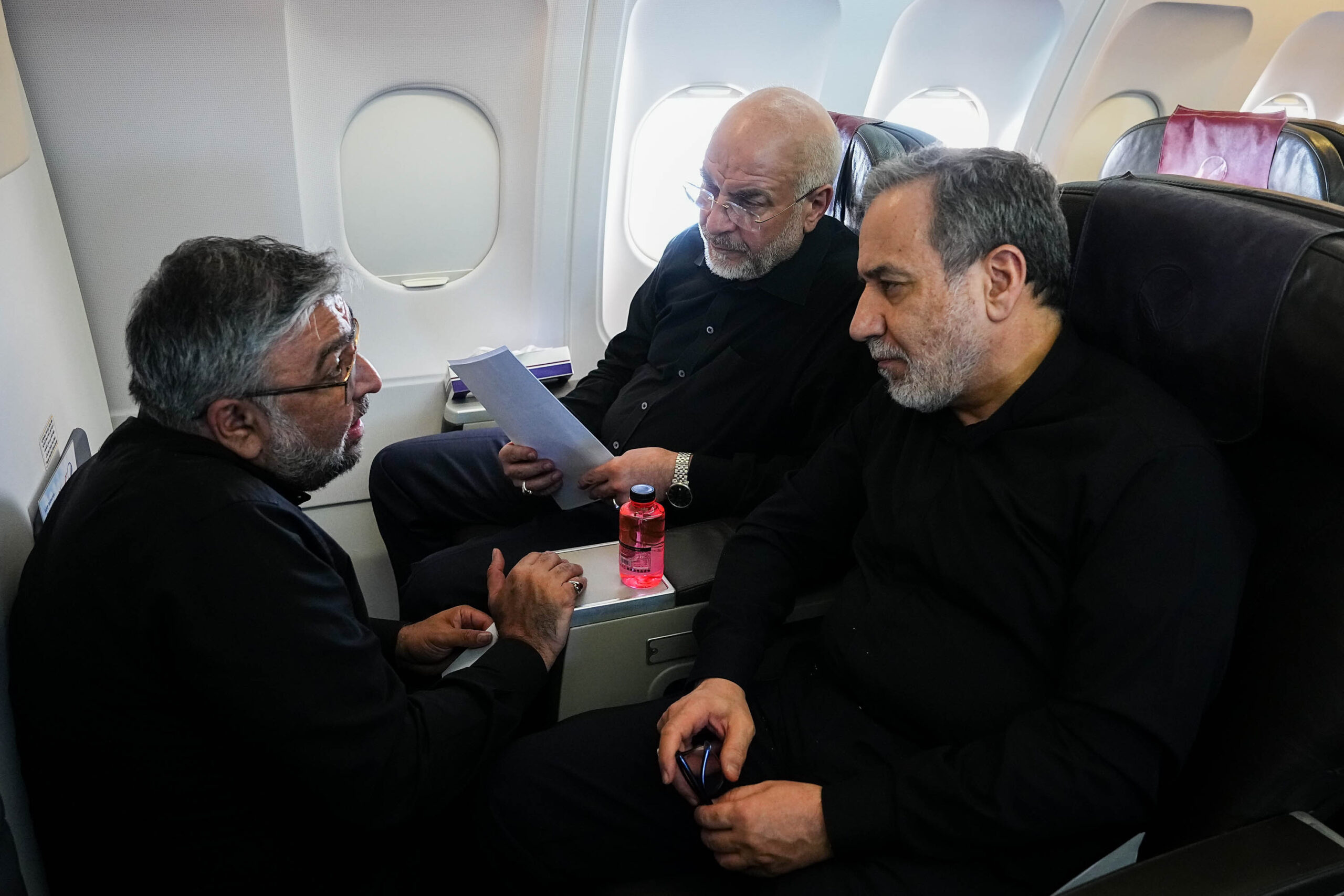
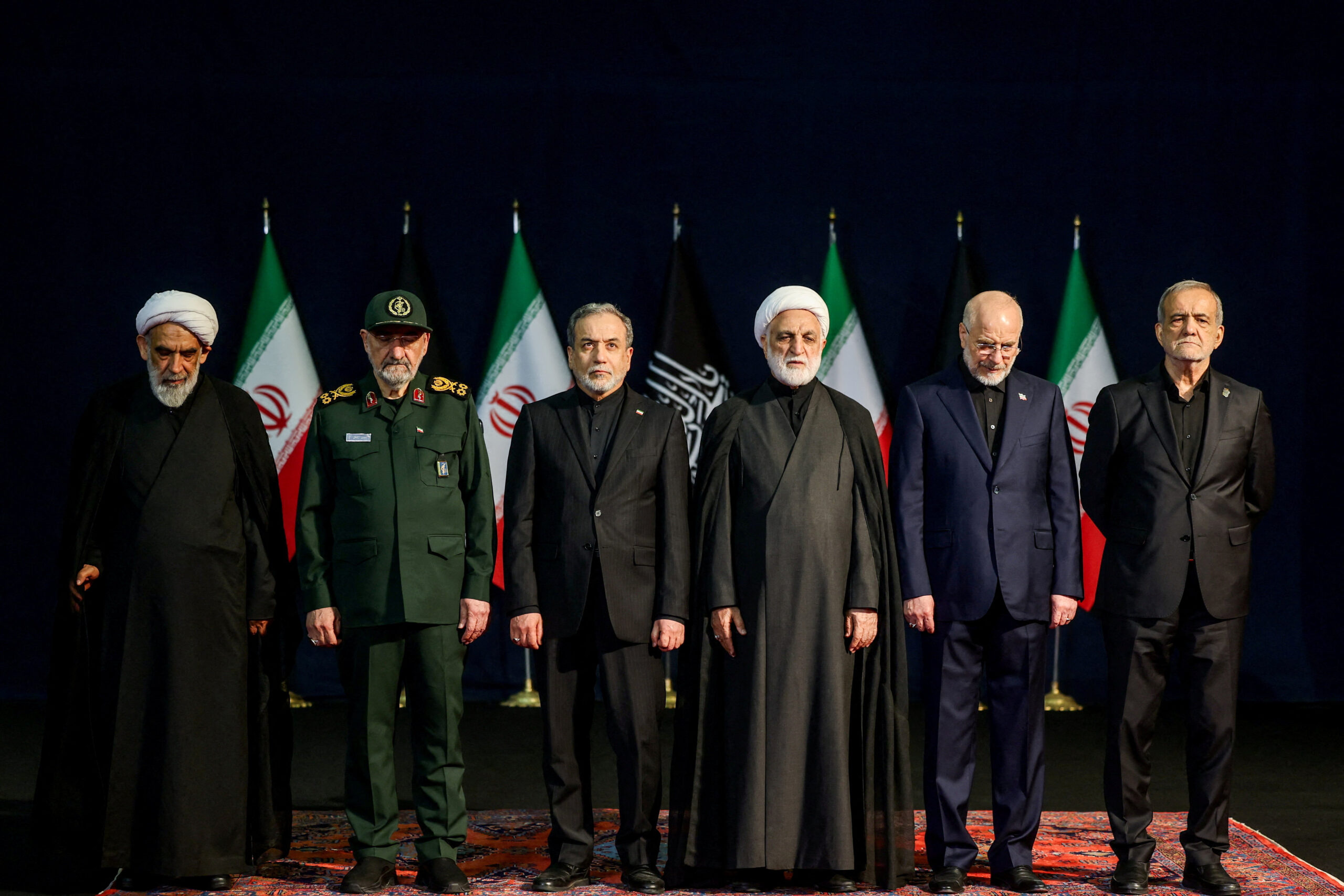
The Islamic Republic’s Collective Leadership
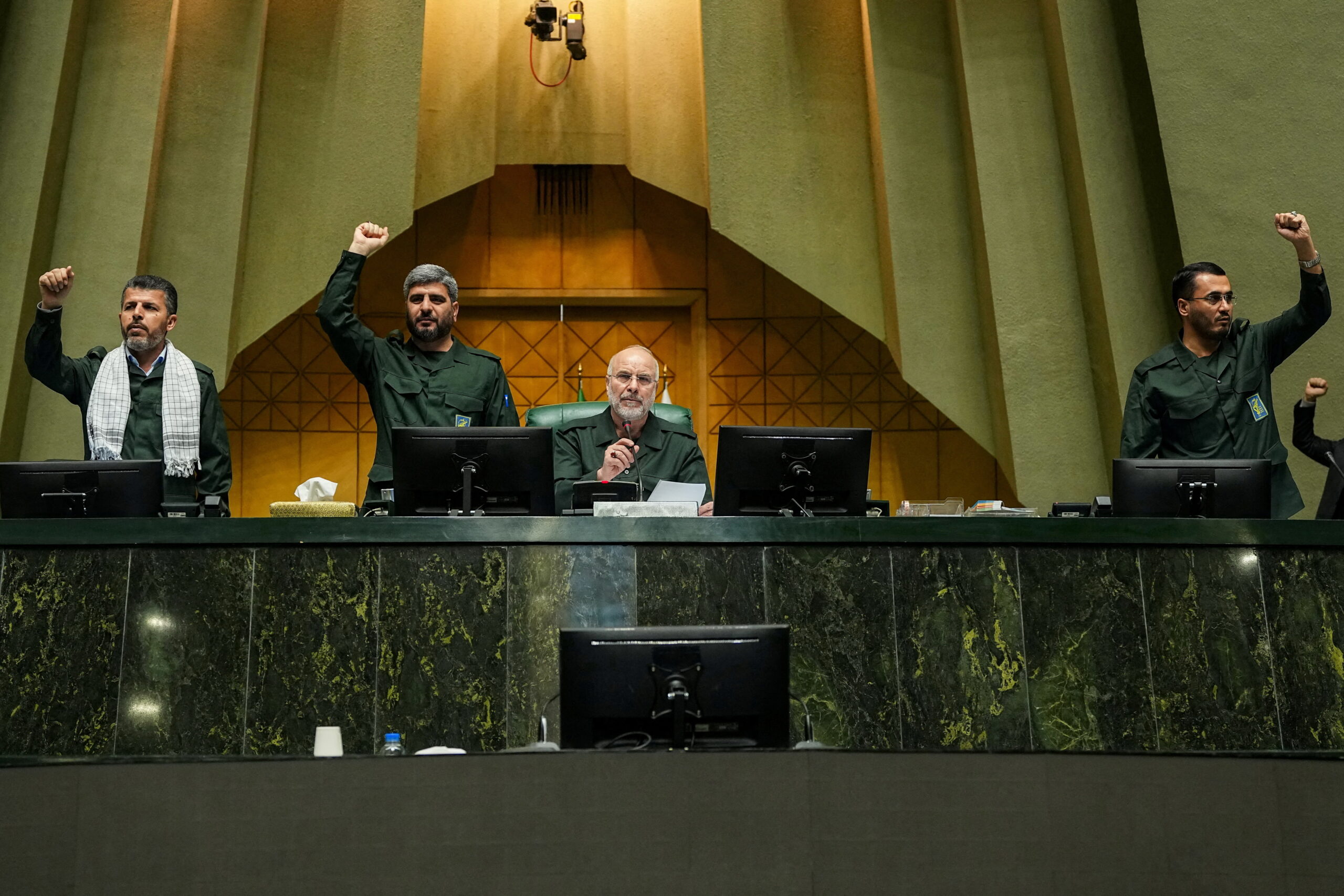
While there is historical precedent for collective leadership in Iran, today’s leadership includes representatives of the IRGC and regular military – a reflection of the IRGC’s expanding role and the necessities of governing under wartime conditions.
How Did the IRGC Seize Power in Iran?
The IRGC did not seize power in a single stroke. It accumulated it – patiently, methodically – until no counterweight remained.
Events
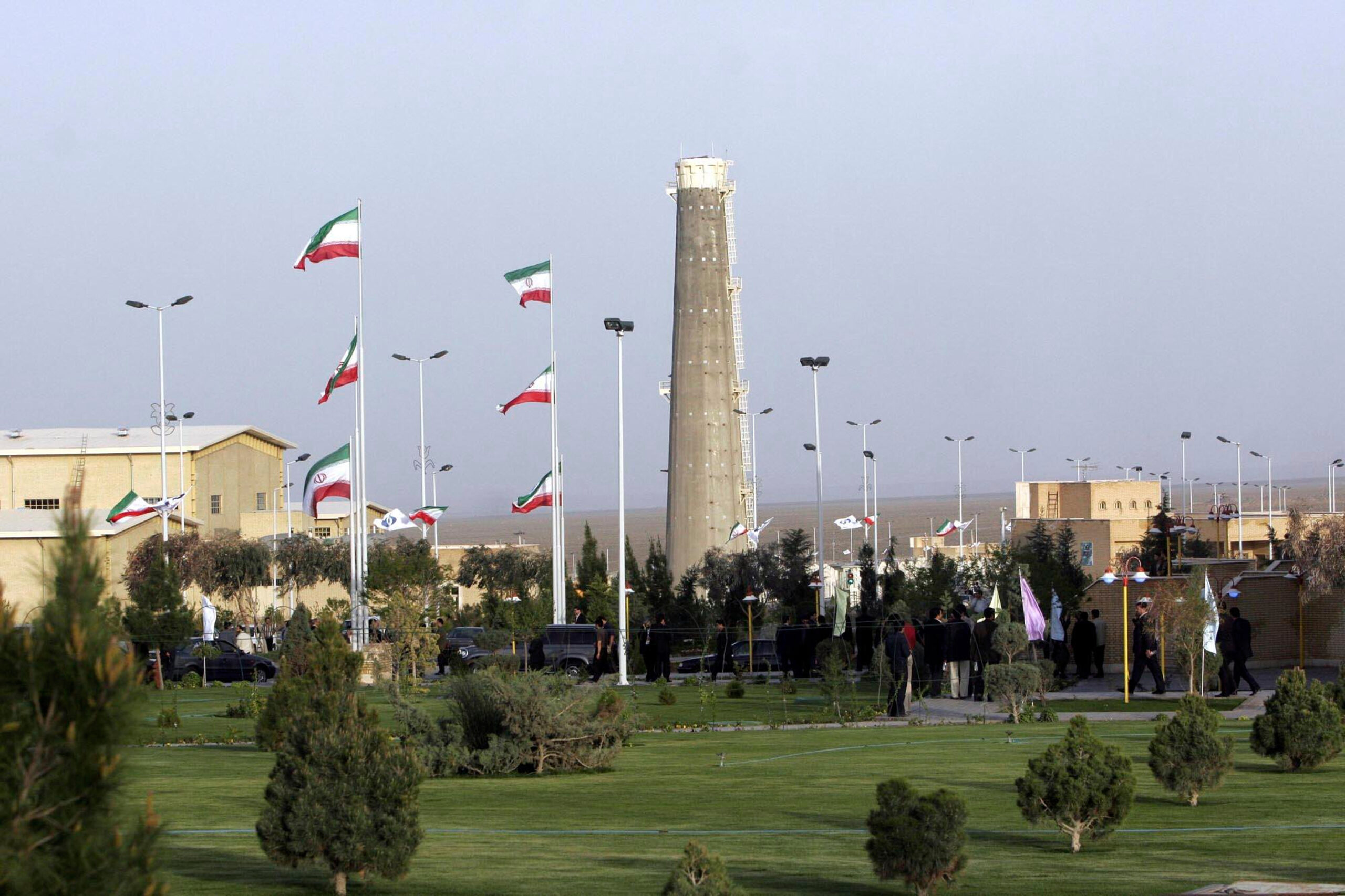
Book Talk: Iran and the Bomb: The United States, Iran and the Nuclear Question
On June 16, AGSI hosted a discussion on the evolution of Iran's nuclear program.
Speakers

Apr 21, 2026
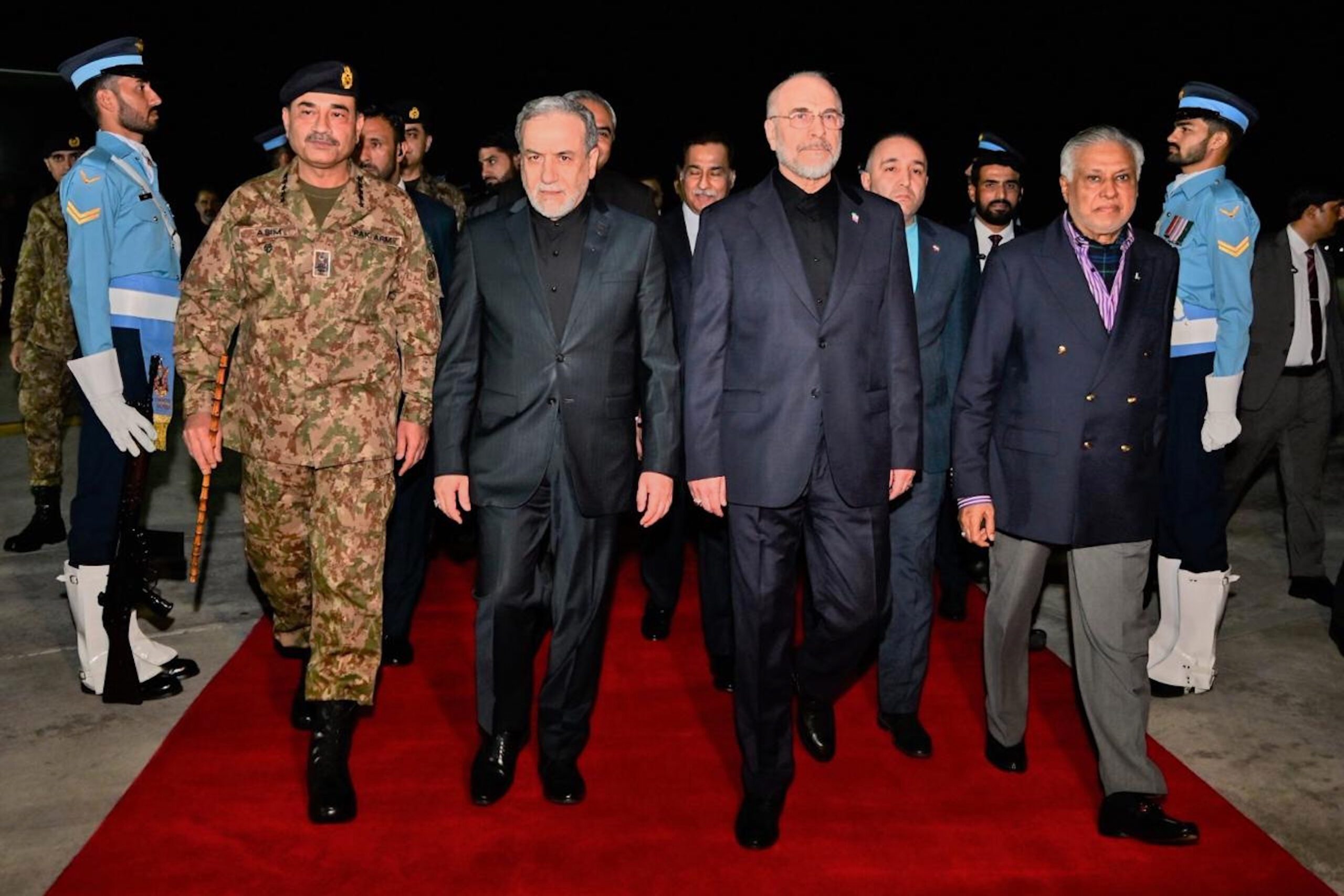
Inside Iran’s Wartime Leadership: Power, Succession, and Regime Stability
On April 21, AGSI hosted a discussion on the evolution of Iran's leadership during the war.
Speakers

Mar 18, 2026
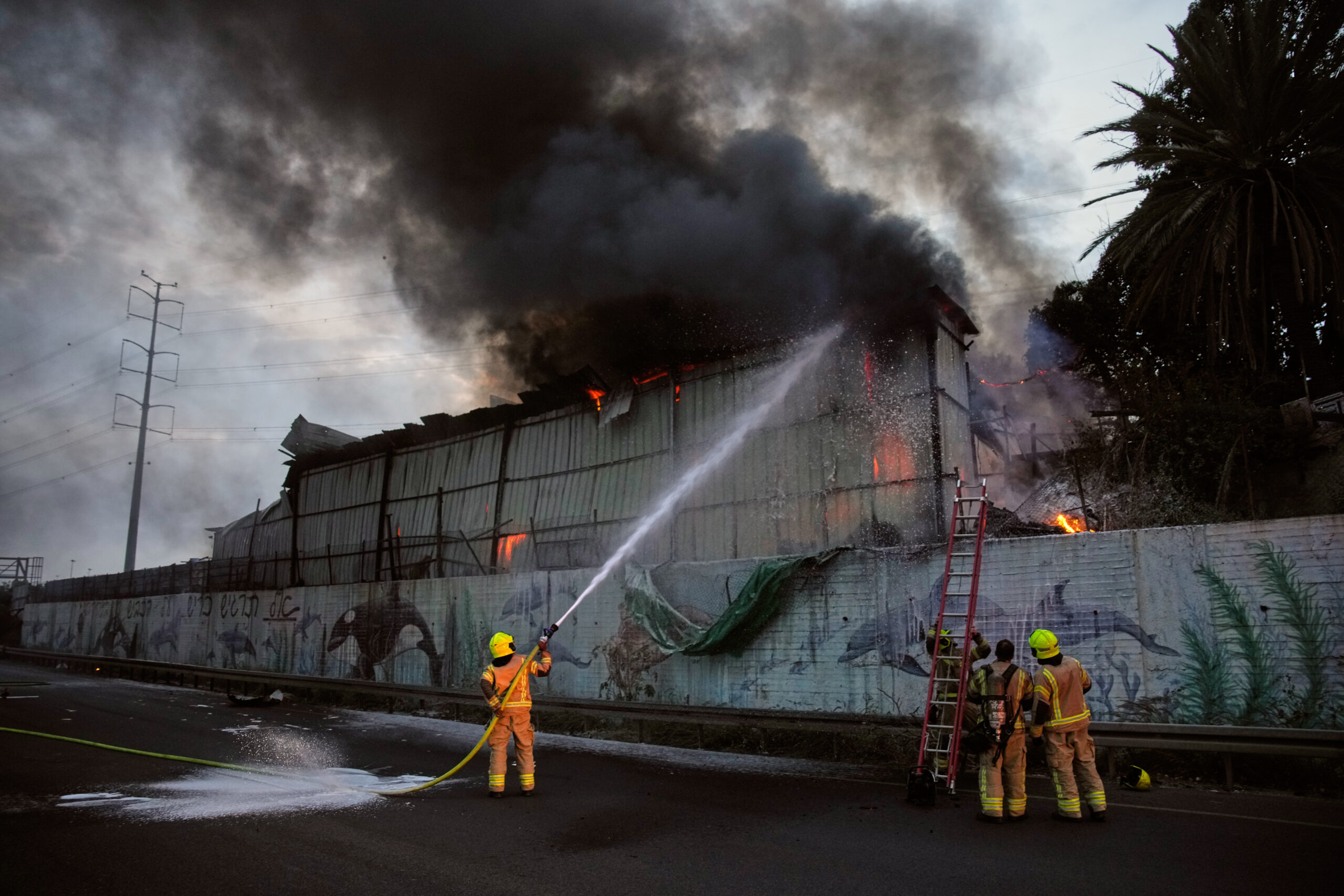
In Its Conflict With the United States and Israel, Does Escalation Favor Iran?
On March 18, AGSI hosted a discussion on the escalation of the Iran war.
Speakers

Mar 2, 2026
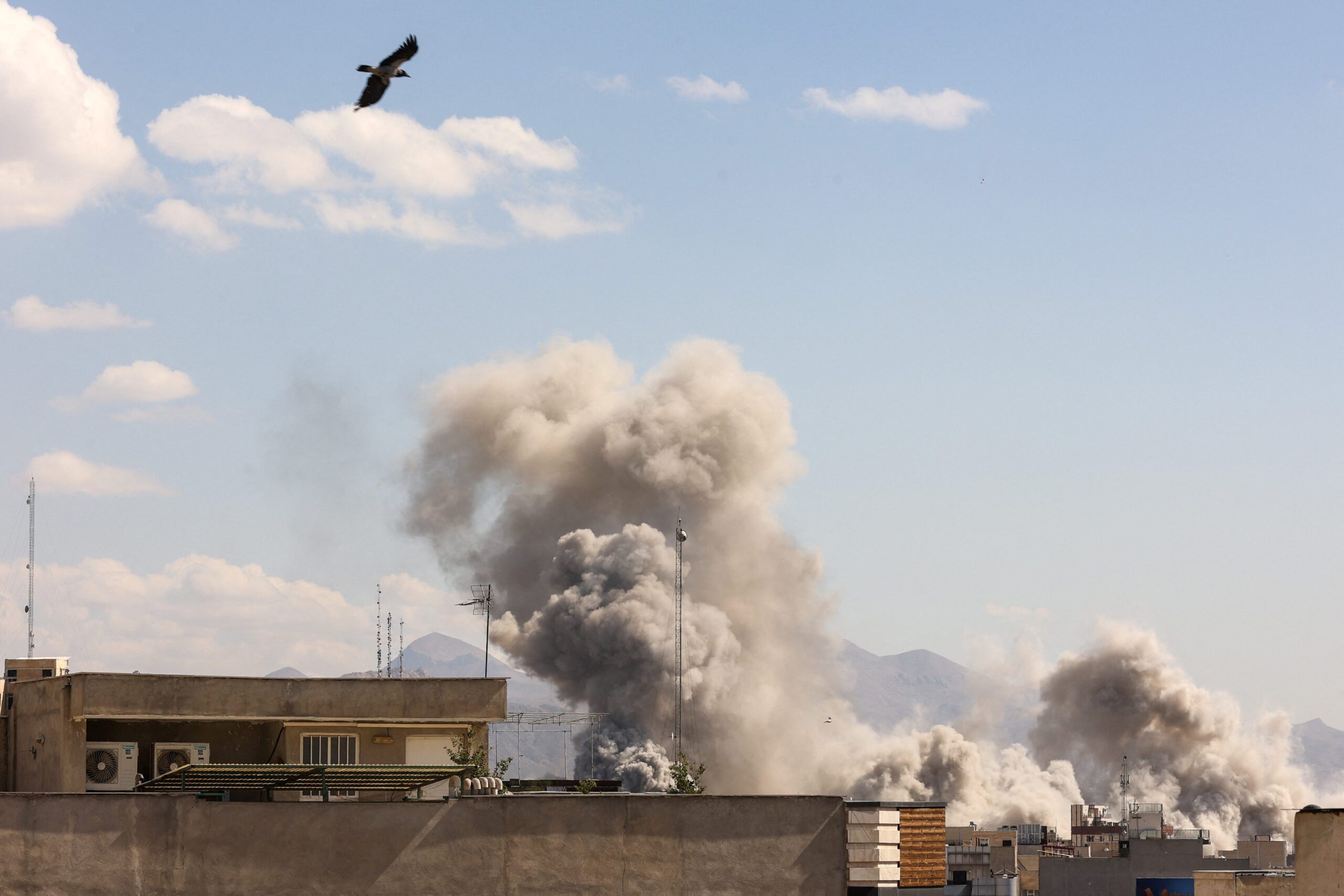
After the Shock: Implications of the U.S.–Israeli Strikes and Iran’s Leadership Transition
On March 2, AGSI hosted a discussion on the U.S.-Israeli strikes on Iran.
Speakers