Oct 18, 2024
Parliamentarian: Iran Has Already Built a Nuclear Bomb!
The October 18 edition of the Iran Media Review highlights discussion by Iran’s state-controlled media regarding nuclear breakout.

With Lebanese Hezbollah – a key element of Iran’s defense strategy and its main deterrent against Israel and, indirectly, the United States – struggling, Iran’s state-controlled media is openly discussing nuclear breakout as a way to restore balance. Remarkably, Iranian lawmakers are participating in this debate – on October 9, 39 members of parliament sent a letter to the Supreme National Security Council calling for a “revision of Iran’s nuclear doctrine.” Ahmad Bakhshayesh Ardestani, a member of the parliamentary National Security and Foreign Affairs Committee, echoed this sentiment in a recent interview with reformist newspaper Shargh Daily, emphasizing Iran’s need to develop a nuclear weapon.
- October 17: Ardestani said, as quoted by Shargh Daily:
- “Years before Operation Deluge of Al-Aqsa, and long before the beginning of direct confrontation between Iran and Israel, I emphasized the need for building a nuclear weapon. Had we pursued this strategy back then, Netanyahu would not have had the audacity to engage in direct attacks against Iran. He would not even assassinate Ismail Haniyeh in Tehran, or assassinate Seyyed Hassan Nasrallah or any other prominent figure from the axis of resistance … I believe Iran’s military and defense doctrine in the nuclear field must change, regardless of whether Israel wants war with us or not.”
- In response to the interviewer’s question concerning Supreme Leader Ayatollah Ali Khamenei’s nuclear fatwa, or religious edict, which prohibits the production, stockpiling, and use of nuclear weapons, Ardestani responded: “According to Islamic law, a fatwa, or religious edict, can be changed due to the requirements of time and space. Let us not forget that in the present circumstances, the security, interests, and even territorial integrity of the Islamic Republic of Iran are directly threatened by Israel and Netanyahu. The attack can take place at any moment,” he added, referring to the widely expected Israeli response to Iran’s October 1 missile attack against Israel. “Can we follow a fatwa that was issued under completely different circumstances? The leader is surely wise and intelligent enough to realize that under the present circumstances, the fatwa, at least with regard to the ‘production’ and ‘stockpiling’ of a nuclear weapon, must change. As for the ‘use’ of nuclear weapons, the leader’s fatwa can most certainly remain intact. I, as a member of the parliament and a member of the parliamentary National Security and Foreign Affairs Committee, have always talked about the production and stockpiling of nuclear weapons, but this does not mean that we should use this weapon. I too believe the use of nuclear weapons is religiously impermissible, but building and keeping it, for the sake of establishing deterrence, is an absolute necessity.”
- “We are not changing our military and defense doctrine to assault and attack others. We ask for a change in the military doctrine to increase our deterrence. We must act in such a way that neither Israel, nor any regional or extraregional power, dares to threaten or attack Iran. In the Middle East, Israel is the sole nuclear power and wants to preserve its nuclear monopoly. But why should we submit to this order in West Asia? Why should the Islamic Republic of Iran not have a nuclear weapon just like the others? … In the face of the Israeli threat, we have two options: to continue strengthening the axis of resistance, which requires certain preconditions under the present circumstances, or to change our nuclear doctrine.”
- When asked which option would entail the lowest cost for Iran, Ardestani responded: “Most certainly, it is to change Iran’s nuclear doctrine!”
- When asked about the potential spread of nuclear weapons to Turkey, Saudi Arabia, Egypt, and other states, Ardestani said: “Well, what is the problem with Saudi Arabia, Egypt, Turkey, and other countries becoming nuclear powers? Several of our neighbors have nuclear power plants, such as the Emirates. Saudi Arabia and Turkey, too, are building nuclear power plants.”
- At the end of the article, Ardestani suggested that Iran may already possess a nuclear bomb: “Look at Dr. Masoud Pezeshkian’s speech in New York,” he said, referring to the Iranian president’s United Nations General Assembly address. “The president said if Israel gives up its arms, we will do the same.” Interpreting Pezeshkian’s statements, Ardestani said: “This does not mean we will disarm and get rid of our missiles and drones. What it means is that Iran has already built a nuclear bomb but is not declaring it. Pezeshkian has indirectly said that if Israel lets go of its nuclear weapon so will Iran.”
- When asked directly by the journalist, “So, you truly believe that Iran has already built a nuclear bomb?” Ardestani responded: “Yes, I do. And if it has not, we should reach this point as soon as possible!”
The views represented herein are the author's or speaker's own and do not necessarily reflect the views of AGSI, its staff, or its board of directors.
Related
Iran Media Review
Oct 15, 2024
Mashregh News Attacks Reformists’ Unuttered Thoughts
The October 15 edition of the Iran Media Review analyzes Mashregh News’ intimidation of reformist media outlets.
Iran Media Review
Oct 11, 2024
Iran’s Elite Reconciliation at Home, and Outreach to the Arab World
The October 11 Iran Media Review identifies how external pressure from Israel appears to be bringing Iran’s rival bureaucracies closer to each other, and how Iran is reaching out to the Arab world for support.
Oct 15, 2024
Mashregh News Attacks Reformists’ Unuttered Thoughts
The October 15 edition of the Iran Media Review analyzes Mashregh News’ intimidation of reformist media outlets.
Oct 11, 2024
Iran’s Elite Reconciliation at Home, and Outreach to the Arab World
The October 11 Iran Media Review identifies how external pressure from Israel appears to be bringing Iran’s rival bureaucracies closer to each other, and how Iran is reaching out to the Arab world for support.
Analysis
Under Mojtaba, the IRGC Will Reign Supreme
Iran may still call itself an Islamic Republic. In practice, however, it increasingly resembles a state in which the military governs from behind clerical robes.
Political Life and Legacy of Iran’s Ayatollah Khamenei
Ayatollah Ali Khamenei was killed in his office in Tehran at age 86, leaving behind a country in ruins and on the verge of civil war and potential disintegration.
Iranian Regime Fighting for Survival
Iran is signaling that it will not absorb attacks passively. But whether this strategy ensures the regime’s survival, seals its fate, or accelerates a broader catastrophe will shape the region for years to come.
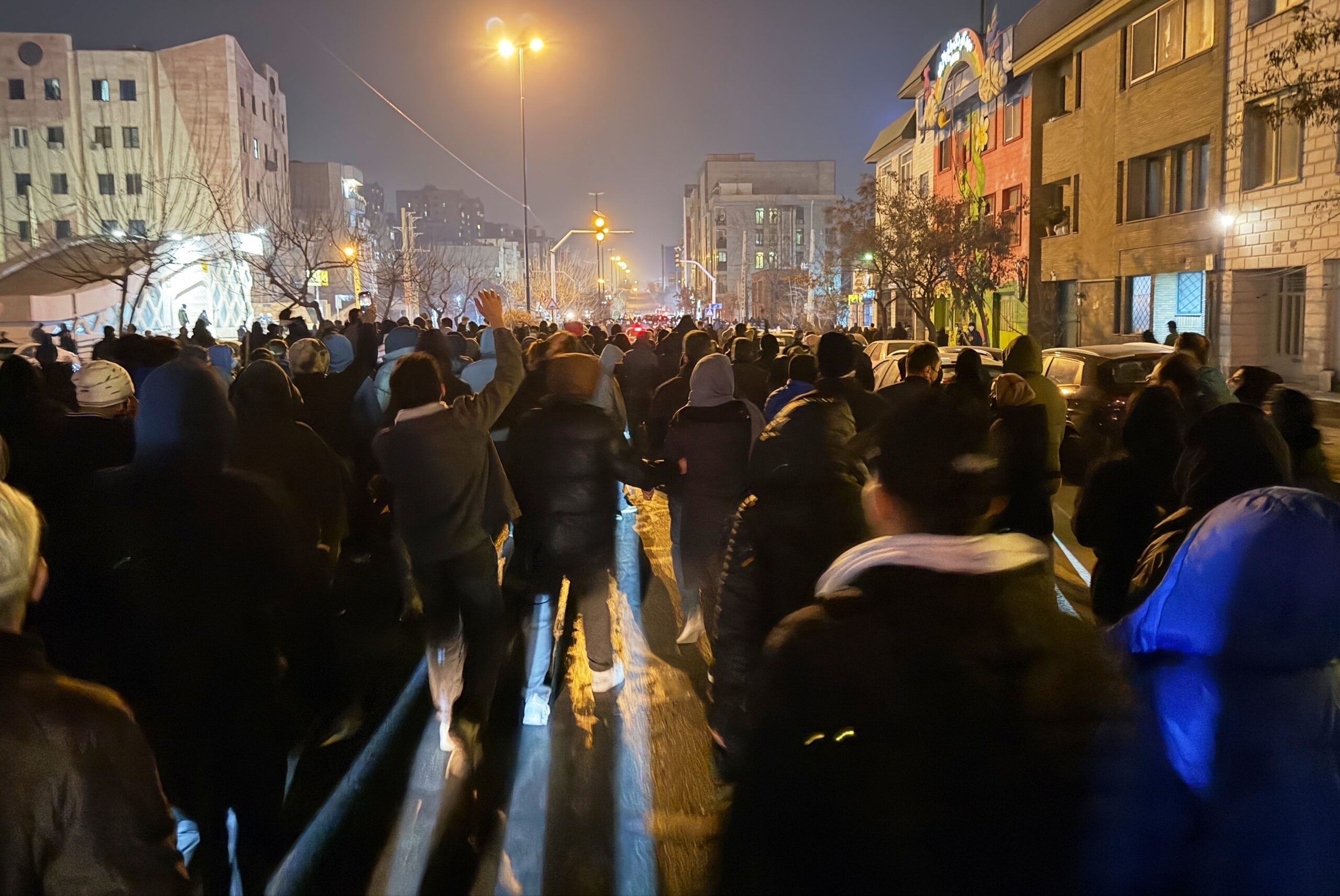
Iran’s 2025-26 Protests in Perspective
The erosion of the regime’s legitimacy across broad segments of society, combined with the breadth of the 2025-26 protest coalition, raises the possibility that a new confrontation could trigger renewed anti-regime mobilization.
Events
Mar 18, 2026
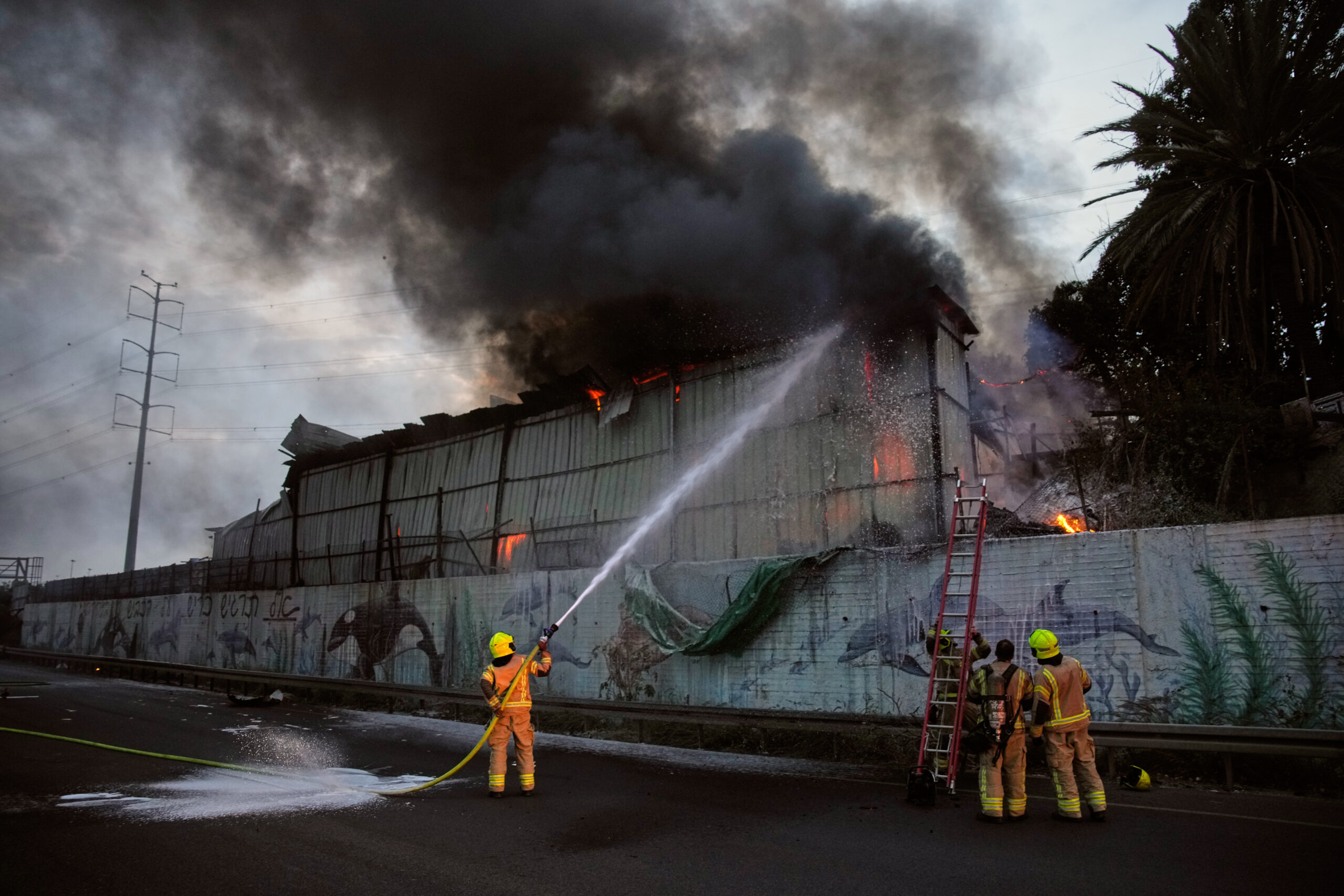
In Its Conflict With the United States and Israel, Does Escalation Favor Iran?
On March 18, AGSI hosted a discussion on the escalation of the Iran war.
Speakers



Mar 2, 2026
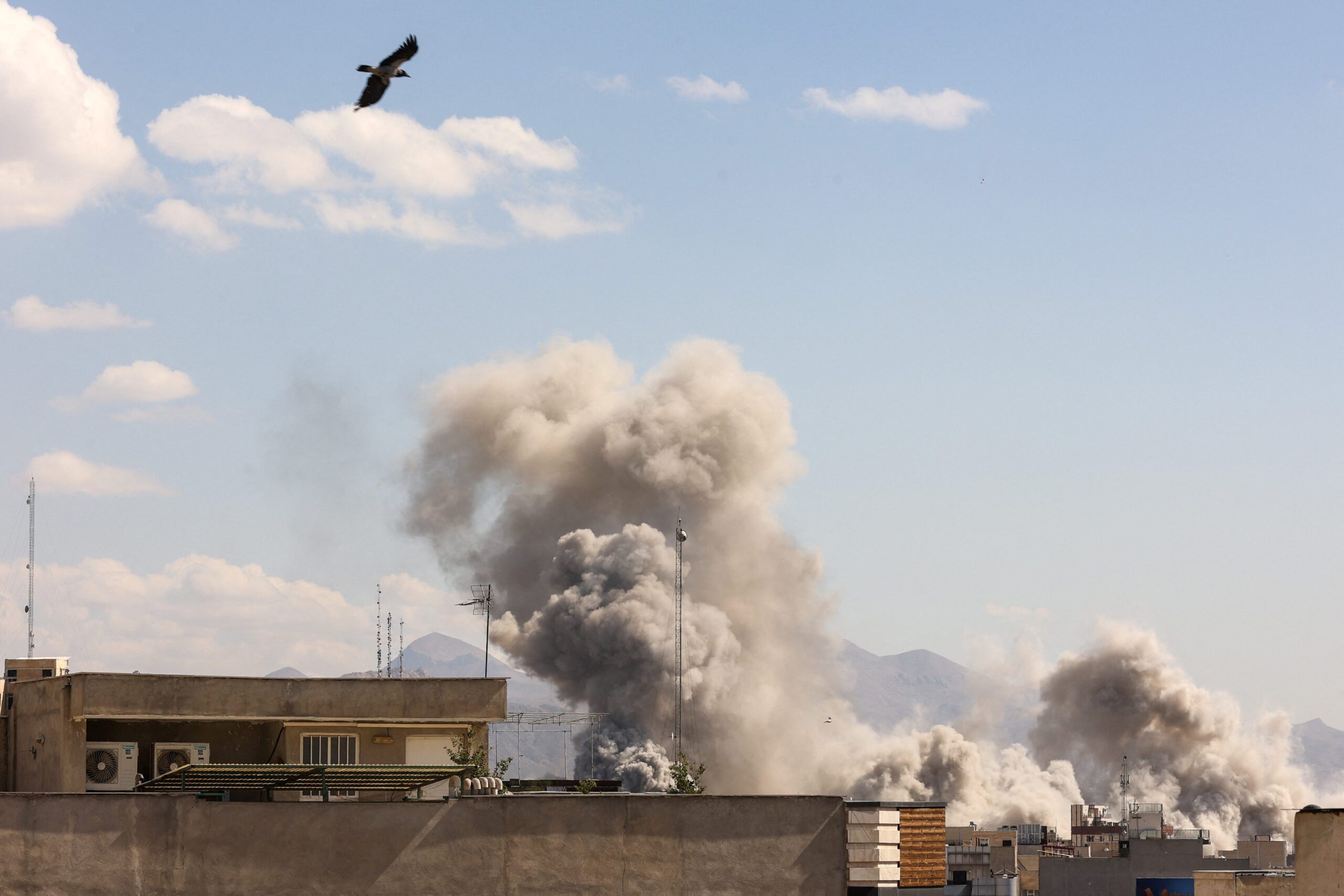
After the Shock: Implications of the U.S.–Israeli Strikes and Iran’s Leadership Transition
On March 2, AGSI hosted a discussion on the U.S.-Israeli strikes on Iran.
Speakers




Jan 8, 2026
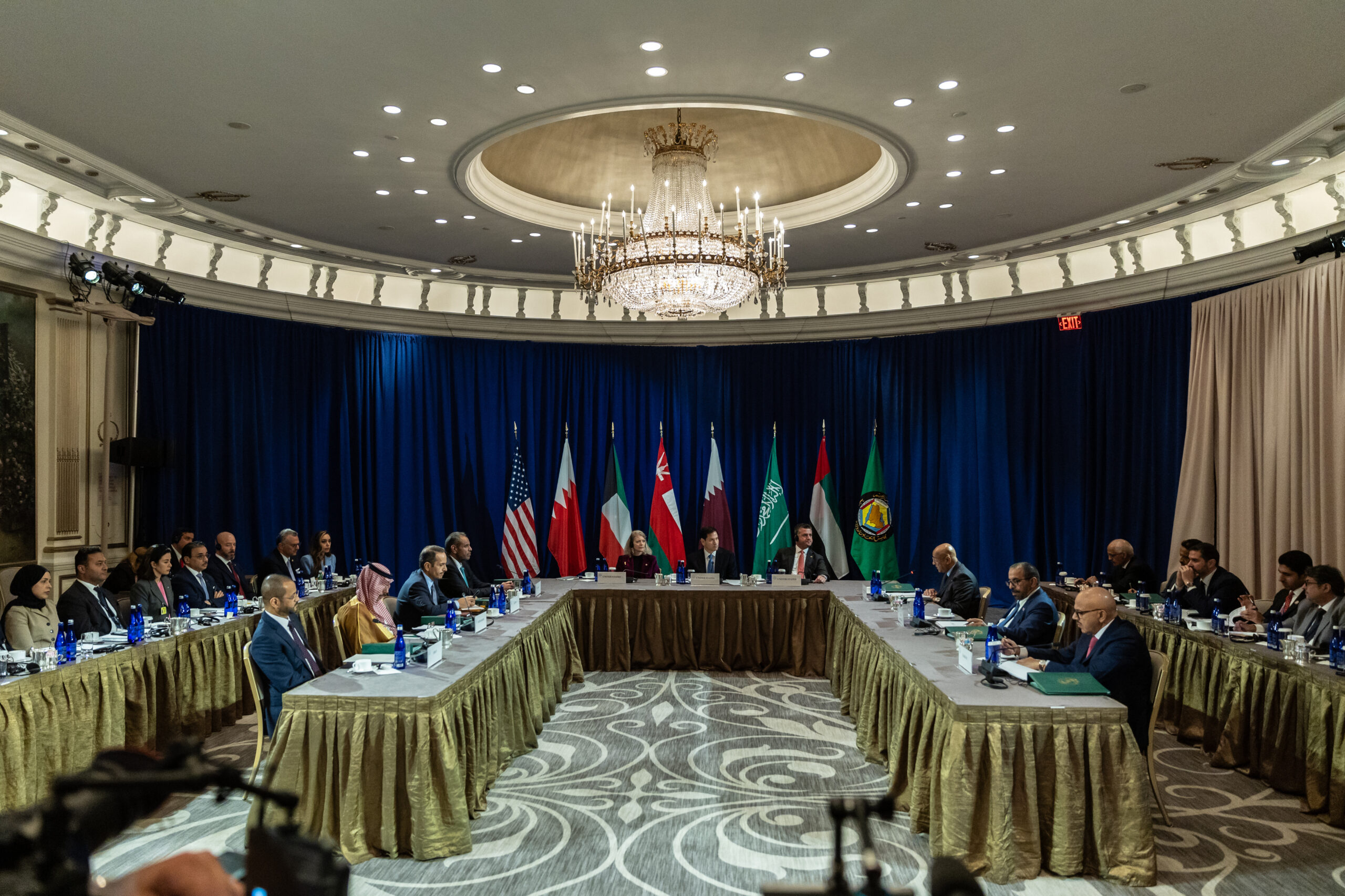
Outlook 2026: Prospects and Priorities for U.S.-Gulf Relations in the Year Ahead
On January 8, AGSI hosted a virtual roundtable with its leadership and scholars as they look ahead and assess trends likely to shape the Gulf region and U.S. foreign policy during the coming year.
Speakers


Sep 16, 2025
Book Talk: Iran’s Grand Strategy: A Political History
On September 16, AGSI hosted a discussion on the roots of Iran's strategic outlook.
Speakers