Oct 15, 2024
Mashregh News Attacks Reformists’ Unuttered Thoughts
The October 15 edition of the Iran Media Review analyzes Mashregh News’ intimidation of reformist media outlets.

Mashregh News, a prominent outlet closely associated with the Islamic Revolutionary Guard Corps, published a special column critiquing a recent article from reformist Ham-Mihan daily. The commentary appeared to serve two main purposes: first, to inform IRGC supporters about the thought processes of their political opponents, and second, to intimidate reformist media. Remarkably, Mashregh News is not only attacking Ham-Mihan for what it published but also what the columnists themselves may have thought but did not put on paper fearing censorship. In doing so, Mashregh News inadvertently revealed the dominant thinking in reformist circles, which is not openly expressed in Iran’s state-censored media.
- October 14: Under the headline “Behind the Curtains of the Radical Pressure for Signing Camp David Accord II: A Dangerous Idea Aiming to Create an Iranian Anwar Sadat!” Mashregh News attacked Ham-Mihan daily, not only for what the reformist daily had published but for what its editors and columnists may have thought:
- “Ham-Mihan daily calls for unity and cohesion at times of Israeli threats against Iran, which is commendable … However, unity and cohesion must be based on national security. The reformist media outlet must explain why it has recently highlighted the military strength of the enemy while downplaying Iran’s capabilities. It should also explain why it has repeatedly called for negotiations with the United States regarding the Zionist regime. Its fearmongering undermines its supposed goal of fostering national unity and social cohesion.”
- “While calling for internal unity, reformists also blame the policies of the Islamic Republic for the current regional situation rather than pointing to the proven hostilities of the United States and Zionist regime. Such defeatist claims have led to their strategic isolation.”
- “The dominant discourse among Westernizers is that resistance to the Zionist regime, and Tehran’s refusal to adopt the peace-loving policies of the United States, is the main cause of the current crisis. In their view, if there is a problem, we are the source of it, and the solution is to abandon the defense of the oppressed Palestinian people. These Westernizers only seek the destruction of the resistance and the dominance of Tel Aviv in the region.”
The views represented herein are the author's or speaker's own and do not necessarily reflect the views of AGSI, its staff, or its board of directors.
Related
Iran Media Review
Oct 11, 2024
Iran’s Elite Reconciliation at Home, and Outreach to the Arab World
The October 11 Iran Media Review identifies how external pressure from Israel appears to be bringing Iran’s rival bureaucracies closer to each other, and how Iran is reaching out to the Arab world for support.
Iran Media Review
Oct 8, 2024
Ayatollah Khamenei’s Sermon
The October 8 Iran Media Review highlights key points in Iranian Supreme Leader Ayatollah Ali Khamenei’s Friday prayer sermon following the killings of a number of Iranian-allied political and military leaders.
Oct 11, 2024
Iran’s Elite Reconciliation at Home, and Outreach to the Arab World
The October 11 Iran Media Review identifies how external pressure from Israel appears to be bringing Iran’s rival bureaucracies closer to each other, and how Iran is reaching out to the Arab world for support.
Oct 8, 2024
Ayatollah Khamenei’s Sermon
The October 8 Iran Media Review highlights key points in Iranian Supreme Leader Ayatollah Ali Khamenei’s Friday prayer sermon following the killings of a number of Iranian-allied political and military leaders.
Analysis
The Islamic Republic Returns to Offense
After U.S.-Israeli strikes killed Supreme Leader Ayatollah Ali Khamenei on February 28, Iran’s collective leadership has concluded that the best defense is a good offense.
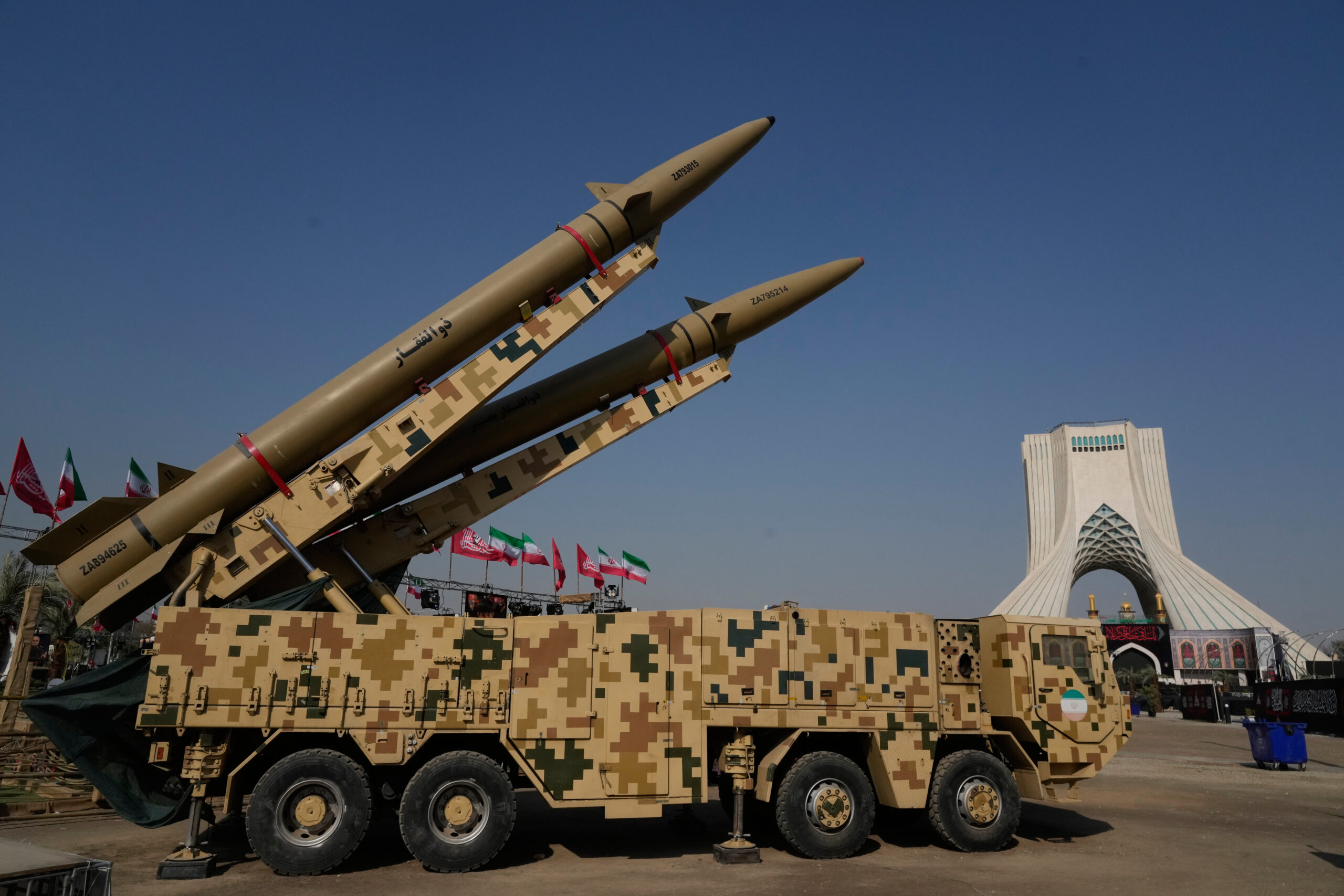
Iran’s Collective Strategic Decision Making
Wartime pressure has temporarily aligned the leadership’s overriding interest in regime survival, even as its members continue to differ over the costs, methods, and ultimate objectives of the war.
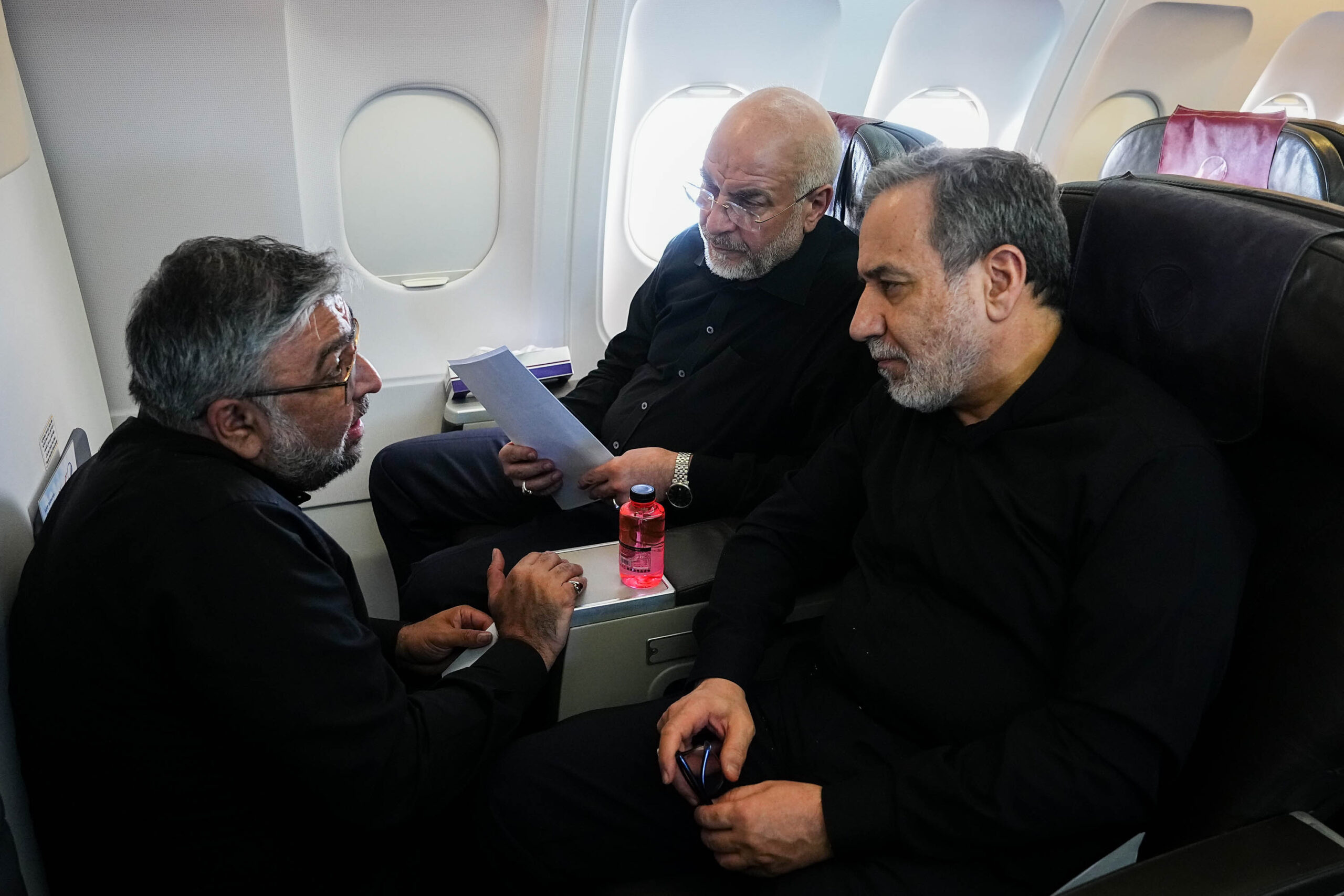
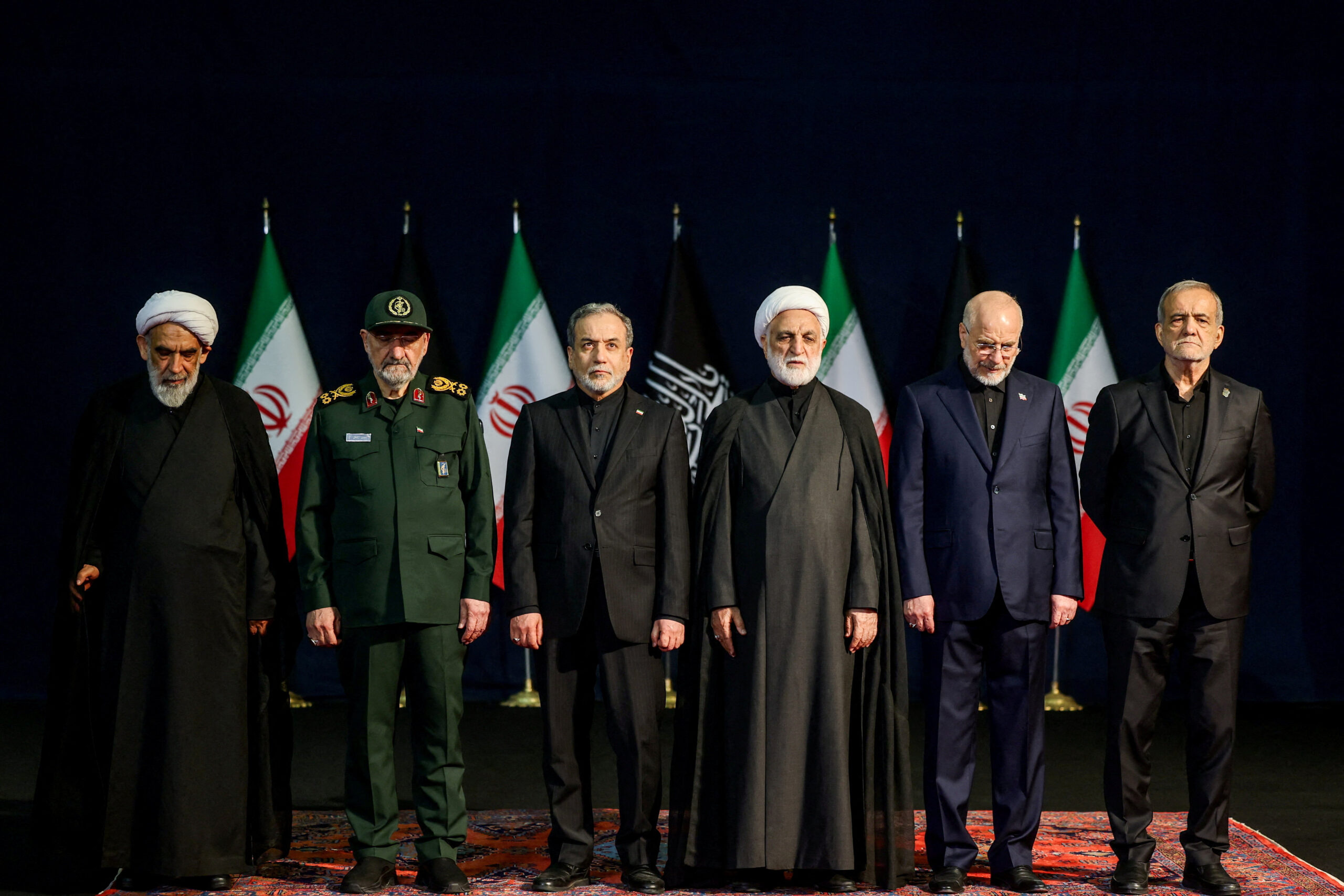
The Islamic Republic’s Collective Leadership
While there is historical precedent for collective leadership in Iran, today’s leadership includes representatives of the IRGC and regular military – a reflection of the IRGC’s expanding role and the necessities of governing under wartime conditions.
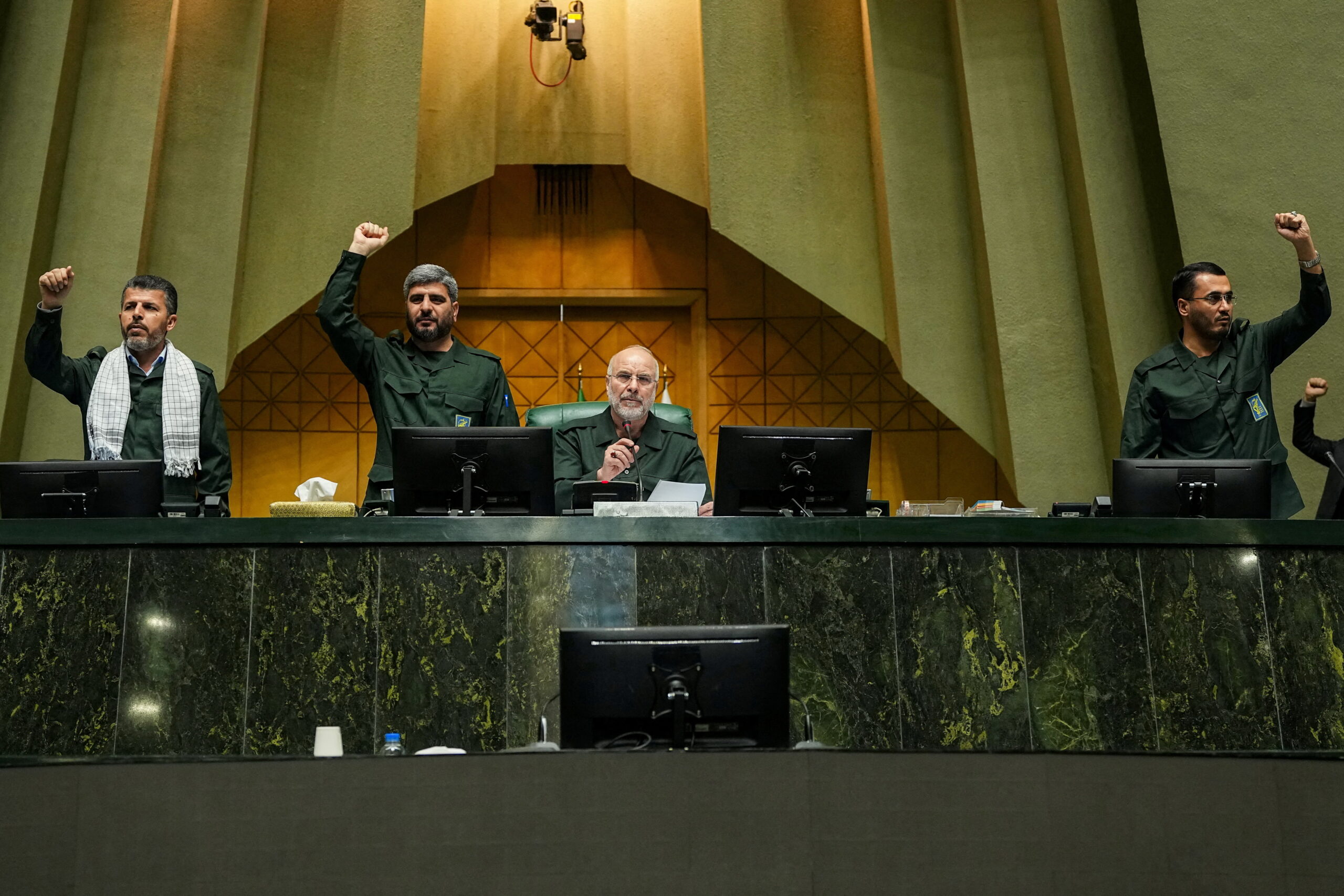
How Did the IRGC Seize Power in Iran?
The IRGC did not seize power in a single stroke. It accumulated it – patiently, methodically – until no counterweight remained.
Events
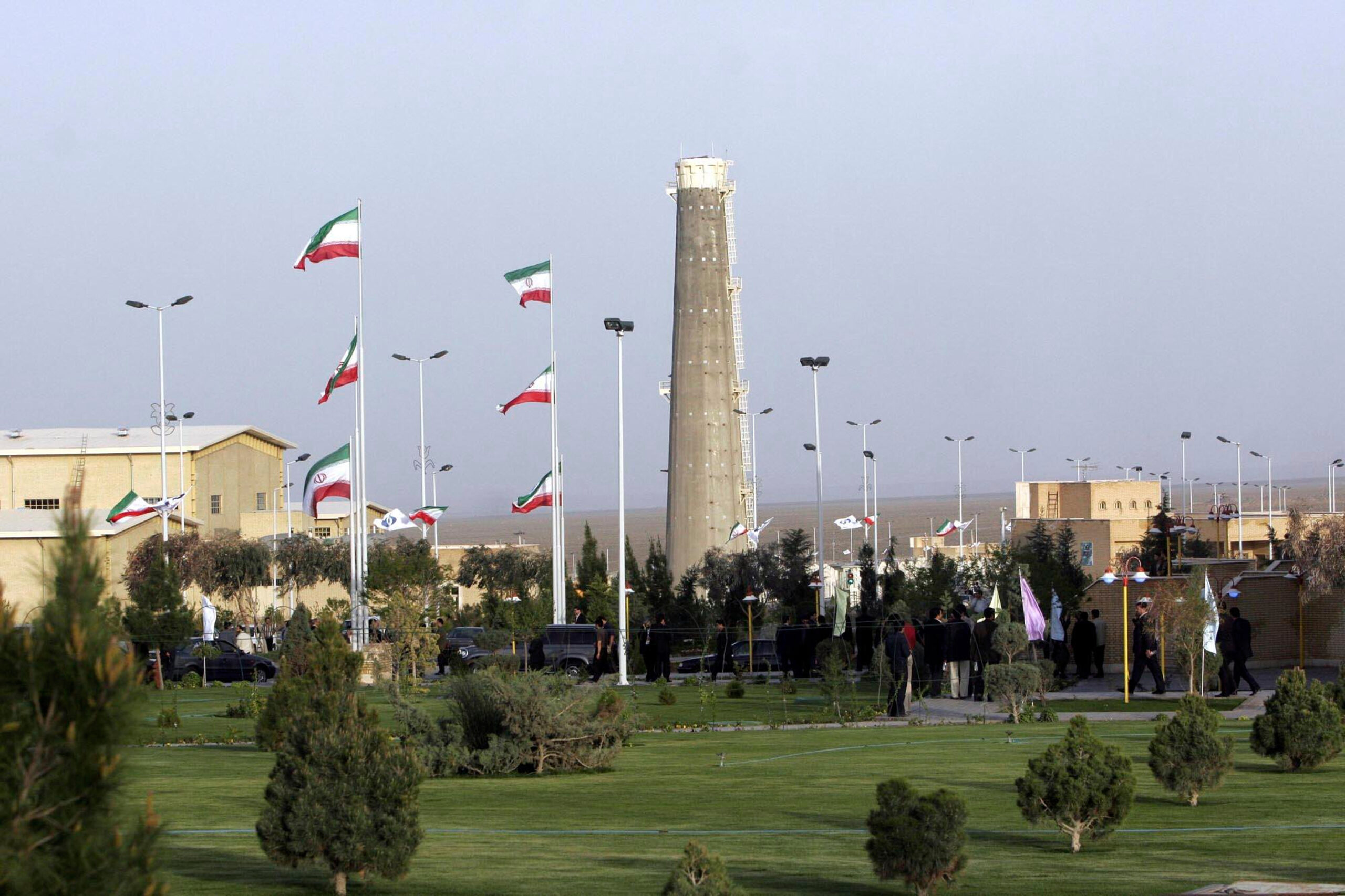
Book Talk: Iran and the Bomb: The United States, Iran and the Nuclear Question
On June 16, AGSI hosted a discussion on the evolution of Iran's nuclear program.
Speakers

Apr 21, 2026
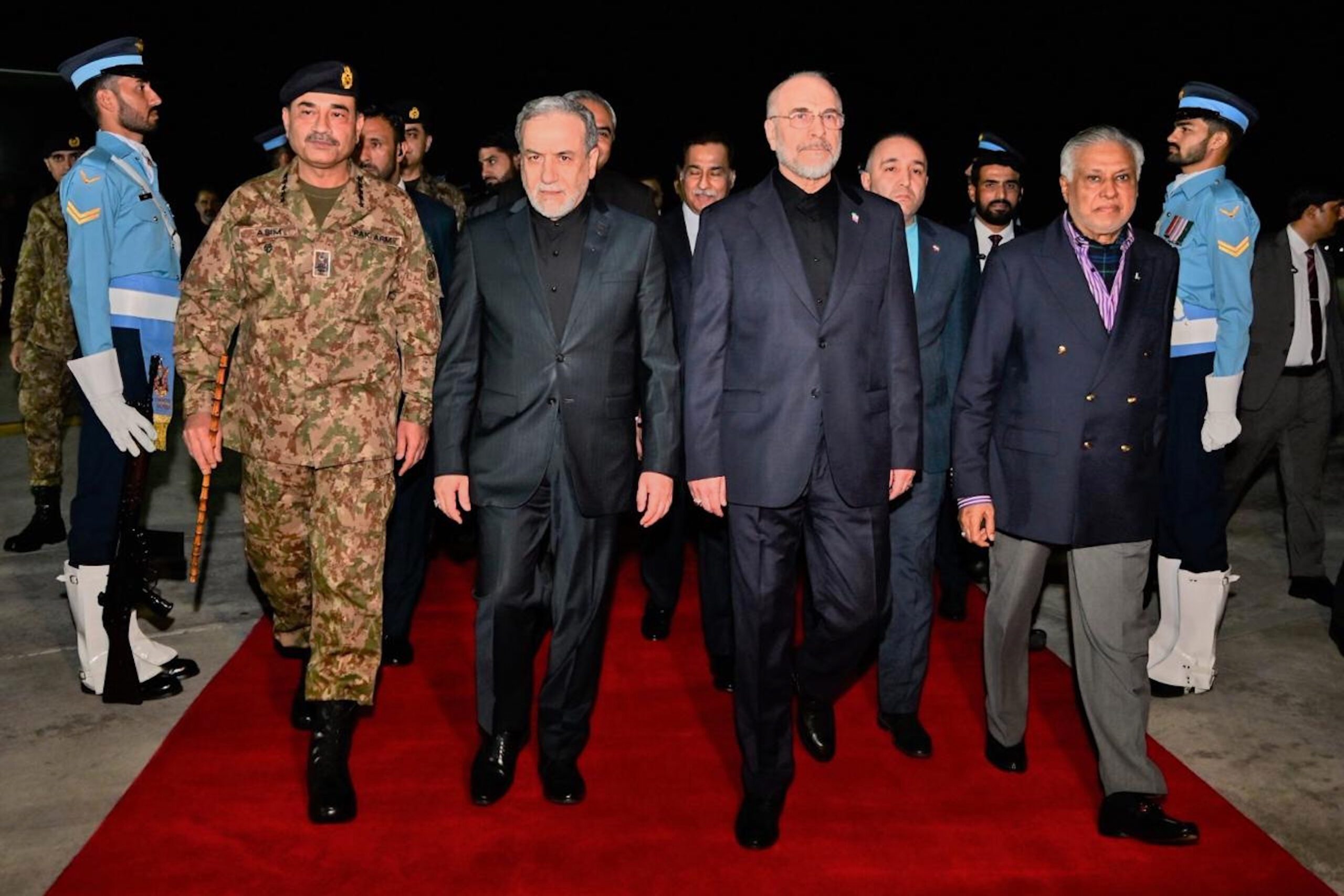
Inside Iran’s Wartime Leadership: Power, Succession, and Regime Stability
On April 21, AGSI hosted a discussion on the evolution of Iran's leadership during the war.
Speakers

Mar 18, 2026
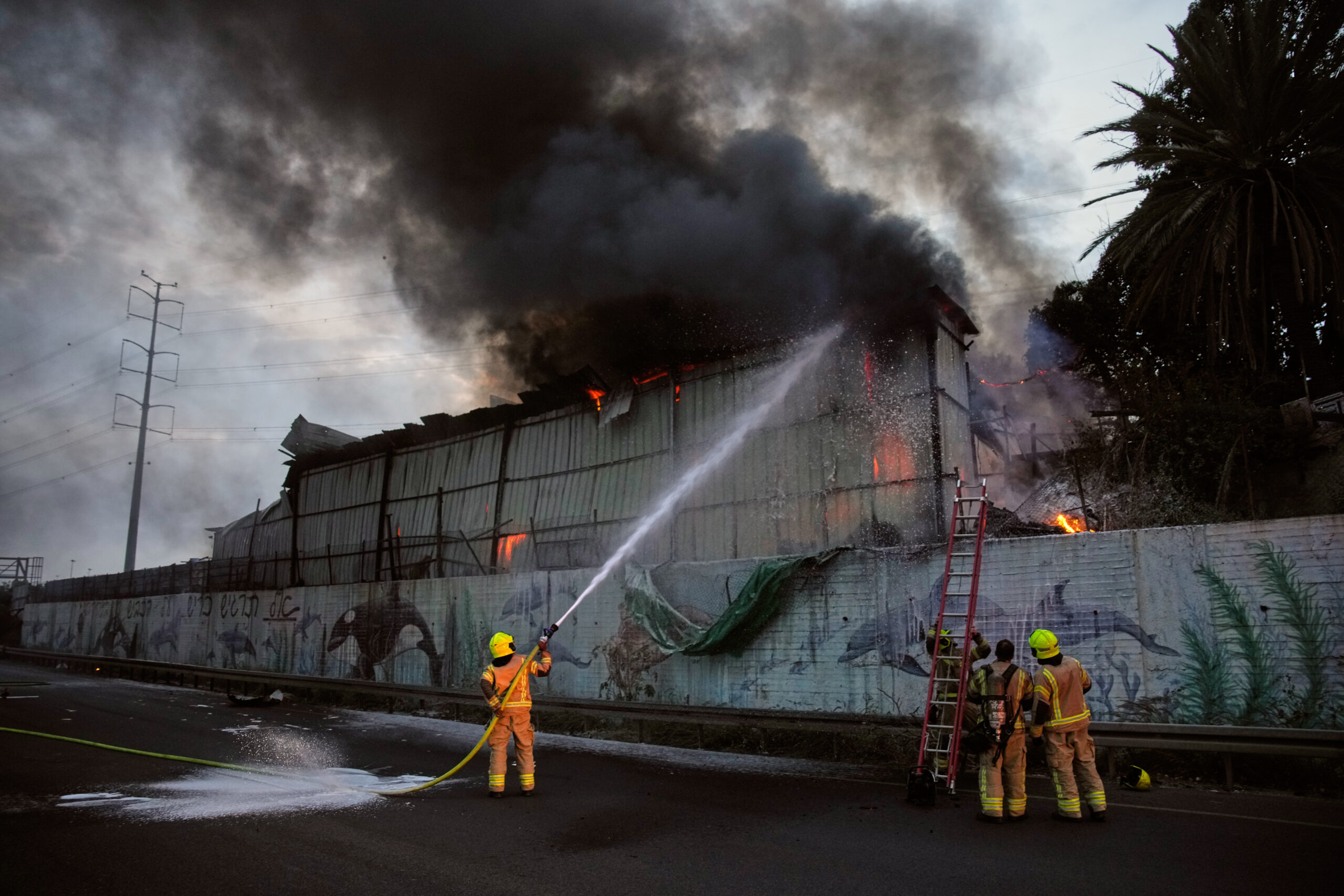
In Its Conflict With the United States and Israel, Does Escalation Favor Iran?
On March 18, AGSI hosted a discussion on the escalation of the Iran war.
Speakers



Mar 2, 2026
After the Shock: Implications of the U.S.–Israeli Strikes and Iran’s Leadership Transition
On March 2, AGSI hosted a discussion on the U.S.-Israeli strikes on Iran.
Speakers