Jun 7, 2024
Nour News Expects Eight Candidates Will Be Qualified to Run in Presidential Election
The June 7 edition of the Iran Media Review highlights developments surrounding Iran’s upcoming presidential election.
Supreme National Security Council mouthpiece Nour News’ coverage of Iran’s June 28 presidential election included a list of eight candidates who, according to unknown sources, are likely to pass the needle’s eye of the candidate vetting Guardian Council and qualify to run.
- June 5: Revelations from Nour News’ coverage of the presidential election included:
- Nour News claimed the Guardian Council is likely to approve the candidacy of the following eight out of 87 presidential hopefuls: Parliamentary Speaker Mohammad Baqer Qalibaf, former Parliamentary Speaker Ali Larijani, Representative of the Supreme Leader to the SNSC Saeed Jalili, Tehran Mayor Ali Reza Zakani, Deputy Parliamentary Speaker Ali Nikzad, former Economy Minister Shams al-Din Hosseini, former Vice President Eshaq Jahangiri, and Vice President Amir Hossein Ghazizadeh Hashemi.
- Qalibaf, in an indirect attack against Jalili, wrote on X, formerly known as Twitter: “There is also the day after the election … Unbalanced ideas and untested executives throw back the country for years.” In the same vein, Kambiz Mehdizadeh, the son-in-law of former President Hassan Rouhani, posted a photo of Jalili on X with the short message: “Return of the diplomat from the dead-end street,” referencing Jalili’s unsuccessful track record as a nuclear negotiator.
- Larijani’s first campaign video stressed what the government “ought not to do” rather than what it ought to do, emphasizing the need for less government intervention in the economy.
- Former Interior Minister Abd al-Reza Rahmani Fazli dismissed rumors of being Larijani’s campaign manager but said he would welcome such a proposal.
- According to Mohammad Qouchani, a reformist journalist, Jahangiri is the main reformist candidate.
- Vahid Haqanian, chief of staff of the office of the supreme leader and a presidential candidate, launched his campaign by attacking Tasnim News, a mouthpiece of the Islamic Revolutionary Guard Corps: “This media is directly financed by the military budget and public funds and fears the defeat of its favorite candidate.”
- Abd al-Reza Davari, an advisor to former President Mahmoud Ahmadinejad, claimed the IRGC Intelligence Organization warned Ahmadinejad against running for office.
The views represented herein are the author's or speaker's own and do not necessarily reflect the views of AGSI, its staff, or its board of directors.
Related
Iran Media Review
May 31, 2024
Parliamentarian Assesses Late Foreign Minister Amir-Abdollahian’s Track Record, Proposes Diplomacy Backed by the Nuclear Bomb
The May 31 edition of the Iran Media Review highlights internal dynamics in Iranian diplomacy and a call for Iran to develop nuclear weapons to strengthen its hand in negotiations.
May 31, 2024
Parliamentarian Assesses Late Foreign Minister Amir-Abdollahian’s Track Record, Proposes Diplomacy Backed by the Nuclear Bomb
The May 31 edition of the Iran Media Review highlights internal dynamics in Iranian diplomacy and a call for Iran to develop nuclear weapons to strengthen its hand in negotiations.
Analysis
How Did the IRGC Seize Power in Iran?
The IRGC did not seize power in a single stroke. It accumulated it – patiently, methodically – until no counterweight remained.
Under Mojtaba, the IRGC Will Reign Supreme
Iran may still call itself an Islamic Republic. In practice, however, it increasingly resembles a state in which the military governs from behind clerical robes.
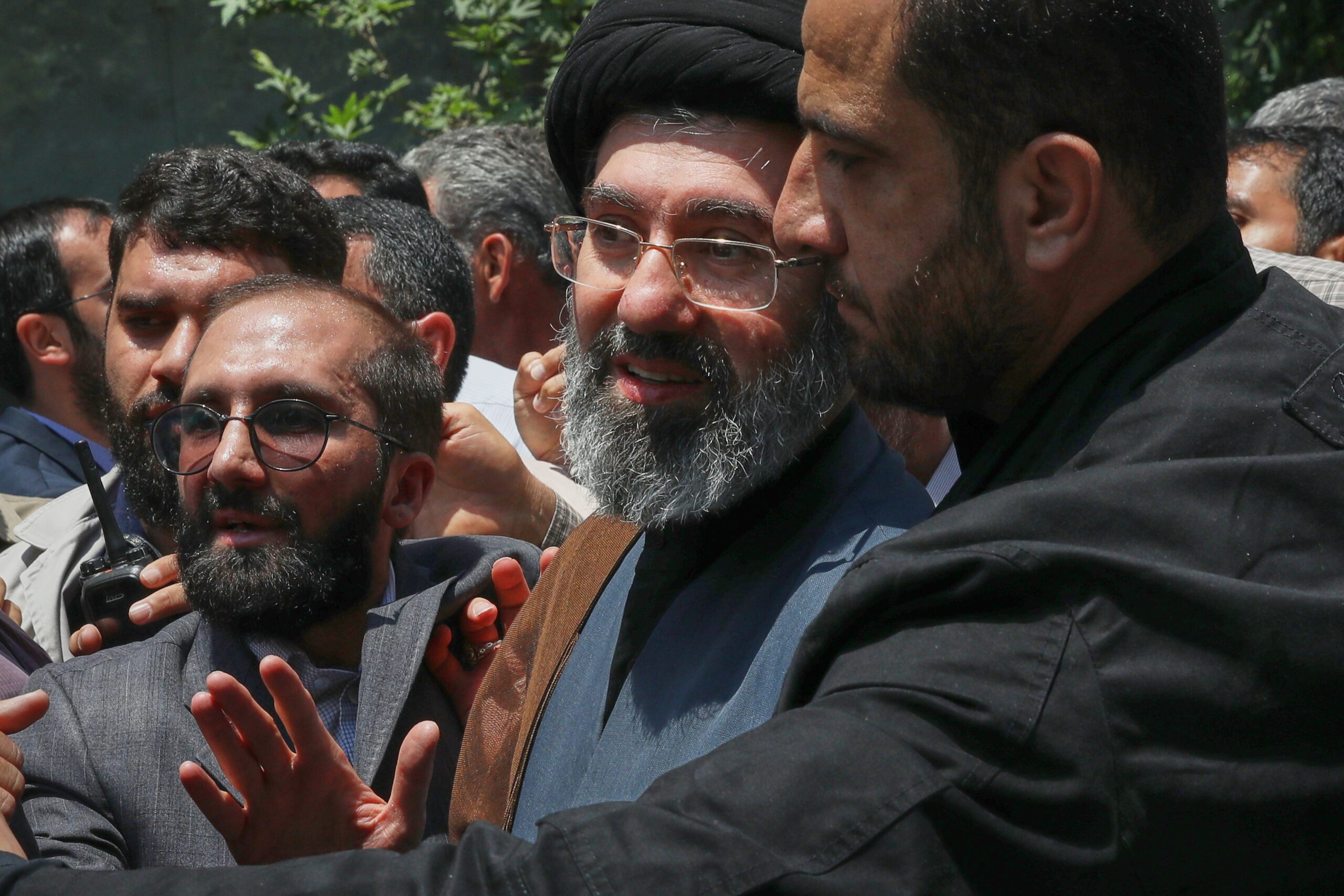
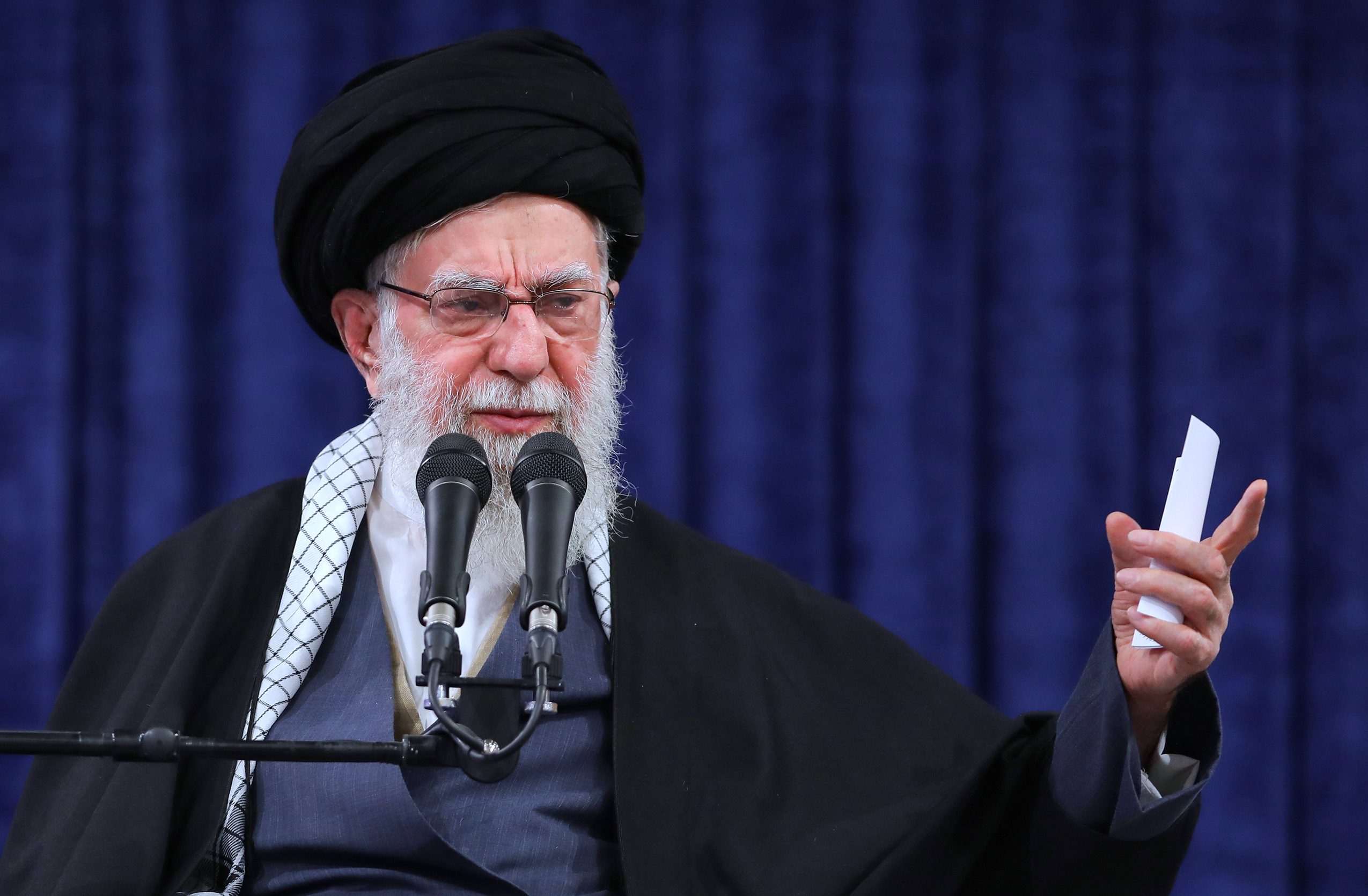
Political Life and Legacy of Iran’s Ayatollah Khamenei
Ayatollah Ali Khamenei was killed in his office in Tehran at age 86, leaving behind a country in ruins and on the verge of civil war and potential disintegration.
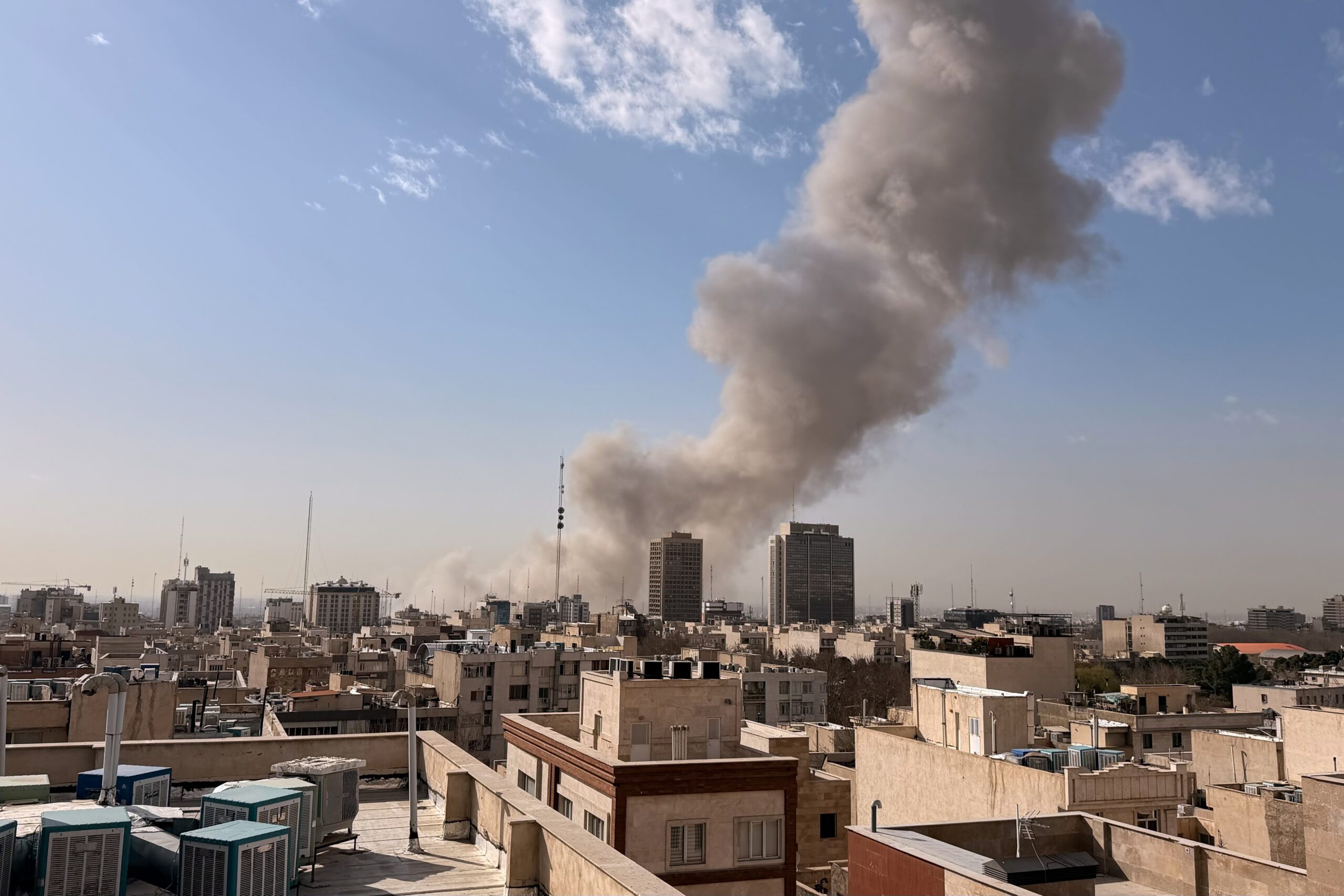
Iranian Regime Fighting for Survival
Iran is signaling that it will not absorb attacks passively. But whether this strategy ensures the regime’s survival, seals its fate, or accelerates a broader catastrophe will shape the region for years to come.
Events
Apr 21, 2026
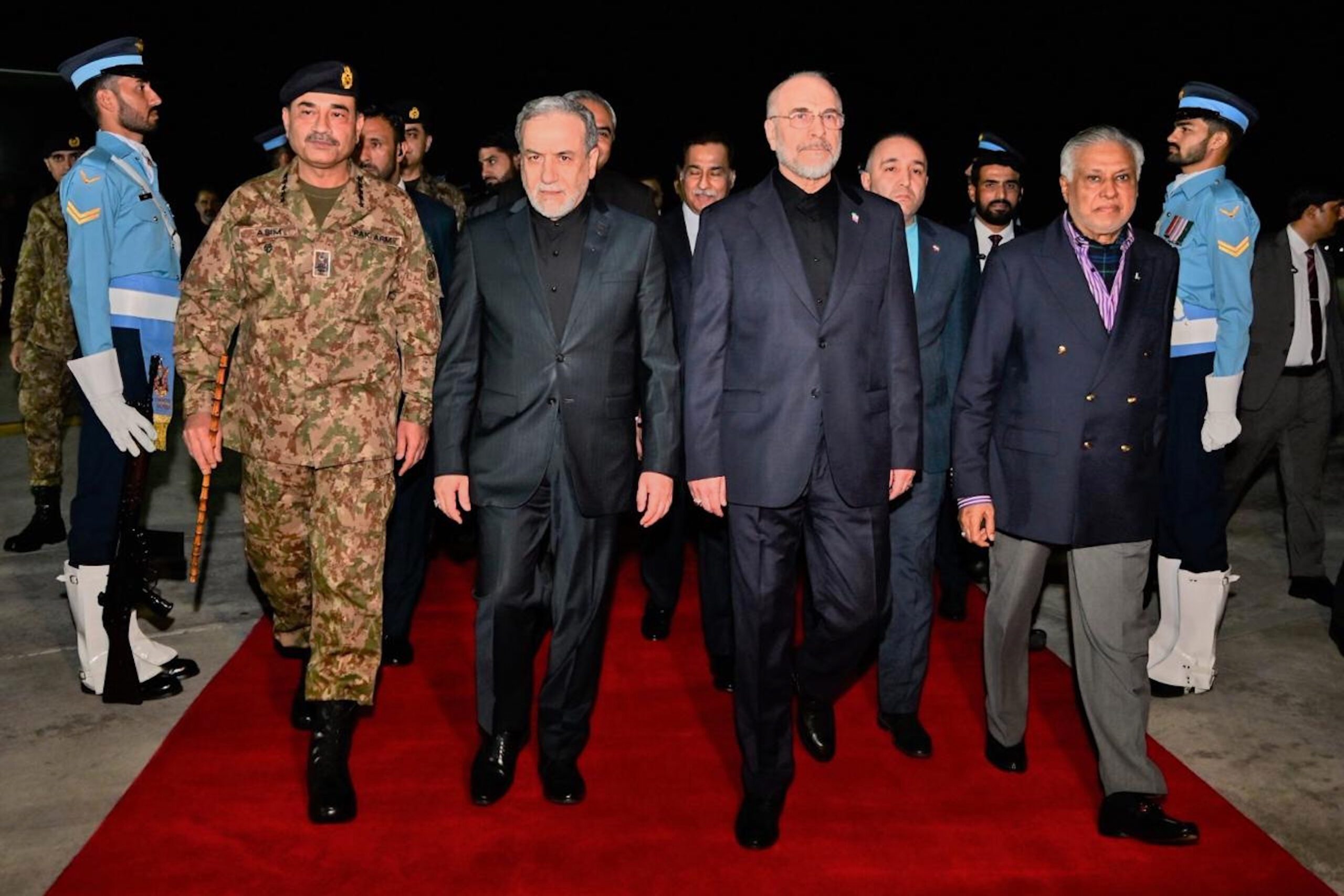
Inside Iran’s Wartime Leadership: Power, Succession, and Regime Stability
On April 21, AGSI hosted a discussion on the evolution of Iran's leadership during the war.
Speakers


Mar 18, 2026
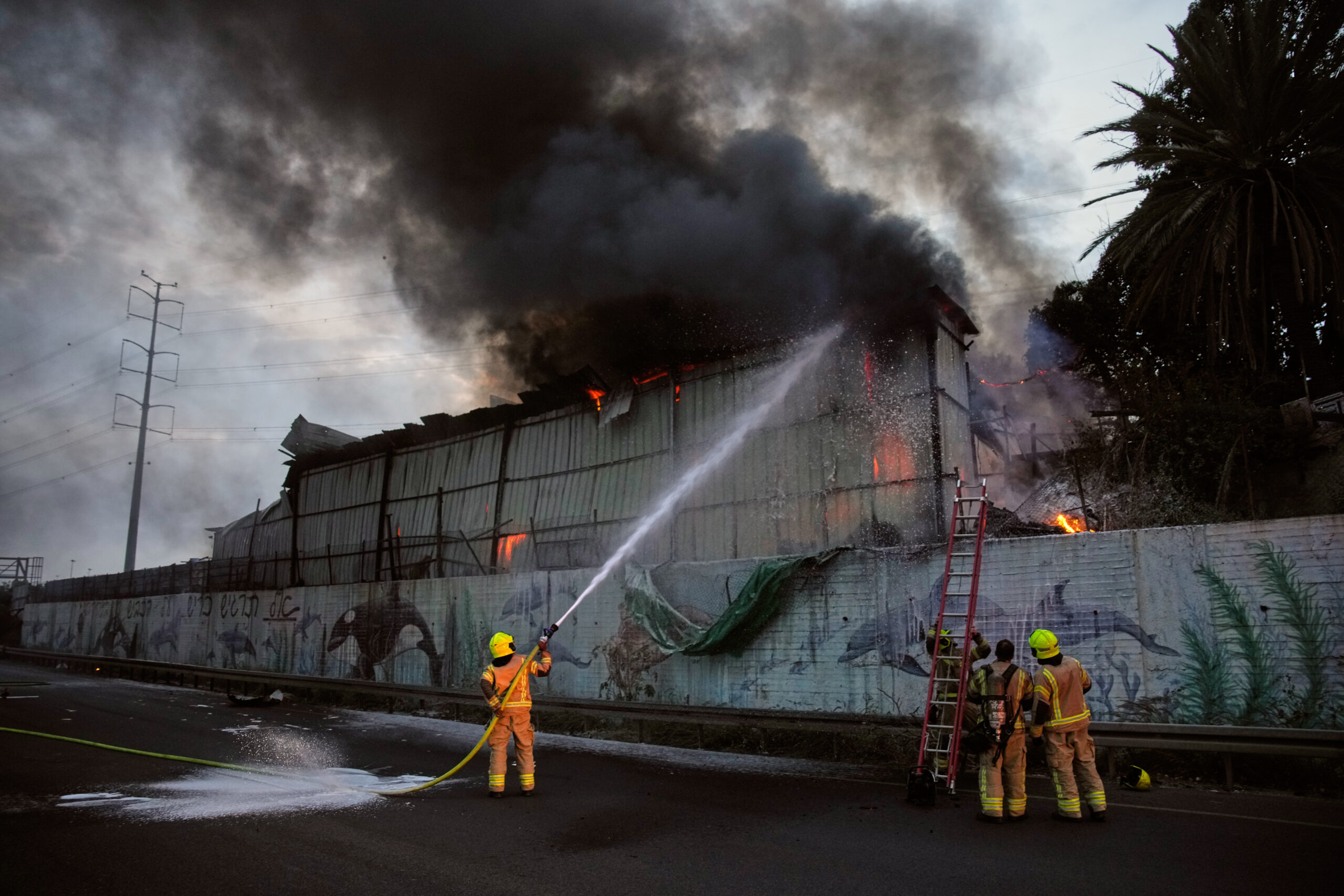
In Its Conflict With the United States and Israel, Does Escalation Favor Iran?
On March 18, AGSI hosted a discussion on the escalation of the Iran war.
Speakers



Mar 2, 2026
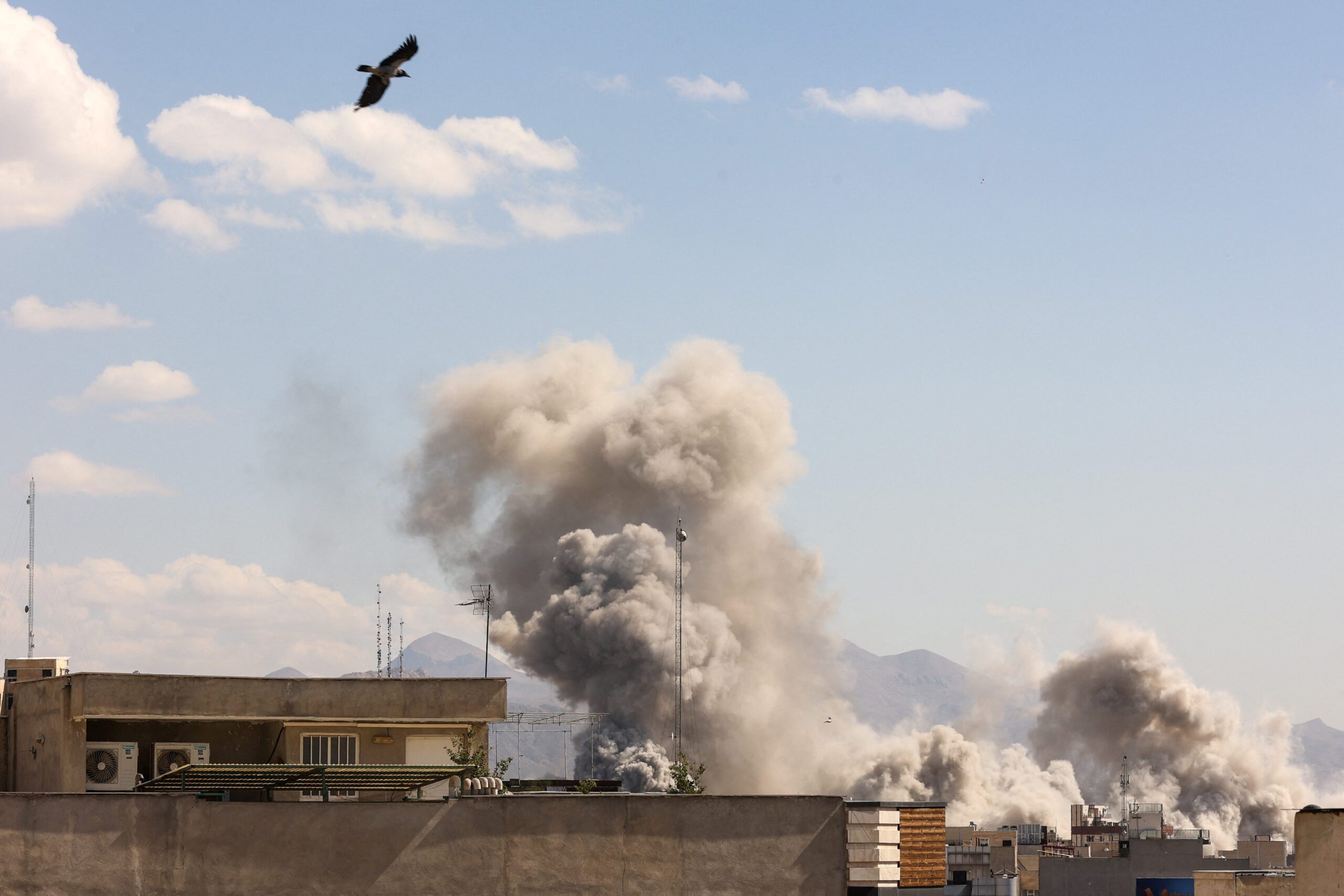
After the Shock: Implications of the U.S.–Israeli Strikes and Iran’s Leadership Transition
On March 2, AGSI hosted a discussion on the U.S.-Israeli strikes on Iran.
Speakers



Jan 8, 2026
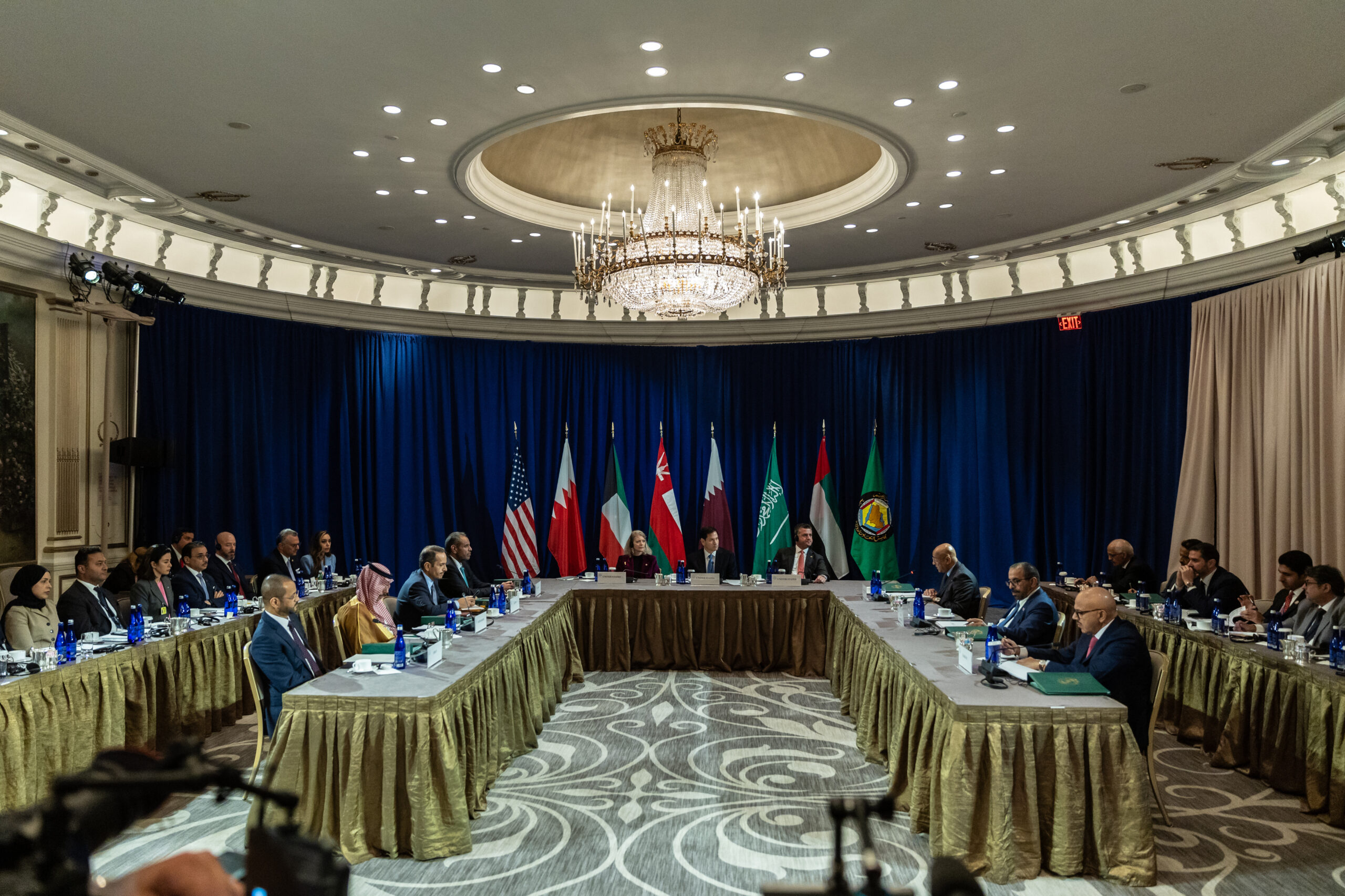
Outlook 2026: Prospects and Priorities for U.S.-Gulf Relations in the Year Ahead
On January 8, AGSI hosted a virtual roundtable with its leadership and scholars as they look ahead and assess trends likely to shape the Gulf region and U.S. foreign policy during the coming year.
Speakers