May 31, 2024
Parliamentarian Assesses Late Foreign Minister Amir-Abdollahian’s Track Record, Proposes Diplomacy Backed by the Nuclear Bomb
The May 31 edition of the Iran Media Review highlights internal dynamics in Iranian diplomacy and a call for Iran to develop nuclear weapons to strengthen its hand in negotiations.

The Iranian Parliament wields limited influence over foreign policy, and Iranian parliamentarians, for the most part, parrot the official slogans of the regime and seldom engage in analytical debates with journalists. Ahmad Bakhshayesh Ardestani, a political scientist and member of the parliamentary National Security and Foreign Policy Committee, is an exception. To the extent his statements reflect the prevailing analysis among Iran’s ruling elites rather than his viewpoints, the United States is facing a self-confident and assertive regime.
- May 21: Reformist Shargh Daily published an interview between journalist Abd al-Rahman Fath-Allahi and Ardestani:
- Commenting on Iran’s response to Israel’s bombing of the Iranian Consulate in Damascus, Ardestani said: “Iran’s firm, decisive, and fast – but also intelligent –response to the Zionists to some extent also helped Iran’s diplomacy. We must accept that at the regional level, our foreign policy is at odds with that of the Zionist regime, and beyond our region, it is in conflict with that of the United States … Our decisive response to Israel improved our bargaining position and made the Americans negotiate with us in Oman to maintain the level of tensions at the present level and avoid escalation. In this context, the late Amir-Abdollahian did his utmost to have our foreign policy on the track of de-escalation.”
- Turning to the nuclear issue and negotiations to revive the Joint Comprehensive Plan of Action nuclear deal, Ardestani said: “Ali Bagheri Kani, the deputy foreign minister and senior negotiator, was in charge of the nuclear negotiations … However, the late Amir-Abdollahian also did his best to advance the negotiations, just as with those in Oman. However, fundamentally, nuclear negotiations are not planned by the Foreign Ministry, and higher positions make those decisions … The late Amir-Abdollahian and Mr. Bagheri Kani were merely executing decisions reached at higher levels.”
- Discussing conflicts between Amir-Abdollahian and former Foreign Minister Mohammad Javad Zarif, Ardestani continued: “Well, it is possible that Mr. Amir-Abdollahian or Mr. Bagheri Kani changed their opinions once they took over executive positions in the Foreign Ministry and were responsible for negotiations … This is only natural. However, I must emphasize that the late Amir-Abdollahian, Mr. Zarif before him, and anyone else were merely executing decisions taken by the Supreme National Security Council.”
- Ardestani further proposed pursuing diplomacy backed by the nuclear bomb: “Based on our experiences under the tenures of Zarif and the late Amir-Abdollahian, we ought to get the nuclear bomb as soon as possible so we have diplomacy backed by force, which will help our future foreign ministers … U.S. Secretary of State Mike Pompeo … was once asked: ‘Why are you imposing a maximum pressure campaign against Iran and not North Korea?’ He responded that North Korea has the nuclear bomb, and the United States cannot afford a crisis with a nuclear power.”
The views represented herein are the author's or speaker's own and do not necessarily reflect the views of AGSI, its staff, or its board of directors.
Related
Iran Media Review
May 28, 2024
Iranian Parliamentarian: “I Sense Iran Has Built the Nuclear Bomb!”
The May 28 edition of the Iran Media Review highlights a parliamentarian’s vague speculation about the status of Iran’s nuclear program.
Iran Media Review
May 24, 2024
Iran’s Supreme National Security Council: Continuity After Raisi
The May 24 edition of the Iran Media Review highlights the Supreme National Security Council’s public messaging supporting the acting president following the death of President Ebrahim Raisi.
May 28, 2024
Iranian Parliamentarian: “I Sense Iran Has Built the Nuclear Bomb!”
The May 28 edition of the Iran Media Review highlights a parliamentarian’s vague speculation about the status of Iran’s nuclear program.
May 24, 2024
Iran’s Supreme National Security Council: Continuity After Raisi
The May 24 edition of the Iran Media Review highlights the Supreme National Security Council’s public messaging supporting the acting president following the death of President Ebrahim Raisi.
Analysis
The Islamic Republic Returns to Offense
After U.S.-Israeli strikes killed Supreme Leader Ayatollah Ali Khamenei on February 28, Iran’s collective leadership has concluded that the best defense is a good offense.
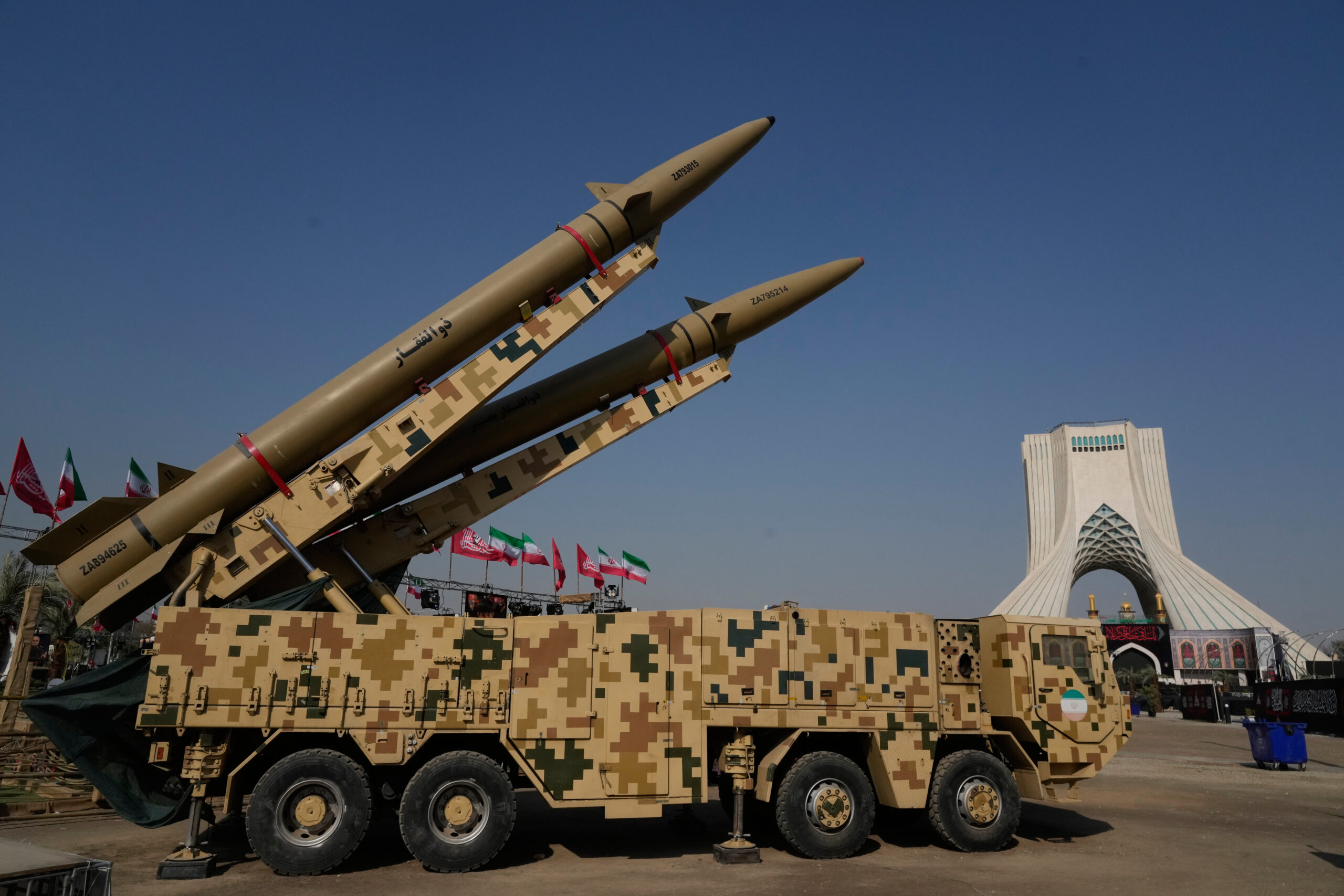
Iran’s Collective Strategic Decision Making
Wartime pressure has temporarily aligned the leadership’s overriding interest in regime survival, even as its members continue to differ over the costs, methods, and ultimate objectives of the war.
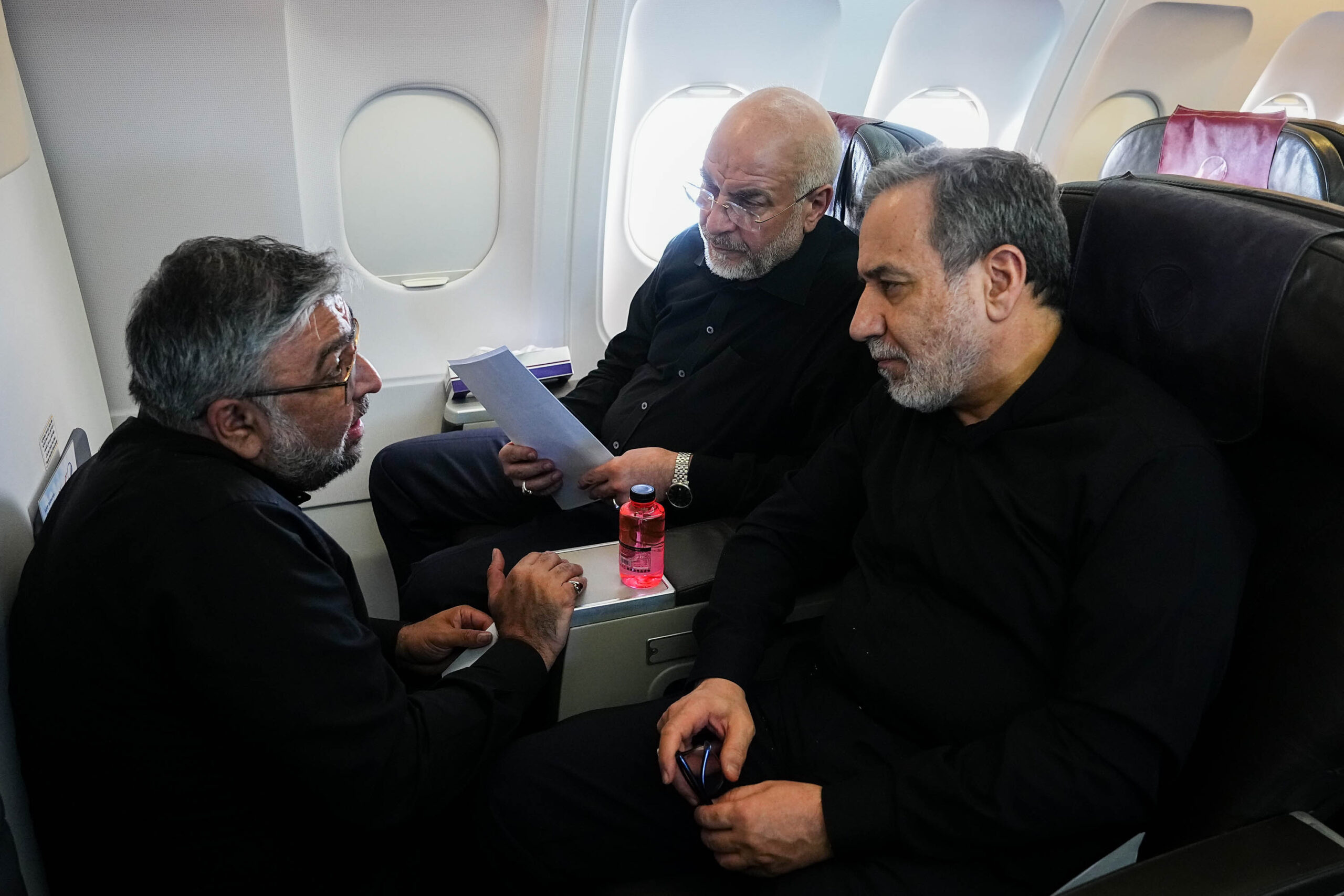
The Islamic Republic’s Collective Leadership
While there is historical precedent for collective leadership in Iran, today’s leadership includes representatives of the IRGC and regular military – a reflection of the IRGC’s expanding role and the necessities of governing under wartime conditions.
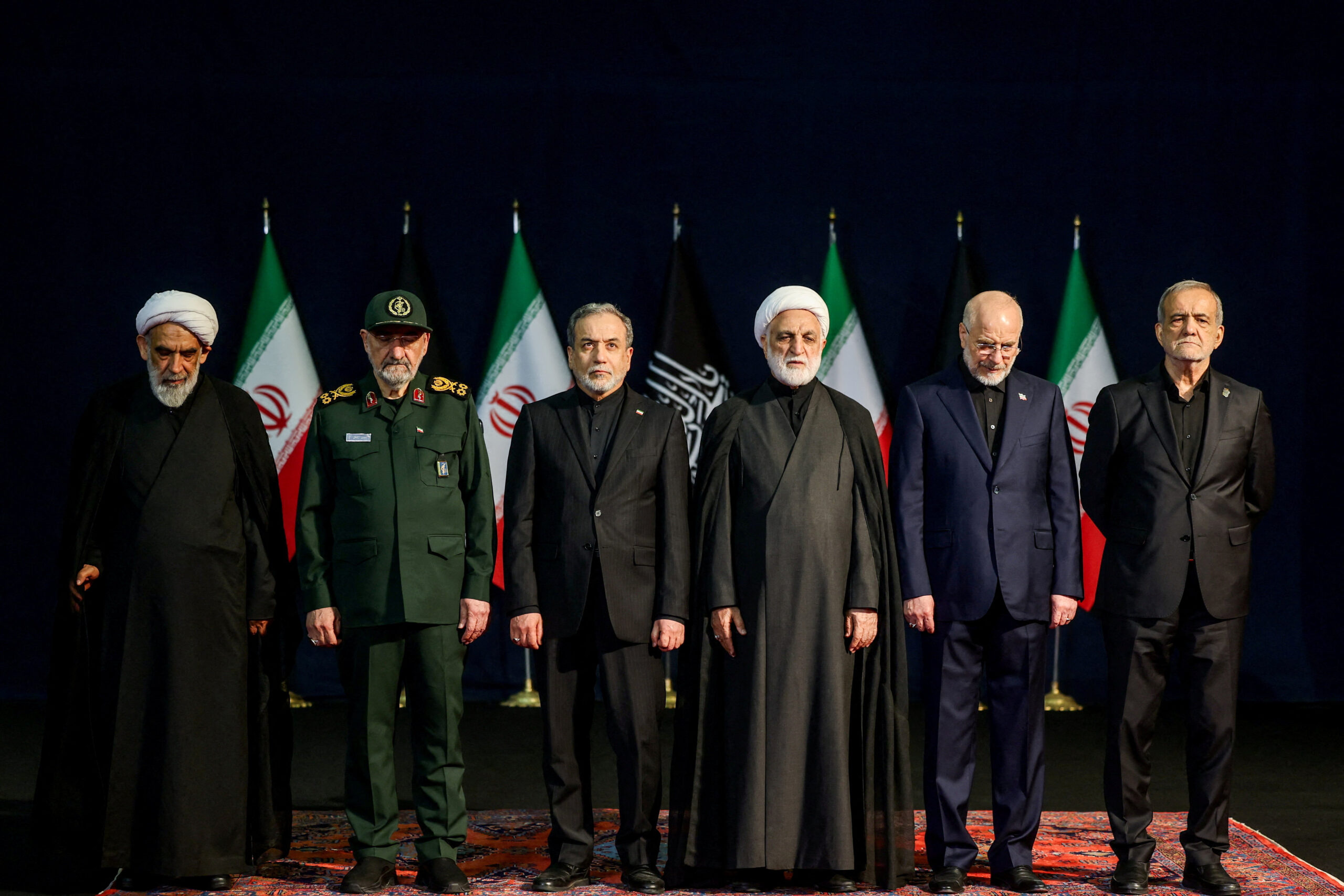
How Did the IRGC Seize Power in Iran?
The IRGC did not seize power in a single stroke. It accumulated it – patiently, methodically – until no counterweight remained.
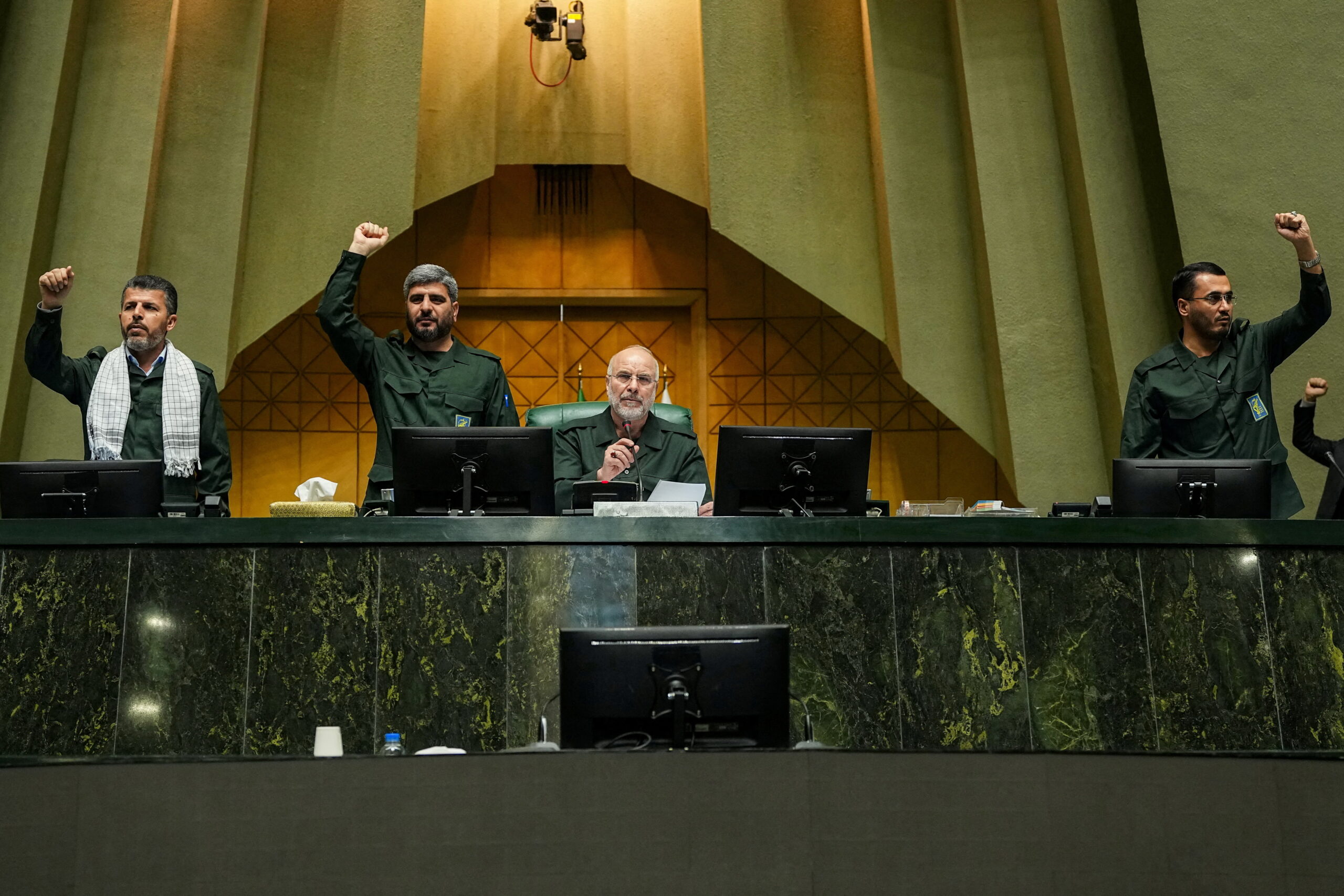
Events
Book Talk: Iran and the Bomb: The United States, Iran and the Nuclear Question
On June 16, AGSI hosted a discussion on the evolution of Iran's nuclear program.
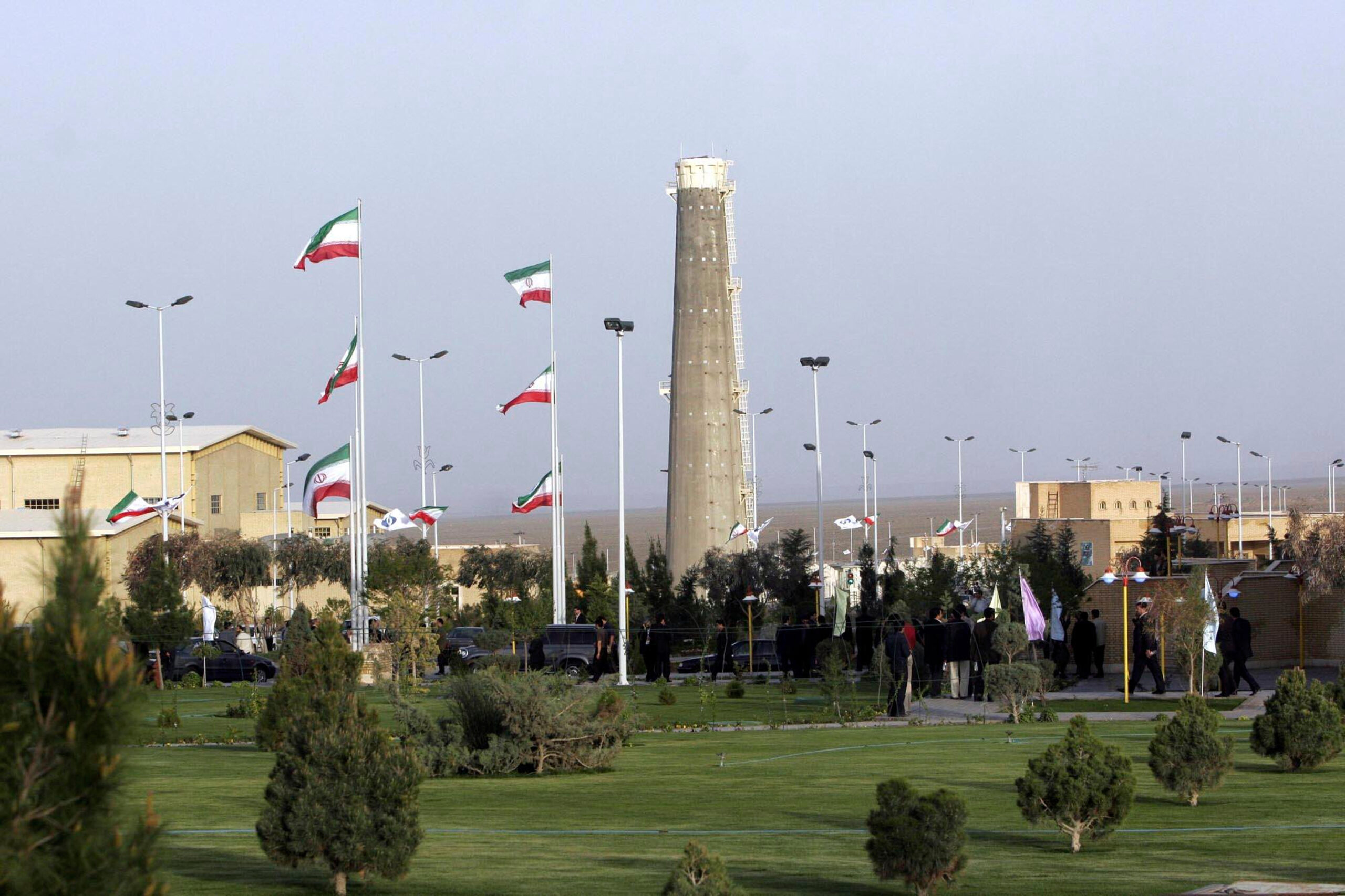
Speakers

Apr 21, 2026
Inside Iran’s Wartime Leadership: Power, Succession, and Regime Stability
On April 21, AGSI hosted a discussion on the evolution of Iran's leadership during the war.
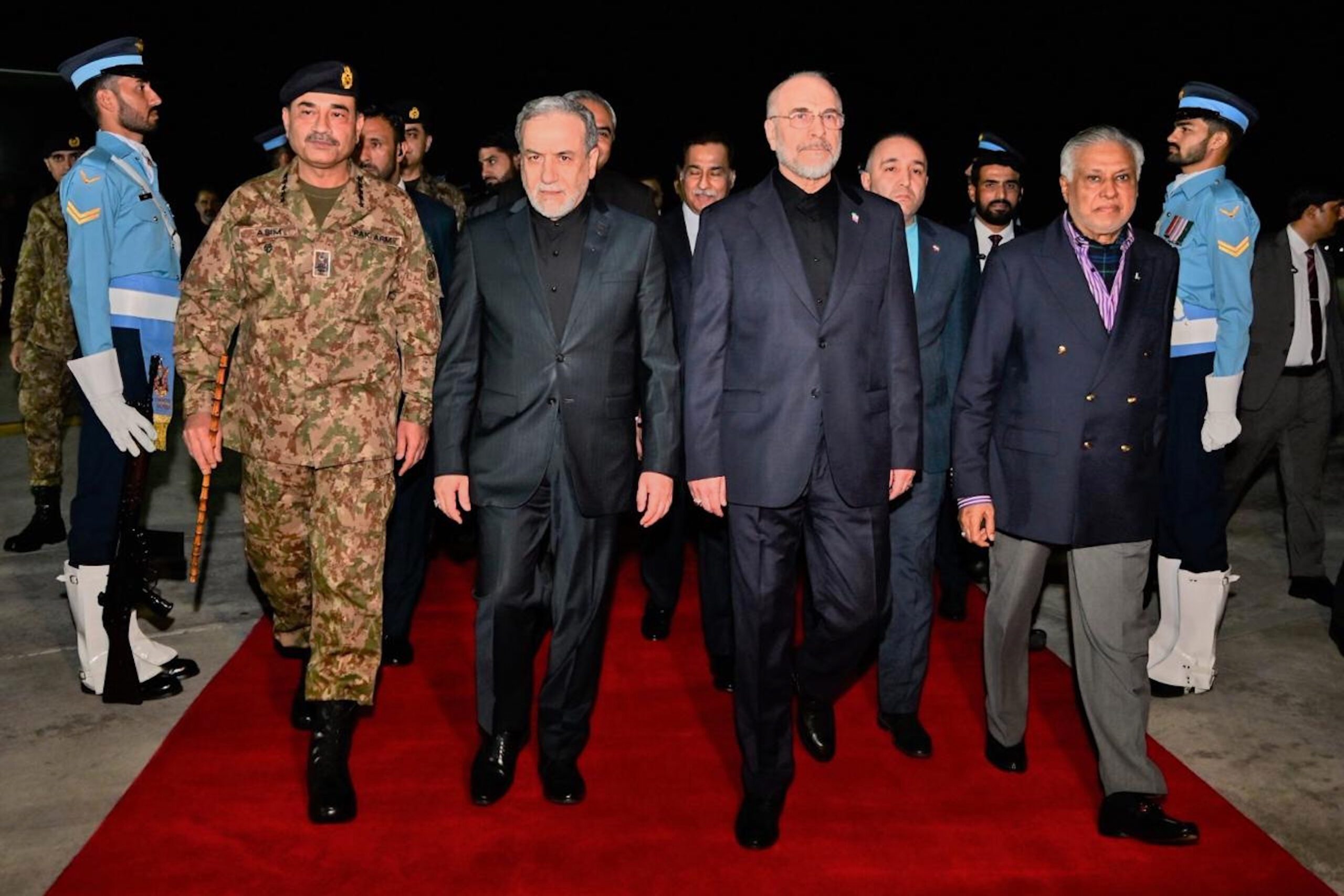
Speakers

Mar 18, 2026
In Its Conflict With the United States and Israel, Does Escalation Favor Iran?
On March 18, AGSI hosted a discussion on the escalation of the Iran war.
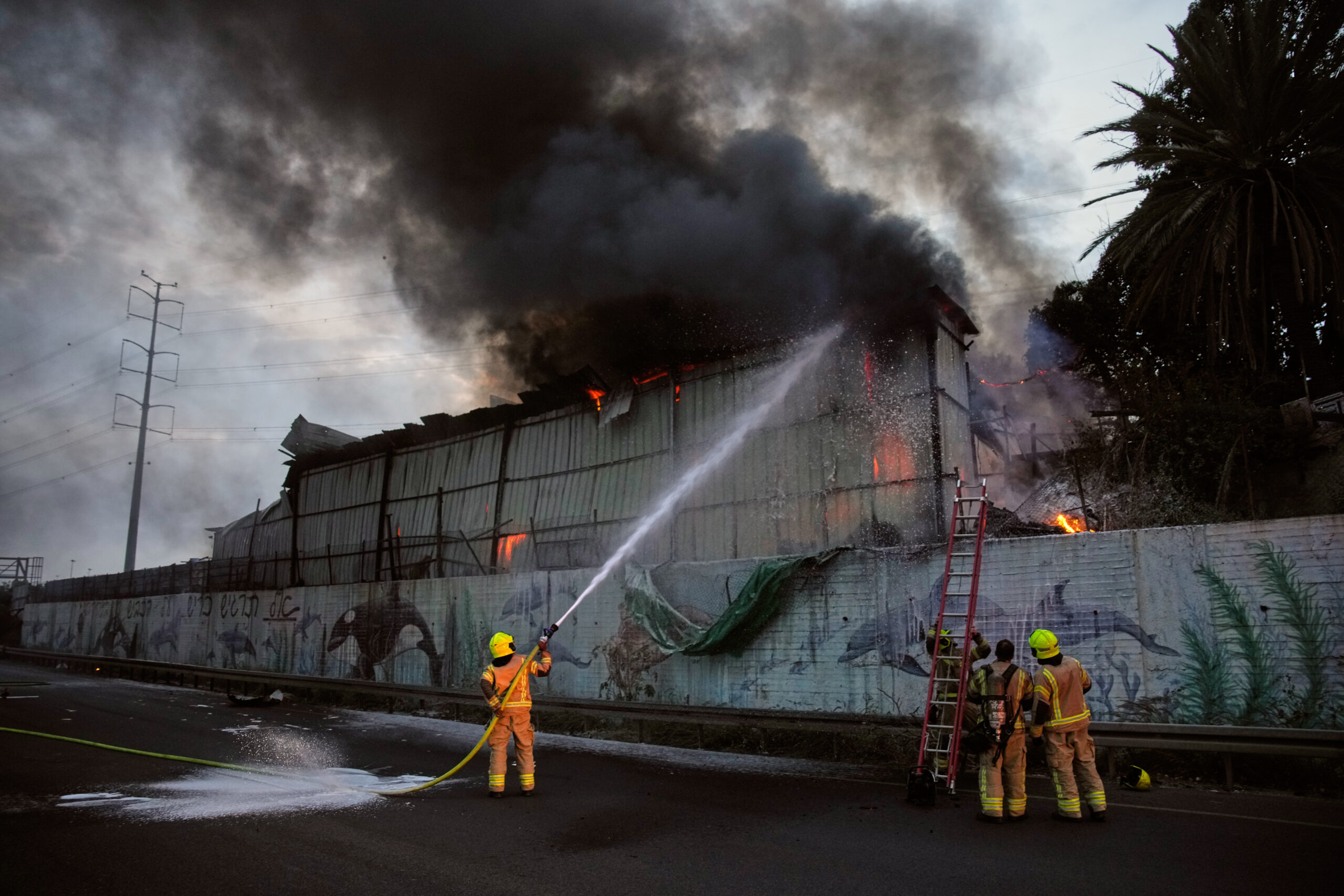
Speakers


Mar 2, 2026
After the Shock: Implications of the U.S.–Israeli Strikes and Iran’s Leadership Transition
On March 2, AGSI hosted a discussion on the U.S.-Israeli strikes on Iran.
Speakers