The conflict with Iran has curtailed the supply of oil from the Gulf, pushing up the price of the medium and heavier grades it usually exports relative to lighter grades.
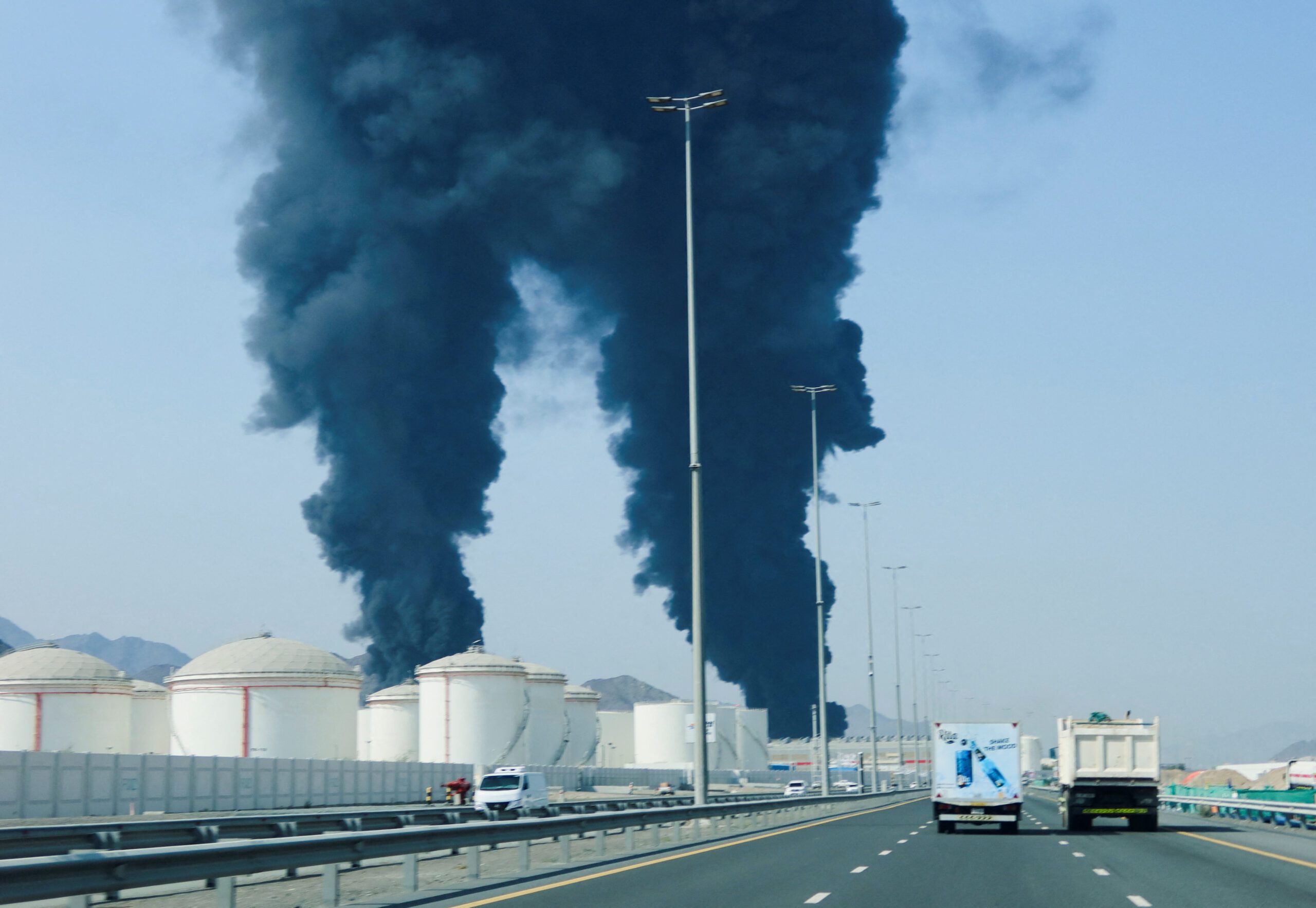
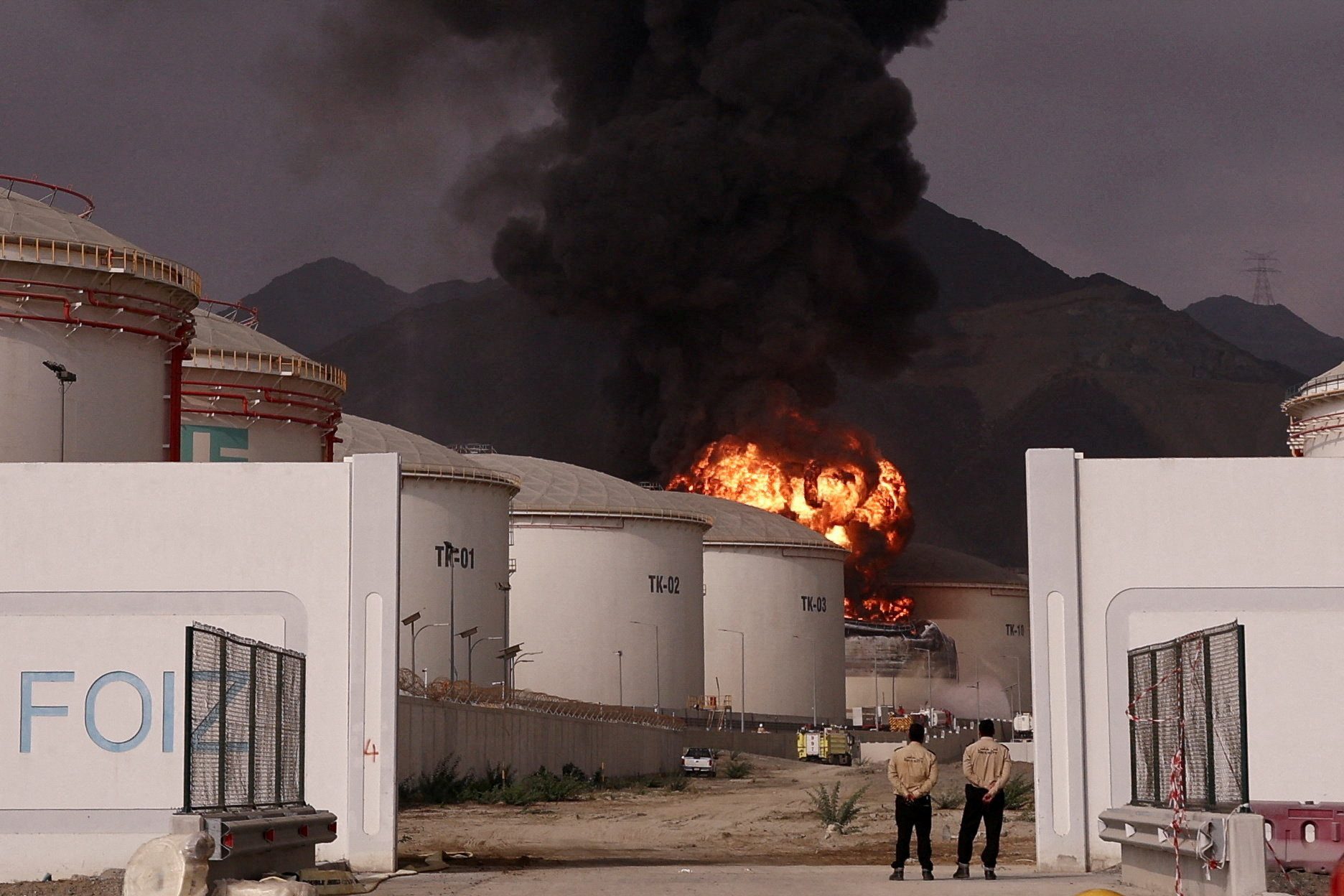
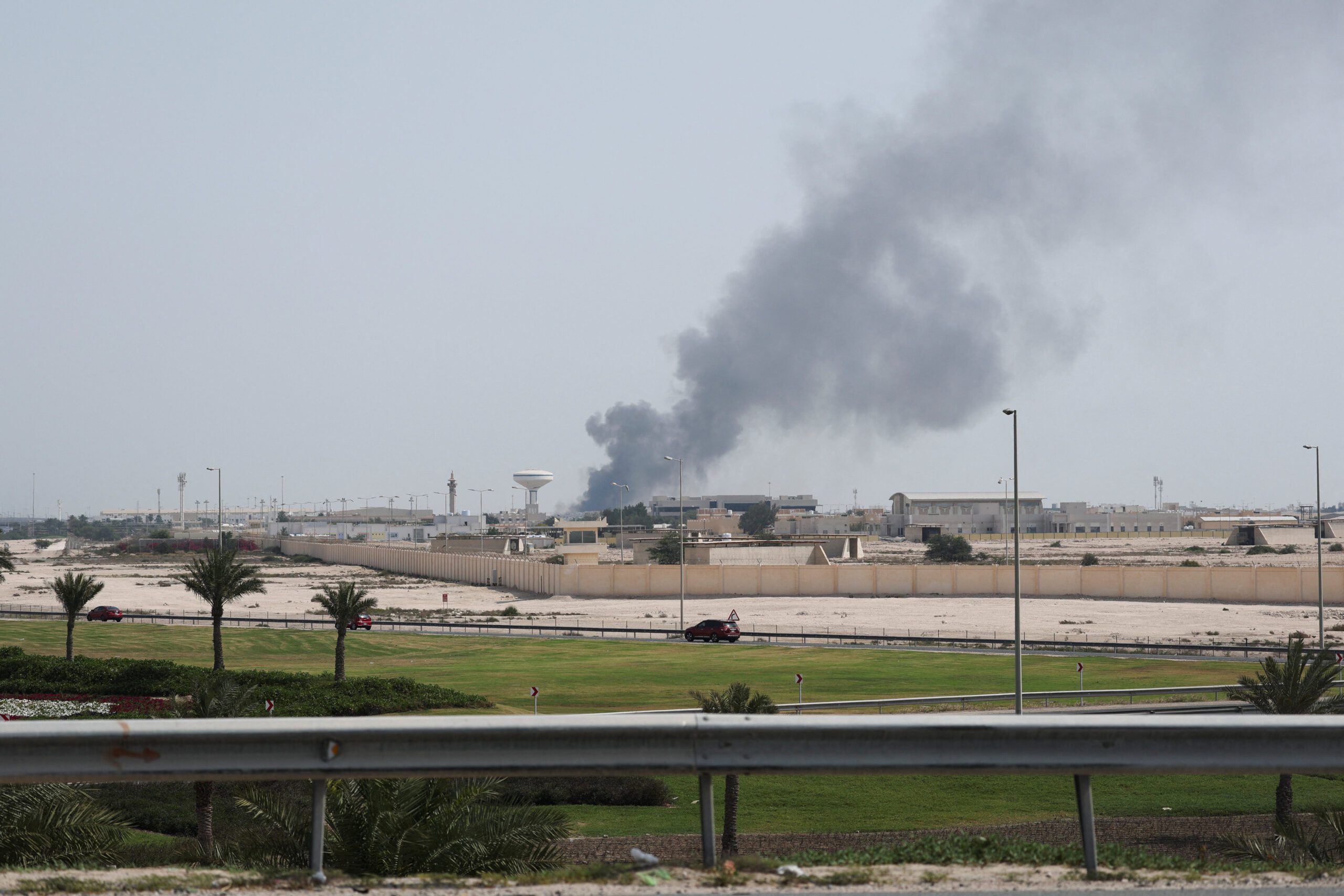
Smoke rises in the Fujairah oil industry zone, caused by debris after interception of a drone by air defenses, according to the Fujairah media office, amid the U.S.-Israeli conflict with Iran, in Fujairah, United Arab Emirates, March 14. (REUTERS/Staff)
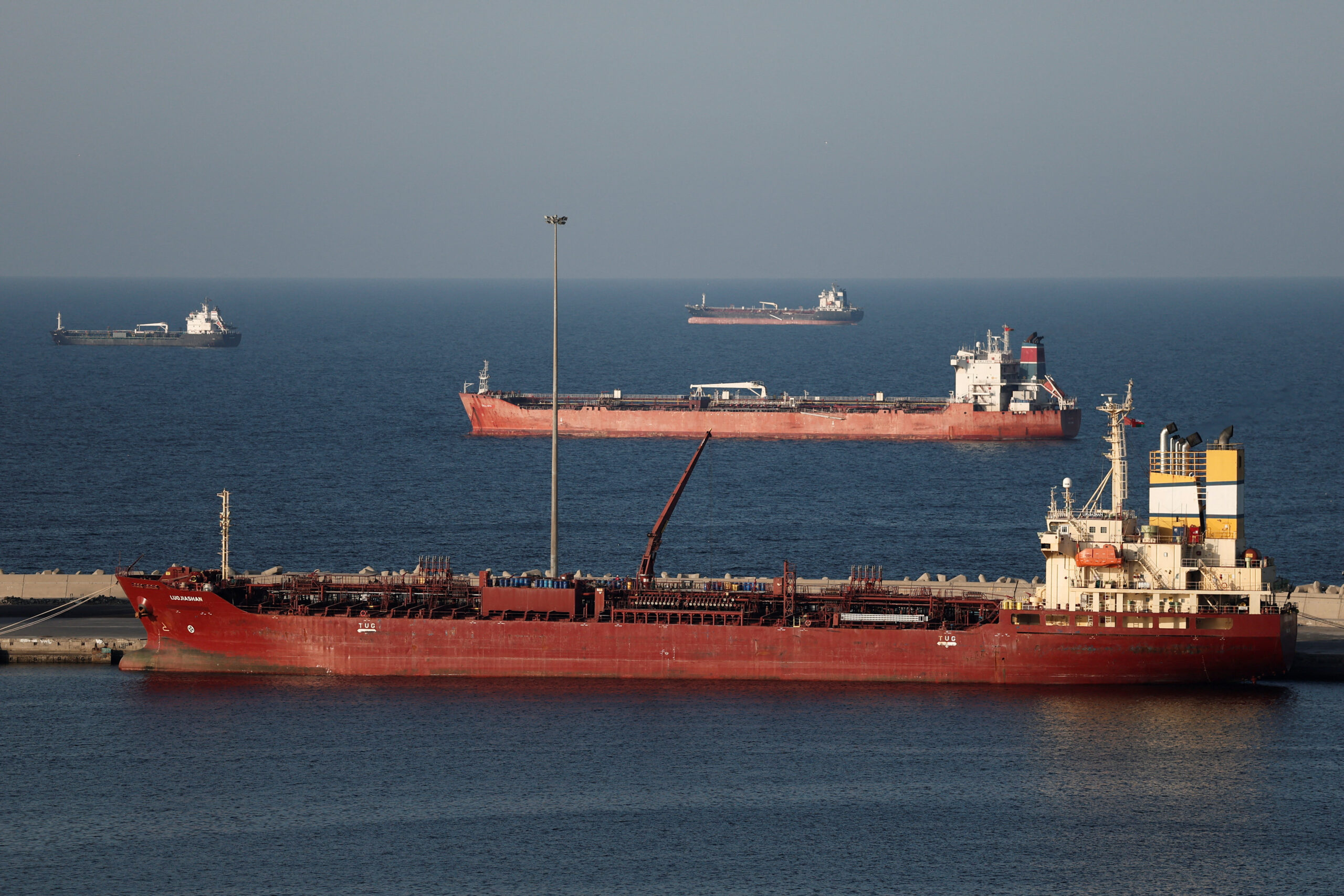
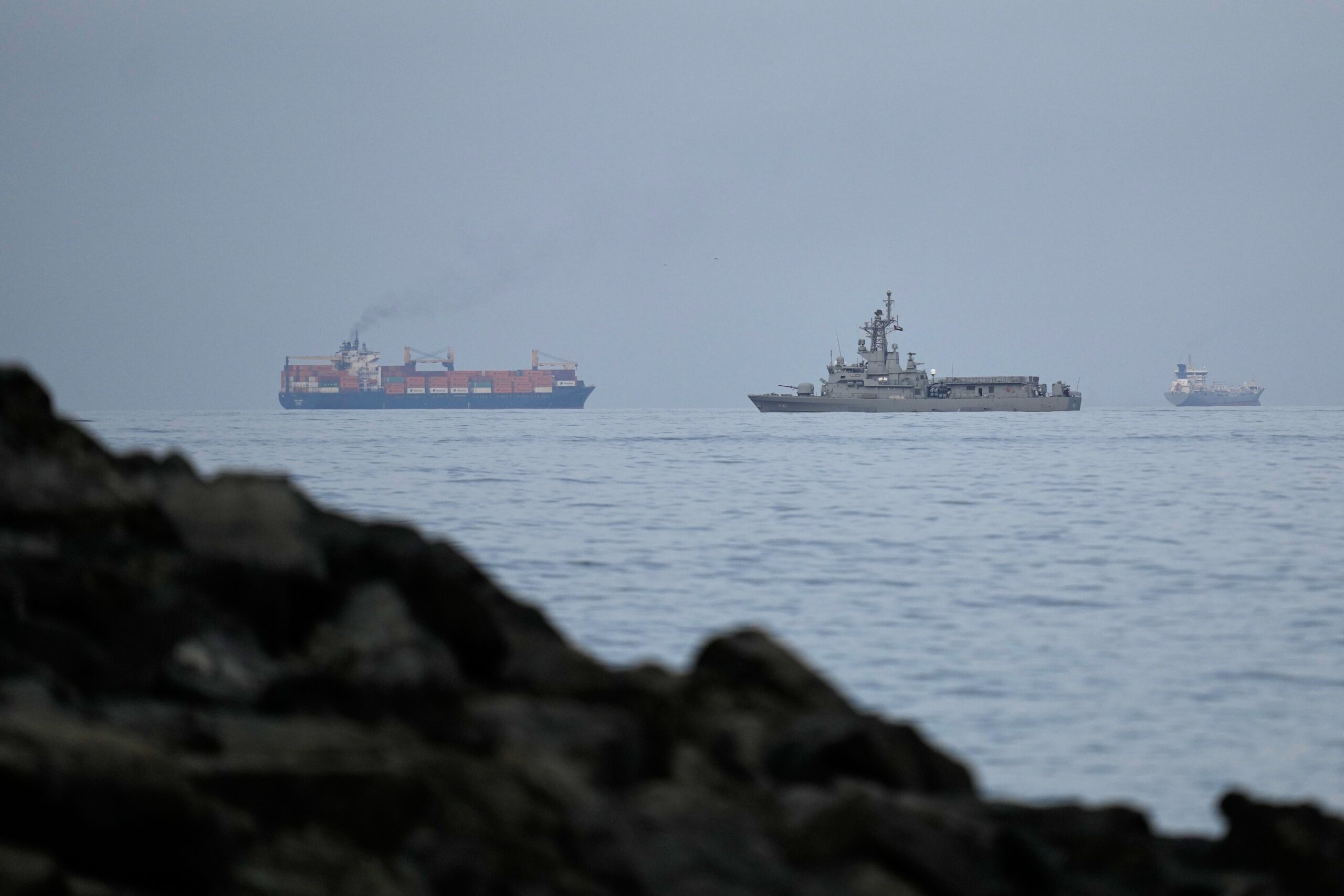
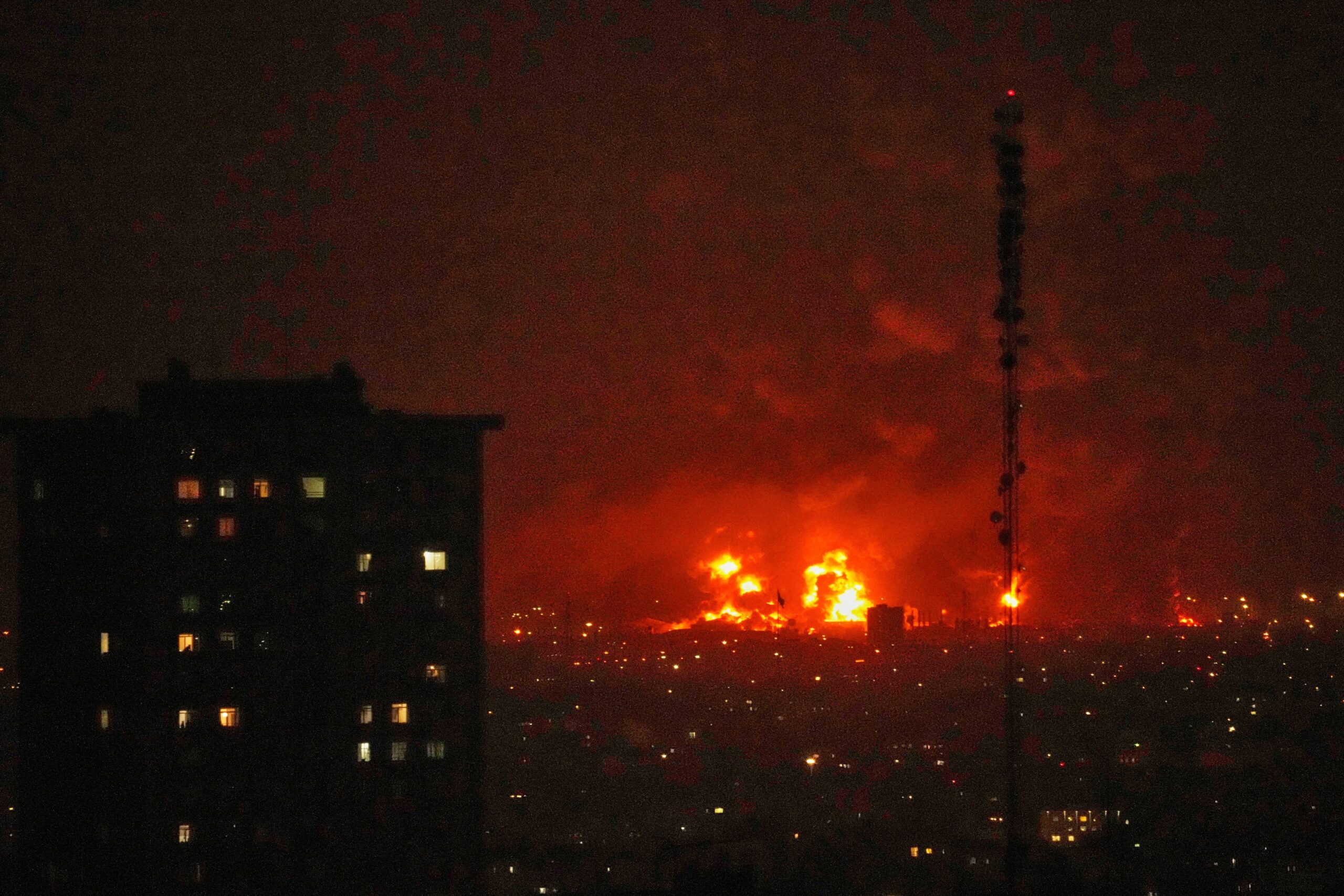
The war with Iran has effectively closed the Strait of Hormuz through which around 20% of global oil supply previously transited. This curtailment of supply has seen oil (and gas) prices rocket higher despite releases from strategic reserves and efforts by some producers to position additional oil in storage outside of the region ahead of conflict.
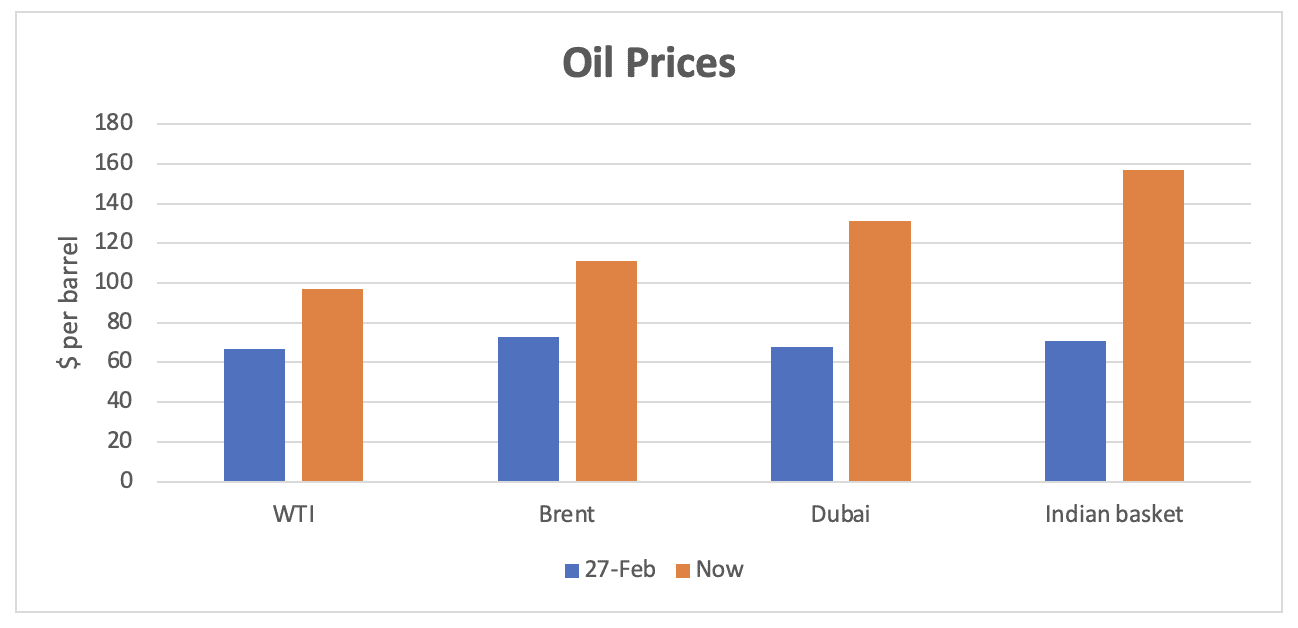
Oil prices, however, have not all been affected equally over the past month. Usually, light crude grades like Brent (from the North Sea) and West Texas Intermediate (from the United States), which are less dense and have lower sulfur content and are therefore easier to refine, trade at a premium to medium and heavier grades. Over the past month, however, Dubai (a medium grade) has nearly doubled in price and is currently trading at around $130 per barrel. This is well above Brent, which is trading at $111/bbl, and West Texas Intermediate, at $97/bbl – both up some 45% to 50% since the conflict started.
Asia Significantly Affected
Asia is particularly reliant on oil from the Gulf and is therefore being more affected by the Iran conflict than other regions. The substantial cutback in oil shipments from the Gulf has refiners in Asia scrambling to secure the medium and heavier crude grades their refineries need. While some oil is getting out of the Gulf through pipelines that avoid the Strait of Hormuz, this is of lighter grade. Production of heavier grades is being curtailed. The “Indian Basket,” which reflects a blend of oil that Indian refiners need, is priced at close to $160/bbl.
The shortage of Gulf crude, and the consequent spike in prices, is leading to significant economic adjustments in Asia, including fuel rationing, export curbs, the introduction of a 4-day work week, and work-from-home stipulations in some countries. The government in the Philippines has declared an energy emergency in the face of dwindling oil reserves, while some gas stations in Australia have been running out of supply as demand surges in the face of the current uncertainties. With retail fuel prices often subsidized, higher oil prices will put pressure on government finances and force difficult choices between implementing unpopular price increases or allowing fiscal deficits to increase.
Pipeline Helps, But Not a Complete Solution
Saudi Arabia’s far-sighted strategy to build the East-West oil pipeline is paying off. While the pipeline cannot fully offset the closure of the Strait of Hormuz, it certainly helps limit the loss of exports. This is important for Saudi Arabia to limit the impact on its oil revenue and for its key customers who can load their oil shipments at Yanbu.
Nevertheless, the decline in Gulf oil exports is still significant, with continuing repercussions for oil prices. If the Strait of Hormuz is not reopened soon, the negative impact on economic activity will escalate in Asia and broaden across the global economy.
The views represented herein are the author's or speaker's own and do not necessarily reflect the views of AGSI, its staff, or its board of directors.
The longer the conflict lasts, and the more damage to energy facilities, the greater the risk of oil market tightness, rising prices, and stranded commodities.
There was a growing war risk premium in the oil markets tied to escalating regional tensions; the shift from shadow confrontation to direct military action changes the calculus.
With young Saudis continuing to enter their working age years in large numbers, robust employment gains need to continue, but slower non-oil growth may present a challenge.
The 2025 budget deficit was larger than expected. The 2026 deficit is also likely to exceed the budget target, but higher oil prices may help contain any overrun.
The recent increase in the Saudi unemployment rate is puzzling and may be due to statistical issues with the Labor Force Survey rather than a reflection of economic conditions.
On January 8, AGSI hosted a virtual roundtable with its leadership and scholars as they look ahead and assess trends likely to shape the Gulf region and U.S. foreign policy during the coming year.