Jan 27, 2026
Iran’s State-Censored Media Reacts to Maliki’s Return to Power in Iraq
The January 27 edition of the Iran Media Review analyzes Iranian media reactions to an announcement that Nuri al-Maliki is likely to return as Iraq’s prime minister.

Islamic Dawa Party Chair Nuri al-Maliki seems set to return to office as Iraq’s prime minister, and Iranian analysts are weighing in on how Baghdad is likely to navigate its relationships with Iran and the United States. While technocratic media outlets discussed the general decline in Iran’s influence in Iraq, media outlets affiliated with the Islamic Revolutionary Guard Corps hailed the return of “the anti-American prime minister.”
- January 26: Ardeshir Pashang, a journalist and Iraq expert, wrote about Nuri al-Maliki’s likely return in economic newspaper Donya-ye Eqtesad:
- “There was a time when Iraq’s central government was struggling to survive or consolidate its authority. That time has passed, and Iraq is now seeking to play a regional role.”
- “Maliki will reduce tensions with Iran and the United States … and the United States, too, has a more realistic view of Iraq today. Over the past few months, the United States’ red line regarding Iraq was that members of the Popular Mobilization Forces or their affiliates should not hold any ministerial posts … This demand was moderated and clarified to specify that Popular Mobilization Forces members should not assume sensitive security positions, such as the ministries of interior and defense. Therefore, it appears that a kind of relative understanding has been reached between Baghdad and Washington, under which both the new Iraqi prime minister and the Shia ruling establishment are trying to avoid creating unnecessary tensions during Donald Trump’s presidency.”
- “In the meantime, however, we must see what fate Iran’s role in Iraq has met. Despite the fact that figures close to the Islamic Republic wield greater power in the Iraqi Parliament, Iran’s influence in Iraq is declining, and the extent of Iran’s leverage and room to maneuver in the country has become far more limited than in the past. Moreover, under these circumstances, Iran does not want to take any action in its foreign policy that would distance it from Iraq.”
- January 26: Islamic Revolutionary Guard Corps-affiliated Javan hailed the return of the “anti-American prime minister.”
The views represented herein are the author's or speaker's own and do not necessarily reflect the views of AGSI, its staff, or its board of directors.
Related
Iran Media Review
Jan 23, 2026
Government Claims 3,117 Dead in Iran Protests
The January 23 edition of the Iran Media Review examines a government statement on the death toll for the protests in Iran.
Iran Media Review
Jan 20, 2026
Defiant Khamenei Blames Trump for the Protests
The January 20 edition of the Iran Media Review examines a speech by Ayatollah Ali Khamenei blaming the United States for recent protests in Iran.
Iran Media Review
Jan 13, 2026
Decoupled From the Internet, IRGC Media Talks of Unity
The January 13 edition of the Iran Media Review considers IRGC-affiliated media’s unverifiable account of societal cohesion amid ongoing protests.
Jan 23, 2026
Government Claims 3,117 Dead in Iran Protests
The January 23 edition of the Iran Media Review examines a government statement on the death toll for the protests in Iran.
Jan 20, 2026
Defiant Khamenei Blames Trump for the Protests
The January 20 edition of the Iran Media Review examines a speech by Ayatollah Ali Khamenei blaming the United States for recent protests in Iran.
Jan 13, 2026
Decoupled From the Internet, IRGC Media Talks of Unity
The January 13 edition of the Iran Media Review considers IRGC-affiliated media’s unverifiable account of societal cohesion amid ongoing protests.
Analysis
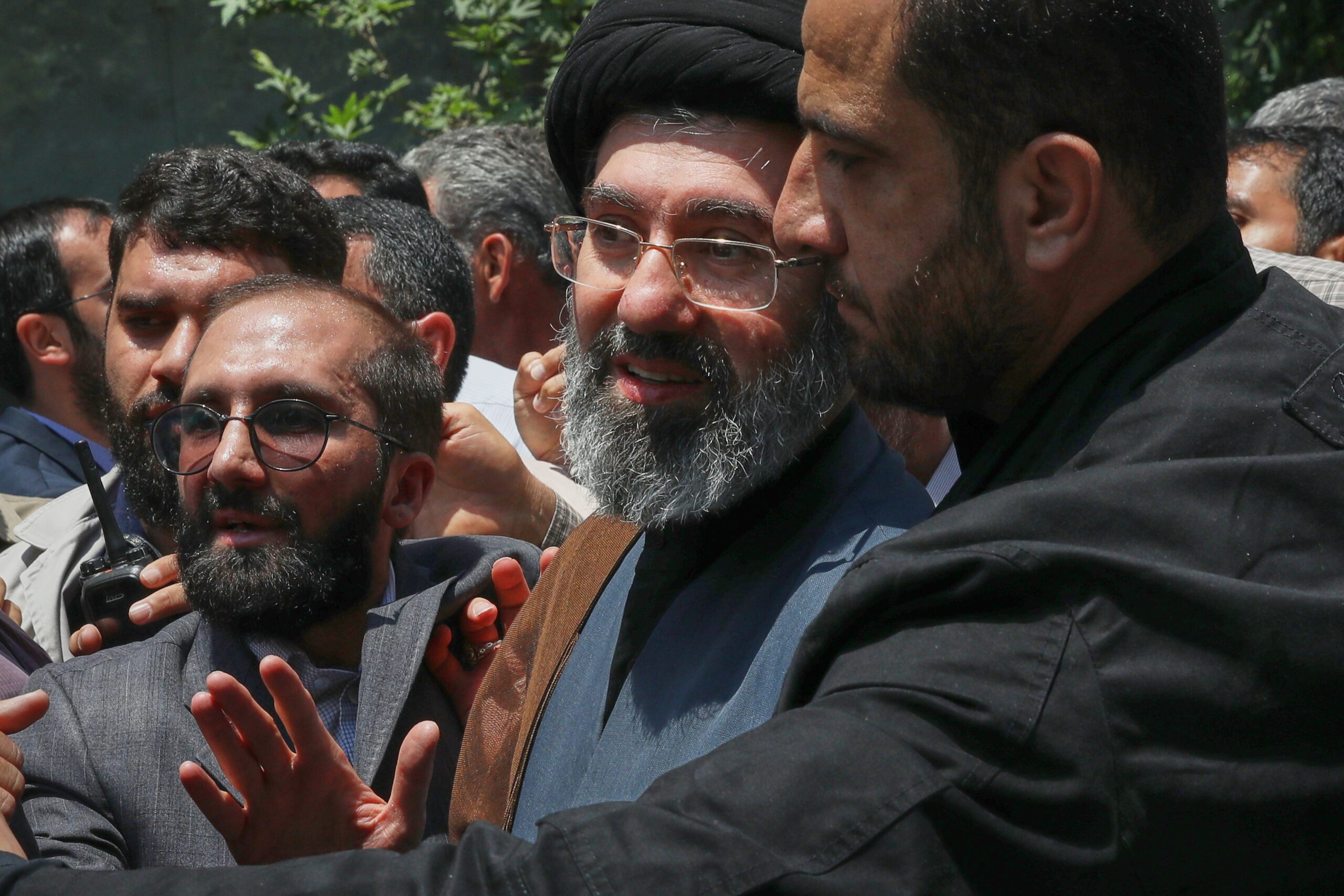
Under Mojtaba, the IRGC Will Reign Supreme
Iran may still call itself an Islamic Republic. In practice, however, it increasingly resembles a state in which the military governs from behind clerical robes.
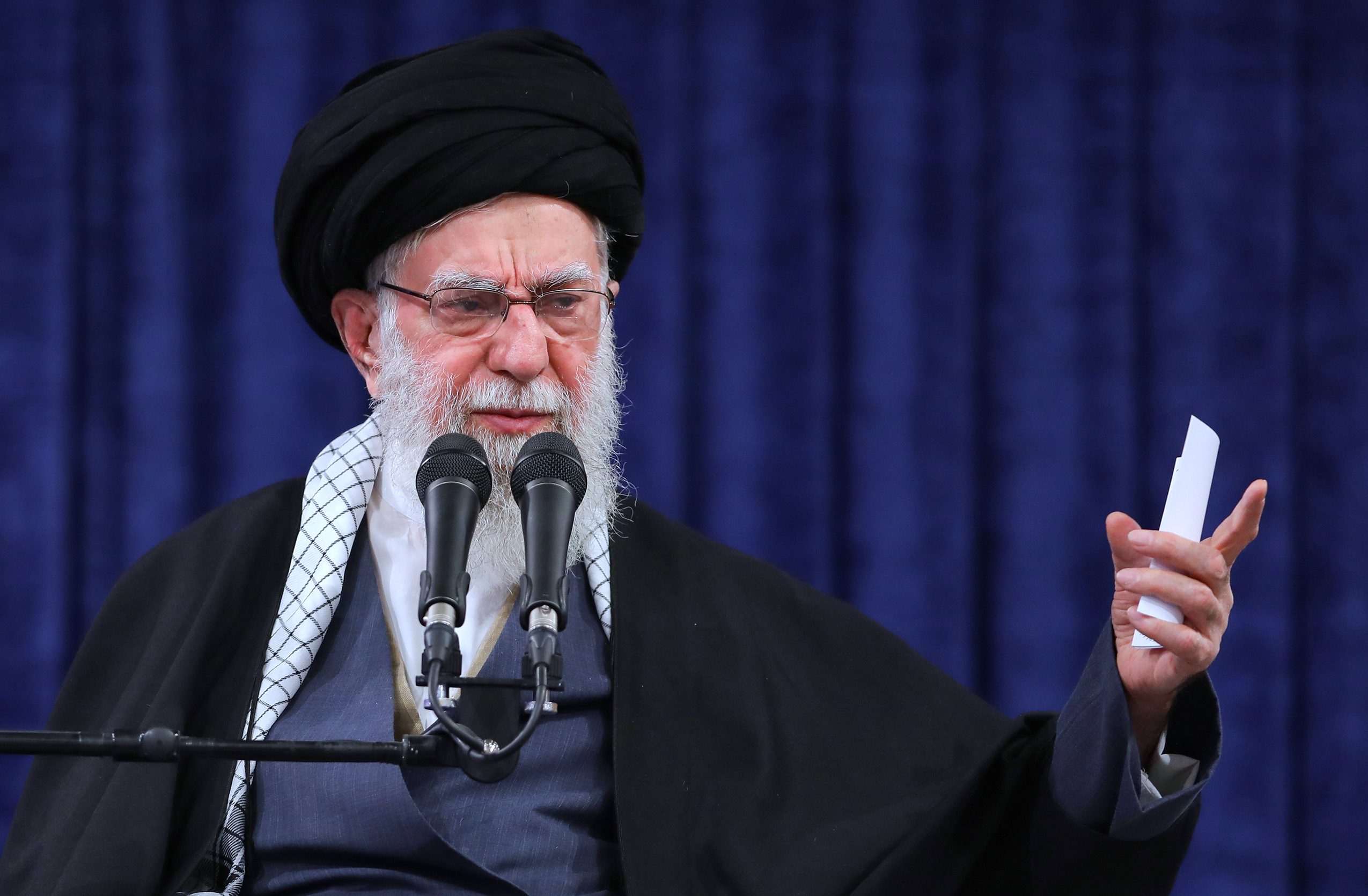
Political Life and Legacy of Iran’s Ayatollah Khamenei
Ayatollah Ali Khamenei was killed in his office in Tehran at age 86, leaving behind a country in ruins and on the verge of civil war and potential disintegration.
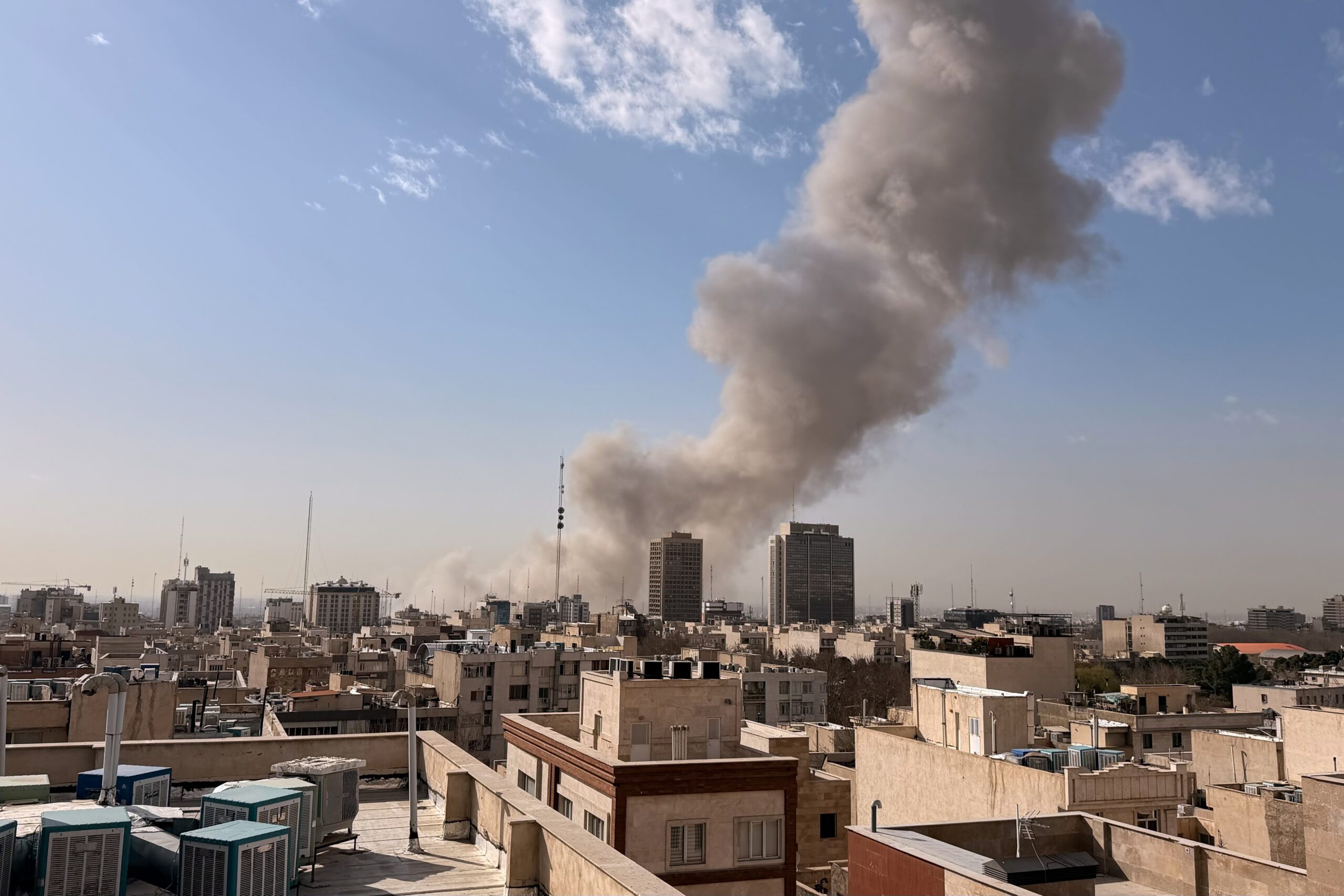
Iranian Regime Fighting for Survival
Iran is signaling that it will not absorb attacks passively. But whether this strategy ensures the regime’s survival, seals its fate, or accelerates a broader catastrophe will shape the region for years to come.
Iran’s 2025-26 Protests in Perspective
The erosion of the regime’s legitimacy across broad segments of society, combined with the breadth of the 2025-26 protest coalition, raises the possibility that a new confrontation could trigger renewed anti-regime mobilization.
Events
Mar 18, 2026
10:00am - 11:00am
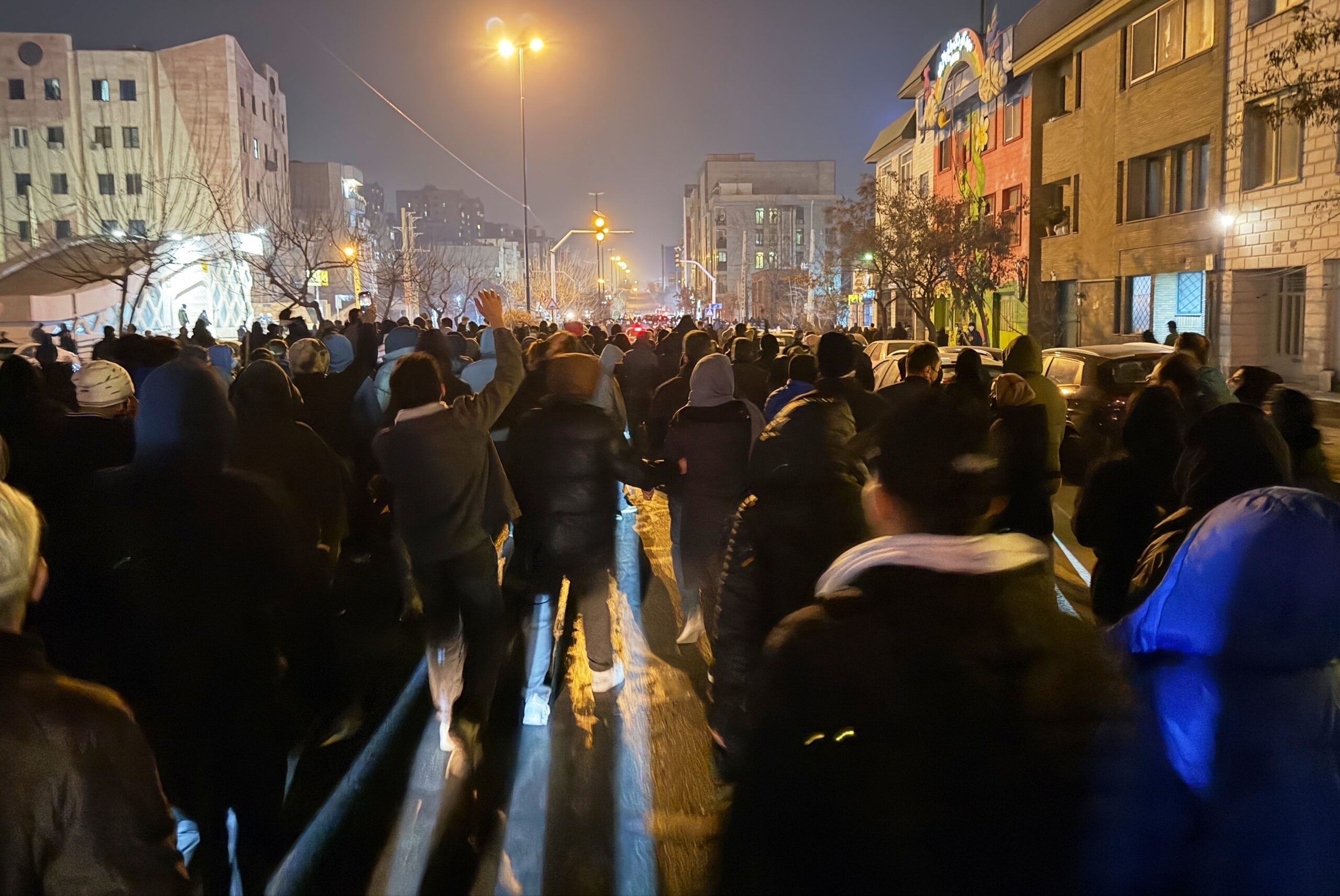
In Its Conflict With the United States and Israel, Does Escalation Favor Iran?
On March 18, AGSI will host a discussion on the escalation of the Iran war.
Speakers



Mar 2, 2026
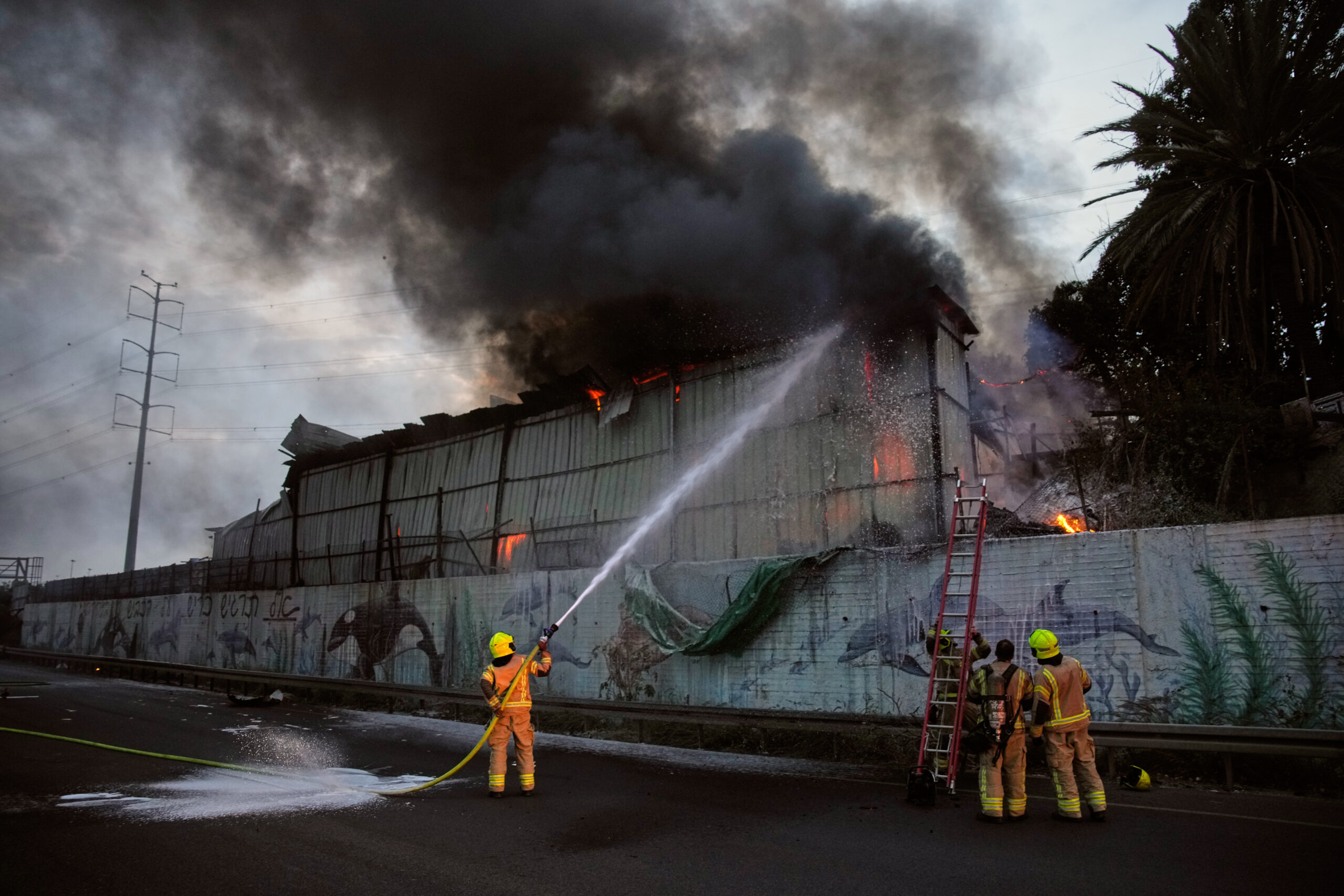
After the Shock: Implications of the U.S.–Israeli Strikes and Iran’s Leadership Transition
On March 2, AGSI hosted a discussion on the U.S.-Israeli strikes on Iran.
Speakers




Jan 8, 2026
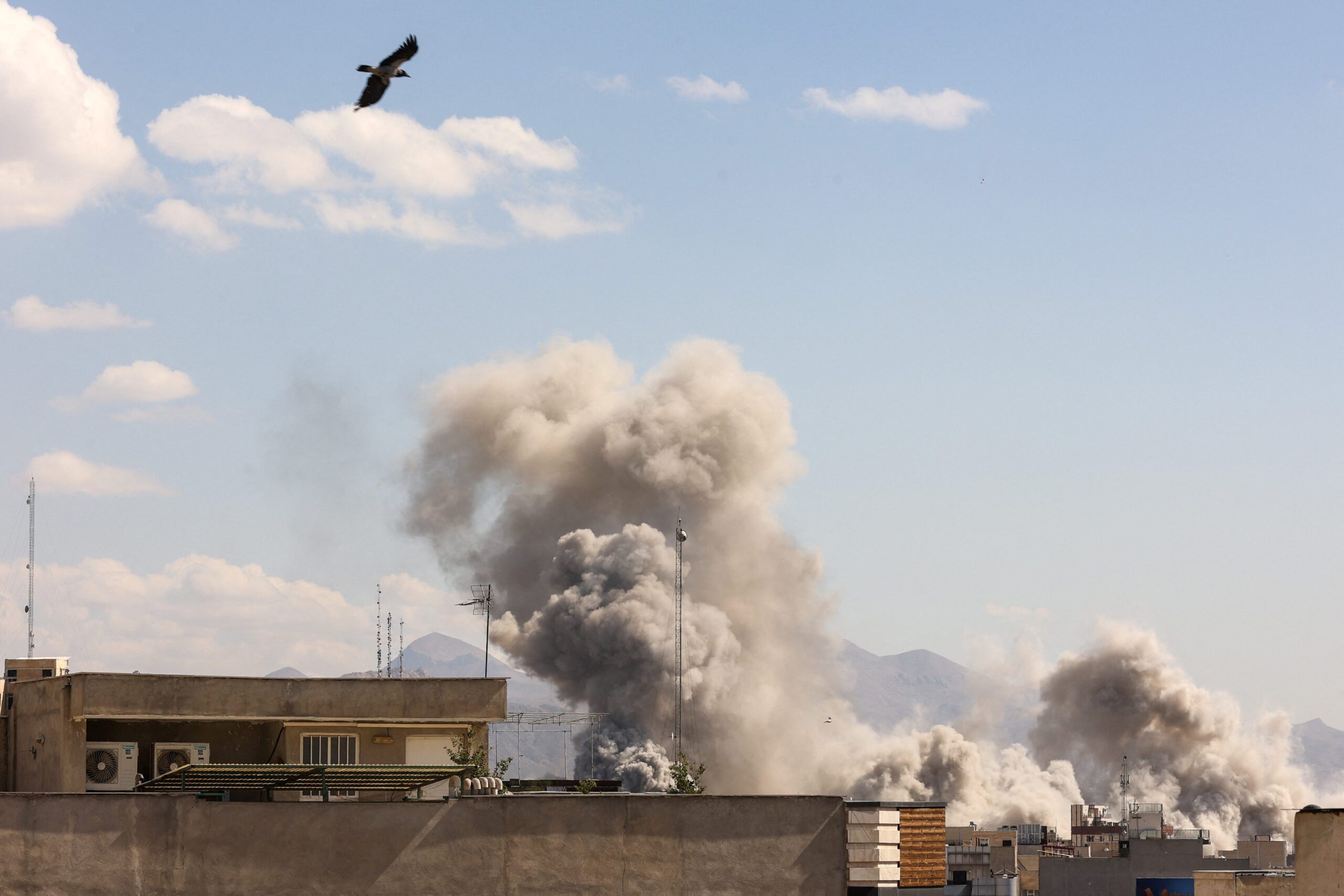
Outlook 2026: Prospects and Priorities for U.S.-Gulf Relations in the Year Ahead
On January 8, AGSI hosted a virtual roundtable with its leadership and scholars as they look ahead and assess trends likely to shape the Gulf region and U.S. foreign policy during the coming year.
Speakers


Sep 16, 2025
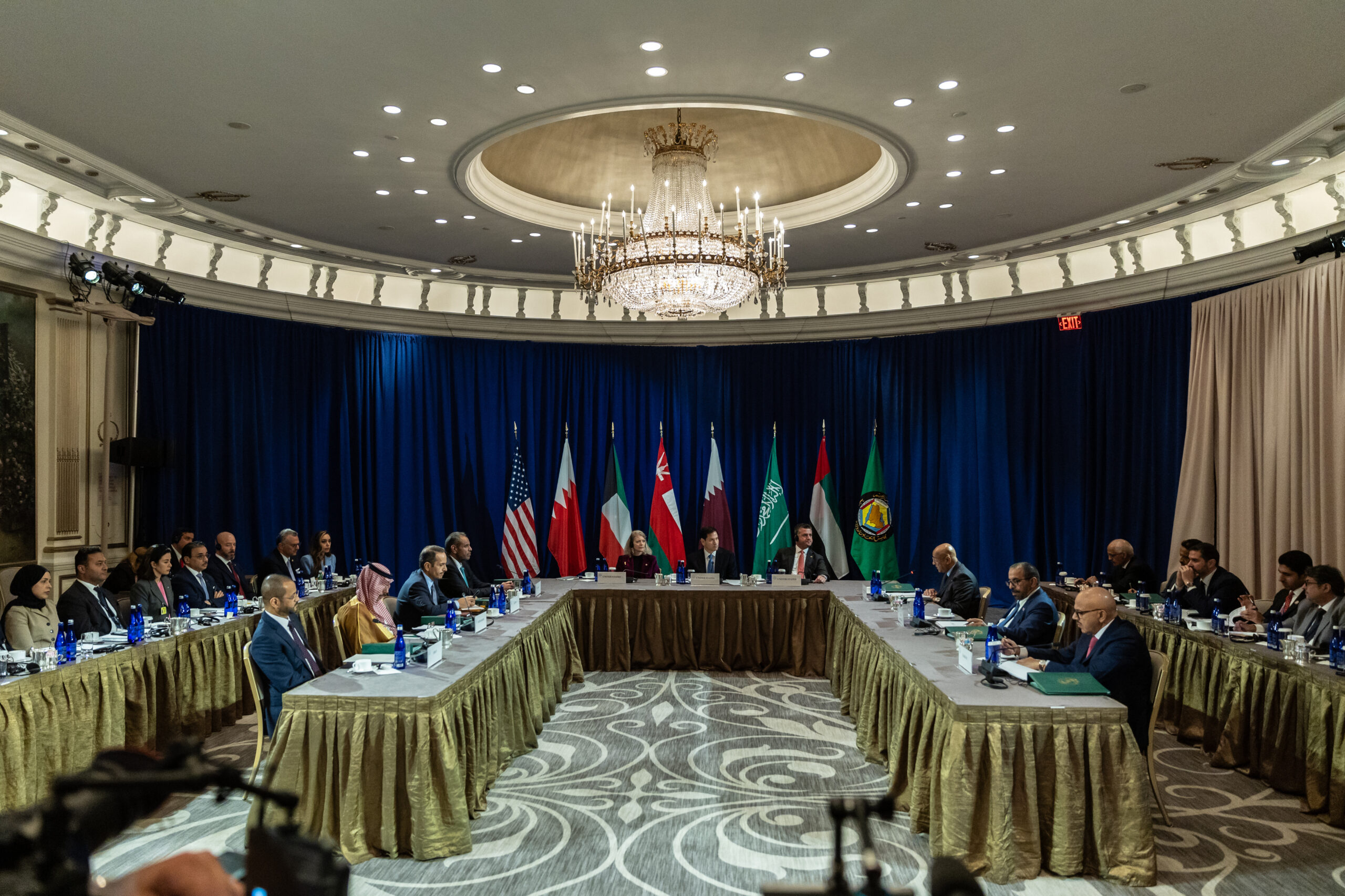
Book Talk: Iran’s Grand Strategy: A Political History
On September 16, AGSI hosted a discussion on the roots of Iran's strategic outlook.
Speakers