Apr 28, 2026
Iran’s Shuttered Ports: Trade Collapse, Job Losses, and the Rise of Smuggling
The April 28 edition of the Iran Media Review considers a new report on an economic crisis facing Iran’s coastal economy.

Iran’s coastal economy is buckling under wartime disruption. Port closures across the Gulf have halted trade, triggering mass layoffs in hubs including Bandar Abbas and Bushehr. As exports collapse and alternatives falter, smuggling expands, living standards plunge, and unemployment fuels a growing shadow economy.
- April 27: In a candid article, economic newspaper Donya-ye Eqtesad reported on socioeconomic conditions in Bandar Abbas and other coastal cities in southern Iran:
- An unnamed “economic actor” in Bandar Abbas said: “Under current wartime conditions, production and trade in the region have effectively faced serious disruption. As a result, we are witnessing a wave of layoffs, particularly in private-sector enterprises. These workforce reductions are estimated at between 30% and more than 60%, depending on the nature of the firms and their resilience under wartime conditions … Following these developments, many migrant workers have been forced to return to their home cities.”
- Another local source said: “You can see vehicles smuggling diesel moving at high speeds … If you want special contraband cargo, speedboats will supply it for you – though the cost of these boats has risen to about 100 million tomans,” around $700. “Meanwhile, the smuggling of certain goods continues … Most of this smuggling is carried out via Khasab, which is located near the United Arab Emirates, with Iran as the destination … Given the emergence of widespread unemployment in the province, the inclination toward illegal activities and smuggling will naturally increase among those in greater need. Therefore, it must be said that the effects of this unemployment will be long lasting … In some cases, people’s living conditions have become so difficult that ration coupons are their only source of income, and the standard of living has declined sharply.”
- Khorshid Gazderazi, chairman of the Bushehr Chamber of Commerce, told the newspaper:
- “The ports of the United Arab Emirates, Qatar, and Kuwait have been closed to Iranian cargo. Among the countries along the Persian Gulf, only Oman continues to maintain trade relations with us, and it lacks the necessary infrastructure to serve as a substitute.”
- “The port of Bushehr accounted for 70% of the country’s exports to Qatar, but now, in light of the aforementioned problems, our exports to that country have effectively come to a halt. Construction materials and mineral products made up the bulk of Iran’s exports to Qatar through Bushehr. Under current conditions, however, activity in these ports has fallen into recession.”
- Gazderazi identified the use of Umm Qasr port in Iraq as one of the alternative solutions for transporting goods to the country, adding: “We can also use this port to reduce transportation costs for goods entering the country. However, at present, Iraq does not accept Iran’s transit goods, and enabling this option will require serious negotiations at the level of the government and parliament.”
The views represented herein are the author's or speaker's own and do not necessarily reflect the views of AGSI, its staff, or its board of directors.
Related
Iran Media Review
Apr 24, 2026
Iranian Leadership Projects Continuity and Unity
The April 24 edition of the Iran Media Review examines Iranian leadership messaging projecting unity.
Iran Media Review
Apr 17, 2026
Iran’s Economic Futures: Deal, Stalemate, or War
The April 17 edition of the Iran Media Review highlights a new Iranian economic report predicting different rises in inflation tied to the country’s political future.
Iran Media Review
Apr 14, 2026
An Iranian Account of the Islamabad Talks
The April 14 edition of the Iran Media Review analyzes an Iranian official’s account of recent U.S.-Iranian negotiations in Pakistan.
Apr 24, 2026
Iranian Leadership Projects Continuity and Unity
The April 24 edition of the Iran Media Review examines Iranian leadership messaging projecting unity.
Apr 17, 2026
Iran’s Economic Futures: Deal, Stalemate, or War
The April 17 edition of the Iran Media Review highlights a new Iranian economic report predicting different rises in inflation tied to the country’s political future.
Apr 14, 2026
An Iranian Account of the Islamabad Talks
The April 14 edition of the Iran Media Review analyzes an Iranian official’s account of recent U.S.-Iranian negotiations in Pakistan.
Analysis
The Islamic Republic Returns to Offense
After U.S.-Israeli strikes killed Supreme Leader Ayatollah Ali Khamenei on February 28, Iran’s collective leadership has concluded that the best defense is a good offense.
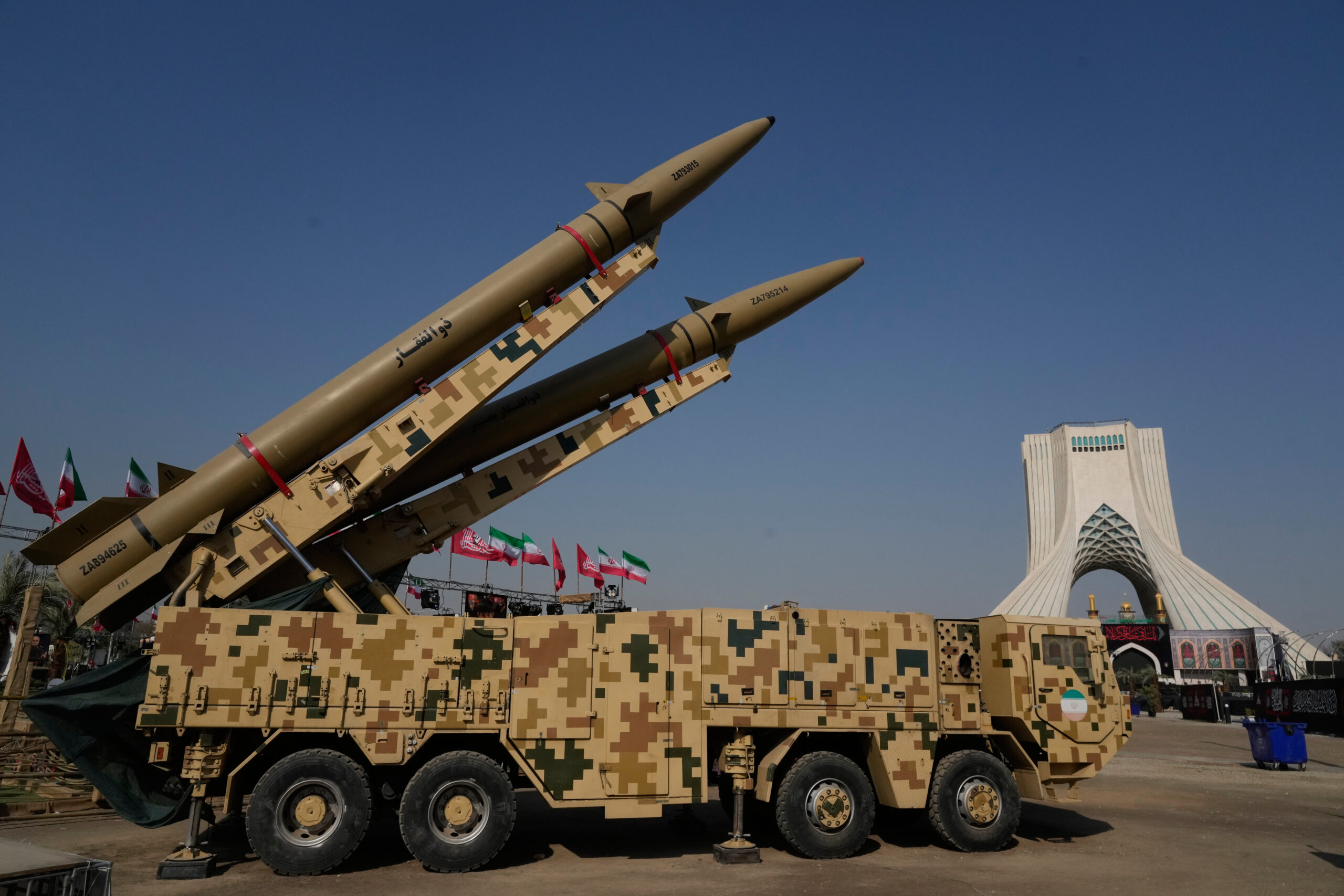
Iran’s Collective Strategic Decision Making
Wartime pressure has temporarily aligned the leadership’s overriding interest in regime survival, even as its members continue to differ over the costs, methods, and ultimate objectives of the war.
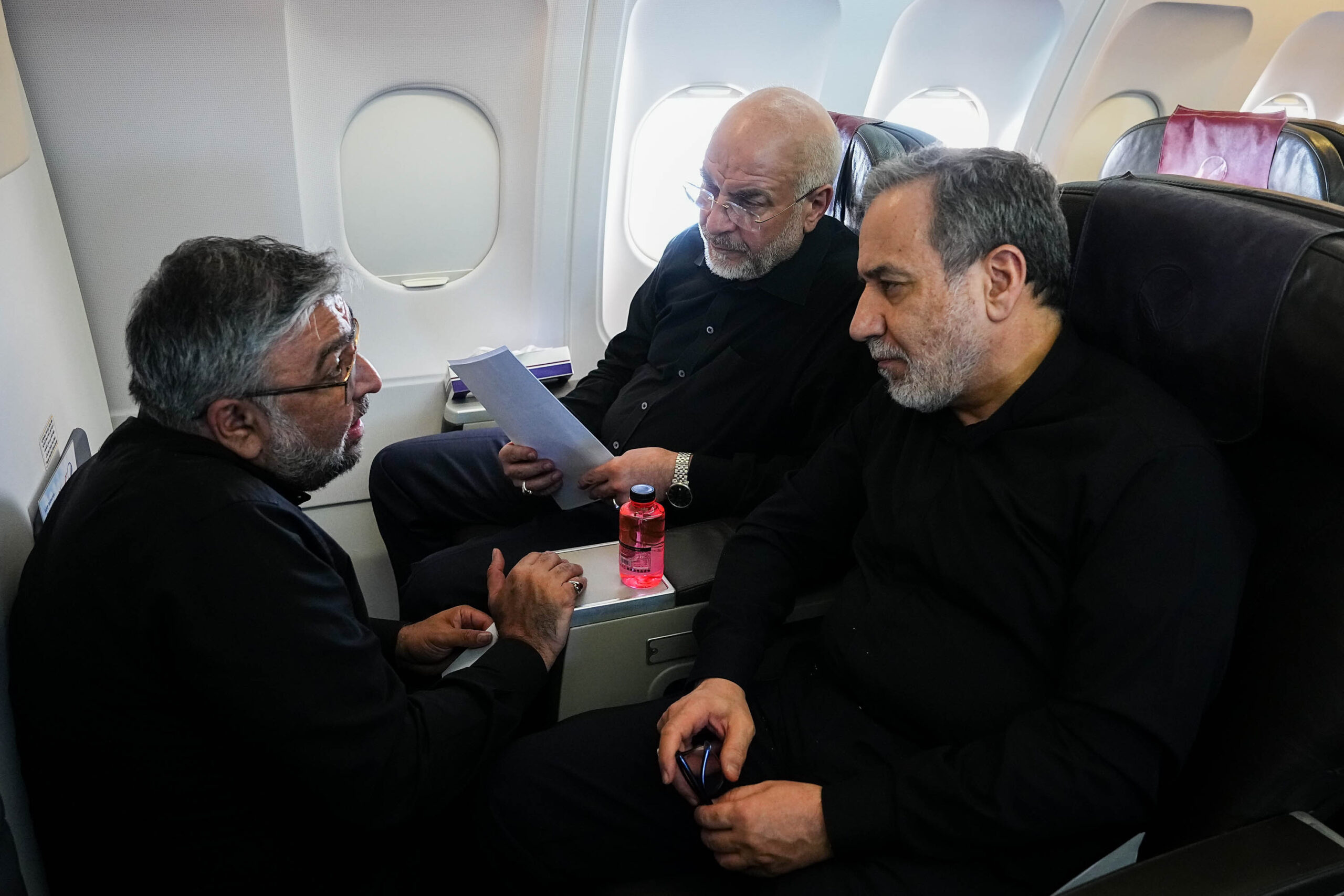
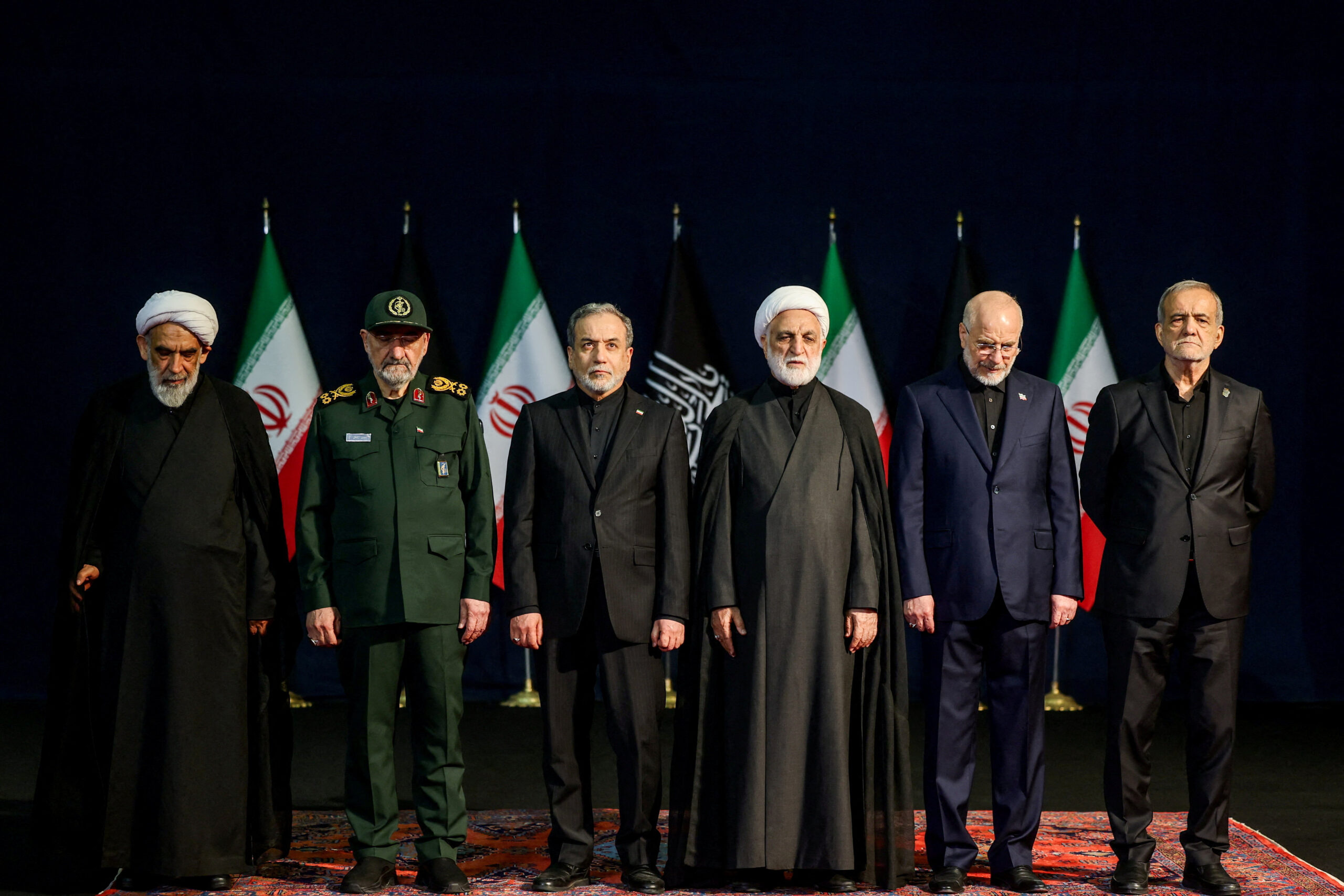
The Islamic Republic’s Collective Leadership
While there is historical precedent for collective leadership in Iran, today’s leadership includes representatives of the IRGC and regular military – a reflection of the IRGC’s expanding role and the necessities of governing under wartime conditions.
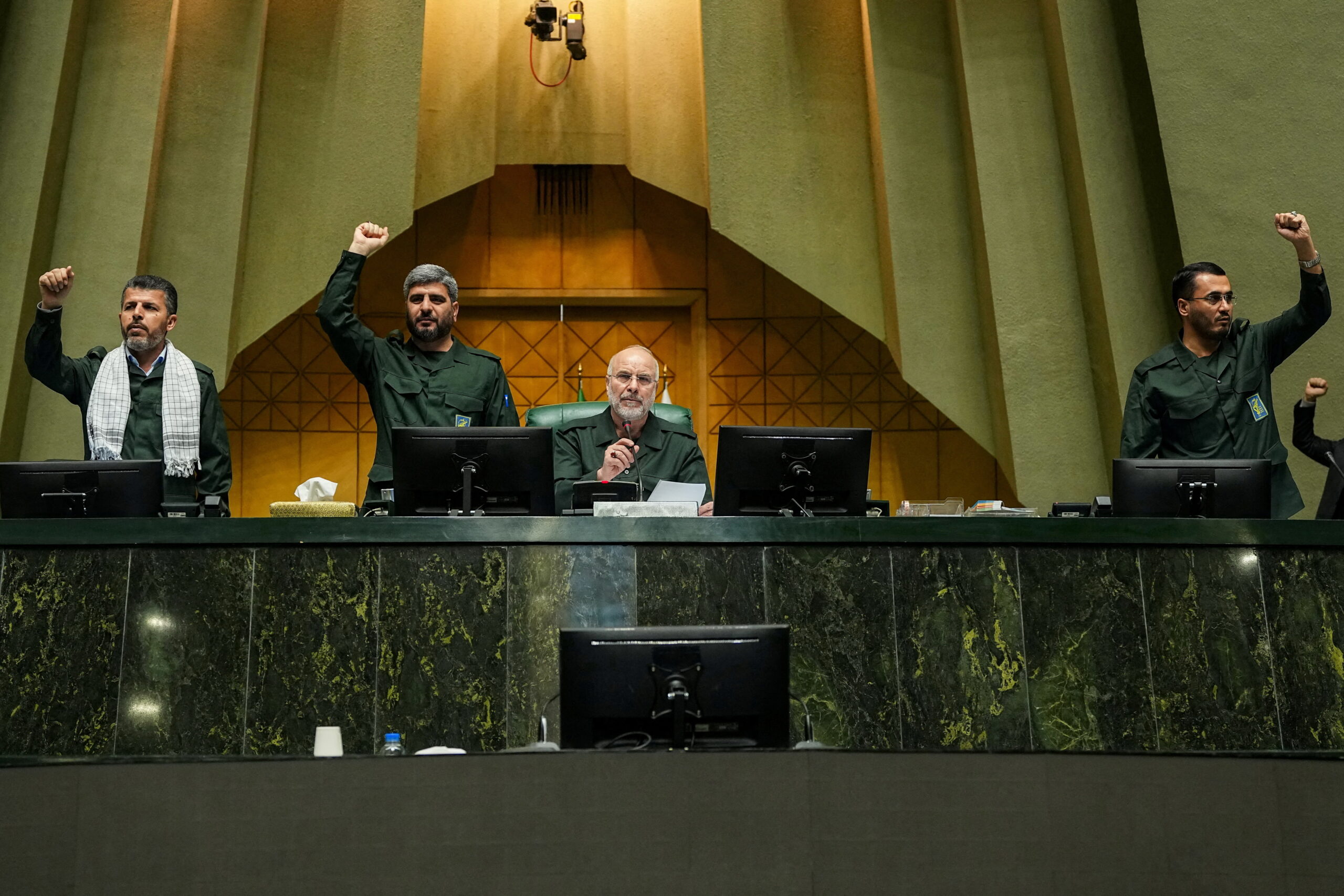
How Did the IRGC Seize Power in Iran?
The IRGC did not seize power in a single stroke. It accumulated it – patiently, methodically – until no counterweight remained.
Events
Book Talk: Iran and the Bomb: The United States, Iran and the Nuclear Question
On June 16, AGSI hosted a discussion on the evolution of Iran's nuclear program.
Speakers


Apr 21, 2026
Inside Iran’s Wartime Leadership: Power, Succession, and Regime Stability
On April 21, AGSI hosted a discussion on the evolution of Iran's leadership during the war.
Speakers

Mar 18, 2026
In Its Conflict With the United States and Israel, Does Escalation Favor Iran?
On March 18, AGSI hosted a discussion on the escalation of the Iran war.
Speakers



Mar 2, 2026
After the Shock: Implications of the U.S.–Israeli Strikes and Iran’s Leadership Transition
On March 2, AGSI hosted a discussion on the U.S.-Israeli strikes on Iran.
Speakers