Nov 18, 2022
Iran’s “Martyrs of Public Security” Reach 53
The November 18 edition of the Iran Media Review considers the unprecedented number of security forces killed during recent protests in Iran.

More than two months since the eruption of anti-government protests in Iran, the Islamic Republic is breaking a remarkable record: Based on data from Persian-language coverage of funeral services in Iran, 53 members of various branches of Iran’s security forces have been killed while suppressing the ongoing protests. This is the highest number of uniformed regime personnel fatalities, or “martyrs of public security” in regime parlance, during domestic unrest since the early 1980s.
The Islamic Republic itself was born out of anti-government protests, which led to the victory of the revolution in 1979. Before long, the revolutionaries turned against each other in their attempts to seize control over the new regime. But by June 1981, the dominant group among the ruling elites of the Islamic Republic defeated all organized opposition and consolidated its rule.
Since that time, Iran has experienced seven major anti-government protests:
- The 1992 protests provoked by local government to bulldoze shantytowns in Mashhad
- The 1995 protests against a 30% increase in bus fares from the suburbs to central Tehran
- The 1999 student uprisings against the closure of the Salam newspaper
- The 2009 protests against fraudulent elections that secured President Mahmoud Ahmadinejad’s reelection
- The 2017-18 protests against the increased price of foodstuffs
- The 2019 protests against gasoline rationing and price hikes
- The 2022 protests against the death of Mahsa Amini and enforcement of the hijab law by the “morality police”
During the 1990s, then-President Ali Akbar Hashemi Rafsanjani’s urban modernization plans and economic stabilization policy provoked violent protests among unprivileged classes, who lost government subsidies and even their dwellings in shantytowns in Mashhad, in northeastern Iran. Despite their size and importance, the government personnel death toll was limited to six police officers. The dramatic student uprisings in 1999, which were Iran’s replay of China’s Tiananmen Square protests a decade earlier, did not entail loss of life for the regime’s uniformed personnel. And the total death toll of 23 regime members in the wake of protests against the fraudulent elections in 2009 is somewhat debatable, as some of the victims may have been onlookers rather than uniformed government personnel. The 2018 economic protests cost the life of one member of the Basij militia, and six members were killed in the 2019 protests.
The 2022 protests, on the other hand, have hitherto cost the lives of 53 uniformed regime personnel, 31 of whom served in the Basij, nine in the IRGC, ten in the Law Enforcement Forces, two in the army, who appear to have countered the protesters in a private capacity, not as a part of a deployed army force, and one, whose service affiliation cannot be determined. Just as remarkable are the causes of death of regime personnel: 26 were shot, ten stabbed, four hit by cars, one struck by a hand grenade, another hit by a molotov cocktail, and yet another beaten to death, while the specific cause of death of the rest is unclear. Use of rifles appears to have been more widespread in the periphery provinces of Kurdistan and Sistan and Baluchistan. More remarkable, one Colonel of the police was shot when his home was attacked, and another Colonel of the police was stabbed to death when driving home in civilian dress, but stabbed to death when his car was stopped and his affiliation with the Law Enforcement Forces became known.
The views represented herein are the author's or speaker's own and do not necessarily reflect the views of AGSI, its staff, or its board of directors.
Related
Iran Media Review
Nov 15, 2022
Morality Police “Not Backing Down,” Yet Seem to be Backing Down – for Now
The November 15 edition of the Iran Media Review highlights contradictory messages from Iran’s morality police regarding enforcing the hijab mandate.
Iran Media Review
Nov 10, 2022
Facing Rising Death Toll in Sistan and Baluchistan Province, the Regime Turns Against Local Sunni Leader
The November 10 edition of the Iran Media Review explores harsh criticism in Iran’s state-censored media of Sunni religious leader Molavi Abdolhamid Ismaeelzahi.
Nov 15, 2022
Morality Police “Not Backing Down,” Yet Seem to be Backing Down – for Now
The November 15 edition of the Iran Media Review highlights contradictory messages from Iran’s morality police regarding enforcing the hijab mandate.
Nov 10, 2022
Facing Rising Death Toll in Sistan and Baluchistan Province, the Regime Turns Against Local Sunni Leader
The November 10 edition of the Iran Media Review explores harsh criticism in Iran’s state-censored media of Sunni religious leader Molavi Abdolhamid Ismaeelzahi.
Analysis
Under Mojtaba, the IRGC Will Reign Supreme
Iran may still call itself an Islamic Republic. In practice, however, it increasingly resembles a state in which the military governs from behind clerical robes.
Political Life and Legacy of Iran’s Ayatollah Khamenei
Ayatollah Ali Khamenei was killed in his office in Tehran at age 86, leaving behind a country in ruins and on the verge of civil war and potential disintegration.
Iranian Regime Fighting for Survival
Iran is signaling that it will not absorb attacks passively. But whether this strategy ensures the regime’s survival, seals its fate, or accelerates a broader catastrophe will shape the region for years to come.
Iran’s 2025-26 Protests in Perspective
The erosion of the regime’s legitimacy across broad segments of society, combined with the breadth of the 2025-26 protest coalition, raises the possibility that a new confrontation could trigger renewed anti-regime mobilization.
Events
Mar 2, 2026
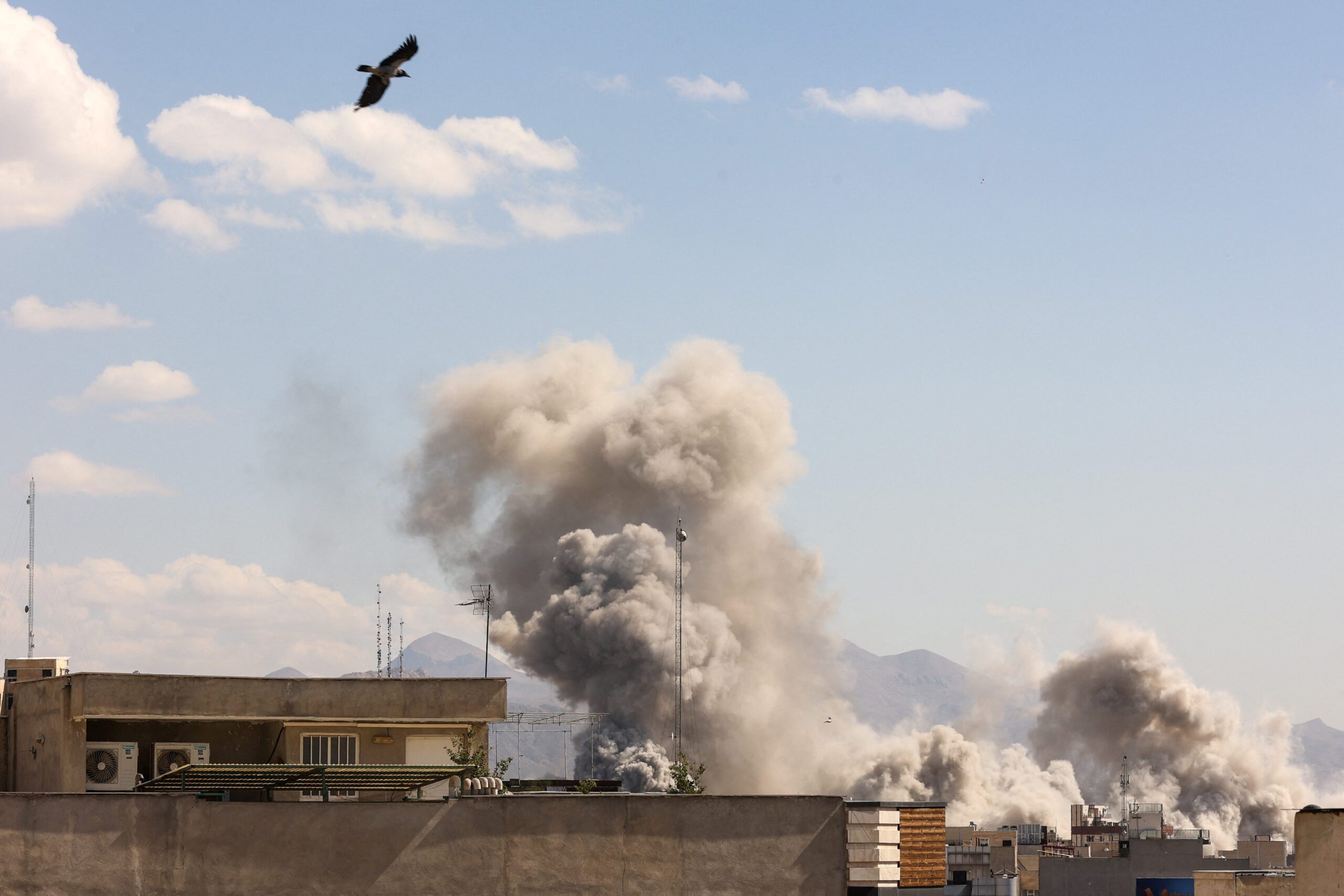
After the Shock: Implications of the U.S.–Israeli Strikes and Iran’s Leadership Transition
On March 2, AGSI hosted a discussion on the U.S.-Israeli strikes on Iran.
Speakers




Jan 8, 2026
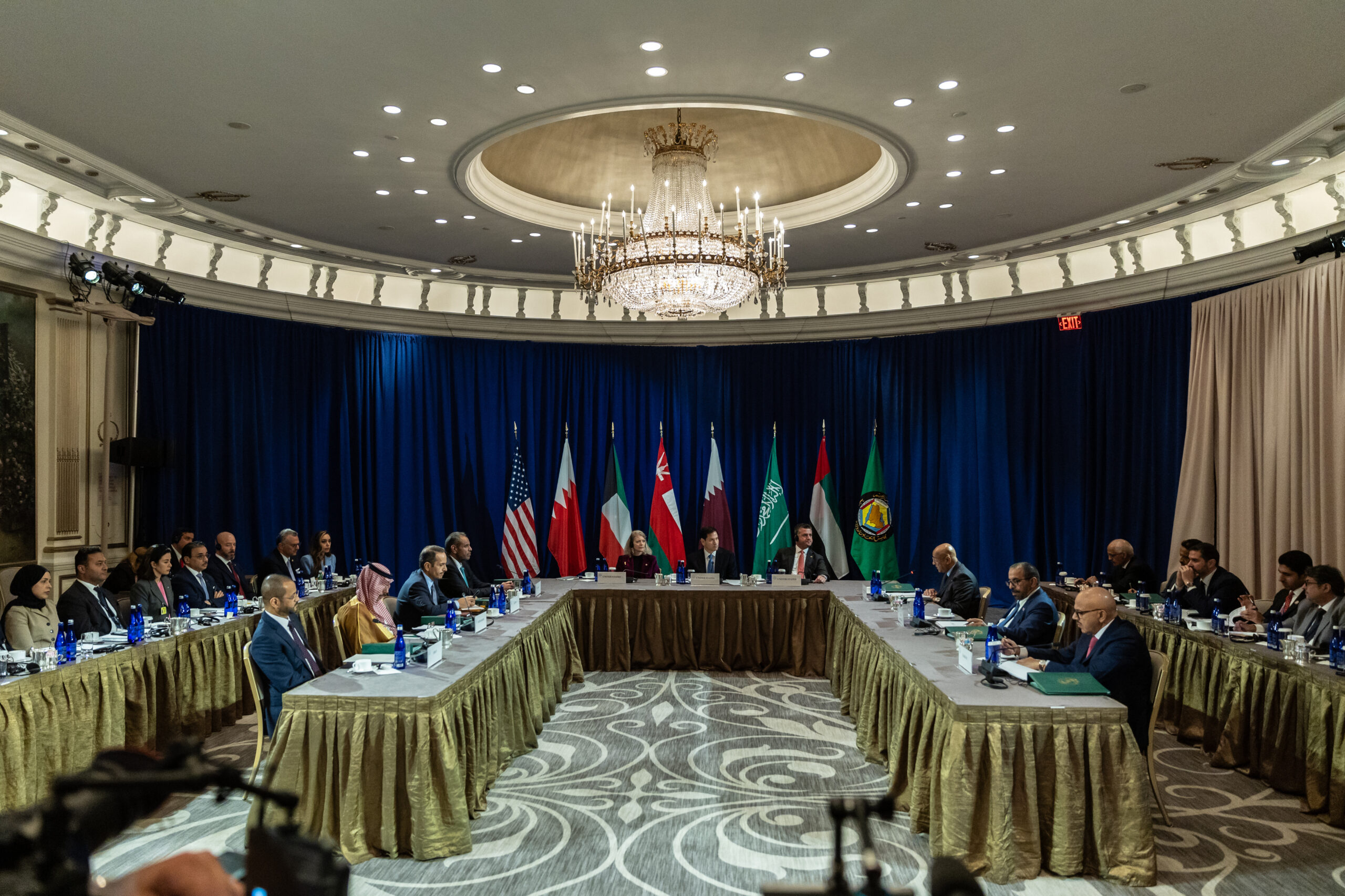
Outlook 2026: Prospects and Priorities for U.S.-Gulf Relations in the Year Ahead
On January 8, AGSI hosted a virtual roundtable with its leadership and scholars as they look ahead and assess trends likely to shape the Gulf region and U.S. foreign policy during the coming year.
Speakers


Sep 16, 2025
Book Talk: Iran’s Grand Strategy: A Political History
On September 16, AGSI hosted a discussion on the roots of Iran's strategic outlook.
Speakers
Jun 23, 2025
U.S. Strike on Iran: Regional and Diplomatic Fallout
On June 23, AGSI hosted a discussion on the United States' attack on Iranian nuclear sites.
Speakers
