Mar 18, 2025
Iranian Media Responds to President Trump’s Warnings
The March 18 edition of the Iran Media Review considers Iranian commentary on the potential for U.S. military action against Iran.

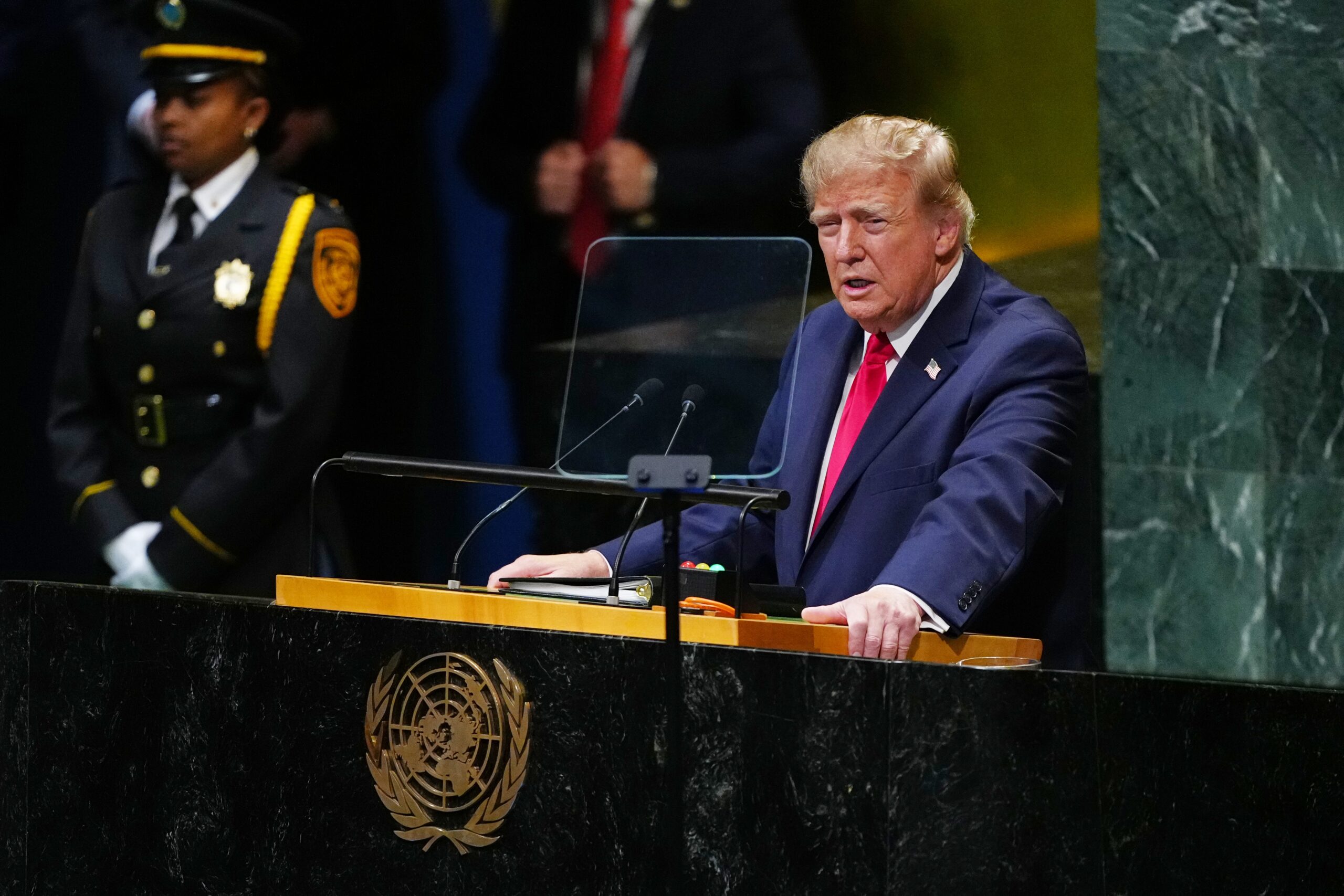
Iranian media has been dominated by commentary on a March 17 Truth Social post by President Donald J. Trump accusing Iran of “dictating every move” of Yemen’s Houthis and warning that Tehran will be held accountable for “every shot fired by the Houthis.” Some media outlets affiliated with Iran’s Islamic Revolutionary Guard Corps are cautioning their audiences about the potential for U.S. military action against Iran.
- March 18: Reformist Entekhab News reported on a diplomatic communiqué addressing the U.N. Security Council by Amir Saeed Iravani, Iran’s permanent representative to the United Nations, condemning what he described as “reckless and provocative statements” by the U.S. president and other officials. Iravani asserted that these remarks were “unfounded accusations” and threats of the use of force against Iran.
- March 18: Nour News, which is affiliated with Iran’s Supreme National Security Council, published a Persian translation of a March 17 post by U.S. media personality Tucker Carlson on X (formerly Twitter). Carlson warned against U.S. military action targeting Iran’s nuclear infrastructure, underscoring the potential geopolitical ramifications of such a course of action.
- March 18: IRGC-affiliated Mashregh News provided a strategic assessment of Trump’s rhetoric, arguing:
- “Despite his confrontational discourse, it appears that Trump has yet to formulate a definitive policy vis-à-vis Iran … While a full-scale military offensive against Iran remains improbable, there exists a marginal possibility of limited, symbolic strikes … However … the United States is genetically prone to temporary insanity when it comes to dealing with Iran, and, naturally, behavior of an insane individual cannot be analyzed within the framework of rational analysis. Therefore, we must not exclude the possibility of insanity and stupidity of Trump.”
- March 18: Tabnak News, a platform aligned with Mohsen Rezaei – the longest-serving commander of the IRGC, featured an interview with Nader Entessar, a professor at the University of South Alabama. In his analysis, Entessar posited:
- “I believe Israeli Prime Minister Benjamin Netanyahu has successfully persuaded Trump that there is now a strategic window of opportunity to escalate the conflict in Yemen as a prelude to exerting coercive pressure on Iran. This escalation would serve as a tactical prerequisite for compelling Tehran to acquiesce to Washington’s broader strategic demands.”
The views represented herein are the author's or speaker's own and do not necessarily reflect the views of AGSI, its staff, or its board of directors.
Related
Iran Media Review
Mar 14, 2025
The UAE Conveys Trump’s Message, Khamenei Rejects Negotiations
The March 14 edition of the Iran Media Review highlights Iranian remarks regarding negotiations with the United States following reports the UAE delivered a communique from President Trump.
Iran Media Review
Mar 11, 2025
Iran: To Negotiate, or Not To Negotiate?
The March 11 edition of the Iran Media Review examines top Iranian officials’ responses to the United States’ renewed calls for negotiations.
Mar 14, 2025
The UAE Conveys Trump’s Message, Khamenei Rejects Negotiations
The March 14 edition of the Iran Media Review highlights Iranian remarks regarding negotiations with the United States following reports the UAE delivered a communique from President Trump.
Mar 11, 2025
Iran: To Negotiate, or Not To Negotiate?
The March 11 edition of the Iran Media Review examines top Iranian officials’ responses to the United States’ renewed calls for negotiations.
Analysis
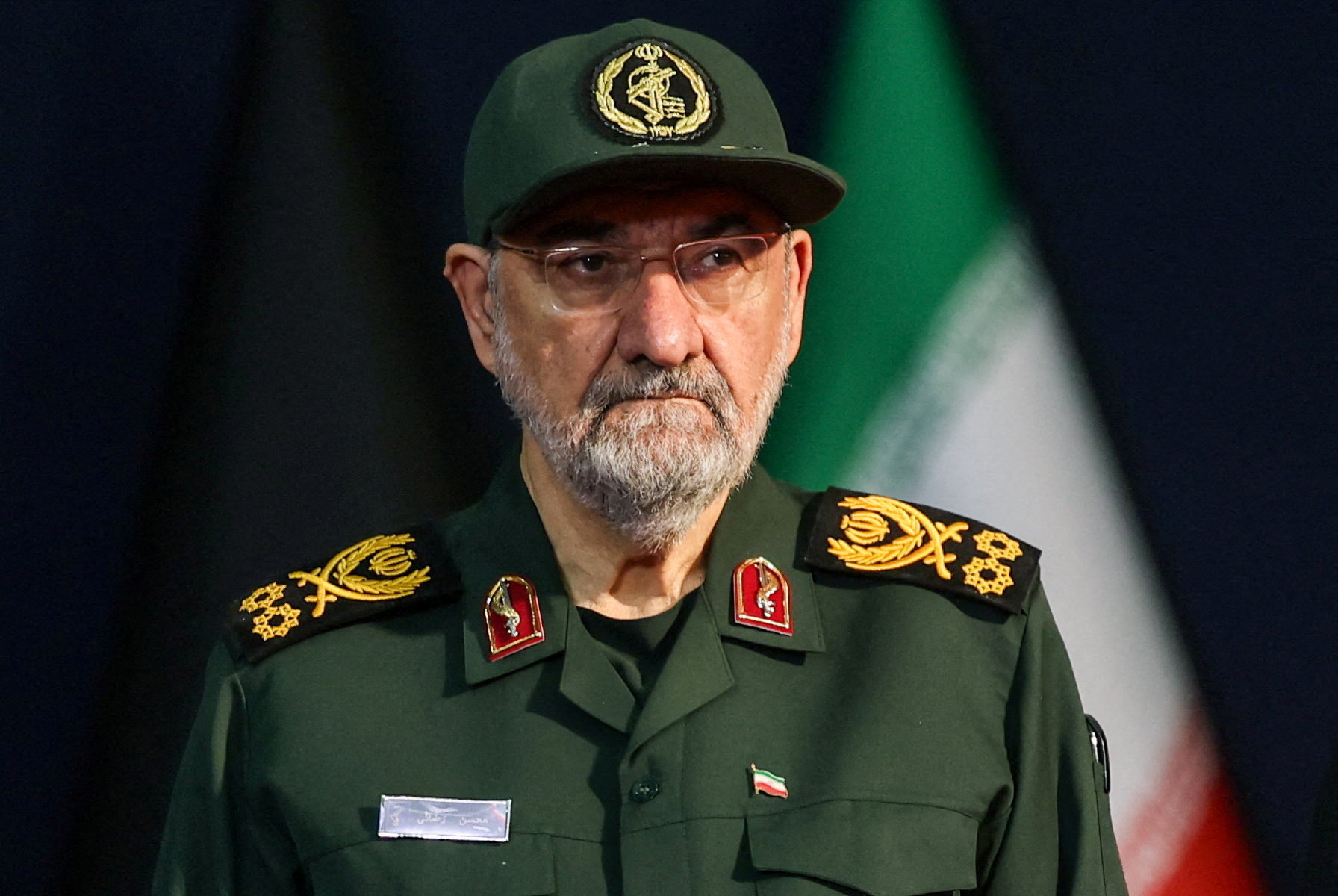
Mohsen Rezaei at the Helm of Iran’s Supreme National Security Council
Under Rezaei, the SNSC could prove constructive or paralyze strategic decision making.
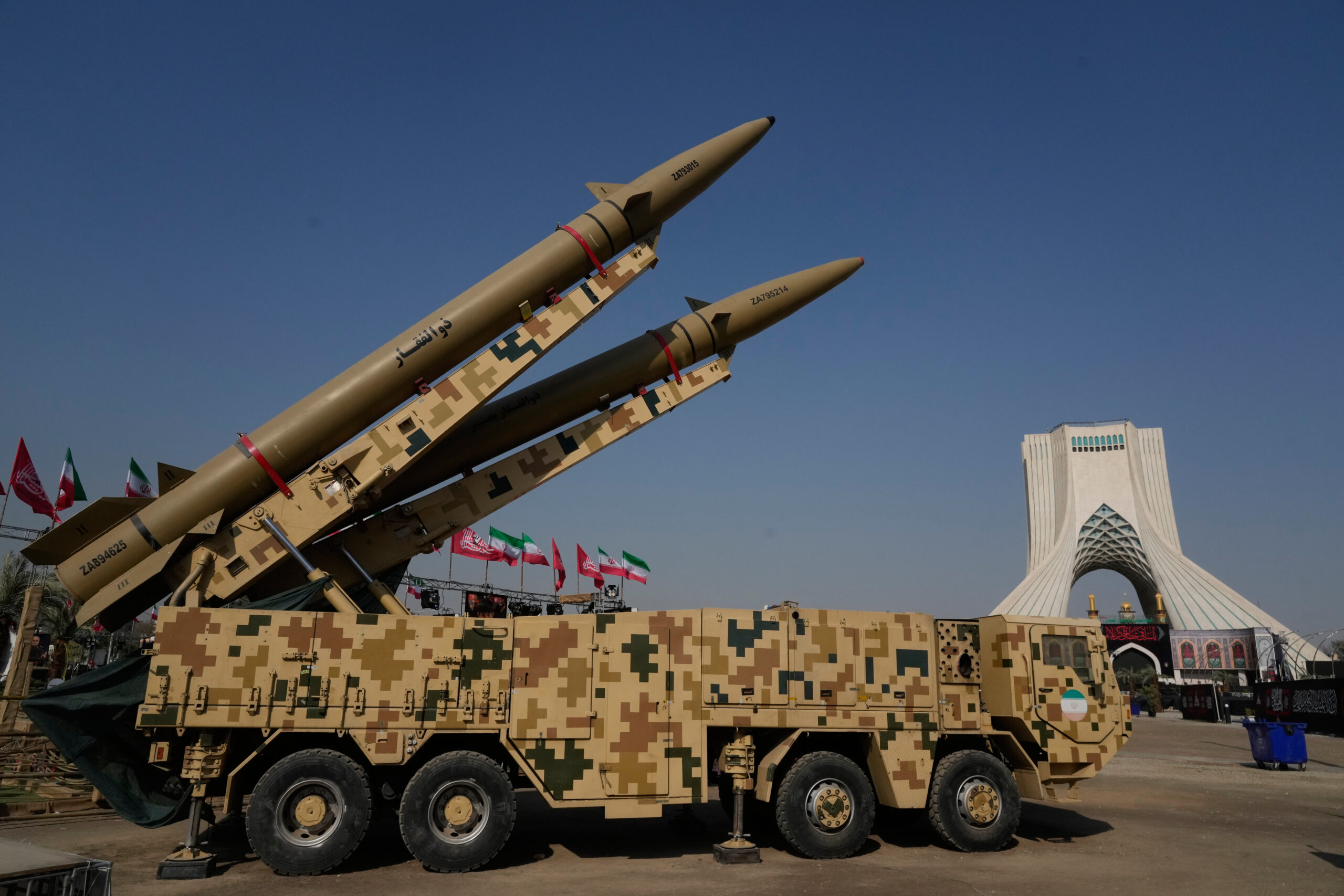
The Islamic Republic Returns to Offense
After U.S.-Israeli strikes killed Supreme Leader Ayatollah Ali Khamenei on February 28, Iran’s collective leadership has concluded that the best defense is a good offense.
Iran’s Collective Strategic Decision Making
Wartime pressure has temporarily aligned the leadership’s overriding interest in regime survival, even as its members continue to differ over the costs, methods, and ultimate objectives of the war.
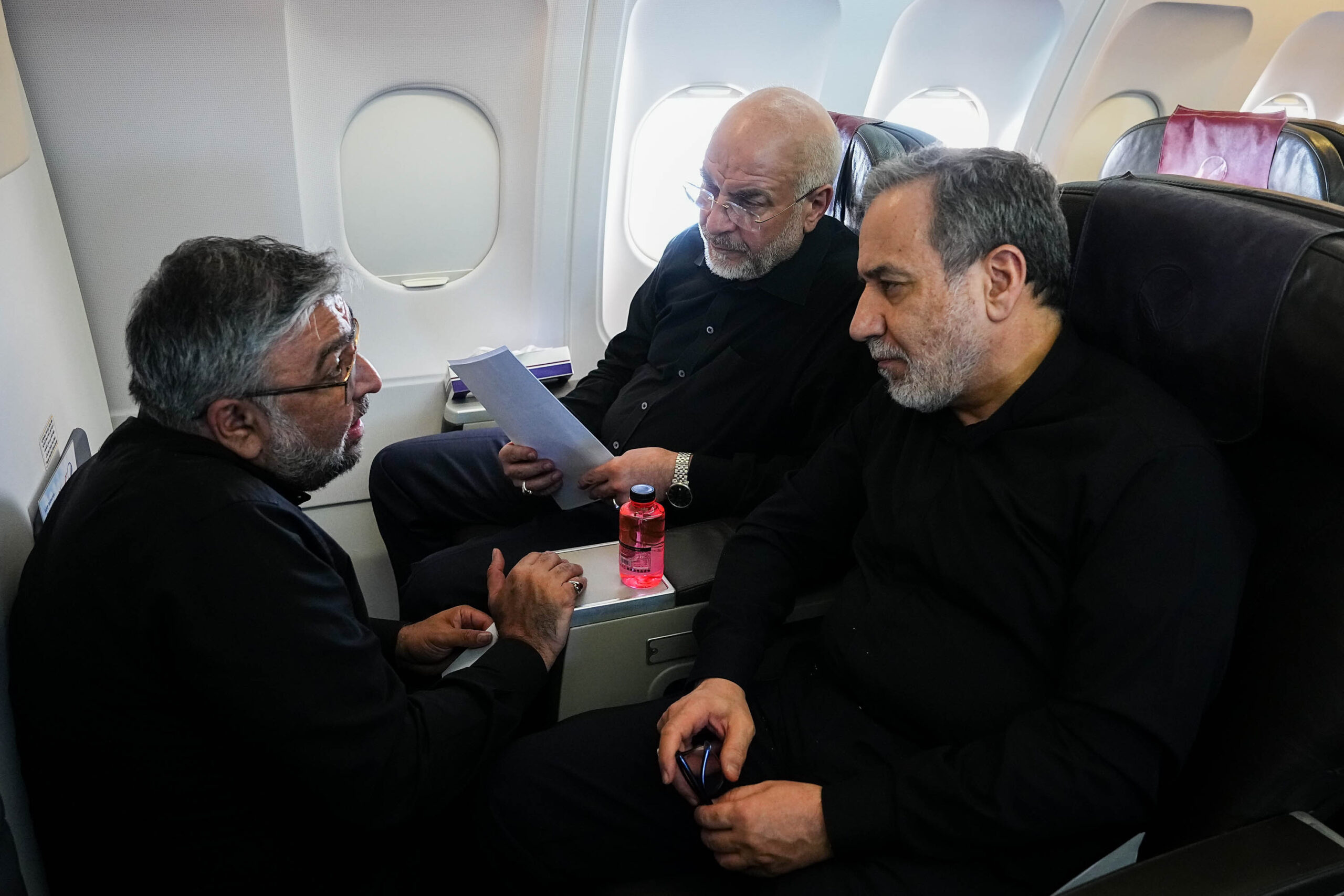
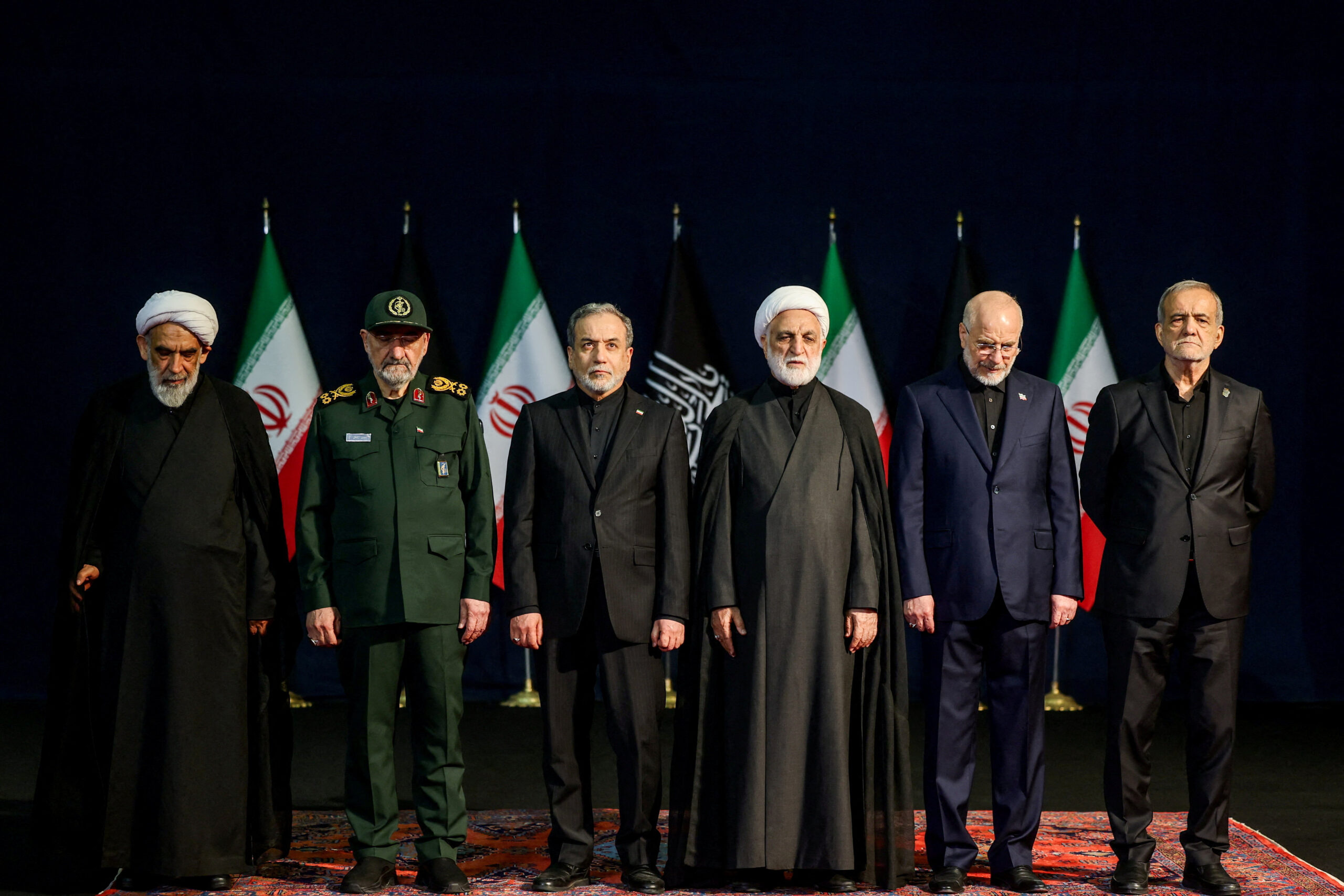
The Islamic Republic’s Collective Leadership
While there is historical precedent for collective leadership in Iran, today’s leadership includes representatives of the IRGC and regular military – a reflection of the IRGC’s expanding role and the necessities of governing under wartime conditions.
Events
Oct 6, 2026
Is the U.S.-Iran Stalemate a “New Normal” or the Prelude to Another Explosion?
On October 6, AGSI hosted a discussion on the U.S.-Iran stalemate and the prospects for a cease-fire.
Speakers



Book Talk: Iran and the Bomb: The United States, Iran and the Nuclear Question
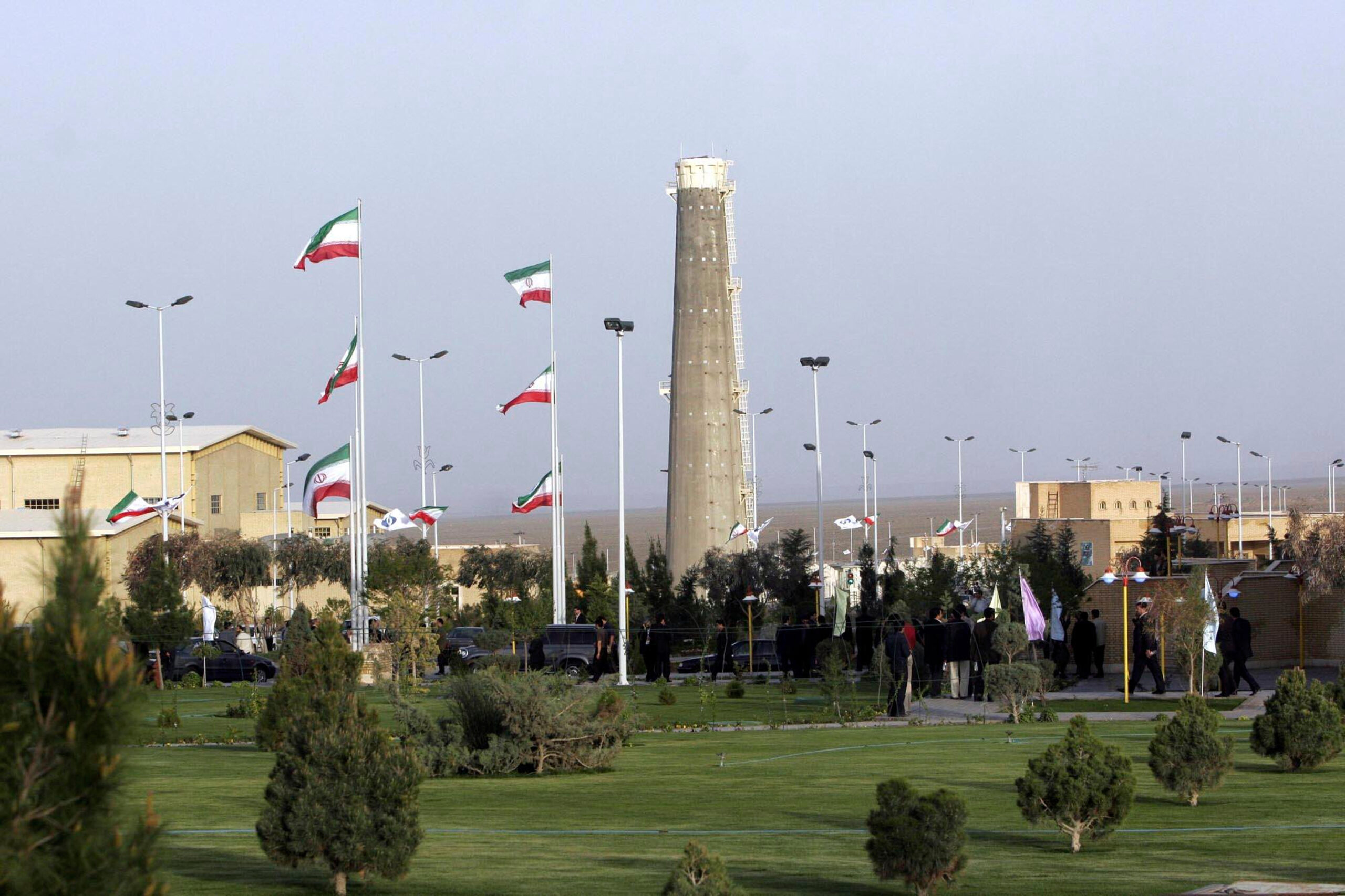
On June 16, AGSI hosted a discussion on the evolution of Iran's nuclear program.
Speakers
Apr 21, 2026
Inside Iran’s Wartime Leadership: Power, Succession, and Regime Stability
On April 21, AGSI hosted a discussion on the evolution of Iran's leadership during the war.
Speakers

Mar 18, 2026
In Its Conflict With the United States and Israel, Does Escalation Favor Iran?
On March 18, AGSI hosted a discussion on the escalation of the Iran war.
Speakers